
12 Secrets About Kyoto’s Temples and Gardens
Kyoto is Japan’s former imperial capital and is world-renowned for its beautiful temples, peaceful gardens and timeless traditions. With more than 1,600 temples and shrines, along with an array of meticulously designed gardens, Kyoto is a treasure trove for lovers of natural beauty. But beyond its postcard-perfect scenes lies these 12 surprising secrets about Kyoto’s temples and gardens:
Kinkaku-ji’s Gold Leaf Is a Recent Addition
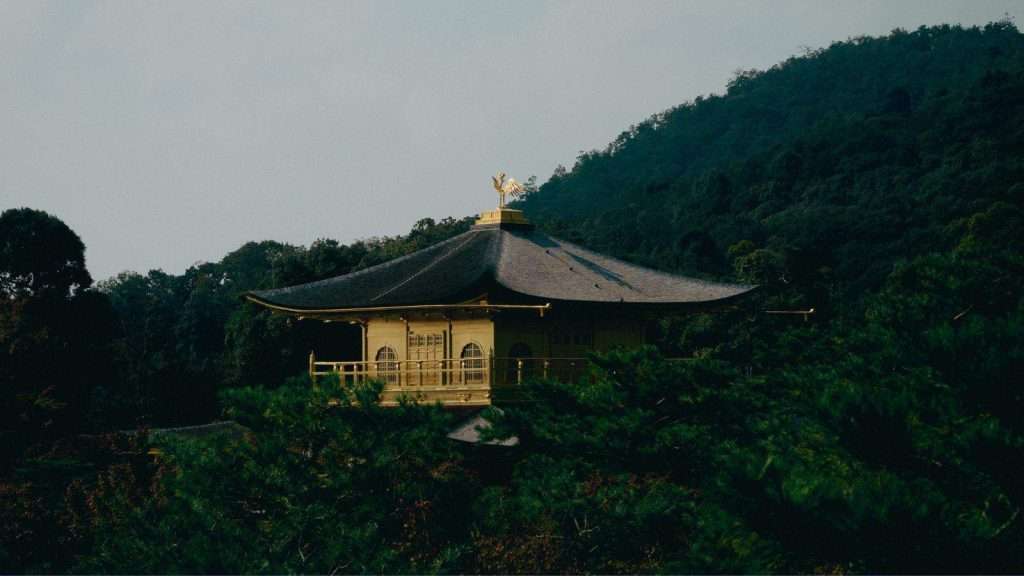
The glittering Kinkaku-ji (Golden Pavilion) is one of Kyoto’s most iconic landmarks, famous for its shimmering gold exterior. However, this dazzling gold leaf coating wasn’t always part of the temple’s design. Originally built in the 14th century as a retirement villa for shogun Ashikaga Yoshimitsu, the building was burned down in 1950 by a novice monk. When it was reconstructed in 1955, the top two floors were adorned with gold leaf, a detail that wasn’t present in its original form, adding an extra layer of beauty to this historic structure.
Ryoan-ji’s Rock Garden Has No Definitive Interpretation
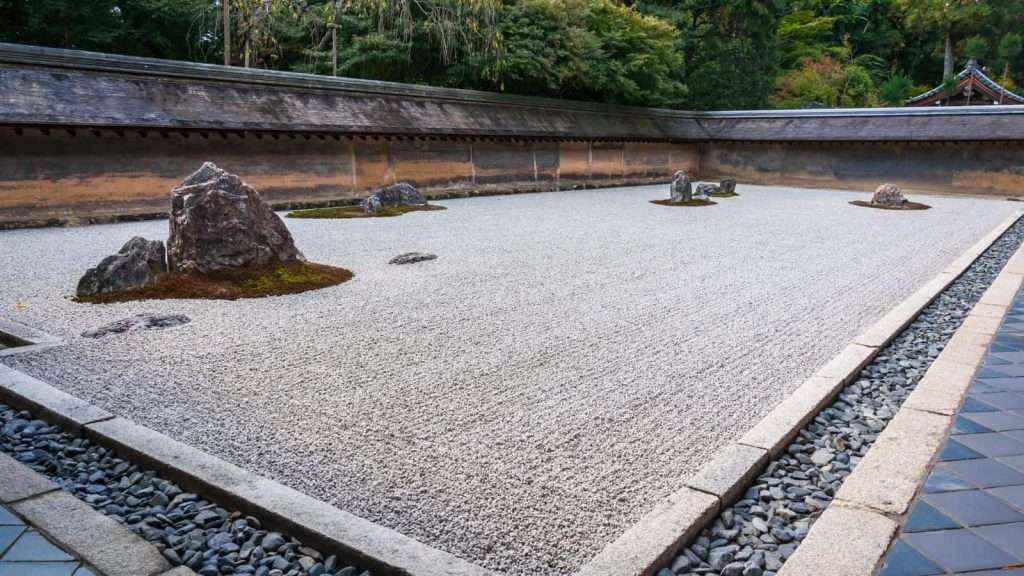
The enigmatic rock garden at Ryoan-ji temple is one of the most famous Zen gardens in Japan, but no one knows for certain what the design actually represents. The garden features 15 rocks carefully arranged on a bed of white gravel, but only 14 are visible from any vantage point. Scholars and visitors have debated its meaning for centuries, with interpretations ranging from islands in a sea to a tiger carrying its cubs across water. The lack of a definitive explanation invites introspection and personal interpretation—a hallmark of Zen philosophy.
Saiho-ji’s Moss Garden Requires a Special Visit
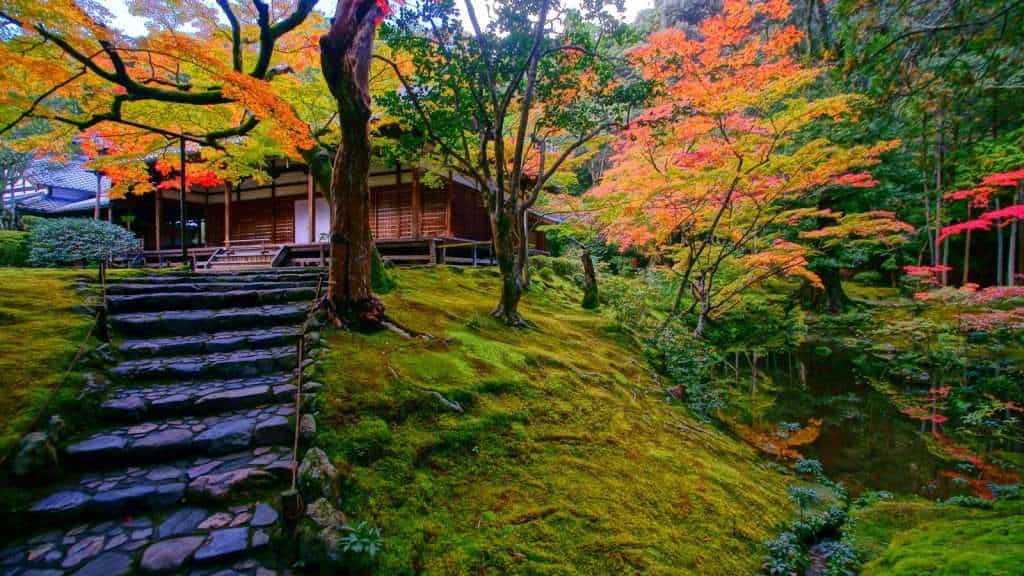
Known as Koke-dera or the “Moss Temple,” Saiho-ji is home to one of Kyoto’s most serene and magical gardens, where over 120 types of moss carpet the grounds. Visiting Saiho-ji isn’t as simple as walking in—you must send a written application in advance and before exploring the garden, visitors are asked to participate in a sutra chanting ceremony. This unique process adds a spiritual dimension to the visit, making it one of Kyoto’s most peaceful and reflective experiences.
Fushimi Inari-Taisha’s Torii Gates Lead to Hidden Shrines
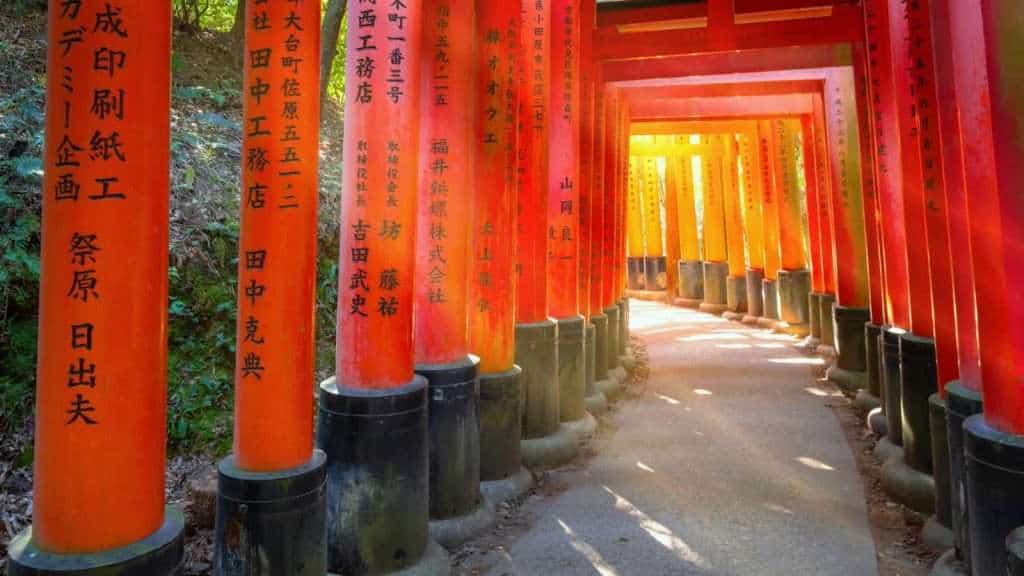
The thousands of vermillion torii gates that form tunnels through the forest at Fushimi Inari-Taisha are famous worldwide, but few visitors explore beyond the main paths. If you continue to hike further up the mountain, you’ll discover hidden shrines and secluded spots that are often overlooked by tourists. The higher you go, the quieter it becomes and you can experience the spiritual tranquility that this sacred site offers.
The Gardens at Ginkaku-ji Are Masterpieces of Zen Design
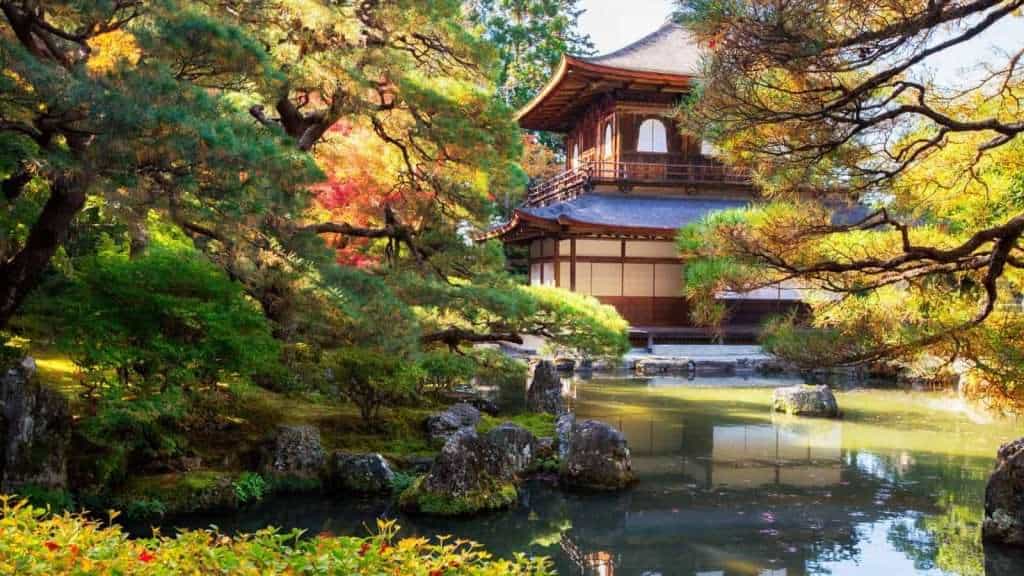
While Ginkaku-ji (the Silver Pavilion) was originally intended to be coated in silver, like its golden counterpart Kinkaku-ji, the plans were never completed. Instead, Ginkaku-ji is best known for its beautiful Zen garden, which includes meticulously raked sand formations that symbolize waves and mountains. One of the most striking features is the “Moon Viewing Platform”, which is a cone of white sand designed to reflect moonlight, creating an ethereal atmosphere at night.
Kiyomizu-dera’s Balcony Was Built Without Nails
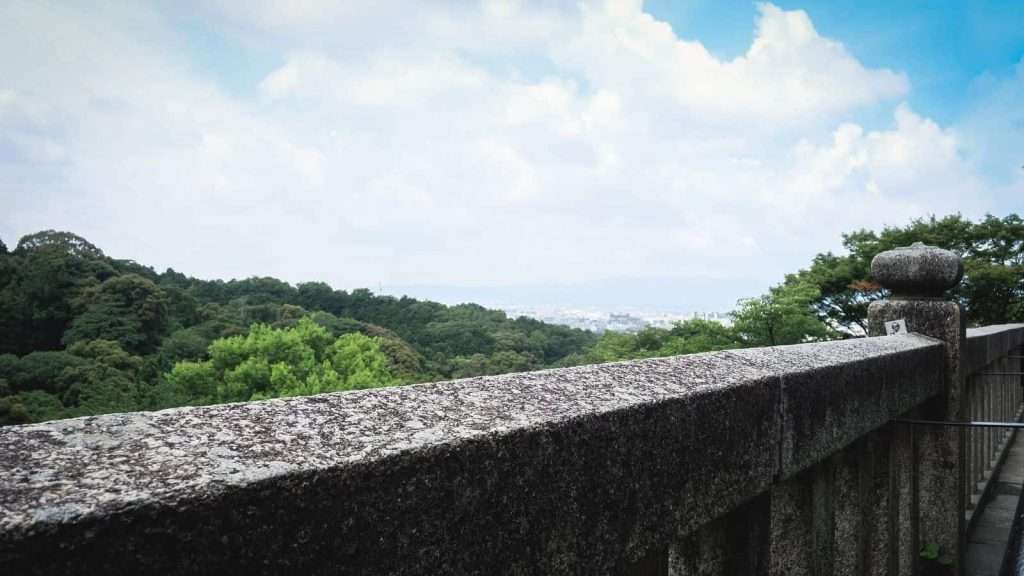
The wooden stage of Kiyomizu-dera, which juts out over a steep hillside, offers one of the most breathtaking views of Kyoto. What’s more fascinating is that this grand structure was built entirely without nails. The temple, which dates back to 778 AD, was constructed using an ancient Japanese technique where wooden beams are interlocked to create a strong, stable framework. This feat of traditional craftsmanship has allowed the temple to endure earthquakes and natural wear for centuries.
Eikando’s Hidden Fall Foliage
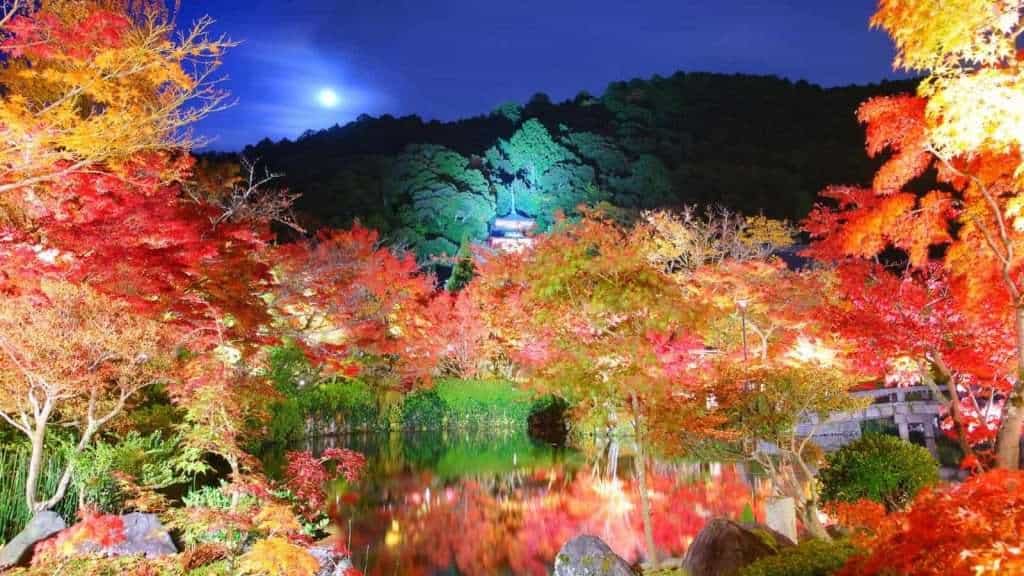
While Kyoto’s temples are beautiful year-round, Eikando Zenrin-ji is particularly stunning in autumn when its gardens explode with vibrant red and orange foliage. What many people don’t know is that the best views are hidden behind the main temple complex, where you can find a quiet pond surrounded by maple trees. The reflection of the autumn leaves in the still water creates an unforgettable scene, especially during the evening light-up events in November.
Tofuku-ji’s Zen Garden is Surprisingly Modern
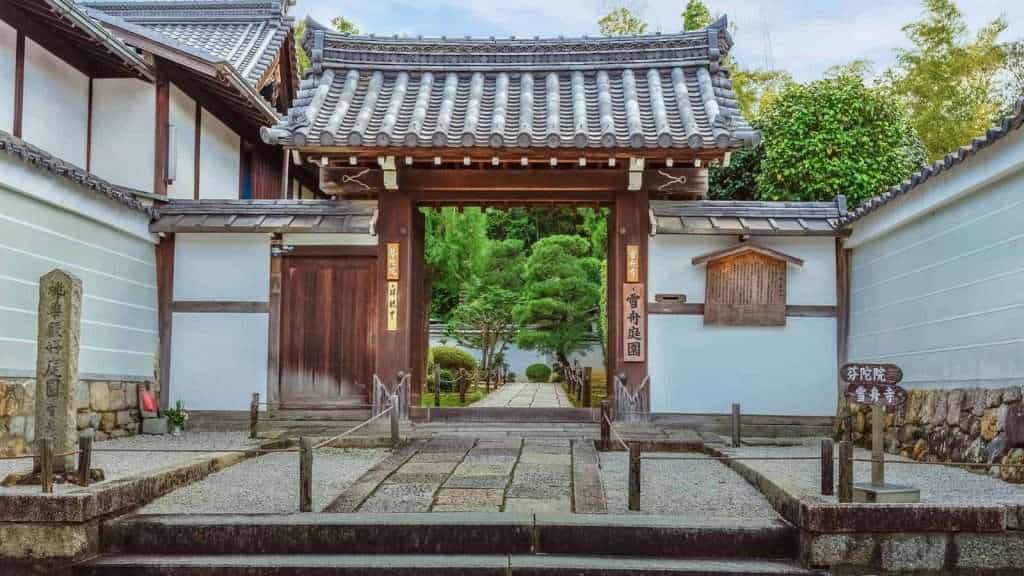
Despite being one of Kyoto’s oldest temples, Tofuku-ji’s Zen garden is surprisingly modern. Designed in the 1930s by landscape architect Mirei Shigemori, the garden blends traditional Zen aesthetics with bold, abstract patterns. The garden’s checkerboard moss, raked gravel, and carefully placed stones showcase a fusion of old and new, making it a unique take on traditional Japanese garden design.
Nanzen-ji’s Aqueduct: A Touch of Western Influence
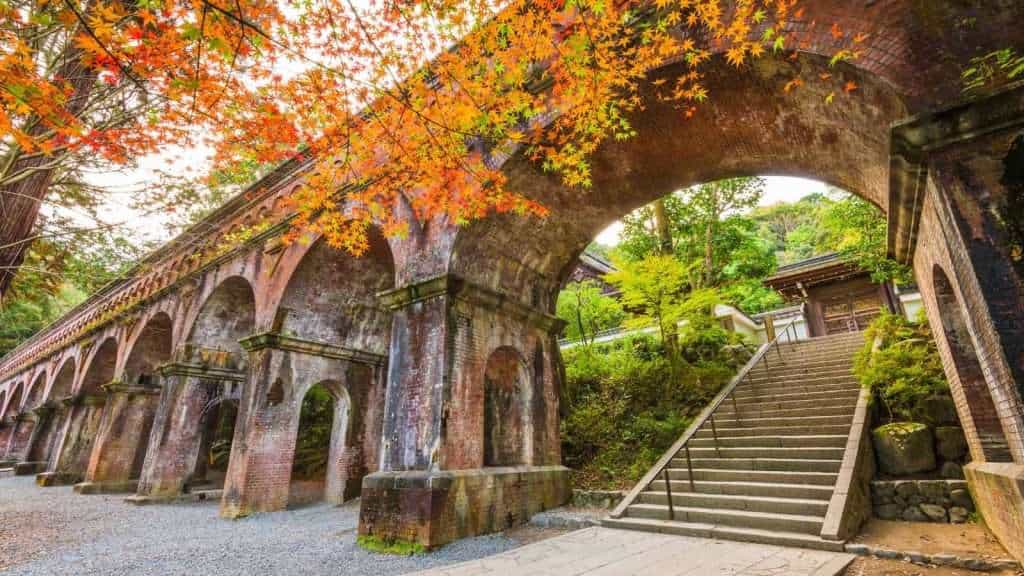
Nestled within the grounds of Nanzen-ji temple is an unexpected sight: a massive brick aqueduct. Built during the Meiji period in the late 19th century, the aqueduct was constructed to transport water from Lake Biwa to Kyoto and is a rare example of Western-style architecture within a traditional Japanese temple. Today, it serves as a striking contrast to the surrounding greenery and traditional structures, blending two different architectural worlds.
Tenryu-ji’s Garden Reflects the Cosmos
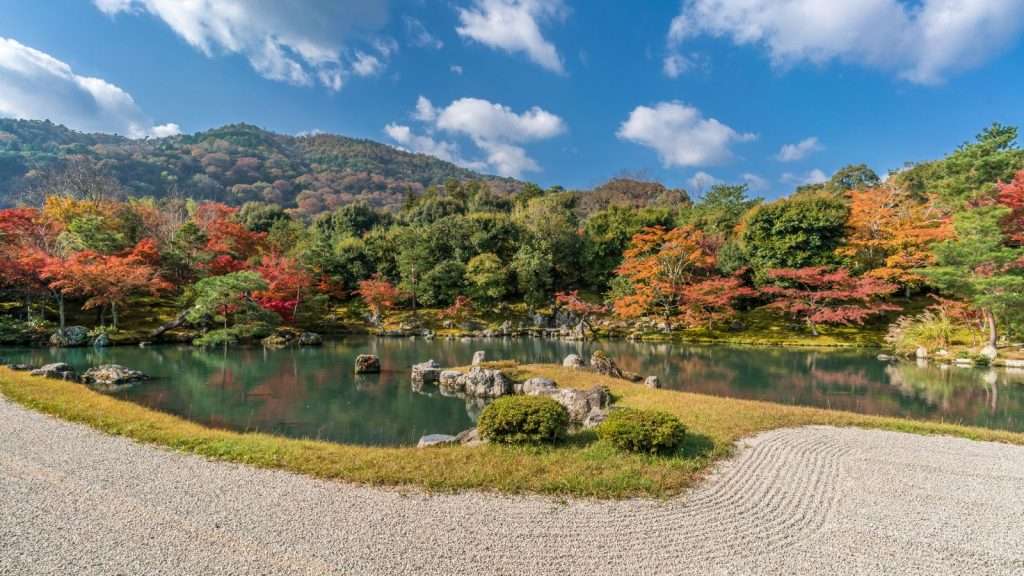
The garden at Tenryu-ji, one of Kyoto’s five great Zen temples, was designed by Muso Soseki in the 14th century and is considered one of the finest examples of shakkei, or “borrowed scenery.” The garden cleverly incorporates the distant Arashiyama mountains into its design, creating the illusion that the garden extends far beyond its boundaries. Muso Soseki intended the garden to reflect the balance and harmony of the cosmos, inviting visitors to contemplate the deeper meaning of existence.
Shoren-in’s Blue Light-Up Event
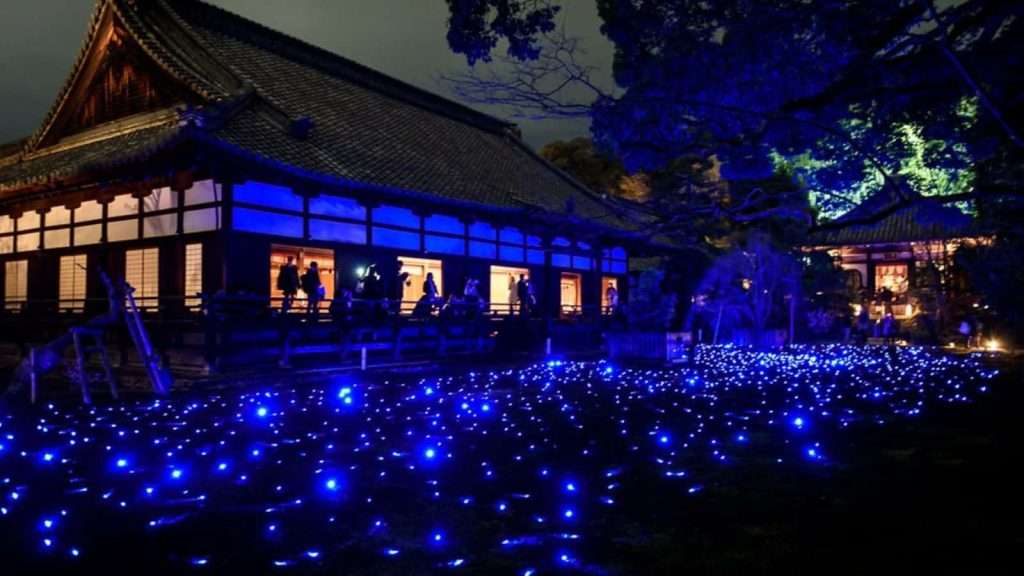
While many of Kyoto’s temples hold seasonal light-up events, Shoren-in temple offers a unique blue illumination in the autumn. The temple grounds are bathed in a soothing blue light that contrasts with the warm colors of the autumn leaves, creating an otherworldly atmosphere. Shoren-in is one of the less crowded temples during the evening light-up, making it a hidden gem for those seeking a quieter, more intimate experience.
The Dragon Ceiling at Kennin-ji

Inside Kennin-ji, Kyoto’s oldest Zen temple, you’ll find a breathtaking ceiling mural of twin dragons. Painted in 2002 by contemporary artist Koizumi Junsaku, the mural covers the entire ceiling of the main hall and is one of the most striking examples of modern art in a traditional temple setting. The dragons are said to protect the temple and their fierce expressions and swirling forms create a powerful, dynamic energy that contrasts with the calmness of the temple grounds.

Deborah Montiero is a seasoned travel writer and contributor to Probe the Globe. With a passion for uncovering hidden gems and sharing immersive travel experiences, Deborah’s work highlights must-visit destinations, insider tips, and practical advice for travelers of all types. Whether exploring bustling cities or remote escapes, her articles are crafted to inspire and inform, making her a trusted voice in the travel community.
Her storytelling weaves together cultural insights, logistical tips, and authentic experiences, making her a valuable resource for readers seeking unforgettable journeys.
When not writing, Deborah is likely researching the latest travel trends or planning her next adventure. Follow her work on Probe the Globe for fresh perspectives and up-to-date travel inspiration.