25 “Lost” Landmarks You Can Stand Next To and Still Miss
Some of the most intriguing travel experiences in the United States aren’t about towering landmarks or postcard views, but about places hiding in plain sight. Across the country, traces of vanished cities, forgotten industries, and erased histories linger quietly beside highways, neighborhoods, and hiking trails.For road trippers and history-minded travelers, these overlooked sites add depth to U.S. travel experiences. Many are unmarked, partially erased, or disguised by modern development. We take a look at 25 “Lost” Landmarks You Can Stand Next To and Still Miss
The Original Penn Station Location, New York City

Millions pass through Manhattan daily without realizing they’re walking near where the original Penn Station once stood. Demolished in the 1960s, the architectural masterpiece now exists only in photos and memory. The modern Madison Square Garden complex covers much of its footprint. Travelers exploring New York City history often miss the significance entirely, standing nearby unaware of the loss that helped spark the historic preservation movement across the United States.
Route 66’s Buried Segments, Illinois
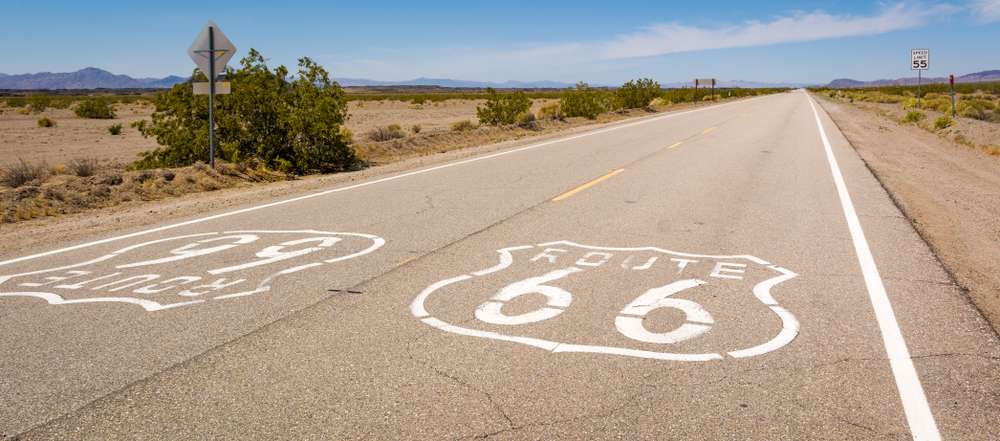
While Route 66 is famous, many of its original stretches are hidden beneath newer roads or abandoned behind fences. In Illinois, travelers can unknowingly drive past faded pavement once traveled by Dust Bowl migrants. Grass, gravel, and time conceal these fragments. Road trip enthusiasts chasing classic U.S. travel routes often miss these original alignments, which survive quietly alongside modern highways.
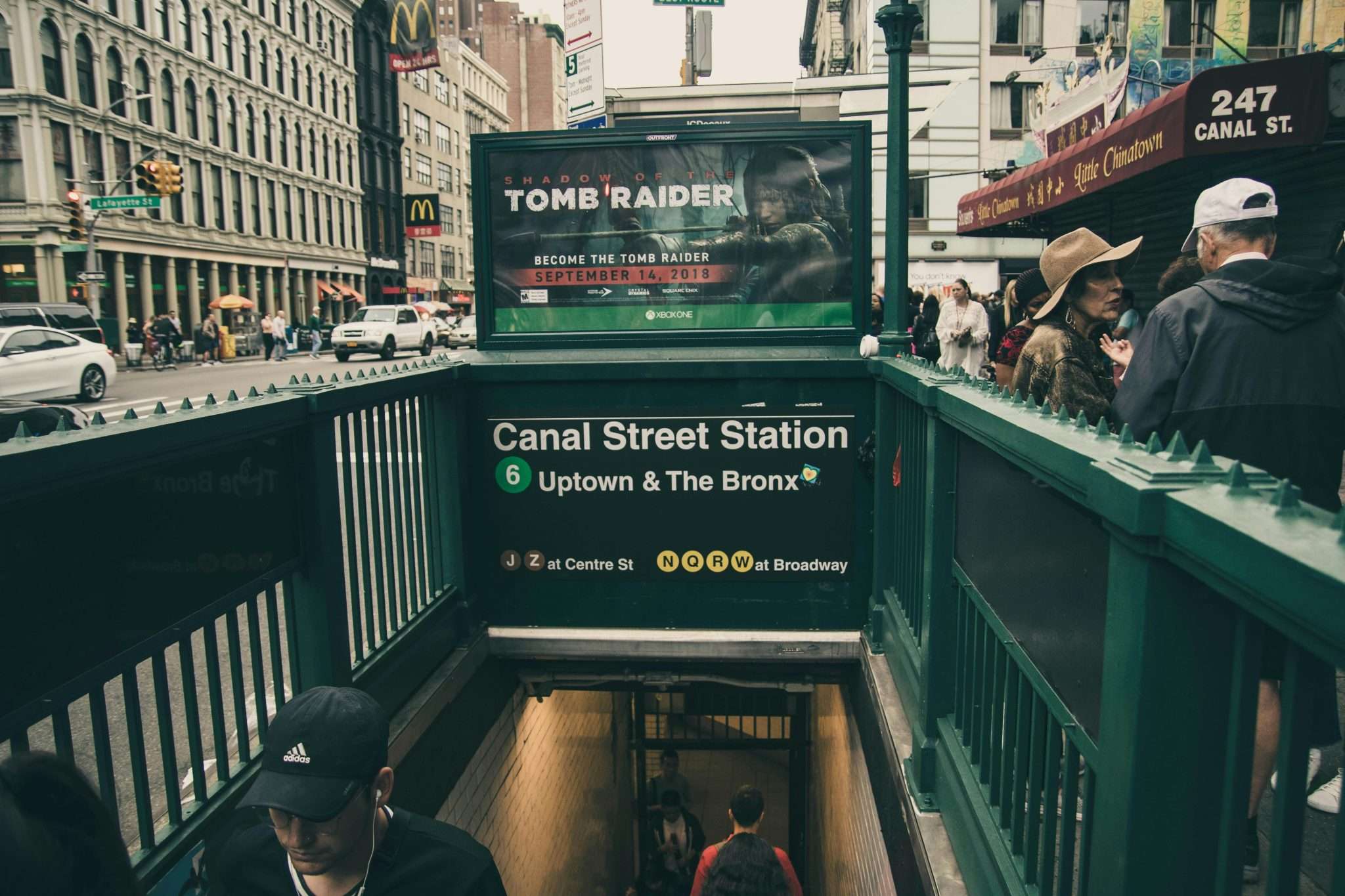
The Ghost Platforms of City Hall Station, New York

City Hall Station sits beneath Manhattan, unseen by most subway riders. Closed for decades, its ornate design still exists underground. Trains pass through daily, but unless riders know to look, it goes unnoticed. Urban explorers and history-focused travelers find it fascinating that such craftsmanship remains hidden beneath one of America’s busiest cities, reinforcing how layered U.S. travel destinations can be.
The Berlin Wall Section in Los Angeles, California

A preserved segment of the Berlin Wall stands quietly in Los Angeles, often overlooked by passersby. Located in a public space, it blends into the urban environment. Travelers exploring California cities may walk right past it without recognizing its global historical importance. This unexpected landmark shows how international history intersects with American travel destinations in subtle ways.
The Original Las Vegas Strip Alignment, Nevada

Before neon and mega-resorts, the original Las Vegas Strip followed a different alignment. Remnants still exist but are overshadowed by modern development. Travelers focused on casinos often miss these early footprints. For those interested in U.S. travel history, these hidden traces reveal how rapidly destinations evolve and how easily origins can fade beneath expansion.
The Lost Creek of Times Square, New York

Before skyscrapers and billboards, a natural creek flowed through what is now Times Square. Completely buried, it still affects drainage and infrastructure. Travelers visiting this iconic destination rarely imagine its natural past. This invisible landmark highlights how urban U.S. travel destinations often erase their original landscapes without fully eliminating their influence.
Sutro Baths Ruins, San Francisco, California

While parts of the Sutro Baths are visible, many visitors miss their scale and significance. Once a massive public swimming complex, most of it collapsed or eroded into the Pacific. Tourists exploring San Francisco’s coastline often underestimate what stood there. The remaining ruins quietly tell a story of ambition, leisure, and the changing nature of coastal travel in the U.S.
The Original Hollywood Sign Location, California

The Hollywood Sign originally read “Hollywoodland” and served as a real estate advertisement. Few visitors realize parts of its original alignment differed slightly. Travelers flocking to Los Angeles landmarks may not consider how temporary the sign was meant to be. This iconic yet misunderstood site reflects how U.S. travel symbols often outgrow their original purpose.
Central Park’s Seneca Village, New York

Before Central Park existed, Seneca Village was a thriving community of free Black landowners and immigrants. Almost no visible markers remain. Travelers strolling through the park often stand directly over former homes without knowing. This lost landmark challenges visitors to consider whose stories are absent from famous U.S. travel destinations.
The Submerged Town of St. Thomas, Nevada
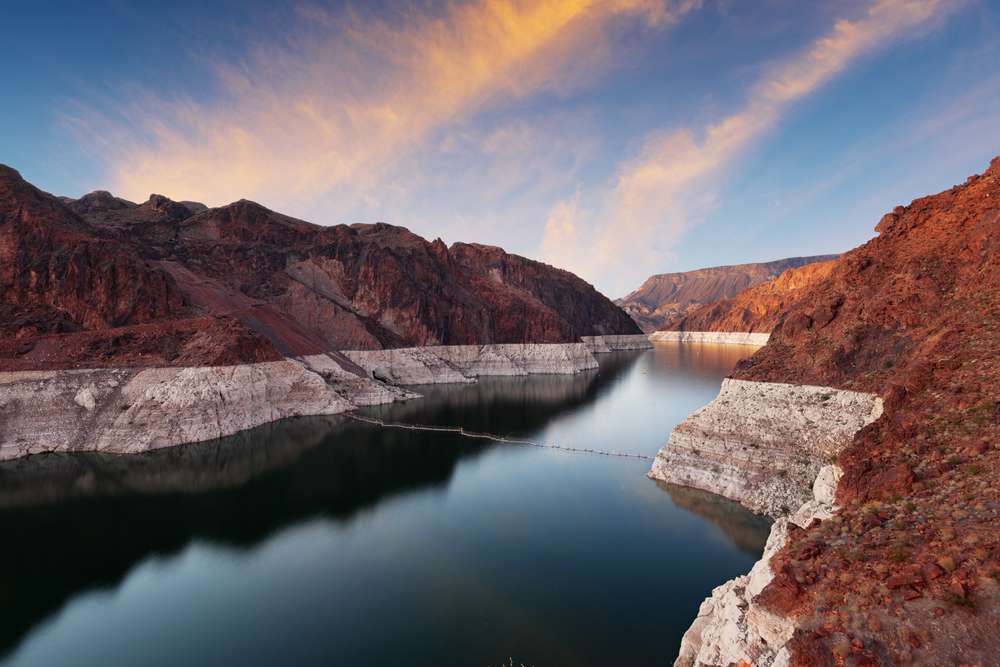
St. Thomas lies beneath Lake Mead most of the time, occasionally reappearing when water levels drop. Even when visible, it’s easy to overlook. Travelers exploring Nevada road trips may miss it entirely. This site reflects how infrastructure projects reshaped landscapes, erasing communities while creating new travel destinations like national recreation areas.
The Original Alcatraz Lighthouse, California

Before Alcatraz became a prison, it housed one of the West Coast’s first lighthouses. Remnants are subtle and overshadowed by the prison narrative. Visitors touring Alcatraz often overlook this earlier chapter. This hidden layer adds depth to one of America’s most visited historical travel sites.
Cahokia’s Outer Settlements, Illinois

While Cahokia Mounds is well known, its surrounding settlements are largely invisible. Roads and neighborhoods now cover what was once North America’s largest pre-Columbian city. Travelers interested in ancient history may not realize how far Cahokia extended. This overlooked landmark reshapes how visitors understand early civilization in U.S. travel narratives.
The Lost Boardwalks of Atlantic City, New Jersey

Atlantic City’s boardwalk history stretches beyond what exists today. Earlier sections were destroyed by storms and redevelopment. Visitors enjoying the modern boardwalk often stand near vanished segments. This layered history reminds travelers that coastal U.S. travel destinations are constantly rebuilt against natural forces.
The Underground River of Seattle, Washington
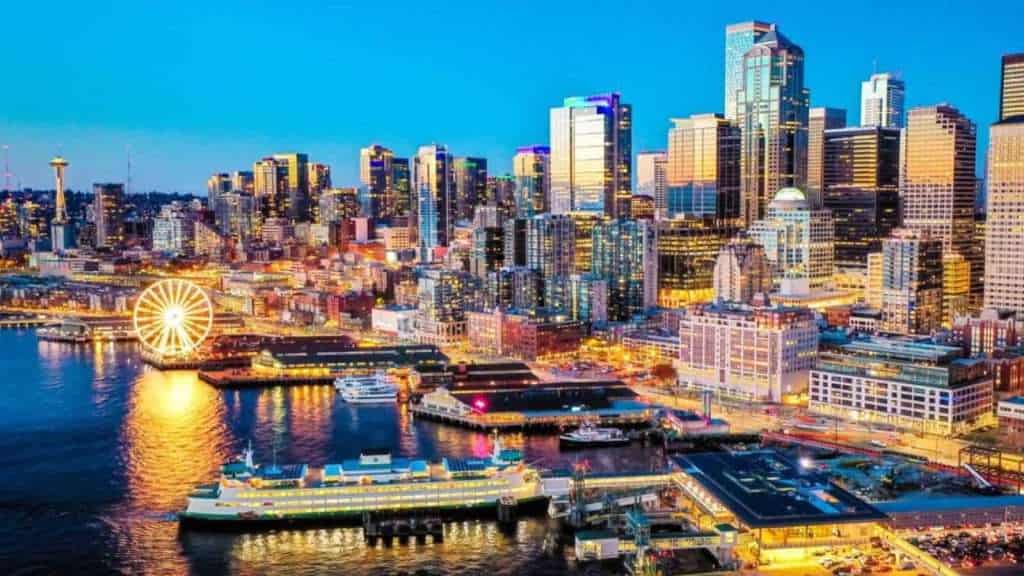
Seattle’s early streets were raised, burying an entire level of the city. An underground river still flows beneath. Travelers walking downtown rarely notice subtle elevation changes that mark this transformation. This hidden landmark illustrates how engineering decisions shape modern U.S. travel cities in invisible ways.
The Original Plymouth Colony Site, Massachusetts

The original Plymouth settlement shifted over time, and its earliest footprints are subtle. Visitors seeking early American history may miss where colonists first lived. This site shows how even foundational U.S. travel landmarks can be surprisingly difficult to pinpoint without context.
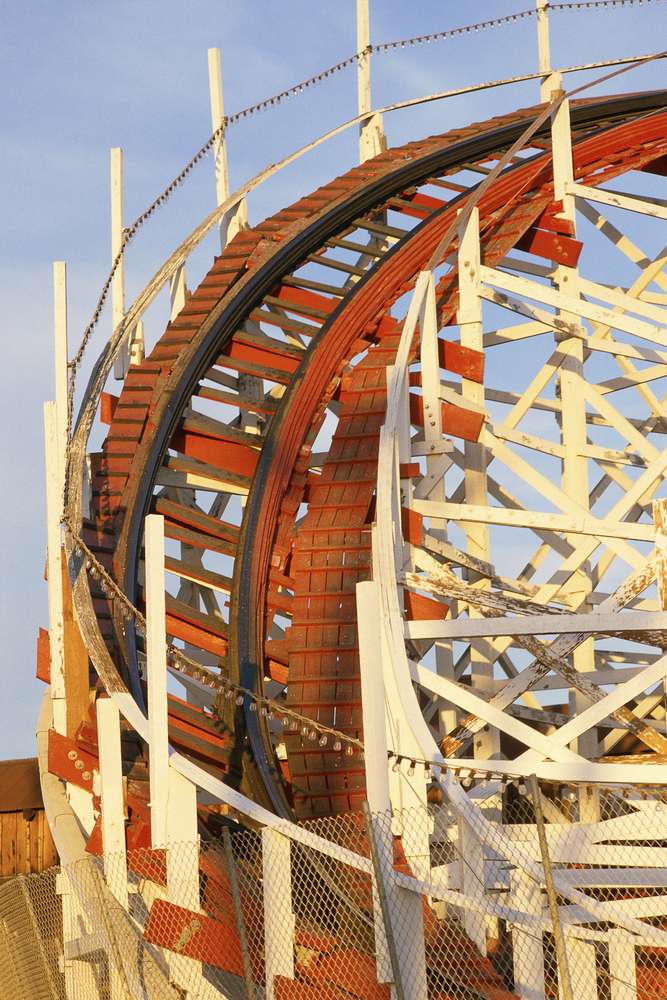
The Lost Amusement Parks of Coney Island, New York

Coney Island once hosted multiple amusement parks, many long gone. Modern attractions mask where they stood. Travelers enjoying the beach may not realize how much has disappeared. These forgotten sites reflect changing tastes in leisure travel and entertainment across American history.
Route 66’s Twin Arrows Trading Post, Arizona

Though recognizable to those who know, many travelers speed past Twin Arrows without stopping. The abandoned site blends into the desert landscape. For road trip travelers, it’s easy to miss despite its cultural significance. This landmark represents the fading roadside culture of classic U.S. travel.
The Lost Spanish Missions of Texas

Not all Spanish missions survived intact, and many exist today only as foundations, scattered stones, or partial walls positioned close to modern roads. Travelers exploring Texas history often drive past these remnants without realizing their significance, especially when no signs mark their presence. These sites quietly trace early colonial travel routes and settlement patterns across the American Southwest, revealing how religion, trade, and survival shaped movement through the region long before highways.
The Buried Chinatown of San Jose, California

San Jose’s original Chinatown was destroyed by fire and redevelopment. Only subtle markers remain. Travelers visiting Silicon Valley may stand nearby unaware of its presence. This lost landmark highlights how immigrant communities shaped U.S. travel cities long before tech defined them.
The Original Nashville Fort Site, Tennessee

Fort Nashborough’s earliest structures are barely visible today. Modern Nashville surrounds the site. Music-focused travelers often overlook this chapter of history. The hidden fort reminds visitors that many popular U.S. travel destinations began as vulnerable frontier settlements.
The Lost Rail Towns of Wyoming
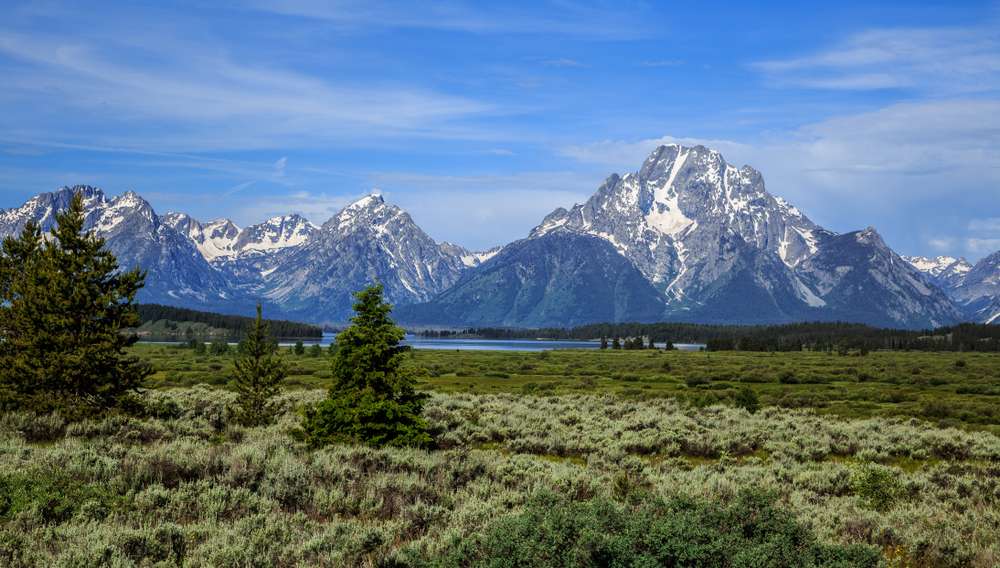
Several Wyoming towns vanished after rail routes shifted. Foundations and faint outlines remain near tracks and highways. Travelers driving through wide-open landscapes may never notice. These sites reflect how transportation shaped U.S. travel corridors and erased communities just as easily.
The Hidden Canals of Los Angeles, California

Parts of Los Angeles once featured canals modeled after Venice. Most were filled in. Travelers strolling residential neighborhoods may miss their traces. These forgotten waterways reveal alternative visions for urban development in American travel cities.
The Submerged Forest of Lake Michigan

Along Lake Michigan’s shoreline, ancient tree stumps rise from the shallow water, often only visible when conditions are calm and light hits the surface just right. Many beachgoers never notice them, assuming they are ordinary rocks or debris shaped by waves. Travelers exploring Great Lakes destinations may stand only feet away, unaware that these stumps are remnants of forests that existed thousands of years ago when water levels were far lower.
The Lost Military Batteries of San Francisco Bay
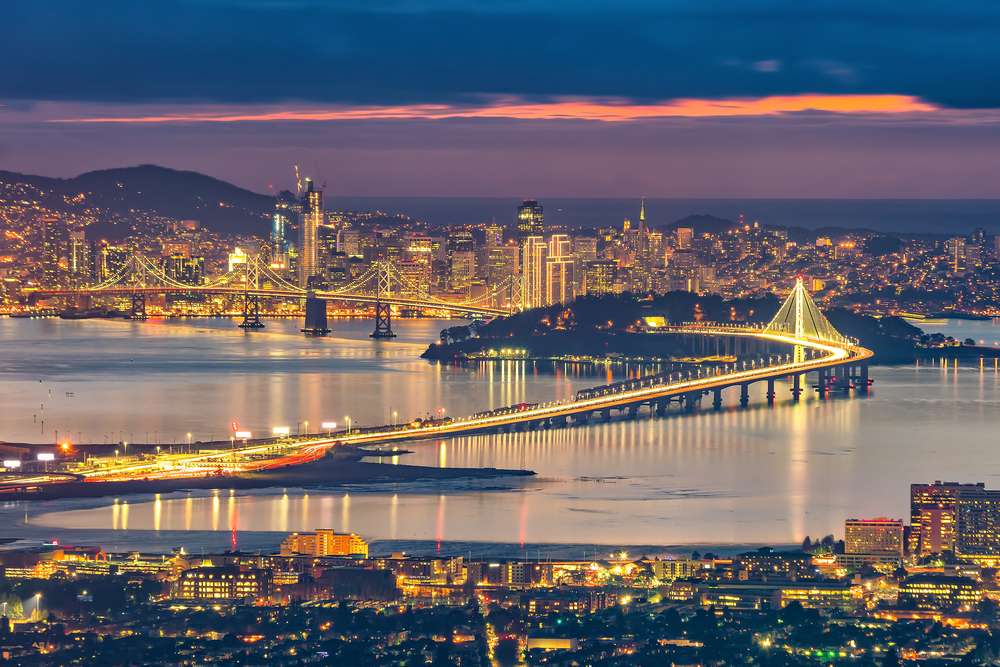
Several coastal defense structures remain partially hidden along trails and bluffs around San Francisco Bay, often blending into the landscape as weathered concrete and earthworks. Travelers focused on sweeping ocean views, wildlife, or scenic coastal hikes may walk directly past them without a second glance. Many of these batteries were built to defend against naval threats during the late 19th and early 20th centuries, yet today they feel almost intentionally invisible. These overlooked sites reflect America’s military past and how defense once shaped coastal U.S. travel regions, quietly reminding visitors that places now associated with leisure and tourism were once defined by vigilance and strategic necessity.
The Original Spanish Trail Markers, New Mexico

Sections of the Old Spanish Trail still cut quietly across New Mexico, often completely unmarked and easy to miss even when you are standing directly on them. One key example is the small community of Abiquiú, where portions of the trail overlap with dirt roads and open high-desert land now used for grazing. Travelers driving through the region may assume they are on an ordinary rural route, unaware that traders once moved wool, horses, and goods along the same path between New Mexico and California. ps.

Deborah Montiero is a seasoned travel writer and contributor to Probe the Globe. With a passion for uncovering hidden gems and sharing immersive travel experiences, Deborah’s work highlights must-visit destinations, insider tips, and practical advice for travelers of all types. Whether exploring bustling cities or remote escapes, her articles are crafted to inspire and inform, making her a trusted voice in the travel community.
Her storytelling weaves together cultural insights, logistical tips, and authentic experiences, making her a valuable resource for readers seeking unforgettable journeys.
When not writing, Deborah is likely researching the latest travel trends or planning her next adventure. Follow her work on Probe the Globe for fresh perspectives and up-to-date travel inspiration.