21 Abandoned American Theme Parks That Are Somehow Still Standing
Across the United States, abandoned theme parks remain frozen in time, slowly reclaiming space in forests, deserts, and forgotten corners of once-busy towns. These places were built for laughter, crowds, and spectacle, yet today they stand quiet, weathered, and strangely captivating. For travelers drawn to unusual history, they offer a different lens on American ambition and entertainment culture. This journey through forgotten attractions highlights 21 Abandoned American Theme Parks That Are Somehow Still Standing.
Six Flags New Orleans, Louisiana
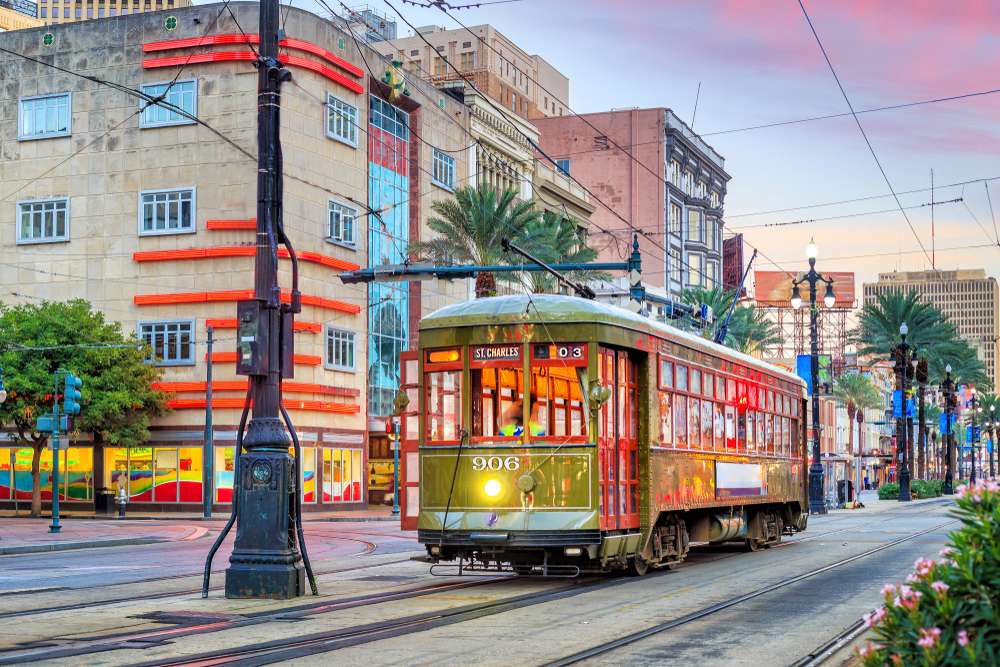
Once a major destination for regional tourism, Six Flags New Orleans closed after Hurricane Katrina devastated the area in 2005. The park’s rides remain scattered across the property, rusted and overtaken by vegetation. Locals know the site as a haunting reminder of loss and recovery struggles. For U.S. travel enthusiasts, it represents how natural disasters can permanently reshape leisure spaces once filled with energy.
Jazzland, Louisiana
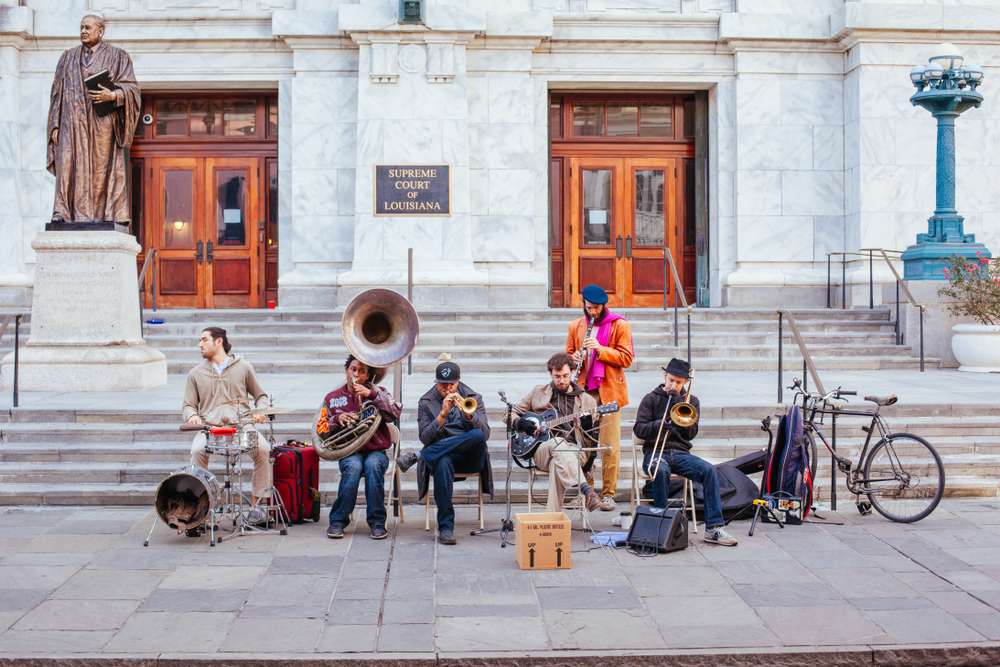
Before becoming Six Flags New Orleans, Jazzland celebrated Louisiana culture with music-themed attractions. After flooding, the park never reopened, leaving colorful structures slowly fading under the sun. Locals rarely talk about it without emotion, as it symbolized optimism before catastrophe. The abandoned park feels suspended between celebration and silence, making it one of the most striking forgotten attractions in America.
Holy Land USA, Connecticut

Holy Land USA once offered a religious-themed experience overlooking Waterbury. After closing in the 1980s, many structures deteriorated while remaining eerily visible from nearby highways. The decaying replicas create a surreal landscape. Visitors interested in unusual U.S. travel stories find it compelling for its mix of faith, ambition, and abandonment.
Joyland Amusement Park, Kansas
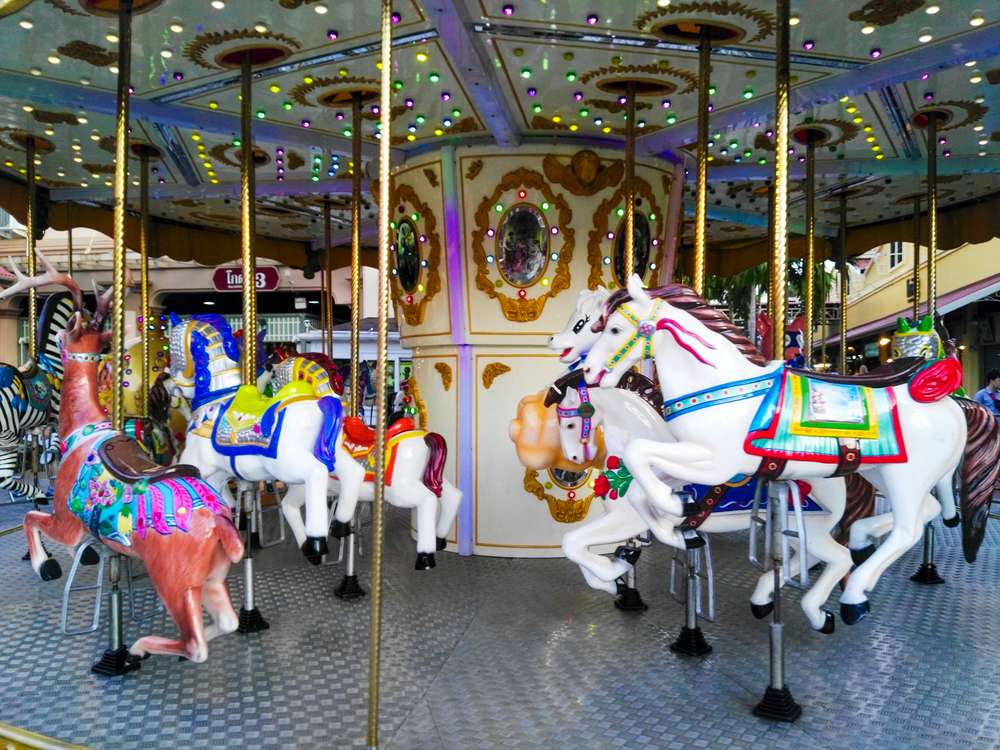
Joyland entertained families for decades before closing in 2006 due to financial issues. Its roller coasters and carnival rides still stand, weathered by time and storms. Locals recall the park fondly, yet avoid visiting due to safety concerns. The site captures how regional attractions struggled as travel habits and entertainment options changed nationwide.
Lake Shawnee Amusement Park, West Virginia

This small park closed in the 1960s after multiple tragic accidents. Rides remain scattered across grassy fields, with minimal maintenance over the decades. Locals speak carefully about its past, often emphasizing respect rather than spectacle. For travelers, the park reflects how safety concerns permanently altered American amusement culture.
Lincoln Park, Massachusetts

Once a popular coastal attraction, Lincoln Park shut down in the 1980s. Ocean air and weather gradually eroded the rides, leaving skeletal remains visible along the shoreline. Locals remember it as part of the area’s social life. Its remains highlight the vulnerability of seaside attractions in U.S. travel history.
Dogpatch USA, Arkansas
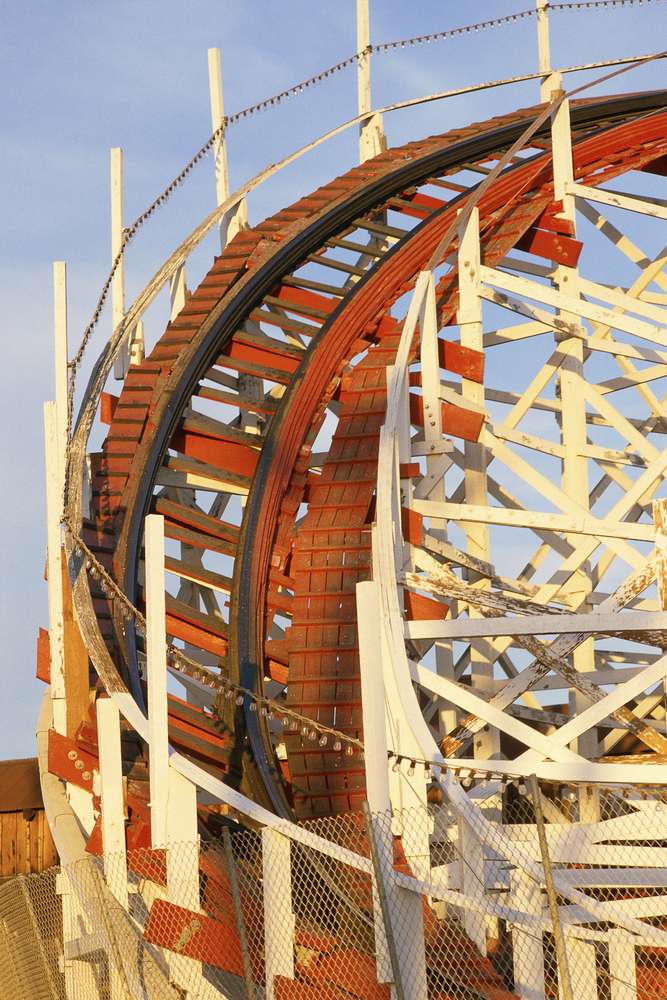
Dogpatch USA drew inspiration from a comic strip and attracted visitors during the 1960s and 1970s. Financial instability eventually forced its closure. Buildings and rides remain scattered across the Ozarks landscape. The park now symbolizes the risks of tying large attractions to fleeting cultural trends.
Spreepark (Former U.S.-Operated Era), California Influence

Though better known internationally, Spreepark’s American ownership period left behind structures influenced by U.S. theme park design. Abandoned rides remain iconic symbols of ambition gone wrong. U.S. travelers often compare it to domestic parks that suffered similar fates. Its story resonates with American entertainment history.
Chippewa Lake Park, Ohio

Operating for nearly a century, Chippewa Lake Park closed in 1978. Nature slowly overtook its rides, with trees growing through structures. Locals once visited regularly for summer outings. Today, it stands as a quiet reflection on how leisure spaces evolve or disappear with shifting demographics.
Frontier Village, California
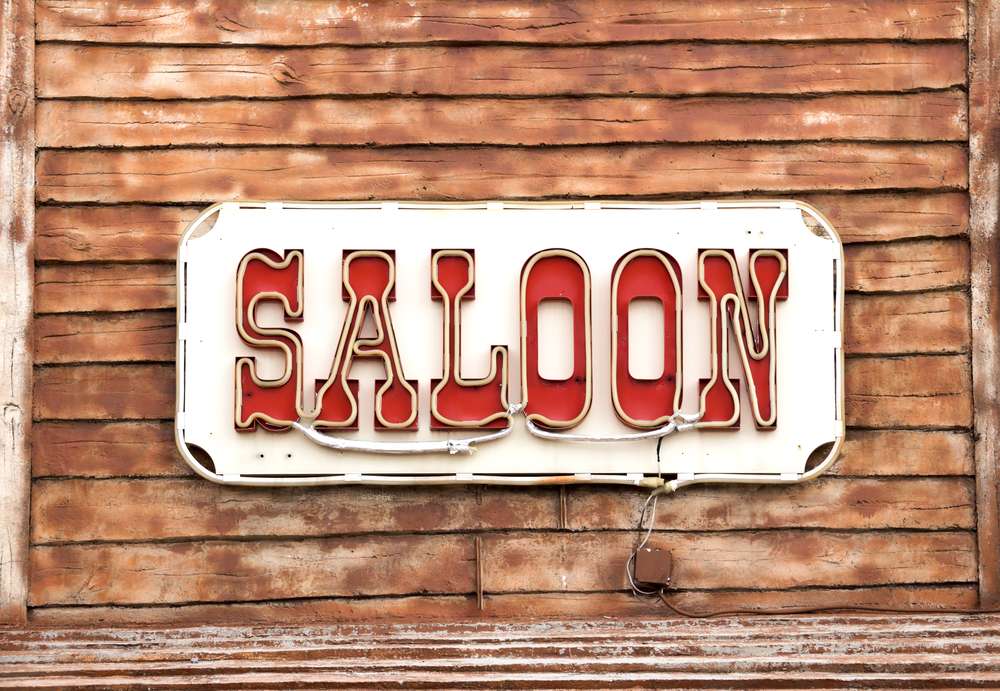
Frontier Village celebrated the Old West theme before closing in the 1980s. Its wooden structures and empty streets still resemble a deserted frontier town. Locals recall school trips and family visits. The park’s remains underscore how themed entertainment can fade when maintenance and investment decline.
Gulliver’s Kingdom, Arkansas

Gulliver’s Kingdom operated briefly before financial struggles led to abandonment. The park’s incomplete structures give it an unfinished appearance. Locals rarely mention it, viewing it as a cautionary tale. For U.S. travel enthusiasts, it shows how overambitious projects can falter quickly.
Dinosaur World, Arkansas
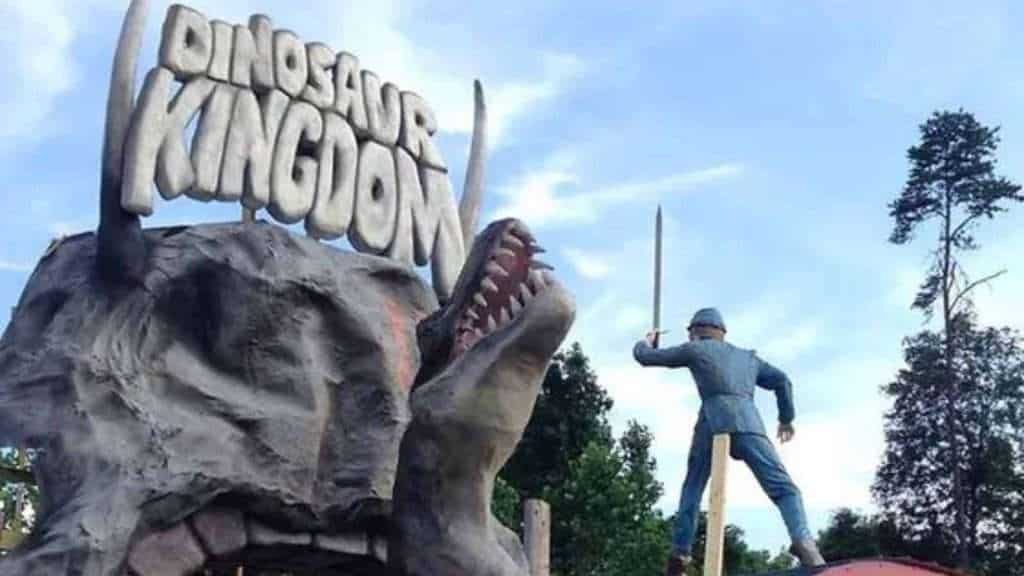
An early attempt at prehistoric-themed entertainment, Dinosaur World closed decades ago. Large concrete dinosaur statues still stand in isolation. Locals see them as roadside curiosities rather than destinations. The park highlights how novelty attractions once shaped American road trips.
Old Indiana Fun Park, Indiana

This park struggled to compete with larger regional attractions and closed quietly. Remnants of rides remain visible through overgrowth. Locals remember it as a modest family destination. Its decay mirrors broader changes in domestic travel and entertainment expectations.
Ozark Mountain Kingdom, Missouri
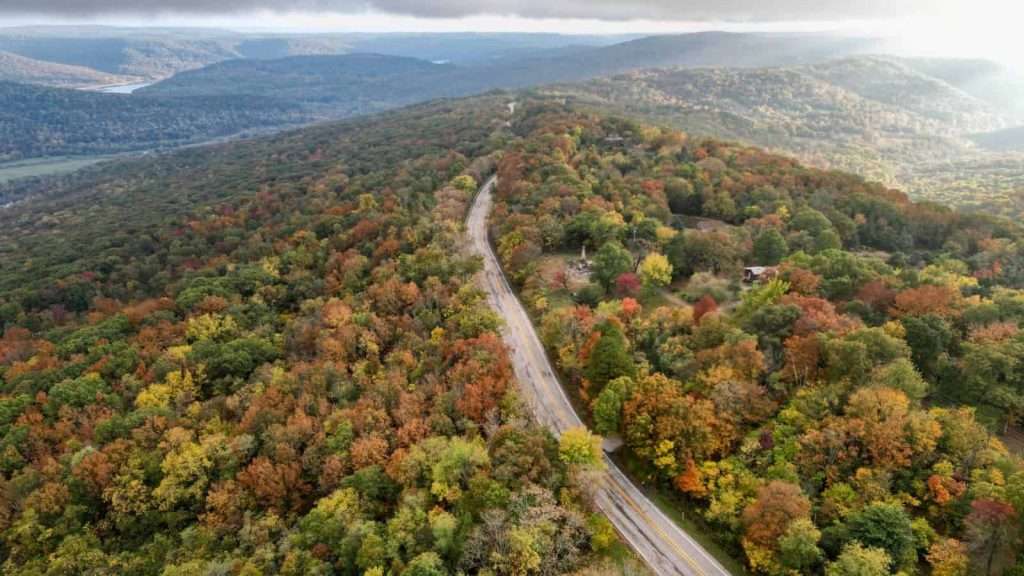
Built near a major tourist corridor, Ozark Mountain Kingdom never reached full operation. Abandoned buildings and infrastructure remain scattered across the site. Locals speak of missed opportunities rather than scandal. The park stands as a symbol of unrealized potential in U.S. tourism development.
Santa’s Village, California

An early themed park focused on holiday magic, Santa’s Village closed after attendance declined. Cabins and rides remain visible among mountain landscapes. Locals remember seasonal events fondly. The site reflects how specialized attractions struggled as year-round entertainment became standard.
Ghost Town in the Sky, North Carolina
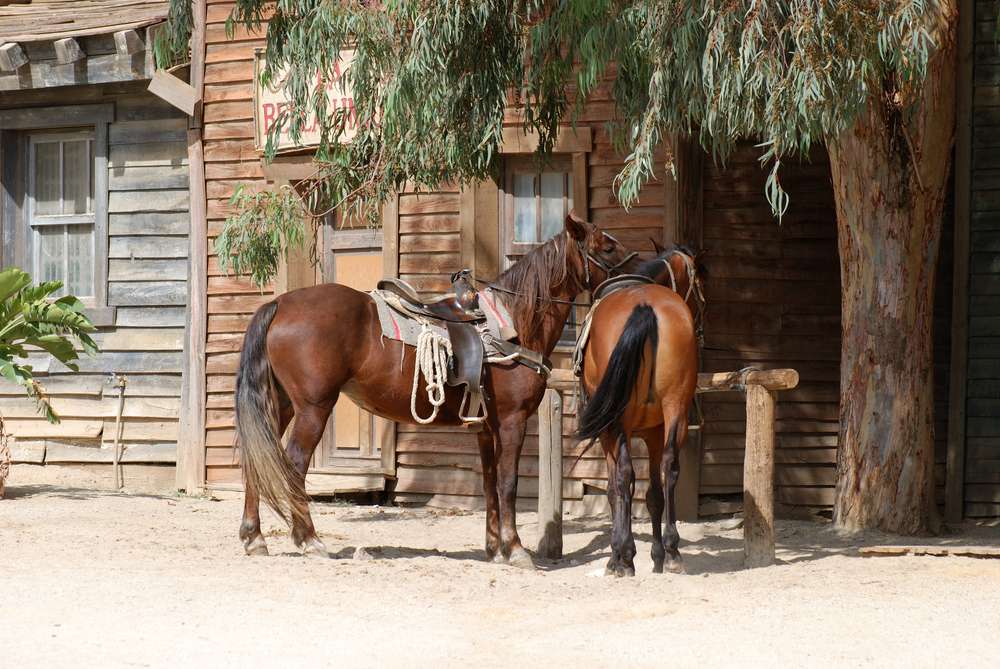
Perched high above Maggie Valley, this Western-themed park closed multiple times before permanent abandonment. Structures still cling to the mountainside. Locals describe logistical challenges that made success difficult. Its remains offer dramatic views paired with quiet abandonment.
Riverview Park, Illinois

Once a major Chicago attraction, Riverview Park closed in the 1960s. While much of it was demolished, some remnants persist in surrounding areas. Locals remember it as a cultural landmark. The park’s disappearance reflects urban redevelopment trends affecting historic attractions.
Bithlo Speedway and Amusement Area, Florida

This rural attraction combined racing and amusement rides before closing. Abandoned structures remain scattered across open land. Locals recall weekend crowds and community gatherings. The site highlights how entertainment hubs rise and fall with economic shifts.
Hard Rock Park, South Carolina
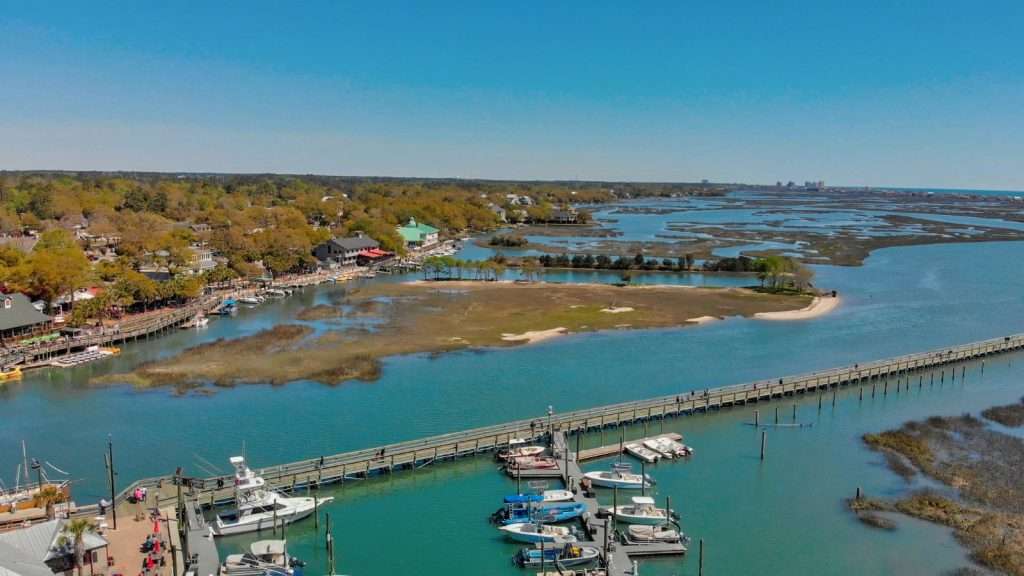
Hard Rock Park opened with ambitious plans and closed within a year. Some structures still stand despite redevelopment attempts. Locals remember the disappointment surrounding its failure. It remains a modern example of how large-scale tourism projects can collapse rapidly.
Wonderland Amusement Park, Texas

Operating for decades, Wonderland faced declining attendance before closure. Some rides remain visible beyond fences. Locals associate it with childhood memories. Its partial survival reflects how regional parks struggled to adapt to evolving entertainment preferences.
Enchanted Forest, Maryland
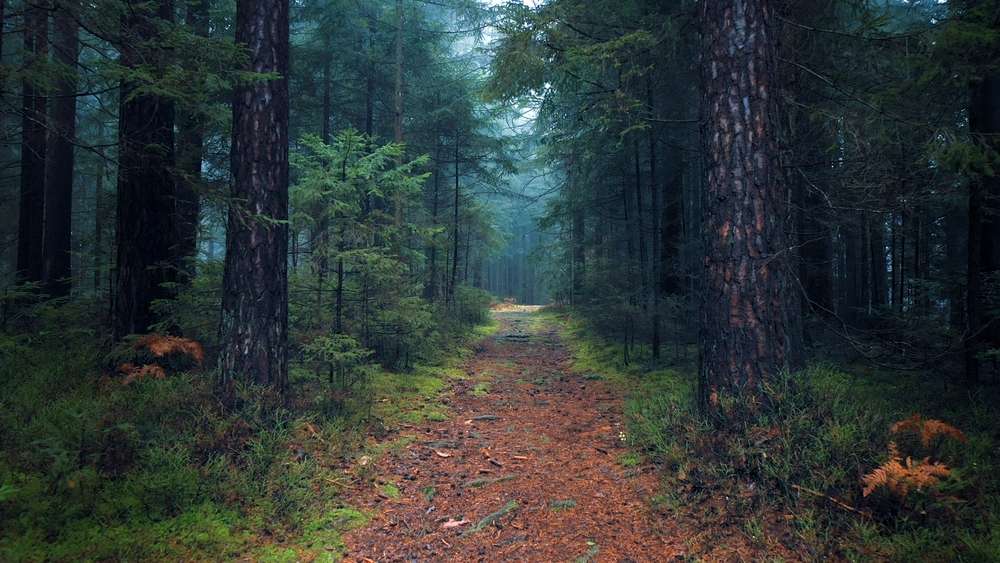
This fairy-tale-themed park closed in the 1980s, leaving behind whimsical statues and structures. Many elements were relocated, but remnants remain. Locals speak of it with nostalgia rather than fear. The park symbolizes a gentler era of American family travel.

Deborah Montiero is a seasoned travel writer and contributor to Probe the Globe. With a passion for uncovering hidden gems and sharing immersive travel experiences, Deborah’s work highlights must-visit destinations, insider tips, and practical advice for travelers of all types. Whether exploring bustling cities or remote escapes, her articles are crafted to inspire and inform, making her a trusted voice in the travel community.
Her storytelling weaves together cultural insights, logistical tips, and authentic experiences, making her a valuable resource for readers seeking unforgettable journeys.
When not writing, Deborah is likely researching the latest travel trends or planning her next adventure. Follow her work on Probe the Globe for fresh perspectives and up-to-date travel inspiration.