18 U.S. Neighborhoods Built for Dreams That Turned Into Nightmares
Across the United States, many neighborhoods were designed with bold promises of prosperity, safety, or community renewal. Developers, city planners, and investors often promoted these places as ideal environments where people could build better lives. Over time, however, economic shifts, policy failures, environmental issues, or social neglect caused some of these dream projects to unravel. This article explores 18 U.S. Neighborhoods Built for Dreams That Turned Into Nightmares.
Pruitt-Igoe, St. Louis, Missouri

Pruitt-Igoe was once envisioned as a modern public housing solution that would redefine urban living. Built in the 1950s, it promised clean, affordable homes with innovative design. Poor maintenance, underfunding, segregation policies, and rising crime quickly undermined those goals. The complex became a symbol of failed urban planning and was demolished less than twenty years later. Today, it is frequently discussed in U.S. travel and history circles as a cautionary example of good intentions undone by systemic neglect.
Celebration, Florida

Celebration was developed as an idealized town inspired by traditional American values. Carefully planned streets, strict design rules, and a polished image attracted national attention. Over time, residents reported issues with high costs, restrictive regulations, and social isolation. Critics argue that the neighborhood prioritized appearance over community needs. While still visually appealing, Celebration’s reputation reflects the tension between manufactured perfection and lived reality in modern American travel destinations.
Gary, Indiana (Midtown Neighborhoods)
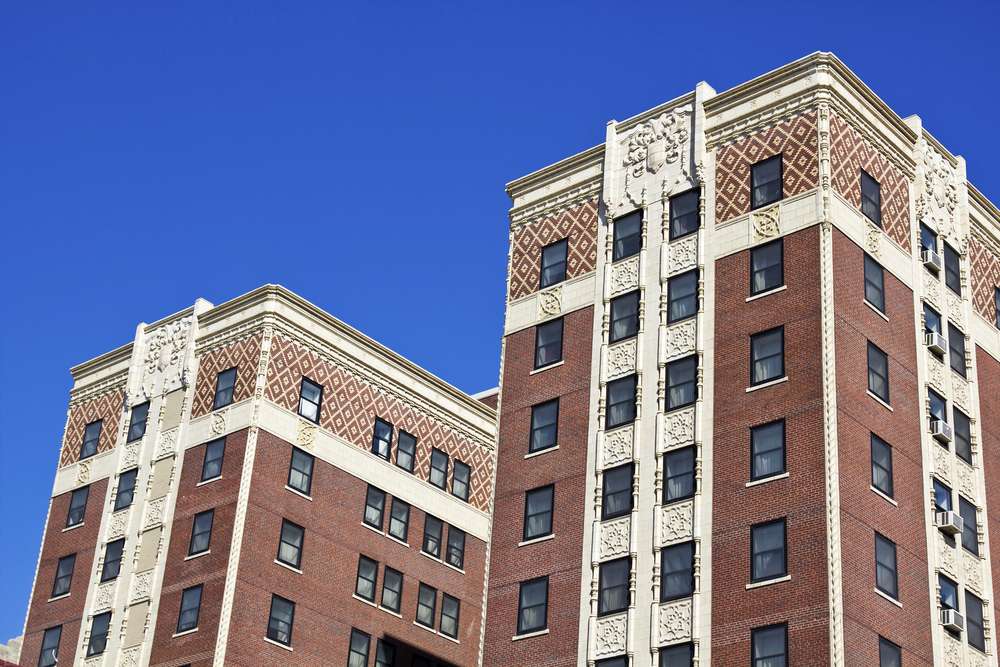
Midtown Gary thrived during the steel industry boom, promising stable jobs and strong neighborhoods. When manufacturing collapsed, unemployment surged and residents left in large numbers. Abandoned homes, declining infrastructure, and limited public services followed. The area’s transformation highlights how economic dependency on a single industry can devastate entire communities. Today, Gary is often referenced in discussions about industrial decline during U.S. travel research.
Love Canal, Niagara Falls, New York

Love Canal was marketed as a family-friendly neighborhood with affordable housing and good schools. Residents later learned the land was built over toxic chemical waste. Health problems, evacuations, and lawsuits followed, turning a suburban dream into a public health crisis. The neighborhood became a defining moment in environmental policy history. Its story continues to influence how Americans view residential development and environmental safety.
Centralia, Pennsylvania

Centralia was a small coal town built around steady employment and community life. An underground mine fire ignited in 1962 and continues to burn decades later. Toxic gases and ground instability forced most residents to relocate. Streets and buildings now sit abandoned. Centralia’s transformation from working town to near-ghost neighborhood remains one of the most unsettling examples of environmental disaster in U.S. travel lore.
East Cleveland, Ohio
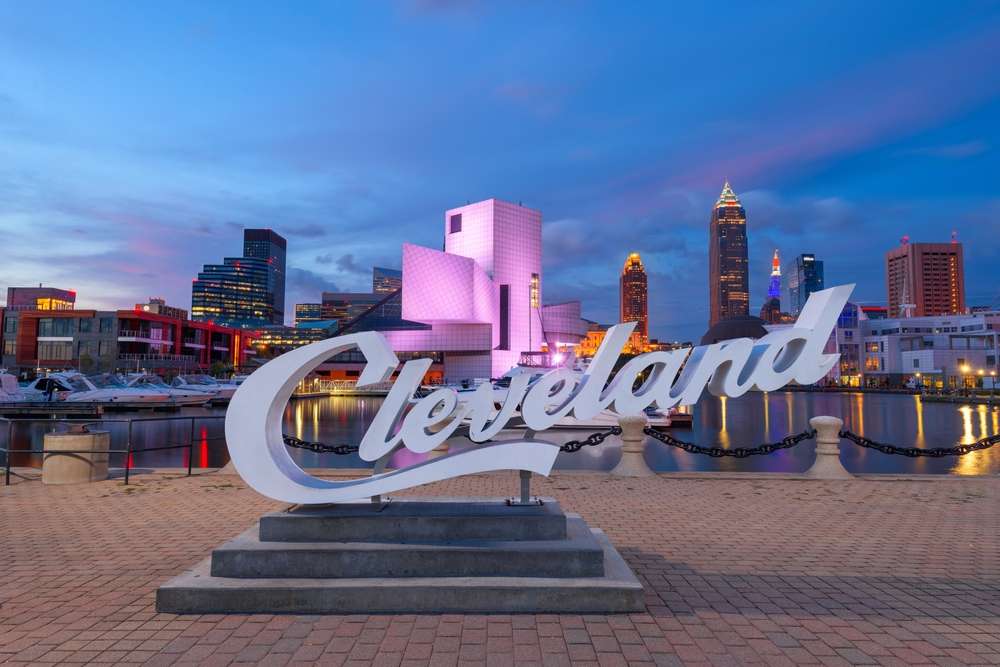
East Cleveland was once a thriving suburb offering proximity to Cleveland’s economy and cultural institutions. Disinvestment, population loss, and shrinking tax revenue led to deteriorating services and infrastructure. Residents faced increased crime and limited economic opportunity. Despite strong community efforts, recovery has been slow. The area’s decline reflects broader challenges facing inner-ring suburbs across the United States.
Cabrini-Green, Chicago, Illinois
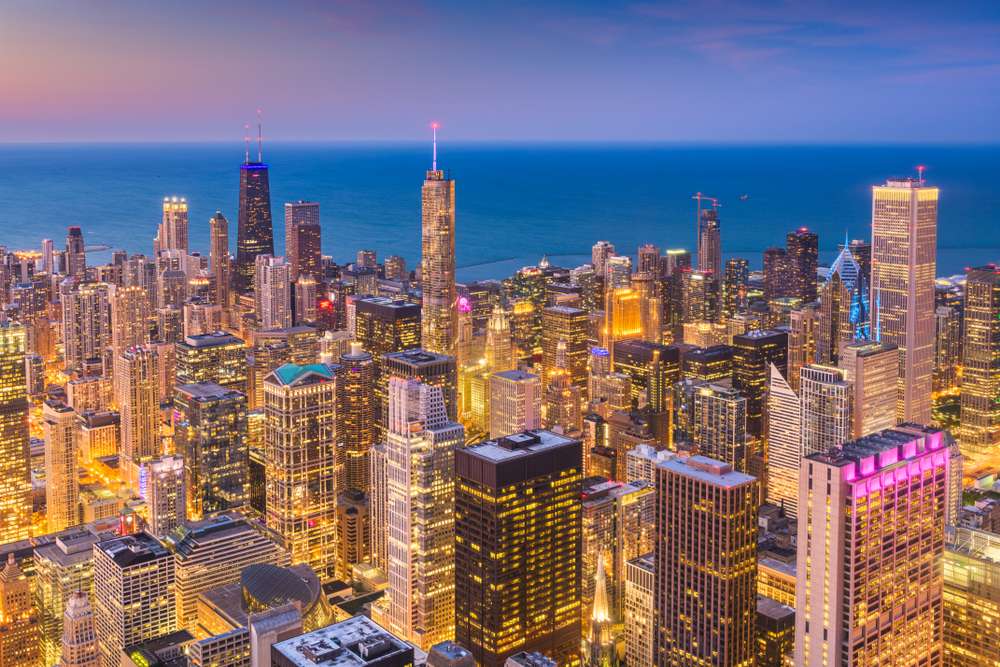
Cabrini-Green was designed to provide modern public housing near downtown Chicago. Over time, underfunding, segregation, and policy decisions led to overcrowding and crime. Residents faced unsafe living conditions despite strong community ties. The complex was eventually demolished, sparking debates about displacement and housing equity. Cabrini-Green remains central to conversations about urban redevelopment in U.S. travel and social history.
Detroit’s Brightmoor Neighborhood, Michigan

Brightmoor was created to house auto industry workers during Detroit’s manufacturing peak. When factories closed, residents lost jobs and left. Vacant homes and reduced services followed. Community groups continue working toward revitalization, but challenges remain. Brightmoor illustrates how industrial shifts can reshape neighborhoods once built on economic optimism.
Val Verde, California
Val Verde was developed as affordable housing near Los Angeles, attracting families seeking stability. Industrial pollution from nearby facilities later raised serious health concerns. Residents reported respiratory issues and environmental hazards. The neighborhood’s struggle highlights the long-term consequences of placing residential areas near heavy industry. It is often cited in environmental justice discussions across U.S. travel studies.
Riverdale, Illinois

Riverdale offered affordable housing close to Chicago’s job market. Over time, declining investment and limited public resources led to infrastructure deterioration. Crime and unemployment increased, making it difficult to attract new residents. Despite community resilience, the neighborhood continues to face systemic challenges. Riverdale’s story reflects broader issues affecting suburban neighborhoods nationwide.
Lincoln Heights, Ohio
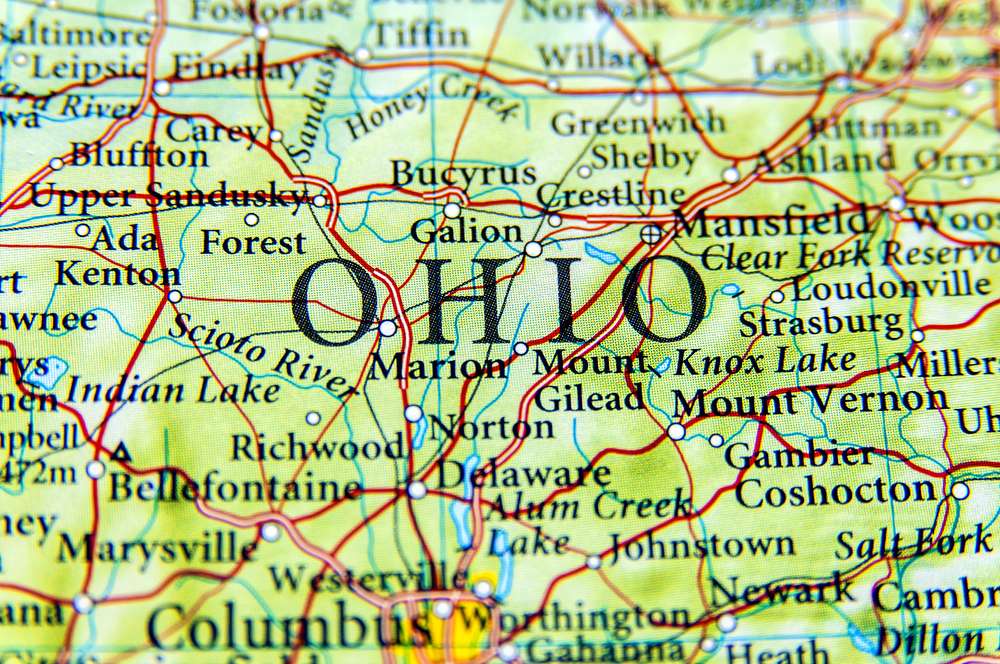
Lincoln Heights was one of the first all-Black, self-governing municipalities in the United States. It promised autonomy and opportunity. Chronic underfunding, environmental pollution, and limited state support undermined those aspirations. Residents continue advocating for resources and recognition. Lincoln Heights highlights how systemic inequality can derail community-led visions.
Sunnyside, Arizona

Sunnyside developed to support nearby aerospace and defense industries. When those industries declined, employment opportunities shrank. Infrastructure aged, and services struggled to keep up. Residents faced economic instability despite the area’s strong community ties. Sunnyside’s experience reflects the risks of relying heavily on a single employment sector.
Bayview-Hunters Point, San Francisco, California
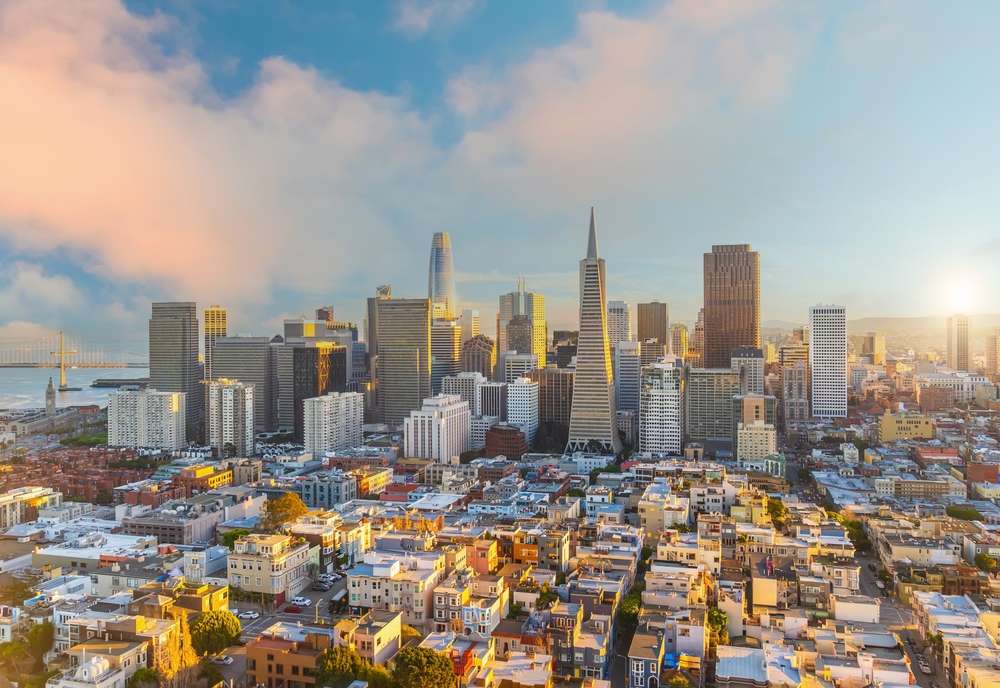
Bayview-Hunters Point was shaped by wartime industry and housing expansion. After shipyard closures, pollution and unemployment plagued the neighborhood. Environmental cleanup efforts have been slow and controversial. Despite redevelopment plans, residents remain cautious. The neighborhood’s history illustrates the long-term effects of industrial use on residential areas.
Paradise, California
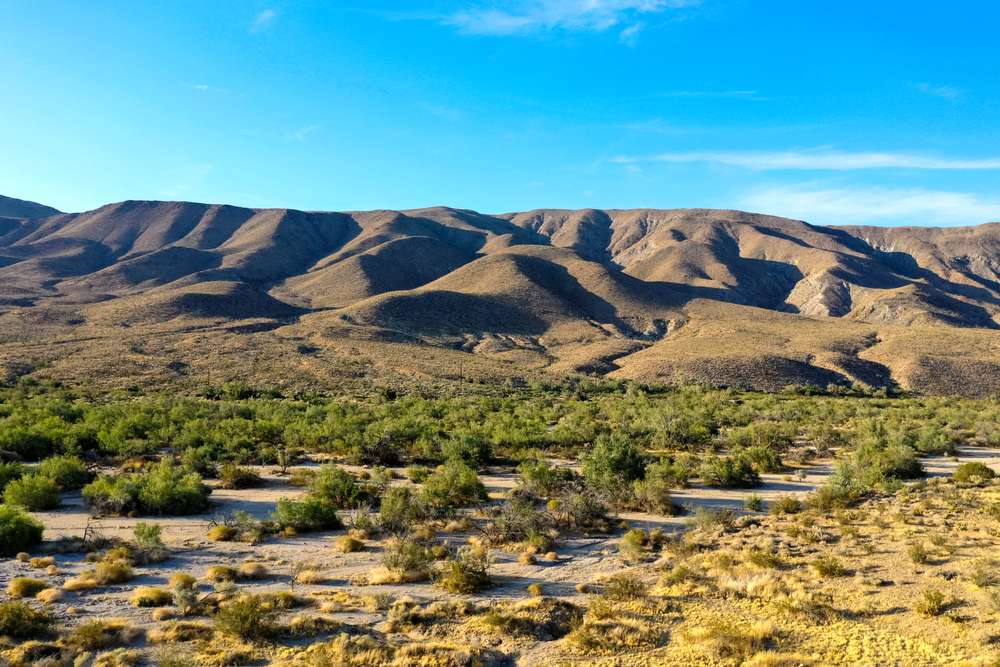
Paradise was promoted as a peaceful mountain town offering quality of life and affordability. Wildfires in 2018 destroyed much of the community, displacing thousands. Recovery has been slow and emotionally difficult. The disaster reshaped perceptions of safety in wildfire-prone regions. Paradise’s story has become central to discussions about climate risks in U.S. travel.
East St. Louis, Illinois
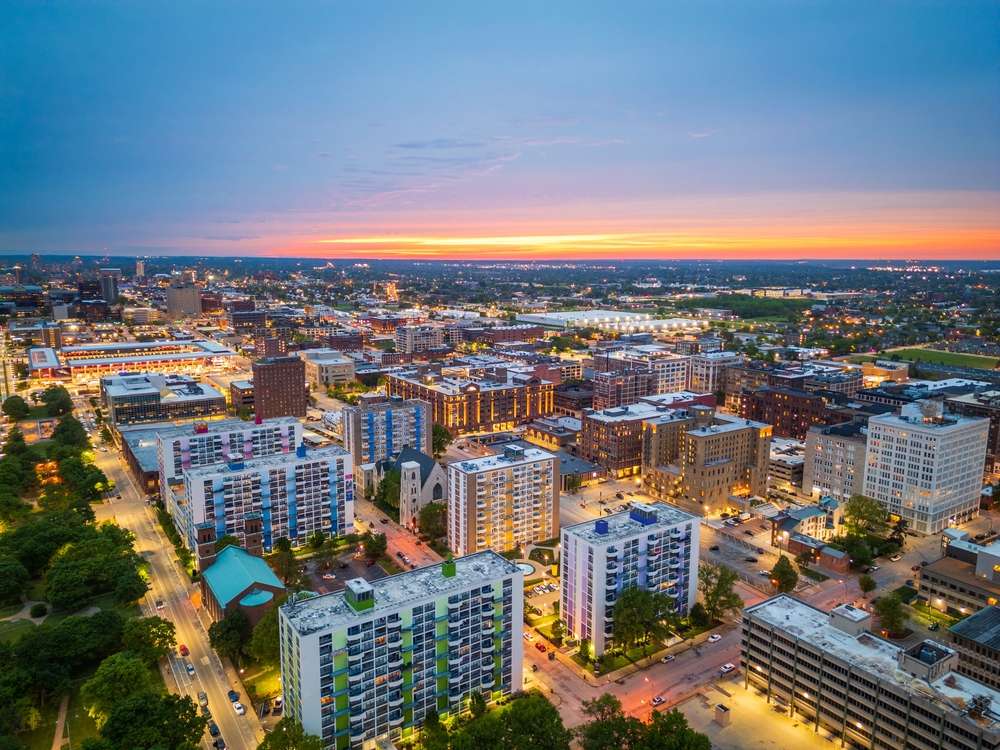
East St. Louis once benefited from railroads and manufacturing. Deindustrialization led to widespread poverty and population decline. Infrastructure crumbled as tax revenues disappeared. Despite its strategic location, recovery efforts have faced ongoing challenges. The neighborhood’s history reflects the broader decline of industrial hubs across the Midwest.
Camden’s Waterfront Neighborhoods, New Jersey

Camden’s waterfront was developed to attract residents and businesses. Economic decline, crime, and disinvestment disrupted those plans. While redevelopment initiatives are underway, trust remains fragile among residents. The neighborhood’s experience highlights the difficulty of reversing long-term urban decline.
New Orleans East, Louisiana

New Orleans East was designed as a modern suburban expansion with strong infrastructure and housing. Hurricane Katrina caused catastrophic flooding and displacement. Recovery has been uneven, leaving some areas underdeveloped. Residents continue rebuilding amid lingering challenges. The neighborhood’s transformation underscores the lasting impact of natural disasters on planned communities.
Ferguson’s North County Neighborhoods, Missouri

North County neighborhoods in Ferguson grew rapidly during suburban expansion. Economic shifts, racial segregation, and strained public services contributed to instability. Tensions escalated into national attention following civil unrest. The area’s challenges reveal how social and economic pressures can fracture communities originally built for opportunity.

Deborah Montiero is a seasoned travel writer and contributor to Probe the Globe. With a passion for uncovering hidden gems and sharing immersive travel experiences, Deborah’s work highlights must-visit destinations, insider tips, and practical advice for travelers of all types. Whether exploring bustling cities or remote escapes, her articles are crafted to inspire and inform, making her a trusted voice in the travel community.
Her storytelling weaves together cultural insights, logistical tips, and authentic experiences, making her a valuable resource for readers seeking unforgettable journeys.
When not writing, Deborah is likely researching the latest travel trends or planning her next adventure. Follow her work on Probe the Globe for fresh perspectives and up-to-date travel inspiration.