19 U.S. Cities Where You Can Ditch the Car Entirely
Traveling through the United States often brings to mind long highways, endless commutes, and sprawling suburbs. But many U.S. cities are walkable, bike-friendly, and connected with reliable public transit, meaning you don’t need to drive at all. Whether you’re exploring urban history, waterfront views, or vibrant neighborhoods, these places allow you to enjoy the culture without worrying about parking or gas. Here are 19 U.S. cities where you can ditch the car entirely.
Portsmouth’s Seaside Simplicity

Portsmouth, New Hampshire, is a small but vibrant city where walking is the best way to explore. Its downtown is filled with colonial-era architecture, boutique shops, and waterfront views, all easily accessible on foot. Market Square, Prescott Park, and the harbor are within minutes of each other. With a lively arts scene, affordable dining, and cozy inns, Portsmouth proves you don’t need a car to enjoy a full New England coastal experience.
Burlington’s Lakeside Vibe
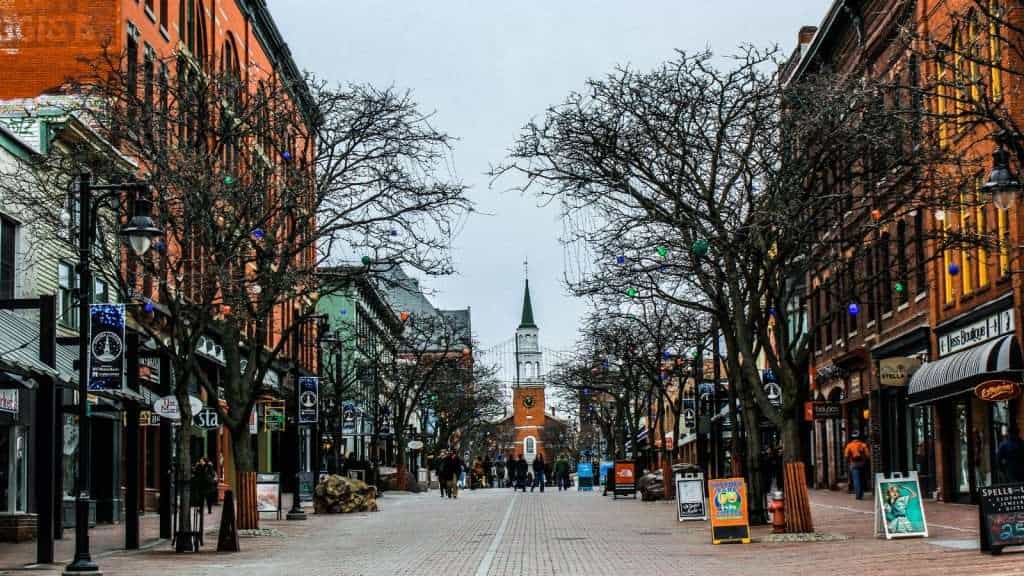
Burlington, Vermont, offers a car-free lifestyle centered around Lake Champlain and a pedestrian-friendly downtown. Church Street Marketplace is a hub of activity, with outdoor cafes, shops, and live entertainment, all in a walkable area. The city is also famous for its bike paths, including the scenic Burlington Bike Path that runs along the lake. With public buses covering nearby neighborhoods, Burlington makes a charming, sustainable, and affordable destination for U.S. travelers without a car.
New York City’s Transit Powerhouse

New York City is the ultimate American destination for car-free travel. With an extensive subway system, buses, ferries, and miles of walkable neighborhoods, there’s no need to drive. Visitors can explore Central Park, Times Square, or Brooklyn’s waterfront all on foot or by hopping a train. Affordable MetroCards make navigating the city simple, and walking often reveals hidden gems like street performers and corner cafes. The city’s density makes it perfect for travelers avoiding car rentals.
Boston’s Historic Walkability

Boston, Massachusetts, is one of the most pedestrian-friendly cities in the U.S. The Freedom Trail guides visitors past historic landmarks, all within easy walking distance. The MBTA subway and bus network cover the rest of the city, ensuring you can reach neighborhoods like Cambridge or Back Bay without driving. With compact neighborhoods, cobblestone streets, and abundant bike lanes, Boston is a dream for car-free explorers who want both history and modern culture in one trip.
Washington, D.C.’s Monument Access

The nation’s capital is built for exploring without a car. Washington, D.C.’s Metro and bus systems connect major attractions, from the National Mall to the Smithsonian museums, many of which are free. Walking is often the best way to admire the Lincoln Memorial, the Washington Monument, and cherry blossoms in spring. Bikes and scooters are also widely available for rent. For travelers interested in U.S. history and government, ditching the car here makes the journey stress-free.
San Francisco’s Scenic Transit

San Francisco, California, may be famous for its hills, but it’s also known for its car-free convenience. Historic cable cars, buses, and the BART system connect neighborhoods like Chinatown, the Mission District, and Fisherman’s Wharf. Walking across the Golden Gate Bridge is a must, and many of the city’s highlights are close enough to explore by foot. While driving in San Francisco can be frustrating, its compact design makes it a perfect car-free destination.
Chicago’s Lakefront Ease

Chicago, Illinois, is both walkable and easy to navigate using its elevated “L” train system. Visitors can explore Millennium Park, the Art Institute, and the scenic Lakefront Trail all without needing a vehicle. Each neighborhood has its own character, from the historic Bronzeville to trendy Wicker Park, all accessible by train or bus. Affordable day passes make public transit simple. Car-free travel here means enjoying deep-dish pizza and skyline views without traffic headaches.
Seattle’s Urban Trails and Transit

Seattle, Washington, combines natural beauty with excellent walkability. Downtown attractions like Pike Place Market and the Space Needle are within walking distance, while light rail connects to the airport and key neighborhoods. Ferries across Puget Sound offer affordable, scenic trips without needing a car. With abundant bike lanes and pedestrian-friendly streets, Seattle is a fantastic destination for U.S. travelers seeking car-free urban adventures alongside waterfront views and mountainous backdrops.
Philadelphia’s Revolutionary Spirit

Philadelphia, Pennsylvania, is compact, historic, and highly walkable. The Liberty Bell, Independence Hall, and Reading Terminal Market are within easy walking distance of each other. SEPTA’s buses, trolleys, and trains cover the rest of the city, making it easy to get around without a car. Murals, public art, and lively neighborhoods add to the city’s charm. For budget-minded U.S. travel, Philadelphia offers affordable public transit and pedestrian-friendly exploration.
Portland’s Green Living

Portland, Oregon, is known for its eco-friendly lifestyle, which includes car-free travel. Its MAX light rail system, streetcars, and buses connect the city efficiently. Downtown and neighborhoods like the Pearl District are perfect for walking or biking, with plenty of bike rental options. The city is also filled with parks, gardens, and riverfront trails. With a focus on sustainability and affordability, Portland is a favorite destination for U.S. travelers who prefer exploring without a car.
New Orleans’ Streetcar Charm
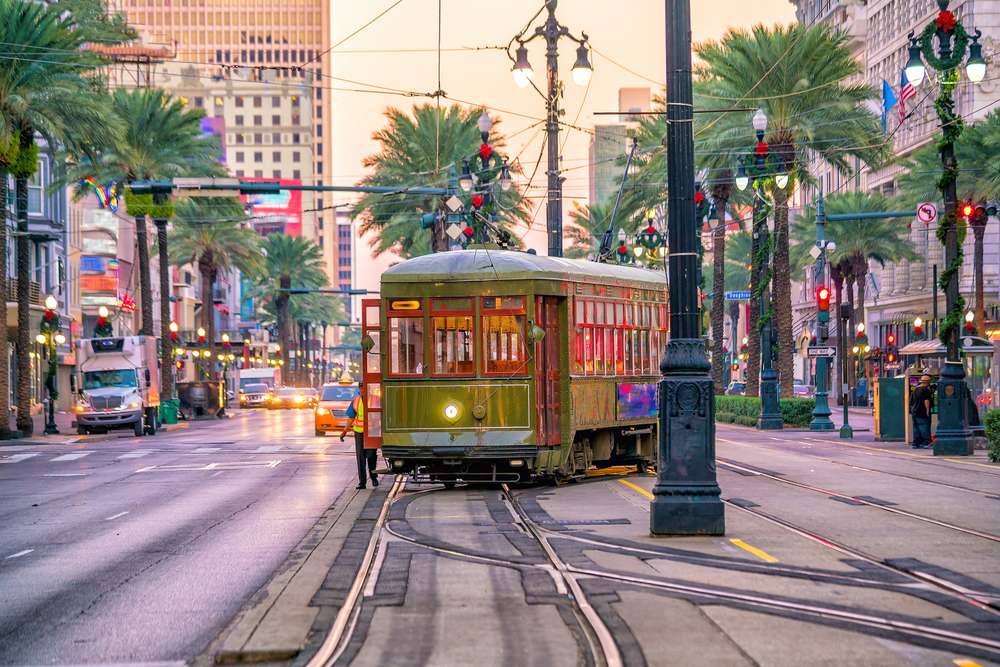
New Orleans, Louisiana, is best explored by foot and streetcar. The French Quarter, Garden District, and riverfront are walkable, filled with music, architecture, and cuisine. Streetcars provide a historic and inexpensive way to move around the city. With lively neighborhoods packed with free entertainment, there’s no need for a car. Travelers can soak in jazz, savor po’boys, and stroll down Bourbon Street without ever getting behind the wheel.
Minneapolis’ Pedestrian Perks

Minneapolis, Minnesota, is a surprisingly car-free friendly city. Its light rail system connects downtown with the airport and Mall of America. Walking and biking paths run through the city, including the scenic Chain of Lakes and Mississippi Riverfront. Downtown skyways make pedestrian travel convenient even in winter. With a blend of culture, green spaces, and reliable transit, Minneapolis is an underrated U.S. travel destination for car-free living.
Miami’s Beachside Transit

Miami, Florida, is perfect for those who prefer exploring on foot or by transit. South Beach is entirely walkable, with art deco buildings, beaches, and nightlife all in one compact area. The free Metromover downtown makes getting around affordable and convenient. Miami’s bus system also connects neighborhoods like Little Havana and Wynwood. For a sunny U.S. vacation without the hassle of driving, Miami is an excellent choice.
San Diego’s Coastal Walkability

San Diego, California, combines ocean views with easy car-free travel. Many neighborhoods, like the Gaslamp Quarter and Little Italy, are pedestrian-friendly and connected by trolley lines. The beaches, Balboa Park, and Old Town can all be reached without driving. Bike rentals make exploring the waterfront even easier. With mild weather year-round, walking and transit are the perfect way to experience San Diego’s coastal charm without the cost of a rental car.
Honolulu’s Island Transit

Honolulu, Hawaii, is one of the most car-free friendly island destinations in the U.S. Waikiki is highly walkable, filled with hotels, beaches, and dining all close together. The city’s bus system reaches nearly every corner of Oahu, making it easy to explore without a vehicle. Walking along the beachfront promenade offers stunning views of Diamond Head. Honolulu makes island travel accessible for visitors who prefer to avoid car rentals.
Pittsburgh’s Compact Revival

Pittsburgh, Pennsylvania, has transformed into a walkable, transit-friendly city. The downtown area and cultural districts are compact and best explored on foot. The city’s light rail system, known as “the T,” offers free rides in the central area, making car-free travel simple. Bridges, riverfront parks, and historic neighborhoods are connected by affordable transit. For those who love a mix of history and modern revitalization, Pittsburgh is a fantastic U.S. destination without a car.
Madison’s Bike-Friendly Appeal
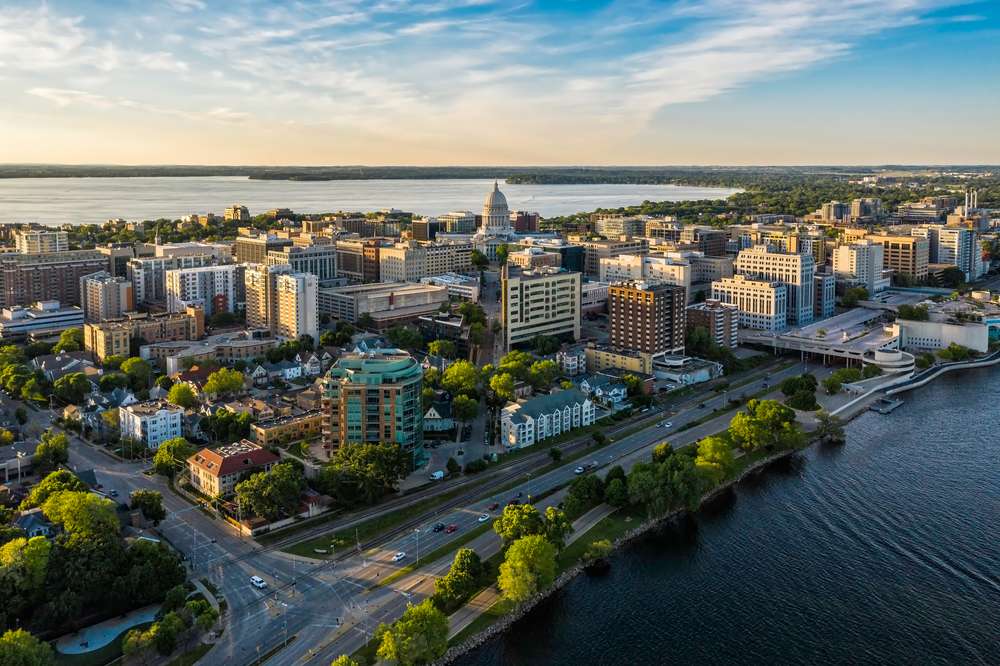
Madison, Wisconsin, is one of the most bike-friendly cities in the U.S. Its compact downtown is situated between two lakes, making it highly walkable as well. The city boasts extensive bike trails, pedestrian paths, and affordable public transit. The University of Wisconsin campus adds youthful energy and pedestrian activity to the area. For U.S. travelers seeking an affordable and car-free destination, Madison offers a unique blend of lakeside beauty and cultural life.
New Haven’s Ivy League Access

New Haven, Connecticut, home to Yale University, is a walkable city with an artsy and historic vibe. Downtown is compact, filled with cafes, museums, and theaters all close together. Public buses connect neighborhoods, but walking often suffices. Yale’s campus and free art museums are major highlights for travelers. New Haven combines intellectual energy and cultural richness in a car-free package perfect for U.S. travel.
Key West’s Island Lifestyle
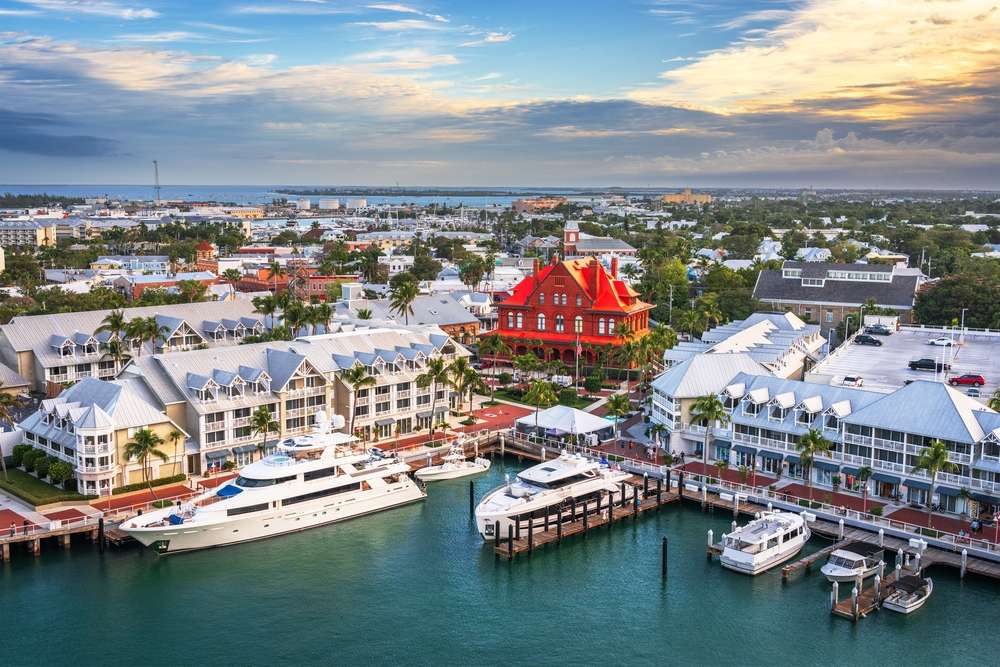
Key West, Florida, is a paradise for those who prefer walking or biking over driving. The island is compact, with beaches, historic homes, and lively Duval Street all within easy reach. Bike rentals and scooters are common alternatives to cars. With waterfront sunsets, colorful streets, and laid-back vibes, Key West makes car-free travel both relaxing and enjoyable. For U.S. visitors wanting a tropical getaway, it’s the perfect destination to ditch the car entirely.

Deborah Montiero is a seasoned travel writer and contributor to Probe the Globe. With a passion for uncovering hidden gems and sharing immersive travel experiences, Deborah’s work highlights must-visit destinations, insider tips, and practical advice for travelers of all types. Whether exploring bustling cities or remote escapes, her articles are crafted to inspire and inform, making her a trusted voice in the travel community.
Her storytelling weaves together cultural insights, logistical tips, and authentic experiences, making her a valuable resource for readers seeking unforgettable journeys.
When not writing, Deborah is likely researching the latest travel trends or planning her next adventure. Follow her work on Probe the Globe for fresh perspectives and up-to-date travel inspiration.