18 U.S. Locations Where Real History Was Made—And Forgotten
Across the United States, countless towns, landmarks, and landscapes hold the echoes of history that helped shape the nation. While many iconic places are celebrated in museums and monuments, others have quietly slipped from the spotlight. These overlooked locations reveal powerful stories of struggle, triumph, and change, yet they remain hidden in plain sight. For those eager to explore the untold past through U.S. travel, here are 18 U.S. locations where real history was made—and forgotten.
Cahokia Mounds, Illinois

Long before European settlers arrived, the largest pre-Columbian city in North America thrived near present-day Collinsville, Illinois. Cahokia Mounds was home to tens of thousands of people, complete with monumental earthworks and advanced urban planning. Despite its significance, the site often receives less recognition compared to ancient cities in Mexico or Central America. Today, travelers can explore its mounds and interpretive center, but many Americans remain unaware of this incredible chapter in U.S. history.
Andersonville Prison, Georgia

During the Civil War, Andersonville was the most notorious Confederate prison camp, where nearly 13,000 Union soldiers perished from starvation, disease, and neglect. The haunting remains of this site serve as a grim reminder of wartime suffering and forgotten sacrifice. Despite its importance, Andersonville is less visited than Civil War battlefields like Gettysburg. Locals and travelers alike often overlook the depth of history preserved here, even though it offers powerful lessons about resilience and tragedy.
Sand Creek Massacre National Historic Site, Colorado

In 1864, one of the darkest moments in U.S. history occurred when hundreds of Cheyenne and Arapaho people, mostly women and children, were massacred by U.S. troops at Sand Creek. For decades, this atrocity was omitted or downplayed in mainstream history. Today, the site serves as a place of mourning and education, though it remains relatively unknown compared to other western landmarks. It provides an opportunity for travelers to reflect on painful but vital truths about America’s past.
Pullman Historic District, Illinois

On the south side of Chicago, the Pullman Historic District was once a model industrial town designed by George Pullman for his railroad workers. It became a flashpoint for labor history when workers’ strikes and protests led to landmark changes in workers’ rights. Despite its critical role in shaping the labor movement, the site remains under-visited compared to other Chicago attractions. For those exploring U.S. travel with an eye on social history, Pullman offers a remarkable but underappreciated story.
Angel Island, California
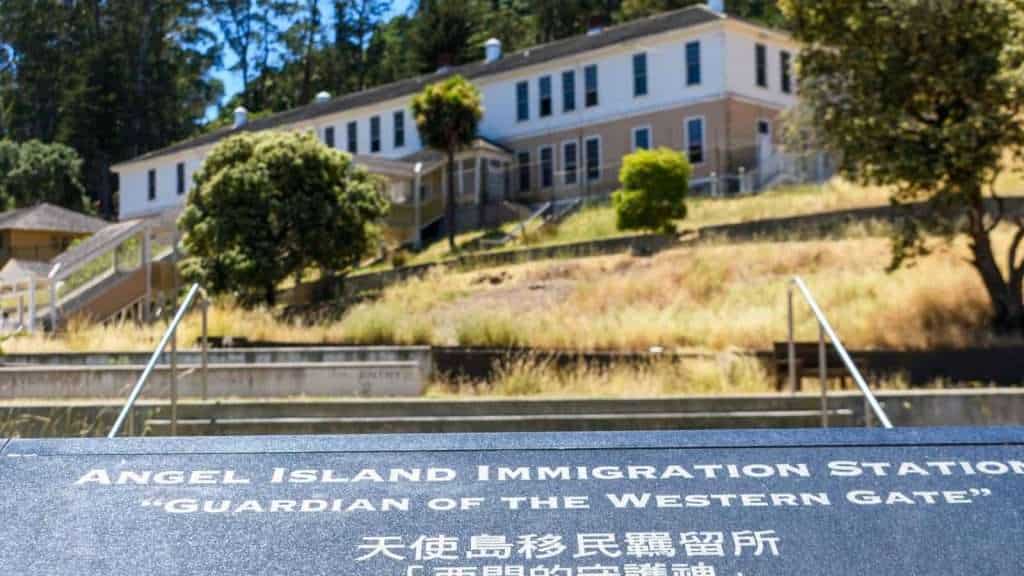
Often called the “Ellis Island of the West,” Angel Island served as the main immigration station for Asian immigrants entering the United States from 1910 to 1940. Unlike Ellis Island, where European immigrants were processed relatively quickly, Angel Island became notorious for its long detentions and discriminatory practices. The poetry carved into the barracks walls by Chinese immigrants still bears witness to their struggles. Yet Angel Island remains overshadowed in national memory, even though it tells an essential part of the immigration story.
Whitney Plantation, Louisiana

While many southern plantations focus on architecture and wealth, the Whitney Plantation stands out for centering the voices of the enslaved. Through memorials, oral histories, and exhibits, it provides a raw and emotional account of slavery’s brutal legacy. Despite its importance, it is far less visited than other plantations that romanticize the Old South. For travelers seeking a deeper understanding of U.S. history, the Whitney Plantation offers an unforgettable experience that challenges the traditional narrative.
Centralia, Pennsylvania

Once a thriving coal town, Centralia is now nearly abandoned after a mine fire ignited underground in 1962 and still burns today. Residents were forced to evacuate, leaving behind a ghost town frozen in time. The disaster highlights the dangers of unchecked industry and poor safety regulation, yet it is often absent from mainstream historical discussions. Today, curious travelers venture to see the eerie empty streets, but Centralia’s story is far more than a roadside oddity—it is a lesson in forgotten history.
Manzanar, California

During World War II, over 110,000 Japanese Americans were forcibly relocated to internment camps, and Manzanar is one of the most prominent surviving sites. Families lost homes, businesses, and freedom in this desert prison, yet the story remained under-taught for decades. Visitors can still walk through reconstructed barracks and memorials that preserve the voices of those unjustly imprisoned. Although essential to understanding U.S. history, Manzanar remains overshadowed by more well-known World War II sites.
Harper’s Ferry, West Virginia

This historic town was the site of John Brown’s raid in 1859, a bold attempt to spark a slave rebellion that escalated tensions leading to the Civil War. While its cobblestone streets and historic buildings remain preserved, Harper’s Ferry does not often appear in mainstream history lessons. The raid was a pivotal moment in the nation’s path toward emancipation and conflict. Travelers exploring West Virginia will find both breathtaking scenery and powerful forgotten history here.
Lowell Mills, Massachusetts
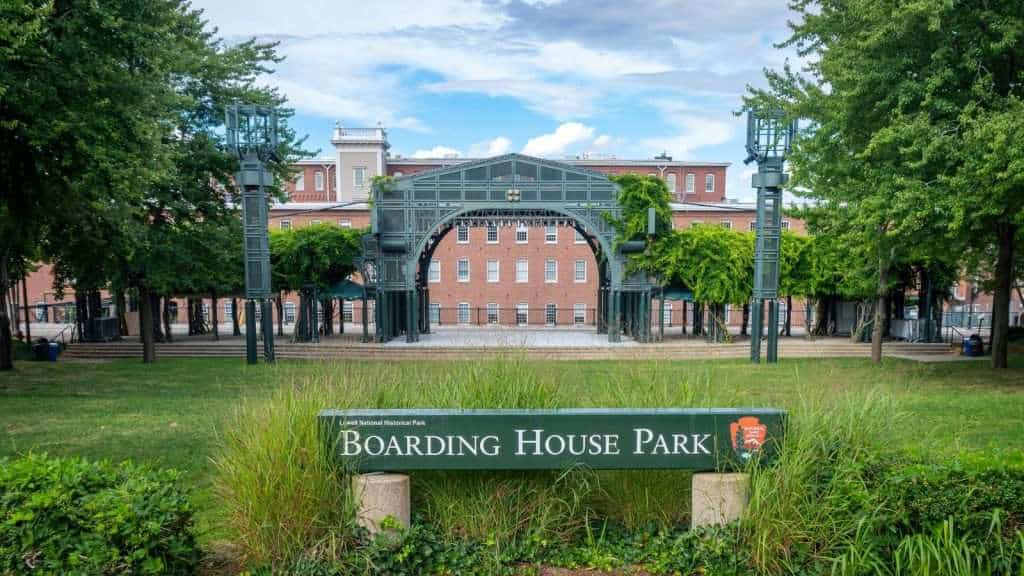
In the 19th century, the textile mills of Lowell employed thousands of young women, known as the “Lowell Mill Girls,” who became some of the earliest advocates for labor reform in America. Their activism helped shape workers’ rights and women’s rights movements. While Boston’s Freedom Trail draws millions, Lowell is often overlooked despite its equally significant contributions. Visitors to Lowell today can tour preserved factories and gain insight into the industrial roots of American society.
Tuskegee Airmen National Historic Site, Alabama

The Tuskegee Airmen were the first African American military aviators in U.S. history, overcoming racial discrimination to serve with distinction during World War II. Their training grounds in Alabama now form a national historic site, preserving the story of their courage and perseverance. Yet, this site remains less known than larger military memorials across the country. For those interested in aviation and civil rights history, Tuskegee offers a powerful and underappreciated destination.
Seneca Village, New York

Beneath the lawns of Central Park once stood Seneca Village, a thriving African American and immigrant community in the 19th century. Its residents owned land, built churches, and fostered a vibrant neighborhood until they were forcibly displaced to make way for the park’s construction. For decades, this history remained buried—both literally and figuratively. While modern plaques acknowledge the site, most travelers to New York City remain unaware of the community erased for urban development.
Homestead Strike Site, Pennsylvania

The Homestead Steel Works near Pittsburgh was the setting for one of the most violent labor conflicts in U.S. history in 1892. Workers clashed with private security forces in a struggle over fair wages and working conditions, shaping the future of organized labor. Despite its significance, the site receives little attention compared to other labor landmarks. Visitors today can still explore the remnants of the mill town, gaining insight into the often-forgotten fight for workers’ rights.
Hansen’s Disease Settlement, Kalaupapa, Hawaii

On the remote island of Molokai, those afflicted with Hansen’s disease (leprosy) were exiled to the Kalaupapa peninsula for much of the 19th and 20th centuries. Despite the stigma, residents built a resilient community, and figures like Father Damien dedicated their lives to improving conditions. The site is preserved as a national park, but its story is rarely highlighted in broader U.S. history. Travelers who visit discover a powerful narrative of suffering, faith, and resilience.
Battle of Blair Mountain, West Virginia

In 1921, thousands of coal miners went on strike, leading to the largest labor uprising in U.S. history at Blair Mountain. Armed clashes between miners and law enforcement highlighted deep inequalities in the coal industry. Despite its size and impact, the event has largely faded from national memory. The mountain remains a symbol of worker solidarity, but it is far less recognized than other historic battlefields.
Port Chicago Naval Magazine, California

In 1944, a massive explosion at Port Chicago killed over 300 sailors, many of them African American men assigned to dangerous loading jobs. When survivors refused to return to unsafe work, they were charged in one of the largest mutiny trials in U.S. history. This event played a key role in desegregating the U.S. Navy. Yet, the story is often overlooked, and the site today is rarely visited outside of military history circles.
Fort Robinson, Nebraska
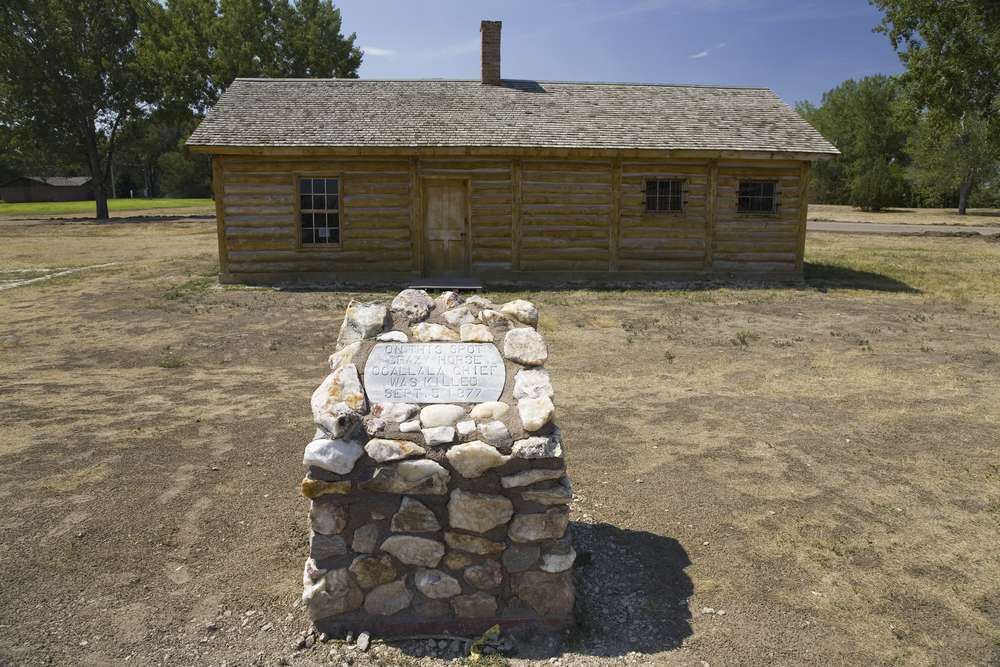
This remote fort played a role in the Plains Indian Wars and is remembered as the place where Lakota leader Crazy Horse was killed in 1877. Despite its historical significance, Fort Robinson is rarely included in mainstream narratives about Native American history. Visitors can explore the barracks and grounds, but the deeper story of cultural conflict is often forgotten. For those interested in Indigenous history, Fort Robinson is an essential stop.
Selma’s Brown Chapel AME Church, Alabama

While Selma is remembered for the voting rights marches of 1965, Brown Chapel AME Church, the starting point of the marches, receives less attention than it deserves. It was here that activists gathered, organized, and launched their historic journey across the Edmund Pettus Bridge. Though the marches are commemorated nationally, the church itself often fades into the background. For U.S. travel with a focus on civil rights history, Brown Chapel is a site where history was truly made, and too often forgotten.

Deborah Montiero is a seasoned travel writer and contributor to Probe the Globe. With a passion for uncovering hidden gems and sharing immersive travel experiences, Deborah’s work highlights must-visit destinations, insider tips, and practical advice for travelers of all types. Whether exploring bustling cities or remote escapes, her articles are crafted to inspire and inform, making her a trusted voice in the travel community.
Her storytelling weaves together cultural insights, logistical tips, and authentic experiences, making her a valuable resource for readers seeking unforgettable journeys.
When not writing, Deborah is likely researching the latest travel trends or planning her next adventure. Follow her work on Probe the Globe for fresh perspectives and up-to-date travel inspiration.