
10 Surprising Details About Australia’s Great Barrier Reef
The Great Barrier Reef is one of the most beautiful places on the planet that’s on the bucket list for many thrill seekers. Situated in Australia’s northeastern coast, the UNESCO World Heritage Site boasts the world’s biggest coral reef system, spanning over 2,300 kilometers and home to approximately 3,000 unique reefs. While the reef is widely recognized for its colorful marine life we take a look at ten surprising facts about this underwater paradise:
It’s Visible from Space
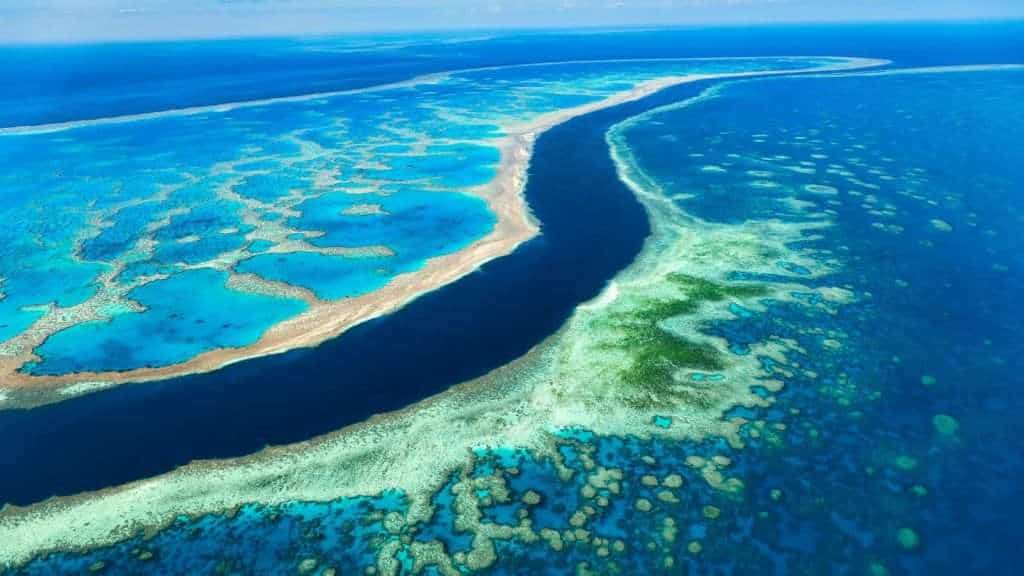
One of the most extraordinary aspects of the Great Barrier Reef is its size, covering an area of approximately 344,400 square kilometers. The reef is so vast that it can be seen from space with astronauts aboard the International Space Station marveling at its intricate patterns.
It’s Made Up of Billions of Tiny Creatures
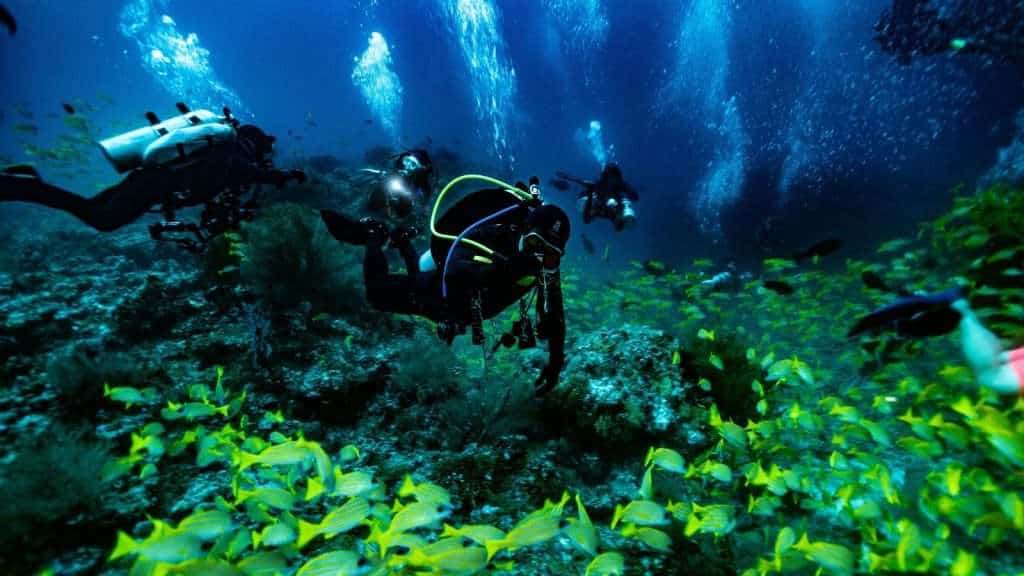
While the Great Barrier Reef may seem like one massive, interconnected structure, it is actually composed of billions of tiny organisms called coral polyps. These polyps form colonies over time, building the reef’s limestone skeleton. The complex and vibrant coral structures that serve as the foundation of the entire ecosystem are the result of the collaborative efforts of individual corals, each of which is a living organism.
It’s Older Than You Think
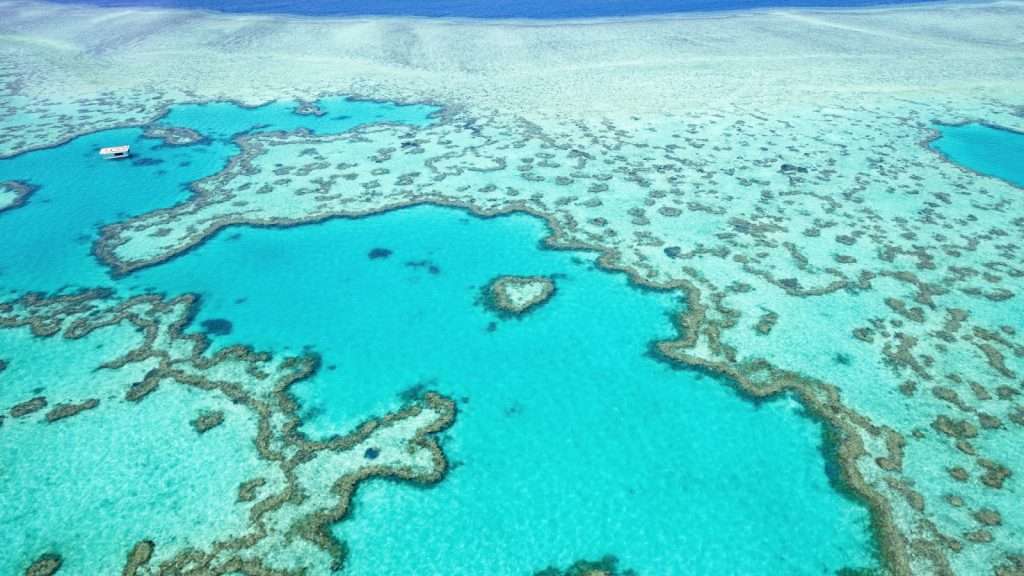
The Great Barrier Reef, in its current form, is around 6,000 to 8,000 years old. However, its origins date back much further, up to 20 million years ago. The coral system has evolved and shifted throughout millennia as sea levels have risen and fallen. Today’s reef is the result of these long-term natural processes, making it one of the oldest continuous ecosystems on the planet.
It’s Home to Some of the World’s Most Dangerous Creatures
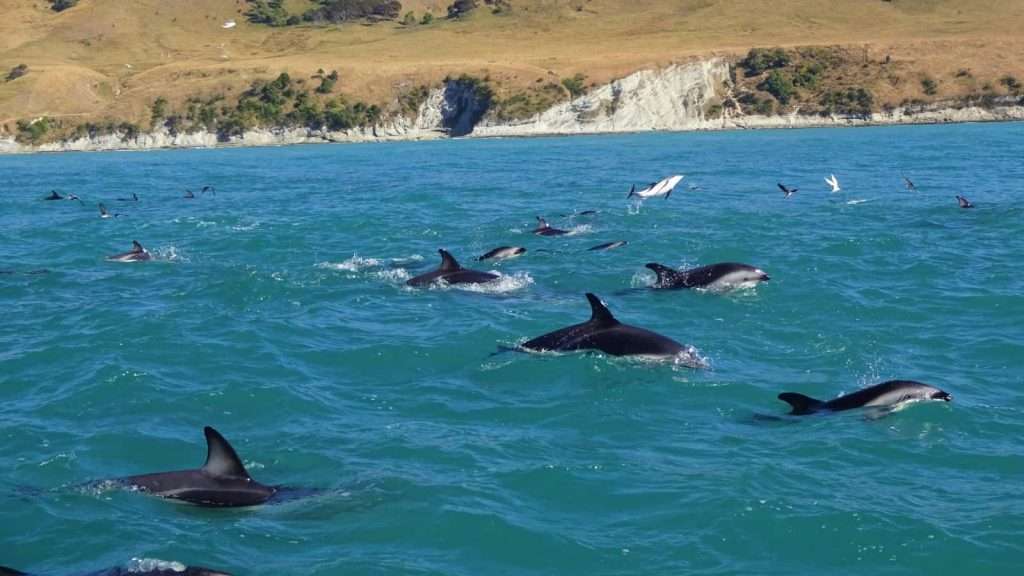
Beneath the beauty of the Great Barrier Reef lurks some of the ocean’s most dangerous creatures. The box jellyfish, with its deadly venom, is just one example of the risks that lurk in these waters. Other potentially dangerous animals include the blue-ringed octopus and the stonefish, both of which are extremely venomous. Despite their presence, incidents with humans are rare, as these creatures typically avoid human interaction.
It Supports More Than Just Marine Life
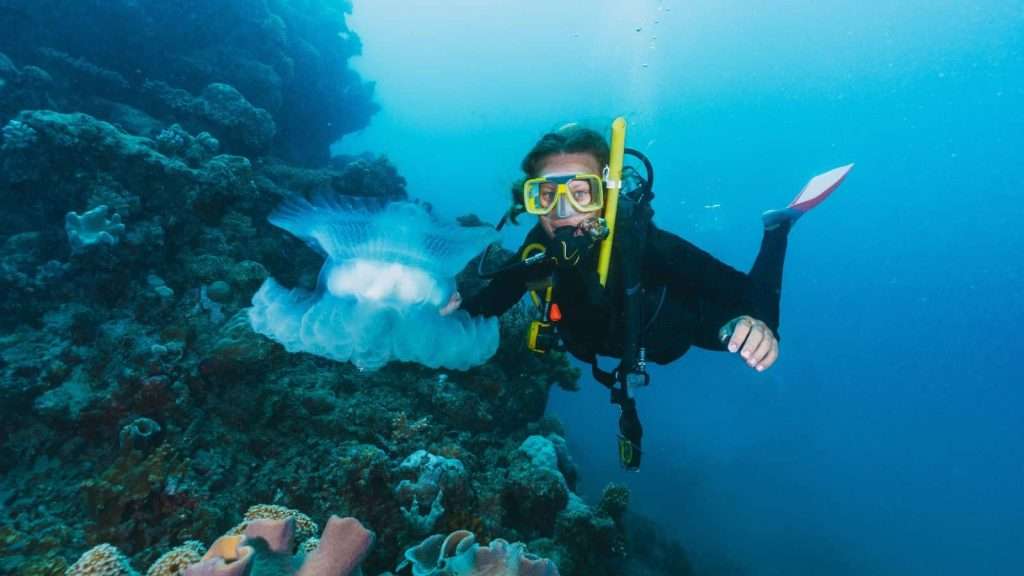
While the Great Barrier Reef is famous for its incredible marine biodiversity, the ecosystem it supports extends beyond the ocean. Along with coastal erosion, shielding shorelines from storm surges, and sustaining neighboring mangrove forests and seagrass beds, the reef significantly affects Australia’s climate and weather patterns. These connected ecosystems provide important habitats for endangered species, such as dugongs and sea turtles.
It’s a Breeding Ground for Migrating Whales
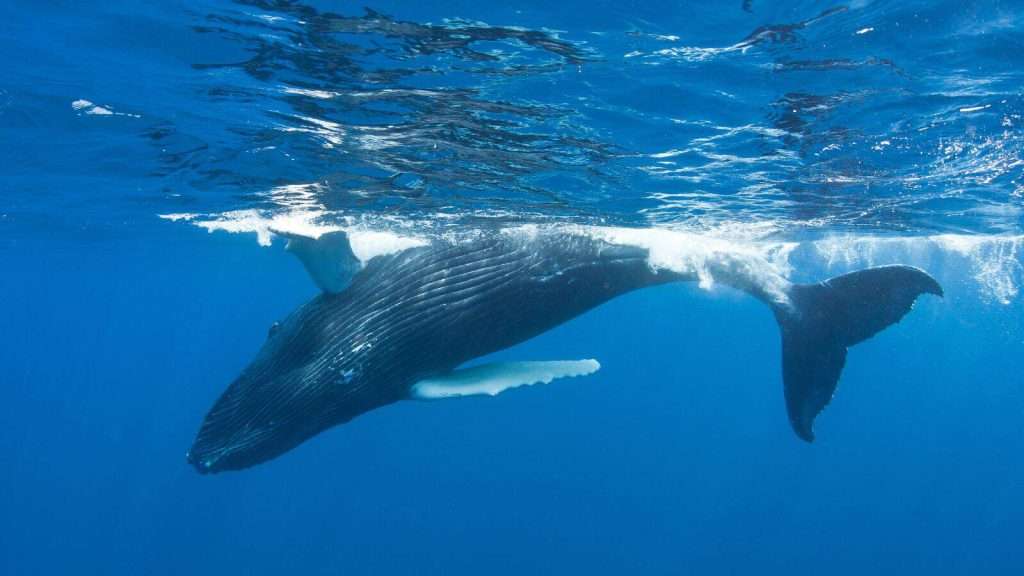
One of the lesser-known aspects of the Great Barrier Reef is its role as a breeding ground for humpback whales. Every year, between June and November, humpback whales migrate from Antarctica to the warm waters of the reef to mate and give birth. These gentle giants can be seen breaching and swimming along the reef and the area has become a popular destination for whale watching during the breeding season.
It Contains Over 600 Types of Coral
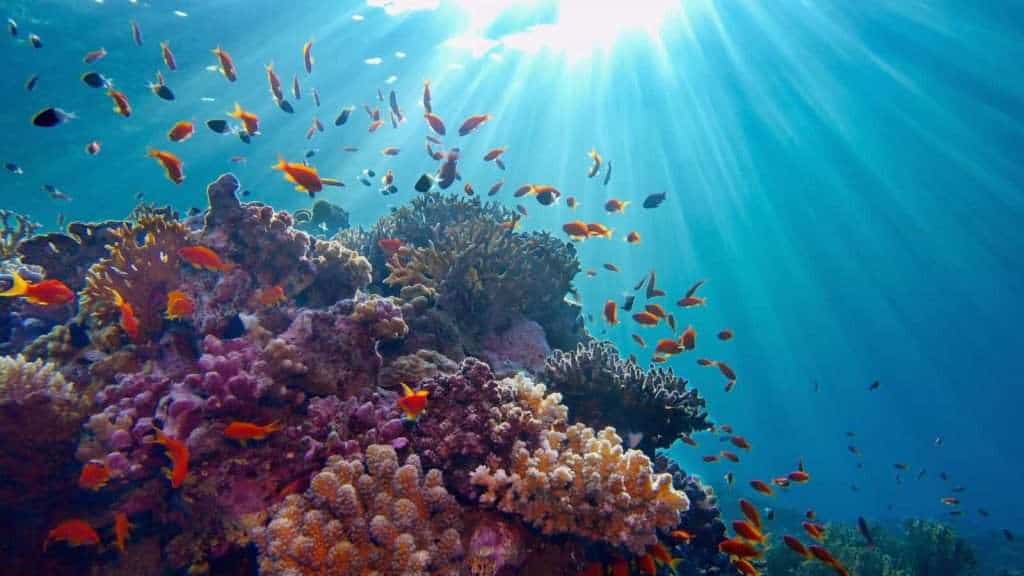
The Great Barrier Reef is home to more than 600 species of coral, ranging from hard corals that form the structural foundation of the reef to soft corals that sway gracefully with ocean currents. These corals come in various shapes, sizes and colors, making the reef one of the most visually diverse ecosystems on the planet. Coral species vary across different regions of the reef, contributing to its incredible biodiversity.
Coral Spawning
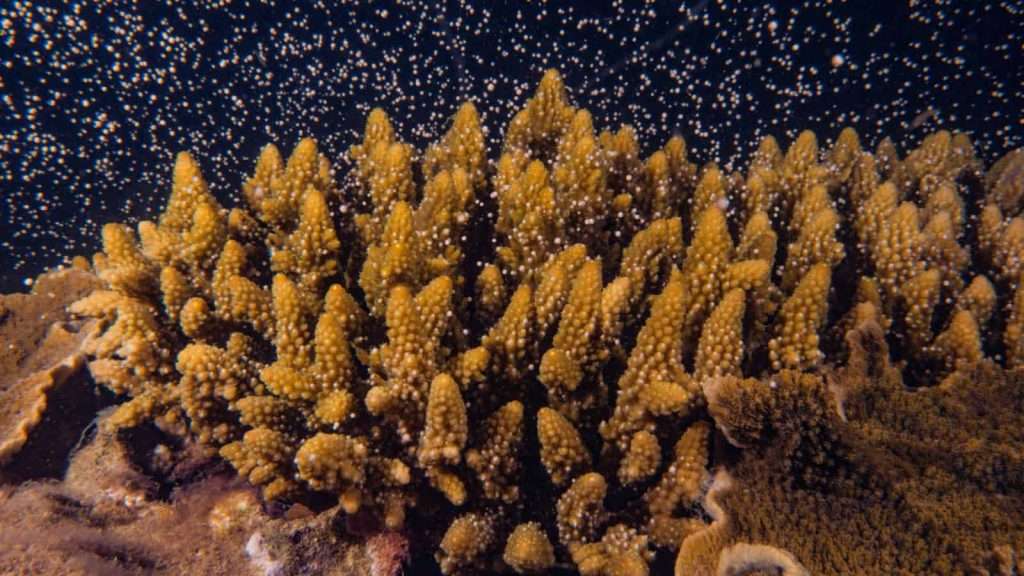
Every year, the Great Barrier Reef experiences a breathtaking phenomenon known as coral spawning. Millions of coral polyps release their eggs and sperm into the water, creating a mesmerizing underwater snowstorm. This synchronized event usually occurs in late spring, after a full moon and is crucial for the reproduction and regeneration of the reef. The timing of the coral spawning is triggered by environmental cues like water temperature, moonlight and tidal conditions and it’s a vital event for the ongoing survival of the reef ecosystem.
It’s a Cultural and Spiritual Site for Indigenous Australians
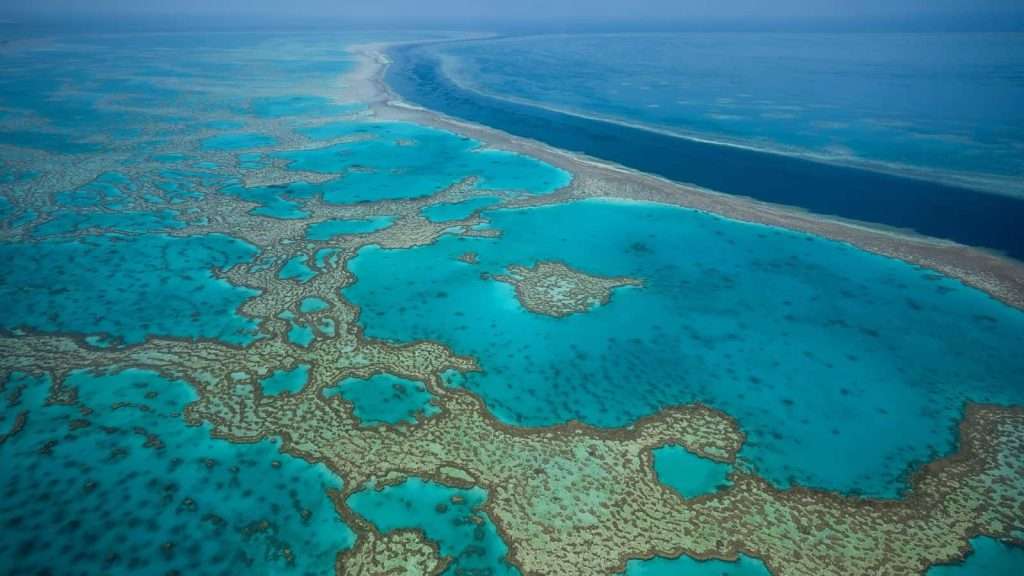
The Great Barrier Reef is not only a natural wonder but also a place of deep cultural and spiritual significance for the Aboriginal and Torres Strait Islander peoples, who have lived in the region for over 60,000 years. These Indigenous communities see the reef as a sacred site and it features prominently in their oral histories, stories and cultural practices. The reef’s Indigenous custodians have long been involved in its conservation and management, and their traditional knowledge is increasingly being recognized as a key part of efforts to protect and preserve the reef for future generations.
It’s Under Serious Threat
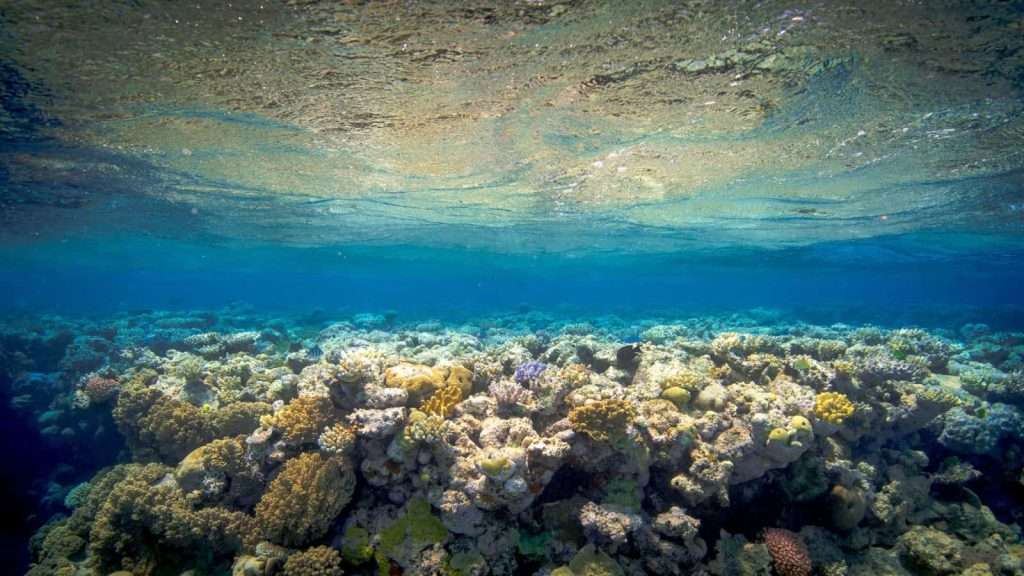
While the Great Barrier Reef remains one of the world’s most extraordinary natural wonders, it’s also one of the most vulnerable. Rising ocean temperatures are causing coral bleaching, a process that weakens the reef and threatens its survival. In addition to bleaching, ocean acidification, pollution and overfishing are further contributing to the reef’s decline. Efforts to combat these issues include conservation initiatives, reef restoration projects and the creation of protected marine areas.

Deborah Montiero is a seasoned travel writer and contributor to Probe the Globe. With a passion for uncovering hidden gems and sharing immersive travel experiences, Deborah’s work highlights must-visit destinations, insider tips, and practical advice for travelers of all types. Whether exploring bustling cities or remote escapes, her articles are crafted to inspire and inform, making her a trusted voice in the travel community.
Her storytelling weaves together cultural insights, logistical tips, and authentic experiences, making her a valuable resource for readers seeking unforgettable journeys.
When not writing, Deborah is likely researching the latest travel trends or planning her next adventure. Follow her work on Probe the Globe for fresh perspectives and up-to-date travel inspiration.