18 U.S. Waterfront Towns One Storm Away From Disappearing
Across the United States, waterfront towns offer beauty, culture, and a deep connection to the water that shaped them. At the same time, rising seas, stronger storms, erosion, and aging infrastructure place many of these communities in constant jeopardy. For travelers interested in U.S. travel stories that go beyond postcards, these towns reveal resilience mixed with uncertainty. This article explores 18 U.S. Waterfront Towns One Storm Away From Disappearing.
Tangier Island, Virginia
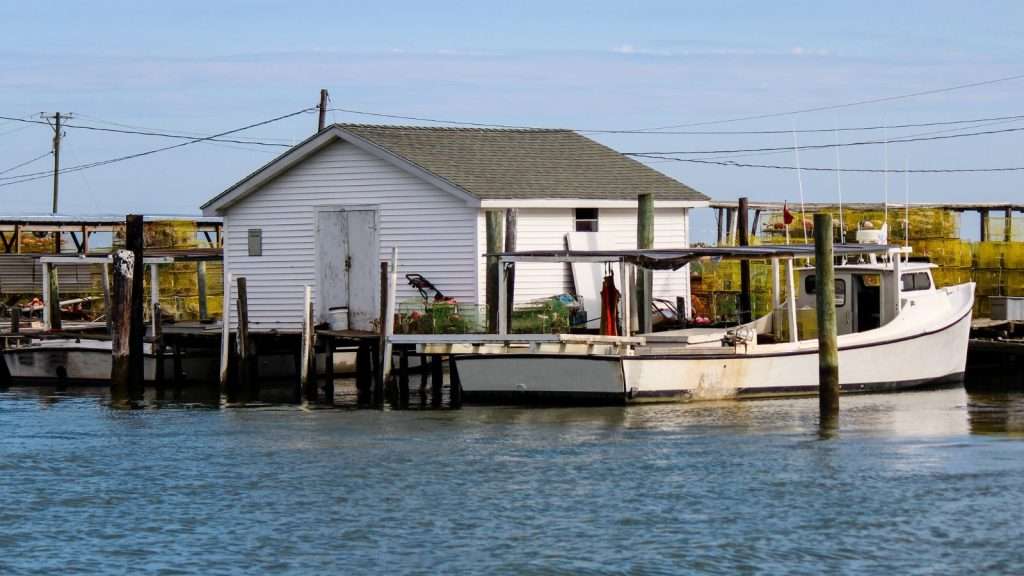
Tangier Island sits in the Chesapeake Bay and has lost significant land to erosion over the past century. Entire sections of the island have vanished beneath the water, and storms increasingly flood roads and homes. Residents maintain a deep fishing heritage and strong community ties, but relocation is a frequent topic of conversation. Travelers visiting Tangier encounter a living culture shaped by the awareness that one severe storm could permanently alter life there.
Morro Bay, California
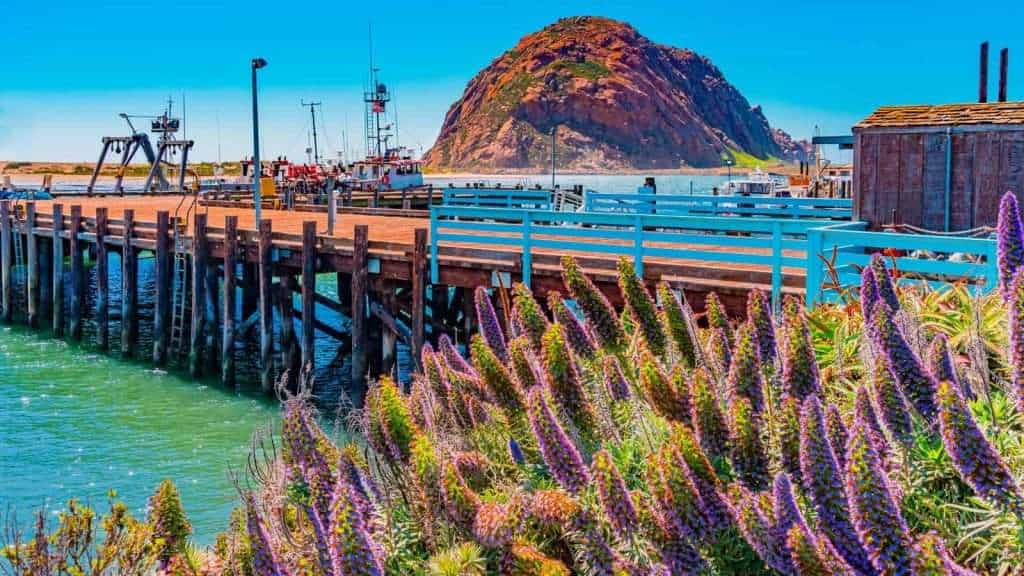
Morro Bay’s waterfront faces erosion and storm surge threats. Locals watch changing wave patterns closely. Harbor infrastructure remains exposed. A major Pacific storm could cause serious damage. For American travel lovers, Morro Bay feels increasingly delicate.
Cedar Key, Florida

Cedar Key’s low elevation makes it highly vulnerable to storm surge and flooding during hurricanes. Its waterfront streets and historic buildings sit only feet above sea level. Residents regularly prepare for evacuations, knowing that one powerful storm could reshape the town. Travelers exploring Florida’s quieter coastal destinations often sense how fragile daily life can be here.
Smith Island, Maryland
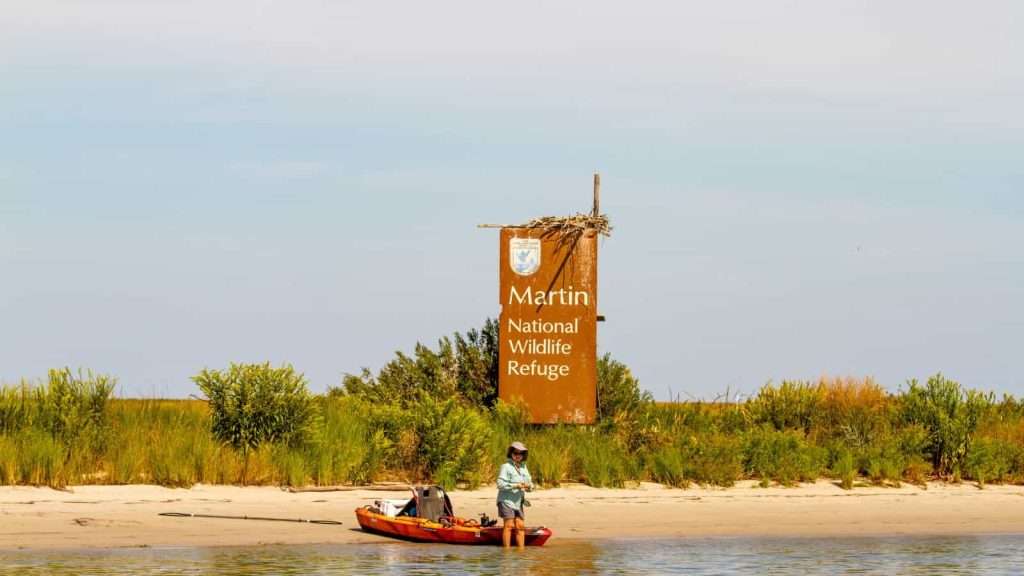
Smith Island lies in the Chesapeake Bay and depends heavily on fishing and tourism. Erosion and flooding threaten homes, docks, and marshlands that protect the island. Rising waters have already forced some residents to relocate. Visitors interested in U.S. travel centered on maritime culture find Smith Island beautiful yet sobering in its vulnerability.
Bay St. Louis, Mississippi

Bay St. Louis rebuilt after Hurricane Katrina, but the threat of future storms remains constant. Its waterfront location exposes it to storm surge and flooding from the Gulf of Mexico. While rebuilding brought renewed energy, residents live with lingering uncertainty. Travelers visiting the Gulf Coast see both resilience and the emotional weight of repeated recovery.
Point Roberts, Washington
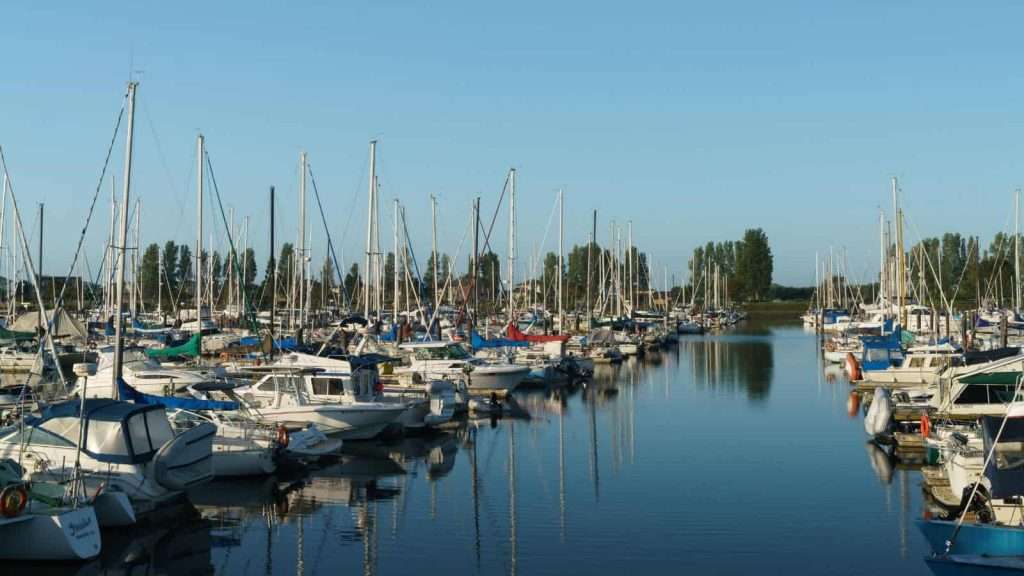
Point Roberts sits on a narrow peninsula surrounded by water on three sides. Coastal erosion and rising sea levels threaten shoreline stability. Storms can isolate the town and damage critical access routes. For U.S. travel visitors, Point Roberts illustrates how geography can amplify vulnerability even in seemingly calm regions.
Grand Isle, Louisiana
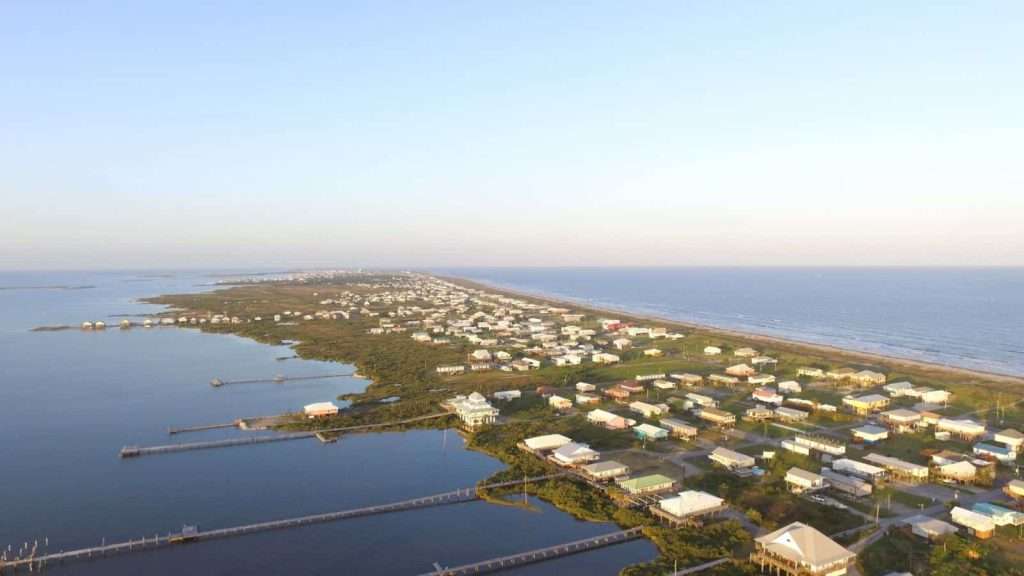
Grand Isle acts as a barrier island protecting inland Louisiana, yet it absorbs the full force of hurricanes. Repeated storms have damaged infrastructure and reduced land mass. Fishing and tourism remain central, but evacuation plans are routine. Travelers drawn to Louisiana’s coastal culture quickly understand how temporary everything feels.
Sitka, Alaska

Sitka faces coastal flooding, stronger storms, and changing ecosystems. Locals worry about harbor infrastructure and shoreline erosion. A major storm could severely impact daily life. Adaptation is ongoing but costly. For U.S. travel seekers, Sitka shows northern vulnerability.
Matlacha, Florida

Matlacha’s colorful fishing village atmosphere masks its vulnerability. Located between open water and canals, it faces frequent flooding during storms. Hurricane Ian caused extensive damage, highlighting ongoing risks. Travelers visiting Southwest Florida often see how recovery and uncertainty exist side by side.
Port Aransas, Texas
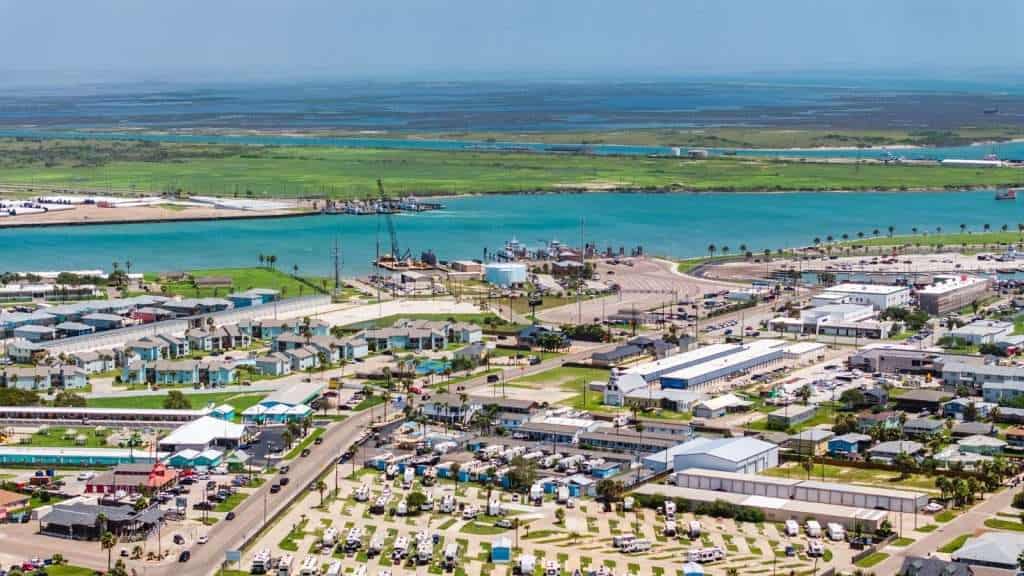
Port Aransas sits directly in the path of Gulf hurricanes. Storm surge and wind damage have repeatedly forced rebuilding efforts. While tourism drives the economy, infrastructure remains vulnerable. Travelers exploring Texas coastal U.S. travel routes often see a town built to recover but never fully safe.
Apalachicola, Florida
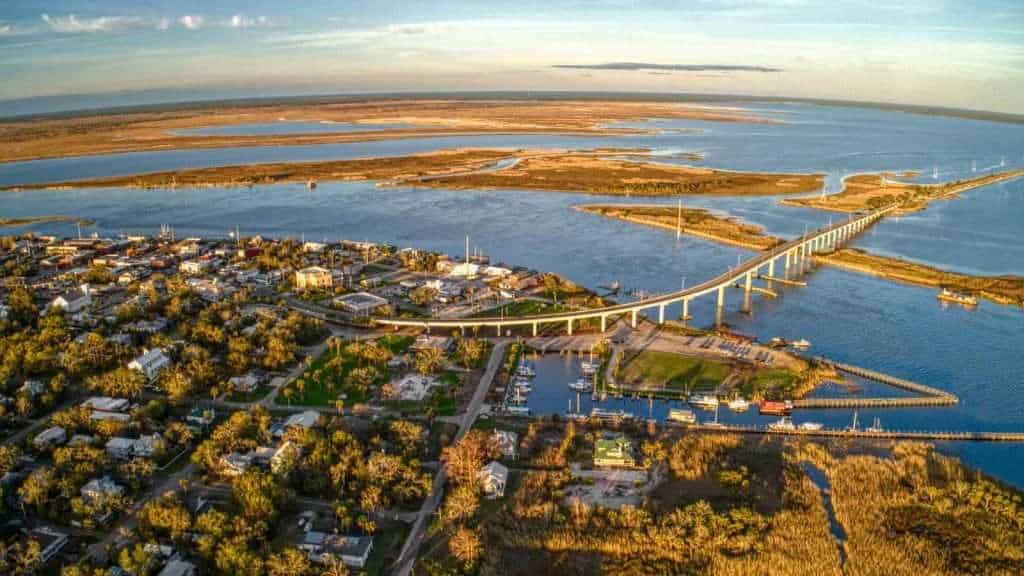
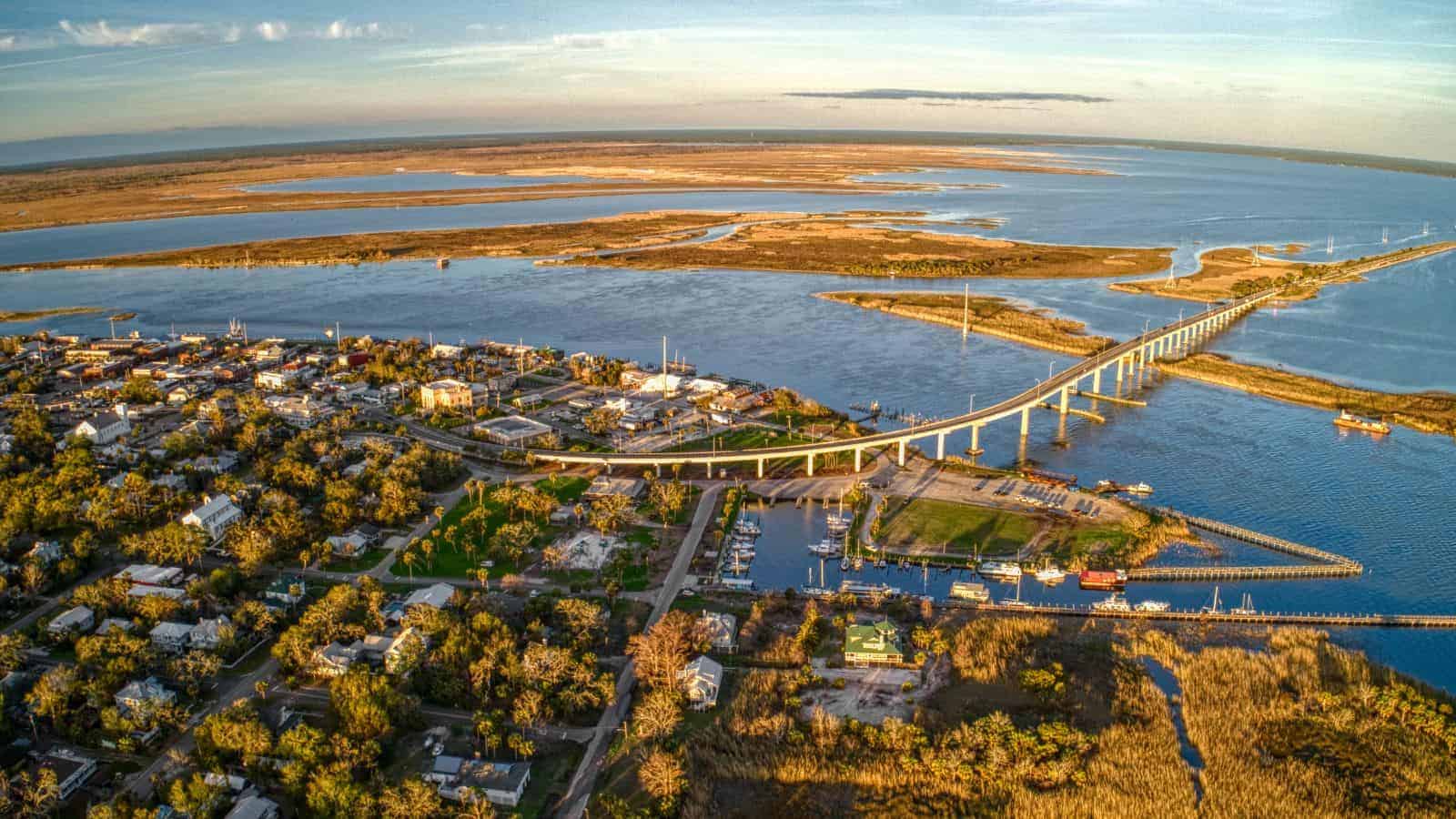
Apalachicola’s historic waterfront and oyster industry depend on delicate environmental balance. Rising sea levels and stronger storms threaten both economy and heritage. Flooding risks grow each year. Visitors seeking authentic U.S. travel experiences find a town deeply connected to water yet increasingly at risk from it.
Rockport, Texas

Rockport suffered devastating damage from Hurricane Harvey, leaving lasting scars. Its waterfront exposure continues to pose serious risks. Rebuilding has strengthened parts of the town, but vulnerability remains. Travelers visiting the Texas coast often hear stories of survival that remain very recent.
Daufuskie Island, South Carolina
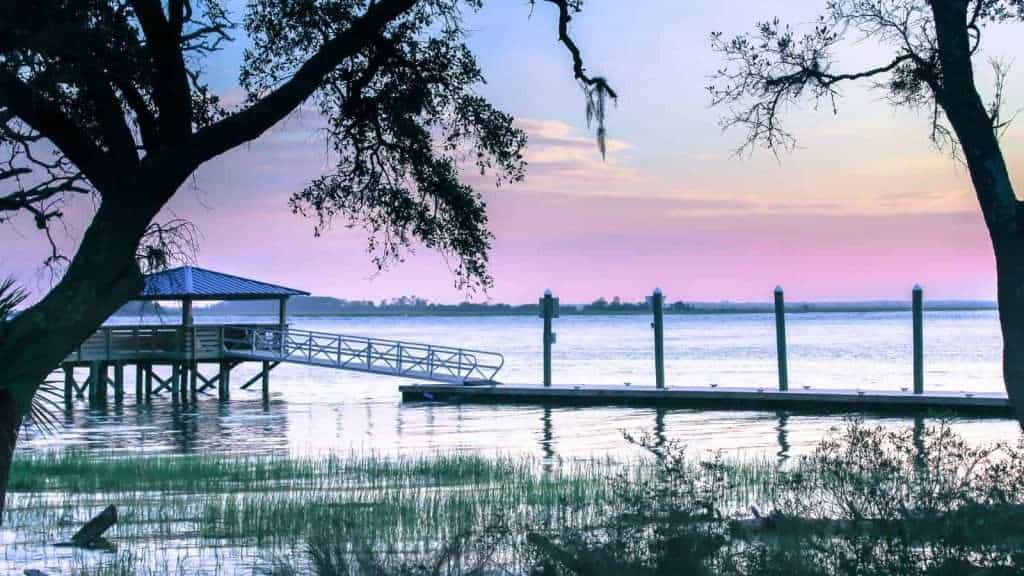
Daufuskie Island’s isolation and low elevation make it highly vulnerable to storm surge. Ferry access can be cut off during severe weather. Historic Gullah Geechee culture adds importance to preservation efforts. U.S. travel visitors often sense how fragile both land and heritage are here.
Ocean Springs, Mississippi

Ocean Springs balances coastal charm with hurricane vulnerability. Storm surge from the Gulf can flood neighborhoods quickly. While recovery efforts strengthen buildings, the threat remains constant. Travelers visiting Mississippi’s coast see a town that prepares for storms as a way of life.
Avalon, California
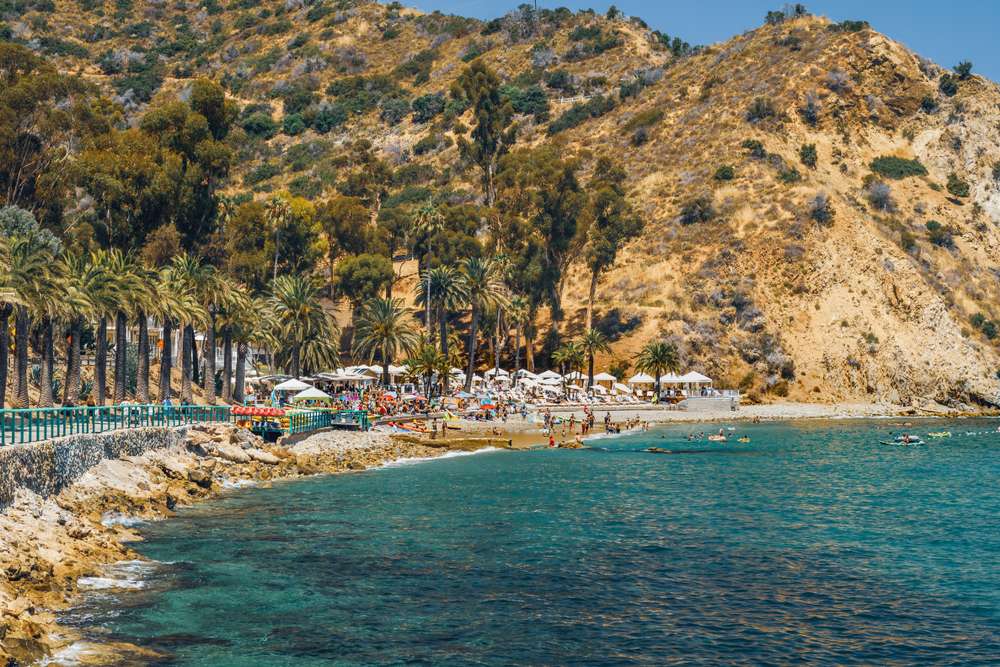
Avalon sits along a steep, exposed coastline. Storms threaten docks, hillsides, and access routes. Locals rely on calm seas for connection to the mainland. A severe storm could isolate the town. As a U.S. travel destination, Avalon’s beauty comes with vulnerability.
Long Beach, New Jersey

Long Beach Island faces erosion, rising seas, and hurricane exposure. Protective dunes help, but storms regularly reshape the shoreline. Residents know that barriers offer only temporary protection. Travelers exploring New Jersey’s coastal U.S. travel destinations often notice the constant rebuilding cycle.
Chincoteague, Virginia

Chincoteague faces storm surge and erosion along its coastline. Locals rely on natural barriers that weaken over time. Flooding affects daily life more frequently. A strong storm could overwhelm defenses. For American travel fans, Chincoteague feels increasingly vulnerable despite its charm.
Ocracoke, North Carolina
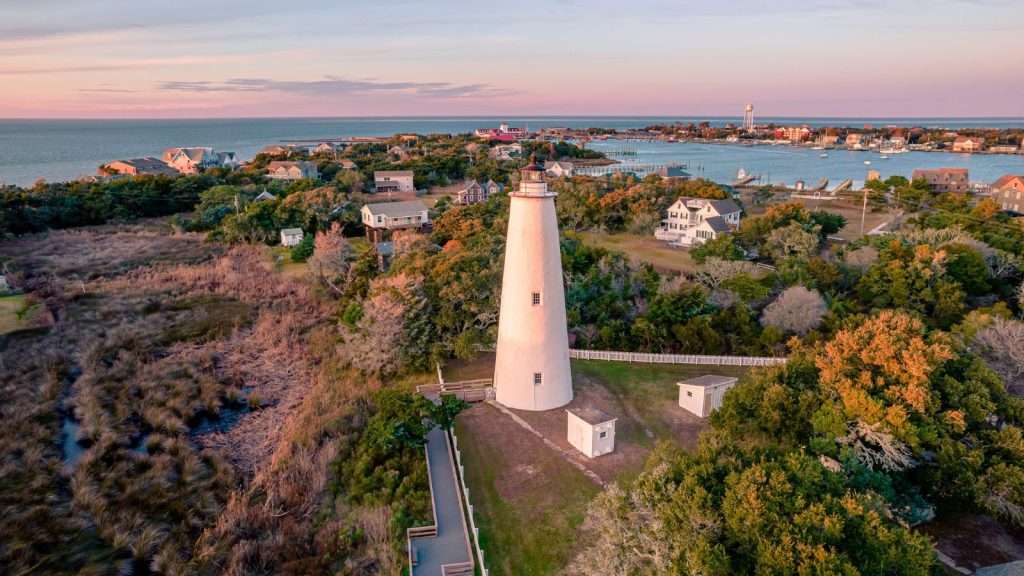
Ocracoke Island depends on ferries and sits exposed to Atlantic storms. Hurricanes frequently flood roads and cut access for weeks. Despite recovery efforts, vulnerability persists. U.S. travel visitors often fall in love with its charm while recognizing how easily it could be altered by the next storm.

Deborah Montiero is a seasoned travel writer and contributor to Probe the Globe. With a passion for uncovering hidden gems and sharing immersive travel experiences, Deborah’s work highlights must-visit destinations, insider tips, and practical advice for travelers of all types. Whether exploring bustling cities or remote escapes, her articles are crafted to inspire and inform, making her a trusted voice in the travel community.
Her storytelling weaves together cultural insights, logistical tips, and authentic experiences, making her a valuable resource for readers seeking unforgettable journeys.
When not writing, Deborah is likely researching the latest travel trends or planning her next adventure. Follow her work on Probe the Globe for fresh perspectives and up-to-date travel inspiration.