
10 Uncovered Stories Behind Italy’s Historic Cities
Italy’s historic cities are known for their array of art, culture and architectural splendour, attracting millions of visitors each year. But, beneath the cobbled streets and ancient ruins lie stories that most tourists have never heard of. We take a look at ten hidden stories behind some of Italy’s most fascinating secrets of the past:
Florence
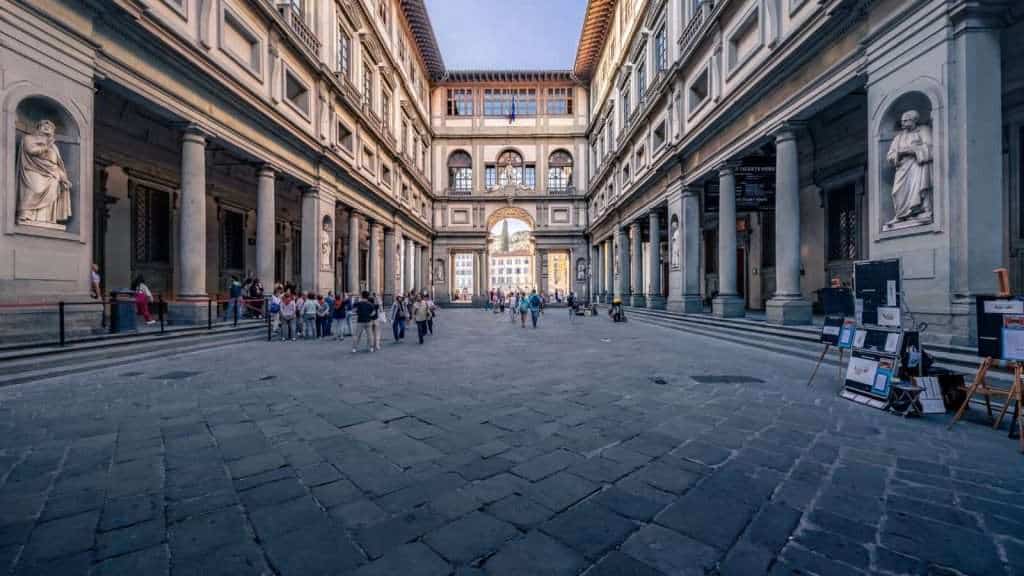
Florence, the birthplace of the Renaissance, is well-known for its iconic art and architecture. But, hidden within the city is the Vasari Corridor, a secret elevated passageway built in 1565. Commissioned by Cosimo I de’ Medici, this kilometer-long corridor connects the Palazzo Vecchio to the Palazzo Pitti, passing over the Ponte Vecchio. It allowed the powerful Medici family to move discreetly between their residences without mingling with the public. Today, the corridor remains closed to the public, though private tours offer rare glimpses of this historical gem.
Rome
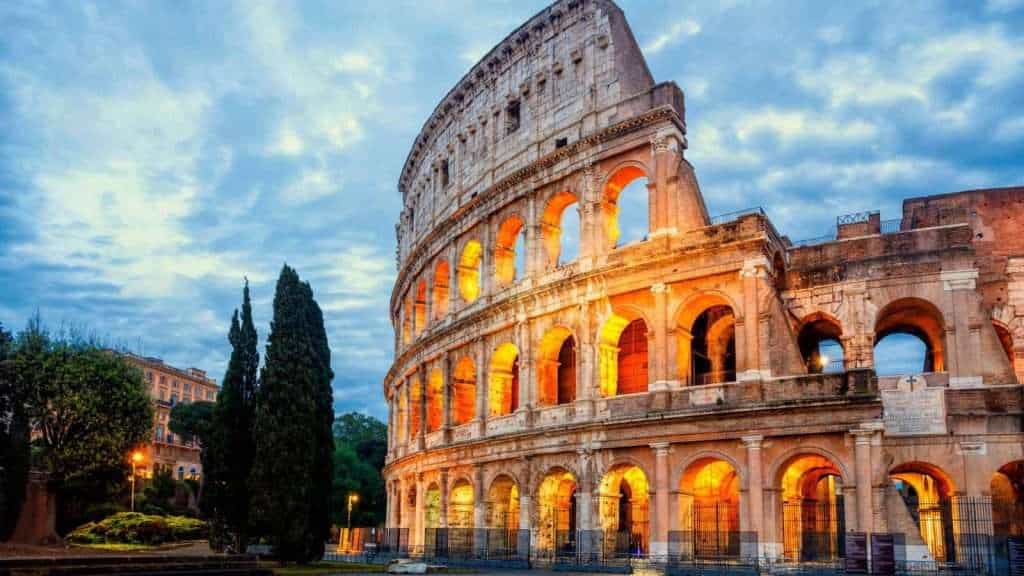
Rome’s grandeur is often seen in its above-ground monuments like the Colosseum and the Pantheon, but beneath the surface lies a maze of ancient Christian catacombs. These underground burial sites date back to the 2nd century AD and were used by early Christians who faced persecution from the Roman Empire. What makes these catacombs particularly fascinating is the presence of intricate wall paintings and inscriptions that provide clues about the early Christian community. The Catacombs of San Callisto and San Sebastiano are among the most famous, though many remain unexplored.
Venice
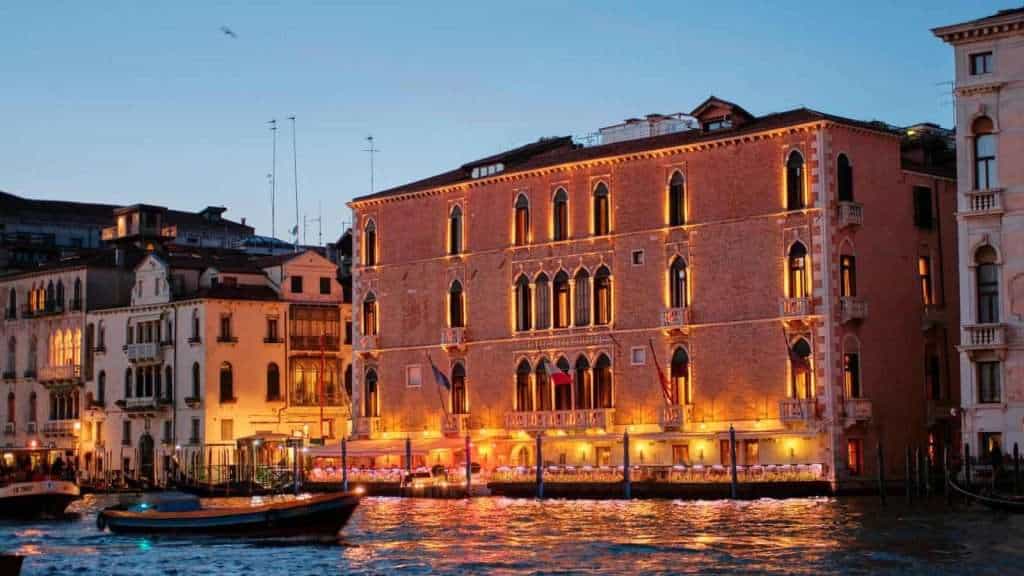
Venice’s Bridge of Sighs is one of the city’s most iconic structures, known for its romantic allure. But, the bridge has a darker past. Built in the 17th century, the Bridge of Sighs connected the Doge’s Palace to the city’s prison. It was named after the sighs of prisoners as they crossed it, catching their last glimpse of Venice before facing execution or imprisonment. Far from its current romantic reputation, the bridge symbolizes the sorrow of those who walked its passage.
Naples
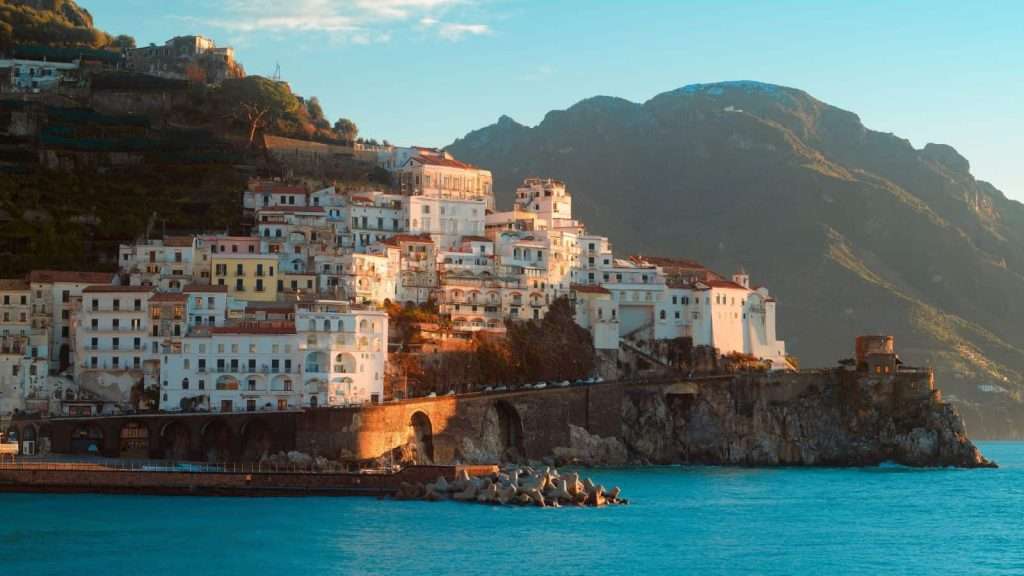
Naples has a rich history dating back to the time of the Greeks, but beneath its bustling streets lies a vast network of tunnels, aqueducts and caverns known as Napoli Sotterranea. This underground city was initially created by the Greeks and Romans for water storage and expanded over centuries. During World War II, these tunnels were repurposed as bomb shelters for the city’s residents. Today, parts of this labyrinth are open to visitors, offering a glimpse into an often-overlooked aspect of Naples’ storied past.
Siena
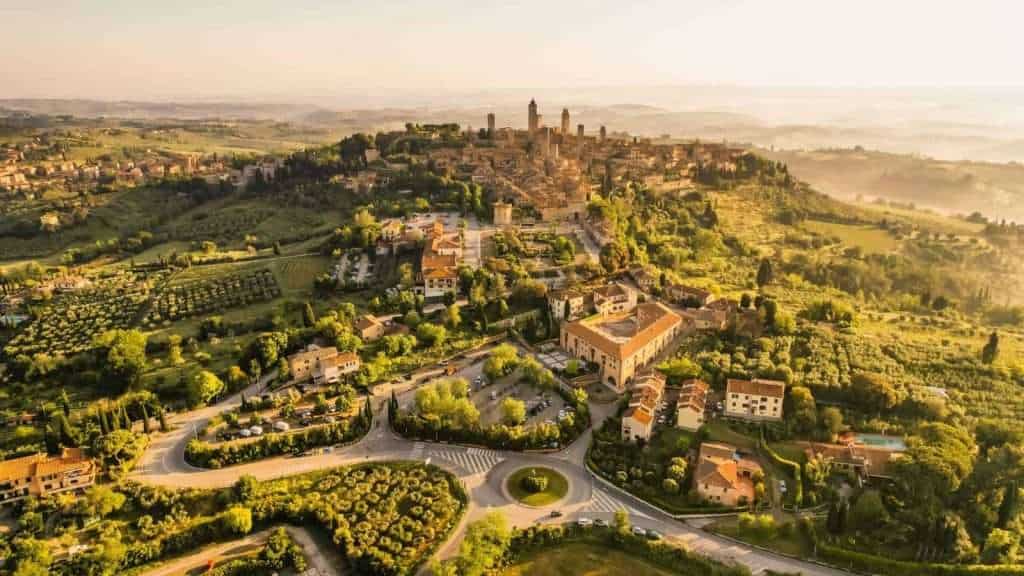
Siena is famous for the Palio, a historic horse race that takes place in the city’s main square, Piazza del Campo. But, many people are unaware of the secret rivalries that fuel this event. The Palio is not just a race—it’s a deeply-rooted competition between the city’s neighborhoods, known as contrade. These rivalries date back centuries and often involve alliances and betrayals that are meticulously planned behind the scenes. The outcome of the Palio is so important that some contrade have been known to use secret strategies to sabotage their opponents.
Milan
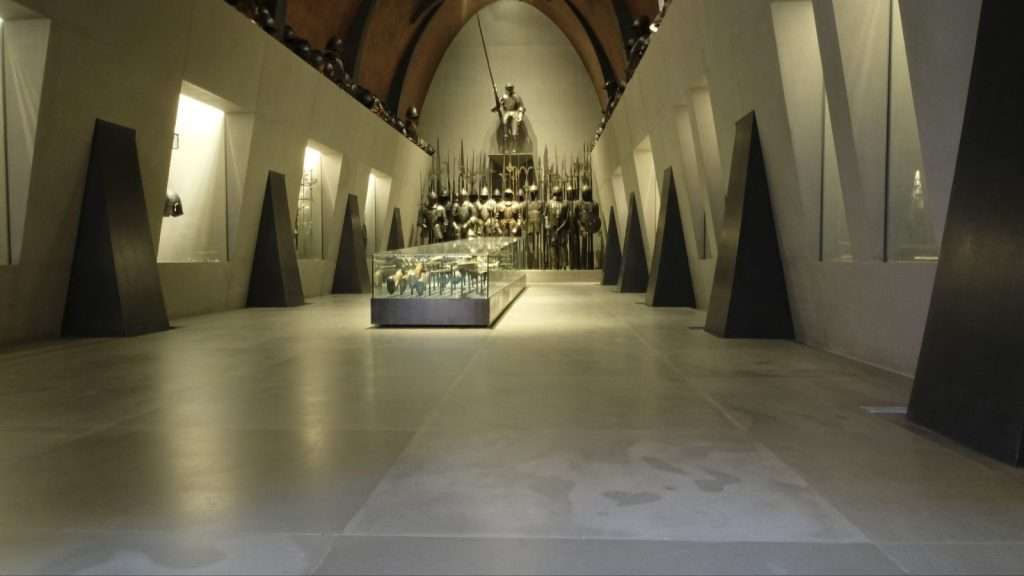
Milan is home to some of Leonardo da Vinci’s most famous works, including The Last Supper. But few know that da Vinci once owned a vineyard in the city, gifted to him by Ludovico Sforza, the Duke of Milan, in 1498. Located near the Santa Maria delle Grazie convent where The Last Supper is housed, the vineyard was a place of refuge for da Vinci. In 2015, DNA testing on the remaining grapevines helped identify the exact type of wine da Vinci cultivated, allowing historians to recreate it.
Palermo
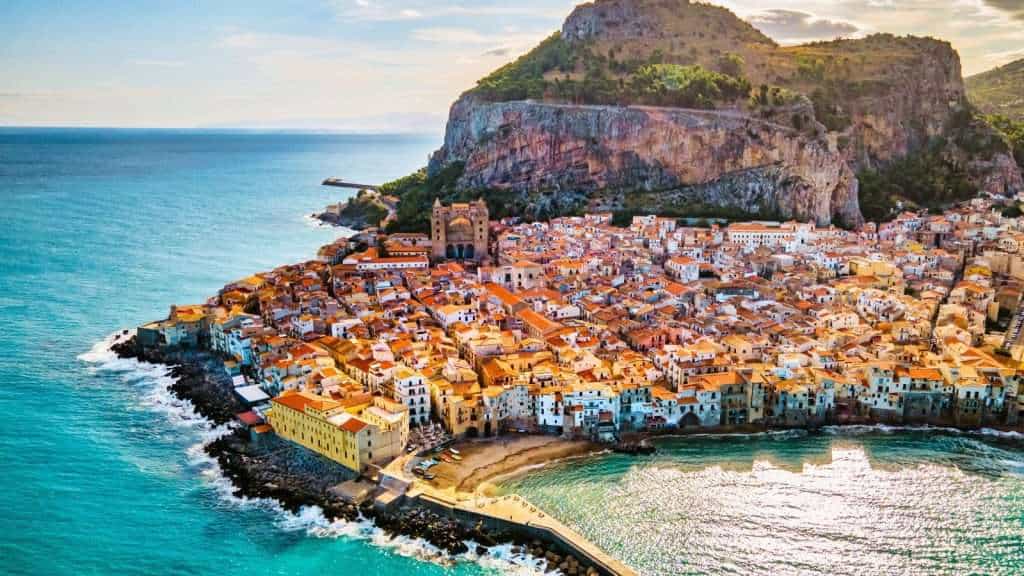
Beneath the streets of Palermo, Sicily, lies one of the most eerie and fascinating historical sites: the Capuchin Catacombs. These underground corridors house over 8,000 mummified bodies, preserved for centuries through a combination of embalming and natural drying techniques. The catacombs were originally intended for monks, but over time, wealthy citizens began requesting to be buried there. The most famous mummy is Rosalia Lombardo, a two-year-old girl who died in 1920. Her body is so well-preserved that she appears to be sleeping, earning her the nickname “Sleeping Beauty.”
Verona
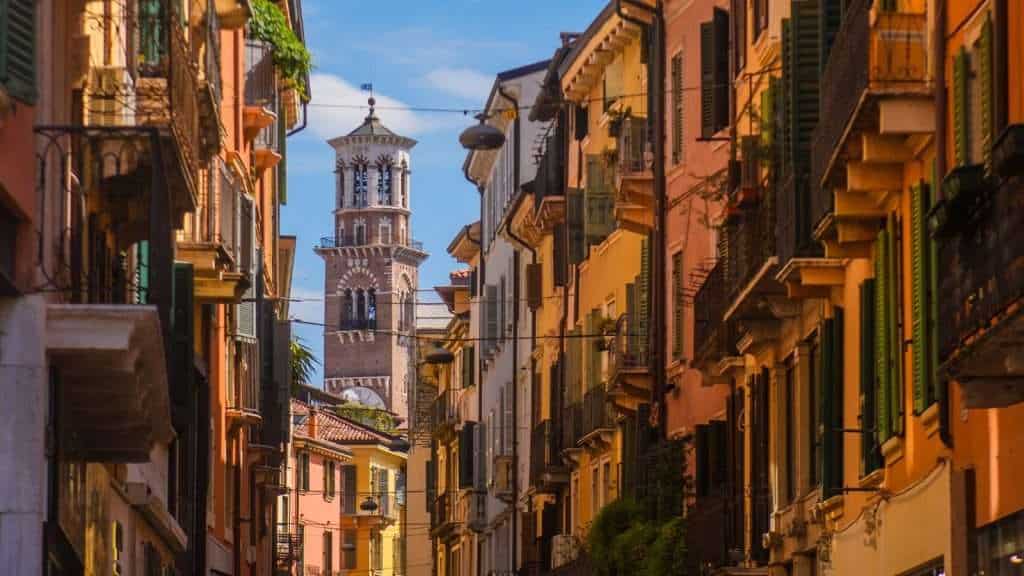
Verona is internationally famous for its association with Romeo and Juliet, Shakespeare’s timeless tale of star-crossed lovers. But, the so-called “Juliet’s Balcony” at Casa di Giulietta is not an actual historical site related to the play. The house itself dates back to the 13th century and once belonged to the Cappello family, believed to have inspired the Capulets. The balcony was added later in the 20th century to cater to tourists. Nevertheless, thousands flock to the site each year, leaving love letters and touching the bronze statue of Juliet for good luck in love.
Pisa
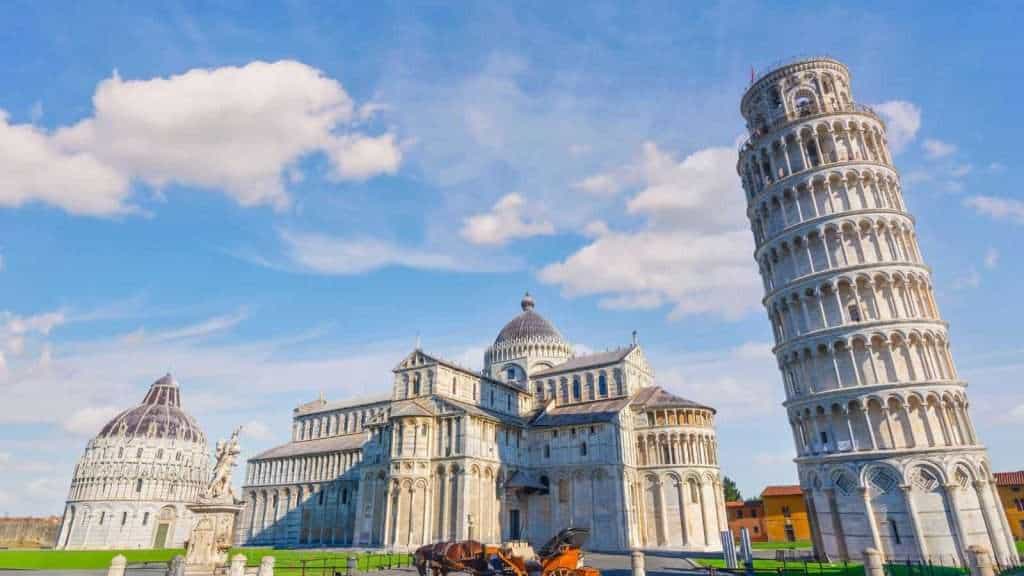
Pisa is best known for its iconic Leaning Tower, but the city is also the birthplace of Galileo Galilei, the renowned physicist and astronomer. Legend has it that Galileo conducted one of his most famous experiments from the top of the Leaning Tower. According to the story, he dropped two spheres of different masses from the tower to demonstrate that objects fall at the same rate, regardless of their weight—an experiment that contributed to his later work on gravity and motion. While some historians debate the accuracy of this tale, it remains an integral part of Pisa’s legacy.
Bologna
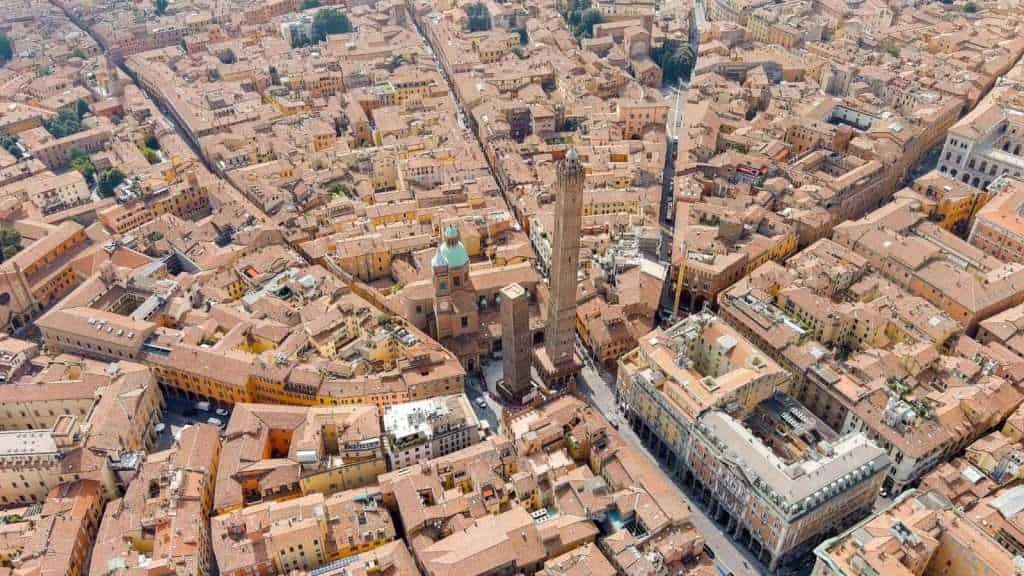
Bologna, known for its medieval architecture and vibrant university culture, harbors a secret beneath its streets: a network of hidden canals. These canals were once vital to the city’s economy, providing water for its thriving silk industry and serving as transportation routes. Over time, as the city modernized, many of the canals were covered or rerouted underground. But, a few sections remain visible today, offering a glimpse into a lesser-known aspect of Bologna’s past. Visitors can discover these canals through secret windows, such as Finestrella di Via Piella, where they can catch a hidden view of the water running through the city.

Deborah Montiero is a seasoned travel writer and contributor to Probe the Globe. With a passion for uncovering hidden gems and sharing immersive travel experiences, Deborah’s work highlights must-visit destinations, insider tips, and practical advice for travelers of all types. Whether exploring bustling cities or remote escapes, her articles are crafted to inspire and inform, making her a trusted voice in the travel community.
Her storytelling weaves together cultural insights, logistical tips, and authentic experiences, making her a valuable resource for readers seeking unforgettable journeys.
When not writing, Deborah is likely researching the latest travel trends or planning her next adventure. Follow her work on Probe the Globe for fresh perspectives and up-to-date travel inspiration.