
12 Secret Historical Sites in the U.S. with Fascinating Backstories
The United States is full of well-known historical landmarks, such as the Liberty Bell, the Washington Monument and the Alamo. But, tucked away in small towns, forests and deserts lie hidden historical sites that tell captivating stories. From quaint ghost towns to ancient mounds, we look at 12 historical sites in the U.S. that you might not have heard of but are definitely worth visiting:
Bannack Ghost Town, Bannack, Montana
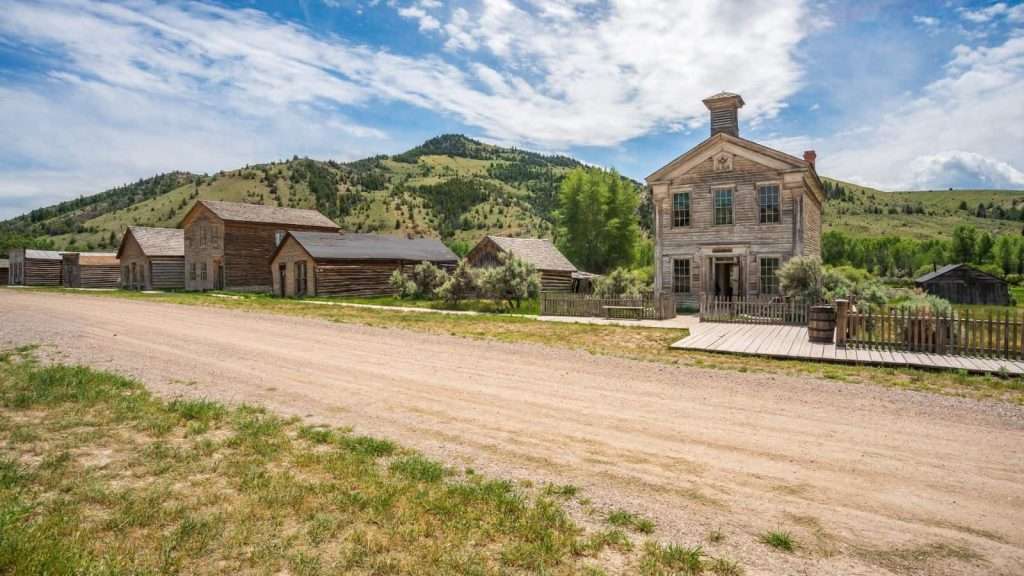
Bannack is a well-preserved ghost town that was once a thriving gold rush community in the mid-19th century. Established in 1862 after gold was discovered in nearby Grasshopper Creek, Bannack became Montana’s first territorial capital. At its peak, the town boasted several thousand residents, but as the gold dried up, so did Bannack’s fortune. Today, visitors can walk through the deserted town, exploring the old buildings, saloons and schoolhouse.
Fort Jefferson, Dry Tortugas National Park, Florida
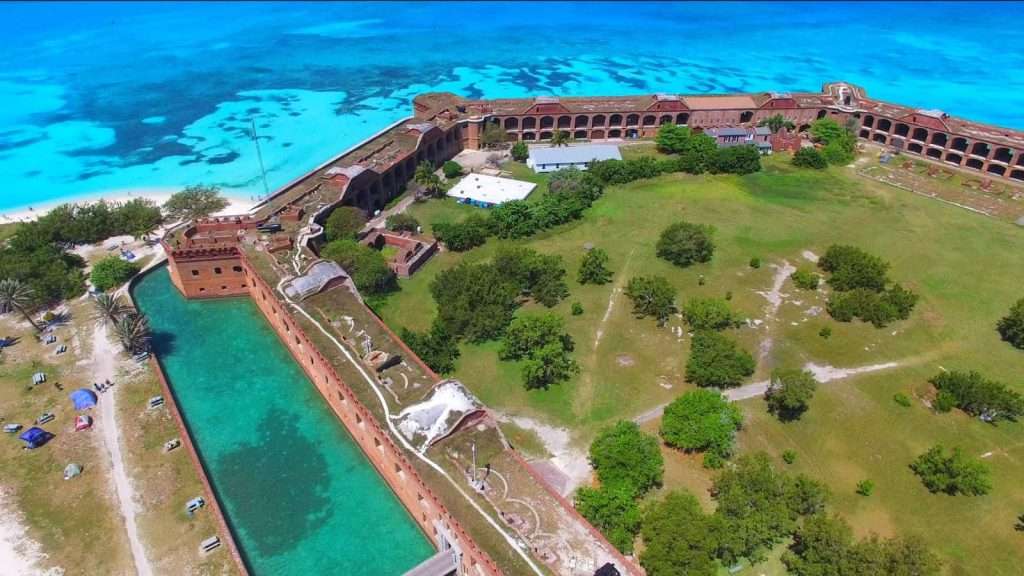
Located 70 miles west of Key West, Fort Jefferson is one of the largest masonry forts in the U.S., built between 1846 and 1875. It was designed to protect the Gulf Coast and southern U.S. interests. The fort was also used as a prison during the Civil War, housing Dr. Samuel Mudd, the physician who treated John Wilkes Booth after he assassinated Abraham Lincoln. Accessible only by boat or seaplane, this remote site is a haven for history buffs and nature lovers alike.
Salem Maritime National Historic Site, Salem, Massachusetts

While Salem is best known for its witch trials in the late 1600s, the Salem Maritime National Historic Site tells the story of the town’s role as a major seaport in the 18th and early 19th centuries. Salem’s ships traded across the world, bringing goods from China, India and the West Indies. The site includes historic homes, a ship replica and the original wharves that launched American international commerce.
Cahokia Mounds, Collinsville, Illinois

The Cahokia Mounds are the remnants of a massive pre-Columbian city built by the Mississippian people between 1050 and 1350 A.D. Located near modern-day St. Louis, this ancient city was home to as many as 20,000 people at its height. The site features more than 80 mounds, with the largest, Monks Mound, towering over 100 feet. Cahokia was an advanced society with complex social, religious and political structures.
The Hermitage, Ho-Ho-Kus, New Jersey
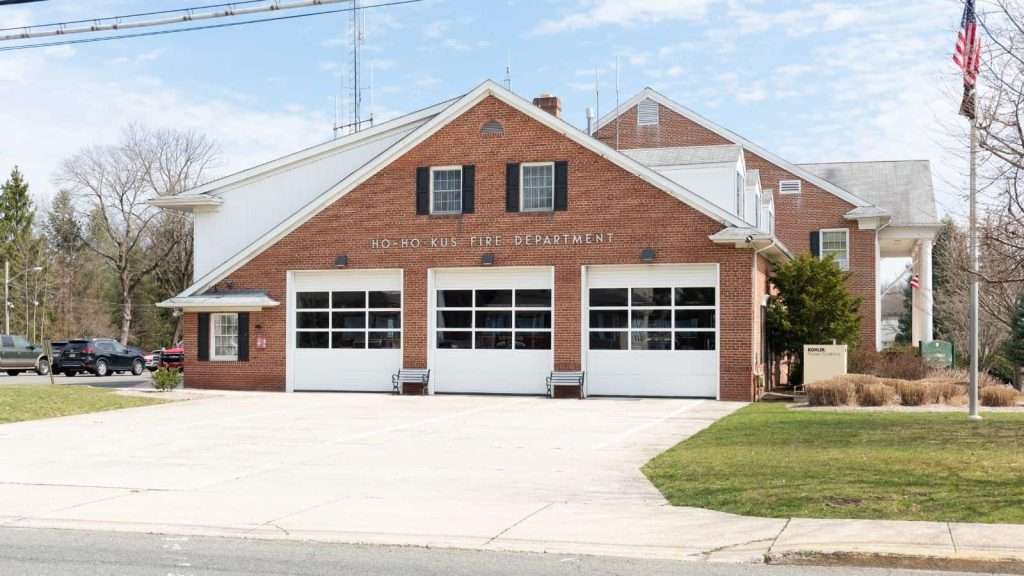
The Hermitage is an 18th-century Gothic Revival mansion with ties to the American Revolution. George Washington visited the site in 1778 and it later became the home of Theodosia Prevost, who hosted key figures from the Revolution. The mansion’s architecture and well-preserved interiors offer a window into early American life. Its most significant claim to fame is that Aaron Burr married Theodosia here.
Gila Cliff Dwellings, Silver City, New Mexico
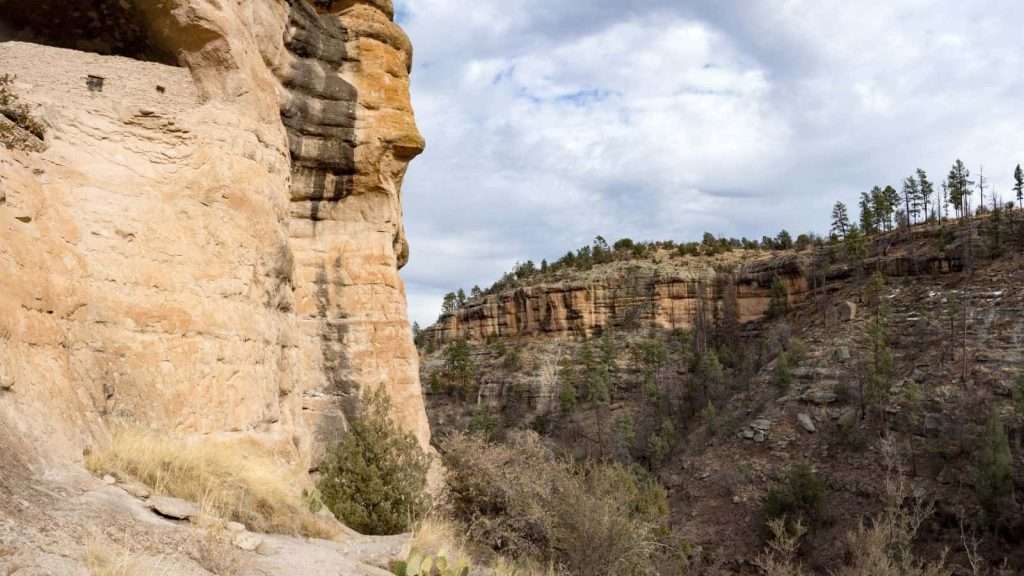
The Gila Cliff Dwellings in New Mexico were inhabited by the Mogollon people over 700 years ago. These impressive structures were built inside natural caves in a canyon, offering protection from the elements and potential invaders. The Mogollon lived here for only a short time, but the dwellings remain remarkably preserved, providing an intriguing look at how these ancient people lived.
Andersonville National Historic Site, Andersonville, Georgia

Andersonville was one of the most notorious Confederate prison camps during the Civil War, where over 45,000 Union soldiers were held. The conditions were abysmal and nearly 13,000 prisoners died from disease, malnutrition and poor sanitation. The site now serves as a memorial to all American prisoners of war, with a museum dedicated to their stories and struggles.
Watson’s Mill Covered Bridge, Comer, Georgia

One of the last remaining covered bridges in the state, Watson’s Mill Covered Bridge is a charming relic from the 1800s, sitting over the South Fork River. Originally built to serve local farmers and mill workers, the bridge and surrounding area are now part of a state park. Visitors can walk through the bridge and explore the ruins of the historic Watson Mill.
Castle Clinton, New York City, New York
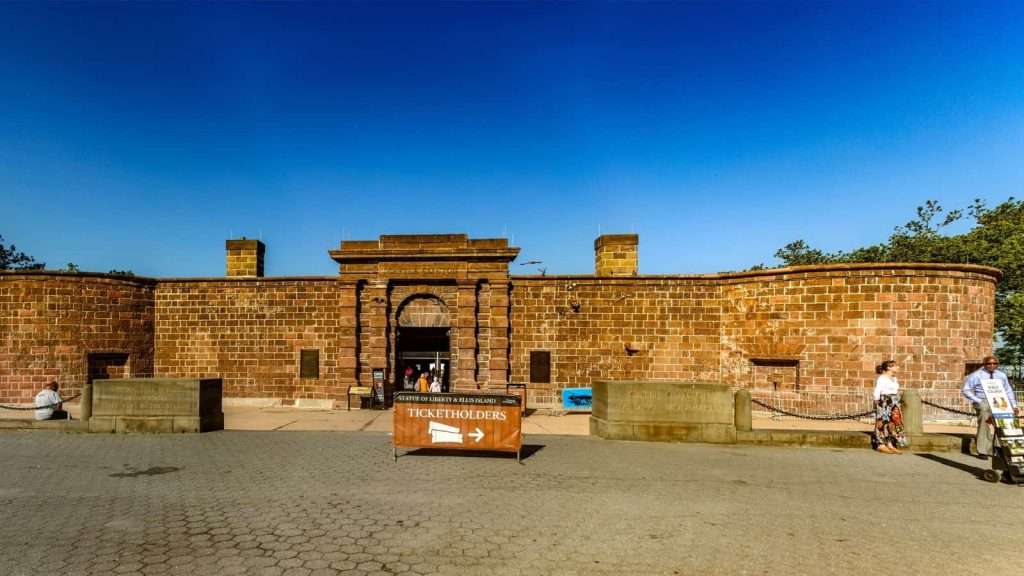
Built between 1808 and 1811, Castle Clinton was originally constructed as a fort to defend New York Harbor during the War of 1812. Over the years, it has served many purposes, including an entertainment venue, an immigration station and even an aquarium. Located in Battery Park, it is often overshadowed by nearby attractions like the Statue of Liberty, but its history is no less fascinating.
Cumberland Island, Georgia Coast
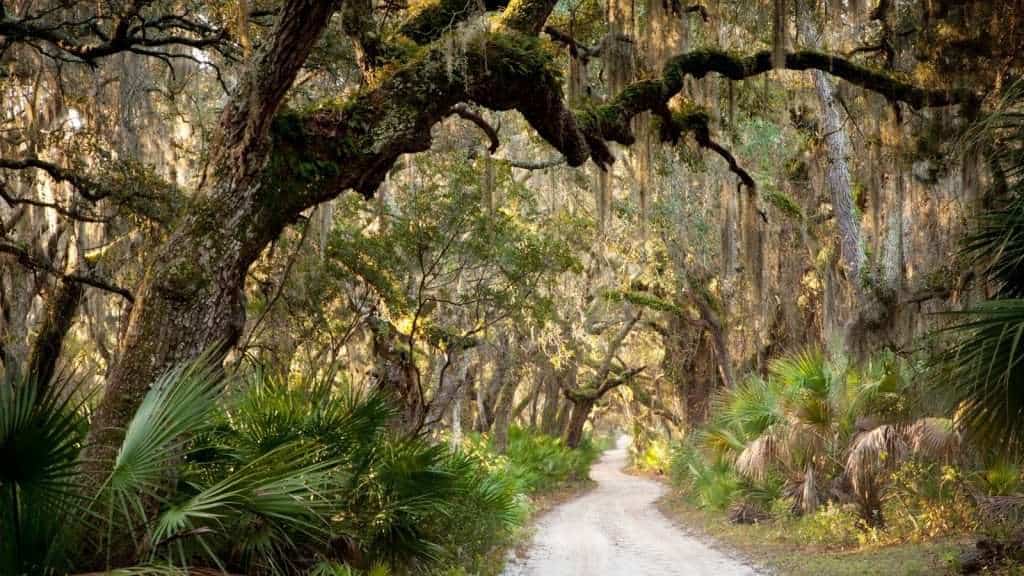
Cumberland Island is not only home to stunning natural beauty but also to historic sites like Plum Orchard Mansion and the ruins of the Dungeness Mansion. The island has been inhabited for thousands of years, from the Native American Timucua people to wealthy industrialists like the Carnegie family. The island’s isolation has preserved its history and wildlife, making it an off-the-beaten-path destination for history and nature enthusiasts alike.
Sunken Forest, Fire Island, New York
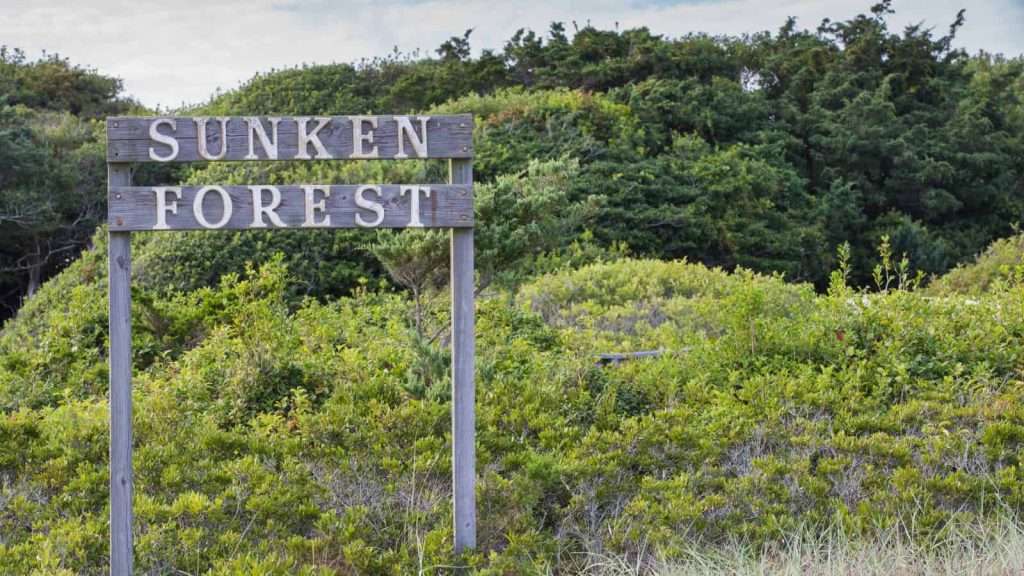
The Sunken Forest is a rare maritime forest located on Fire Island, a barrier island off the coast of Long Island, New York. The unique name comes from the forest’s position between sand dunes, which gives the illusion that it has sunken below sea level. This forest is one of only two maritime forests of its kind in the world. The trees and ecosystem have withstood centuries of harsh winds and salty air.
Aniakchak National Monument, Alaska Peninsula

Aniakchak National Monument is one of the least visited national monuments in the U.S., located on the remote Alaska Peninsula. This massive volcanic caldera was formed by an eruption over 3,500 years ago and remains an active volcano. The harsh, isolated environment makes it difficult to access, but for those willing to venture into the wilderness, the site offers rugged beauty and a glimpse into geological history.

Deborah Montiero is a seasoned travel writer and contributor to Probe the Globe. With a passion for uncovering hidden gems and sharing immersive travel experiences, Deborah’s work highlights must-visit destinations, insider tips, and practical advice for travelers of all types. Whether exploring bustling cities or remote escapes, her articles are crafted to inspire and inform, making her a trusted voice in the travel community.
Her storytelling weaves together cultural insights, logistical tips, and authentic experiences, making her a valuable resource for readers seeking unforgettable journeys.
When not writing, Deborah is likely researching the latest travel trends or planning her next adventure. Follow her work on Probe the Globe for fresh perspectives and up-to-date travel inspiration.