
10 Surprisingly Vibrant Art Scenes in the Middle East
The Middle East conjures images of ancient civilizations, a rich history and political complexities, The region, however, is less well known for its thriving contemporary art scene as emerging and established artists push boundaries. We look at ten unexpectedly vibrant art scenes across the Middle East:
Dubai, UAE
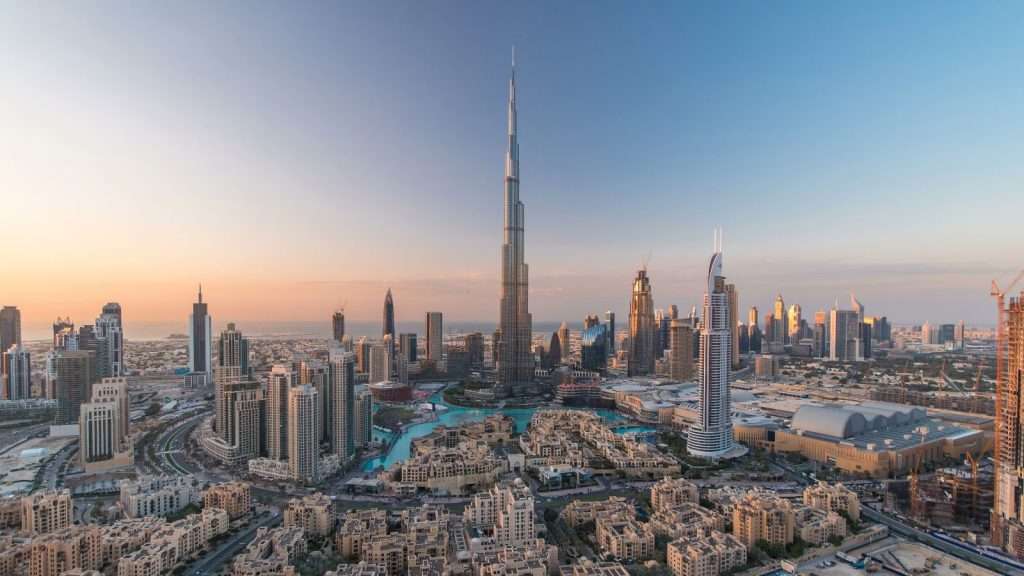
Dubai is not only a global hub for business but also a burgeoning center for contemporary art. The annual Art Dubai fair has placed the city on the international art map, attracting collectors and galleries worldwide. The Alserkal Avenue, located in an industrial district, has transformed into an artsy hotspot with galleries, studios and pop-up events. Dubai’s art scene is a blend of cutting-edge modern works with the cultural heritage of the region, offering an eclectic mix of Eastern and Western influences.
Beirut, Lebanon
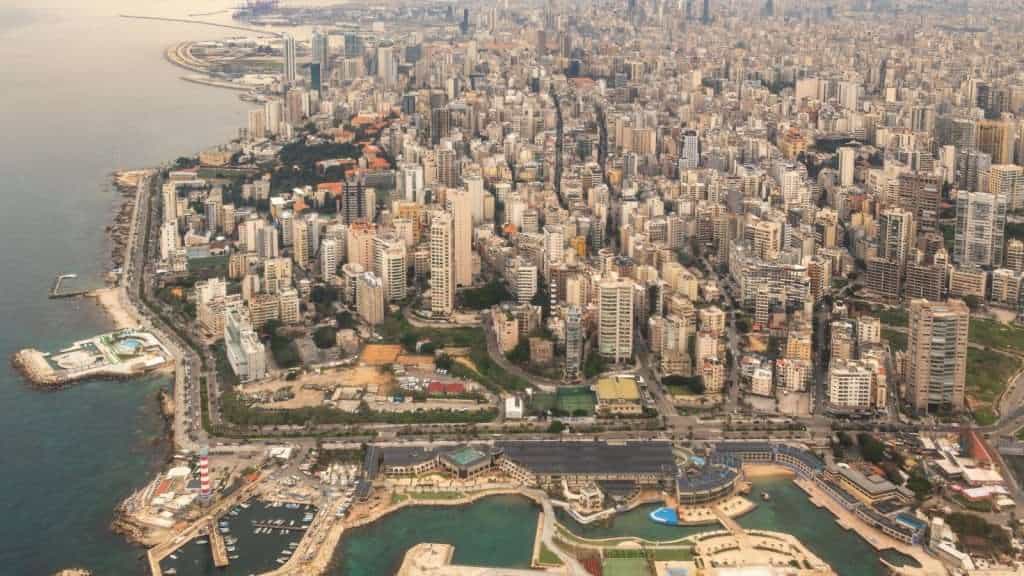
Despite political and economic challenges, Beirut’s art scene remains remarkably resilient and vibrant. The city has long been a cultural beacon in the Arab world. The Beirut Art Fair and a host of galleries like Galerie Tanit and Sursock Museum offer platforms for local and international artists to showcase provocative and thought-provoking pieces. Beirut’s art scene often reflects the city’s turbulent history, with many works focusing on themes of conflict, memory and identity.
Cairo, Egypt
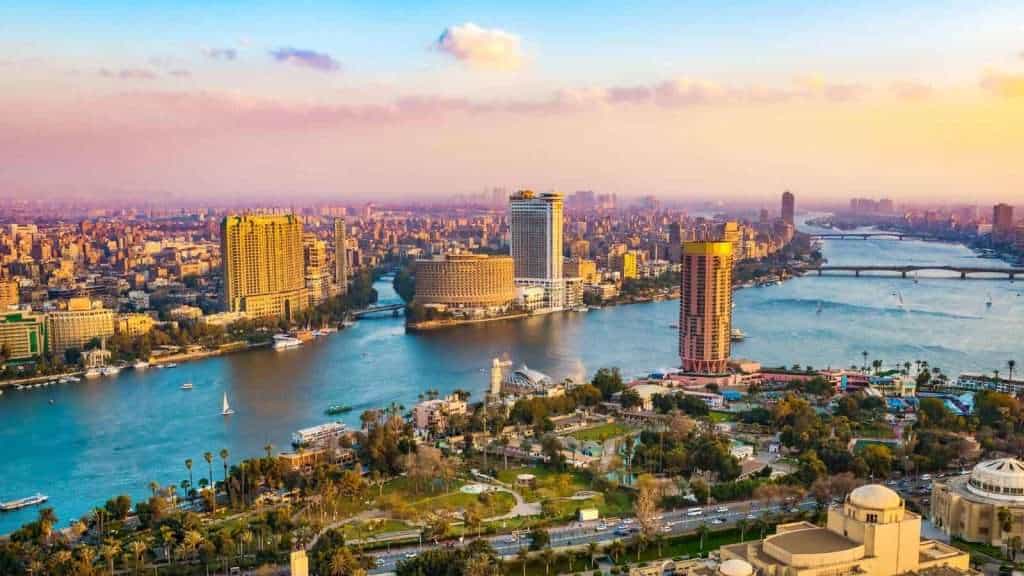
Cairo’s art scene is deeply rooted in its rich cultural history but is also embracing contemporary expressions. The Townhouse Gallery, a leading independent art space, has become a focal point for avant-garde art in the city. The Cairo Biennale further cements Egypt’s position in the international art community. Egyptian artists like Youssef Nabil use photography and multimedia to explore themes of nostalgia, identity and change. Cairo’s art scene reflects a country at the intersection of ancient history and modern transformation.
Amman, Jordan
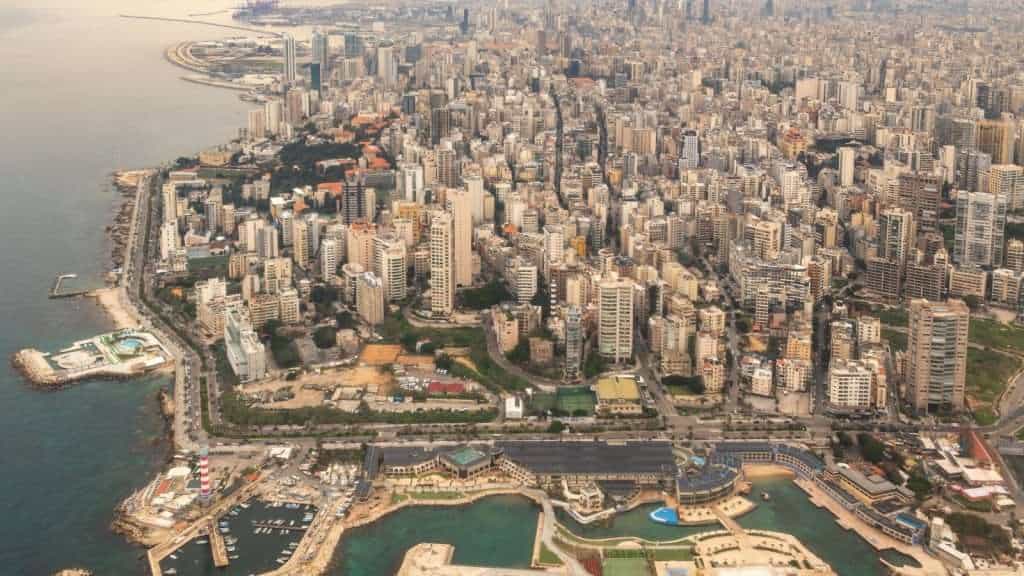
Amman’s art scene has gained momentum over the past decade thanks to initiatives like the Darat al Funun, a gallery dedicated to contemporary Arab art. Jordanian artists are delving into social, environmental, and political issues, with many works inspired by the country’s role in the broader Arab world. Amman is also home to the Jordan National Gallery of Fine Arts, which showcases an impressive collection of contemporary art from across the Middle East, Africa, and Asia.
Tehran, Iran
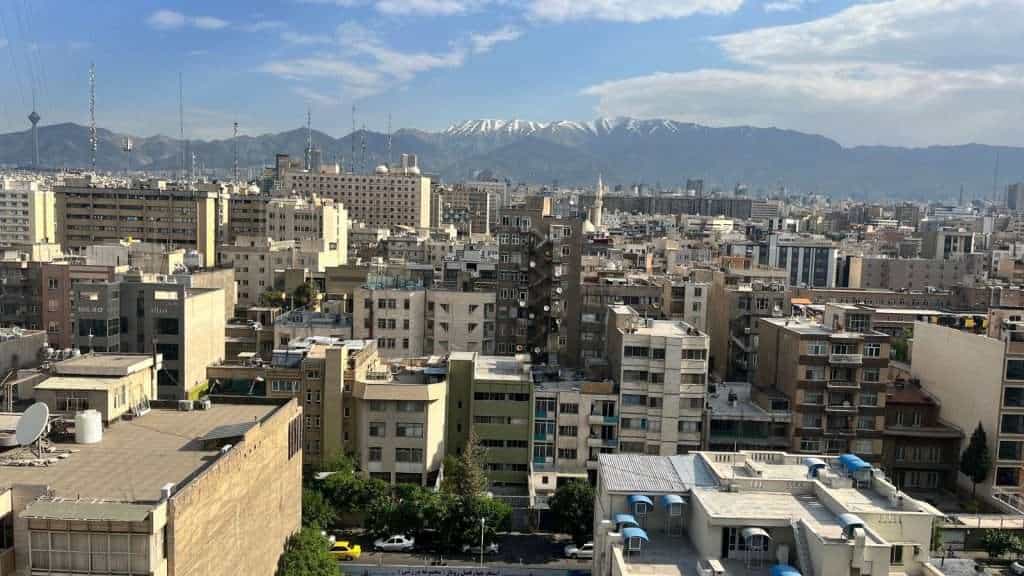
Tehran’s art scene is quietly but steadily gaining global recognition. Despite restrictions on freedom of expression, Iranian artists are producing groundbreaking works that address politics, culture, and gender. The Tehran Museum of Contemporary Art houses one of the largest collections of Western modern art outside Europe and the U.S. Additionally, artists like Shirin Neshat have gained international acclaim for their work, which often explores the intersection of gender and politics in Iranian society.
Jeddah, Saudi Arabia

Saudi Arabia’s art scene is rapidly evolving, with Jeddah emerging as a major center. The 21,39 Jeddah Arts initiative, named after the city’s geographical coordinates, has helped foster an environment for contemporary art to flourish. Jeddah is also home to a growing number of art galleries and cultural spaces, where Saudi artists explore themes related to identity, culture and change in a rapidly transforming society. With Saudi Arabia opening up to the world, Jeddah’s art scene is expected to grow even more in the coming years.
Sharjah, UAE
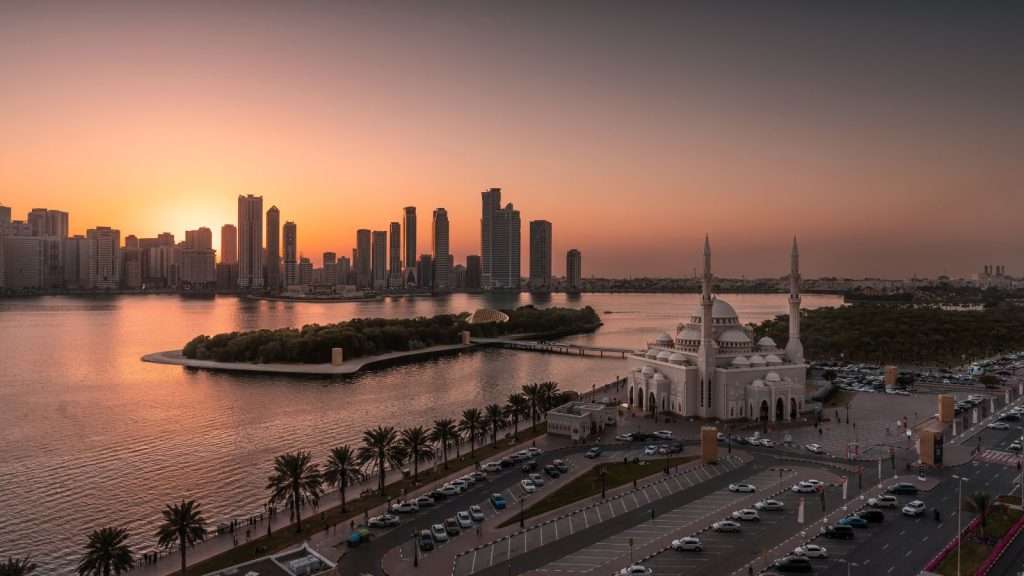
While Dubai might steal the spotlight, Sharjah has quietly developed one of the most vibrant art scenes in the region. The Sharjah Biennial, now a major event in the global art calendar, brings together artists from across the Middle East and beyond. The Sharjah Art Foundation promotes contemporary art, offering residencies, workshops and exhibitions. Sharjah’s art scene is known for its intellectual depth, often tackling issues of colonialism, migration and identity.
Rabat, Morocco
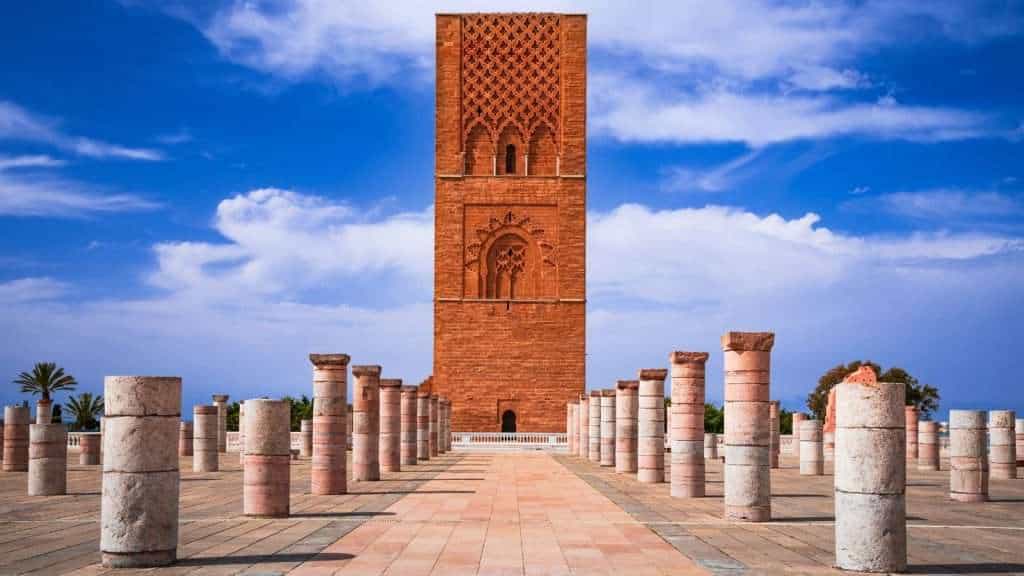
Rabat, the capital of Morocco, is home to an exciting contemporary art scene that blends African, Arab and European influences. The Mohammed VI Museum of Modern and Contemporary Art is a central hub, showcasing Moroccan and international artists. In Rabat, artists engage with Morocco’s rich cultural history while also addressing contemporary issues like migration, gender and urbanization. The city’s art scene is a reflection of Morocco’s role as a cultural crossroads.
Kuwait City, Kuwait
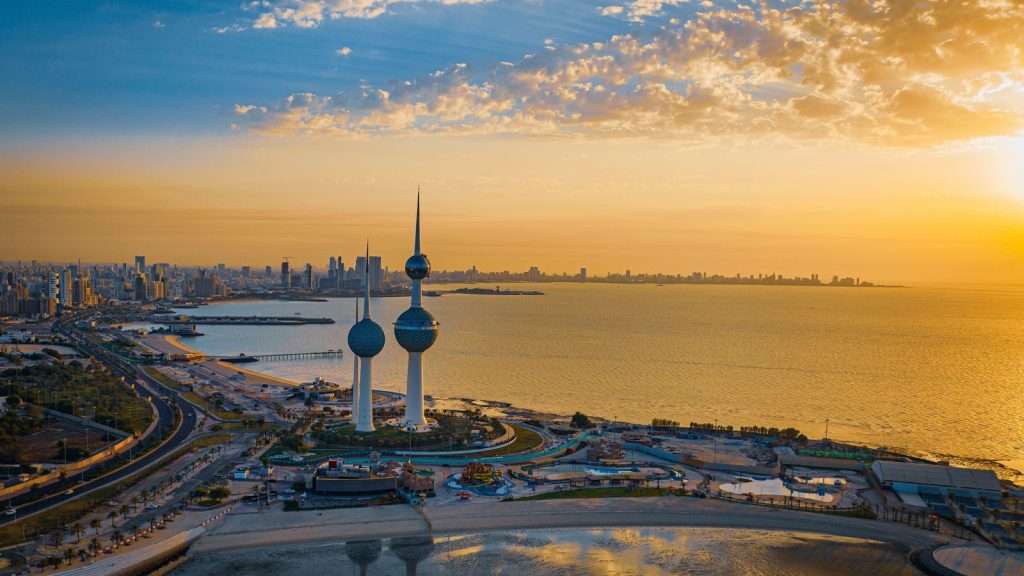
Kuwait City may not be the first place that comes to mind when thinking of art, but it has quietly built a strong contemporary art presence. The Contemporary Art Platform (CAP) and Dar Al Funoon are among the leading spaces supporting local and regional artists. The Kuwaiti art scene often reflects the country’s affluence while also addressing issues such as national identity, consumerism and the impact of the Gulf War.
Doha, Qatar
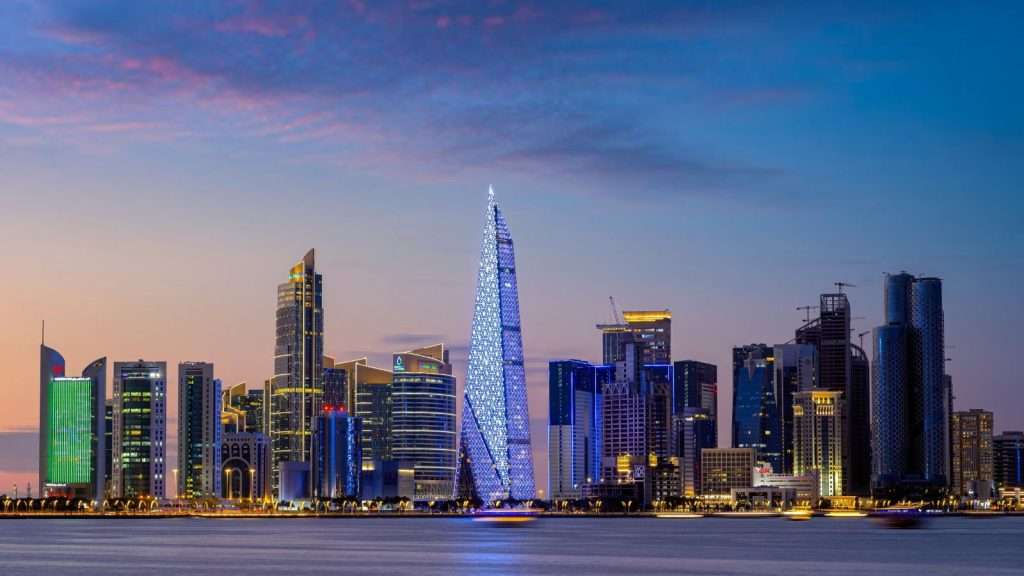
Qatar has been investing heavily in the arts, and its capital, Doha, has become a major cultural hub in the Middle East. The Museum of Islamic Art and Mathaf: Arab Museum of Modern Art are two world-class institutions showcasing both historical and contemporary works. The annual Qatar Museums initiatives and artist residencies bring international attention to Doha’s burgeoning art scene. The city’s art community is characterized by its global outlook while maintaining a focus on Qatari culture and traditions.
12 Coastal Escapes in the U.S. That Offer Serenity Without the Crowds
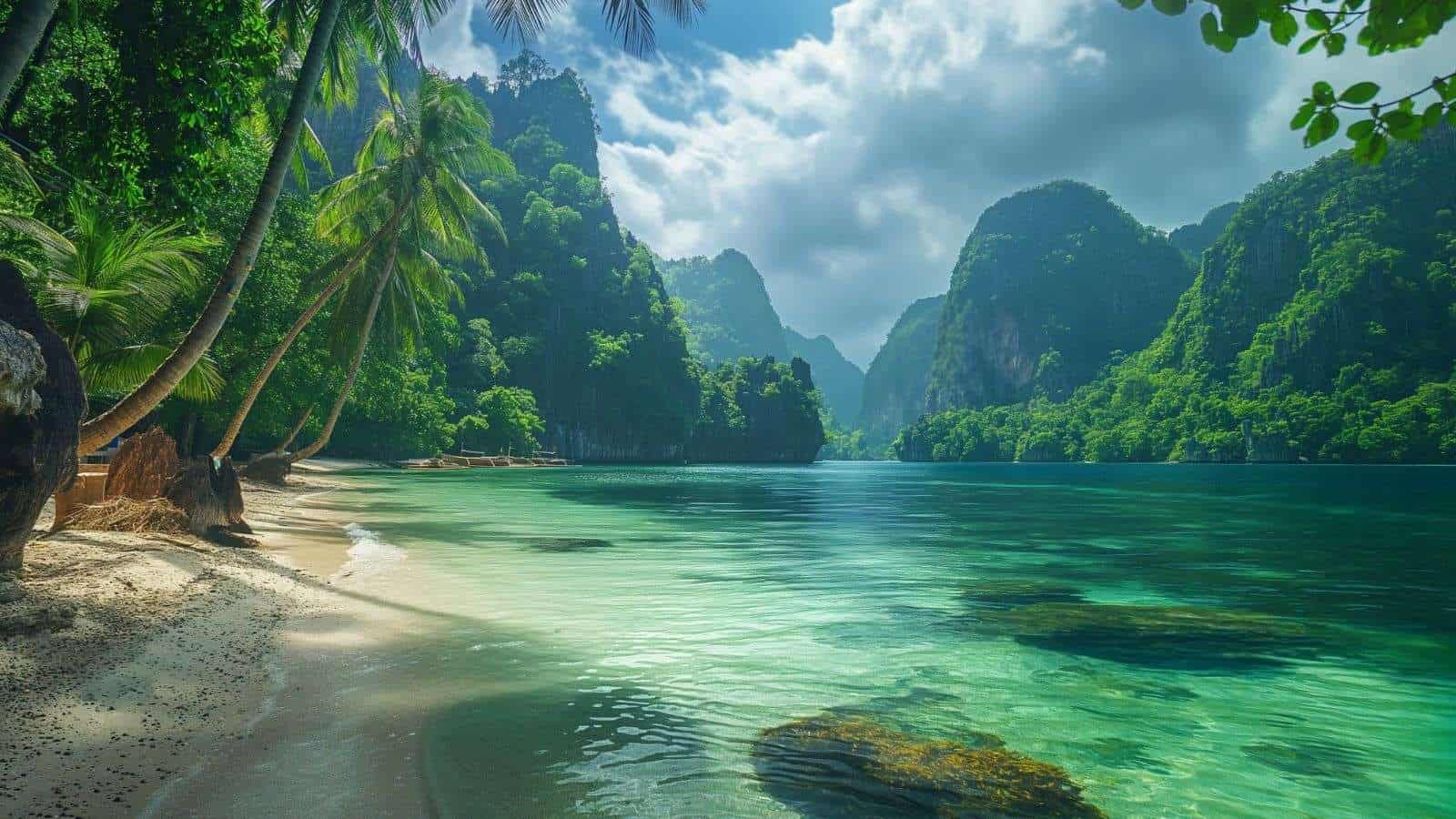
The U.S. is blessed with a varied coastline that offers beach getaways for everyone. Popular destinations often draw large crowds, which is not for everyone so here we will explore 12 of the best coastal escapes off the beaten track.

Deborah Montiero is a seasoned travel writer and contributor to Probe the Globe. With a passion for uncovering hidden gems and sharing immersive travel experiences, Deborah’s work highlights must-visit destinations, insider tips, and practical advice for travelers of all types. Whether exploring bustling cities or remote escapes, her articles are crafted to inspire and inform, making her a trusted voice in the travel community.
Her storytelling weaves together cultural insights, logistical tips, and authentic experiences, making her a valuable resource for readers seeking unforgettable journeys.
When not writing, Deborah is likely researching the latest travel trends or planning her next adventure. Follow her work on Probe the Globe for fresh perspectives and up-to-date travel inspiration.