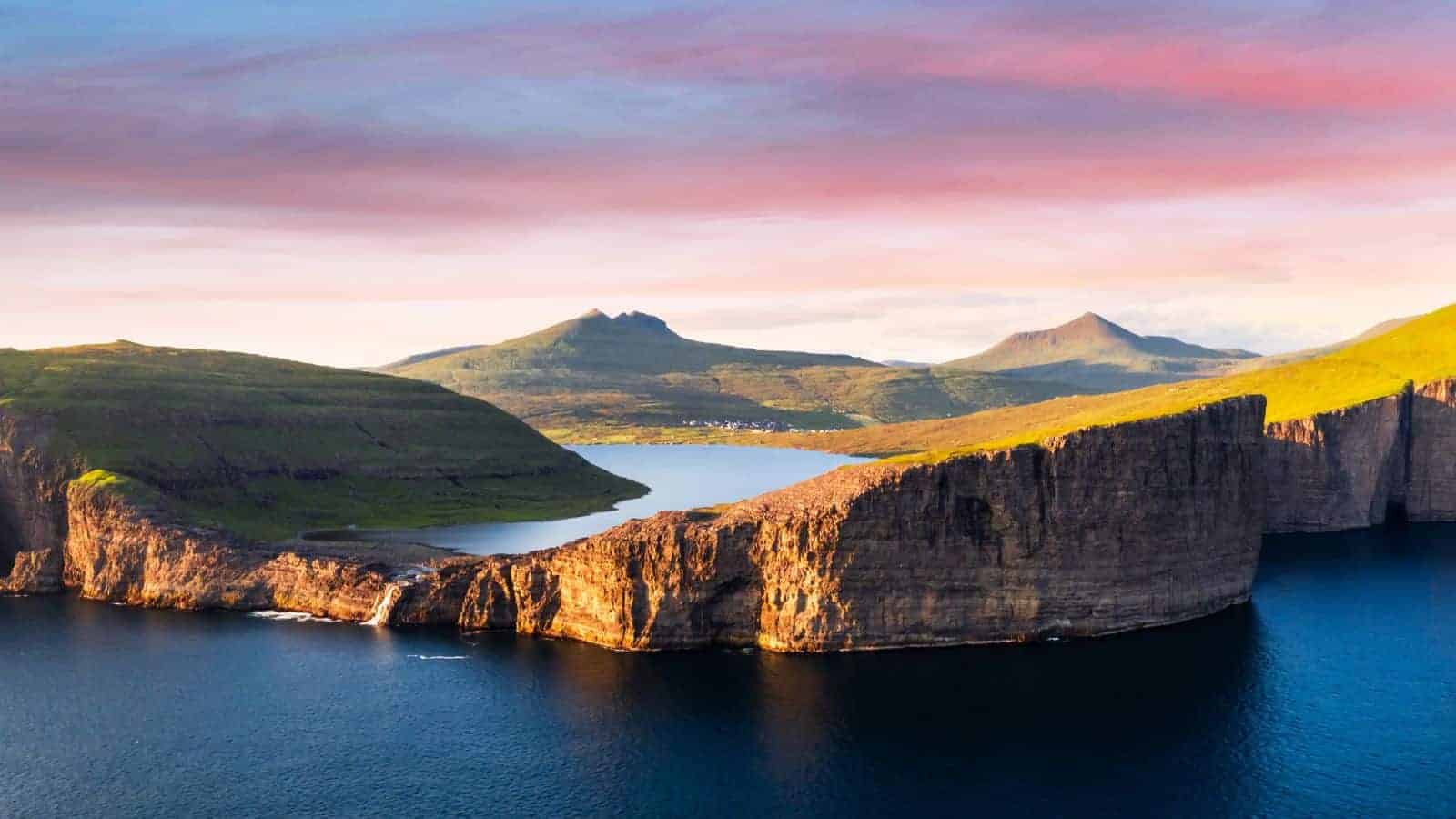
20 Lakes With Dark Histories Locals Won’t Talk About
Lakes are often associated with calm reflections, recreational boating, and peaceful escapes into nature, making them popular stops for U.S. travel enthusiasts. Yet beneath many still surfaces lie stories of tragedy, mystery, and events that locals rarely discuss openly. Some lakes carry histories shaped by disasters, lost towns, unexplained disappearances, or unsettling legends passed down quietly through generations. These waters may look inviting, but their pasts give them an entirely different weight. We take a look at 20 Lakes With Dark Histories Locals Won’t Talk About
Lake Lanier, Georgia
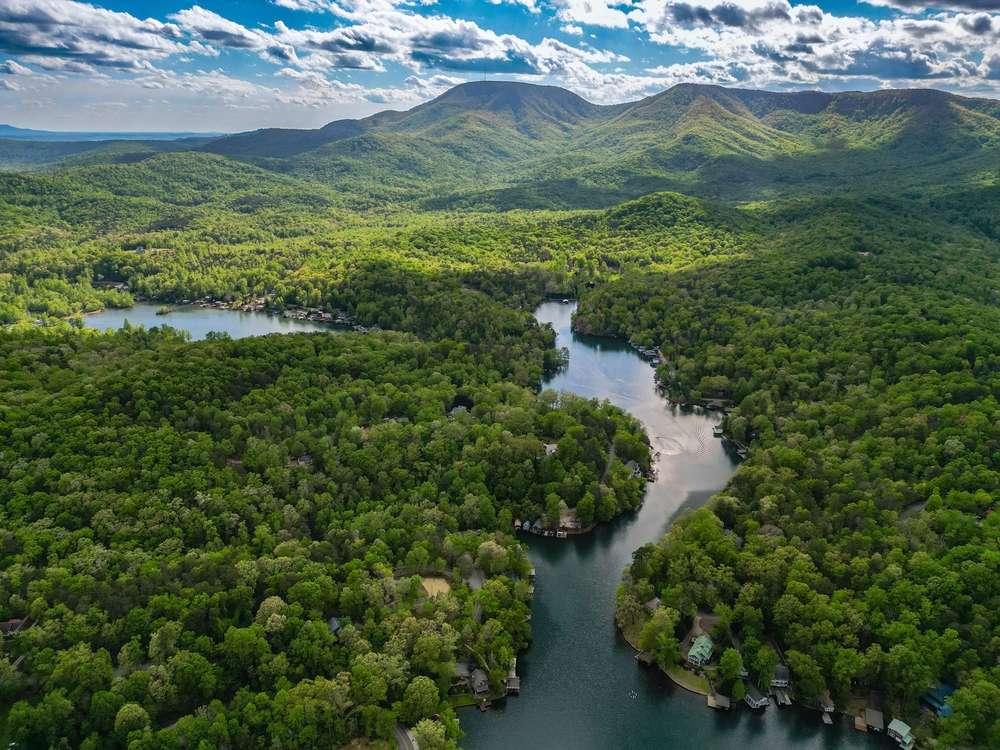
Lake Lanier is one of Georgia’s most visited recreational lakes, but it has a reputation locals approach with caution. Created in the 1950s, the lake flooded entire communities, cemeteries, and roadways. Structures remain submerged beneath the surface, creating hazards for swimmers and boaters. The lake has seen an unusually high number of drownings and boating accidents over the decades. Many locals attribute these incidents to the underwater remnants of towns that were never fully cleared before flooding.
Lake Mead, Nevada and Arizona
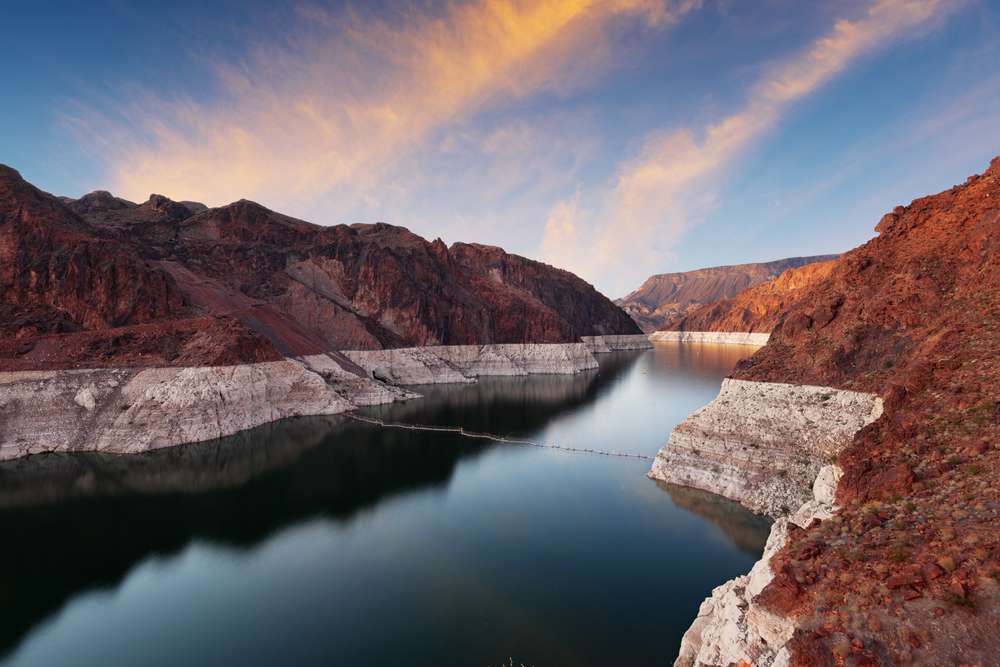
Lake Mead draws millions of visitors each year, yet its history is closely tied to death and secrecy. Formed by the construction of Hoover Dam, the lake has claimed numerous lives through accidents, suicides, and organized crime activity during the dam’s early years. As water levels drop, human remains have occasionally surfaced, reigniting long-buried stories. Locals rarely discuss how common fatalities once were, preferring to focus on its role in U.S. travel and water supply.
Lake Superior, Minnesota, Wisconsin, and Michigan

Lake Superior’s cold, dark waters hold countless shipwrecks, earning it a haunting reputation. Sudden storms, freezing temperatures, and immense depth have claimed hundreds of vessels and thousands of lives. Bodies rarely resurface due to the lake’s cold preservation effect. Local communities along the shoreline speak quietly about the lake’s unforgiving nature. While celebrated as a crown jewel of Great Lakes travel, its history is steeped in maritime tragedy.
Crater Lake, Oregon
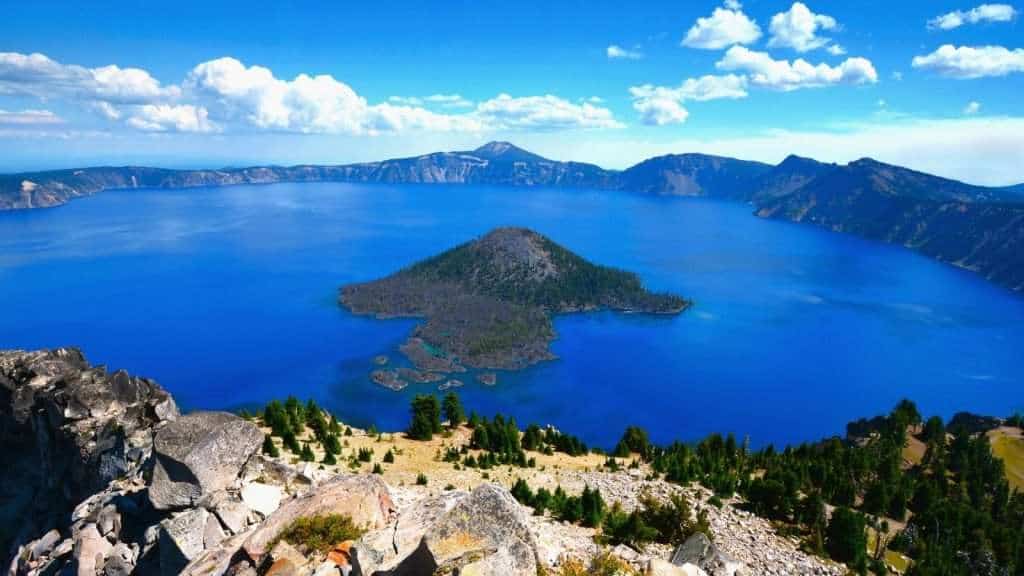
Crater Lake’s intense blue color and pristine appearance hide a violent geological past. Formed by the collapse of Mount Mazama after a massive volcanic eruption, the lake occupies the remnants of devastation. Indigenous legends describe powerful spirits and destruction associated with its formation. The lake’s depth and frigid water have contributed to fatal accidents over the years. Locals respect the lake deeply and rarely speak casually about its origins or dangers.
Lake Okeechobee, Florida
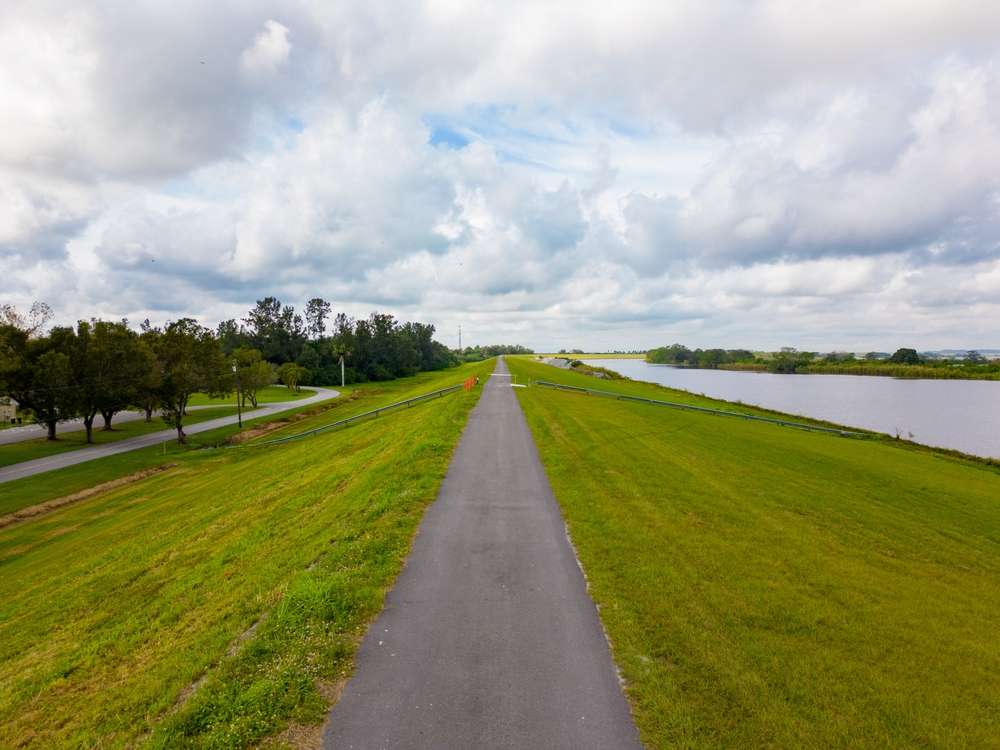
Lake Okeechobee has played a central role in some of Florida’s deadliest natural disasters. In 1928, a catastrophic hurricane caused the lake’s dike to fail, resulting in thousands of deaths. Many victims were buried in mass graves, and the tragedy disproportionately affected migrant communities. The lake remains prone to sudden weather changes and strong currents. While a popular fishing destination, its past still lingers quietly in local memory.
Lake Tahoe, California and Nevada
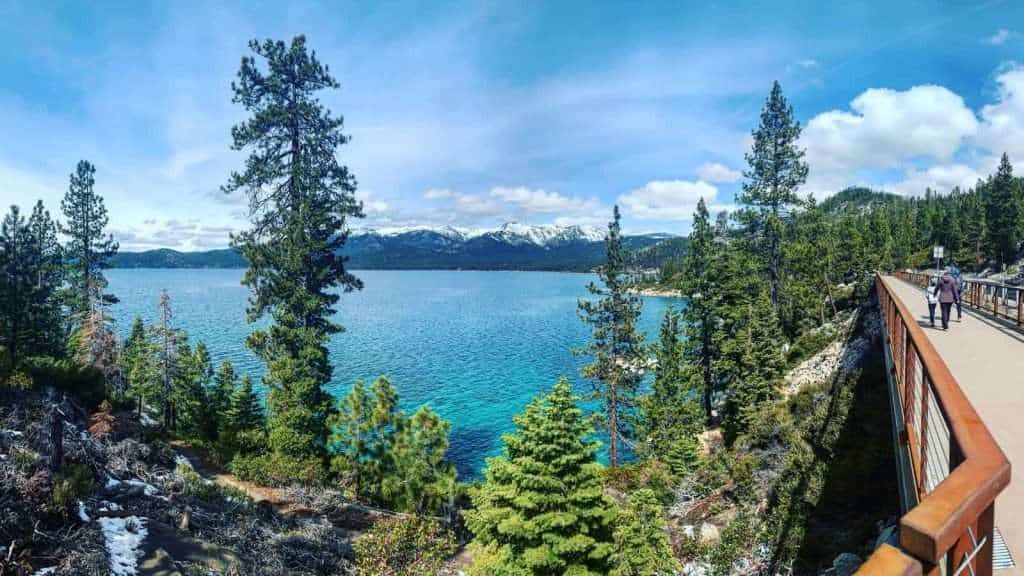
Lake Tahoe is widely known for its clear water and mountain scenery, but it has a darker side locals seldom discuss. The lake’s extreme depth and cold temperatures have led to numerous drownings over the years. Several unexplained disappearances have added to its unsettling reputation. Due to the water’s preservation properties, some bodies never surface. Despite its status as a premier U.S. travel destination, Tahoe’s history includes many unresolved tragedies.
Lake Pontchartrain, Louisiana

Lake Pontchartrain’s history is intertwined with storms, flooding, and loss. During Hurricane Katrina, levee failures around the lake contributed to catastrophic flooding and widespread death in New Orleans. The lake has also seen numerous bridge-related accidents and drownings. Locals associate the water with survival and grief rather than recreation. While it appears calm on most days, its history reflects the devastating power of water during extreme events.
Lake Powell, Utah and Arizona

Lake Powell was created by flooding Glen Canyon, submerging ancient landscapes and cultural sites. Many locals still mourn the loss of canyons, archaeological areas, and ecosystems that disappeared beneath the water. The lake’s maze-like channels contribute to frequent boating accidents and drownings. As water levels fluctuate, submerged hazards resurface. Though popular for U.S. travel and recreation, its creation remains controversial and emotionally charged.
Lake Crescent, Washington

Lake Crescent looks serene, but its depth and cold temperatures have contributed to a chilling reputation. In the early 20th century, a local man was murdered and weighted down in the lake, with his body preserved and discovered years later. This story remains a whispered legend among residents. The lake’s clear water hides steep drop-offs that have claimed swimmers. Locals treat the lake with quiet respect rather than casual familiarity.
Lake Michigan, Illinois, Indiana, Wisconsin, and Michigan

Lake Michigan has witnessed numerous maritime disasters, plane crashes, and drownings. Sudden storms and powerful rip currents make its shoreline deceptively dangerous. Over the years, bodies have washed ashore after long periods underwater. Locals along the coast understand that the lake behaves more like an ocean than an inland body of water. Despite its importance to U.S. travel and commerce, its history includes many tragic losses.
Lake Jocassee, South Carolina
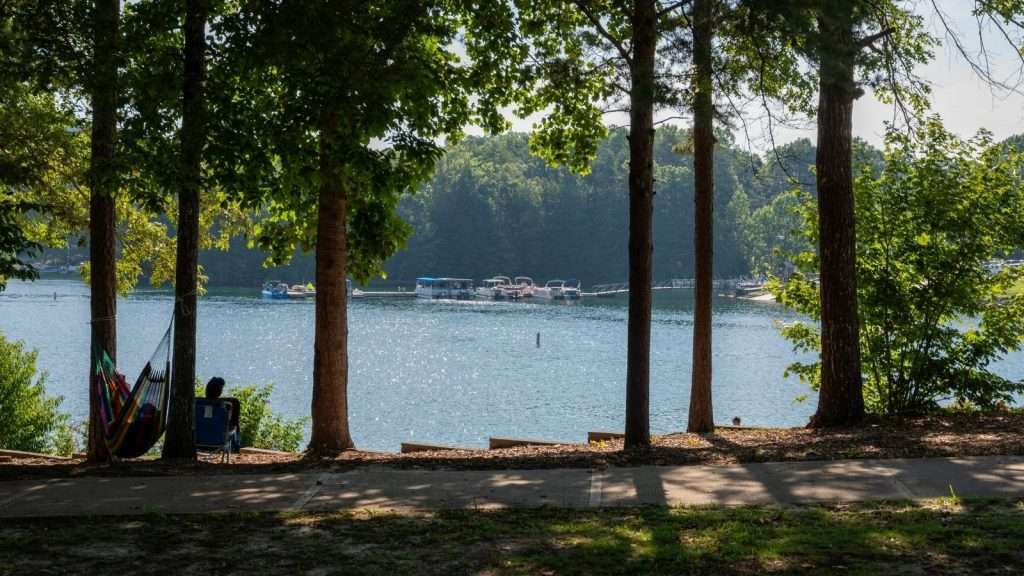
Lake Jocassee covers several former communities that were flooded during dam construction. Houses, roads, and even a cemetery remain underwater. Divers report eerie encounters with submerged structures preserved in cold depths. The lake’s steep underwater terrain has contributed to boating accidents. Locals are aware of what lies beneath but rarely bring it up. Visitors see a peaceful reservoir, unaware of the lives displaced by its creation.
Lake Havasu, Arizona and California

Lake Havasu is known for recreation and sunshine, yet it has a troubling safety record. Strong currents near dams and narrow channels have caused multiple drownings. Extreme heat adds to the danger by increasing fatigue and dehydration. Locals acknowledge that accidents happen frequently but seldom discuss details. The lake’s party-friendly image masks a steady history of emergencies tied to environmental conditions.
Lake Erie, Ohio, Pennsylvania, New York, and Michigan

Lake Erie is the shallowest of the Great Lakes, making it particularly dangerous during storms. Sudden weather changes have caused countless boating accidents and shipwrecks. Toxic algae blooms have also threatened public health in recent decades. The lake has claimed many lives through drowning and exposure. While heavily traveled and essential to regional U.S. travel, its volatility is well known among locals.
Lake Berryessa, California

Lake Berryessa is infamous for its association with violent crime in the late 1960s. A notorious attack near its shoreline left lasting scars on the community. Beyond that, the lake’s unusual water intake, known as the Glory Hole, has fueled rumors and fear after rare but fatal accidents. Locals avoid discussing these events openly. Visitors often remain unaware of the lake’s unsettling past.
Lake Champlain, Vermont and New York
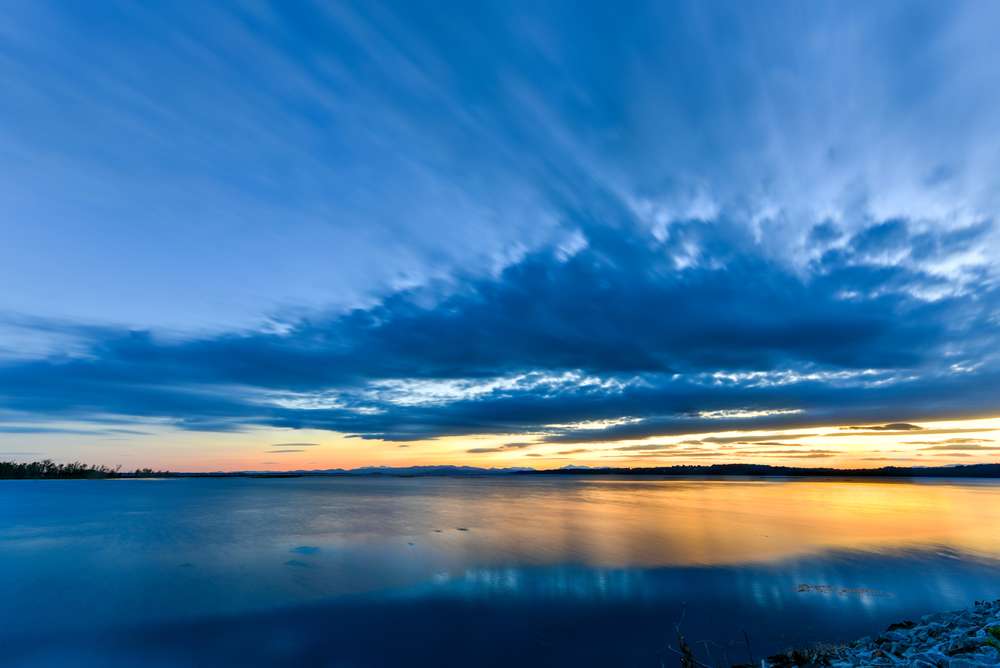
Lake Champlain’s long history includes shipwrecks, military activity, and unexplained sightings. Cold water temperatures and sudden storms have caused boating fatalities over centuries. The lake also carries legends that locals reference cautiously. While a popular U.S. travel destination for recreation, its deep historical layers include conflict, loss, and mystery tied to early American history.
Lake Norman, North Carolina

Lake Norman was created by flooding former farmland and communities. Submerged roads and structures remain beneath the surface. The lake has seen numerous boating accidents, some involving intoxication and high speeds. Locals are aware of its dangerous zones but don’t often share details with visitors. Despite its calm appearance, it has a growing reputation for tragic incidents each year.
Lake Roosevelt, Washington

Lake Roosevelt covers towns, Native lands, and cultural sites lost to dam construction. Entire communities were displaced, and sacred sites were submerged. The lake’s fluctuating levels create hazards for boaters and swimmers. Accidents are common along exposed shorelines. Locals view the lake with mixed emotions, balancing recreation with remembrance of what was lost beneath the water.
Lake Travis, Texas

Lake Travis experiences dramatic water level changes that expose hazards and conceal them again. Drownings and boating accidents are frequent, especially during holiday weekends. Steep drop-offs and submerged debris increase risk. Locals understand which areas are dangerous but rarely publicize them. Though central to Texas U.S. travel, the lake’s safety record is sobering.
Lake George, New York
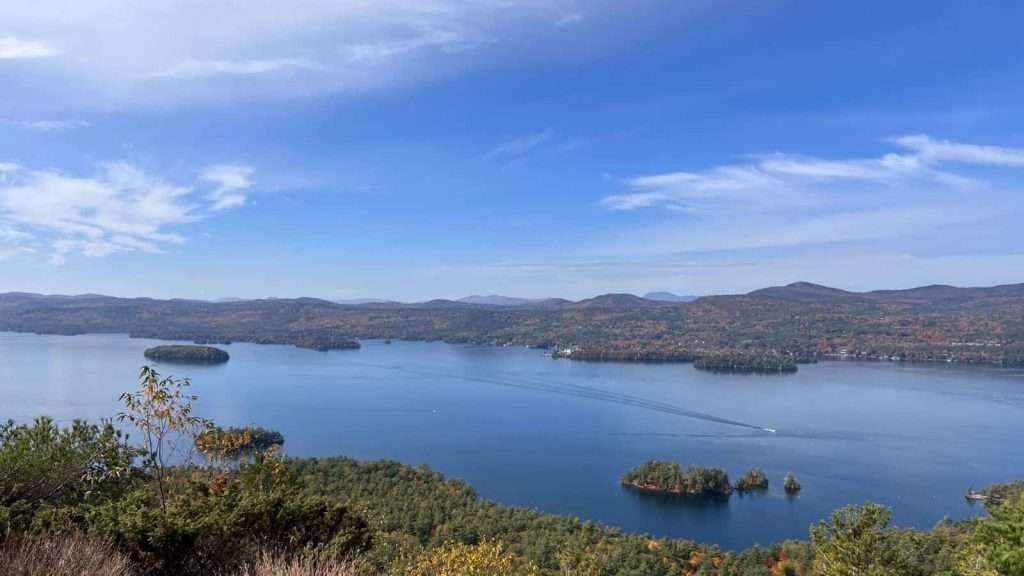
Lake George has a long history tied to warfare, shipwrecks, and accidents. Cold water temperatures contribute to drowning risks even in summer. Several historic vessels lie at the bottom of the lake. Locals respect the water and its past, often avoiding deeper discussion. Visitors see a classic vacation spot, unaware of how much history rests beneath the surface.
Salton Sea, California

The Salton Sea was formed by accident and has been plagued by environmental and health issues ever since. Fish die-offs, toxic dust, and abandoned communities surround its shores. Drownings and boat accidents occurred more frequently during its tourism peak. Today, locals speak quietly about its decline and dangers. It remains one of the most unsettling bodies of water in U.S. travel history.

Deborah Montiero is a seasoned travel writer and contributor to Probe the Globe. With a passion for uncovering hidden gems and sharing immersive travel experiences, Deborah’s work highlights must-visit destinations, insider tips, and practical advice for travelers of all types. Whether exploring bustling cities or remote escapes, her articles are crafted to inspire and inform, making her a trusted voice in the travel community.
Her storytelling weaves together cultural insights, logistical tips, and authentic experiences, making her a valuable resource for readers seeking unforgettable journeys.
When not writing, Deborah is likely researching the latest travel trends or planning her next adventure. Follow her work on Probe the Globe for fresh perspectives and up-to-date travel inspiration.