25 American Beaches Locals Call Beautiful by Day, Terrifying by Night
American beaches are a cornerstone of U.S. travel, drawing visitors with promises of sunshine, scenic coastlines, and laid-back coastal culture. During the day, these shorelines feel open, inviting, and alive with activity, from families and surfers to photographers and road trippers. When night falls, however, some beaches transform as crowds disappear, light fades, and nature reclaims the space. Here are 25 American Beaches Locals Call Beautiful by Day, Terrifying by Night.
Plum Island, Massachusetts
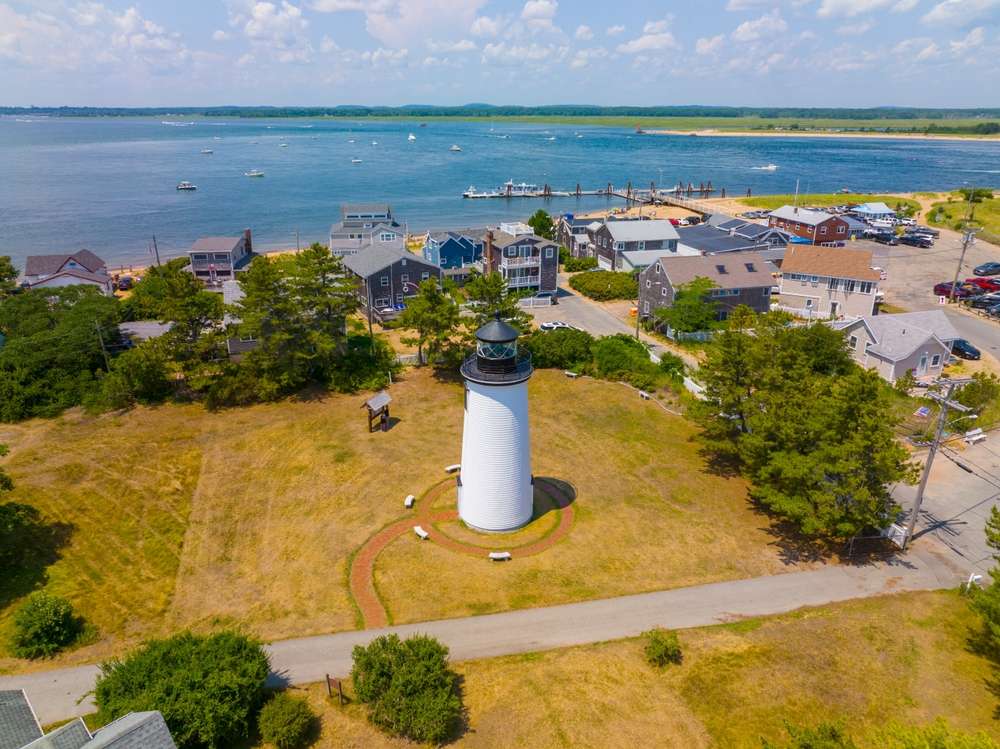
By day, Plum Island is a peaceful barrier beach known for dunes, wildlife, and sweeping Atlantic views. As night settles in, the long stretches of darkness and strong coastal winds create an unsettling atmosphere. Locals say the isolation becomes intense once the sun goes down, with few lights and limited access points. The sound of waves and rustling grasses feels amplified, making this beach a frequent mention in eerie New England travel stories.
Montauk Point Beach, New York
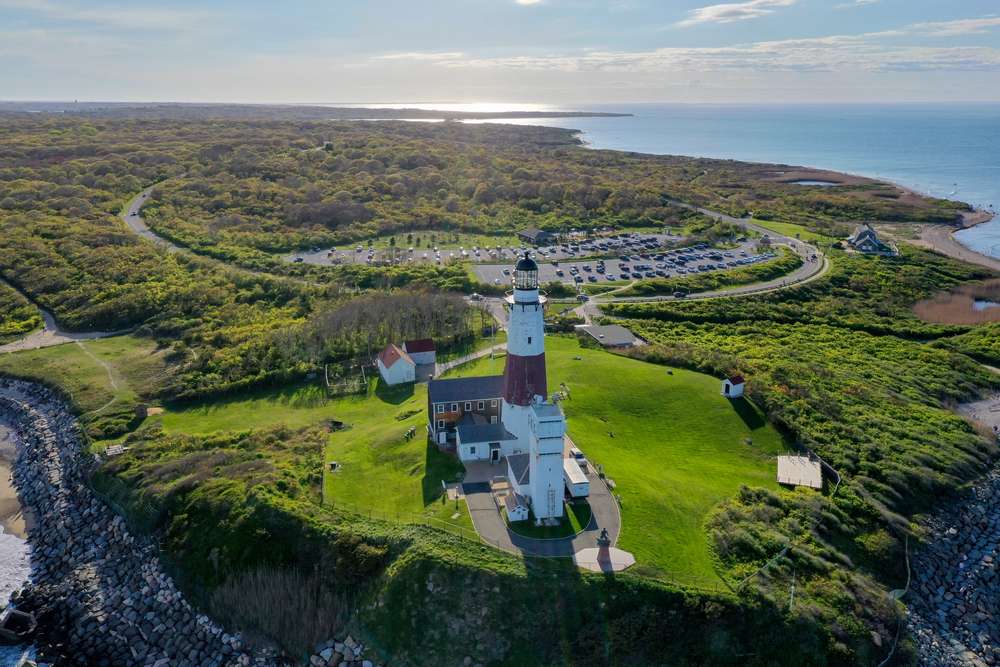
Montauk Point attracts visitors with its iconic lighthouse and dramatic cliffs. At night, the cliffs cast deep shadows, and the ocean feels vast and unknowable. Strong currents crash loudly against the rocks, and the area empties quickly after dusk. Locals describe a sense of exposure and vulnerability here, especially during foggy nights common in coastal New York travel.
Cape May Point, New Jersey

During the day, Cape May Point feels quaint and welcoming, popular with birdwatchers and beachgoers. After dark, the lack of boardwalk lighting and the proximity to dense brush change the mood. The beach becomes quiet, and the rhythmic sound of waves can feel hypnotic rather than relaxing. Many locals avoid nighttime walks here, citing the unsettling stillness.
Assateague Island, Maryland and Virginia
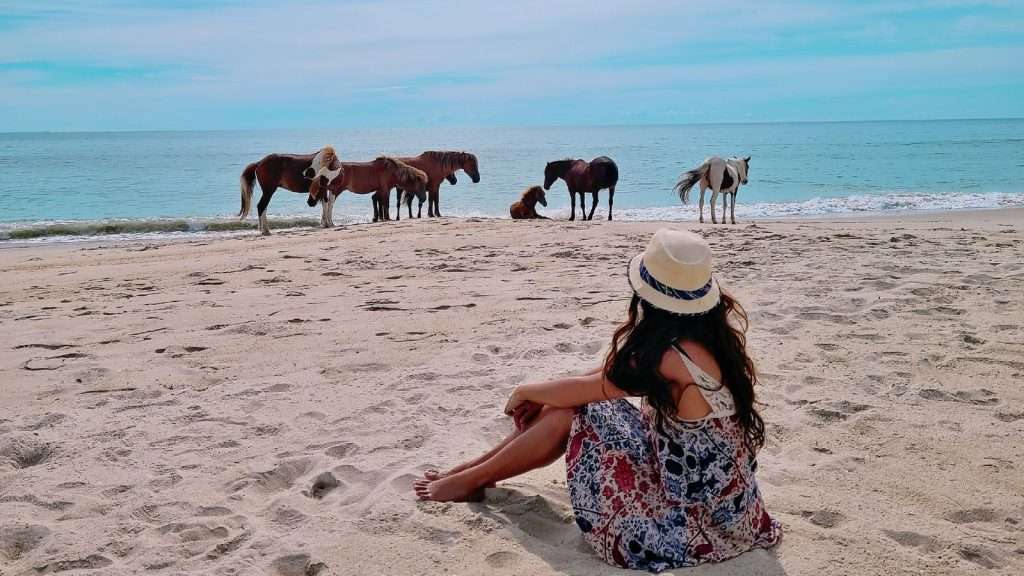
Assateague Island is famous for wild horses and undeveloped beaches, making it a unique U.S. travel destination. At night, the absence of city lights creates near-total darkness. Horse silhouettes sometimes move along the dunes, startling those unfamiliar with the area. Combined with shifting sands and strong winds, the beach feels unpredictable once night falls.
Virginia Beach, Virginia

Virginia Beach is lively by day, with boardwalk attractions and constant activity. Late at night, however, certain stretches grow quiet as businesses close and crowds thin. The long, flat shoreline can feel endless in the dark, and distant sounds carry strangely. Locals say the sudden emptiness contrasts sharply with daytime energy, creating an uneasy vibe.
Myrtle Beach, South Carolina
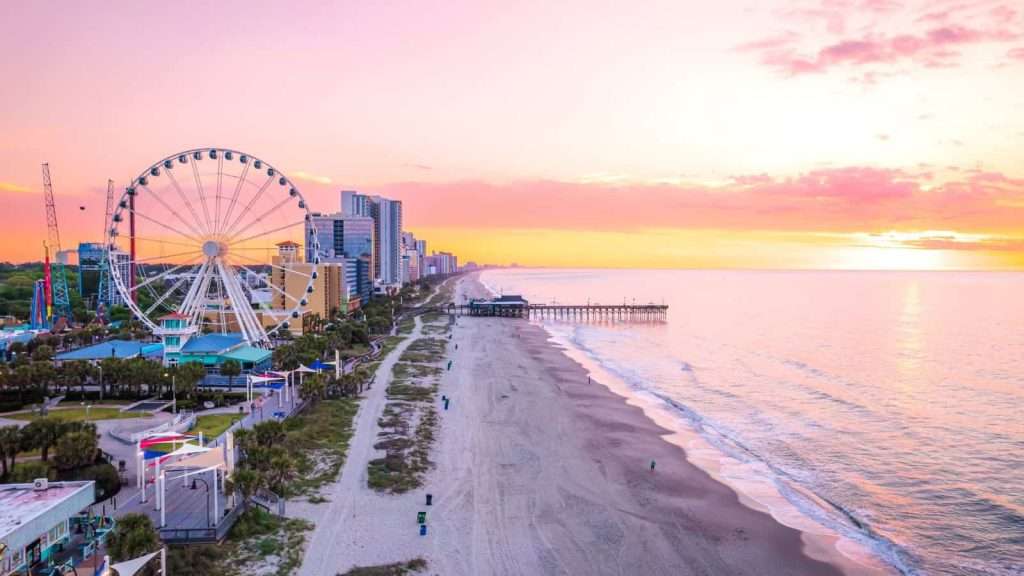
Myrtle Beach thrives on tourism, neon lights, and daytime crowds. After midnight, parts of the beach empty out, and the ocean becomes the loudest presence. Shadows from hotels stretch across the sand, and the festive atmosphere disappears. Residents often describe the beach at night as feeling exposed and unpredictable despite its daytime reputation.
Hunting Island State Park, South Carolina
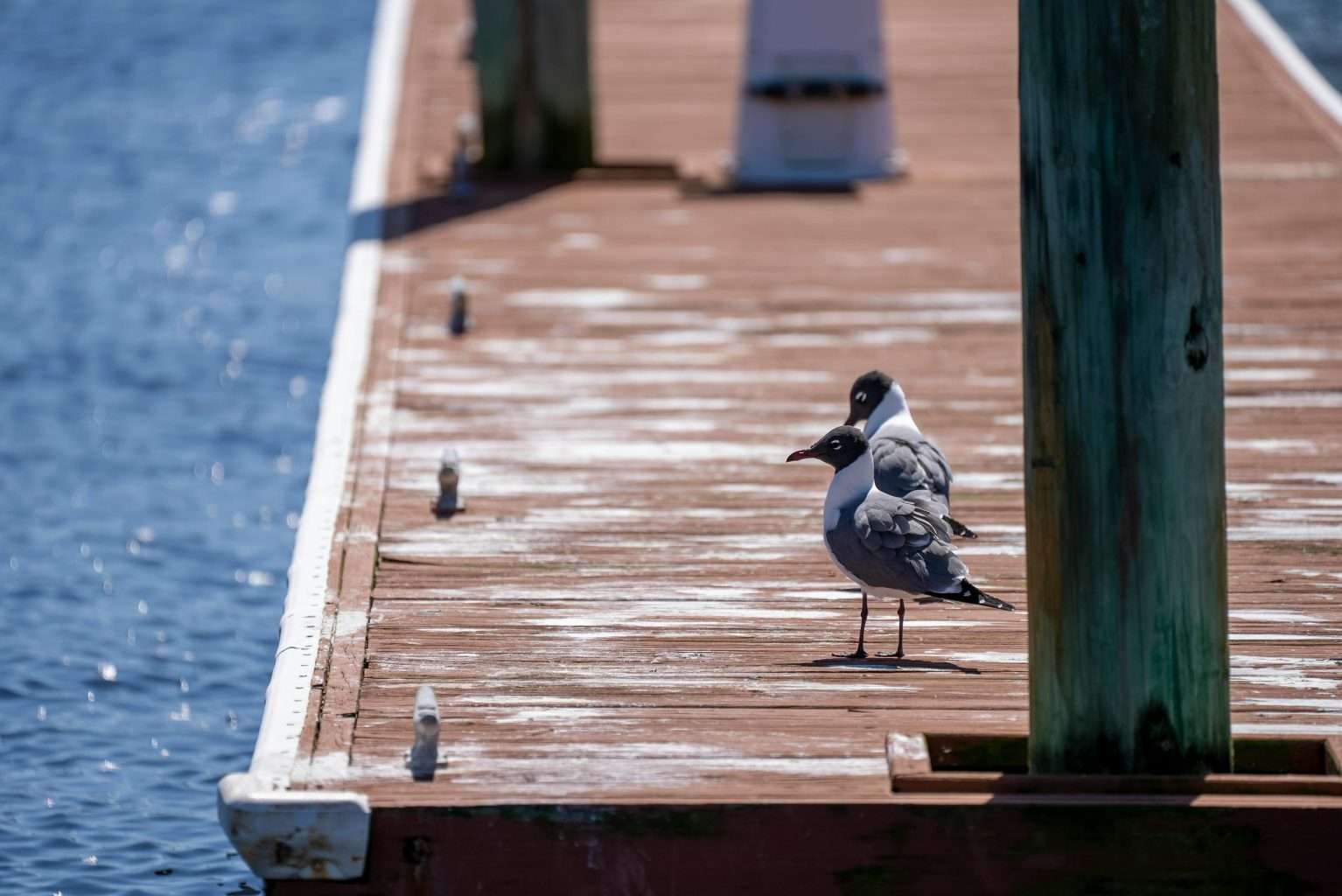
This beach is known for its natural beauty, maritime forest, and historic lighthouse. At night, the forest edge feels close and dark, with wildlife sounds echoing across the sand. Limited lighting and minimal development heighten the sense of isolation. For travelers exploring coastal parks, Hunting Island is often described as haunting after dark.
Cumberland Island, Georgia
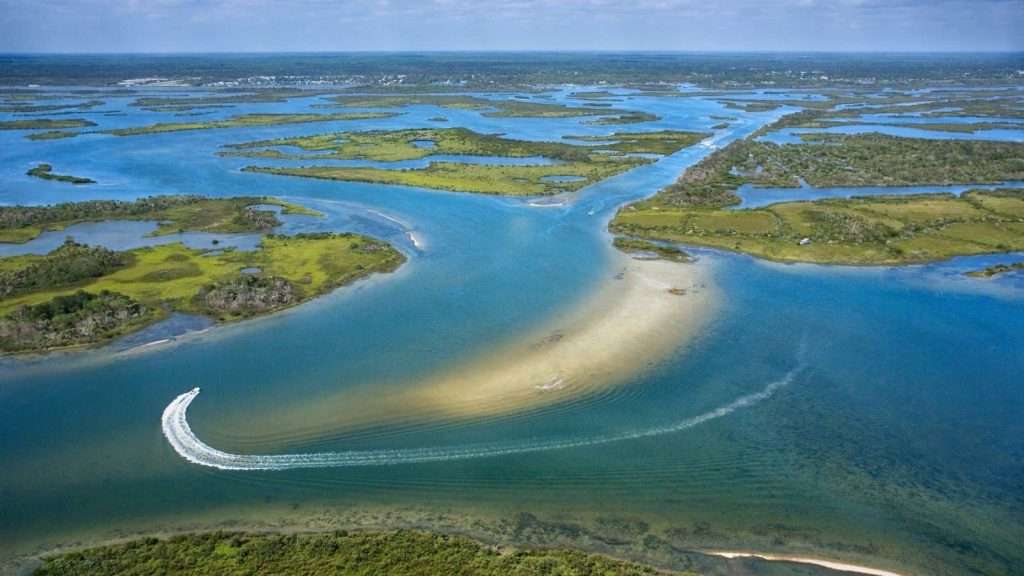
Cumberland Island offers untouched beaches and historic ruins during the day. At night, the island’s isolation becomes pronounced, especially with wild horses and armadillos roaming freely. The lack of artificial light turns the beach into a shadow-filled expanse. Locals say the combination of history, wildlife, and silence makes nighttime deeply unsettling.
Daytona Beach, Florida

Daytona Beach is known for hard-packed sand and daytime excitement. When night arrives, the wide beach feels empty and vast. The sound of waves hitting the shore can feel relentless, and few people remain outside. Locals often say the beach feels too open at night, with nowhere to hide and little sense of scale.
Canaveral National Seashore, Florida
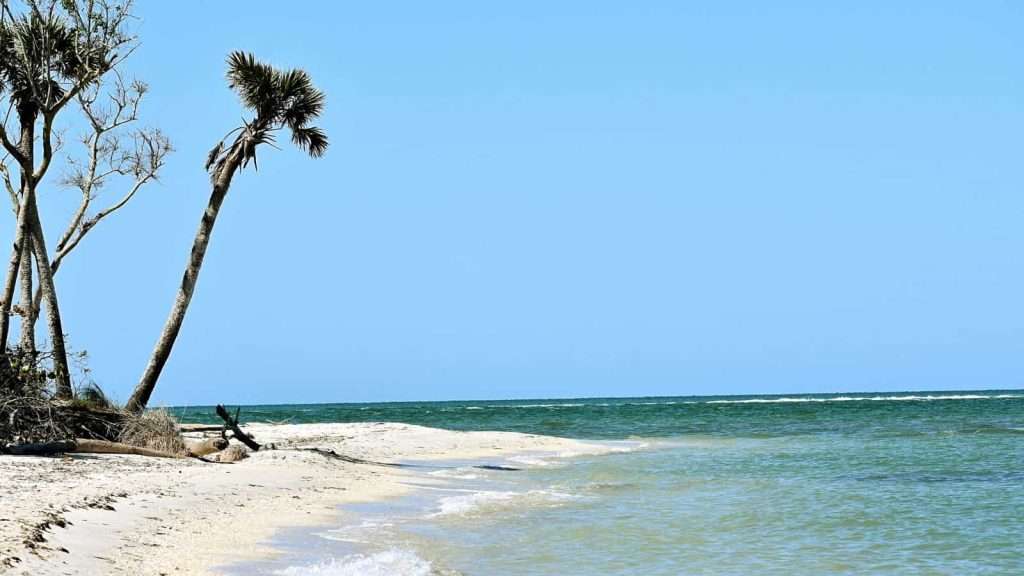
By day, this protected shoreline offers pristine sand and wildlife viewing. At night, the remoteness becomes striking, with dark skies and minimal human presence. The nearby space facilities add to the eerie atmosphere, especially when distant lights flicker. Locals describe the beach as feeling otherworldly after sunset.
Siesta Key Beach, Florida
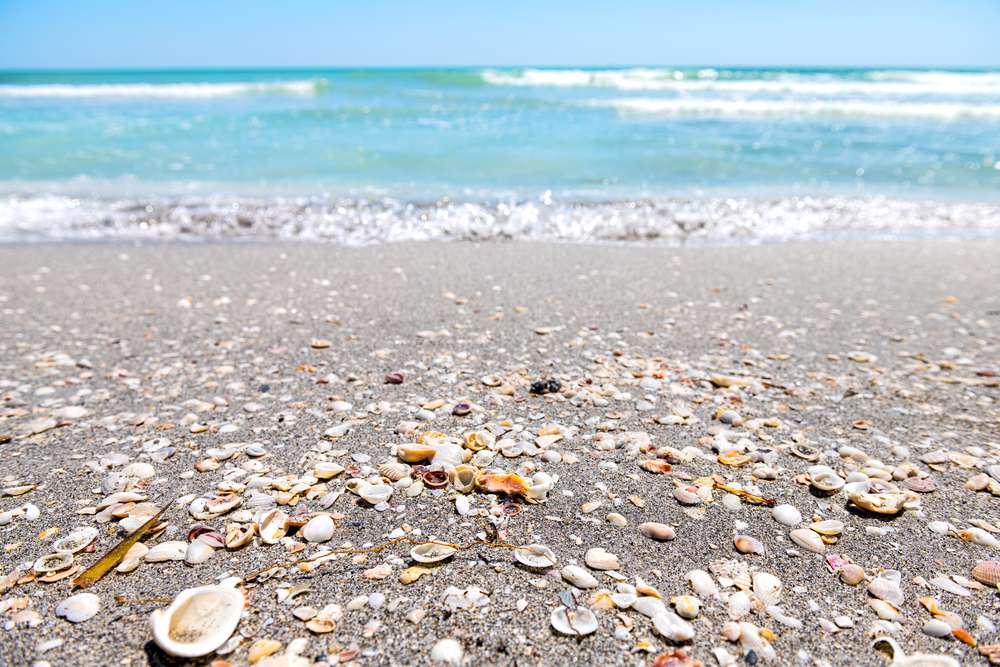
Siesta Key’s white sand and calm waters draw visitors throughout the day. After dark, the shoreline grows quiet, and the smooth sand reflects very little light. The beach feels unusually open and silent, with fewer visual reference points. Locals say this contrast makes nighttime walks feel disorienting rather than relaxing.
South Beach, Florida
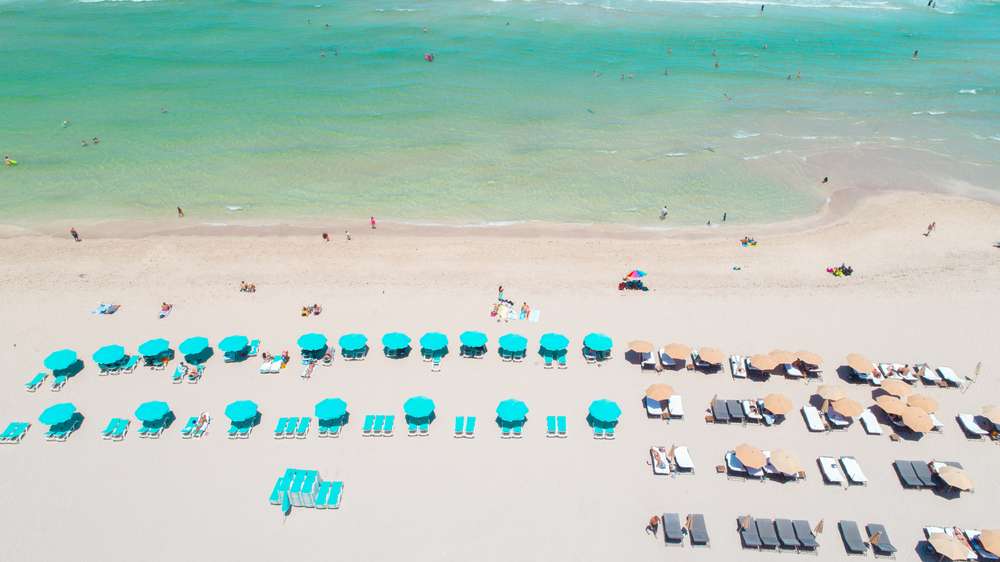
South Beach is vibrant during the day and energetic at night near Ocean Drive. Away from the crowds, however, darker stretches of sand feel stark and exposed. The ocean noise competes with distant city sounds, creating sensory confusion. Residents often note that once nightlife fades, the beach itself feels strangely empty and tense.
Padre Island National Seashore, Texas
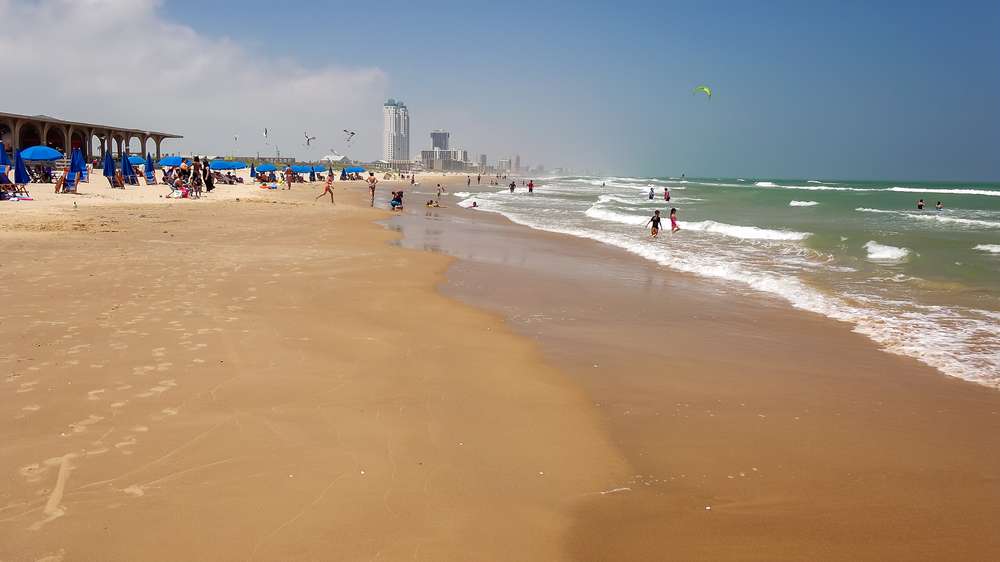
Padre Island stretches for miles, offering uninterrupted coastline by day. At night, the vastness becomes intimidating, with little light and few landmarks. Wind and surf dominate the soundscape. Locals warn that the isolation can feel overwhelming, especially for travelers unfamiliar with Texas coastal conditions.
Galveston Island, Texas
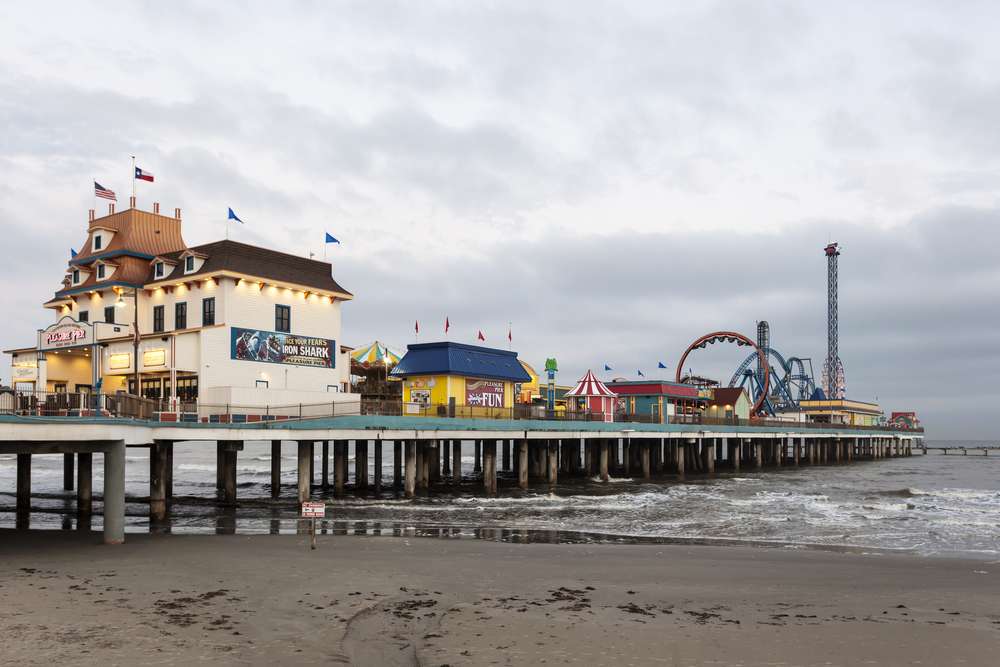
Galveston’s beaches feel relaxed during the day, with historic charm nearby. After dark, certain areas feel abandoned as crowds retreat inland. The Gulf’s dark waters and shifting weather add unpredictability. Residents often describe the nighttime beach as moody and unsettling, especially during humid evenings.
Venice Beach, California

Venice Beach is colorful and busy during daylight hours. Late at night, the boardwalk quiets, and the beach itself feels stark. Fewer people, dim lighting, and strong ocean sounds shift the mood quickly. Locals say the contrast between daytime creativity and nighttime emptiness can feel jarring.
Point Reyes Beach, California
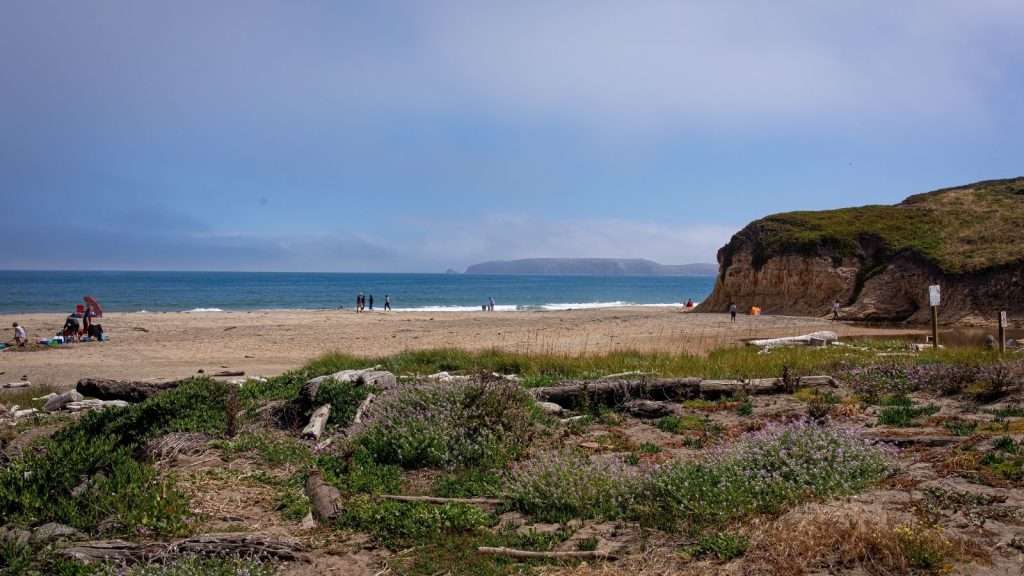
Point Reyes offers dramatic cliffs and sweeping Pacific views. Fog often rolls in at night, limiting visibility and muffling sound. The beach feels remote and exposed, with powerful waves crashing nearby. For Northern California travel, this beach is often described as beautiful but deeply unsettling after sunset.
Ocean Beach, San Francisco
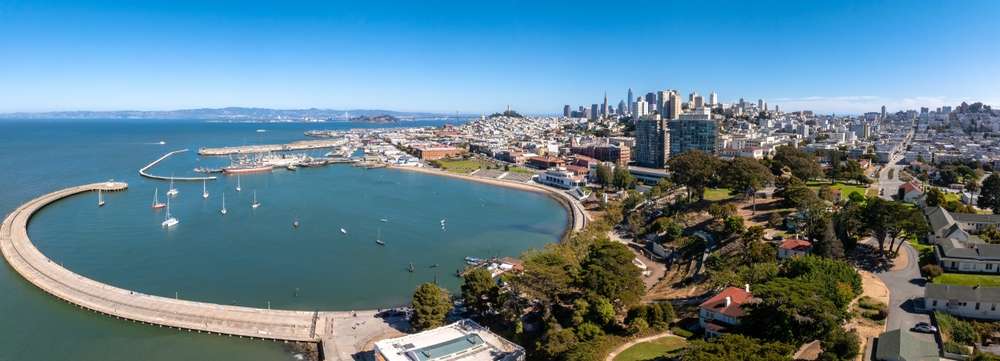
Ocean Beach is expansive and windy, even during the day. At night, strong currents and cold air dominate the experience. The sound of waves feels louder, and the lack of nearby development adds to the isolation. Locals frequently warn visitors against nighttime wandering here.
Cannon Beach, Oregon
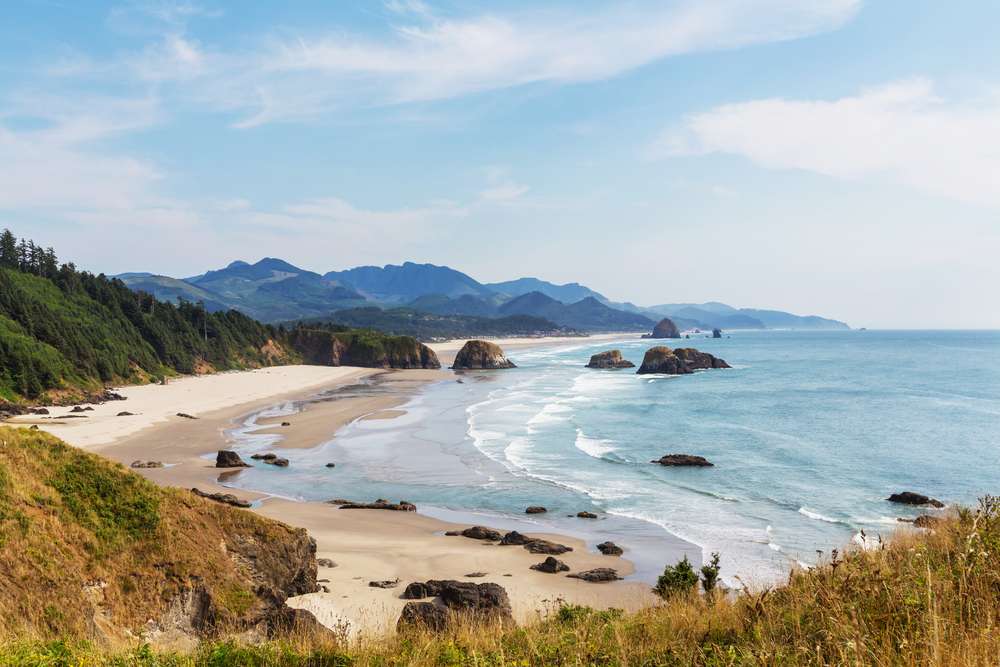
Cannon Beach is iconic by day, with sea stacks and dramatic scenery. After dark, the towering rocks become looming silhouettes. Fog and wind are common, reducing visibility. Locals say the combination of natural power and darkness makes the beach feel intimidating at night.
Ruby Beach, Washington
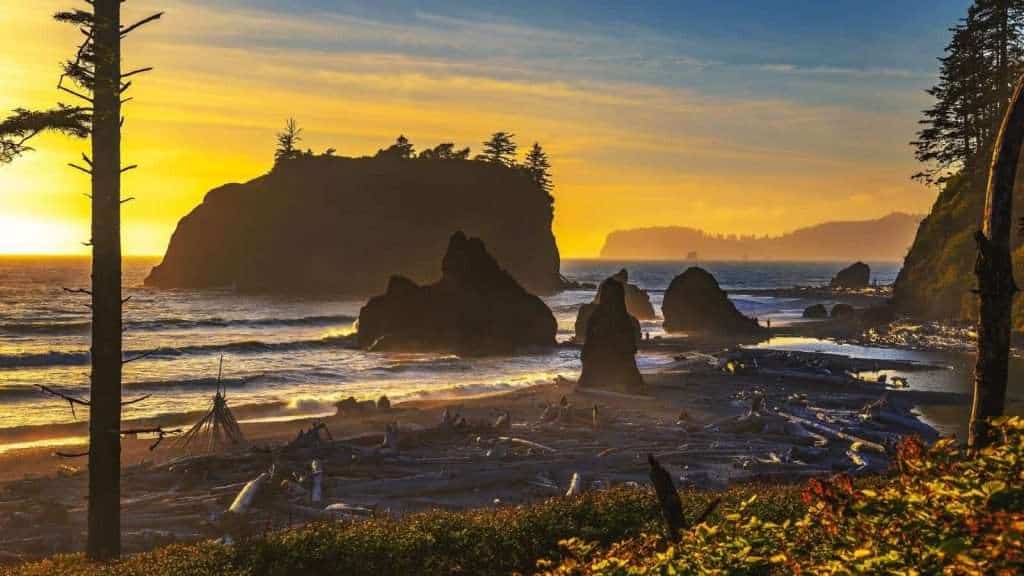
Ruby Beach’s driftwood and rocky shoreline are striking during daylight. At night, the massive logs and jagged rocks become hazards hidden in shadow. The Pacific feels especially forceful here. Residents often describe the beach as feeling primitive and unsettling once daylight fades.
Long Beach, Washington

This beach stretches for miles, offering open views during the day. At night, the length becomes disorienting, with few visual markers. Wind and surf dominate the senses. Locals say the sheer scale of darkness makes the beach feel endless and eerie.
Gulf Shores, Alabama
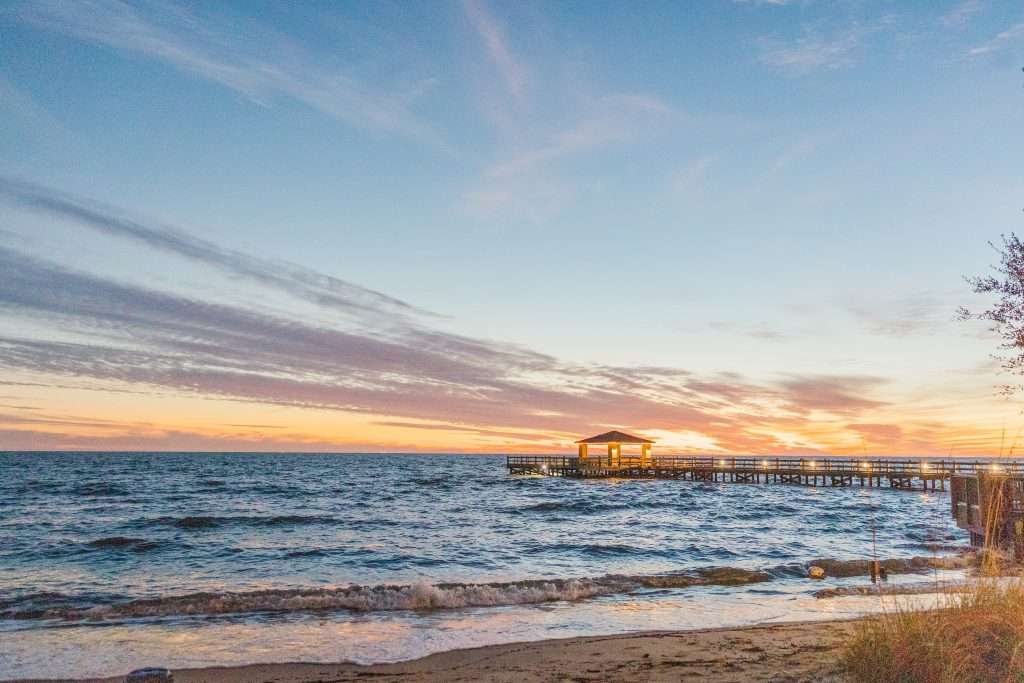
Gulf Shores is family-friendly and busy during the day. After dark, the beach quiets significantly, and the Gulf feels darker than expected. Limited lighting and warm night air create a heavy atmosphere. Locals often mention feeling uneasy on the sand once crowds disappear.
Biloxi Beach, Mississippi
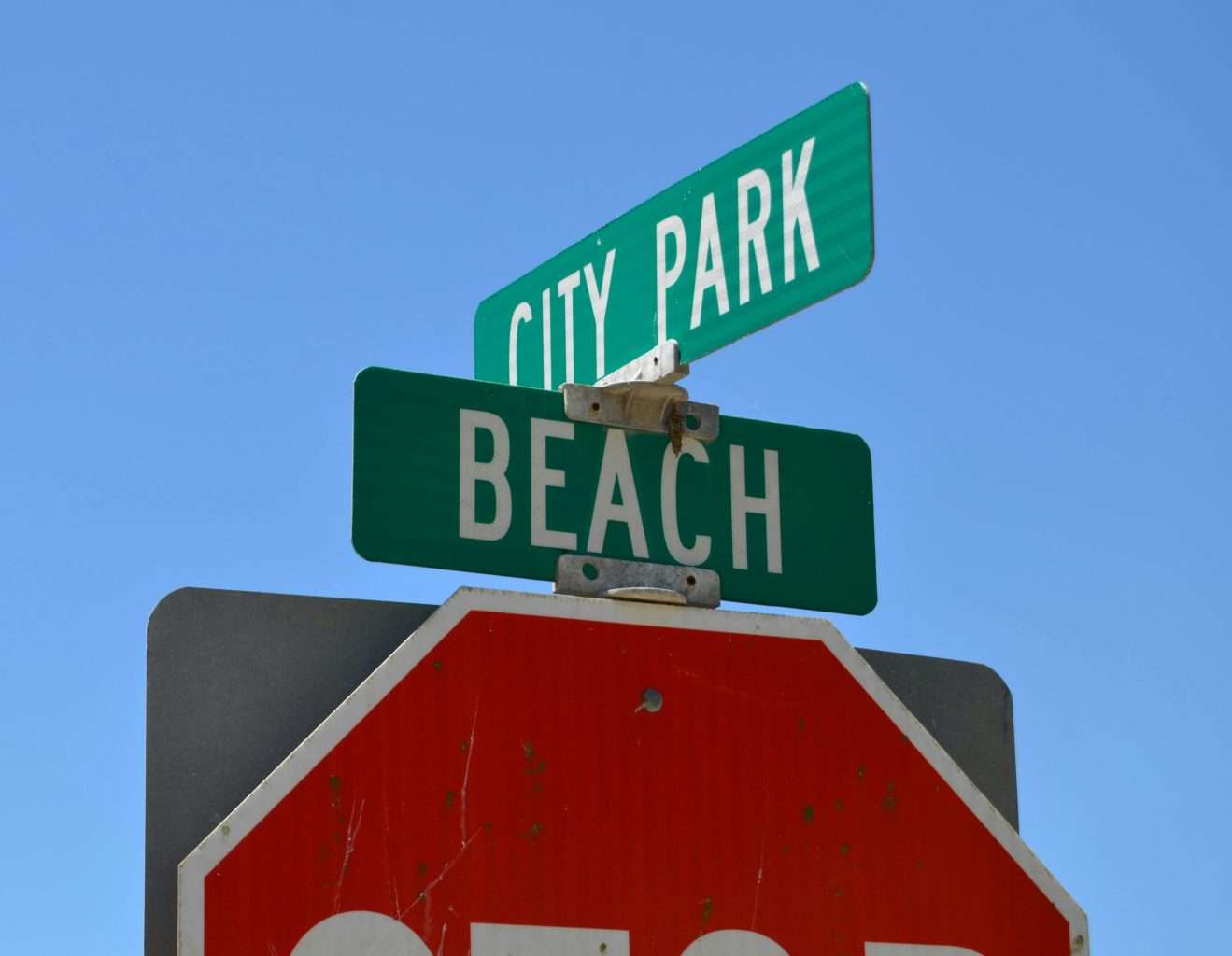
Biloxi’s beaches feel calm and accessible by day. At night, the shoreline grows quiet, and the nearby highway noise contrasts with dark water. The flat landscape offers little depth perception. Residents say the beach feels exposed and strangely tense after sunset.
Santa Monica Beach, California
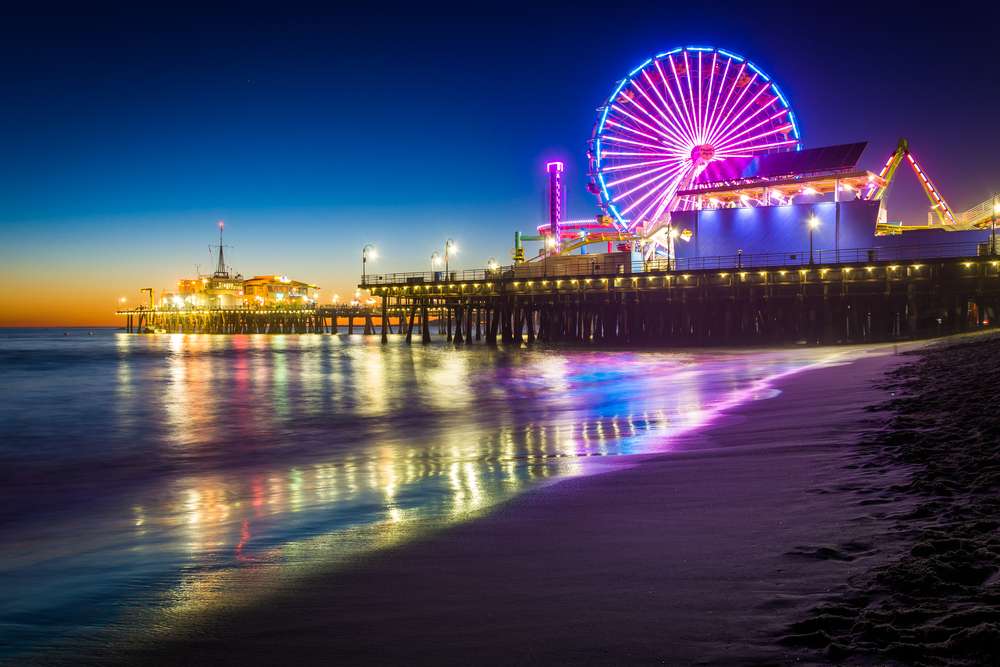
Santa Monica is lively with pier attractions and daytime crowds. Late at night, the beach itself empties quickly, leaving long stretches of dark sand. The pier lights cast uneven shadows. Locals often describe the beach as feeling stark and unsettling once activity fades.
Horseshoe Bay Beach, Hawaii
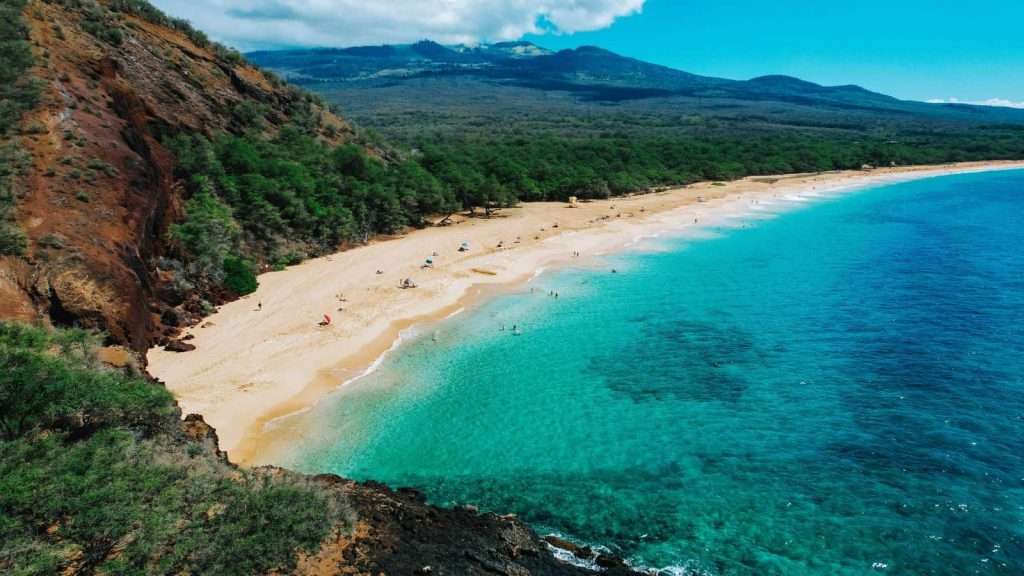
While Hawaii is often associated with serenity, Horseshoe Bay changes dramatically at night. The ocean becomes loud and dark, and the shoreline feels isolated. Limited lighting and strong waves create an intimidating environment. Locals caution that beauty by day does not guarantee comfort after sunset, even in popular U.S. travel destinations.

Deborah Montiero is a seasoned travel writer and contributor to Probe the Globe. With a passion for uncovering hidden gems and sharing immersive travel experiences, Deborah’s work highlights must-visit destinations, insider tips, and practical advice for travelers of all types. Whether exploring bustling cities or remote escapes, her articles are crafted to inspire and inform, making her a trusted voice in the travel community.
Her storytelling weaves together cultural insights, logistical tips, and authentic experiences, making her a valuable resource for readers seeking unforgettable journeys.
When not writing, Deborah is likely researching the latest travel trends or planning her next adventure. Follow her work on Probe the Globe for fresh perspectives and up-to-date travel inspiration.