24 National Park Mistakes That Get People in Trouble Every Year
Visiting national parks is one of the most rewarding ways to experience U.S. travel, offering access to dramatic landscapes, wildlife encounters, and unforgettable outdoor adventures. However, many travelers underestimate how quickly small mistakes can turn into serious problems in these protected areas. From weather changes to wildlife behavior, national parks demand preparation and awareness. Learning what not to do is just as important as knowing where to go. We take a look at 24 National Park Mistakes That Get People in Trouble Every Year
Underestimating Weather Conditions

One of the most common national park mistakes is assuming the weather will stay pleasant all day. In many U.S. national parks, conditions can change rapidly, especially in mountain or desert environments. Clear skies can turn into thunderstorms, snow, or extreme heat within hours. Visitors often arrive without proper clothing or gear, putting themselves at risk of hypothermia, heat exhaustion, or dehydration. Checking forecasts and preparing for multiple scenarios is essential for safe U.S. travel in outdoor destinations.
Ignoring Posted Warning Signs

Warning signs exist in national parks for a reason, yet many visitors choose to ignore them for photos or shortcuts. Signs warning about unstable cliffs, strong currents, or wildlife activity are based on real incidents. Disregarding these alerts has led to countless injuries and rescues every year. National parks prioritize safety, but they rely on visitors to respect boundaries. Ignoring posted guidance is one of the fastest ways to turn a vacation into an emergency situation.
Getting Too Close to Wildlife

Wildlife encounters are a highlight of national park travel, but getting too close is a serious mistake. Animals such as bison, elk, and bears may appear calm but can react unpredictably. Many injuries occur when visitors approach animals for photos or attempt to feed them. Wildlife in U.S. national parks is protected, and disturbing it can result in fines or worse. Keeping a safe distance protects both visitors and the animals themselves.
Not Carrying Enough Water

Dehydration is one of the leading causes of medical emergencies in national parks, especially in desert regions. Visitors often underestimate how much water they need for hikes or sightseeing. Heat, elevation, and physical activity increase fluid needs significantly. Relying on short trails or mild temperatures can be misleading. Carrying extra water is a simple step that can prevent serious health risks during U.S. travel adventures in national parks.
Wearing the Wrong Footwear

Improper footwear is a common mistake that leads to injuries on park trails. Flip-flops, sandals, or worn-out shoes provide little support or traction. Uneven terrain, loose rocks, and steep paths demand sturdy footwear. Sprained ankles and falls are frequent consequences of poor shoe choices. National parks offer incredible hiking opportunities, but safe U.S. travel requires gear that matches the environment and activity level.
Going Off Marked Trails
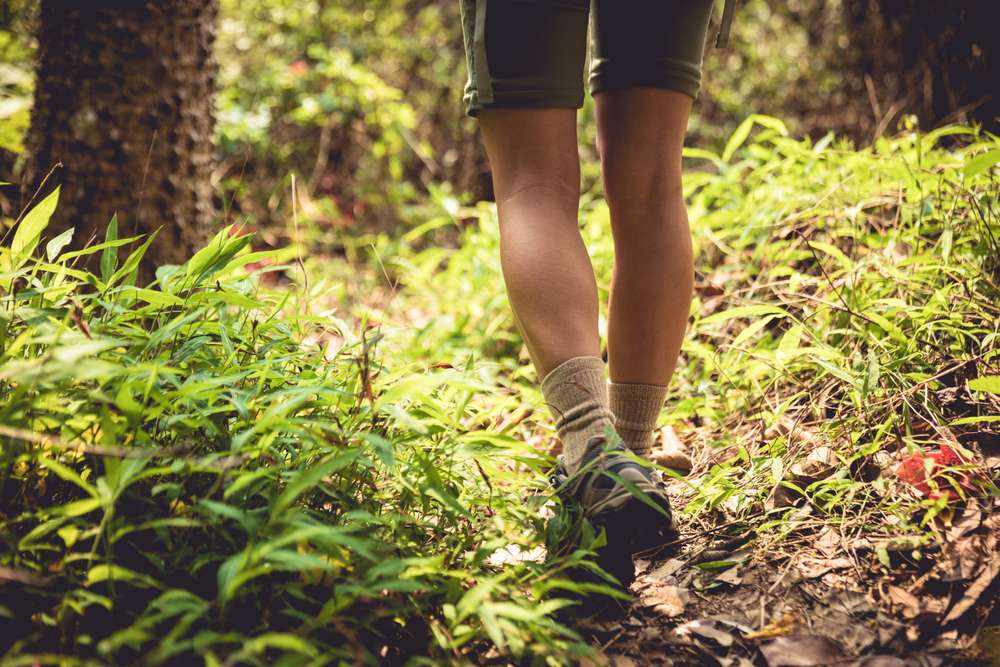
Leaving designated trails may seem harmless, but it can quickly become dangerous. Trails are designed to guide visitors safely through terrain while protecting fragile ecosystems. Off-trail travel increases the risk of getting lost, encountering unstable ground, or damaging natural resources. Many rescues involve hikers who wandered off marked paths. Staying on trails is a key rule that keeps national park experiences safe and sustainable.
Underestimating Elevation Effects

High elevation parks can affect visitors more than expected, especially those traveling from lower altitudes. Symptoms like headaches, nausea, dizziness, and fatigue are common signs of altitude sickness. Visitors often push themselves too hard too quickly. Allowing time to acclimate and recognizing warning signs is crucial. Elevation-related issues are a frequent challenge in U.S. travel to mountainous national parks.
Not Checking Park Regulations

Each national park has its own set of rules regarding camping, food storage, fires, and activities. Ignoring or failing to review these regulations can result in fines or dangerous situations. Rules are designed to protect visitors, wildlife, and the landscape. Travelers unfamiliar with park-specific guidelines often make avoidable mistakes. Reviewing regulations ahead of time is an important part of responsible national park travel.
Starting Hikes Too Late in the Day

Late starts are a common error, especially among casual hikers. Daylight hours can be shorter than expected, and trails often take longer to complete than planned. Afternoon heat or sudden storms can make conditions worse. Many search-and-rescue missions begin after hikers underestimate timing. Starting early is one of the simplest ways to reduce risk while exploring U.S. national parks.
Relying Solely on Cell Phones

Cell service is unreliable or nonexistent in many national parks. Visitors who depend entirely on phones for navigation or communication can find themselves stranded. Batteries drain quickly in cold weather or during extended use. Paper maps and basic navigation skills remain essential tools. Planning for limited connectivity is a smart move for safe and stress-free U.S. travel in remote areas.
Feeding Wildlife

Feeding animals disrupts natural behaviors and can make wildlife aggressive toward humans. Even small snacks can teach animals to associate people with food. This behavior often leads to animals being relocated or euthanized. Many visitors underestimate the long-term consequences of feeding wildlife. Responsible U.S. travel means observing animals without interfering in their natural routines.
Ignoring Seasonal Closures

Seasonal closures protect visitors from hazardous conditions such as snow, flooding, or wildlife activity. Ignoring these closures can result in fines or dangerous situations. Trails, roads, and campgrounds may close unexpectedly due to weather or maintenance. Visitors who fail to check current conditions often find themselves unprepared. Staying informed is essential when planning national park trips throughout the year.
Overestimating Physical Fitness

Many visitors assume they are fit enough for long hikes without considering terrain, elevation, or heat. National park trails can be more demanding than they appear. Fatigue increases the risk of injury and poor decision-making. Knowing personal limits and choosing appropriate activities is key to enjoying U.S. travel without unnecessary risk.
Not Securing Food Properly

Improper food storage attracts wildlife and creates dangerous encounters. In bear country, unsecured food can lead to property damage or animal aggression. Many parks require bear-resistant containers or lockers. Visitors unfamiliar with these rules often make costly mistakes. Proper food storage protects both travelers and wildlife in U.S. national parks.
Swimming in Unsafe Areas

Rivers, lakes, and waterfalls can appear calm but hide strong currents and cold temperatures. Swimming in unauthorized areas is a leading cause of fatalities in national parks. Cold water shock and sudden drop-offs are common hazards. Visitors should follow posted guidelines and swim only where permitted. Water safety is a critical aspect of outdoor U.S. travel.
Forgetting Sun Protection

Sun exposure is often underestimated, especially at higher elevations or in open landscapes. Sunburn, heat exhaustion, and dehydration can occur quickly. Many visitors forget hats, sunscreen, or protective clothing. Prolonged sun exposure can turn an enjoyable day into a medical issue. Sun safety is a simple but often overlooked part of national park preparation.
Driving Too Fast on Park Roads

Wildlife crossings, sharp curves, and narrow roads make speeding especially dangerous in national parks. Accidents often involve animals or unexpected obstacles. Speed limits are set lower to account for these conditions. Visitors rushing through parks miss scenery and increase risk. Safe driving is essential for responsible U.S. travel in protected areas.
Camping Without Proper Preparation

Camping in national parks requires planning and appropriate gear. Weather, wildlife, and terrain can create challenges for unprepared campers. Inadequate shelter or food storage can lead to dangerous situations. First-time campers often underestimate what is required. Preparation is the foundation of a safe and enjoyable national park camping experience.
Ignoring Leave No Trace Principles

Leaving trash, disturbing natural features, or damaging vegetation harms park ecosystems. These actions also create hazards for wildlife and future visitors. Leave No Trace principles exist to preserve parks for generations. Visitors who ignore these guidelines contribute to environmental damage. Responsible U.S. travel includes respecting the landscapes that make national parks special.
Not Planning for Emergencies

Many visitors fail to consider what to do if something goes wrong. Injuries, weather changes, or getting lost require quick decision-making. Carrying a basic first aid kit and knowing emergency procedures can make a difference. National parks are vast, and help may not be immediate. Emergency preparedness is a vital part of outdoor travel.
Assuming Short Trails Are Easy

Short distance does not always mean easy terrain. Some trails gain significant elevation or involve challenging surfaces. Visitors often underestimate these routes and find themselves exhausted or injured. Reading trail descriptions carefully helps prevent surprises. Trail difficulty awareness improves safety and enjoyment during national park visits.
Bringing Pets Where They Aren’t Allowed

Many national parks have strict rules about pets to protect wildlife and visitors. Ignoring these regulations can result in fines or unsafe encounters. Pets may struggle with heat, terrain, or wildlife presence. Visitors should research pet policies before arrival. Responsible U.S. travel means respecting park rules designed for safety.
Visiting Without a Plan

Arriving at a national park without a basic plan can lead to missed opportunities or dangerous decisions. Crowded areas, limited parking, and trail availability all affect the experience. Visitors who plan ahead manage time, energy, and safety more effectively. Even a simple itinerary improves outcomes. Preparation turns national park travel into a safer and more rewarding adventure.

Deborah Montiero is a seasoned travel writer and contributor to Probe the Globe. With a passion for uncovering hidden gems and sharing immersive travel experiences, Deborah’s work highlights must-visit destinations, insider tips, and practical advice for travelers of all types. Whether exploring bustling cities or remote escapes, her articles are crafted to inspire and inform, making her a trusted voice in the travel community.
Her storytelling weaves together cultural insights, logistical tips, and authentic experiences, making her a valuable resource for readers seeking unforgettable journeys.
When not writing, Deborah is likely researching the latest travel trends or planning her next adventure. Follow her work on Probe the Globe for fresh perspectives and up-to-date travel inspiration.