24 Spots on Earth Where You Can Hear Absolute Silence
Silence has become one of the rarest experiences in modern travel, especially for those used to traffic, notifications, and constant background noise. Around the world—and across the United States—there are still places where sound fades away and awareness sharpens, offering travelers a reset that feels both physical and mental. These 24 destinations appeal to slow travel fans, wellness seekers, and nature lovers searching for meaningful escapes.
Death Valley National Park

Death Valley is often associated with extreme heat, but its vast emptiness creates one of the quietest soundscapes in U.S. travel. Far from cities and air traffic routes, the desert absorbs noise, leaving only wind and the faint crunch of gravel underfoot. In remote areas, travelers experience a silence so complete it can feel almost physical. This park appeals to American road trip travelers looking for solitude, minimal distractions, and a deeply immersive natural environment.
Great Basin National Park
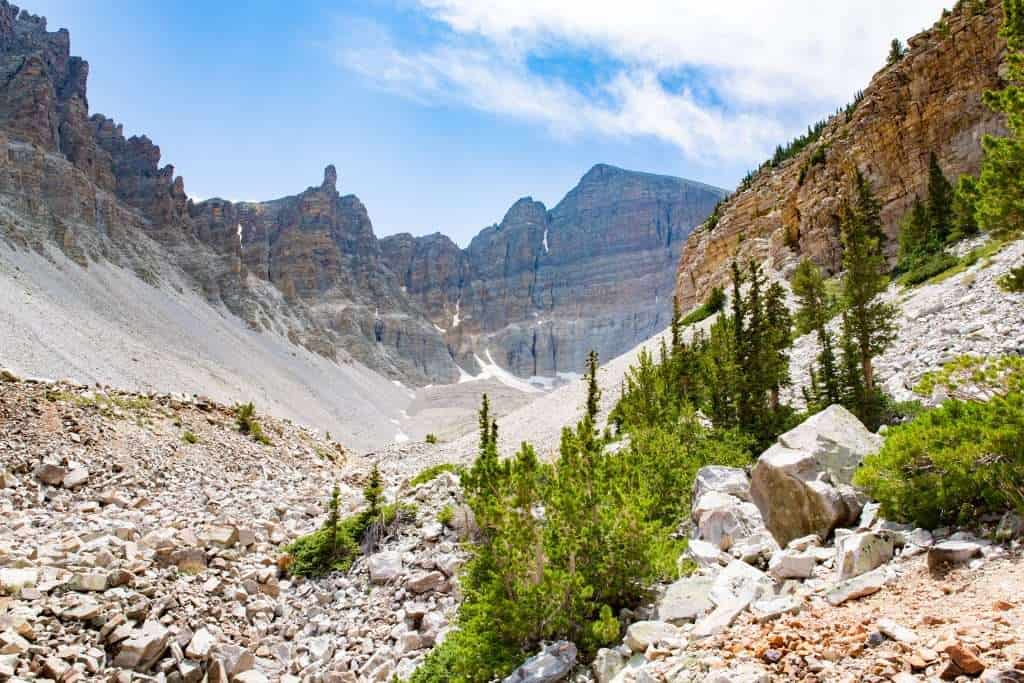
Great Basin remains one of the least visited national parks in the United States, which contributes to its extraordinary quiet. With no nearby highways or major cities, sound pollution is nearly nonexistent. Visitors often remark that they can hear their own breathing or heartbeat during still moments. For travelers focused on peaceful U.S. destinations, this park offers high-desert silence, dark skies, and a sense of untouched wilderness that feels increasingly rare.
Denali National Park

Denali’s silence is shaped by scale and remoteness. Vast tundra, distant peaks, and minimal infrastructure allow sound to dissipate almost instantly. Outside of brief wildlife encounters, long stretches pass without any noise at all. For U.S. adventure travelers and those seeking off-the-grid experiences, Denali delivers profound quiet alongside raw, expansive landscapes that reinforce how small human presence can feel in true wilderness.
Aokigahara Forest

Aokigahara Forest is known for its dense lava rock base, which absorbs sound and creates an eerie stillness. Even footsteps seem muted beneath the trees. Wind rarely travels far through the forest, resulting in a silence that feels intentional rather than accidental. Travelers seeking mindful experiences often describe this place as one of the quietest forests on Earth, where sound fades quickly and introspection becomes unavoidable.
Sahara Desert

The Sahara’s silence stretches for hundreds of miles, broken only by shifting sand or distant wind. With almost no wildlife or human activity in many regions, the desert becomes a study in acoustic emptiness. Travelers often describe the experience as humbling and deeply calming. For those interested in extreme travel and sensory minimalism, the Sahara offers one of the purest silent environments on the planet.
Antarctic Interior

The interior of Antarctica delivers silence at an unmatched level. Snow absorbs sound completely, and the absence of human infrastructure removes nearly all artificial noise. During still weather, travelers report total quiet that can feel disorienting. This silence amplifies awareness and isolation. Though accessible to very few, Antarctica represents the ultimate destination for travelers fascinated by Earth’s most untouched environments.
Isle Royale National Park
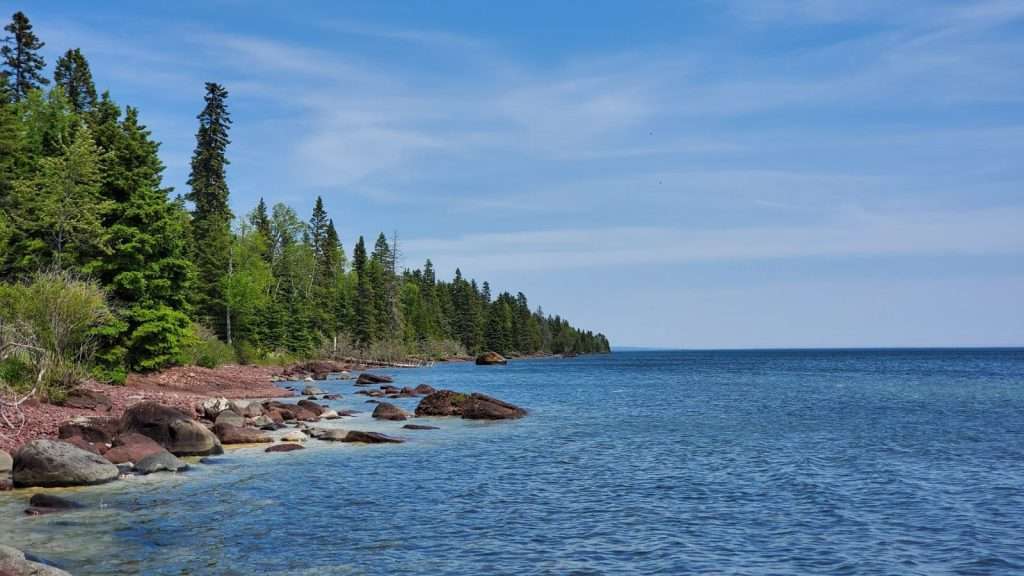
Surrounded by Lake Superior, Isle Royale is isolated from mainland noise and free of roads and cars. The result is an environment where silence dominates, interrupted only by waves or distant wildlife. This park attracts travelers seeking quiet U.S. travel destinations that feel removed from modern life. Its limited access keeps crowds small, preserving a peaceful atmosphere that encourages slow exploration and reflection.
Atacama Desert

The Atacama Desert is one of the driest places on Earth, and that dryness contributes to its stillness. With little vegetation or animal life, sound travels briefly before vanishing. Many visitors describe a profound sense of calm paired with expansive silence. This destination appeals to travelers drawn to extreme landscapes, astronomy tourism, and quiet experiences that heighten sensory awareness.
Wrangell–St. Elias National Park
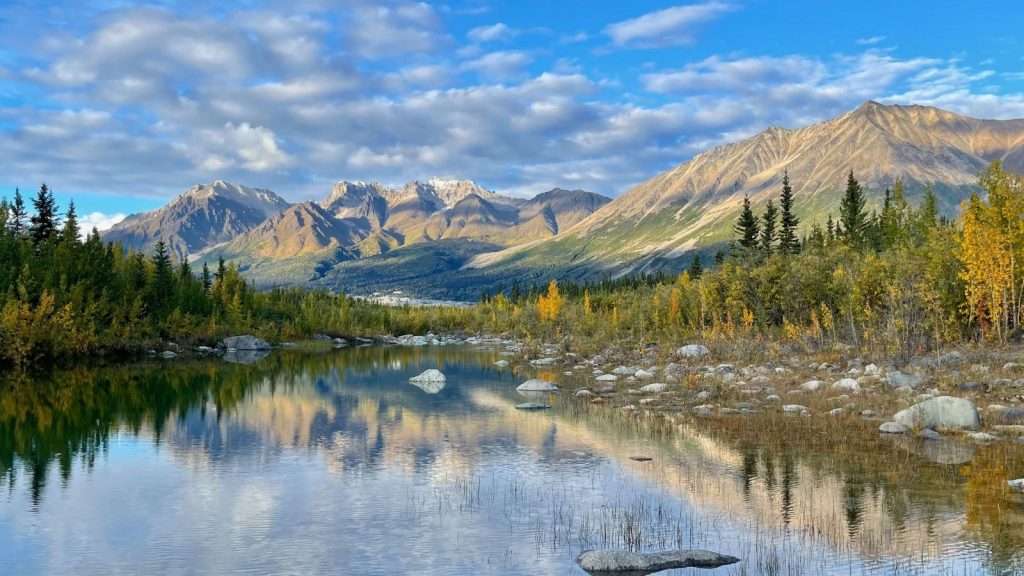
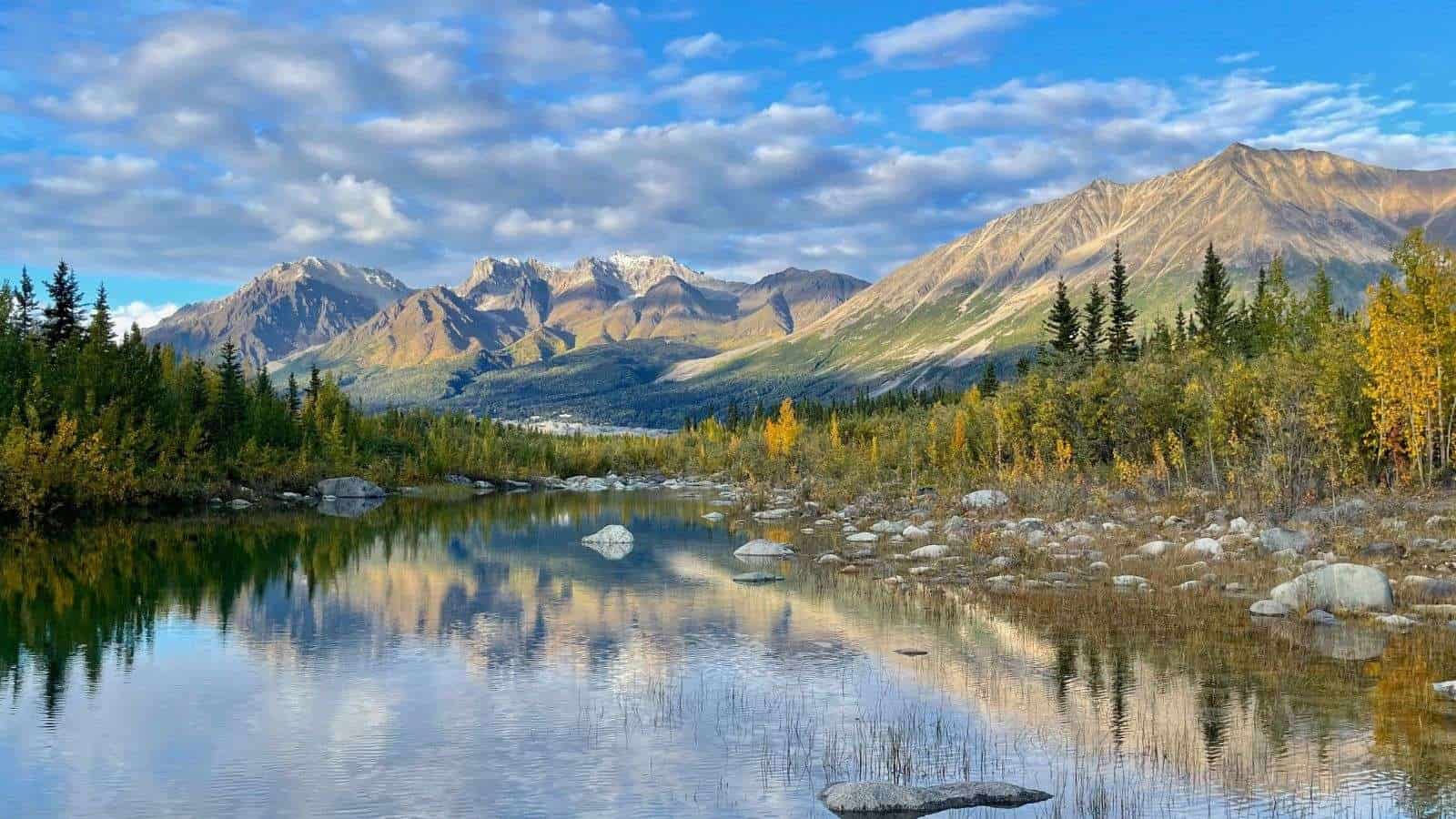
As the largest national park in the United States, Wrangell–St. Elias offers silence through sheer size. Glaciers, valleys, and mountains stretch beyond the reach of human noise. Even popular areas feel quiet due to low visitation. For travelers focused on authentic U.S. wilderness travel, this park offers a rare combination of scale, solitude, and near-total acoustic stillness.
Patagonian Steppe

The Patagonian Steppe is defined by open plains, strong winds, and minimal human presence. When the wind calms, silence takes over completely. Towns are few and far between, allowing sound to disappear into the vast landscape. Travelers seeking remote destinations often find Patagonia’s quiet both grounding and emotionally powerful, reinforcing the appeal of slow, intentional travel.
Ladakh Plateau

High-altitude terrain and sparse population give Ladakh its remarkable silence. Sound carries thinly in the dry mountain air, and long stretches pass without interruption. Monasteries and valleys contribute to a contemplative atmosphere that attracts spiritual travelers. This region appeals to those seeking stillness, cultural depth, and landscapes where silence feels deeply connected to daily life.
Big Bend National Park

Big Bend is one of the quietest national parks in the continental United States. Its desert terrain and distance from major cities eliminate most background noise. Visitors often notice how sound fades instantly across the open land. For U.S. road trip travelers and stargazers, Big Bend offers silence paired with expansive skies and a strong sense of isolation.
Namib Desert
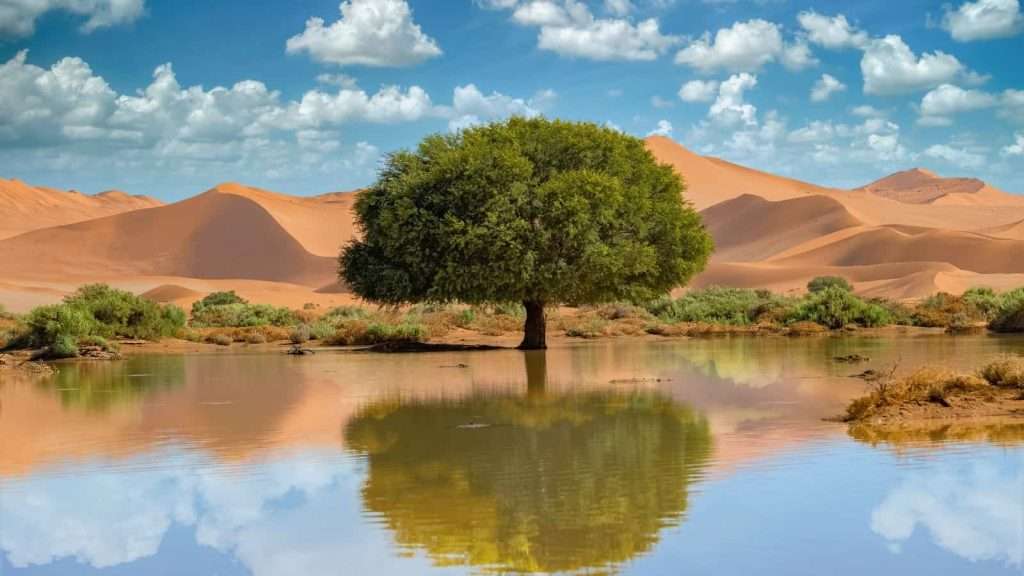
Ancient dunes and minimal human activity make the Namib Desert a sanctuary of silence. The desert’s age and emptiness create an atmosphere where sound feels unwelcome. Travelers often describe the quiet as meditative and grounding. This destination appeals to those interested in photography, slow travel, and immersive natural experiences far from modern noise.
Svalbard Archipelago

Svalbard’s Arctic environment limits sound through ice, snow, and isolation. Outside of occasional wind or wildlife, silence dominates the landscape. The absence of dense tourism infrastructure preserves its quiet nature. Travelers interested in polar exploration and unique destinations find Svalbard’s silence both awe-inspiring and deeply calming.
Channel Islands National Park

Separated from mainland California, the Channel Islands are free from traffic and urban noise. Ocean winds and waves are often the only sounds present. Limited visitor numbers help maintain this peaceful environment. For travelers exploring U.S. coastal destinations, the islands offer rare quiet alongside rugged scenery and a sense of stepping outside modern life.
Wadi Rum Desert
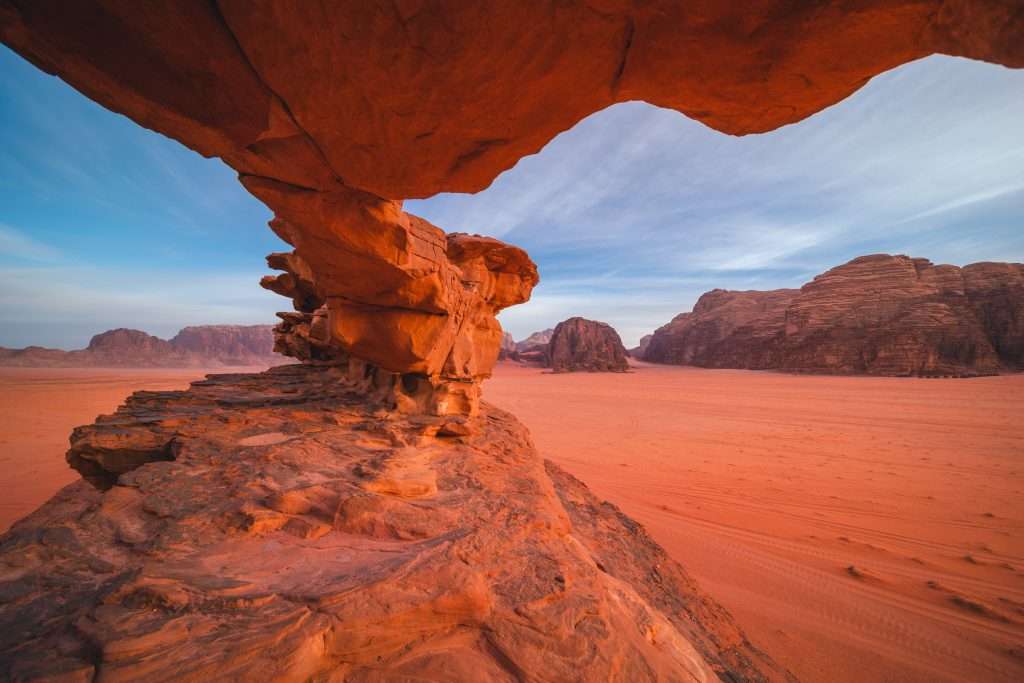
Wadi Rum’s vast sandstone valleys and open desert plains create a soundscape defined by silence. With minimal vegetation and limited settlement, noise disappears quickly. Travelers often experience long moments of complete quiet, broken only by distant wind. This destination appeals to those seeking cinematic landscapes and reflective travel experiences.
Tibetan Plateau

The Tibetan Plateau’s elevation and openness reduce sound dramatically. Sparse population and vast distances between settlements create prolonged silence. Many travelers report heightened awareness and introspection during their time here. This region attracts those seeking spiritual, cultural, and quiet-focused travel far removed from urban environments.
White Sands National Park
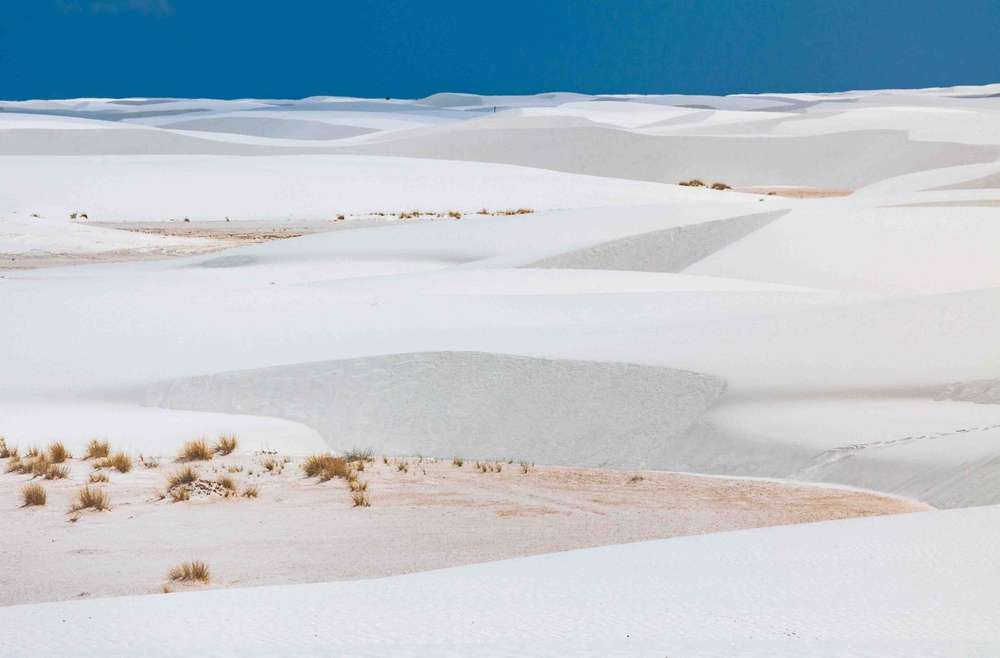
Gypsum dunes absorb sound exceptionally well, making White Sands one of the quietest places in the American Southwest. Footsteps seem muted, and voices don’t carry far. This silence enhances the surreal feel of the landscape. U.S. travel enthusiasts often highlight White Sands as a peaceful alternative to more crowded desert parks.
Kalaallit Nunaat Interior

Greenland’s interior regions offer silence shaped by ice and isolation. With few roads and limited access, human noise is almost nonexistent. Travelers who reach these areas often describe a deep, uninterrupted stillness. This destination appeals to explorers drawn to extreme environments and the sensory impact of true quiet.
Capitol Reef National Park

Overshadowed by other Utah parks, Capitol Reef remains relatively quiet. Its desert cliffs and remote trails allow sound to fade quickly. Visitors often enjoy peaceful hikes without constant background noise. For U.S. national park travelers seeking less crowded experiences, Capitol Reef offers silence paired with striking red rock scenery.
Gobi Desert

The Gobi Desert’s wide-open terrain and sparse population create long stretches of silence. Even wind feels subdued across the rocky plains. Travelers often experience extended periods without hearing any sound at all. This destination attracts those interested in remote travel and landscapes that emphasize stillness over spectacle.
Voyageurs National Park

Accessible mainly by water, Voyageurs limits road noise and vehicle traffic. Lakes and forests absorb sound, especially during calm weather. Canoe travelers often experience complete silence while crossing open water. For U.S. travel focused on nature and tranquility, Voyageurs delivers peaceful immersion and acoustic stillness.
Simpson Desert

The Simpson Desert’s red dunes and extreme remoteness create an environment of near-total quiet. Human presence is minimal, and wildlife activity is sparse. Travelers describe the silence as expansive and deeply calming. This destination appeals to those seeking remote adventures where sound becomes almost irrelevant.
Salar de Uyuni

The world’s largest salt flat absorbs sound across its endless white surface. During dry conditions, footsteps echo briefly before fading into silence. With few visual or auditory distractions, travelers often experience heightened awareness. Salar de Uyuni appeals to those seeking surreal landscapes and quiet travel moments that feel almost otherworldly.

Deborah Montiero is a seasoned travel writer and contributor to Probe the Globe. With a passion for uncovering hidden gems and sharing immersive travel experiences, Deborah’s work highlights must-visit destinations, insider tips, and practical advice for travelers of all types. Whether exploring bustling cities or remote escapes, her articles are crafted to inspire and inform, making her a trusted voice in the travel community.
Her storytelling weaves together cultural insights, logistical tips, and authentic experiences, making her a valuable resource for readers seeking unforgettable journeys.
When not writing, Deborah is likely researching the latest travel trends or planning her next adventure. Follow her work on Probe the Globe for fresh perspectives and up-to-date travel inspiration.