23 American Cemeteries With Graves No One Has Claimed in Decades
Across the United States, cemeteries serve as historical records as much as places of remembrance. While many graves are visited regularly by descendants, others have been left untouched for generations, their stories fading from public memory. Time, migration, poverty, epidemics, and forgotten communities all contribute to burial grounds where no one comes to claim or tend the graves anymore. This article explores 23 American Cemeteries With Graves No One Has Claimed in Decades.
Hart Island Cemetery, New York

Hart Island is one of the largest public burial grounds in the United States, serving as New York City’s potter’s field since the 19th century. More than a million people are buried there, many unclaimed due to poverty, isolation, or lack of family. Burials often occurred quickly, with minimal markers. For decades, public access was restricted, contributing to the absence of visitation. Today, while policies have changed, many graves remain unclaimed, reflecting deep social gaps within one of the country’s busiest travel regions.
Laurel Hill Cemetery, Pennsylvania
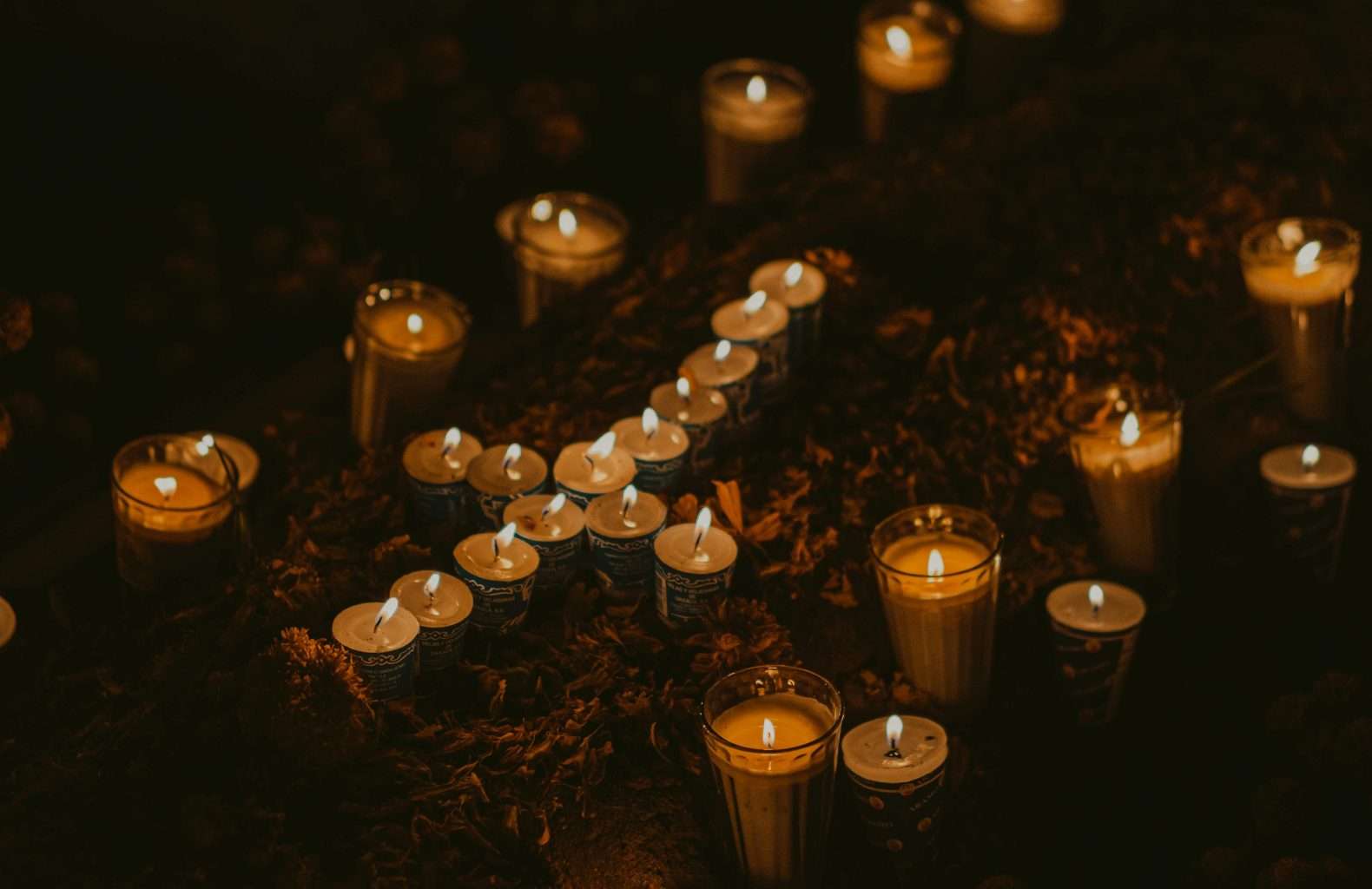
While Laurel Hill is known for historic figures, its potter’s sections tell a quieter story. These areas were used for individuals without family or means, often buried with simple or missing markers. Over time, records were lost or incomplete. Descendants moved away or disappeared entirely. These forgotten graves remain largely untouched, even as Philadelphia continues to attract U.S. travel interest for its history.
Evergreen Cemetery, Georgia

Evergreen Cemetery includes large sections dedicated to formerly enslaved people and impoverished residents. Many graves lack names or detailed records, making it nearly impossible for descendants to trace them. Decades of neglect followed segregation-era policies that limited funding and care. Community restoration efforts have begun, but countless graves remain unclaimed, reflecting long-standing inequities in memorial practices across the South.
Boot Hill Cemetery, Arizona

Boot Hill cemeteries across the Southwest often contain graves of transient workers, miners, and outlaws. In Arizona, many of these individuals died far from family during the frontier era. With no next of kin nearby, graves were left unattended. Weather erosion further erased markers. Today, visitors interested in Western history and U.S. travel encounter burial grounds where names and stories have largely disappeared.
Calvary Cemetery (Unmarked Sections), Illinois

Calvary Cemetery holds thousands of unmarked or minimally marked graves, many belonging to immigrants who arrived without extended family support. Language barriers and poor recordkeeping contributed to long-term abandonment. Over time, family lines dissolved or relocated. Despite being located near major urban centers, many of these graves have not been claimed or visited in generations.
Pauper Cemetery, Texas

Several Texas counties maintain pauper cemeteries for those who died without resources. Graves were often marked with simple numbers or wooden posts that decayed quickly. Economic hardship, migration, and lack of documentation meant families never returned. These burial grounds now exist quietly alongside expanding suburbs, often unnoticed by modern U.S. travel routes.
Potter’s Field Cemetery, Louisiana

Potter’s Field cemeteries in Louisiana were used extensively during disease outbreaks and periods of extreme poverty. Burials happened rapidly, with little opportunity for identification. Flooding and environmental conditions further obscured grave locations. Many individuals interred here have no surviving records. The cemeteries remain solemn reminders of how crisis and inequality shaped burial practices.
Silver Terrace Cemetery, California

Silver Terrace contains sections with graves dating back to San Francisco’s early days. Some belong to immigrants, laborers, and institutionalized individuals whose families either returned overseas or vanished over time. Earthquakes and redevelopment disrupted records. As California became a major U.S. travel destination, these forgotten graves remained untouched by descendants.
City Cemetery, Nevada

Old city cemeteries in Nevada often include graves of miners and railroad workers who lived transient lives. Many died young and without family nearby. Over time, boomtowns declined, and communities moved on. These cemeteries now sit on the edges of modern development, holding graves no one has claimed for decades.
Lincoln Park Cemetery (Former), Illinois

Lincoln Park Cemetery once held thousands of graves before much of it was relocated. However, incomplete removals left many remains behind. Families had already moved or dissolved, leaving no one to claim the graves. Even today, construction occasionally uncovers remains, underscoring how forgotten burials persist beneath modern landscapes.
Greenwood Cemetery (Indigent Sections), South Carolina

Greenwood Cemetery contains sections designated for indigent burials. Many graves belong to individuals marginalized by race or poverty. Lack of documentation and long-standing segregation resulted in minimal visitation. While the cemetery is maintained, numerous graves remain unclaimed, representing generations lost to systemic neglect.
Fort Hill Cemetery, Massachusetts

Fort Hill Cemetery includes burial plots for institutional patients and unclaimed individuals from nearby facilities. Families often distanced themselves due to stigma or relocation. Over time, connections were lost entirely. These graves sit quietly among more prominent memorials, rarely visited or acknowledged by modern visitors exploring New England history.
Mount Moriah Cemetery, Missouri

Mount Moriah is known for famous burials, but it also holds many unclaimed graves of poor residents. Economic hardship and westward migration fractured families. Recordkeeping gaps make tracing descendants difficult. As interest grows in historic cemeteries within U.S. travel, these lesser-known graves remain overlooked.
Woodlawn Cemetery (Potter’s Area), New York

Woodlawn Cemetery includes sections reserved for unclaimed and indigent burials. Many individuals buried there had no surviving family or died estranged from relatives. Over decades, names faded from memory. Despite its prominence as a historic site, these graves remain largely untouched.
Oakland Cemetery, Georgia

Oakland Cemetery holds mass burial areas for epidemic victims and prisoners. Rapid burials during crises left little documentation. Families often never knew final resting places. The cemetery’s restoration efforts focus on preservation, but many graves remain unclaimed, reflecting the impact of historical emergencies.
Golden Gate National Cemetery (Unclaimed Sections), California

While primarily a military cemetery, certain sections include unclaimed remains transferred from other sites. In some cases, records were incomplete or lost. Families could not be located decades later. These graves remain cared for but unvisited, adding a quiet layer to a prominent national site.
Old City Cemetery, Florida

Old City Cemetery includes graves of early settlers, enslaved individuals, and unclaimed residents. Humid conditions damaged markers, and records were often sparse. Descendants moved away as cities expanded. Today, many graves remain anonymous, even as Florida continues to attract significant U.S. travel attention.
Pioneer Cemetery, Oregon

Pioneer cemeteries in Oregon often contain graves of settlers who died before communities were fully established. Families sometimes continued west or dissolved entirely. Wooden markers deteriorated quickly. These burial grounds now exist as historical sites with many graves unclaimed for generations.
Holy Cross Cemetery (Unmarked Sections), California

Holy Cross includes sections for individuals buried without family arrangements. Immigration patterns meant relatives often lived abroad or lost contact. Over time, visitation ceased. Despite ongoing maintenance, many graves remain unclaimed, representing the silent side of migration history.
Maple Hill Cemetery, Kansas

Maple Hill Cemetery includes burial areas from periods of hardship, including droughts and economic collapse. Many residents left the region entirely. Family ties were broken, and graves remained unattended. These sections remain quiet reminders of rural depopulation.
Mount Hope Cemetery, New York
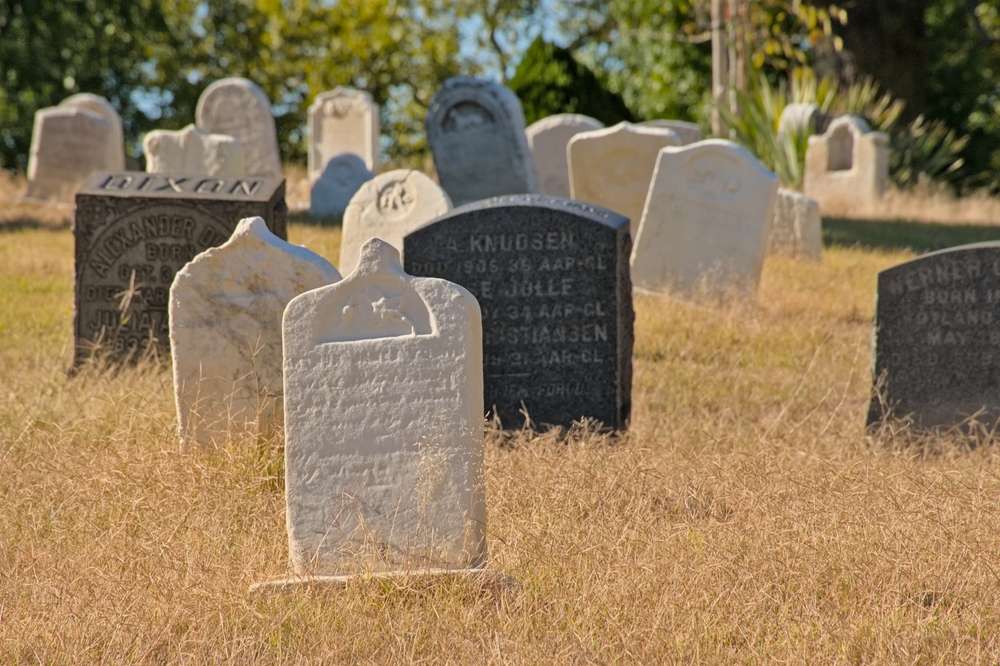
Mount Hope contains institutional burial sections for unclaimed patients. Social stigma prevented family involvement in many cases. Over decades, connections were lost. These graves remain largely untouched despite the cemetery’s historical significance.
Desert Memorial Cemetery, Arizona

Desert Memorial cemeteries include graves of unidentified individuals found in remote areas. Harsh conditions and lack of records prevented identification. Families were never located. These graves remain unclaimed, reflecting the realities of life and death in vast desert regions.

Deborah Montiero is a seasoned travel writer and contributor to Probe the Globe. With a passion for uncovering hidden gems and sharing immersive travel experiences, Deborah’s work highlights must-visit destinations, insider tips, and practical advice for travelers of all types. Whether exploring bustling cities or remote escapes, her articles are crafted to inspire and inform, making her a trusted voice in the travel community.
Her storytelling weaves together cultural insights, logistical tips, and authentic experiences, making her a valuable resource for readers seeking unforgettable journeys.
When not writing, Deborah is likely researching the latest travel trends or planning her next adventure. Follow her work on Probe the Globe for fresh perspectives and up-to-date travel inspiration.