
10 Little-Known Details About Brazil’s Amazon Rainforest
The Amazon Rainforest is one of the planet’s most vital ecosystems in the world, covering over 2.7 million square miles. The majority of this largest tropical rainforest in the world is located in Brazil and most people are aware of its immense size and biodiversity. But, here, we look at ten lesser-known fascinating details about Brazil’s Amazon Rainforest that might surprise you:
The Amazon Generates Its Own Weather
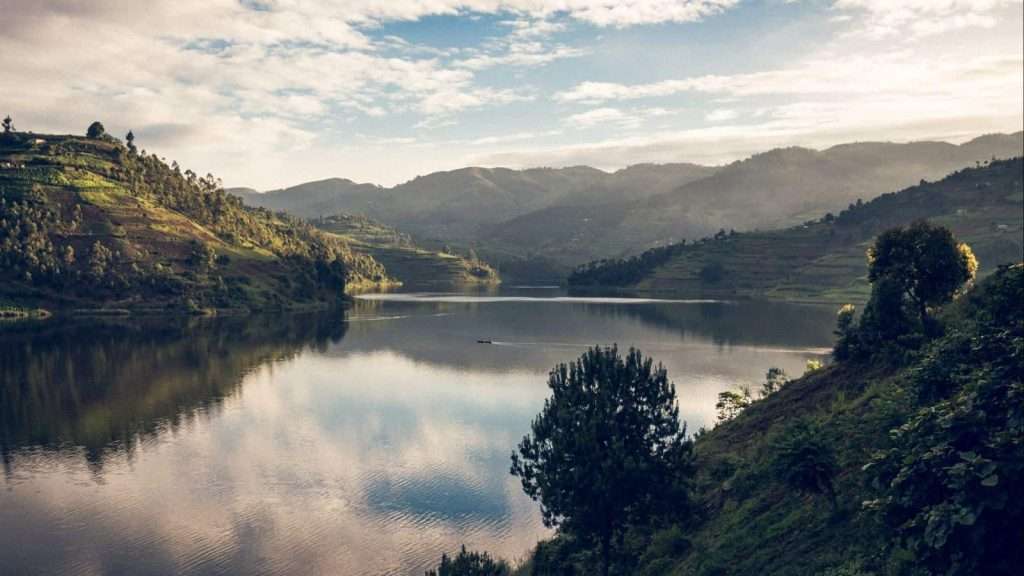
One of the most fascinating features of the Amazon Rainforest is its ability to create its own weather patterns. Through a process called evapotranspiration, the forest releases massive amounts of moisture into the atmosphere. This moisture contributes to the formation of clouds, which in turn bring rain back to the region. In fact, the Amazon produces about half of its own rainfall, making it a self-sustaining ecosystem.
The Amazon River Once Flowed in the Opposite Direction
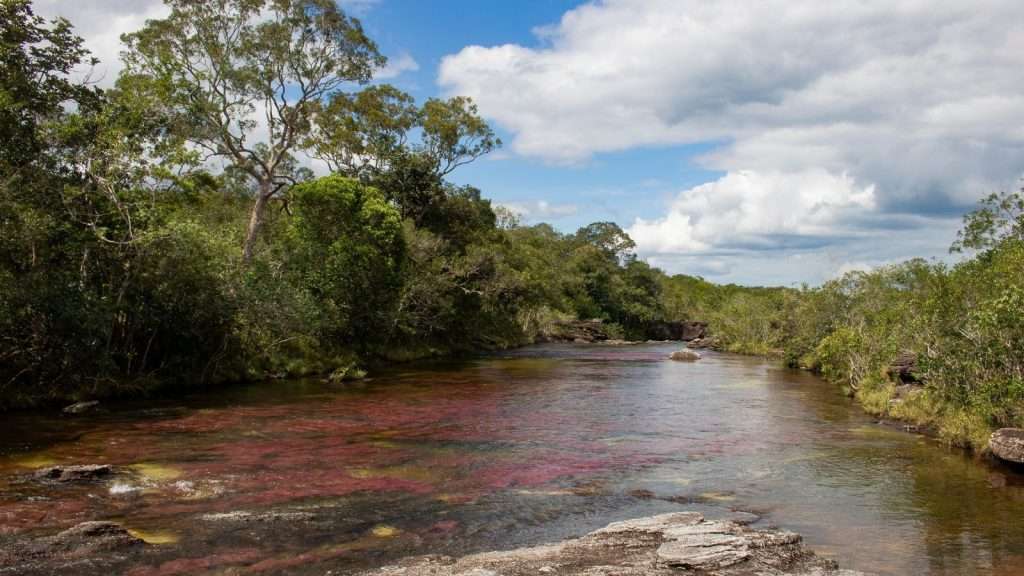
The Amazon River, one of the largest rivers in the world, has an interesting geological history. Millions of years ago, the river actually flowed in the opposite direction, from east to west, emptying into the Pacific Ocean. However, the rise of the Andes Mountains forced the river to reverse its course and it now flows from west to east, emptying into the Atlantic Ocean.
There Are “Underground” Rivers in the Amazon
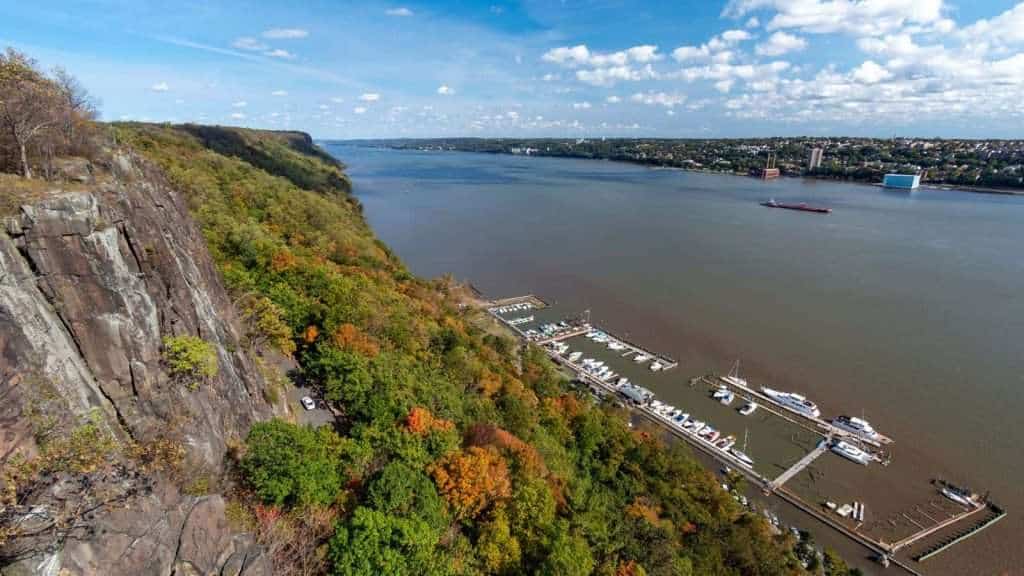
In addition to the massive Amazon River, there’s another river beneath it that flows underground. Known as the Rio Hamza, this subterranean river runs nearly 4 kilometers below the surface and mirrors the path of the Amazon River. While it’s much slower and narrower than the Amazon above, the discovery of this hidden waterway in 2011 was a groundbreaking revelation about the region’s hydrology.
The Amazon Is Home to Uncontacted Indigenous Tribes

The Amazon Rainforest is not only rich in flora and fauna but also home to many Indigenous tribes, some of which have never had contact with the outside world. Brazil has the largest number of uncontacted tribes in the world, with estimates ranging from 77 to over 100. These groups live in remote areas deep within the forest, relying on ancient survival techniques and maintaining minimal, if any, contact with modern civilization.
It’s a Major Source of Medicines

The Amazon Rainforest is often referred to as the world’s largest “pharmacy” due to the abundance of medicinal plants found within its boundaries. Around 25% of Western pharmaceuticals are derived from plants found in rainforests, yet only a small fraction of the Amazon’s flora has been scientifically studied. Many of the region’s plants have the potential to treat illnesses, from cancer to malaria, but their preservation is threatened by deforestation.
The Amazon Contains “Blackwater” Rivers
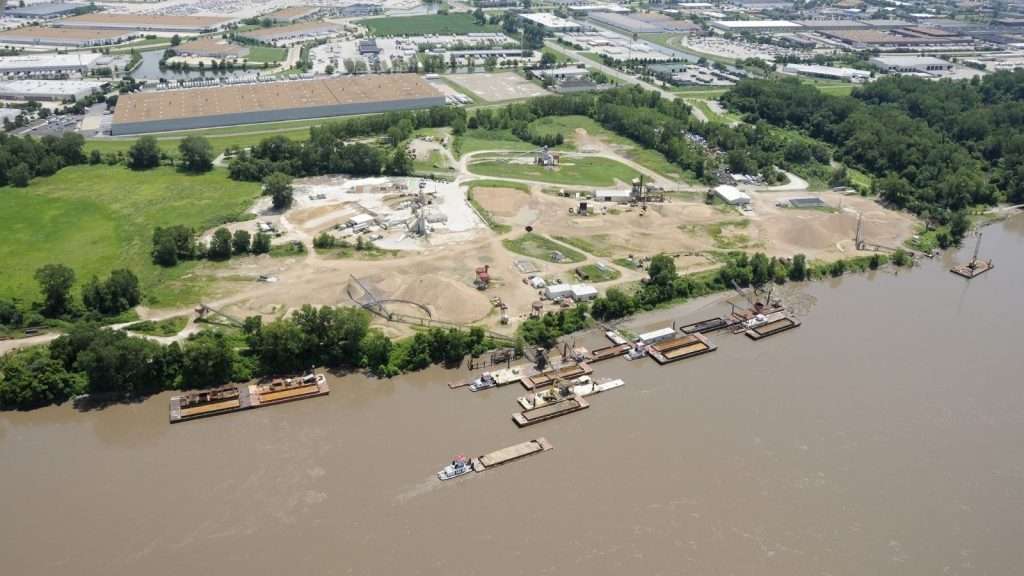
While most people think of the Amazon as being lush and green, its river system is incredibly diverse. The Amazon is home to both whitewater and blackwater rivers. Blackwater rivers, such as the Rio Negro, get their dark color from tannins released by decaying vegetation. Despite the ominous appearance, these rivers are crystal clear and provide important habitats for various species of fish and aquatic life.
Deforestation Threatens the Amazon’s Survival
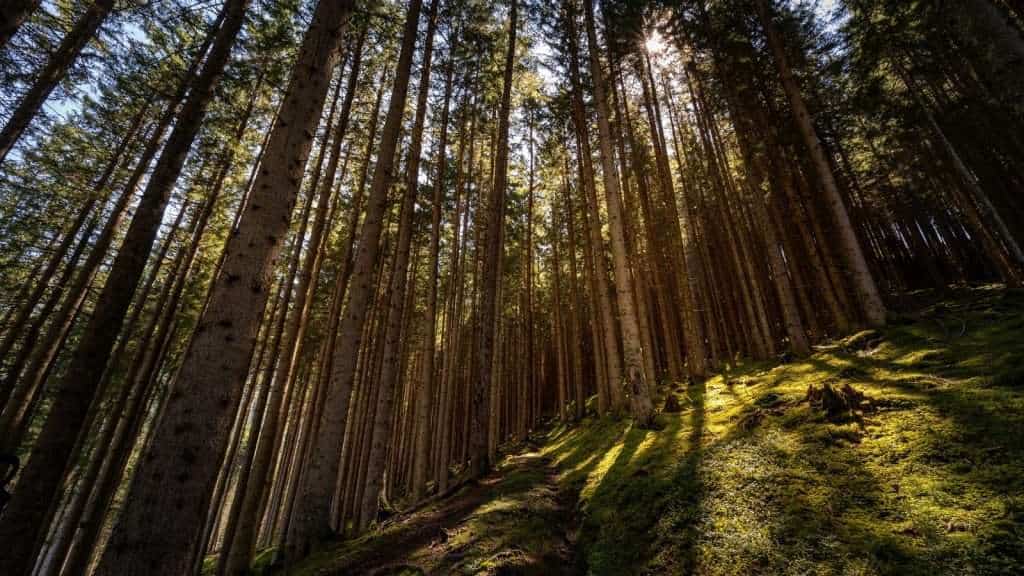
Deforestation is one of the most pressing issues facing the Amazon Rainforest today. Every year, large swaths of the forest are cleared for agriculture, mining and logging. Since the 1970s, approximately 17% of the Amazon has been destroyed. This loss not only threatens wildlife but also contributes to climate change, as the forest plays a crucial role in absorbing carbon dioxide from the atmosphere.
The Amazon Influences Global Weather Patterns
While the Amazon creates its own weather locally, its influence extends far beyond South America. The Amazon’s moisture and heat release energy into the atmosphere, helping to stabilize global weather patterns. The forest is an essential component in the Earth’s climate system and changes to the Amazon’s health can affect rainfall patterns as far away as the United States and Europe, demonstrating its critical role in maintaining climate balance.
The Amazon Is Home to a Biodiversity Hotspot
The Amazon is known for its incredible biodiversity, with an estimated 10% of all known species on Earth residing in the rainforest. It houses over 40,000 plant species, 2.5 million insect species, 1,300 bird species and 400 mammal species. Many of these creatures, including the jaguar, harpy eagle and pink river dolphin, are iconic symbols of the Amazon. This biodiversity also means that the region is a crucial area for scientific research and conservation.
Ancient Civilizations Once Thrived in the Amazon

For a long time, researchers believed the Amazon was largely uninhabited by ancient civilizations. However, recent archaeological findings suggest that sophisticated societies once thrived in the region. Evidence of complex cities, road networks and large-scale agriculture has been uncovered through advanced mapping technology like LiDAR. These discoveries indicate that before the arrival of Europeans, the Amazon supported a vast population, challenging the notion that the rainforest was always a pristine wilderness.

Deborah Montiero is a seasoned travel writer and contributor to Probe the Globe. With a passion for uncovering hidden gems and sharing immersive travel experiences, Deborah’s work highlights must-visit destinations, insider tips, and practical advice for travelers of all types. Whether exploring bustling cities or remote escapes, her articles are crafted to inspire and inform, making her a trusted voice in the travel community.
Her storytelling weaves together cultural insights, logistical tips, and authentic experiences, making her a valuable resource for readers seeking unforgettable journeys.
When not writing, Deborah is likely researching the latest travel trends or planning her next adventure. Follow her work on Probe the Globe for fresh perspectives and up-to-date travel inspiration.