22 Places With Warning Signs Everyone Ignores Anyway
Roadside signs are meant to protect travelers, but across the United States there are destinations where warnings seem to act more like invitations. From natural hazards to human-made dangers, these places attract curious visitors who believe the experience is worth the risk. For U.S. travel lovers, these locations combine adrenaline, mystery, and unforgettable scenery that dominate road trip stories and social feeds. This article explores risky yet irresistible destinations in 22 Places With Warning Signs Everyone Ignores Anyway.
Death Valley National Park
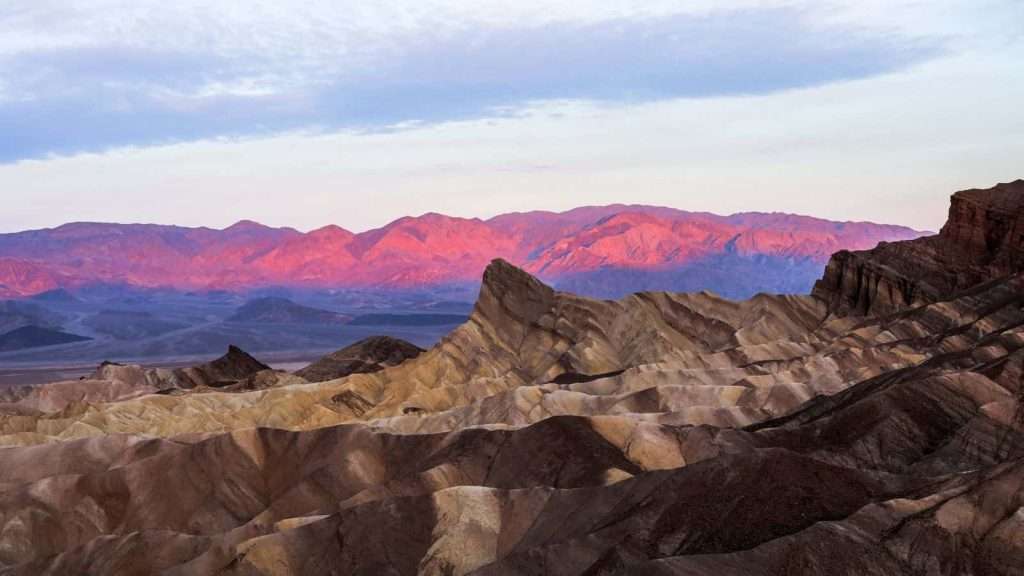
Death Valley is filled with warning signs about extreme heat, dehydration, and vehicle breakdowns, yet millions of travelers visit every year. Summer temperatures routinely exceed 120 degrees, and signs urge visitors not to hike after mid-morning. Despite this, many ignore the advice in pursuit of iconic landscapes like Badwater Basin and Mesquite Flat Sand Dunes. For adventure-focused U.S. travel enthusiasts, the danger adds to the legend, reinforcing the park’s reputation as a test of endurance and preparation.
Area 51
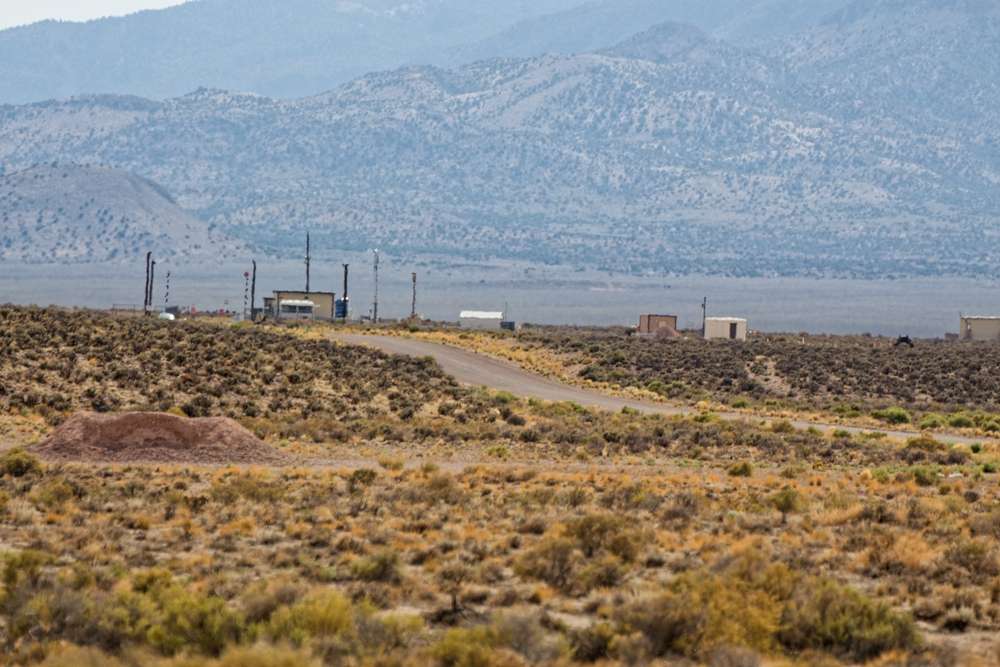
Bold warnings about deadly force and restricted access surround Area 51, yet tourists still gather at its borders. The secrecy fuels conspiracy theories and makes even warning signs feel theatrical. Visitors stop for photos, especially near the famous black mailbox and perimeter gates. In the world of American road trips, Area 51 represents how mystery can overpower common sense and make warnings feel like part of the attraction.
The Wave
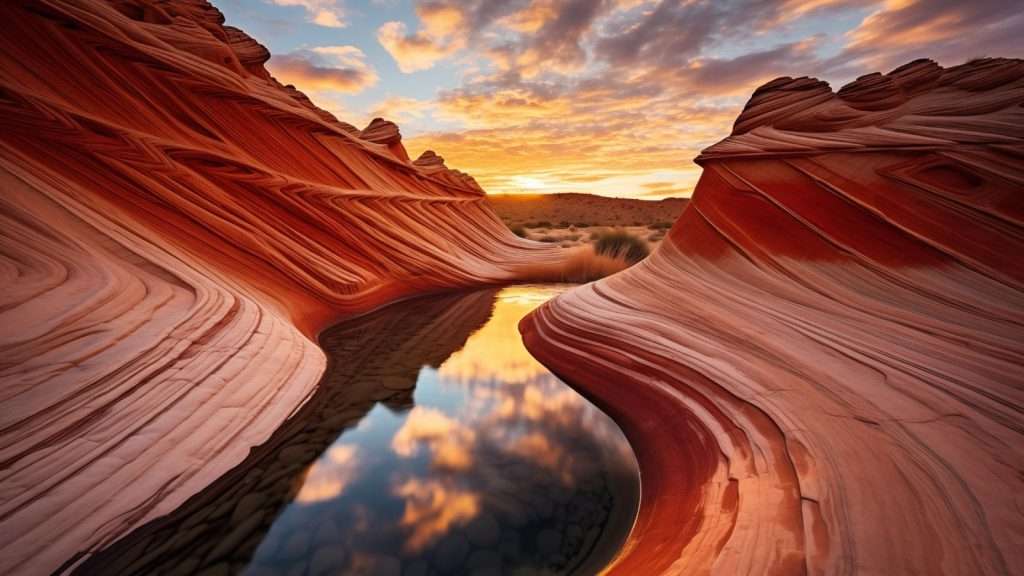
The Wave features signage about extreme heat, lack of water, and the difficulty of navigation. Even with permit limits, hikers push themselves into dangerous conditions to see its swirling sandstone formations. Rescue signs detail past emergencies, yet demand remains intense. For U.S. travel adventurers, this destination highlights how exclusivity and beauty often outweigh clear safety warnings.
Mount Washington
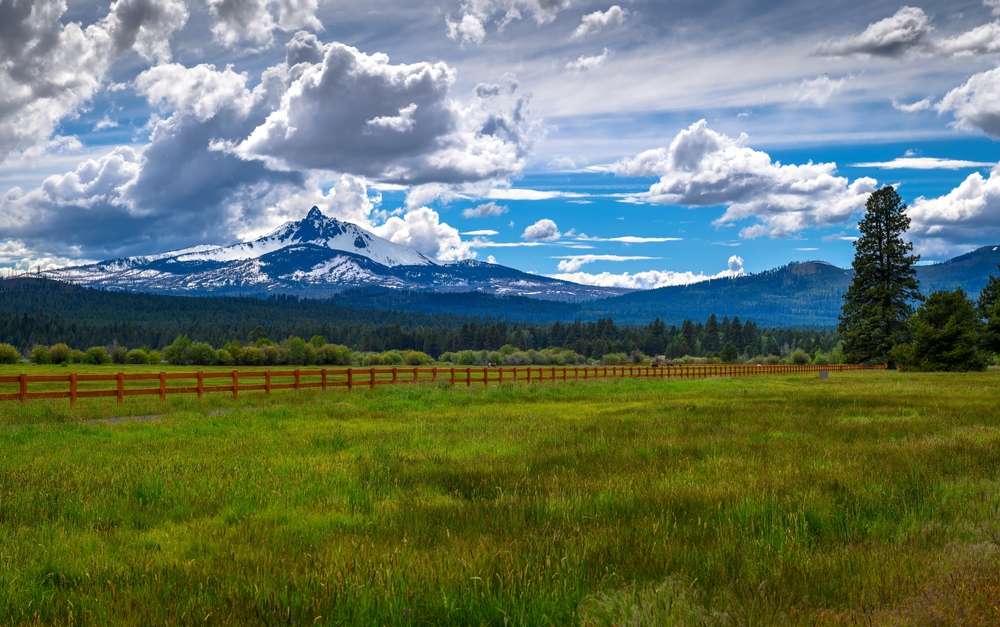
Mount Washington is known for some of the most severe weather in the world, and warning signs emphasize rapid changes in conditions. Winds can reach hurricane speeds, even in summer. Despite this, hikers and drivers ascend the mountain daily. The challenge is part of its appeal, especially for travelers seeking dramatic scenery and bragging rights in New England road trips.
Devil’s Bridge

Signs caution visitors about steep drop-offs and slick rock conditions, yet Devil’s Bridge remains one of Sedona’s most photographed spots. Visitors line up to stand on the narrow sandstone arch for photos. The risks are obvious, but the reward is a dramatic desert view. For Southwest U.S. travel content, this location perfectly illustrates risk-versus-reward tourism.
Bonneville Salt Flats
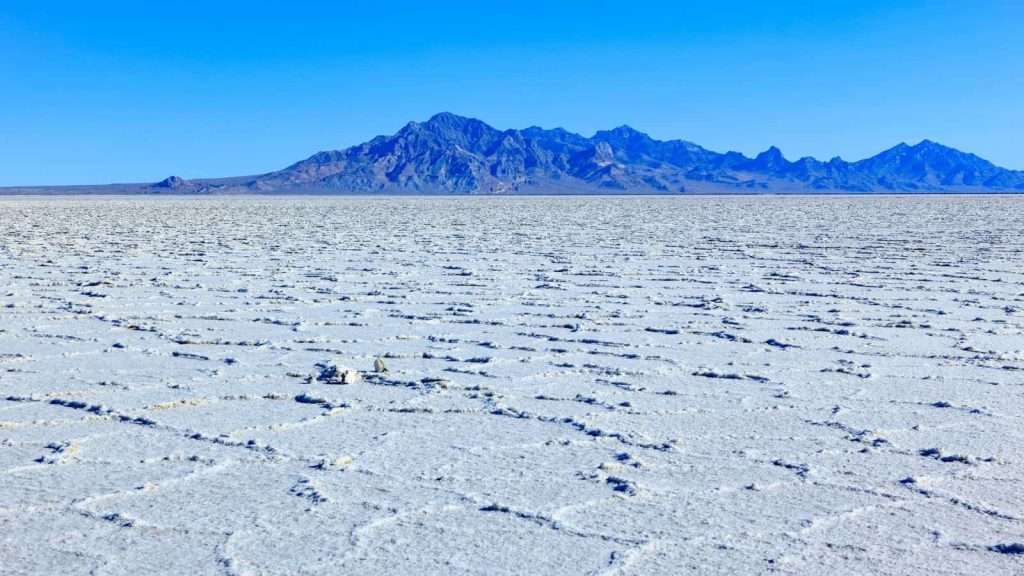
Warning signs at the Bonneville Salt Flats advise drivers about soft salt crusts and sudden flooding. Even so, visitors drive, bike, and race across the vast white expanse. The endless horizon feels surreal and irresistible. In U.S. road trip culture, the flats symbolize freedom, even when caution is clearly posted.
Alcatraz Island

Alcatraz is surrounded by warnings about cold water, strong currents, and dangerous swim conditions. Historically, the signs explained why escape was nearly impossible. Today, visitors are drawn by its reputation and eerie atmosphere. For California travel blogs, Alcatraz thrives on its dangerous past, proving warnings can enhance intrigue rather than discourage tourism.
Horseshoe Bend
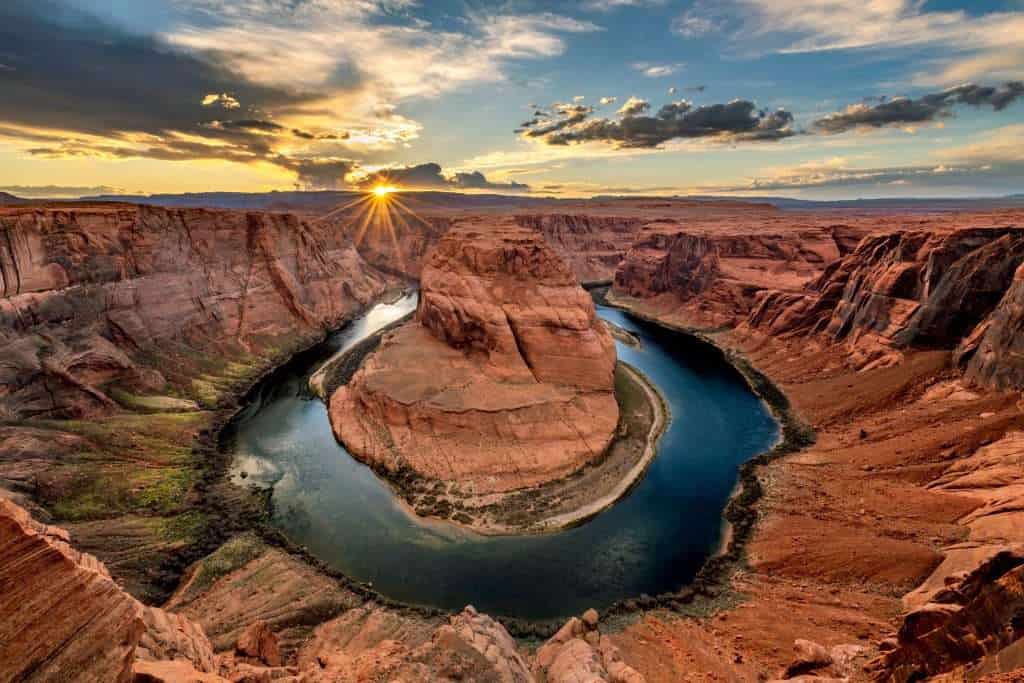
Before safety railings were installed, warning signs advised visitors to stay back from the cliff edge. Even now, many people ignore posted cautions to get closer for photos. The sheer drop to the Colorado River is dramatic and dangerous. This stop remains a prime example of how social media fuels risk-taking in U.S. travel destinations.
Yellowstone National Park
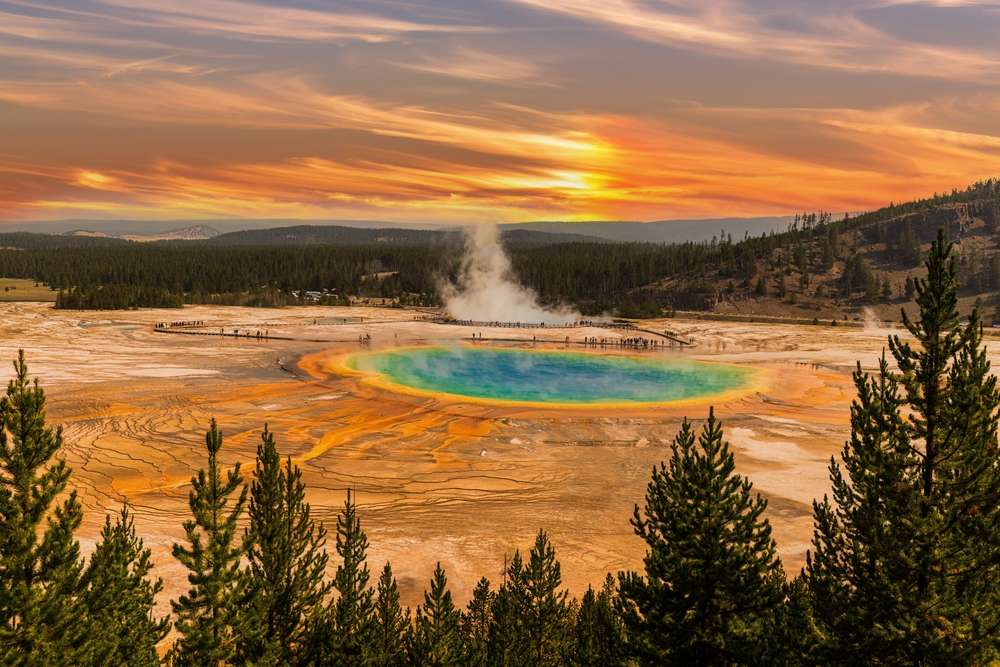
Yellowstone is filled with warning signs about boiling hot springs, geysers, and wildlife. Despite this, visitors regularly step off boardwalks and approach animals. The park’s geothermal features look deceptively calm. For national park travel guides, Yellowstone shows how natural beauty can overshadow even the most serious safety warnings.
Mojave Desert

Signs across the Mojave warn travelers about isolation, extreme heat, and lack of services. Still, road trippers venture deep into the desert for solitude and scenery. The emptiness appeals to those seeking raw, untamed landscapes. In U.S. adventure travel, the Mojave represents danger mixed with profound quiet.
Key West Southernmost Point
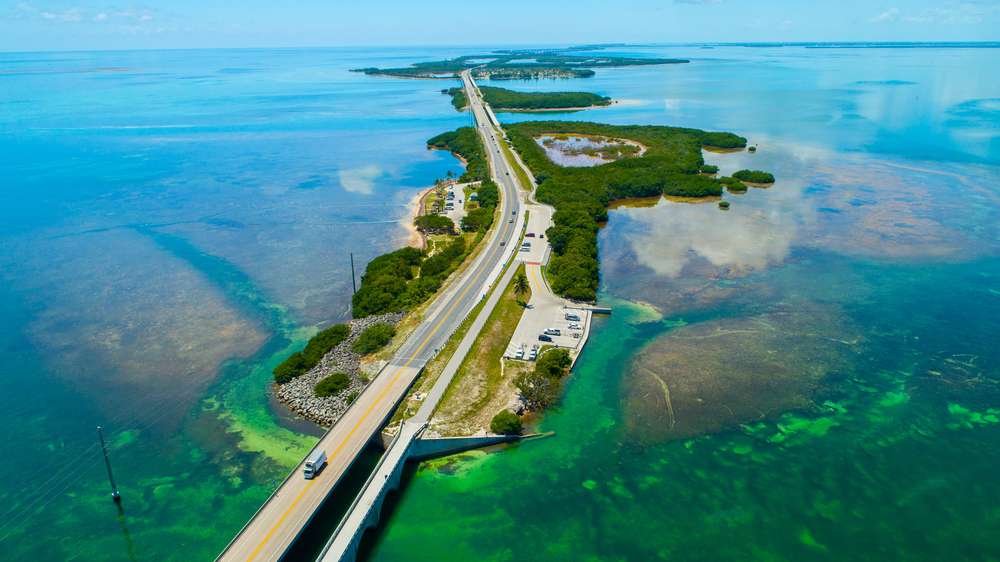
Crowds gather near warning signs advising caution around traffic and seawalls. Visitors still climb barriers for the iconic photo opportunity. The ocean conditions can change quickly, especially during storms. For Florida travel itineraries, this landmark proves how symbolism often overrides safety messaging.
Mount Hood

Mount Hood features signs warning of avalanches, crevasses, and sudden weather shifts. Even inexperienced hikers attempt climbs every year. The mountain’s beauty creates a false sense of accessibility. In Pacific Northwest travel content, Mount Hood is frequently cited as a place where warnings are underestimated.
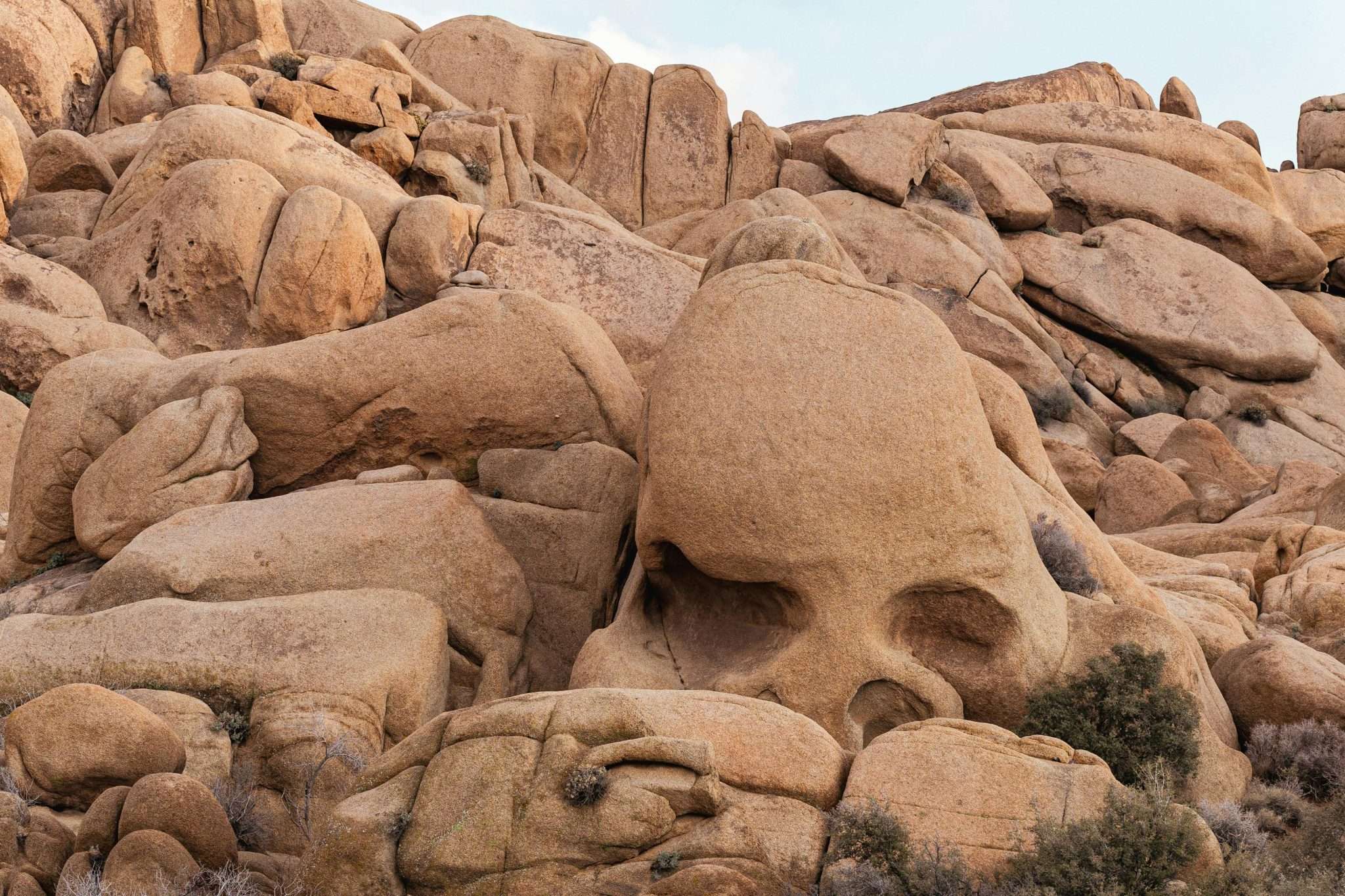
Skull Rock

Signs caution visitors about heat and uneven terrain near Skull Rock. Despite this, people climb and scramble across rocks for photos. The desert sun intensifies the risk. For Southern California road trips, Joshua Tree’s rugged environment often tempts visitors to ignore posted advice.
Great Sand Dunes National Park
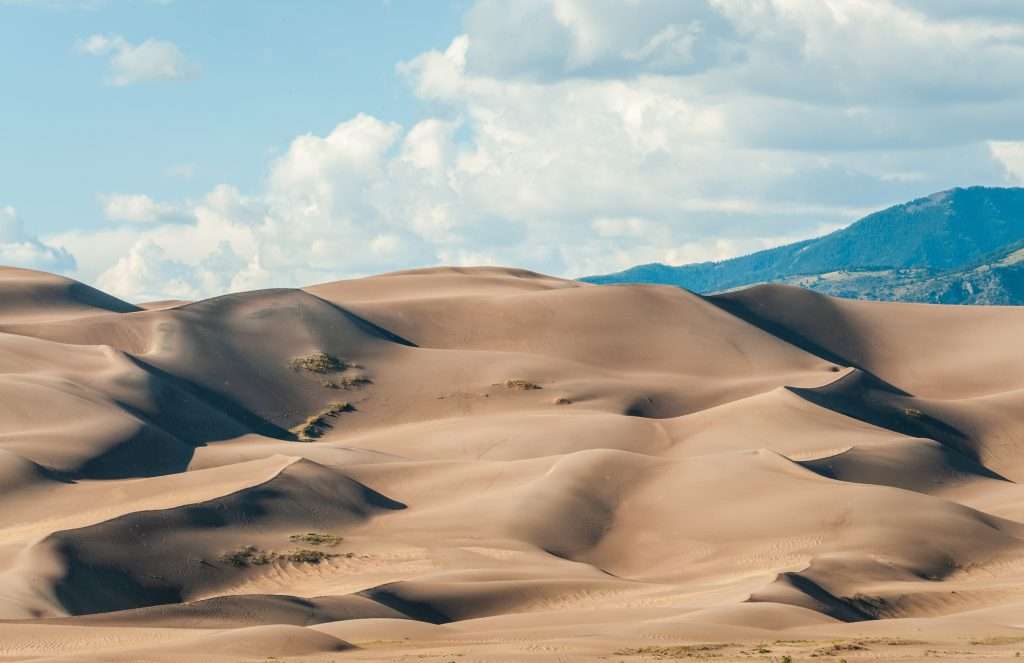
Visitors are warned about hot sand, dehydration, and sudden storms. Still, many attempt dune hikes without proper preparation. The towering dunes look playful but demand endurance. In U.S. outdoor travel writing, this park highlights how unfamiliar landscapes create unexpected danger.
Blue Hole

Signs around the Blue Hole warn swimmers about cold temperatures and deep water. Yet cliff jumping and free diving remain common. The crystal-clear water hides strong currents. For Southwest travel blogs, the Blue Hole illustrates how visual calm can mask serious hazards.
Mount Rainier

Mount Rainier’s warning signs focus on glaciers, falling ice, and volcanic risks. Despite this, visitors hike close to dangerous zones. The mountain’s dominance makes it irresistible. In Washington state travel, Rainier stands as a reminder that iconic landmarks often come with real danger.
Niagara Falls
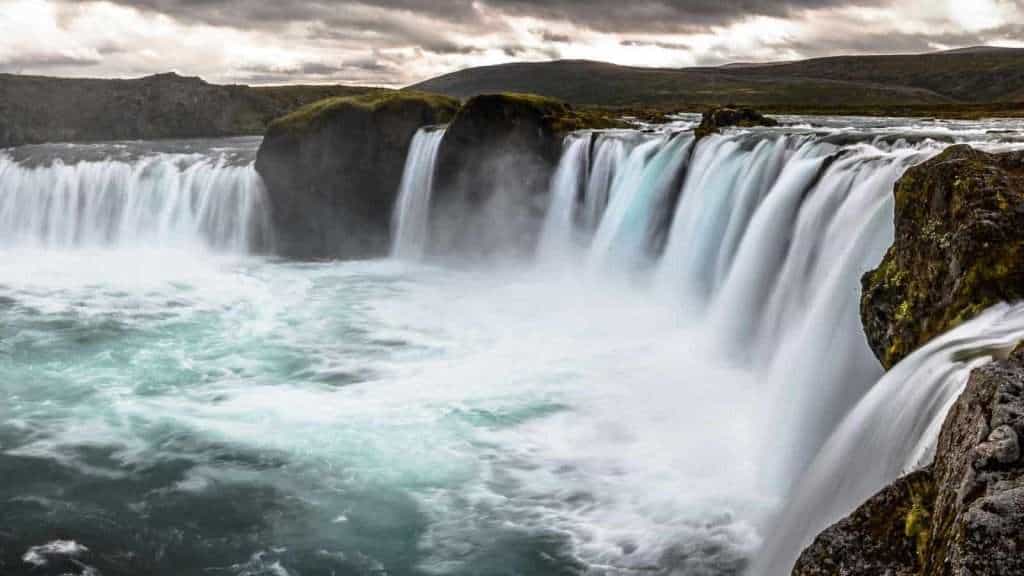
Signs warn visitors to stay behind railings and avoid slippery rocks. Still, people cross barriers for closer views. The power of the water is mesmerizing. For East Coast travel guides, Niagara Falls shows how awe can dull caution.
Devils Tower
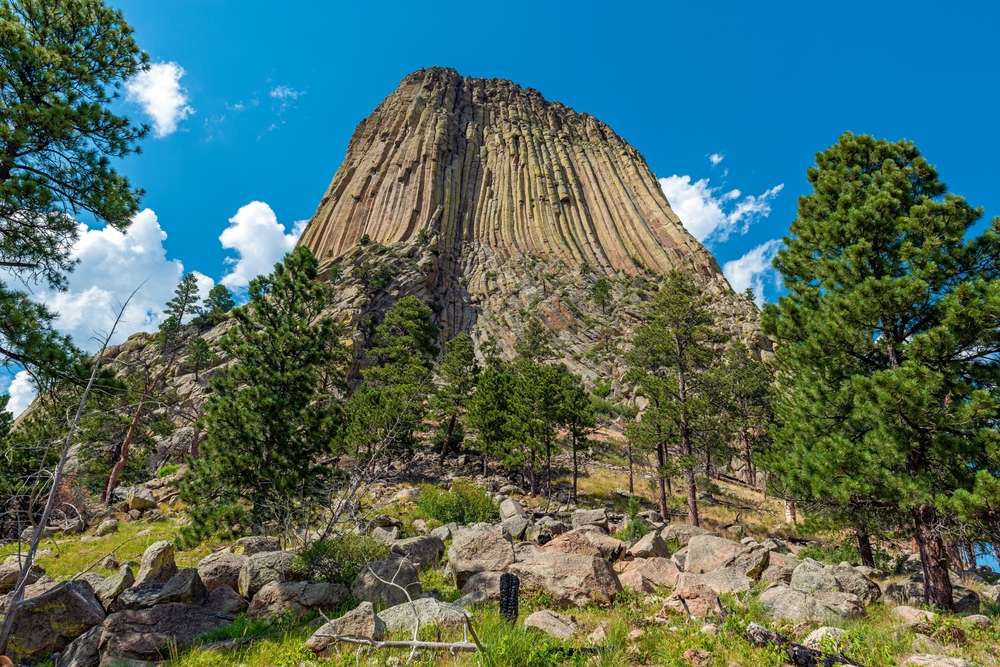
Warning signs note falling rocks and climbing risks. Climbers and hikers continue to test limits on the massive rock formation. Its cultural and geological importance draws constant traffic. In U.S. national monument travel, Devils Tower balances reverence with risk.
Havasu Falls
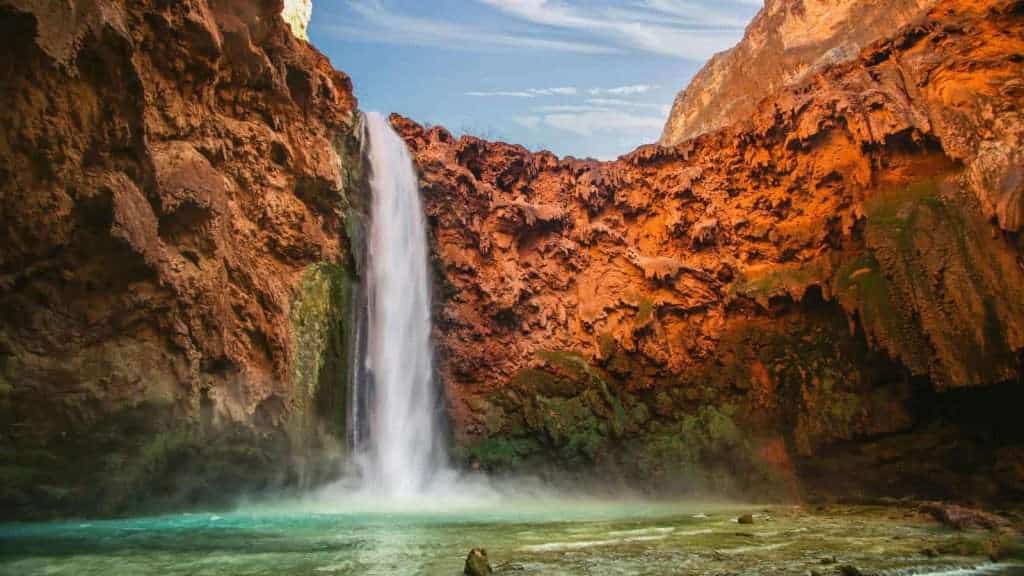
Signs warn hikers about long distances, heat, and limited rescue access. Despite this, thousands trek in every year. The turquoise waterfalls feel like a reward worth the effort. For Arizona travel content, Havasu Falls exemplifies how beauty can outweigh caution.
Mount Whitney

Warnings emphasize altitude sickness and rapidly changing weather. Even so, hikers push forward to reach the highest peak in the contiguous U.S. The sense of achievement drives risk-taking. In adventure travel SEO, Mount Whitney represents challenge-driven tourism.
Antelope Canyon
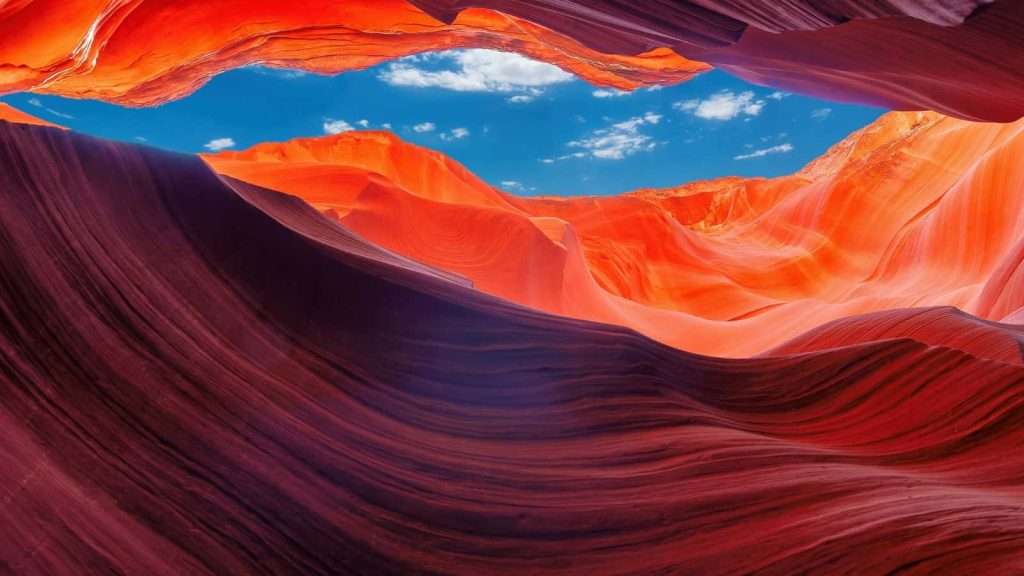
Flash flood warning signs are prominent at Antelope Canyon. Despite strict regulations, visitors often underestimate how quickly conditions change. Its smooth, glowing walls attract photographers worldwide. In Southwest U.S. travel writing, Antelope Canyon highlights how natural hazards coexist with visual perfection.
Bisti Badlands
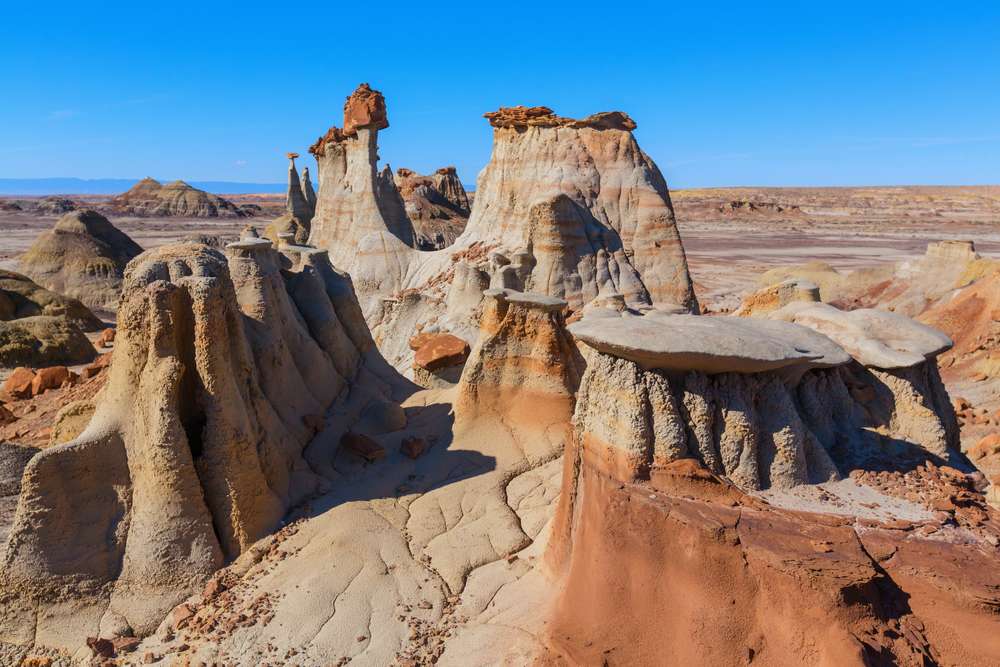
Signs warn of disorientation, lack of trails, and extreme weather. Travelers still wander deep into the alien-like landscape. The strange rock formations reward those who explore carefully. For off-the-beaten-path U.S. travel, the Bisti Badlands prove that warnings rarely stop true curiosity.

Deborah Montiero is a seasoned travel writer and contributor to Probe the Globe. With a passion for uncovering hidden gems and sharing immersive travel experiences, Deborah’s work highlights must-visit destinations, insider tips, and practical advice for travelers of all types. Whether exploring bustling cities or remote escapes, her articles are crafted to inspire and inform, making her a trusted voice in the travel community.
Her storytelling weaves together cultural insights, logistical tips, and authentic experiences, making her a valuable resource for readers seeking unforgettable journeys.
When not writing, Deborah is likely researching the latest travel trends or planning her next adventure. Follow her work on Probe the Globe for fresh perspectives and up-to-date travel inspiration.