23 U.S. Look-Alike Towns That Feel Like Eerie Copies of Somewhere Else
Across the country, some American towns feel strangely familiar even if you’ve never been there before. Their streets, architecture, and layouts mirror places thousands of miles away, creating an uncanny sense of déjà vu for travelers. These look-alike towns weren’t accidents; they were often built with deliberate imitation in mind, inspired by European villages, historic ideals, or themed development dreams. Here are 23 U.S. Look-Alike Towns That Feel Like Eerie Copies of Somewhere Else
Leavenworth, Washington

Leavenworth looks like it was lifted straight out of Bavaria and dropped into the Cascade Mountains. Alpine-style buildings, painted shutters, and decorative murals create a German village illusion that feels unusually thorough. What unsettles some visitors is how completely the theme is maintained year-round, regardless of season. For U.S. travel explorers, it feels less like cultural inspiration and more like walking through a carefully preserved stage set that never breaks character.
Helen, Georgia

Helen’s transformation into a Bavarian-style town happened almost overnight in the late 20th century. Prior to that, it was a fading logging community. Now, half-timbered buildings line the streets, and Southern accents mix oddly with European visuals. The contrast between Appalachian surroundings and Alpine aesthetics gives the town an uncanny quality, as if two realities are layered on top of each other.
Solvang, California
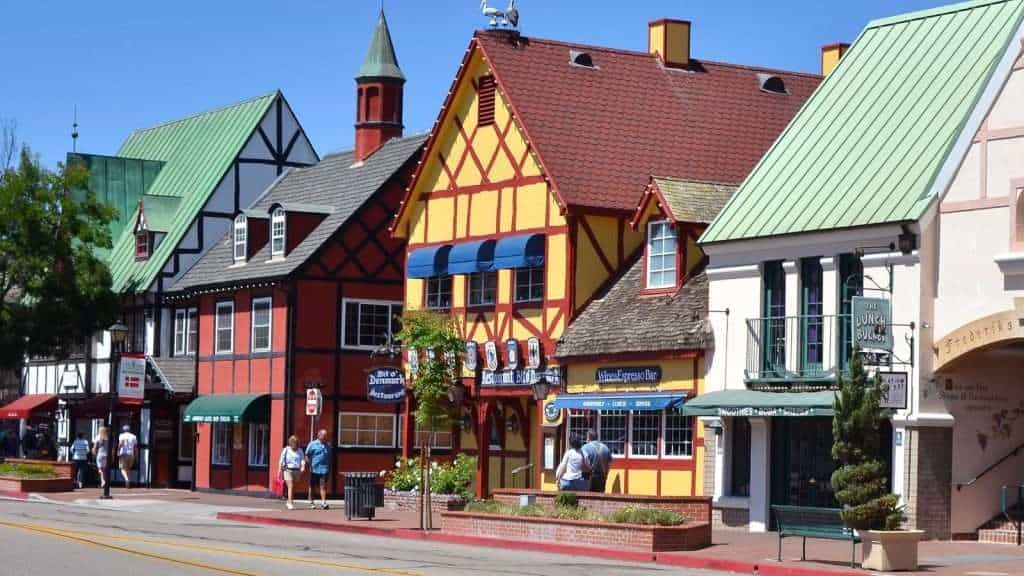
Solvang presents itself as a Danish village, complete with windmills and Nordic architecture. What feels eerie is how sharply it contrasts with the surrounding California landscape. Palm trees and sunny skies clash with Northern European design cues. Visitors on California road trips often describe the experience as charming at first, then slightly disorienting as the illusion becomes too complete.
St. Augustine, Florida
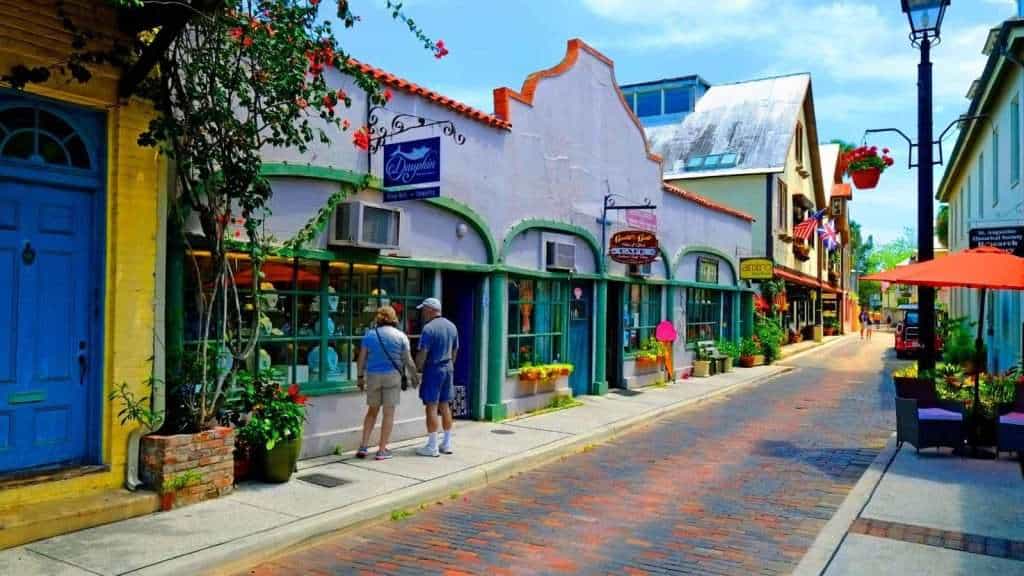
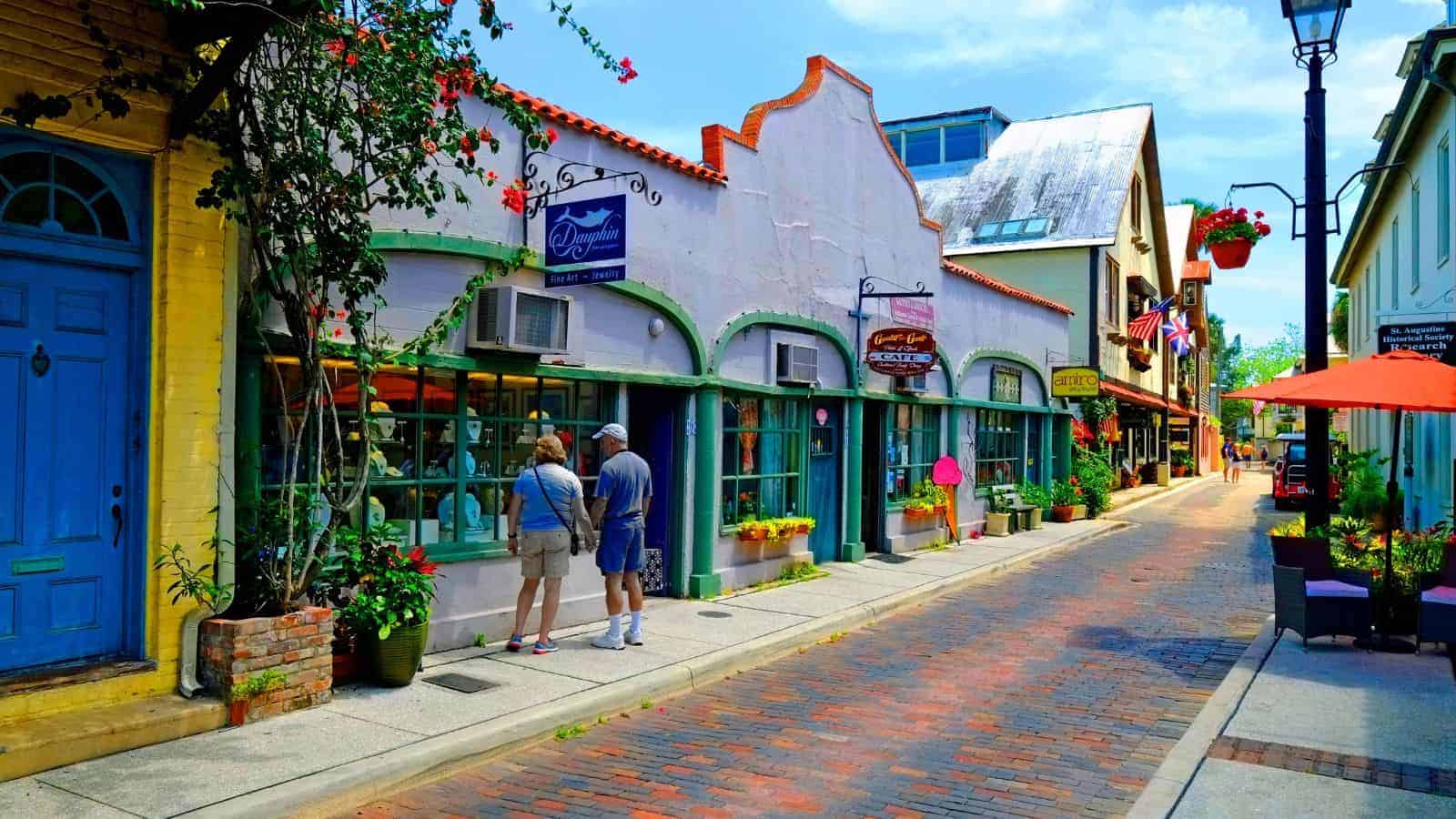
St. Augustine’s historic core feels more like parts of Spain than the American Southeast. Narrow streets, stone forts, and Spanish colonial architecture dominate the area. While the town is genuinely old by U.S. standards, the concentration of Old World design creates a sense of temporal displacement. Travelers often feel as though they’ve stepped out of Florida entirely.
New Glarus, Wisconsin
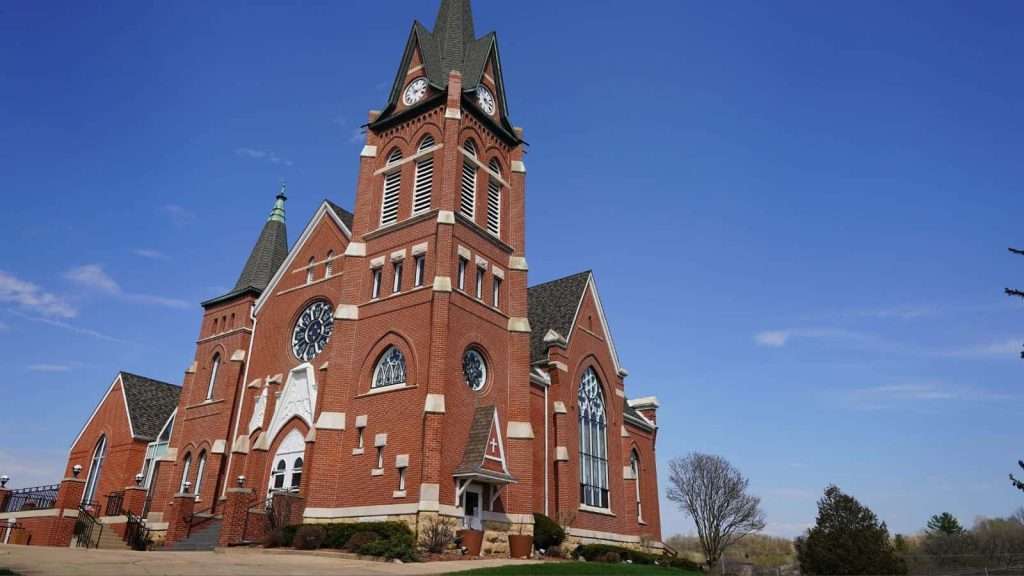
Founded by Swiss immigrants, New Glarus leans heavily into its Alpine heritage. Chalet-style buildings, Swiss flags, and European street layouts dominate the town center. The surrounding Midwest farmland makes the resemblance feel oddly misplaced. For visitors exploring Midwestern U.S. travel routes, the town feels like an intentional copy that never quite blends into its environment.
Frankenmuth, Michigan
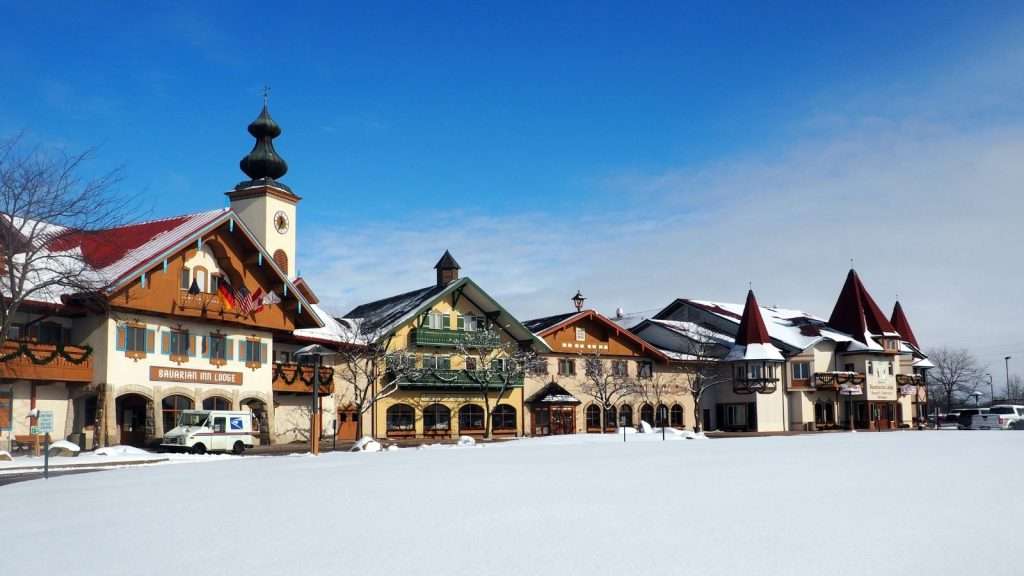
Frankenmuth markets itself as “Little Bavaria,” and the resemblance is hard to ignore. Traditional German architecture, oversized decorative clocks, and strict design guidelines reinforce the illusion. The town’s commitment to visual consistency can feel unsettling, as though modern life has been paused to preserve an imported identity.
Venice, California
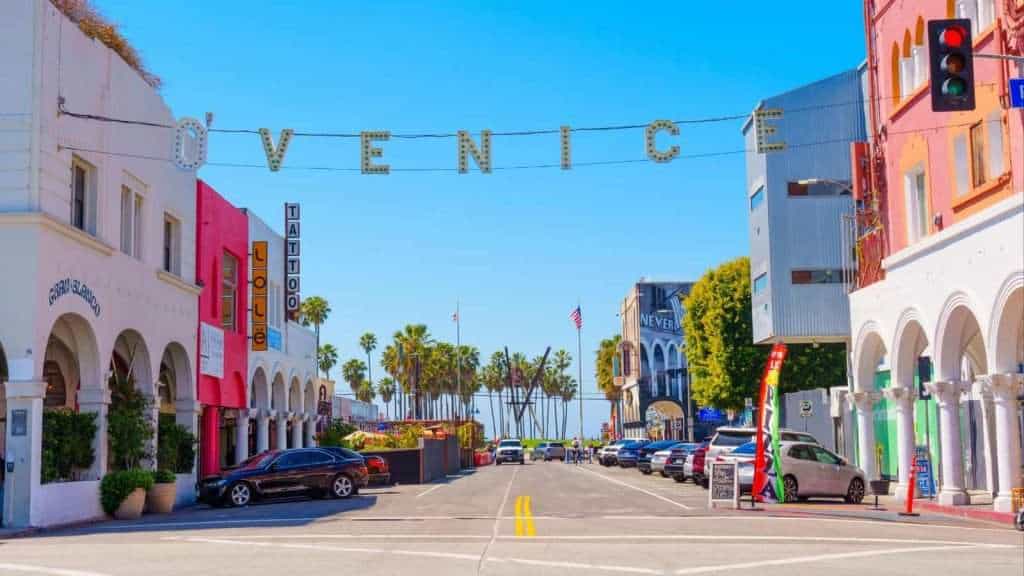
Venice isn’t a copy of Italy in architecture so much as in concept. Canals modeled after Venice, Italy, still wind through residential areas. The mismatch between historic European inspiration and modern Los Angeles culture creates a strange blend. For travelers, it feels like an idea of Venice filtered through decades of reinvention.
Holland, Michigan

Holland embraces Dutch identity through windmills, brick streets, and traditional façades. Tulip festivals reinforce the aesthetic, but outside those events the town feels frozen in a curated version of Dutch heritage. The careful replication can feel artificial, especially when contrasted with surrounding Great Lakes landscapes.
Pella, Iowa
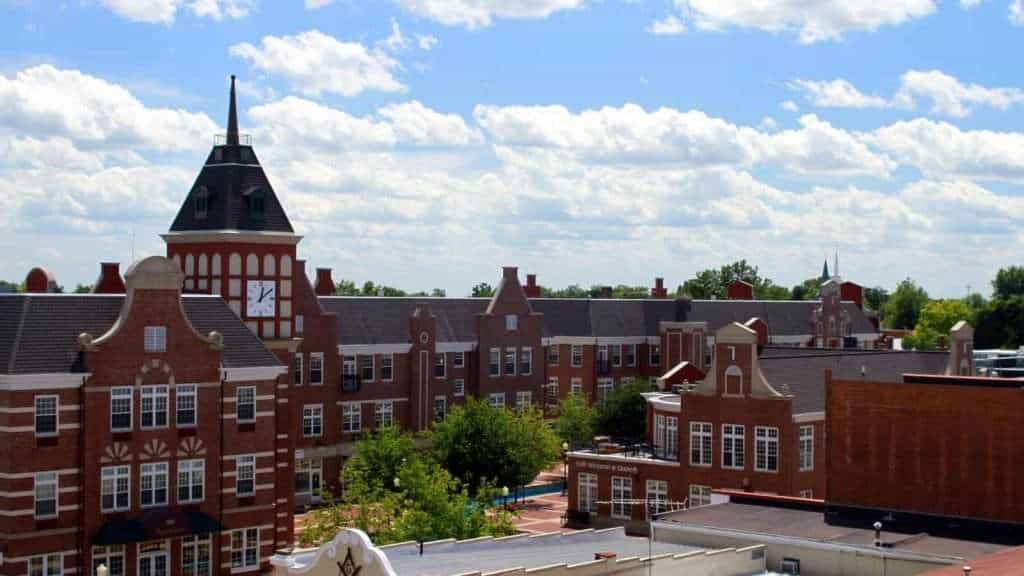
Pella’s Dutch-inspired architecture and town square evoke a European village transplanted into rural Iowa. Traditional gables and patterned brickwork dominate downtown. What makes it eerie is the sharp transition from open farmland to a highly stylized cultural space. Travelers often feel like they crossed an invisible border without realizing it.
Avalon, California

Avalon on Catalina Island feels like a Mediterranean resort town rather than part of the United States. Whitewashed buildings, terraced hillsides, and a harbor-focused layout give it a European coastal vibe. The isolation of the island enhances the illusion, making U.S. travel visitors feel temporarily removed from American norms.
Santa Fe, New Mexico
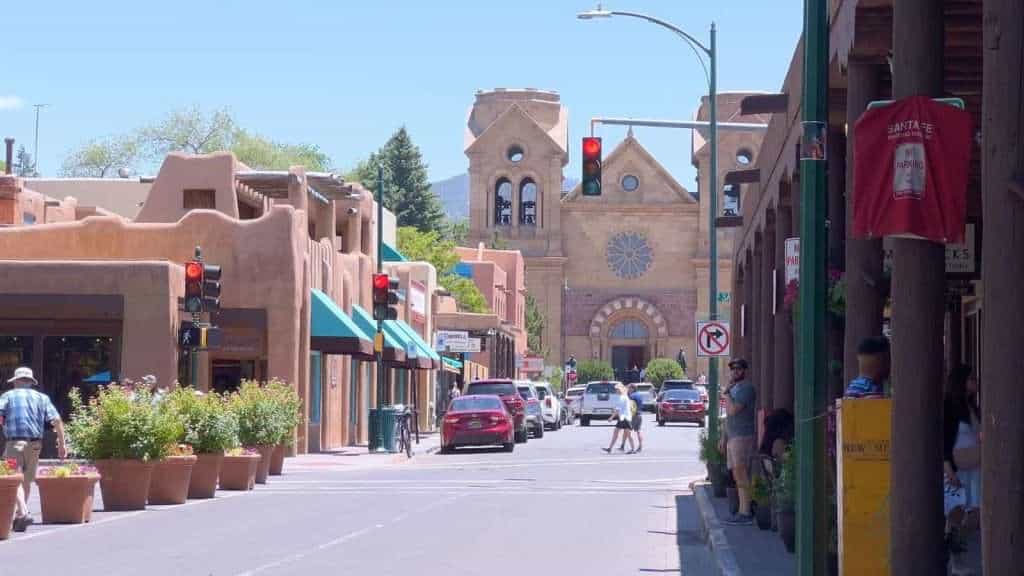
Santa Fe’s adobe-heavy aesthetic creates the impression of stepping into another country or era. Strict architectural codes preserve the look so thoroughly that modern buildings blend into centuries-old styles. While rooted in regional tradition, the uniformity makes the town feel like a deliberate recreation rather than an evolving city.
Coral Gables, Florida
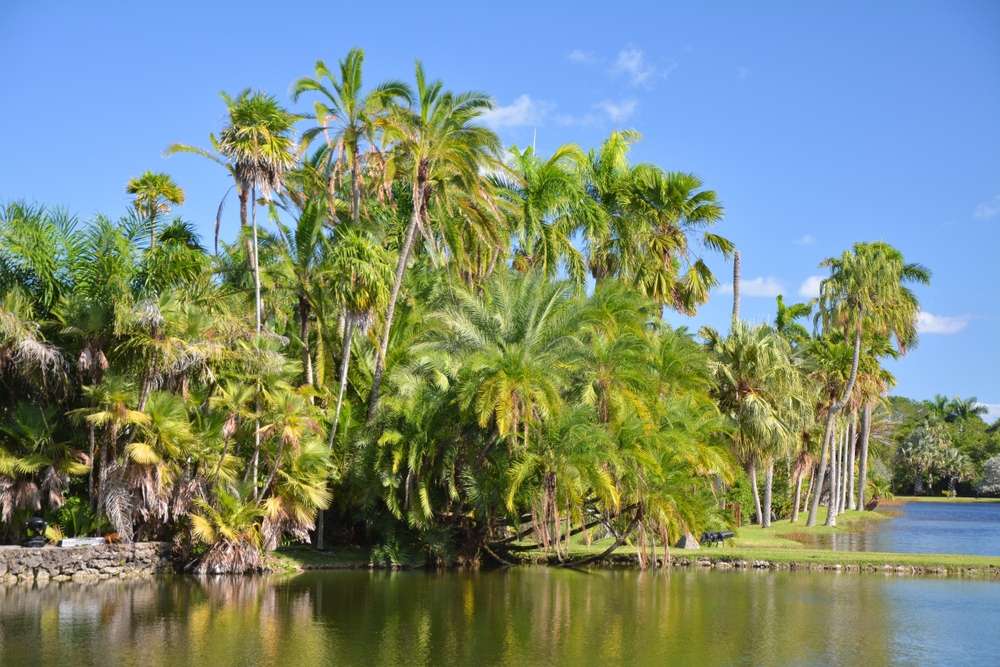
Designed with Mediterranean Revival architecture, Coral Gables channels southern Europe more than South Florida. Arched windows, courtyards, and stone façades dominate. The planned nature of the city makes it feel curated, almost too cohesive. For travelers, it feels like an architectural echo rather than an organic place.
Williamsburg, Virginia
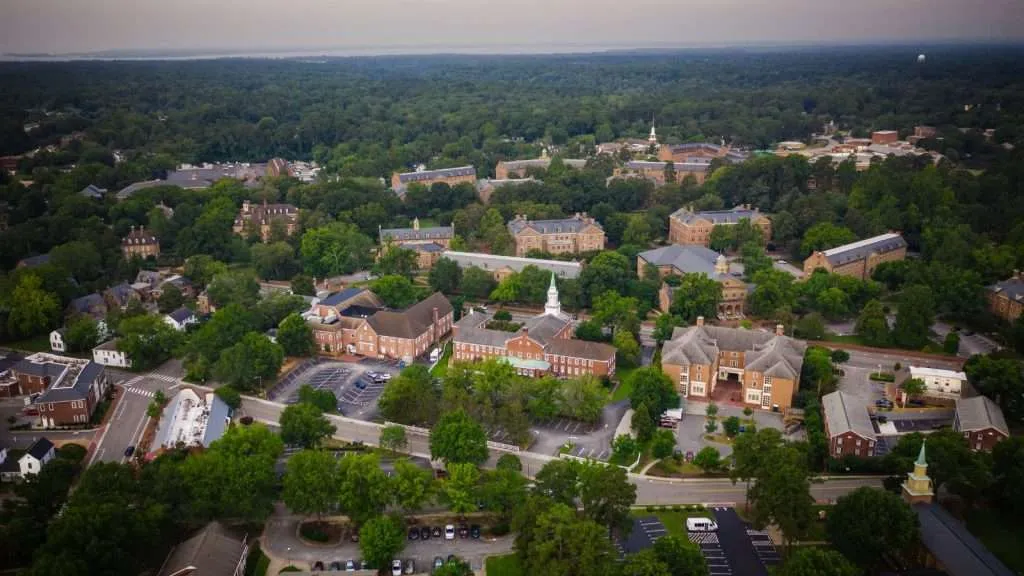
Colonial Williamsburg presents an idealized version of 18th-century America. Costumed interpreters, preserved buildings, and period streets create an immersive experience. What unsettles some visitors is how modern life disappears almost entirely. It feels less like a town and more like a preserved alternate timeline.
Epcot’s Celebration Adjacent Areas, Florida

While not within a theme park, nearby planned communities reflect idealized global aesthetics. Streets feel overly clean and intentional. Architectural styles mimic European town planning in subtle ways. The effect can feel strangely hollow, as though the town exists to resemble somewhere else rather than be itself.
Carmel-by-the-Sea, California
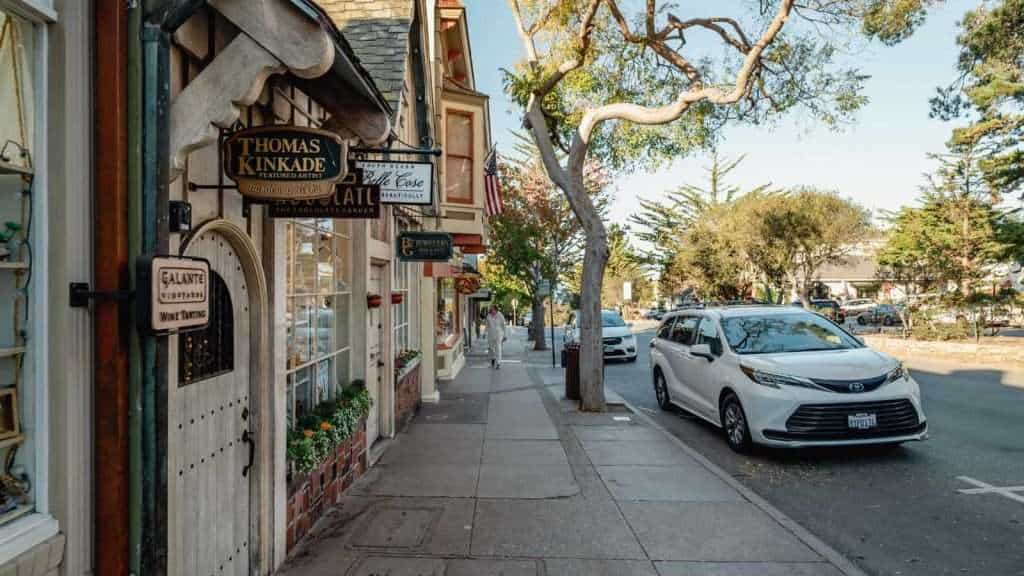
Carmel’s storybook cottages and winding streets resemble a European village more than a California beach town. Rooflines, stonework, and dense village planning feel intentionally old-world. The lack of street numbers adds to the fairy-tale effect, making the town feel slightly unreal for first-time visitors.
Fredericksburg, Texas
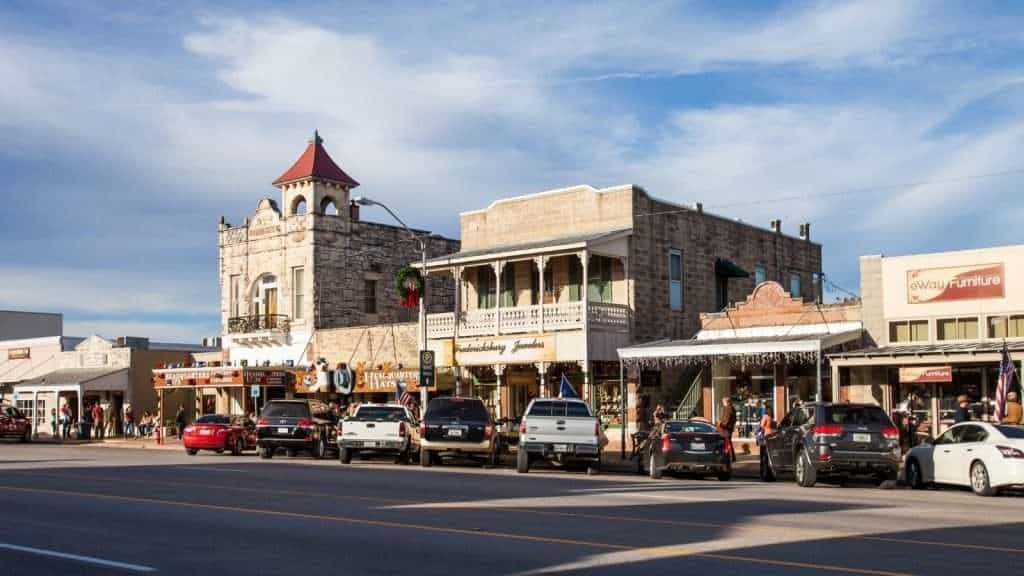
Founded by German settlers, Fredericksburg retains strong Old World design cues. Timbered buildings and traditional layouts dominate downtown. Surrounded by Texas Hill Country, the contrast feels sharp. Travelers often comment on how abruptly the scenery and culture seem to shift when entering town.
Mount Dora, Florida
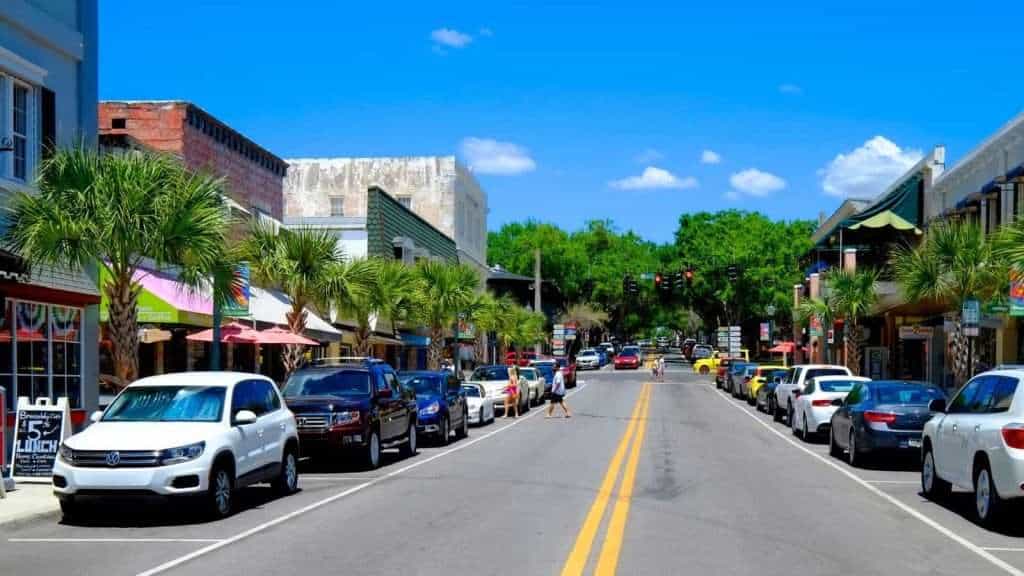
Mount Dora feels more like a quaint European lakeside town than central Florida. Narrow streets, vintage storefronts, and antique-focused culture reinforce the illusion. The town’s atmosphere feels intentionally preserved, creating a sense that time moves differently there than in surrounding communities.
Vail, Colorado
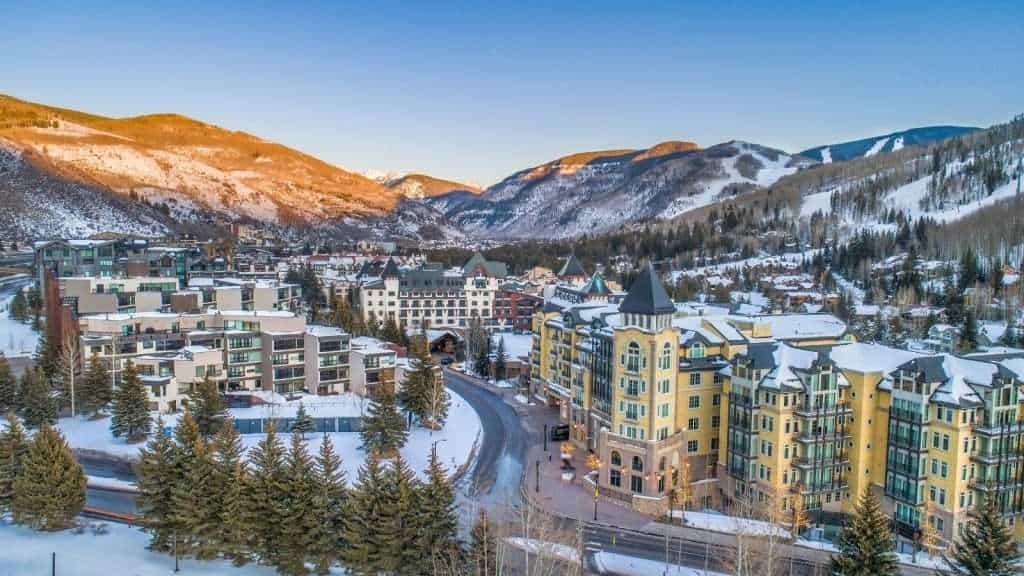
Vail was designed to resemble an Alpine ski village, and it succeeds almost too well. Stone bridges, pedestrian plazas, and chalet-style buildings dominate. Outside of ski season, the empty village can feel particularly eerie, like a European resort waiting for guests who never arrive.
Tarpon Springs, Florida
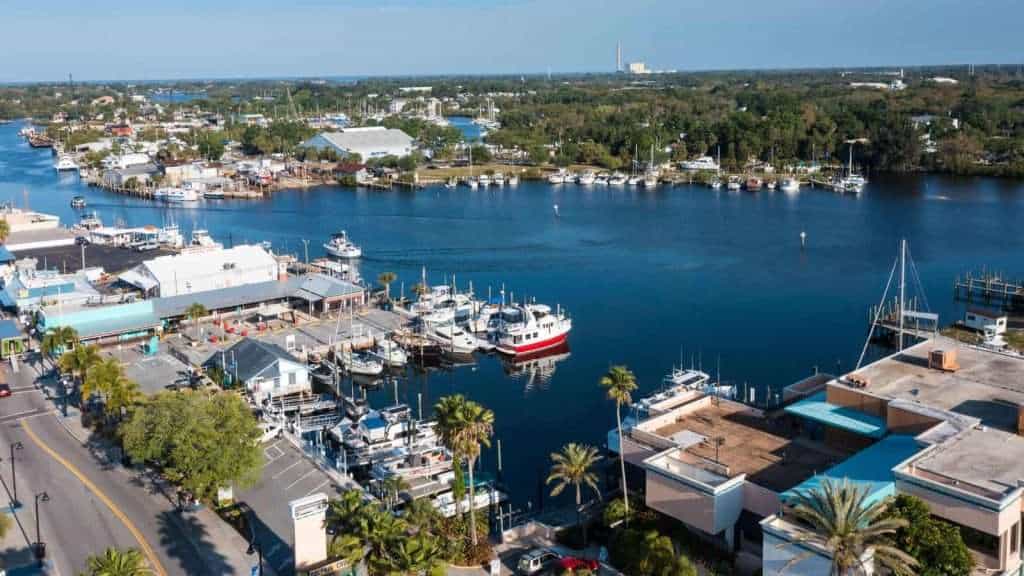
Tarpon Springs reflects Greek coastal culture through architecture, language, and food. Sponge docks and Hellenic design elements dominate the waterfront. The strong cultural presence feels immersive, but also surprising given the Florida setting. For U.S. travel visitors, it feels like stepping briefly into Greece.
Harpers Ferry, West Virginia

Harpers Ferry feels frozen in the 19th century. Brick streets, preserved buildings, and dramatic geography create a sense of historical duplication. The town feels more like a historical replica than a living community, especially during quiet weekdays when crowds disappear.
Newport, Rhode Island
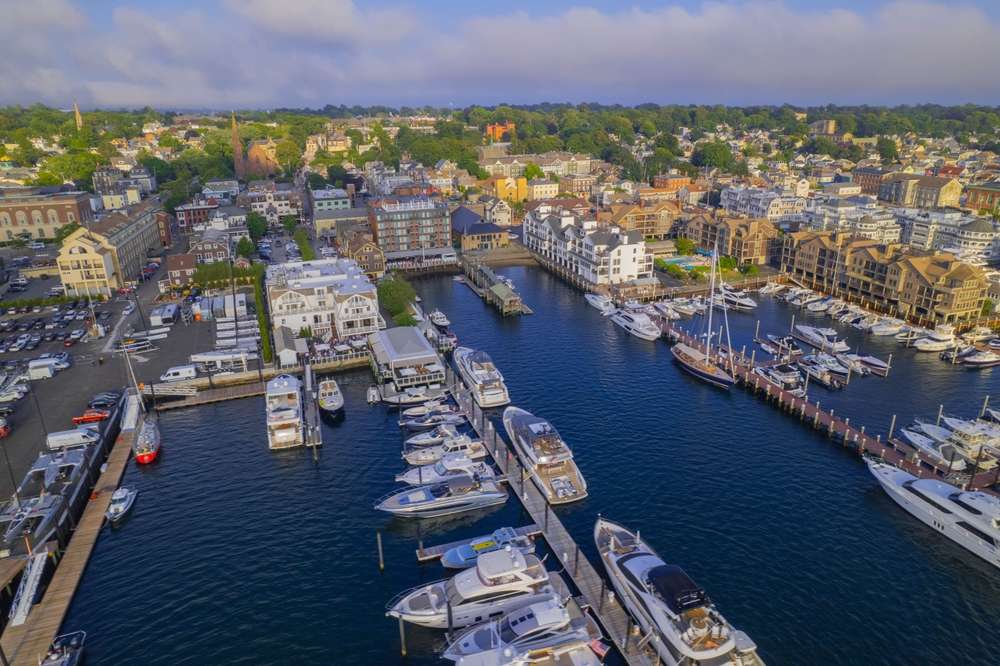
Newport’s grand mansions and harbor views feel more European aristocracy than New England fishing town. Gilded Age architecture dominates, creating a sense of transplanted wealth culture. Walking the streets can feel like moving through a curated version of history rather than an organic city.
Cape May, New Jersey

Cape May’s Victorian architecture creates a unified look rarely seen in American towns. Brightly painted houses line streets in consistent styles. The preservation is impressive, but the concentration of similar buildings gives the town a dreamlike quality, as though it’s a preserved copy of another century.

Deborah Montiero is a seasoned travel writer and contributor to Probe the Globe. With a passion for uncovering hidden gems and sharing immersive travel experiences, Deborah’s work highlights must-visit destinations, insider tips, and practical advice for travelers of all types. Whether exploring bustling cities or remote escapes, her articles are crafted to inspire and inform, making her a trusted voice in the travel community.
Her storytelling weaves together cultural insights, logistical tips, and authentic experiences, making her a valuable resource for readers seeking unforgettable journeys.
When not writing, Deborah is likely researching the latest travel trends or planning her next adventure. Follow her work on Probe the Globe for fresh perspectives and up-to-date travel inspiration.