22 U.S. Restaurants Hiding in Basements You’d Never Find Without Locals
Food-focused U.S. travel often rewards those willing to wander beyond main streets and obvious dining districts. In many American cities, some of the most memorable meals happen below ground, hidden behind unmarked doors, stairwells, or former storage spaces. These basement restaurants rely on local knowledge, word of mouth, and loyal regulars rather than flashy signs. Here are 22 U.S. Restaurants Hiding in Basements You’d Never Find Without Locals.
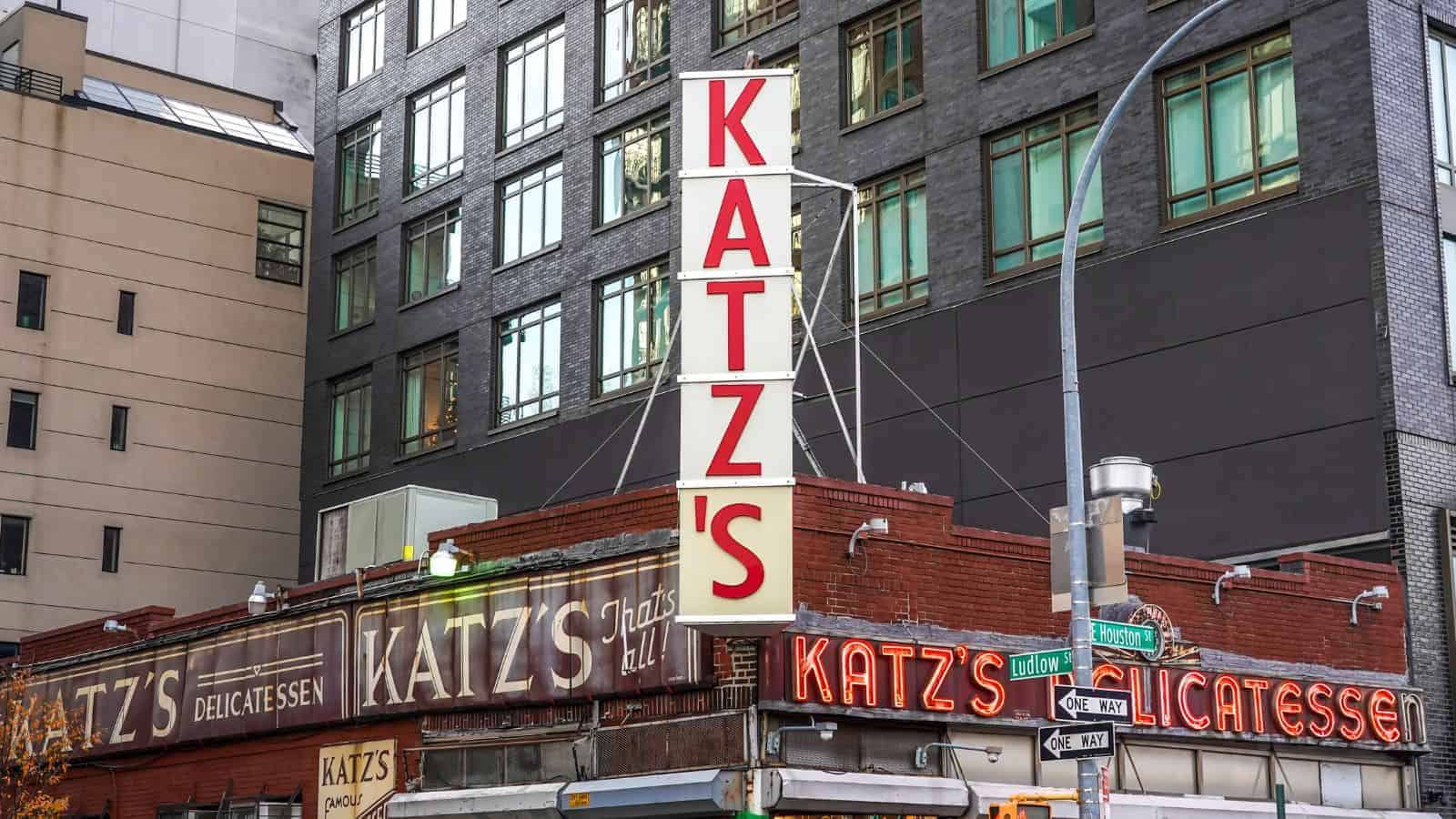
Katz’s Delicatessen Cellar Kitchen, New York City, New York
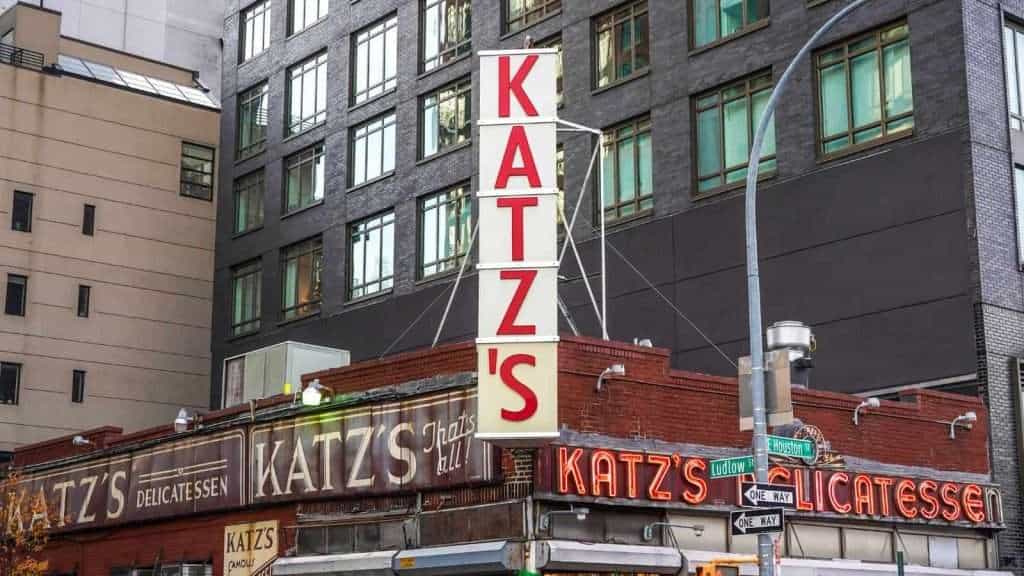
Below the chaos of Manhattan streets, this lesser-known basement space operates quietly beneath one of the city’s most famous food landmarks. While tourists crowd the main floor, locals know the cellar area offers a calmer experience with the same legendary pastrami and deli classics. Low ceilings, exposed pipes, and constant kitchen noise give it a gritty authenticity. For U.S. travel focused on real New York food culture, this underground space feels like a secret refuge.
Please Don’t Tell (PDT), New York City, New York
Hidden beneath a hot dog shop, PDT sits behind a phone booth and down a narrow staircase. Once inside, guests enter a dim, intimate basement cocktail bar with carefully crafted drinks and strict capacity limits. Locals guard reservations closely, making it hard for visitors to stumble in accidentally. It’s a classic example of how New York rewards those who follow insider tips during city travel.
Sushi Yasuda Basement Counter, New York City, New York

Below the main dining room, a discreet basement sushi counter offers a quieter, more personal experience. Locals prefer this space for focused omakase meals without distractions. The lack of signage and minimal street presence keeps it hidden from casual passersby. For travelers interested in high-end U.S. dining culture, this basement setting emphasizes craftsmanship over spectacle.
Old Ebbitt Grill Oyster Cellar, Washington, D.C.
While the main restaurant is famous, the oyster cellar below remains largely unknown to visitors. The basement space focuses on raw bar offerings and late-night dining. Brick walls and low lighting give it a historic feel tied to Washington’s political past. Locals often retreat here to escape crowds, making it a prized discovery for U.S. travel focused on authentic city experiences.
The Passenger Basement Bar, Washington, D.C.
Below a historic building, this cocktail-focused restaurant hides behind an unassuming entrance. Locals descend for expertly made drinks and small plates in a candlelit setting. The basement absorbs city noise, creating a private feel rare in downtown DC. Travelers without local guidance often walk past it entirely, unaware of what’s happening beneath their feet.
Green Door Tavern Basement Kitchen, Chicago, Illinois

This Chicago tavern has a basement kitchen that locals swear by for late-night comfort food. While the bar upstairs draws attention, the real action happens below. Tight staircases and low ceilings give it a speakeasy feel. For Midwest U.S. travel, this kind of hidden space reflects the city’s layered food culture.
The Violet Hour Cellar, Chicago, Illinois
Behind a graffiti-covered wall, the experience continues underground in a private cellar area. Locals reserve this space for intimate gatherings and serious cocktails. The basement amplifies the sense of secrecy and exclusivity. Visitors rarely find it without guidance, making it a highlight for travelers seeking insider Chicago dining experiences.
The Green Mill Backroom Basement, Chicago, Illinois
Beneath this legendary jazz club lies a lesser-known dining and lounge space. Locals use the basement to escape crowds while still enjoying live music ambiance. The history of the building adds to the atmosphere. For U.S. travel tied to music and food history, this underground room feels like stepping into another era.
Union Lodge No.1 Basement, Denver, Colorado
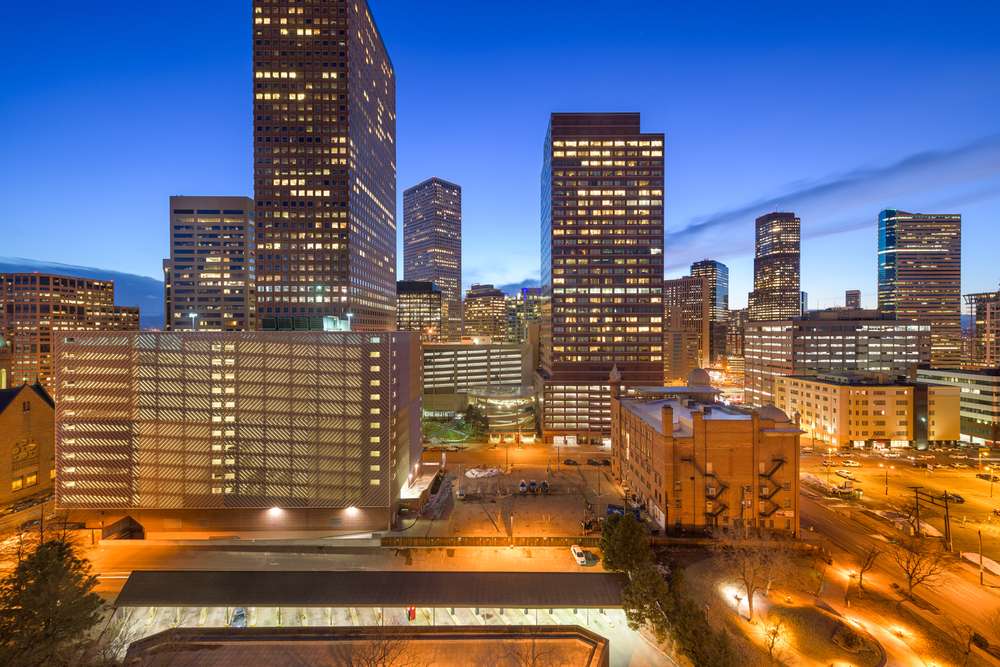
This basement restaurant and bar operates below street level with no obvious signage. Locals know to follow a narrow stairwell into a candlelit space focused on classic cocktails and small plates. The stone walls and underground acoustics create a sense of isolation from the city above. Travelers unfamiliar with Denver’s food scene rarely find it on their own.
The Cruise Room Cellar, Denver, Colorado

Below a historic hotel, this hidden cellar serves a pared-down menu and vintage drinks. Locals favor it for quiet evenings away from tourist-heavy areas. The basement layout keeps it intimate and low-key. For U.S. travel in the Rockies, it highlights how older buildings often hide culinary surprises below ground.
Basement East Kitchen, Nashville, Tennessee

Known mostly as a music venue, this Nashville spot also hides a serious kitchen downstairs. Locals descend for Southern-inspired dishes before shows. Visitors focused only on street-level attractions often miss it entirely. It’s a reminder that food and music frequently intersect in unexpected basement spaces during Southern U.S. travel.
Printer’s Alley Cellar Diner, Nashville, Tennessee

Below neon-lit bars, this diner-style basement restaurant serves comfort food late into the night. Locals rely on it after concerts and long workdays. The narrow stairs and minimal signage keep it hidden. For travelers, discovering it feels like unlocking a layer of the city not meant for tourists.
The Blind Pig Basement Kitchen, Atlanta, Georgia
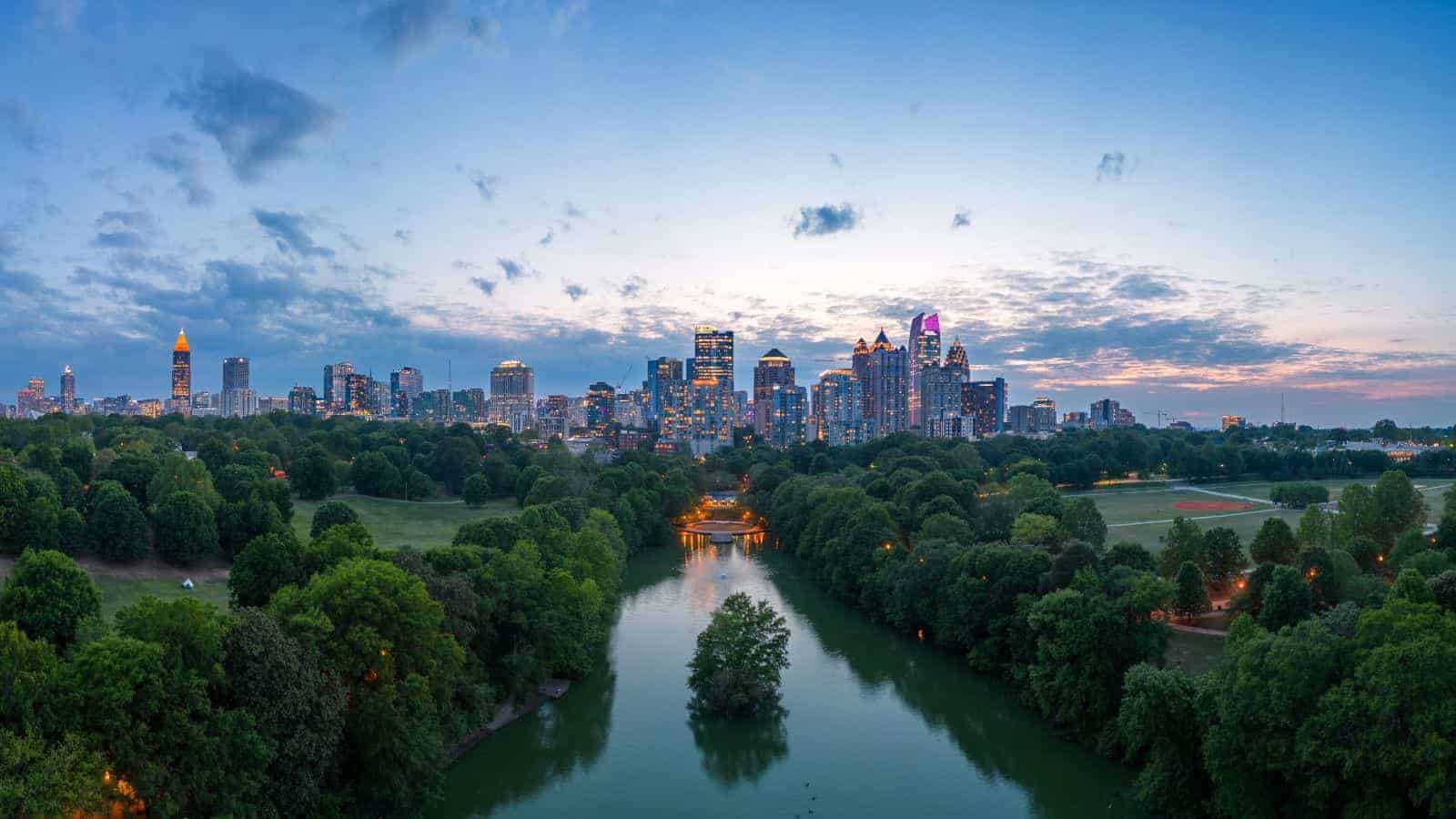
Atlanta’s Blind Pig hides its full kitchen downstairs, away from the main bar scene. Locals know the basement serves better food with less noise. The space feels industrial and raw, emphasizing substance over style. Visitors focused on surface-level nightlife often miss one of the city’s most satisfying meals.
Red Phone Booth Basement Lounge, Atlanta, Georgia

Behind a phone booth entrance, this basement restaurant and bar operates by code only. Locals guard access closely. Once inside, guests find refined food and classic cocktails in a controlled, quiet environment. For U.S. travel centered on hidden gems, this basement spot defines exclusivity.
Lola’s Basement Bistro, Los Angeles, California

Below a modest storefront, this LA restaurant delivers bold flavors without attention-seeking decor. Locals descend for serious food and relaxed service. The basement location blocks out street noise, creating a focused dining experience. Tourists rarely discover it without recommendations from residents.
Good Times at Davey Wayne’s Cellar, Los Angeles, California

Most visitors focus on the retro bar upstairs, but locals know the food operation thrives below. The basement kitchen serves elevated comfort food in a dim setting. It’s intentionally hidden to preserve atmosphere. For California U.S. travel, it’s a reminder that some of the best meals happen out of sight.
The Slanted Door Cellar, San Francisco, California

While the main restaurant is well-known, a quieter basement dining space exists for locals. The cellar offers a calmer setting for Vietnamese-inspired dishes. Its location keeps it off most tourist radars. Travelers who find it experience a more intimate side of San Francisco dining.
Comstock Saloon Basement Dining Room, San Francisco, California

Below this historic saloon, a basement dining area serves classic American fare. Locals appreciate the reduced crowds and historic ambiance. The underground setting connects diners to the building’s past. Visitors often overlook it while chasing street-level restaurants.
The Back Bar Basement, Boston, Massachusetts

This cocktail-focused restaurant hides below a small entrance with no obvious signage. Locals descend into a warmly lit space focused on seasonal food and drinks. The basement absorbs the city’s noise, creating a relaxed environment. For New England U.S. travel, it’s a lesson in how understated entrances often lead to memorable meals.
Drink Cellar Kitchen, Boston, Massachusetts

Below a historic street, this basement kitchen supports one of Boston’s most refined bar programs. Locals favor it for late-night bites and conversation. The underground layout encourages lingering. Visitors without local insight often walk past without noticing anything below.
The Red Onion Basement, New Orleans, Louisiana

In a city known for food, this basement restaurant stays hidden behind an unassuming door. Locals descend for Creole dishes served without fanfare. The basement keeps temperatures cool and crowds minimal. Travelers focused on Bourbon Street often miss this quieter, deeper food experience.
The Carousel Bar Cellar Kitchen, New Orleans, Louisiana
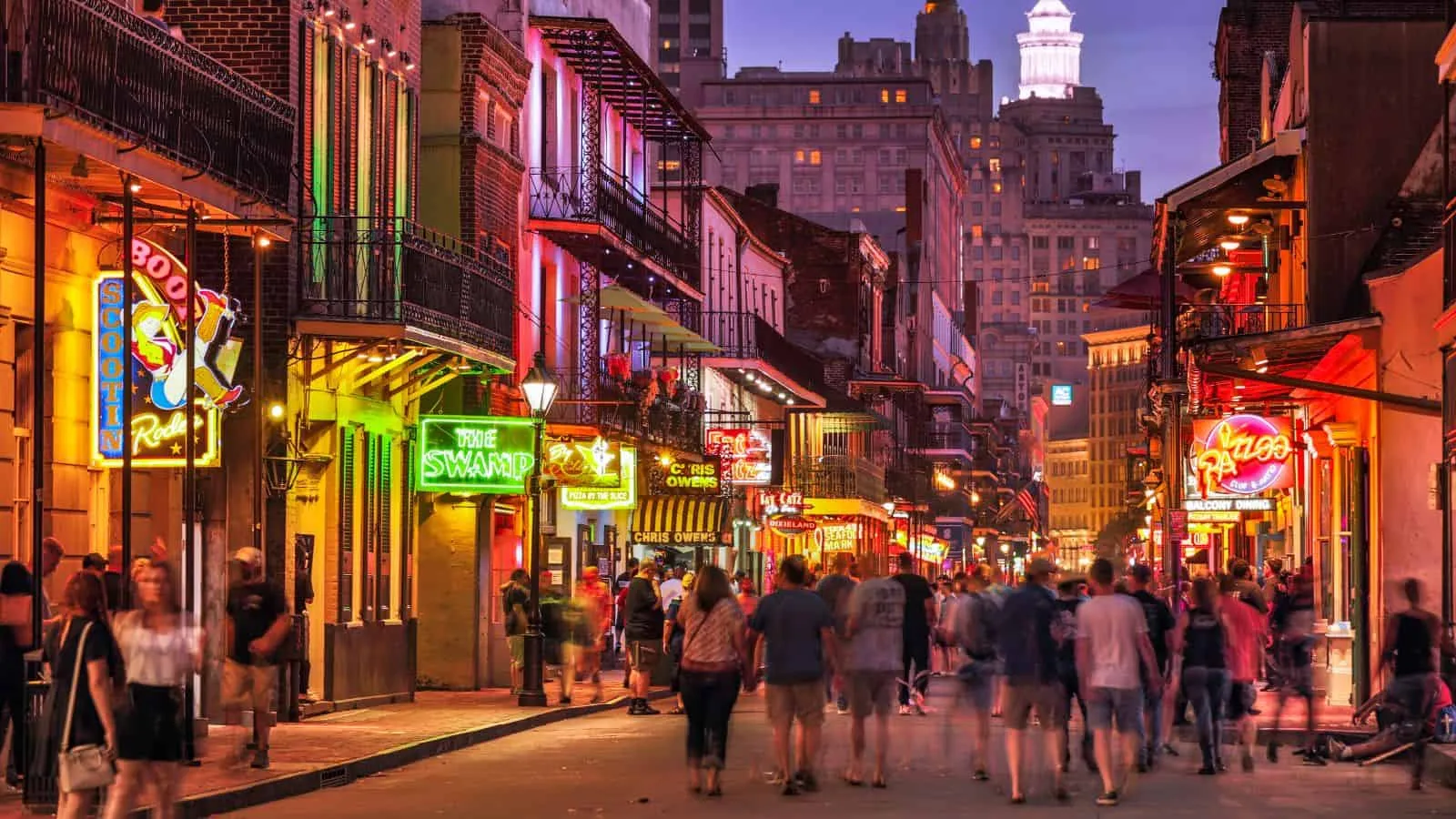
While the rotating bar draws attention, the real culinary work happens downstairs. Locals know the basement kitchen produces some of the best dishes in the building. Visitors rarely consider what lies below. It’s a perfect example of how New Orleans hides its food secrets underground.

Deborah Montiero is a seasoned travel writer and contributor to Probe the Globe. With a passion for uncovering hidden gems and sharing immersive travel experiences, Deborah’s work highlights must-visit destinations, insider tips, and practical advice for travelers of all types. Whether exploring bustling cities or remote escapes, her articles are crafted to inspire and inform, making her a trusted voice in the travel community.
Her storytelling weaves together cultural insights, logistical tips, and authentic experiences, making her a valuable resource for readers seeking unforgettable journeys.
When not writing, Deborah is likely researching the latest travel trends or planning her next adventure. Follow her work on Probe the Globe for fresh perspectives and up-to-date travel inspiration.