25 U.S. Places That Feel More Like Europe Than America
You don’t always need a transatlantic flight to experience cobblestone streets, alpine villages, or Old World charm. Across the United States, there are destinations shaped by European heritage, architecture, geography, and cultural traditions that feel strikingly un-American in the best way. For U.S. travel enthusiasts planning road trips, romantic getaways, or culturally rich vacations, these 25 places offer a passport-free escape.
Leavenworth
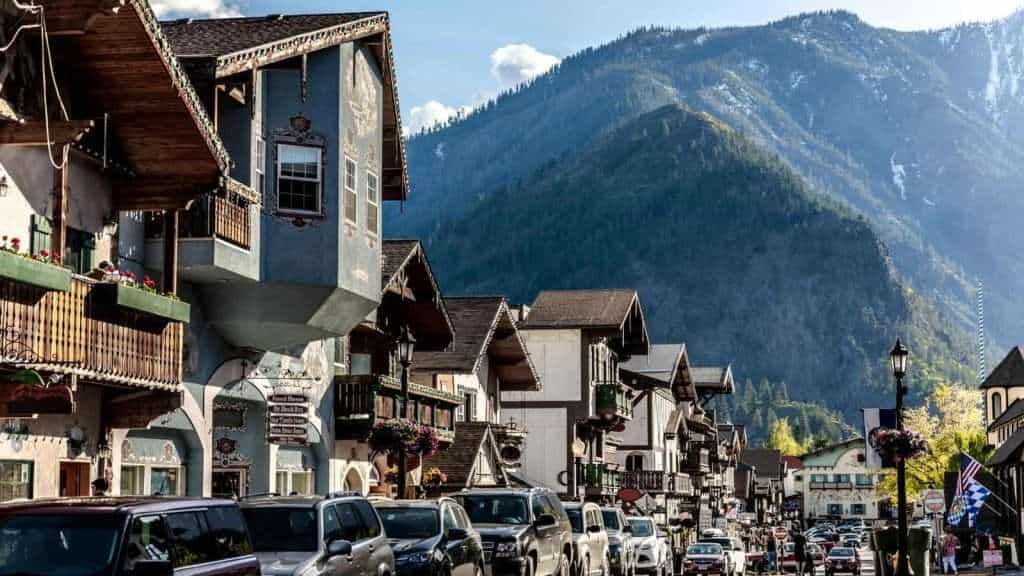
Leavenworth feels like a Bavarian alpine village transported straight into the Cascade Mountains. Timber-framed buildings, painted murals, and German-style signage dominate the downtown area. Seasonal festivals like Oktoberfest and Christmas markets reinforce the illusion, while surrounding mountains add to the European atmosphere. For U.S. travelers seeking a Germany-inspired getaway without leaving the country, Leavenworth delivers a fully immersive experience that prioritizes charm, walkability, and tradition.
Helen

Helen is a deliberate re-creation of a German alpine town set in the Blue Ridge Mountains. Cobblestone-style streets, beer gardens, and half-timbered architecture create a sense of cultural whiplash for travelers driving through northern Georgia. The town hosts one of the largest Oktoberfest celebrations in the United States, reinforcing its Old World identity. As a U.S. travel destination, Helen feels less Southern and more Central European in both appearance and spirit.
Solvang
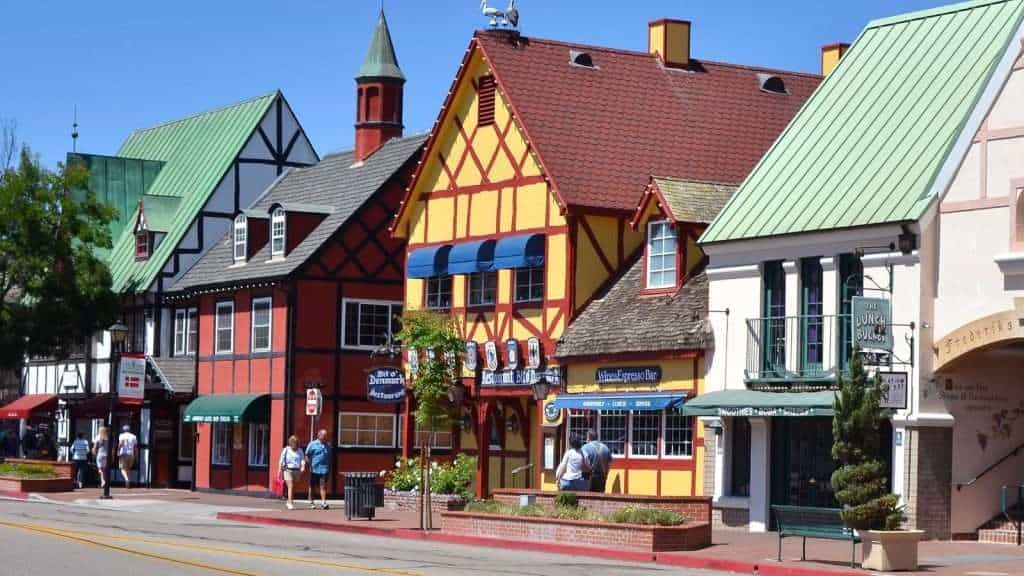
Solvang presents itself as a Danish village in the heart of California wine country. Windmills, European bakeries, and traditional Scandinavian architecture define the town’s visual identity. Walking through Solvang feels like stepping into a small European market town, complete with pastries and decorative details. For travelers exploring California, the contrast between the surrounding vineyards and the town’s distinctly Danish character makes Solvang feel transported from another continent.
New Glarus
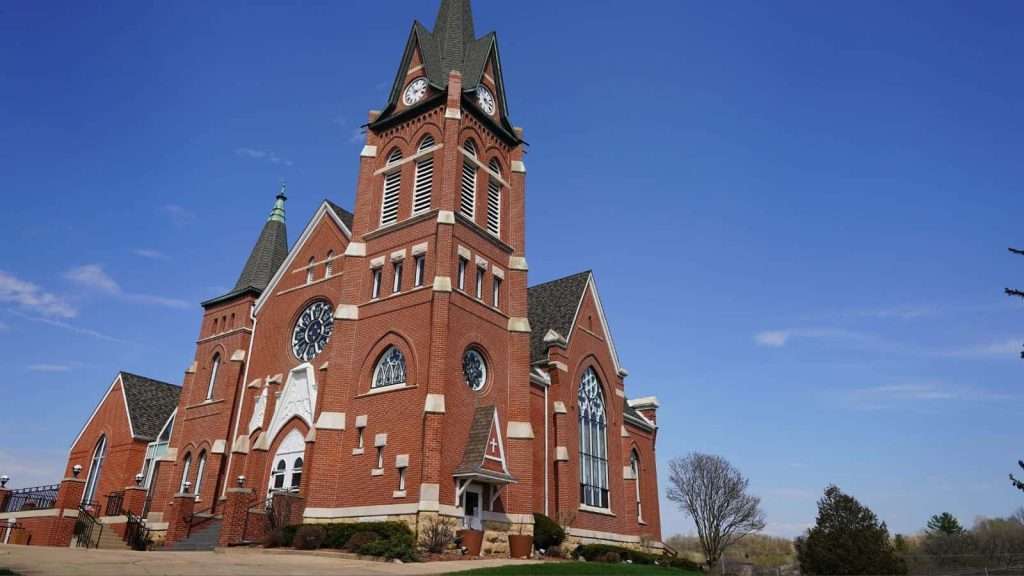
Founded by Swiss immigrants, New Glarus proudly embraces its alpine heritage. Chalet-style buildings, Swiss flags, and cultural festivals shape daily life here. The town’s layout and architecture resemble a small village in the Swiss Alps more than a Midwestern community. For U.S. travelers seeking European atmosphere paired with rural charm, New Glarus offers a surprisingly authentic experience rooted in preservation rather than novelty.
St. Augustine
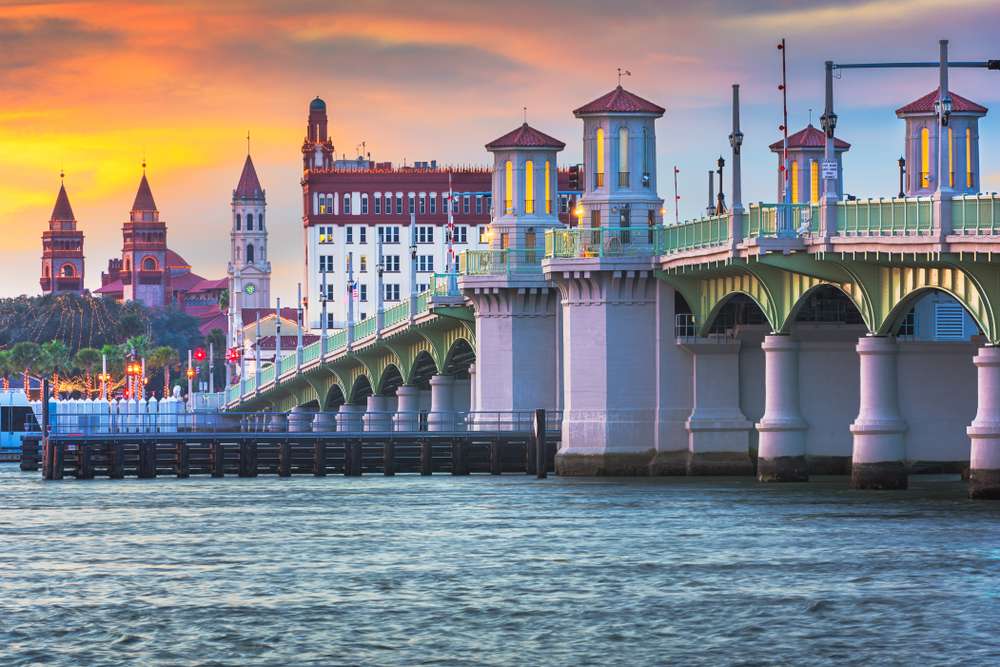
As the oldest continuously inhabited European-founded city in the United States, St. Augustine carries centuries of Spanish influence. Narrow streets, stone fortifications, and historic plazas create an atmosphere closer to southern Europe than modern Florida. Walking the old town feels similar to wandering through a Mediterranean coastal city. For U.S. travel focused on history and architecture, St. Augustine delivers depth and authenticity rarely found elsewhere.
Charleston

Charleston’s historic district features pastel-colored homes, wrought-iron balconies, and narrow streets reminiscent of European port cities. The emphasis on preservation gives the city a refined, Old World elegance. Courtyards, churches, and waterfront promenades add to the atmosphere. For U.S. travelers, Charleston feels more like a blend of French and British colonial Europe than a typical Southern city.
Savannah

Savannah’s grid of public squares, historic homes, and oak-lined streets creates a rhythm rarely seen in American cities. The layout encourages walking, lingering, and social interaction, similar to European urban design. Fountains, ironwork, and centuries-old architecture enhance the effect. For travelers seeking a European-style city experience in the U.S., Savannah delivers atmosphere over spectacle.
Newport
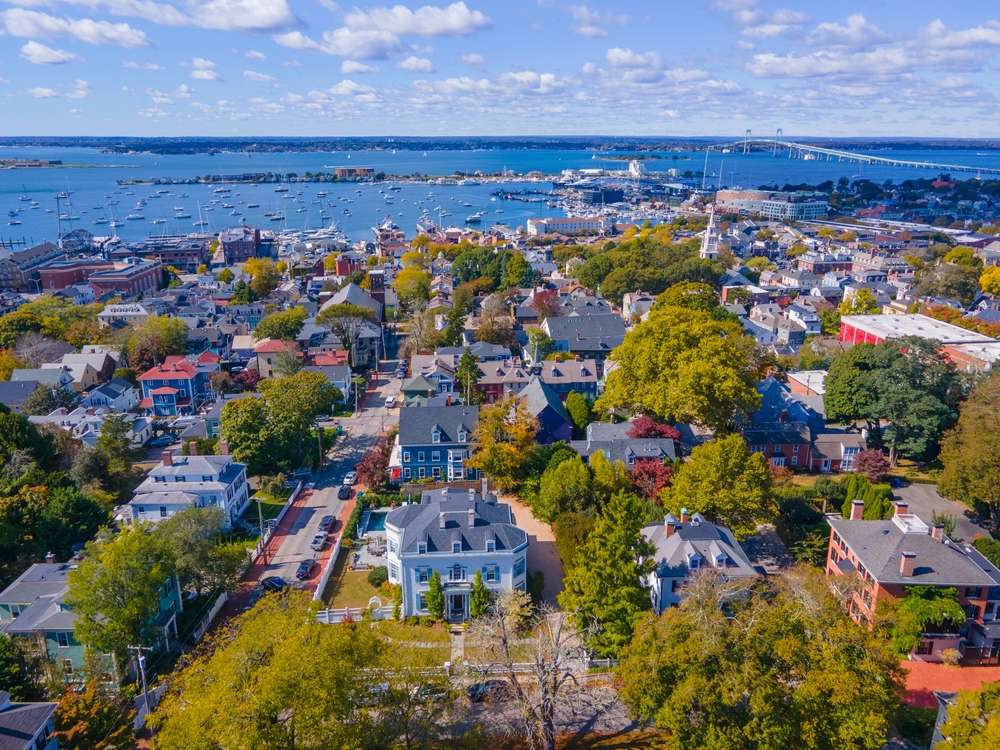
Newport’s cliffside mansions, sailing culture, and historic harbor evoke coastal Europe, particularly parts of England and France. The Cliff Walk offers views reminiscent of European seaside promenades. Narrow streets and preserved architecture reinforce the feeling of old wealth and maritime tradition. As a U.S. travel destination, Newport feels refined, historic, and distinctly Old World.
Vail

Vail was designed to resemble an Austrian alpine village, and it fully commits to that vision. Pedestrian-only streets, chalet-style buildings, and mountain backdrops create a strong European ski-town aesthetic. Even outside winter, the village maintains a continental feel. For U.S. travelers seeking alpine charm without international travel, Vail feels more Tyrolean than American.
Frankenmuth
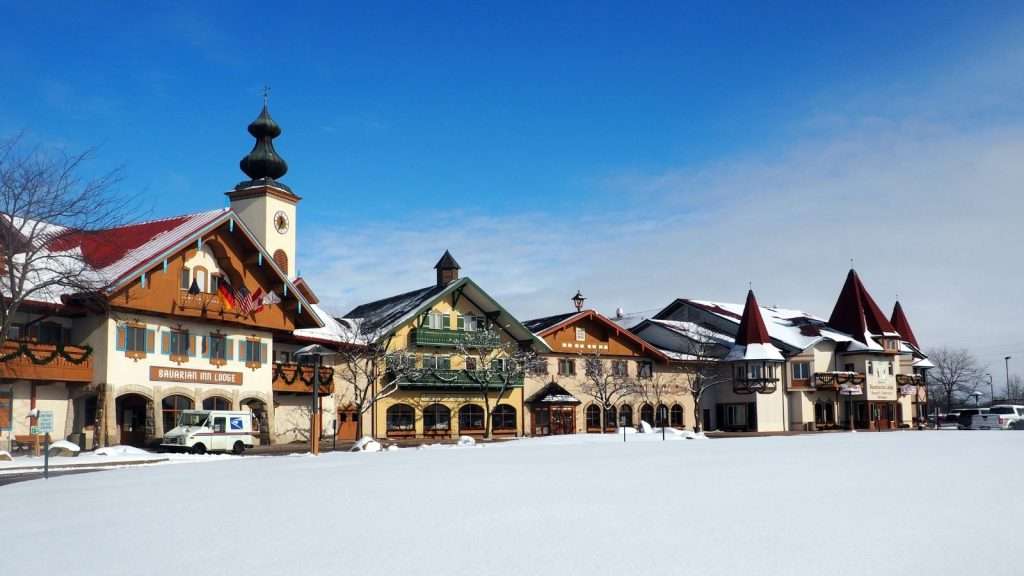
Frankenmuth markets itself as “Michigan’s Little Bavaria,” and the town delivers on that promise. Timber architecture, German restaurants, and cultural festivals define the experience. Seasonal decorations enhance the illusion year-round. For Midwest travelers, Frankenmuth offers a distinctly European atmosphere rooted in immigrant tradition rather than theme-park design.
Carmel-by-the-Sea
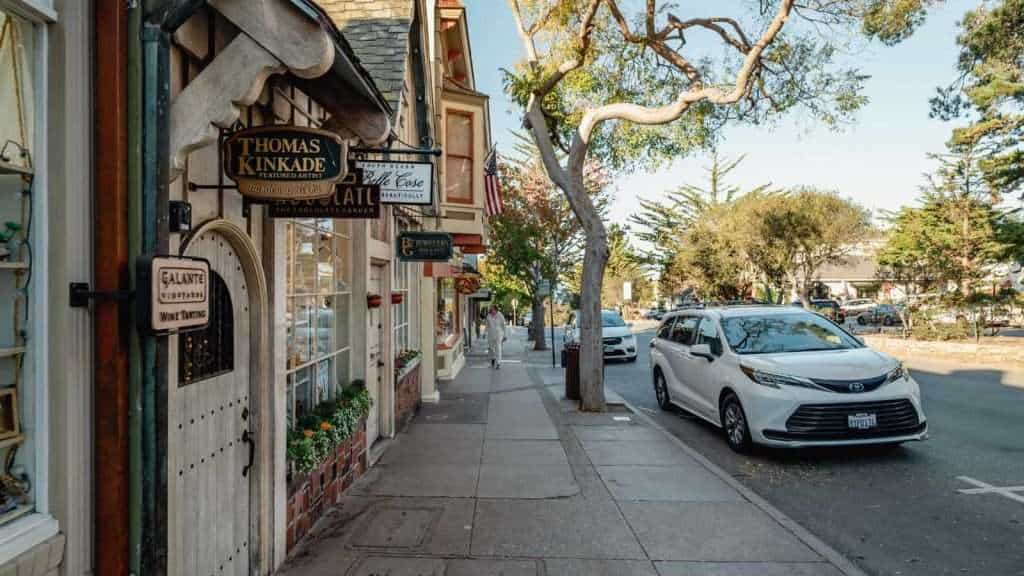
Carmel-by-the-Sea feels more like a storybook European village than a California coastal town. Cottage-style architecture, narrow streets, and strict building codes maintain visual harmony. Art galleries and cafes line walkable streets without chain stores. For U.S. travel focused on romance and charm, Carmel offers an experience closer to coastal France than the American West.
Taos Pueblo
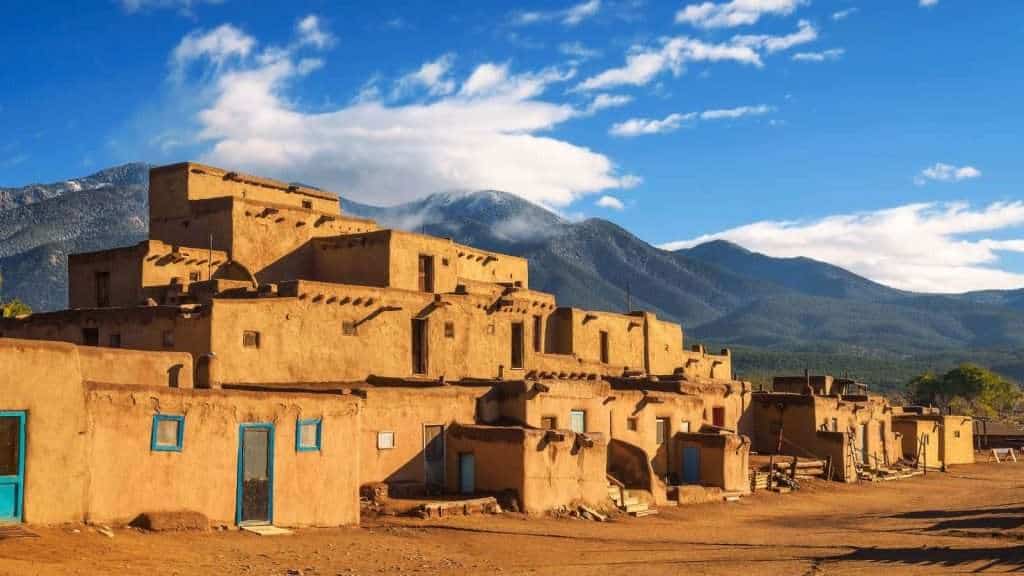
While not European in origin, Taos Pueblo feels foreign to modern America in a way similar to ancient European settlements. Its multi-story adobe structures and centuries-old traditions create a timeless atmosphere. Strict visitor rules preserve cultural authenticity. For U.S. travelers, the experience feels closer to visiting a preserved historic village abroad than a contemporary town.
Holland

Holland embraces its Dutch roots with windmills, canals, and seasonal tulip festivals. The town’s clean streets and orderly layout reinforce the European feel. Architectural details and cultural events strengthen the connection. For U.S. travel itineraries in the Midwest, Holland offers a distinctly Netherlands-inspired experience without irony.
Fredericksburg
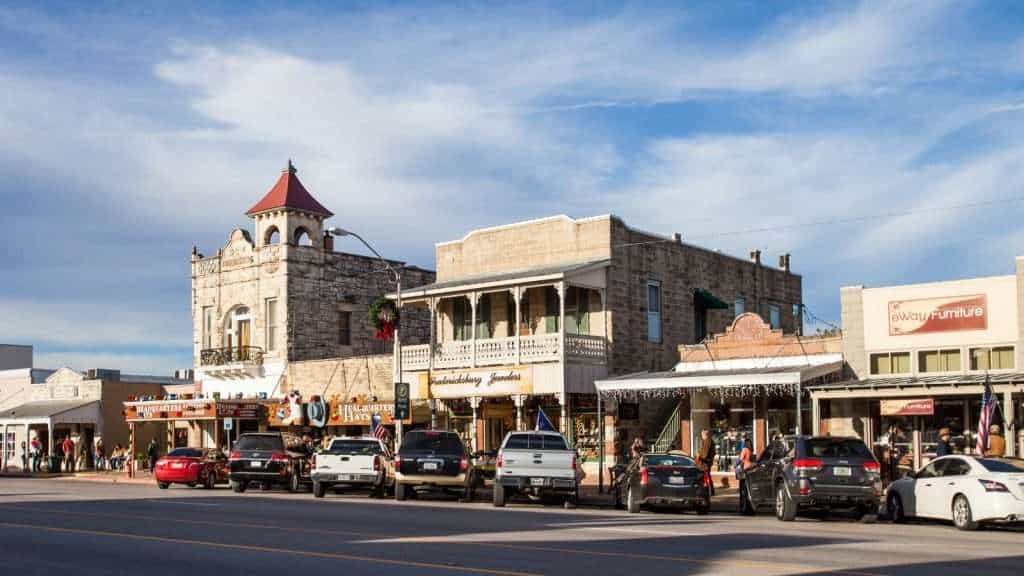
Fredericksburg blends German heritage with Texas Hill Country landscapes. Stone buildings, beer halls, and traditional festivals shape the town’s character. Despite being in Texas, the town feels culturally Central European. For travelers exploring the region, Fredericksburg delivers an unexpected Old World experience paired with wine country scenery.
Annapolis

Annapolis feels like a compact European port city with its narrow streets, brick buildings, and waterfront orientation. Sailing culture and colonial architecture define daily life. The city prioritizes walkability and historical continuity. For U.S. travelers, Annapolis offers a refined atmosphere closer to coastal England than suburban America.
Sitka

Sitka’s Russian heritage sets it apart from most American towns. Orthodox churches, onion domes, and historic sites reflect its past as part of the Russian Empire. The surrounding landscape adds drama, but it’s the cultural imprint that feels distinctly European. For Alaska travel, Sitka offers history that feels transplanted rather than adapted.
Stowe
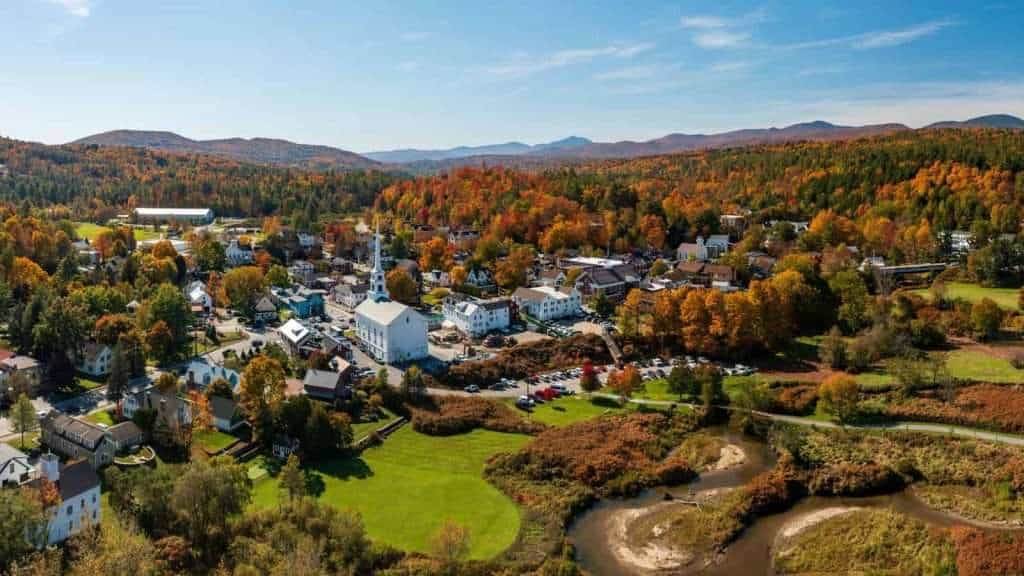
Stowe resembles a New England interpretation of an alpine village. Covered bridges, mountain views, and ski culture shape its identity. The town feels closer to rural Austria or Switzerland than a typical American resort area. For U.S. travel focused on seasonal beauty and small-town charm, Stowe delivers understated European vibes.
Natchitoches
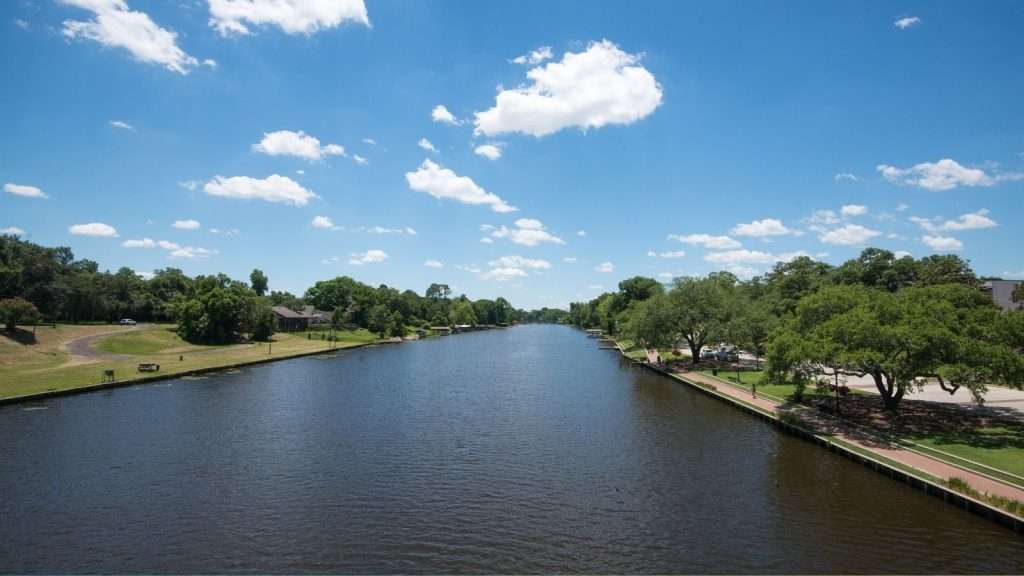
Natchitoches reflects French colonial influence through its historic district, riverfront, and Creole architecture. The pace of life and emphasis on preservation create a European rhythm. Walking the downtown area feels more like southern France than the Deep South. For U.S. travelers, the town offers cultural depth without modern distractions.
Eureka Springs
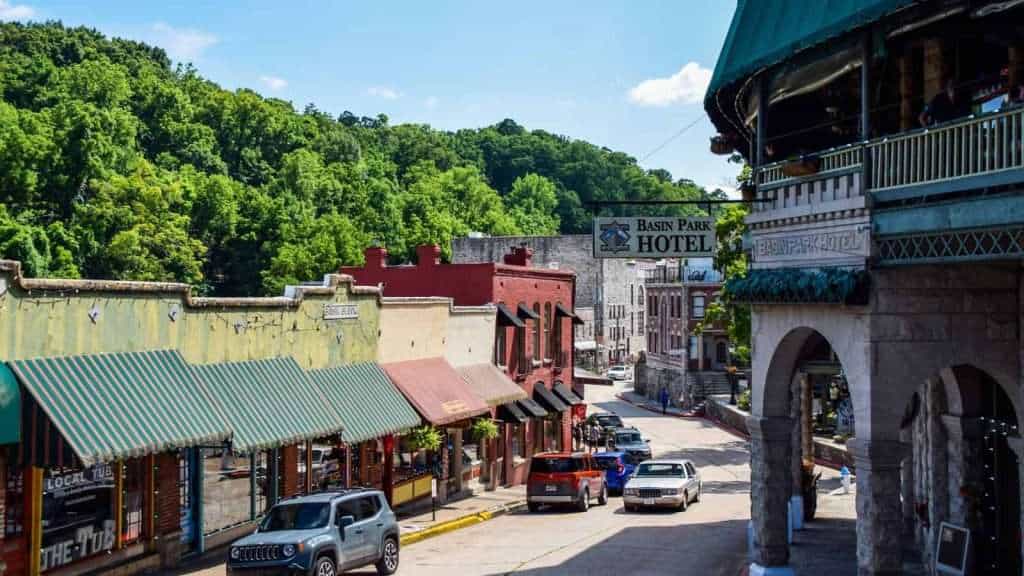
Built into steep hills, Eureka Springs features winding streets, staircases, and Victorian architecture. The town’s layout feels organic rather than planned, similar to old European hill towns. Historic hotels and preserved buildings reinforce the illusion. For travelers, it feels less like rural America and more like an old spa town abroad.
Beacon Hill
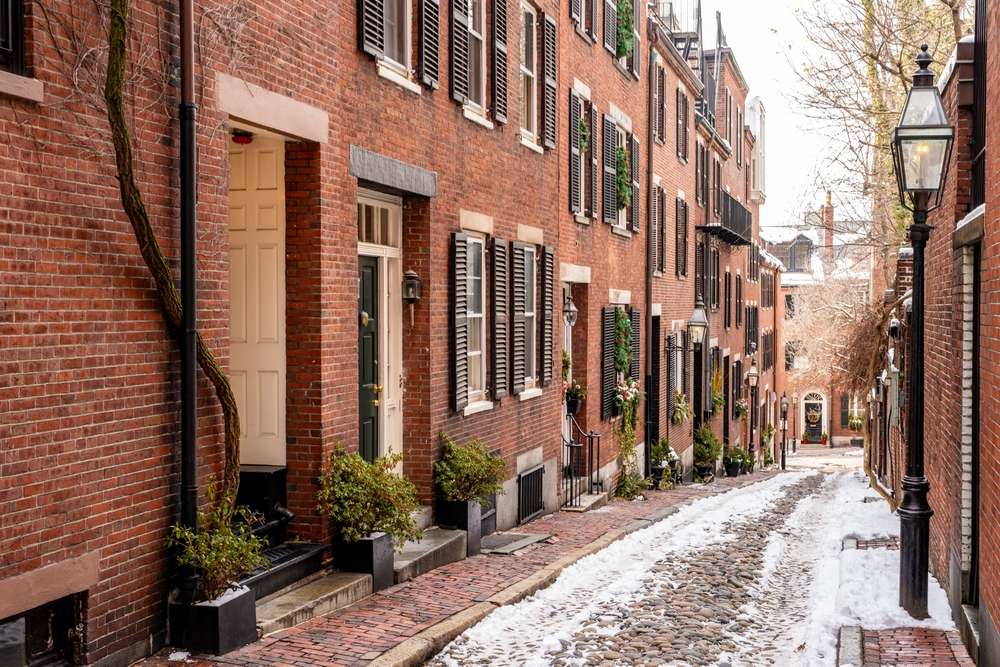
Beacon Hill’s gas lamps, brick row houses, and narrow streets feel unmistakably European. The neighborhood’s preservation standards maintain a historic atmosphere rarely found in U.S. cities. Walking here feels closer to London than modern America. For U.S. travel centered on urban charm, Beacon Hill stands apart.
Monhegan Island
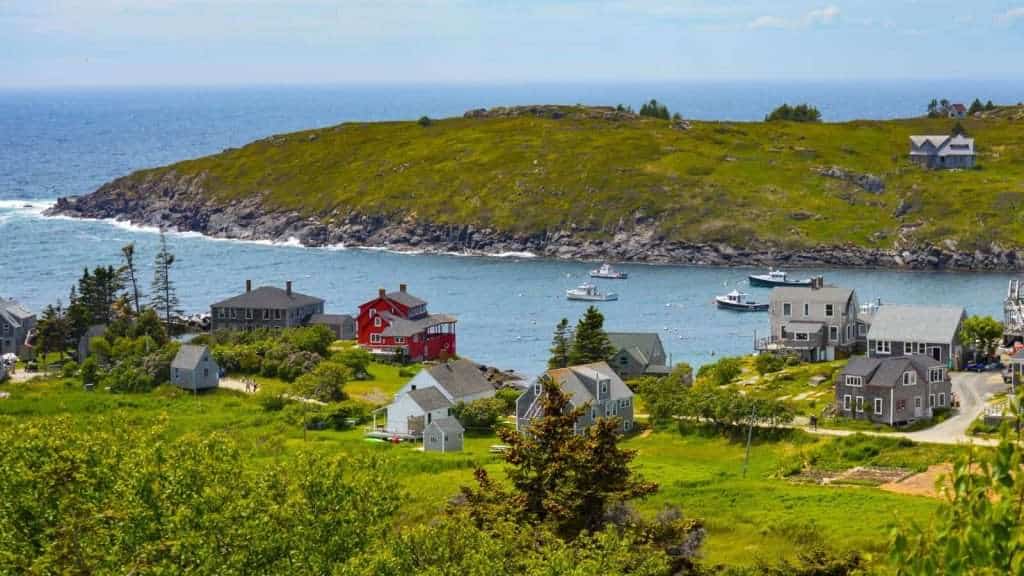
Monhegan Island feels isolated, artistic, and timeless. Limited vehicle access, footpaths, and dramatic cliffs give it a distinctly European island feel. Fishing culture and preserved landscapes define daily life. For travelers exploring coastal New England, Monhegan feels closer to a remote European island than mainland America.
Pella

Pella honors its Dutch roots with canals, windmills, and traditional architecture. Seasonal festivals reinforce cultural continuity rather than novelty. The town’s layout and aesthetics feel intentionally European. For U.S. travelers crossing the Midwest, Pella delivers a surprisingly cohesive Old World atmosphere.
Santa Fe
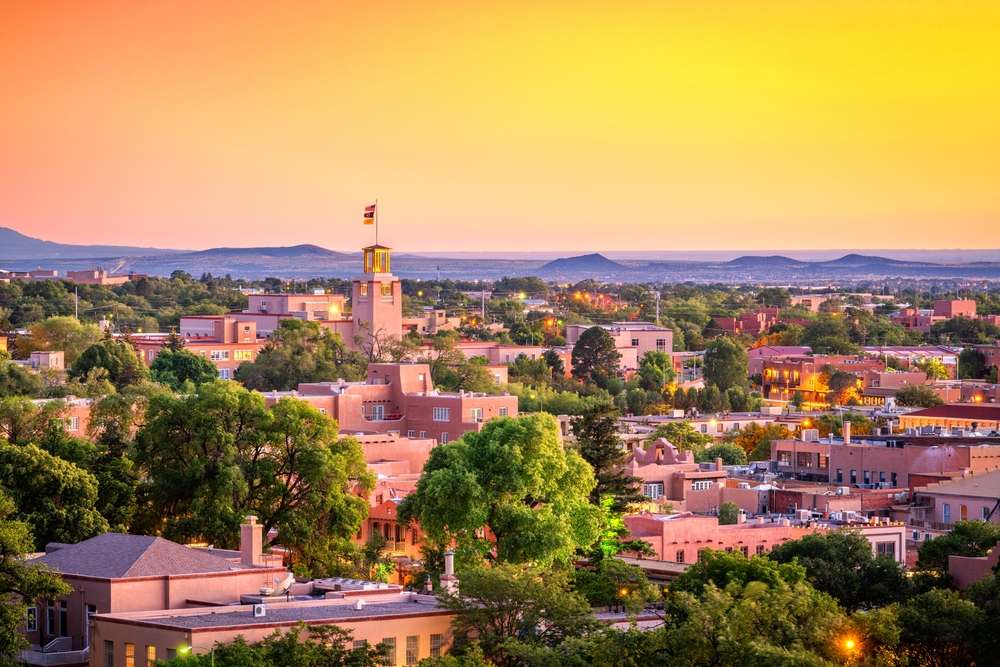
Santa Fe’s adobe architecture and strict design codes create visual unity rarely seen in American cities. While rooted in Indigenous and Spanish history, the result feels similar to preserved European heritage towns. The emphasis on art, walkability, and tradition enhances the experience. For U.S. travel, Santa Fe feels globally inspired rather than regionally confined.
Lake Geneva
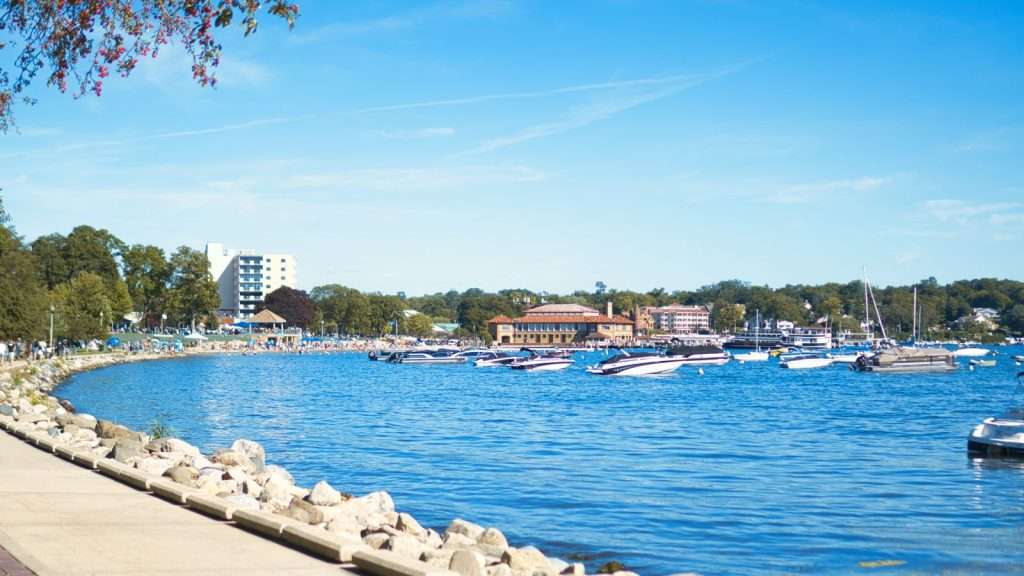
Lake Geneva combines lakeside promenades, grand estates, and resort culture reminiscent of European spa towns. Historic mansions line walking paths, creating an atmosphere of leisure and refinement. The town feels designed for strolling rather than driving. For travelers, it echoes Switzerland more than the American Midwest.
Mackinac Island

Mackinac Island prohibits cars, relying instead on bicycles and horse-drawn transport. Victorian architecture, waterfront views, and slow-paced life define the experience. The absence of vehicles creates a timeless feeling similar to European islands. For U.S. travelers, Mackinac Island feels charmingly disconnected from modern America.

Deborah Montiero is a seasoned travel writer and contributor to Probe the Globe. With a passion for uncovering hidden gems and sharing immersive travel experiences, Deborah’s work highlights must-visit destinations, insider tips, and practical advice for travelers of all types. Whether exploring bustling cities or remote escapes, her articles are crafted to inspire and inform, making her a trusted voice in the travel community.
Her storytelling weaves together cultural insights, logistical tips, and authentic experiences, making her a valuable resource for readers seeking unforgettable journeys.
When not writing, Deborah is likely researching the latest travel trends or planning her next adventure. Follow her work on Probe the Globe for fresh perspectives and up-to-date travel inspiration.