24 Natural Wonders That Look Like CGI But Aren’t
Some places on Earth look so surreal that they seem digitally rendered, as if a graphics engine rather than geology created them. These landscapes trigger disbelief, sparking the same reaction as high-budget CGI in blockbuster movies. Yet every destination on this list is completely real, shaped by time, weather, tectonic forces, and nature’s wild imagination.
Join us as we take a look at 24 Natural Wonders That Look Like CGI But Aren’t
Antelope Canyon, Arizona, USA
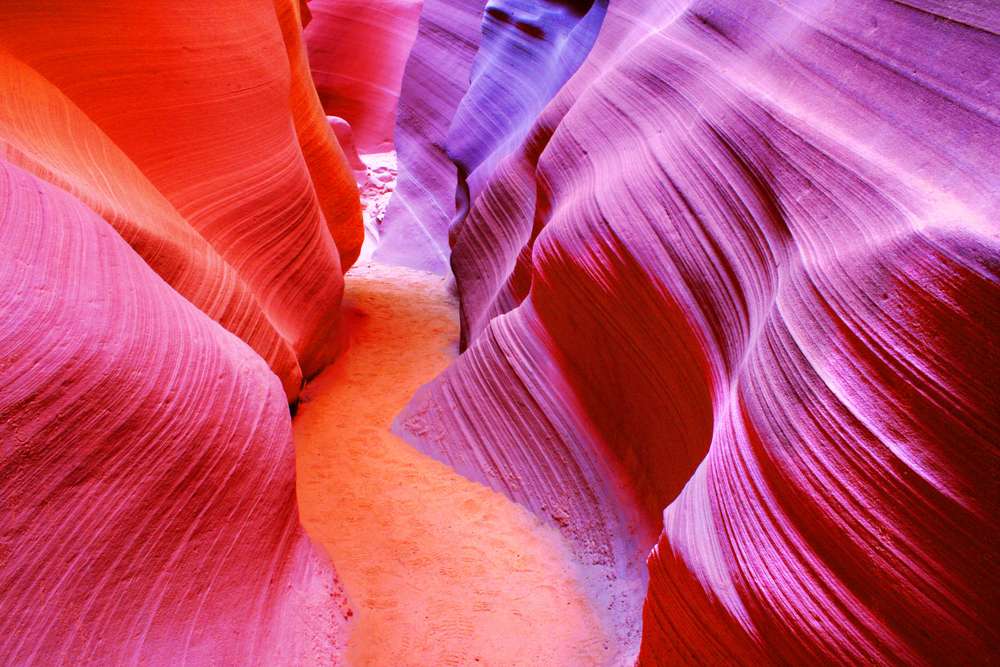
The flowing sandstone walls of Antelope Canyon look more like abstract digital art than a real place you can walk through. Carved over millions of years by flash floods, the canyon’s wave-like curves glow with shifting shades of orange, red, and purple as sunlight filters through narrow openings above. For U.S. road-trip travelers and Southwest vacation planners, this destination feels unreal in person, especially when light beams appear like spotlight effects. Photographers often assume heavy editing was involved, but the canyon’s colors are entirely natural.
Zhangye Danxia Landform, China

The rainbow-striped hills of Zhangye Danxia resemble a massive Photoshop gradient spilled across the landscape. Layers of mineral deposits built up over millions of years, creating vivid reds, yellows, greens, and blues that look painted by hand. From elevated viewpoints, the hills appear almost animated, like a fantasy game environment. Travelers often compare the scene to CGI landscapes from science-fiction films, yet the colors intensify under natural sunlight without digital enhancement.
Giant’s Causeway, Northern Ireland

At first glance, the interlocking stone columns of Giant’s Causeway seem mathematically generated. The hexagonal basalt formations fit together so precisely that many assume they were designed intentionally. In reality, volcanic lava cooled and cracked into geometric shapes around 60 million years ago. Walking across the stones feels like stepping onto a rendered terrain map. This natural symmetry challenges the idea that perfect patterns must be artificial.
Bryce Canyon Hoodoos, Utah, USA
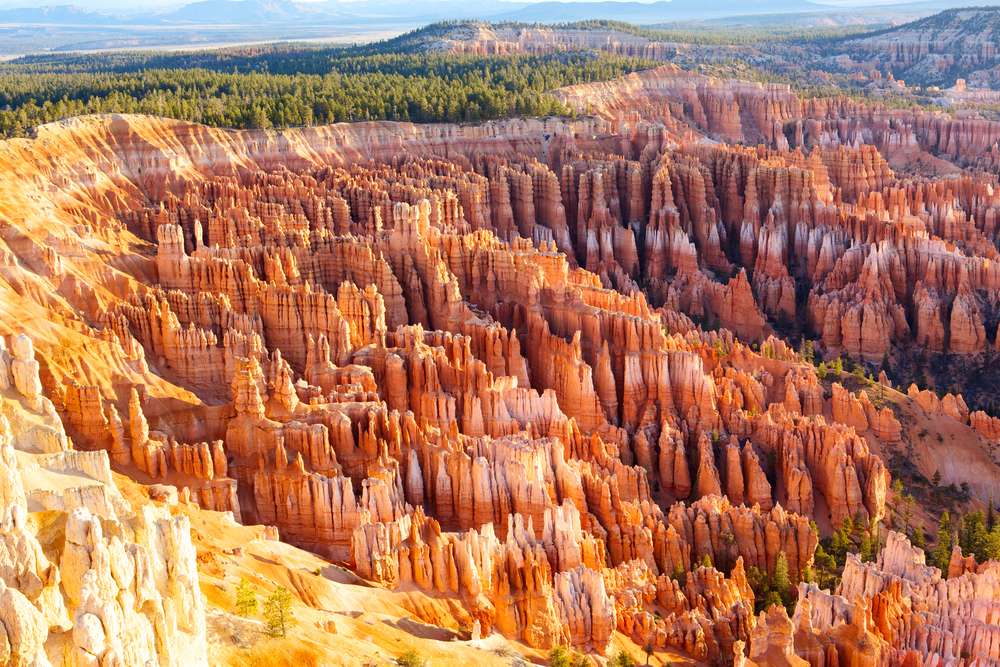
The towering spires at Bryce Canyon National Park look like an elaborate CGI skyline frozen in time. Known as hoodoos, these formations were sculpted by frost, erosion, and gravity into sharp, otherworldly shapes. At sunrise and sunset, the amphitheaters glow in fiery tones that feel digitally enhanced. For U.S. national park travelers, Bryce Canyon offers one of the most unreal landscapes accessible by scenic drives and hiking trails.
Salar de Uyuni, Bolivia
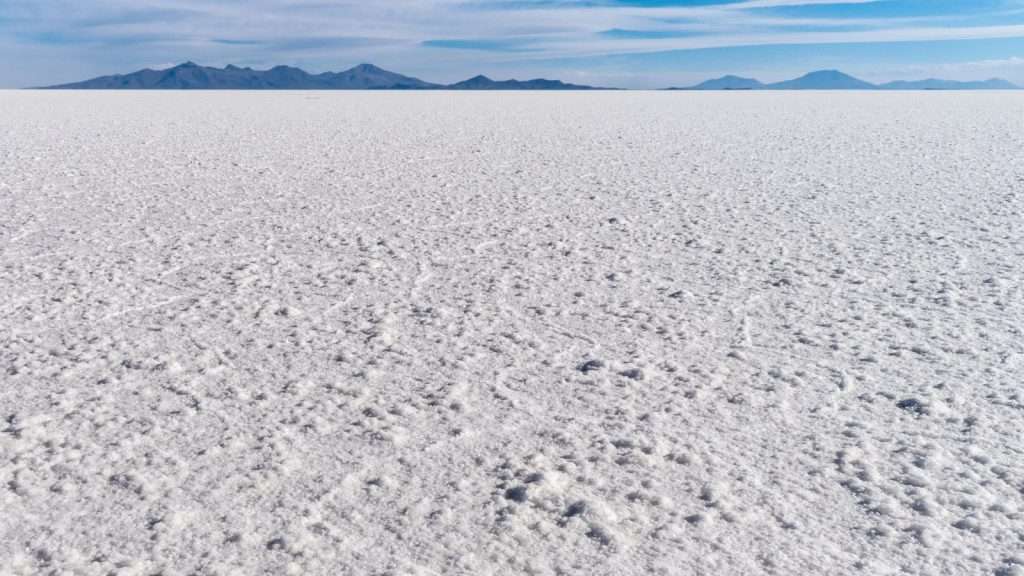
When rain lightly coats the surface of Salar de Uyuni, the world’s largest salt flat transforms into a flawless mirror. The horizon disappears, creating a visual illusion where sky and ground blend seamlessly. This effect looks identical to a green-screen composite, yet it’s entirely natural. Perspective photos taken here often go viral because the reflections distort scale so dramatically. The landscape feels like walking inside a rendered simulation.
Marble Caves, Chile
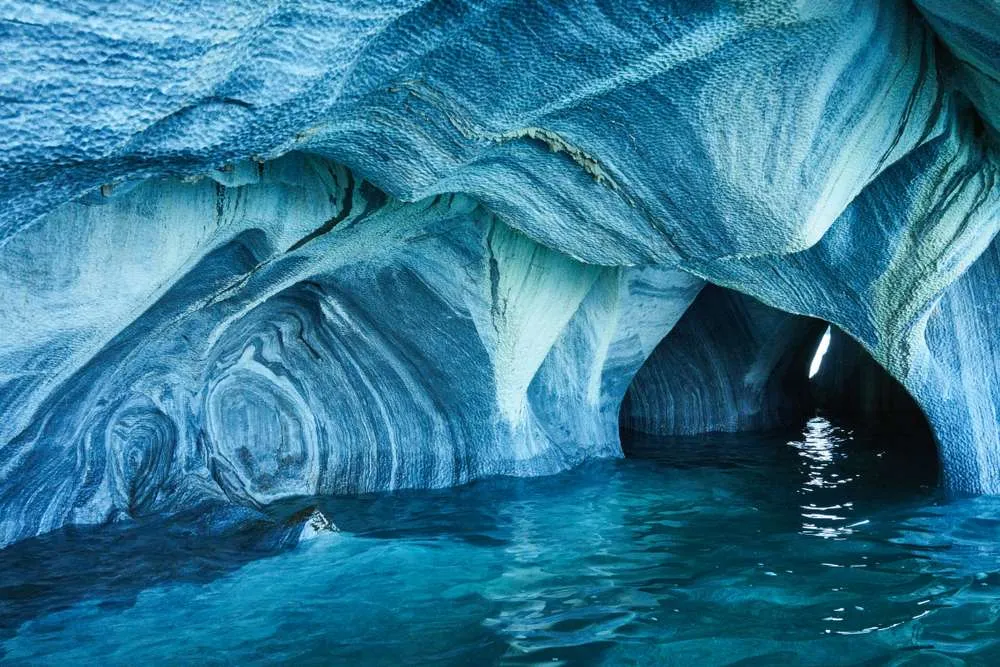
The swirling blue patterns inside the Marble Caves appear sculpted by a digital artist rather than water. Over thousands of years, waves eroded solid marble, polishing the stone into smooth curves that reflect turquoise glacial waters. Light bouncing off the lake creates luminous effects that shift constantly. Kayaking through the caves feels like entering a 3D environment with dynamic lighting, yet everything is formed by natural erosion.
Wave Rock, Western Australia

Wave Rock looks like a frozen ocean wave mid-crash. Rising over 45 feet high, the curved granite formation appears intentionally shaped, complete with streaks resembling water flow. These lines come from mineral deposits left by rain over millions of years. The structure’s smooth arc is so precise that it often gets mistaken for a man-made sculpture. In person, it feels like a visual trick pulled straight from a CGI scene.
Pamukkale Travertines, Turkey

The bright white terraces of Pamukkale look like cascading snowfields or rendered fantasy pools. Warm mineral-rich water flows down the slopes, depositing calcium carbonate that hardens into step-like basins. The contrast between the blue water and white stone appears unreal under sunlight. Visitors walking barefoot across the terraces often comment that it feels like stepping into a video game environment built around water physics.
Fly Geyser, Nevada, USA
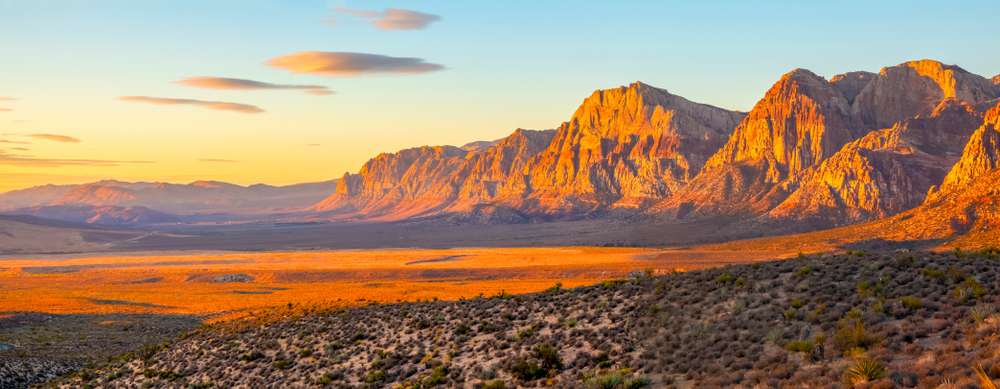
Fly Geyser resembles a colorful alien structure rising from the desert. Created accidentally by a failed geothermal drilling project, the geyser continuously sprays mineral-rich water that builds vibrant red and green formations. The result looks digitally sculpted, as if designed for a sci-fi movie set. For U.S. desert explorers, this geothermal oddity proves that nature can outdo special effects without trying.
Mount Roraima, Venezuela

The flat-topped cliffs of Mount Roraima look like a floating plateau dropped into the jungle. Sheer vertical walls rise thousands of feet, creating a dramatic silhouette that feels unreal even from a distance. Clouds often wrap around the summit, enhancing the illusion of a hovering landmass. This ancient tepui inspired countless fictional landscapes, yet its form is the result of erosion over nearly two billion years.
Blue Hole, Belize

From above, the deep circular shape of the Great Blue Hole looks like a perfectly rendered graphic stamped into the ocean. The contrast between deep navy water and surrounding turquoise reef is strikingly sharp. Divers descending into the hole encounter massive stalactites formed during ice ages. The geometry and color contrast are so precise that aerial photos often look digitally altered.
Danakil Depression, Ethiopia

The neon colors of the Danakil Depression resemble a fantasy planet rather than Earth. Acidic pools, sulfur vents, and salt formations create electric greens, yellows, and reds across the terrain. Extreme heat and volcanic activity continuously reshape the land. The intensity of color and texture looks artificially enhanced, but every shade is produced by chemical reactions happening in real time.
Lake Hillier, Australia
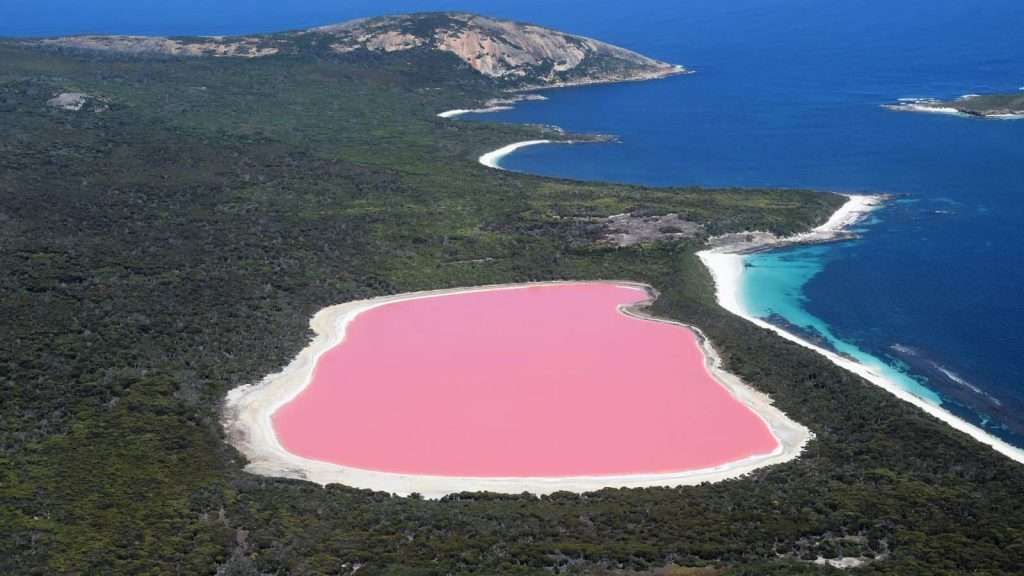
Lake Hillier appears bubble-gum pink from the air, creating a stark contrast with surrounding forest and ocean. The color comes from algae and bacteria reacting with salt in the water. Unlike many colored lakes, the hue remains vibrant year-round. The sharp visual contrast makes the lake look like a color-corrected render rather than a natural body of water.
Chocolate Hills, Philippines

The rolling domes of the Chocolate Hills look like they were duplicated and pasted across the landscape. During dry season, the grass turns brown, giving the hills their chocolate-like appearance. Thousands of nearly identical mounds stretch across the region, creating a surreal sense of repetition. The uniformity feels algorithmic, yet each hill formed through natural limestone erosion.
Moeraki Boulders, New Zealand

Scattered along the shore, the Moeraki Boulders look like massive stone spheres placed deliberately for visual effect. These boulders formed over millions of years as mineral deposits accumulated around a core. Their near-perfect roundness feels unnatural at first glance. The way they emerge from the sand during low tide adds to the illusion of a carefully staged CGI scene.
Thor’s Well, Oregon, USA
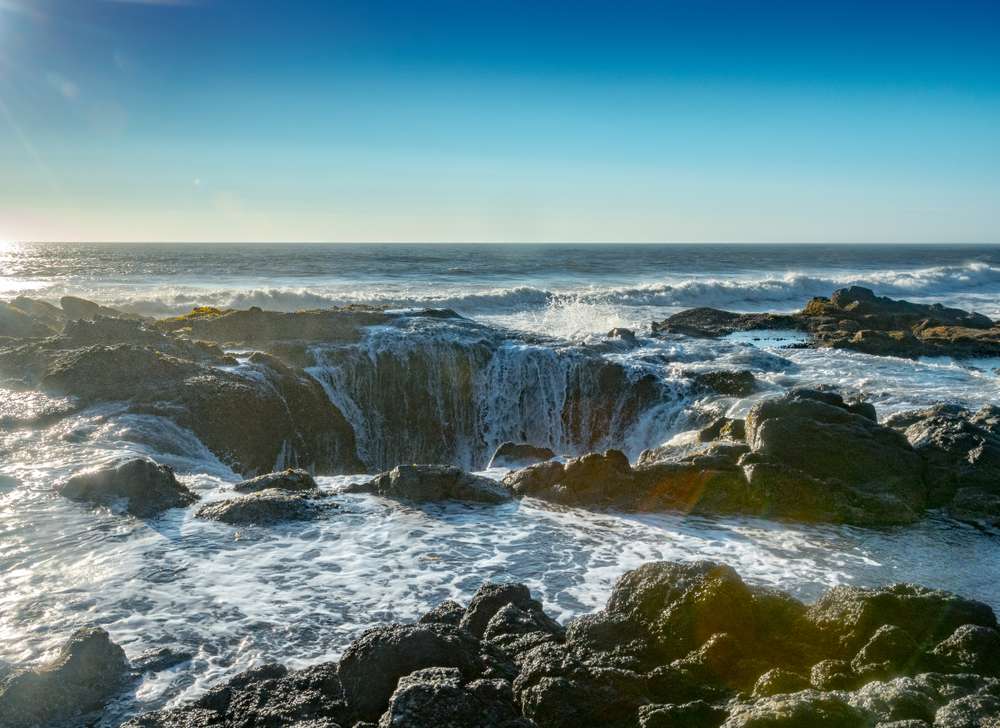
Thor’s Well appears to drain the Pacific Ocean straight into the Earth. Waves crash into a rocky hole, creating dramatic water spouts that look animated. At high tide, the effect is especially intense, with water seemingly vanishing underground. For U.S. coastal travelers, this natural sinkhole delivers cinematic visuals without any digital trickery.
Fairy Pools, Isle of Skye, Scotland

The crystal-clear waters of the Fairy Pools glow with unreal shades of blue and green. Waterfalls feed into perfectly clear pools, revealing every stone beneath the surface. The clarity creates an almost rendered look, as if textures were sharpened artificially. Changing weather and light conditions constantly alter the colors, adding to the magical illusion.
Ice Caves of Vatnajökull, Iceland

Inside the Vatnajökull Ice Caves, translucent blue ice curves like molded glass. Light refracts through thick ice walls, creating gradients that feel digitally layered. These caves change shape every year as glaciers move and melt. Walking through them feels like stepping inside a high-definition render built entirely from frozen water.
Spotted Lake, British Columbia, Canada

Spotted Lake looks like a surreal polka-dot pattern painted across the land. In summer, mineral deposits separate into circular pools of varying colors. Each spot contains different concentrations of magnesium, calcium, and sodium. The result appears deliberately designed, yet it’s a natural chemical process happening seasonally.
Red Beach, Santorini, Greece

The dramatic cliffs at Red Beach Santorini create an intense color contrast rarely seen in nature. Volcanic rock gives the sand and cliffs deep red tones that look artificially saturated. Against the blue sea, the scene feels color-graded for dramatic effect. The beach’s sharp hues make it one of the most visually striking coastal landscapes in the world.
Socotra Island, Yemen

The alien-looking plants of Socotra Island feel pulled from a sci-fi concept art book. Dragon blood trees with umbrella-shaped canopies dominate the terrain. Isolated evolution created species found nowhere else on Earth. The strange silhouettes and sparse environment give the island an unmistakably rendered appearance.
The Wave, Arizona, USA

The Wave Arizona looks like a sculpted digital mesh frozen in sandstone. Smooth, flowing lines ripple across the rock in hypnotic patterns. Wind and water carved these curves over millions of years. For U.S. adventure travelers, the limited-permit hike adds exclusivity to a landscape that already feels unreal.
Lake Natron, Tanzania

The crimson waters of Lake Natron look heavily color-edited, but the hue comes from microorganisms thriving in alkaline conditions. Salt crusts form surreal patterns along the shoreline. Animals that perish here become mineral-preserved, adding to the eerie atmosphere. The lake’s appearance challenges expectations of what natural water should look like.
White Sands National Park, New Mexico, USA

The rolling dunes of White Sands National Park look like snowdrifts rendered in bright daylight. Made of gypsum rather than sand, the dunes reflect sunlight intensely. Their smooth curves stretch endlessly, creating a minimalist landscape that feels artificial. For U.S. road-trip travelers, this park offers one of the most visually surreal desert experiences in America.

Deborah Montiero is a seasoned travel writer and contributor to Probe the Globe. With a passion for uncovering hidden gems and sharing immersive travel experiences, Deborah’s work highlights must-visit destinations, insider tips, and practical advice for travelers of all types. Whether exploring bustling cities or remote escapes, her articles are crafted to inspire and inform, making her a trusted voice in the travel community.
Her storytelling weaves together cultural insights, logistical tips, and authentic experiences, making her a valuable resource for readers seeking unforgettable journeys.
When not writing, Deborah is likely researching the latest travel trends or planning her next adventure. Follow her work on Probe the Globe for fresh perspectives and up-to-date travel inspiration.