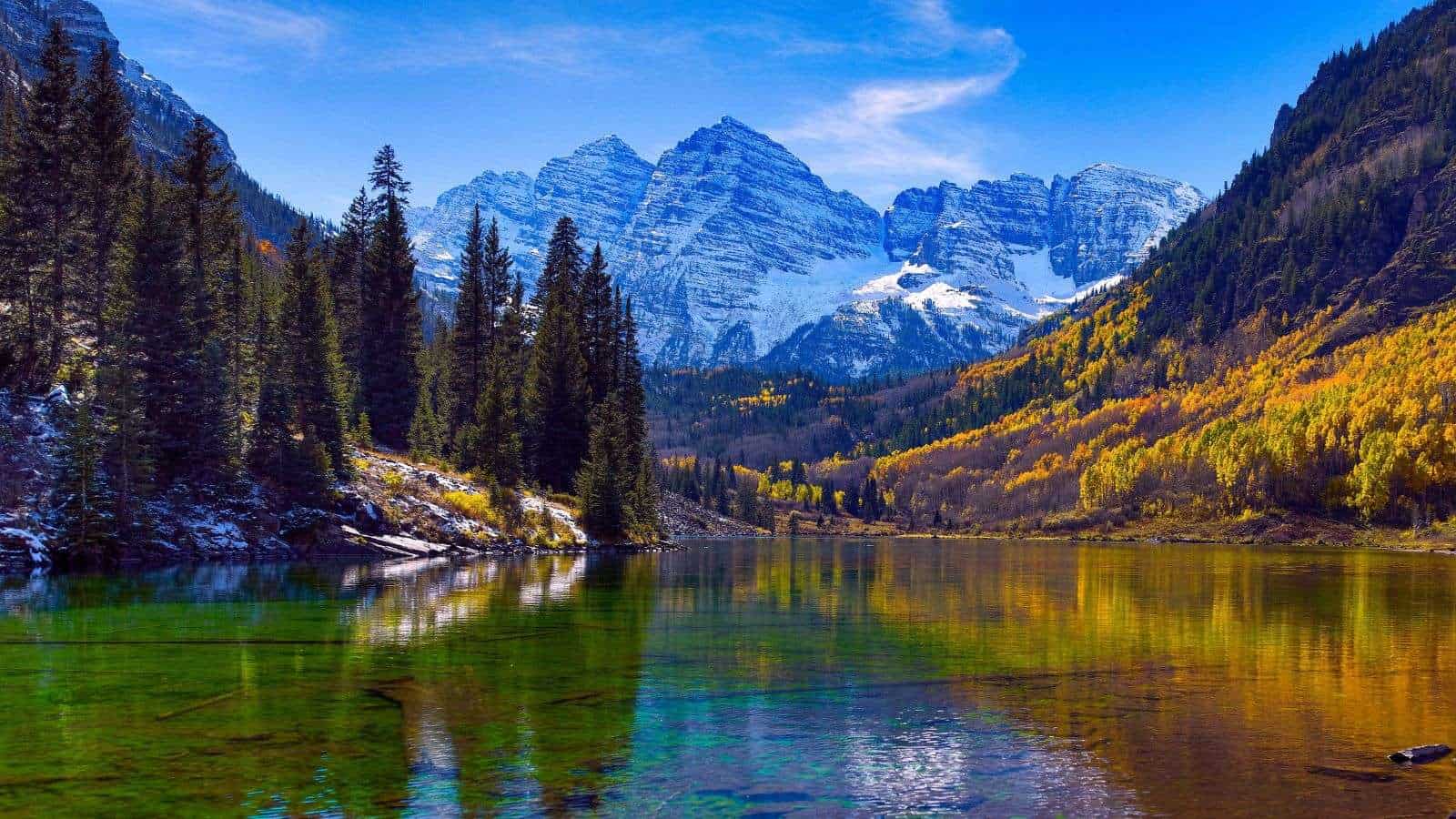
20 U.S. Resorts Locals Call “Playgrounds for the Super Rich”
Across the United States, certain resorts have developed reputations that go far beyond luxury, becoming symbols of extreme wealth and exclusivity. These destinations cater to travelers for whom private jets, seven-figure vacations, and invitation-only experiences are standard expectations rather than indulgences. While visitors may admire the scenery and amenities, locals often view these places as worlds apart from everyday life. This article explores 20 U.S. Resorts Locals Call “Playgrounds for the Super Rich.”
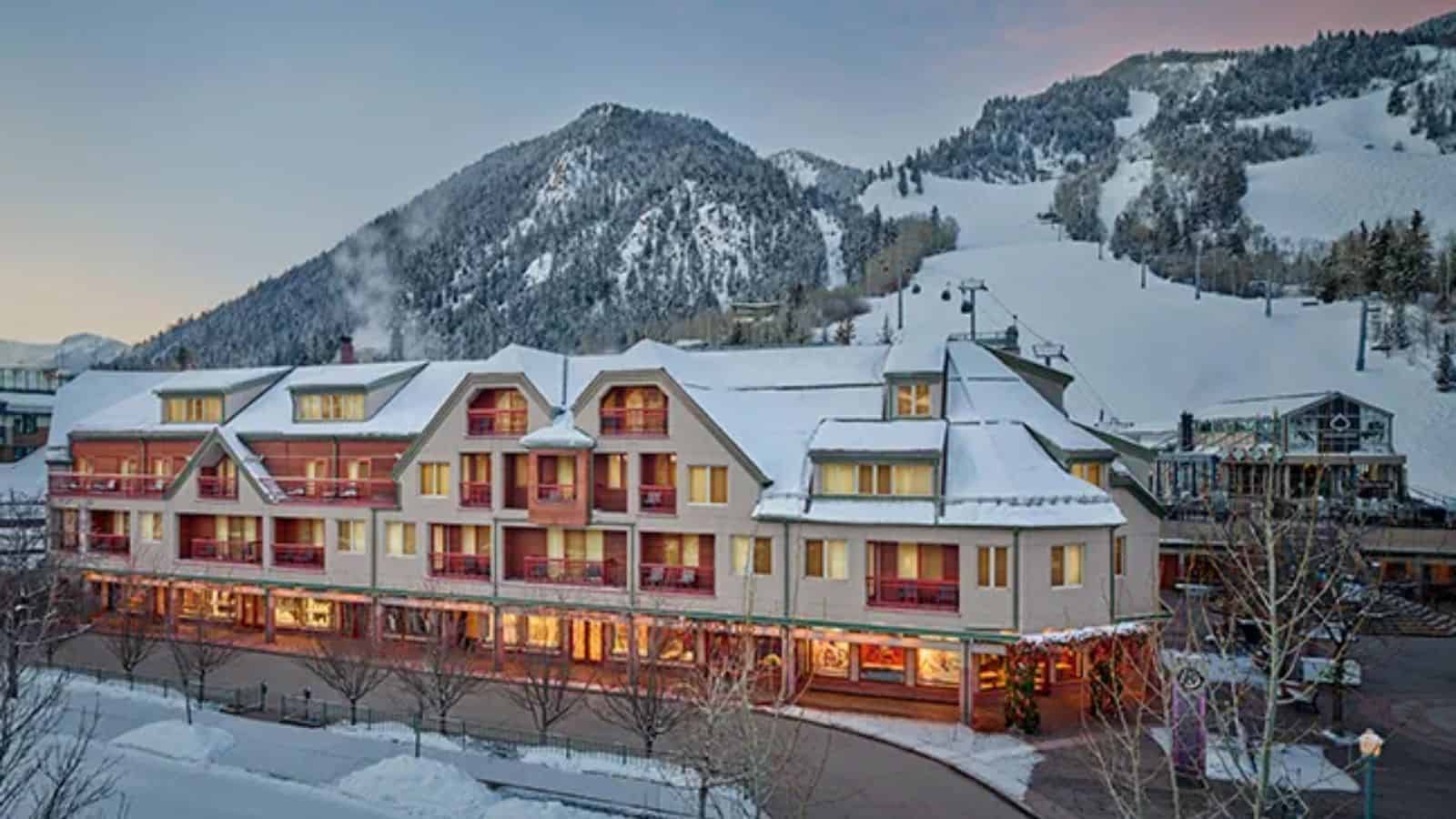
Aspen, Colorado

Aspen is often the first place mentioned when locals talk about wealth-driven tourism. Beyond world-class skiing, the town caters to billionaires, celebrities, and global elites with designer boutiques, fine art galleries, and luxury real estate that dominates the market. Seasonal visitors arrive with expectations of exclusivity, driving prices for everything from coffee to condos. In U.S. travel conversations, Aspen represents how a mountain town can transform into a financial ecosystem built around extreme affluence.
Palm Beach, Florida
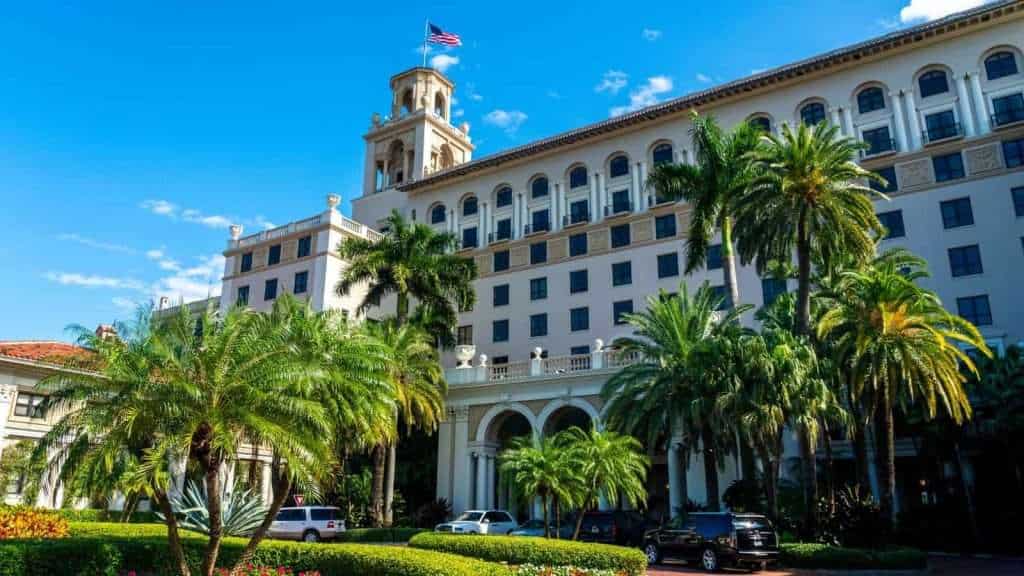
Palm Beach is synonymous with generational wealth and polished luxury. Oceanfront mansions, private clubs, and upscale resorts define the area’s identity. Locals often describe it as a social circuit rather than a vacation town, where exclusivity dictates access. Resorts cater to long-stay guests who expect privacy, personalized service, and impeccable aesthetics. For U.S. travel observers, Palm Beach reflects old-money influence blended with modern luxury expectations.
Jackson Hole, Wyoming
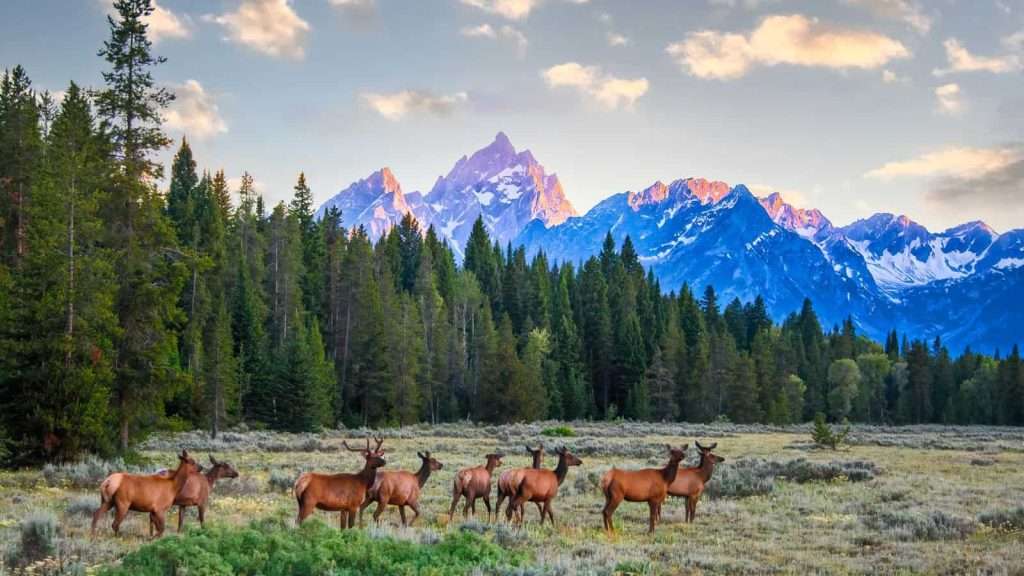
Jackson Hole blends rugged Western imagery with some of the highest-priced resorts in the country. Locals note the contrast between working communities and ultra-wealthy seasonal residents. Luxury lodges, private ranches, and exclusive ski access dominate the resort scene. While marketed as adventurous and outdoorsy, Jackson Hole’s resort culture is firmly rooted in high-net-worth lifestyles within U.S. travel circles.
Montecito, California

Montecito’s coastal resorts attract celebrities, tech executives, and international elites seeking privacy and refinement. Locals often describe it as discreetly extravagant, where understated appearances mask enormous wealth. Luxury spas, ocean-view villas, and invitation-only amenities define the experience. In U.S. travel culture, Montecito stands out for combining natural beauty with quiet, highly controlled exclusivity.
Beverly Hills, California

Beverly Hills resorts operate at the intersection of hospitality and high society. Locals view them as extensions of celebrity culture, where wealth is both expected and displayed. Personalized services, elite dining, and security-driven privacy define these properties. Travelers entering this world often feel they’ve stepped into a different economic reality. Within U.S. travel, Beverly Hills remains a benchmark for luxury excess.
Sun Valley, Idaho

Sun Valley’s reputation as a discreet luxury destination has grown steadily. Locals describe it as a place where billionaires blend in while enjoying private skiing, elite events, and luxury estates. Resorts emphasize subtlety rather than spectacle, but prices reveal the true audience. For U.S. travel enthusiasts, Sun Valley represents refined exclusivity without overt flash.
Nantucket, Massachusetts
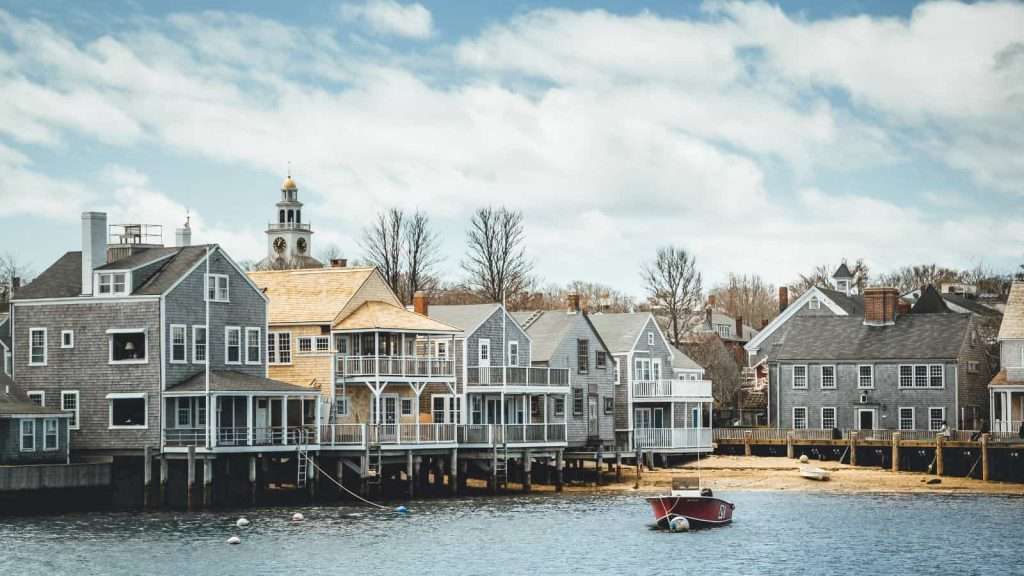
Nantucket’s historic charm masks its reputation as a playground for America’s wealthiest families. Locals often note how seasonal residents transform the island each summer. Resorts cater to guests seeking privacy, heritage aesthetics, and high-end dining. Limited space and demand drive extraordinary costs. In U.S. travel, Nantucket symbolizes coastal luxury rooted in tradition and scarcity.
The Hamptons, New York

Resorts in the Hamptons serve a clientele drawn from finance, media, and fashion industries. Locals often describe summer as a complete cultural shift, dominated by elite visitors. Exclusive beach access, private events, and luxury rentals define the scene. The Hamptons’ resort culture reflects status-driven U.S. travel at its most concentrated.
Telluride, Colorado
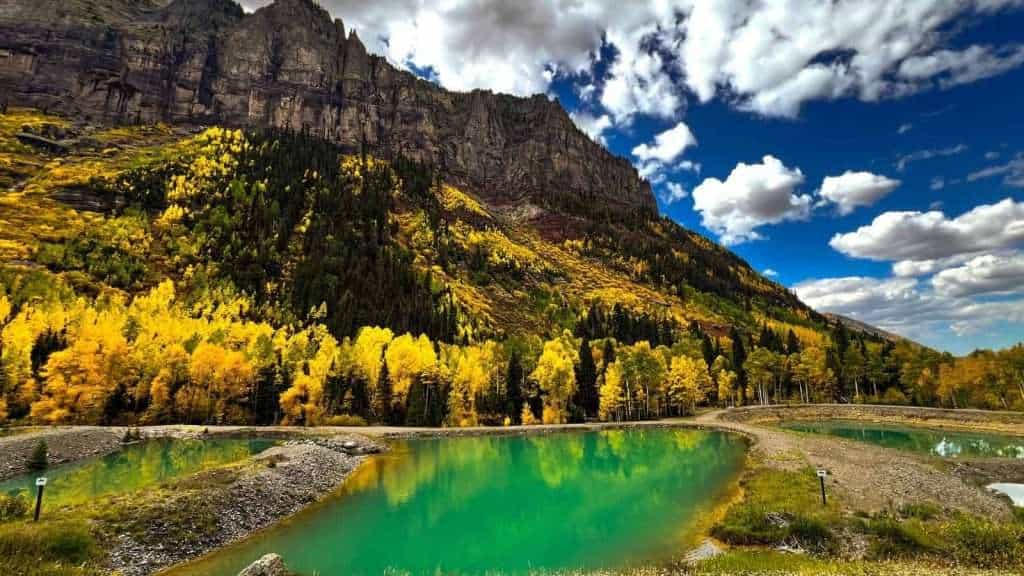
Telluride’s remote location enhances its exclusivity. Locals describe it as a haven for wealthy travelers seeking privacy alongside dramatic scenery. Resorts focus on bespoke experiences, from private guides to high-end wellness services. Real estate prices reinforce its elite status. In U.S. travel discussions, Telluride is often cited as luxurious without mass exposure.
Lake Como–Style Resorts of Lake Tahoe, California
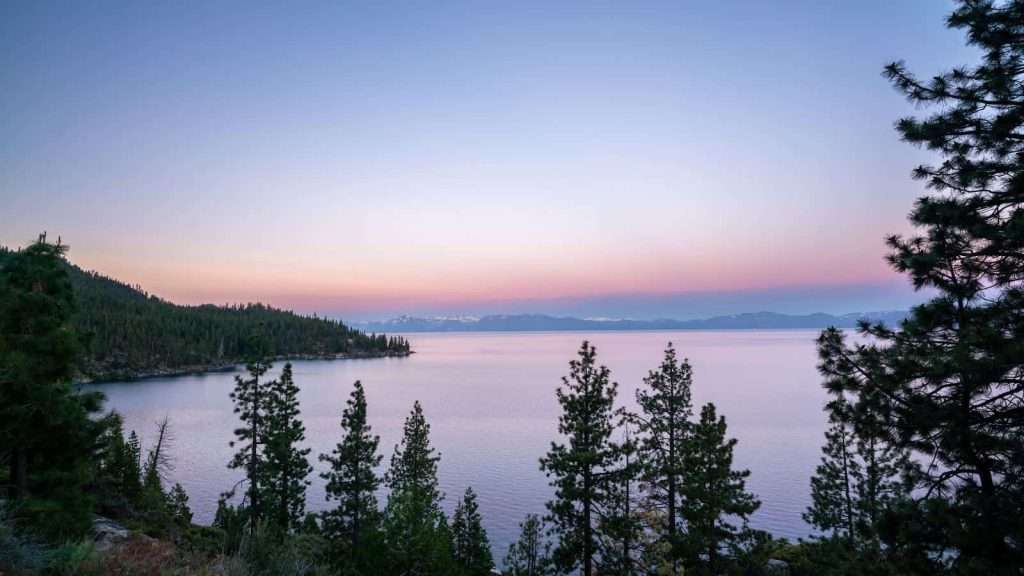
Certain Lake Tahoe resorts have evolved into ultra-luxury enclaves. Locals point to private beaches, gated developments, and elite clientele as signs of growing exclusivity. While Tahoe remains accessible in parts, specific resorts cater almost exclusively to high-net-worth travelers. In U.S. travel culture, these properties represent a shift toward European-style luxury on American soil.
Big Sky, Montana

Big Sky’s rapid transformation has not gone unnoticed by locals. Luxury resorts, private ski access, and high-end developments increasingly dominate the landscape. What was once a quiet destination now attracts billionaires seeking space and privacy. U.S. travel narratives often highlight Big Sky as an example of how wealth reshapes remote destinations.
Vail, Colorado
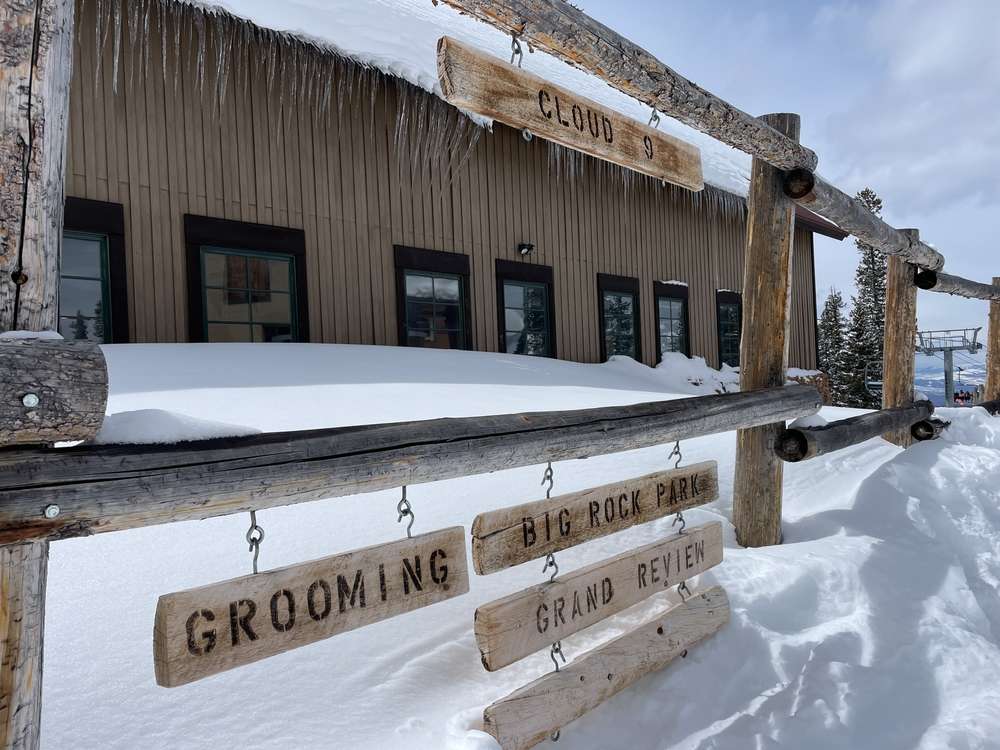
Vail’s resort culture caters to global elites as much as avid skiers. Locals describe a seasonal economy driven by wealth concentration. Luxury lodging, upscale dining, and premium services define the visitor experience. In U.S. travel, Vail represents how large-scale resorts can evolve into financial ecosystems centered on affluence.
Park City, Utah
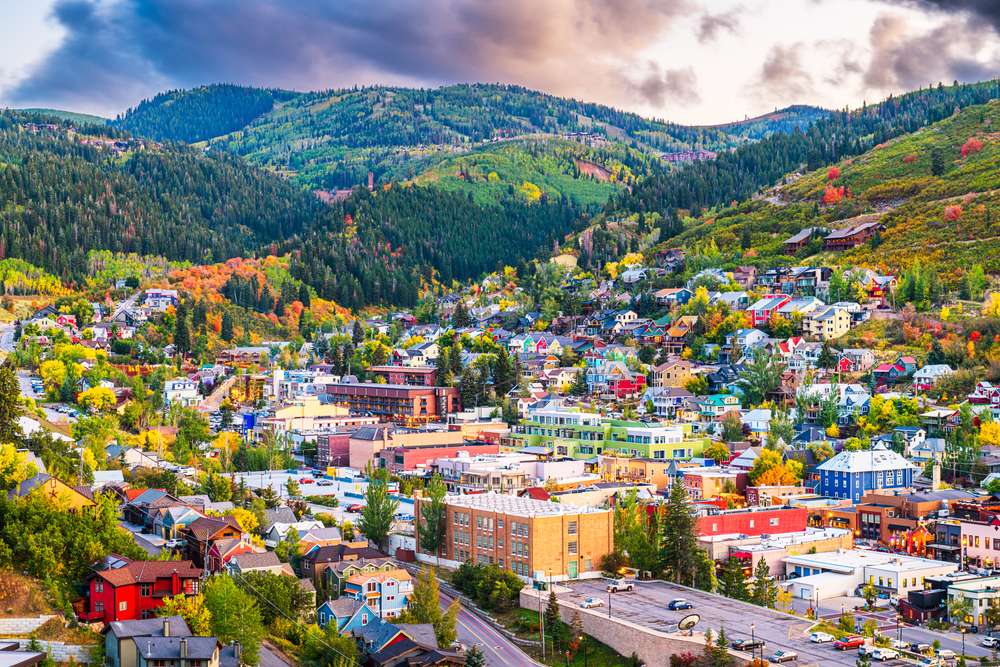
Park City’s proximity to a major airport has fueled its rise among wealthy travelers. Locals often note how exclusive developments and luxury resorts reshape the town’s character. Private ski access, high-end wellness offerings, and premium real estate dominate the market. U.S. travel audiences increasingly associate Park City with elite winter lifestyles.
Santa Fe, New Mexico
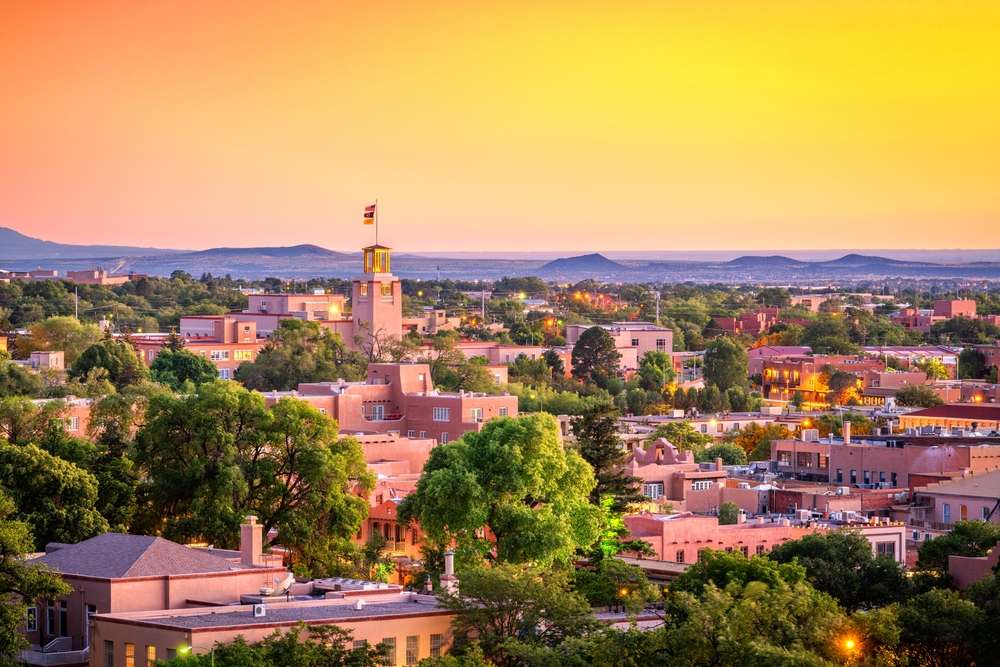
Santa Fe’s high-end resorts attract affluent travelers seeking culture, art, and exclusivity. Locals describe these properties as secluded luxury worlds distinct from everyday city life. Spa-focused experiences, curated art, and high-end dining cater to wealth-driven tourism. In U.S. travel discussions, Santa Fe represents sophisticated luxury with regional identity.
Kiawah Island, South Carolina

Kiawah Island’s resorts are known for privacy, security, and exclusivity. Locals often view the island as a gated luxury environment. Golf-focused amenities, private beaches, and upscale accommodations define the experience. U.S. travel narratives frequently highlight Kiawah as a coastal retreat designed for extreme comfort and wealth.
Pebble Beach, California

Pebble Beach operates at the intersection of golf, luxury, and prestige. Locals associate its resorts with elite events and affluent visitors. Premium accommodations and exclusive experiences dominate the area. In U.S. travel culture, Pebble Beach symbolizes status-driven leisure tied to iconic landscapes.
Sea Island, Georgia

Sea Island’s resort culture caters to generational wealth and long-standing elite traditions. Locals describe it as refined and intentionally exclusive. Personalized service, controlled access, and luxury amenities define the guest experience. U.S. travel audiences often view Sea Island as a symbol of understated Southern luxury.
Deer Valley, Utah

Deer Valley’s skier-only policy reinforces its elite reputation. Locals note how service standards and pricing shape a highly curated visitor base. Resorts emphasize comfort, privacy, and luxury at every level. In U.S. travel, Deer Valley is frequently cited as a destination built specifically for affluent skiers.
Malibu, California

Malibu’s coastal resorts attract celebrities and ultra-wealthy travelers seeking oceanfront privacy. Locals often describe these resorts as isolated bubbles of luxury. Limited access and high costs reinforce exclusivity. Within U.S. travel culture, Malibu represents luxury defined by location and discretion.
Palm Springs (Ultra-Luxury Enclaves), California
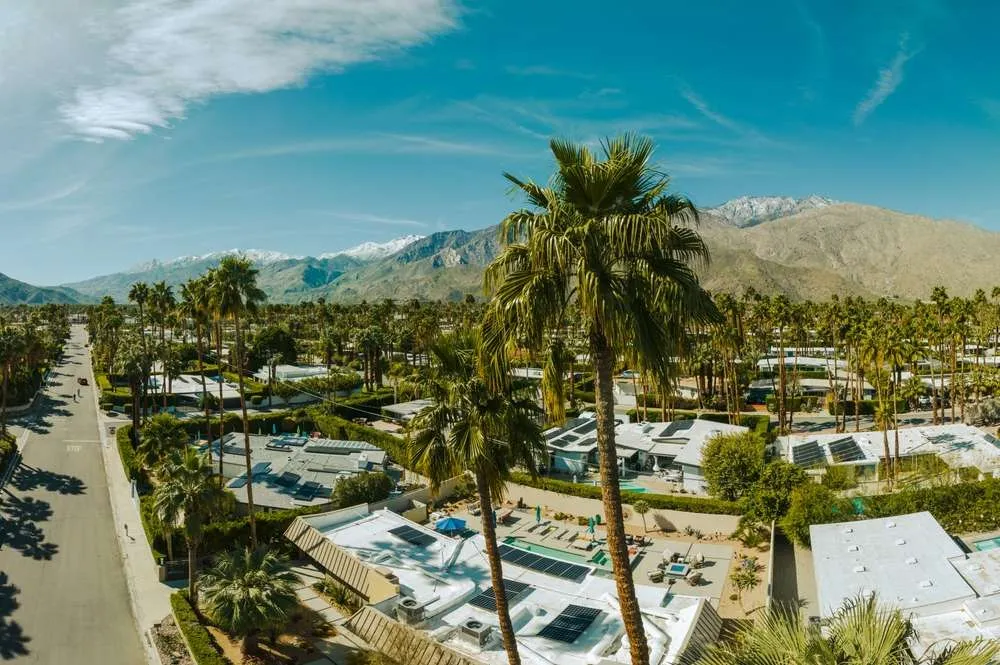
While Palm Springs has broad appeal, certain resorts operate firmly in super-rich territory. Locals distinguish these enclaves by their privacy, design, and elite clientele. Personalized experiences and exclusive amenities dominate. In U.S. travel, these resorts highlight how wealth can coexist with retro charm and desert landscapes.

Deborah Montiero is a seasoned travel writer and contributor to Probe the Globe. With a passion for uncovering hidden gems and sharing immersive travel experiences, Deborah’s work highlights must-visit destinations, insider tips, and practical advice for travelers of all types. Whether exploring bustling cities or remote escapes, her articles are crafted to inspire and inform, making her a trusted voice in the travel community.
Her storytelling weaves together cultural insights, logistical tips, and authentic experiences, making her a valuable resource for readers seeking unforgettable journeys.
When not writing, Deborah is likely researching the latest travel trends or planning her next adventure. Follow her work on Probe the Globe for fresh perspectives and up-to-date travel inspiration.