20 U.S. Small Towns Where Locals Still Don’t Trust Outsiders
Small-town America has long been associated with friendliness, familiarity, and shared history, but that picture doesn’t apply everywhere in the same way. In some places, deep roots, generational ties, and a strong sense of privacy create communities that move cautiously around newcomers. This isn’t about hostility as much as protection of identity, tradition, and rhythm of life. Exploring this side of U.S. travel reveals 20 U.S. Small Towns Where Locals Still Don’t Trust Outsiders.
Hancock, New York

Hancock sits along the Delaware River and has a long history shaped by logging, fishing, and seasonal visitors. Locals often know each other across generations, and newcomers may feel quietly observed rather than openly welcomed. This wariness comes from decades of outsiders buying land, leaving, and changing the local economy. Visitors who move slowly, respect privacy, and avoid probing questions tend to be received far better.
Marfa, Texas
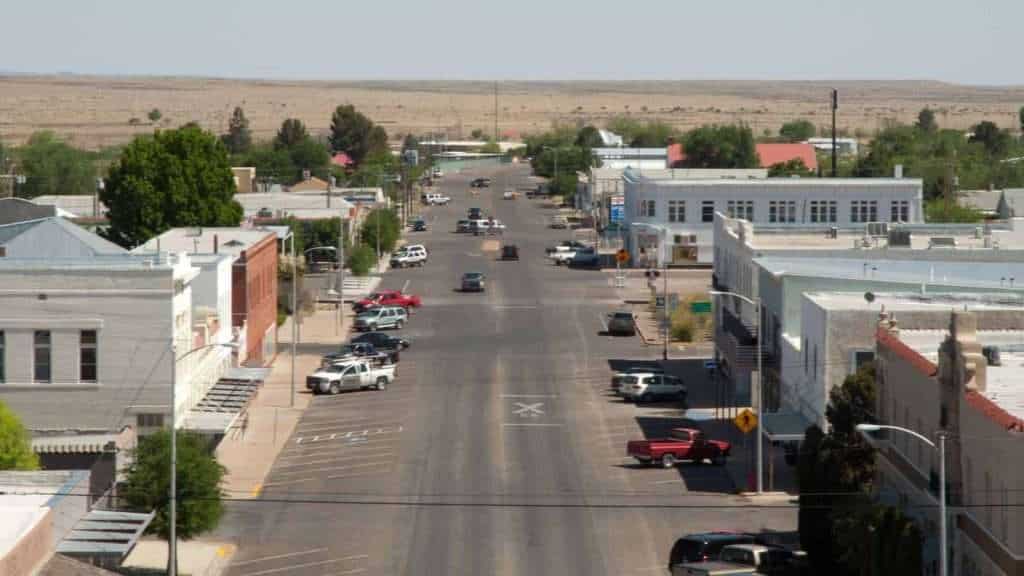
Marfa attracts artists, photographers, and travelers from around the world, yet longtime residents remain cautious. The town’s sudden rise in popularity reshaped property values and daily life. Locals who lived there before the art boom often guard their routines closely. U.S. travel here feels layered, with a clear divide between longtime residents and cultural visitors.
Bethel, Maine

Bethel is surrounded by natural beauty, but its community is tightly woven through family history and tradition. Visitors are welcome for recreation, yet permanent outsiders can struggle to fully integrate. Locals often value independence and familiarity over expansion. The town’s reserved nature reflects a broader New England preference for privacy rather than open socialization.
Centralia, Pennsylvania

Centralia’s population is small, and its history is dominated by the underground mine fire that reshaped the town. Remaining residents tend to be highly protective of their space and story. Outsiders often arrive with curiosity, cameras, or assumptions. Locals may respond with distance, preferring to keep their lives free from outside interpretation.
Point Reyes Station, California

Though located in a popular coastal region, Point Reyes Station retains a strong local identity. Agricultural roots and environmental concerns have made residents cautious of change. Outsiders are often seen as temporary or disruptive. For travelers, understanding local priorities is key to feeling comfortable during a visit.
Jerome, Arizona
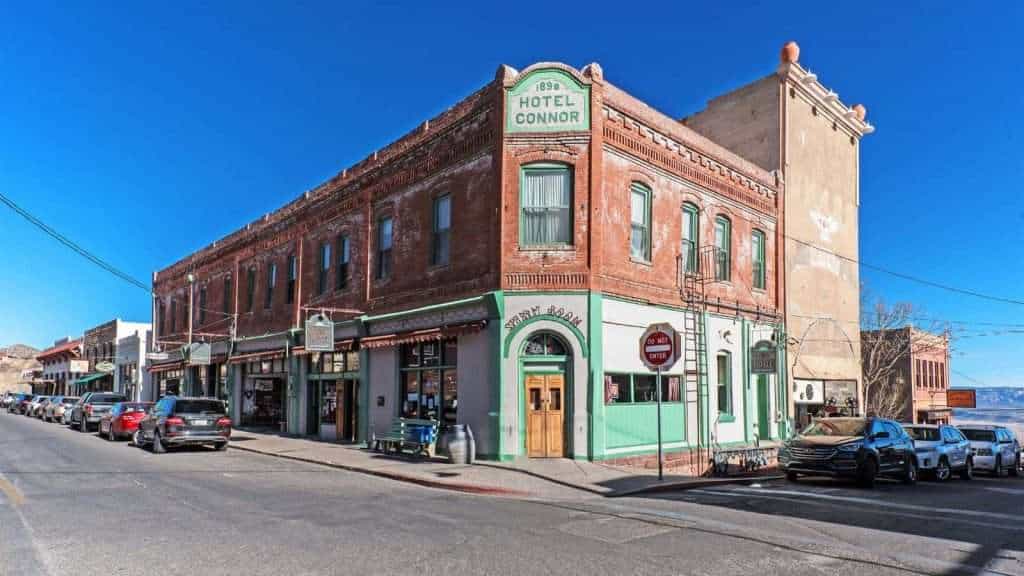
Jerome’s dramatic hillside setting attracts tourists, but the community itself remains tightly bonded. Once a mining town, its identity is shaped by survival and reinvention. Longtime residents can appear skeptical of outsiders who arrive seeking novelty. Respecting the town’s complex history goes a long way toward mutual understanding.
Truth or Consequences, New Mexico
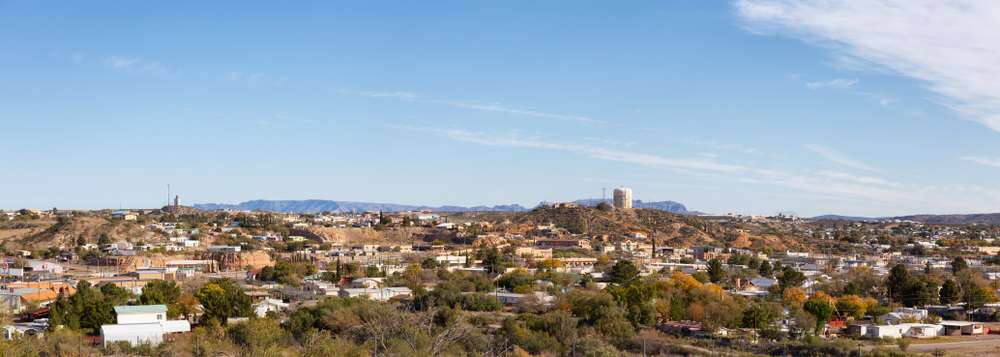
This town’s unusual name draws attention, but its residents value quiet and routine. Outsiders often arrive with expectations shaped by novelty rather than reality. Locals tend to keep personal distance until trust is earned. U.S. travel here rewards patience rather than immediate connection.
Appalachia Village Areas – Kentucky

Certain small towns in Appalachian Kentucky remain deeply insular. Strong family ties and shared hardship shape local culture. Outsiders may feel invisible or cautiously observed rather than openly rejected. Respect, humility, and listening matter more than curiosity in these communities.
Grafton, Vermont
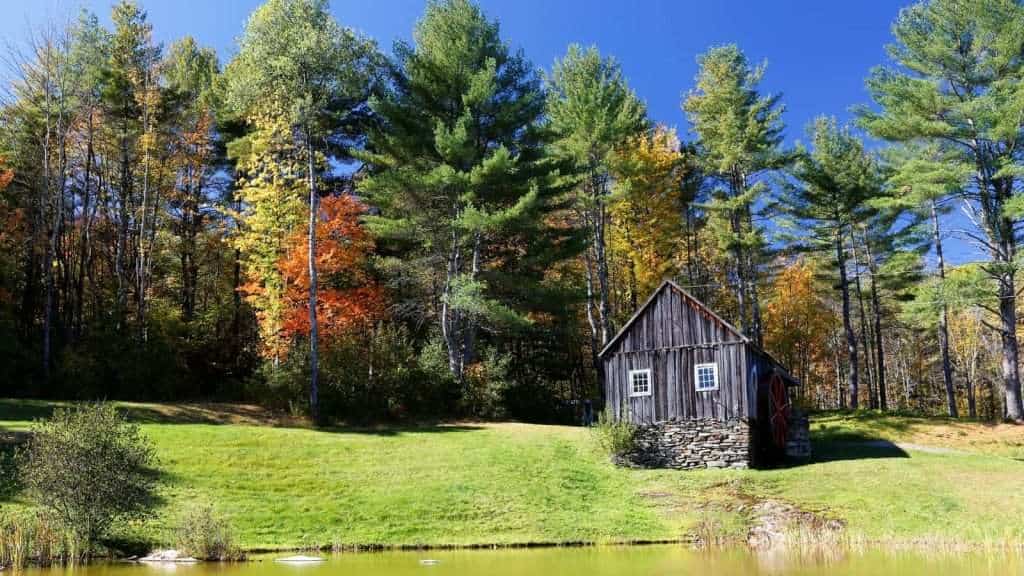
Grafton has preserved a historic identity that residents actively protect. Outsiders who attempt to reshape or modernize the town may meet quiet resistance. Locals value continuity and tradition over rapid change. The town’s careful pace reflects a deep attachment to place.
McCarthy, Alaska

McCarthy is remote even by Alaska standards, and survival plays a role in community dynamics. Residents depend heavily on one another, which builds strong internal trust. Outsiders may feel like temporary observers rather than participants. In U.S. travel terms, this is a place where self-reliance is respected above all.
Eureka Springs Outskirts, Arkansas
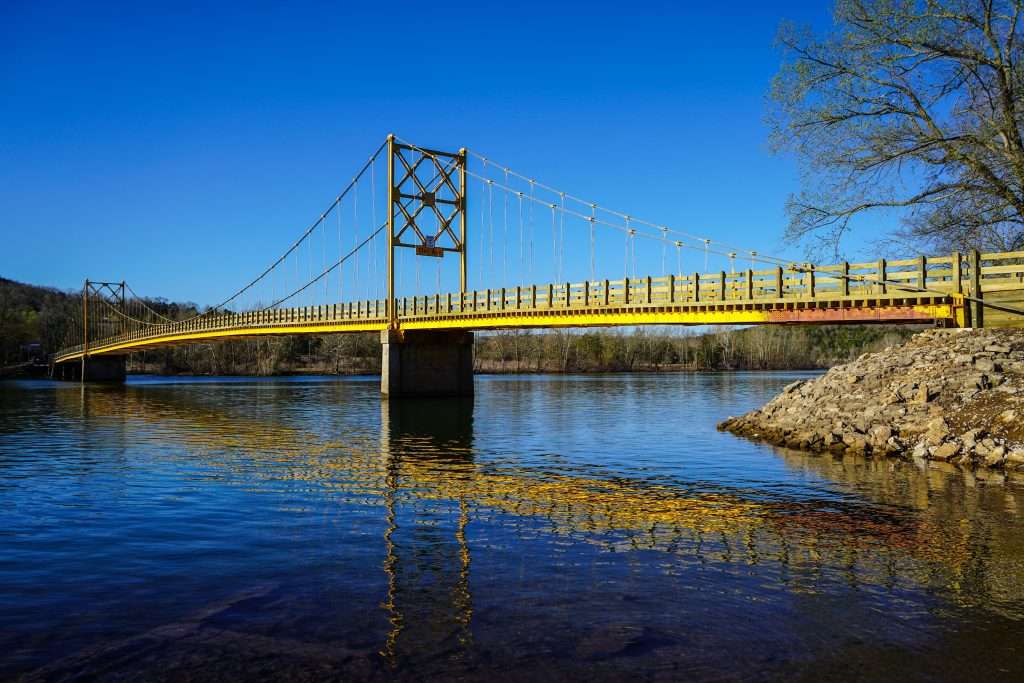
While the town center is welcoming to visitors, surrounding rural communities remain cautious. Longtime residents often distinguish clearly between locals and newcomers. Cultural shifts brought by tourism have made privacy more important than ever. Travelers who stay curious but restrained tend to navigate these dynamics best.
Pahoa, Hawaii

Pahoa has seen waves of new residents over the years, leading to cultural tension. Locals often prioritize community history and environmental respect. Outsiders who arrive without understanding local customs may feel excluded. This dynamic reflects broader challenges within island-based U.S. travel destinations.
Eastport, Maine
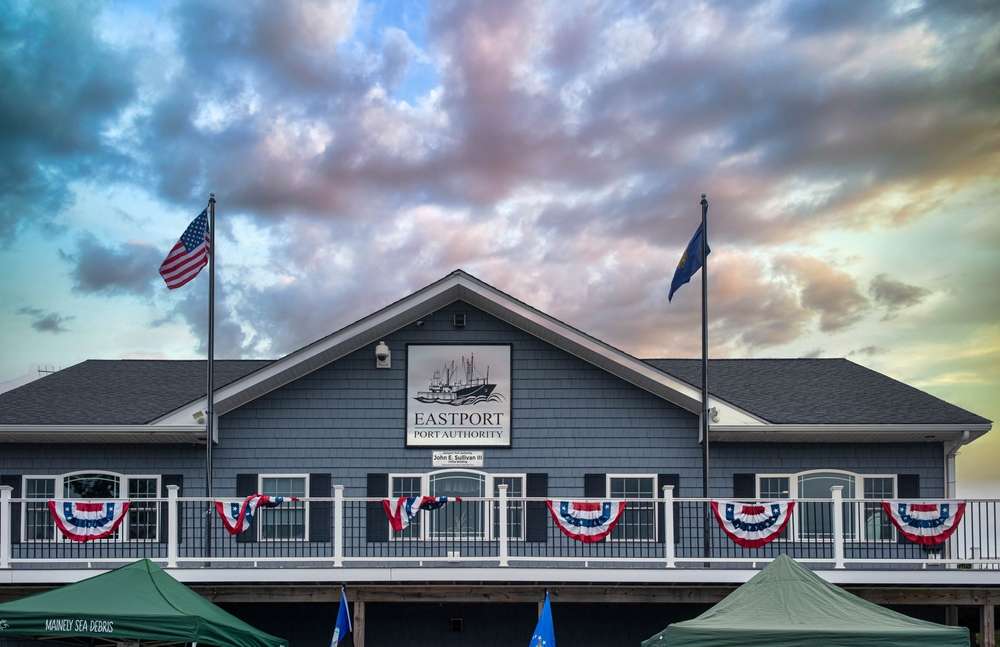
Eastport’s isolation has shaped a fiercely independent community. Residents rely on one another in ways outsiders rarely see. Visitors are often met with politeness rather than openness. Over time, consistency matters more than charm in building trust here.
Cairo, Illinois

Cairo’s history of economic decline and social struggle has fostered deep-rooted skepticism. Outsiders often arrive with preconceived narratives. Locals tend to keep distance until intentions are clear and the town’s caution reflects resilience rather than hostility.
Bisbee Hills Communities, Arizona
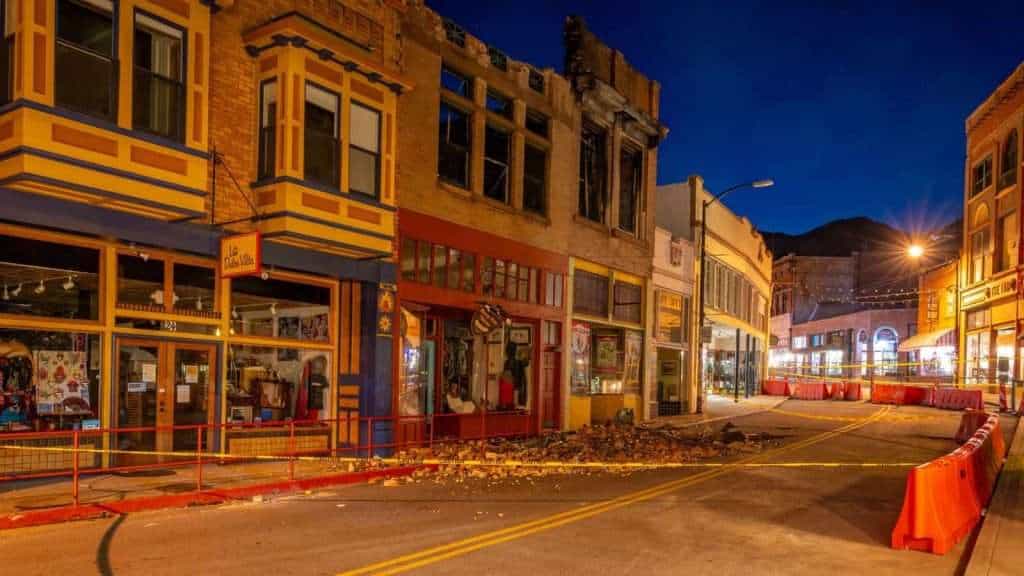
Bisbee’s surrounding neighborhoods are distinct from its tourist-facing areas. Longtime residents value self-expression but resist intrusion. Outsiders may feel welcome in public spaces but distant in private ones. Understanding that distinction helps travelers navigate the town respectfully.
Forks, Washington

Forks gained international attention through popular culture, changing the town overnight. Many locals grew wary of being defined by outside narratives. While visitors are common, residents often keep emotional distance. U.S. travel here works best when expectations are kept grounded.
Green Bank, West Virginia

Green Bank’s radio quiet zone limits technology use, shaping a unique lifestyle. Residents value this environment and guard it closely. Outsiders unfamiliar with these restrictions may feel out of place. Respecting the town’s purpose builds quiet acceptance over time.
Mathews County, Virginia

This rural coastal area remains deeply traditional and family-oriented. Outsiders often feel politely kept at arm’s length. Locals value familiarity and continuity more than growth. Visitors who observe rather than impose tend to feel more comfortable.
Tonopah, Nevada

Tonopah’s isolation and history create a self-contained social world. Residents depend on one another in ways outsiders rarely experience. Visitors may notice limited curiosity in return. In U.S. travel terms, Tonopah values independence over interaction.

Deborah Montiero is a seasoned travel writer and contributor to Probe the Globe. With a passion for uncovering hidden gems and sharing immersive travel experiences, Deborah’s work highlights must-visit destinations, insider tips, and practical advice for travelers of all types. Whether exploring bustling cities or remote escapes, her articles are crafted to inspire and inform, making her a trusted voice in the travel community.
Her storytelling weaves together cultural insights, logistical tips, and authentic experiences, making her a valuable resource for readers seeking unforgettable journeys.
When not writing, Deborah is likely researching the latest travel trends or planning her next adventure. Follow her work on Probe the Globe for fresh perspectives and up-to-date travel inspiration.