20 U.S. Lookout Points With Views So Good People Forget How Dangerous They Are
Scenic viewpoints are some of the most photographed stops in U.S. travel, often promoted for their beauty rather than their risks. Visitors arrive expecting calm moments and panoramic photos, sometimes forgetting that these locations exist because of extreme terrain. Cliffs, drop-offs, high winds, and unstable ground are common features, not exceptions. These 20 places reward attention and respect as much as they offer unforgettable views.
Glacier Point, Yosemite National Park, California
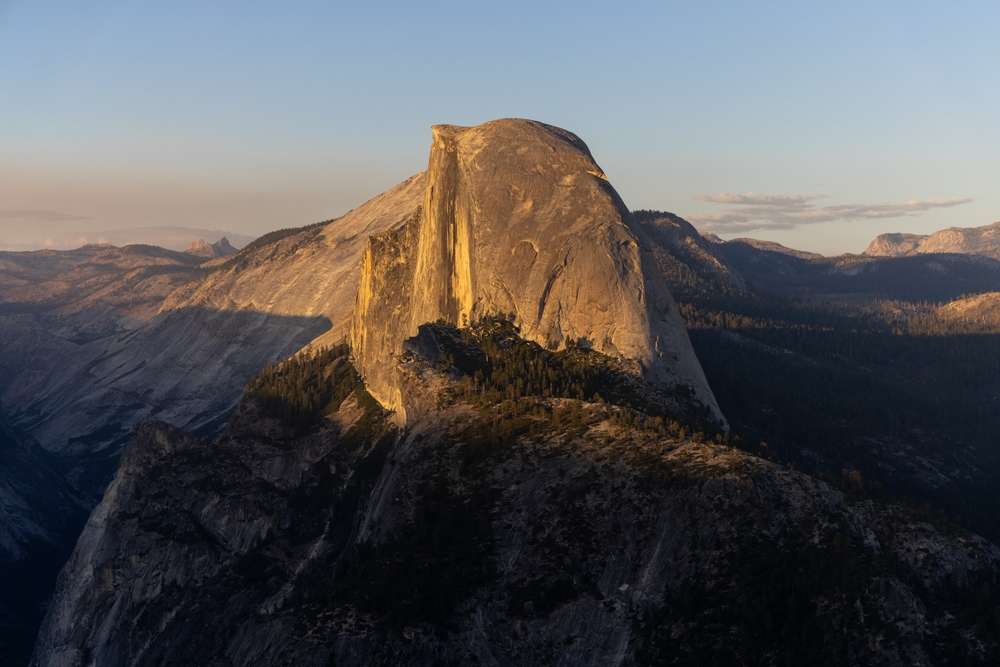
Glacier Point offers one of the most recognizable views in American national parks, looking directly across from Half Dome and down into Yosemite Valley. The elevation exceeds 7,000 feet, and the drop below the stone railing stretches thousands of feet downward. While much of the main overlook is paved, visitors frequently step beyond designated areas to get clearer photos. Rangers regularly remind travelers that loose gravel, sudden gusts of wind, and thin air increase the risk of slips, especially during peak U.S. travel season.
Horseshoe Bend, Arizona
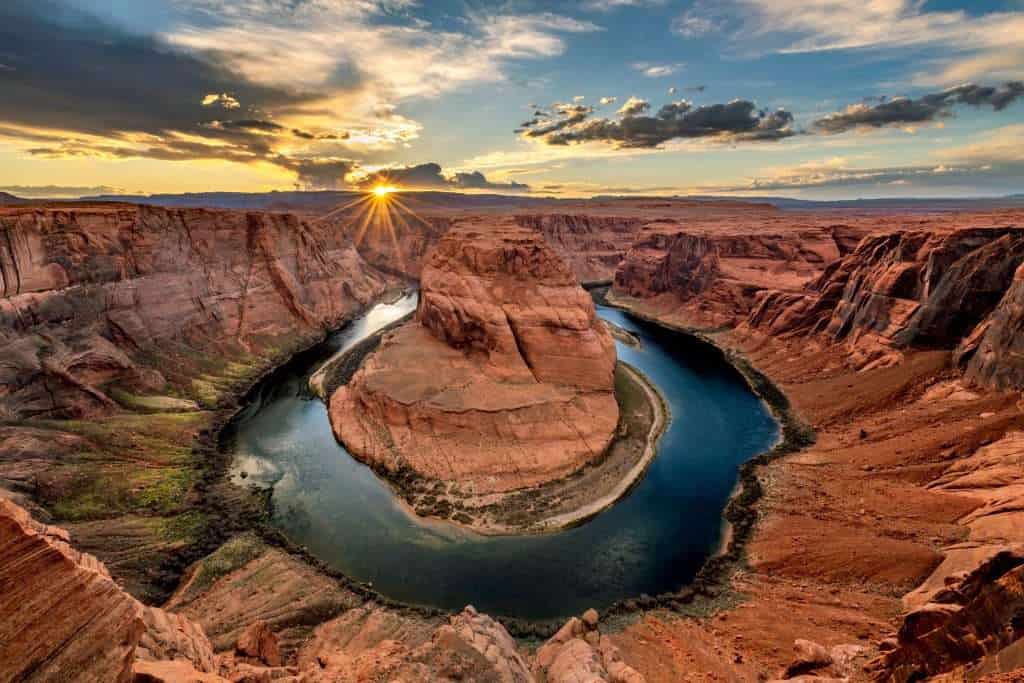
Horseshoe Bend has become a bucket-list destination for travelers visiting the American Southwest. The overlook sits above a 1,000-foot drop into the Colorado River, with no natural barriers along much of the edge. Despite warning signs, visitors often stand inches from the rim for photos. The sandstone surrounding the bend is fragile and can break without warning. Heat exposure and dehydration also contribute to accidents, making this viewpoint far more dangerous than its calm photos suggest.
Taft Point, Yosemite National Park, California
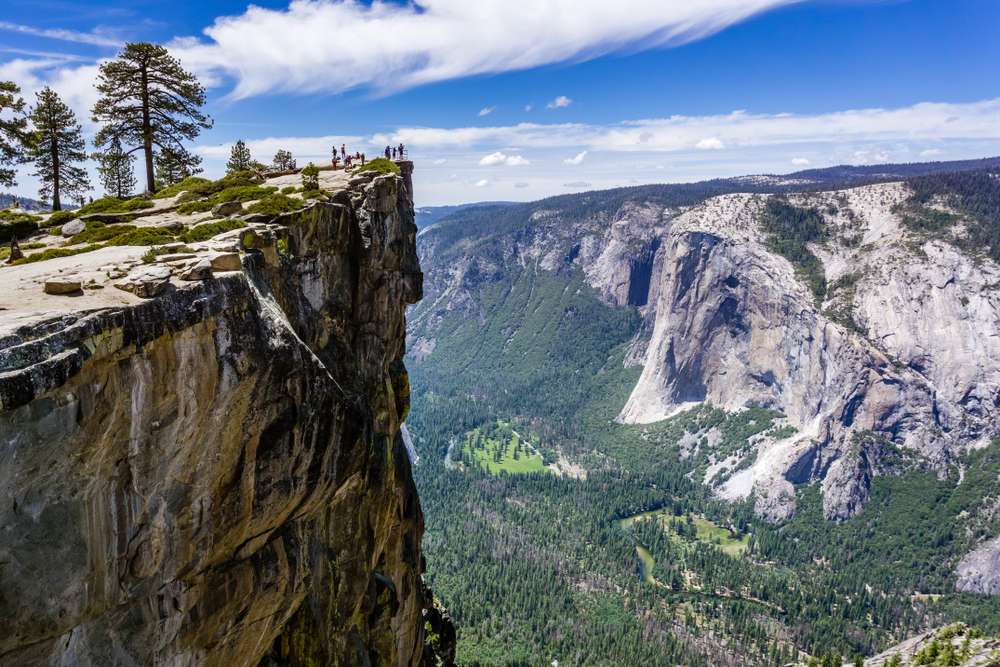
Taft Point is known for its sheer vertical drop and unobstructed views of Yosemite Valley. Unlike more developed overlooks, Taft Point lacks guardrails along its most dramatic edges. The fissures in the rock near the cliff edge can be difficult to see, particularly in low light. Many accidents occur when visitors underestimate how quickly footing can change. Sunset views are especially popular, increasing risk as visibility decreases and crowds linger near unstable areas.
Sky Point at Hurricane Ridge, Washington
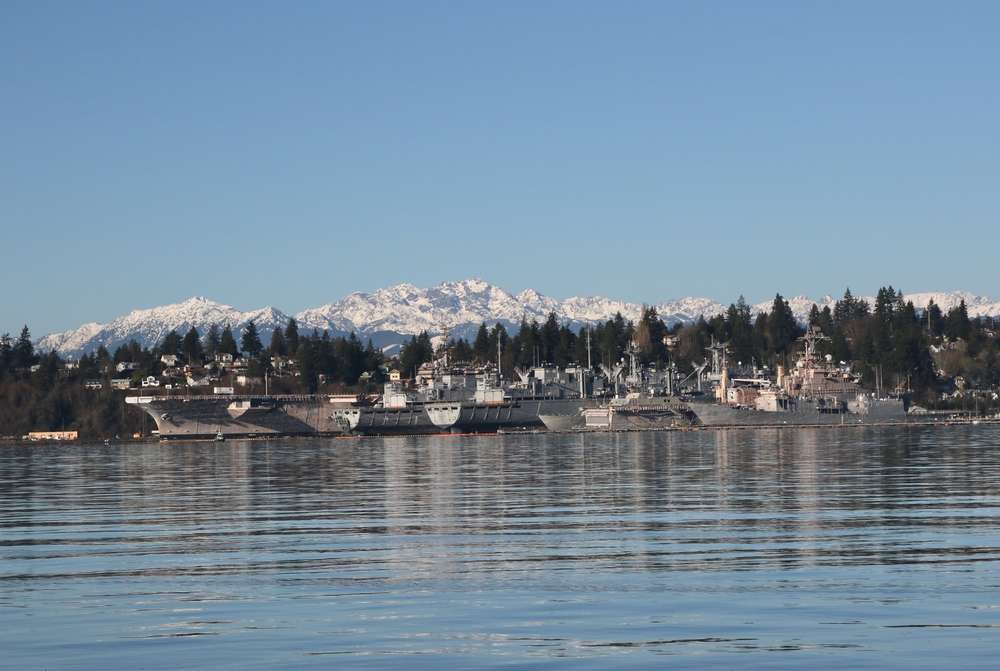
Hurricane Ridge provides sweeping views of the Olympic Mountains and Strait of Juan de Fuca. Weather conditions here change rapidly, with fog, rain, and high winds appearing with little warning. Steep slopes surround the viewing areas, and snow can linger well into summer months. Travelers unfamiliar with alpine conditions may underestimate how slick trails and overlooks become. The dramatic scenery makes it easy to forget how isolated the area can feel once weather shifts.
Bright Angel Point, Grand Canyon North Rim, Arizona
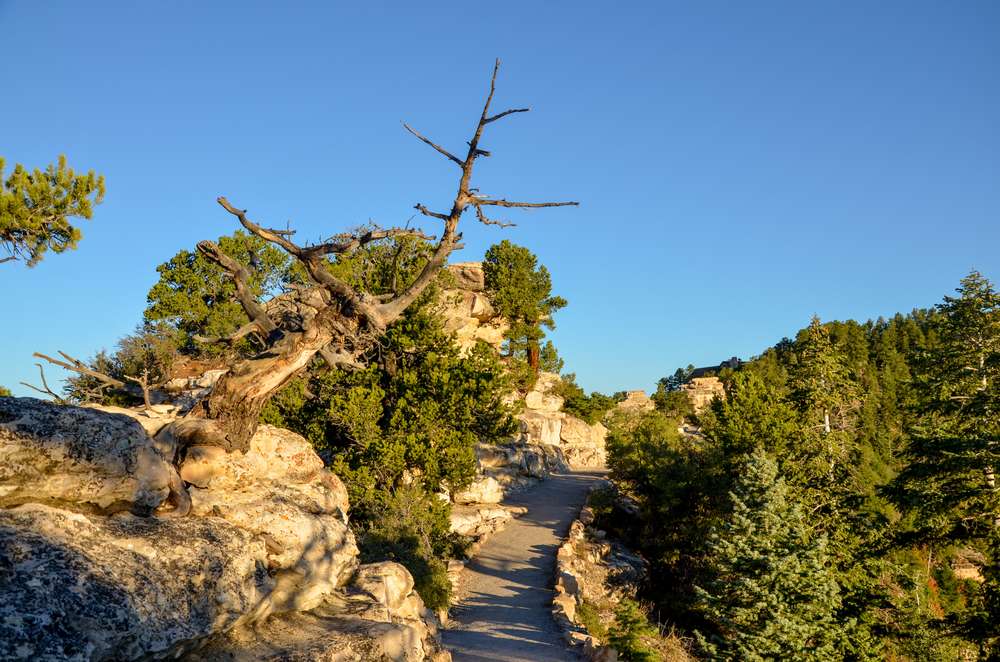
Bright Angel Point offers a narrow walkway with steep drops on both sides, leading to one of the North Rim’s most striking views. The elevation exceeds 8,000 feet, which can cause dizziness for some visitors. While railings exist in sections, large portions of the trail remain exposed. Wind gusts can be strong, and temperatures fluctuate rapidly. The peaceful appearance of the canyon often masks how quickly conditions can turn hazardous.
Cadillac Mountain Summit, Acadia National Park, Maine
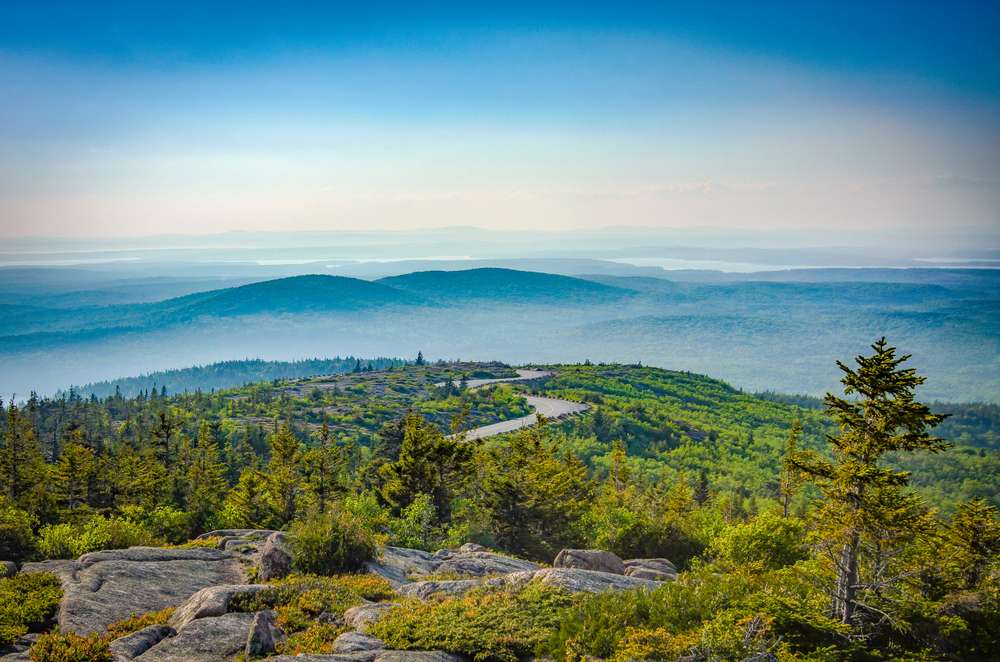
Cadillac Mountain is famous for being one of the first places in the United States to see sunrise. The summit provides expansive coastal views, but exposed granite surfaces dominate the area. During early morning hours, frost and moisture can make rocks extremely slick. Crowds gathering for sunrise often move in low light, increasing the chance of missteps. Weather along the Maine coast can shift suddenly, adding another layer of risk to this popular U.S. travel stop.
Dead Horse Point Overlook, Utah
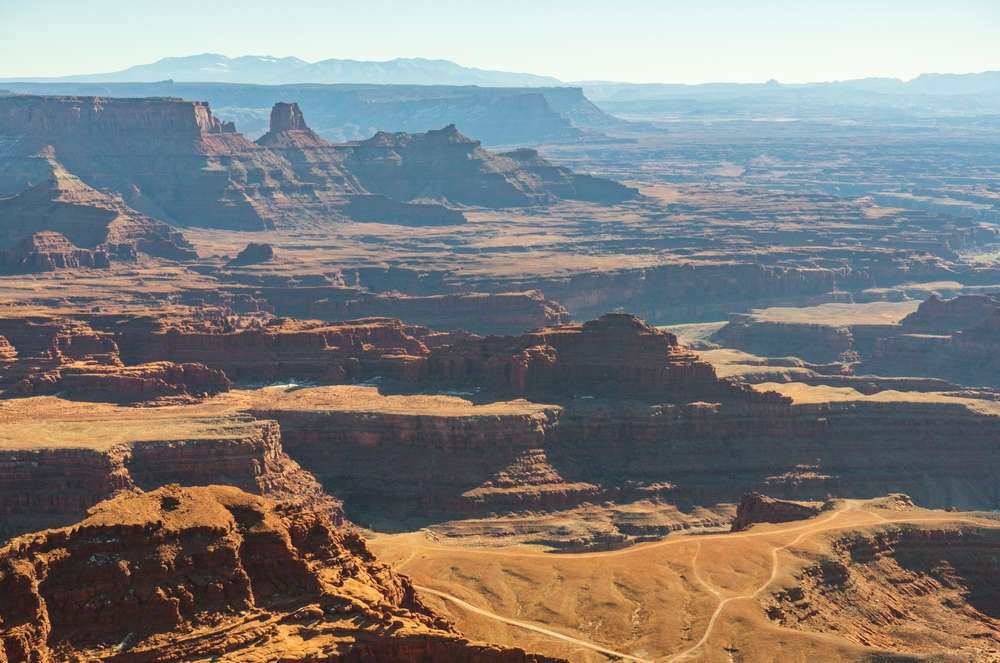
Dead Horse Point offers dramatic canyon views nearly identical in scale to those of the Grand Canyon, but with fewer barriers. The overlook rises about 2,000 feet above the Colorado River. Loose soil and crumbling rock edges are common throughout the area. Visitors often wander beyond established paths to avoid crowds. The desert environment also increases dehydration risk, which can impair judgment and balance near exposed cliffs.
Observation Point, Zion National Park, Utah

Observation Point provides one of the highest viewpoints in Zion National Park, sitting well above Angels Landing. The hike to reach it is long and physically demanding, often leaving visitors fatigued upon arrival. The overlook itself has steep drop-offs with minimal protective barriers. Heat, narrow trails, and sudden storms all contribute to accidents. The expansive view down Zion Canyon can distract travelers from how vulnerable the terrain beneath their feet truly is.
Moro Rock, Sequoia National Park, California
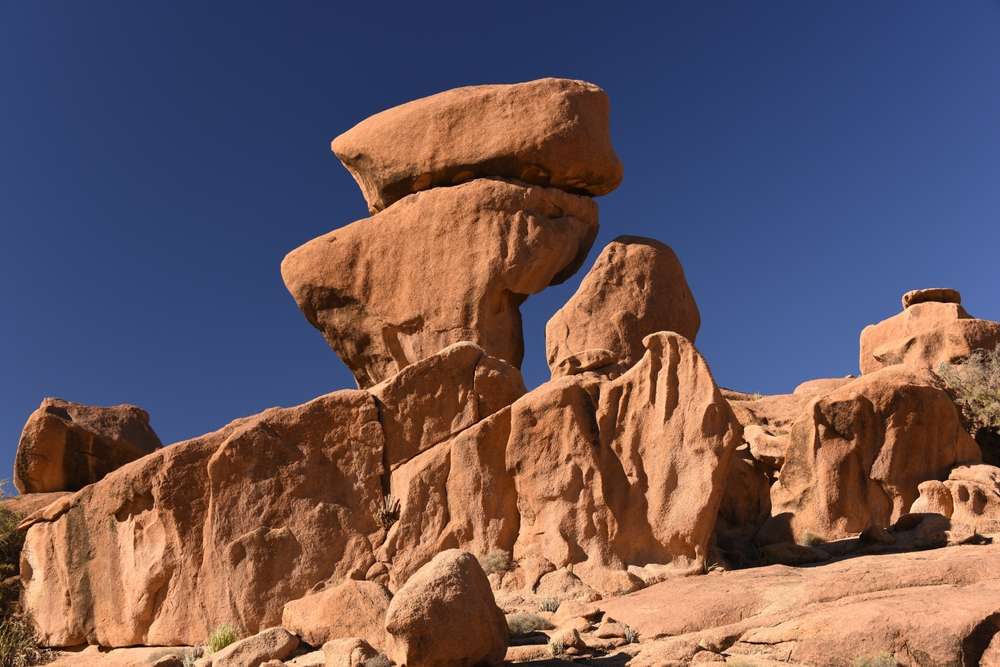
Moro Rock rises abruptly above the forest, offering views across the Sierra Nevada mountains. The stairway carved into the granite seems secure, but wind exposure increases dramatically near the summit. Thunderstorms can roll in quickly, turning metal railings into lightning hazards. The steep ascent also challenges visitors unaccustomed to elevation changes. Despite its popularity in U.S. travel guides, the rock demands careful attention at all times.
Artist’s Point, Yellowstone National Park, Wyoming

Artist’s Point overlooks the Grand Canyon of the Yellowstone and Lower Falls, one of the park’s most photographed scenes. The area sits near geothermal activity, meaning ground stability can change over time. Visitors occasionally stray from marked paths to find quieter viewing spots. The canyon walls drop sharply, and mist from the falls can make surfaces slick. Wildlife presence adds another unpredictable element to this otherwise serene overlook.
Cape Royal Overlook, Grand Canyon North Rim, Arizona

Cape Royal provides panoramic views over vast stretches of the Grand Canyon, including Angel’s Window. The terrain surrounding the overlook is uneven, with sharp rock edges and sudden elevation changes. While less crowded than the South Rim, the isolation means help may be far away if an accident occurs. Wind exposure and loose footing make careful movement essential, especially for visitors unfamiliar with high-altitude desert environments.
Black Balsam Knob, North Carolina
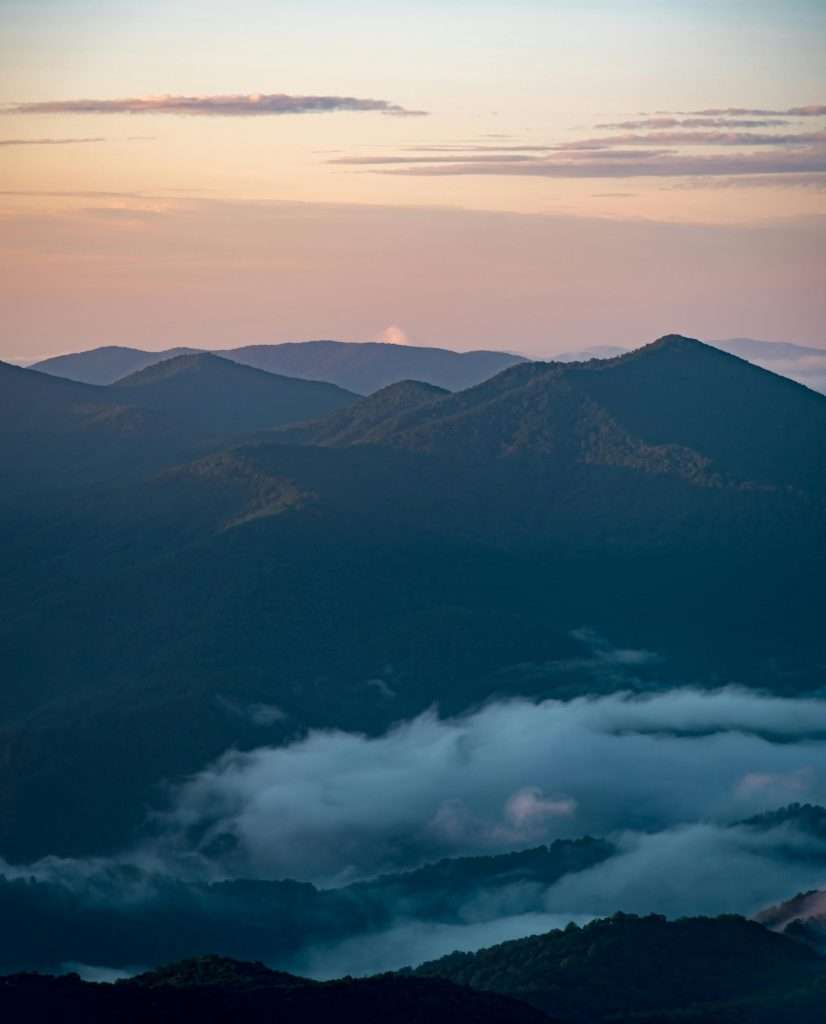
Black Balsam Knob offers sweeping views of the Blue Ridge Mountains along the Blue Ridge Parkway. The grassy bald appearance can be misleading, as steep drop-offs hide beyond gentle slopes. Weather conditions shift rapidly at this elevation, bringing fog and strong winds. Trails cross exposed ridgelines with little protection. The peaceful mountain scenery often distracts visitors from how quickly visibility and footing can deteriorate.
Mesa Arch Viewpoint, Canyonlands National Park, Utah
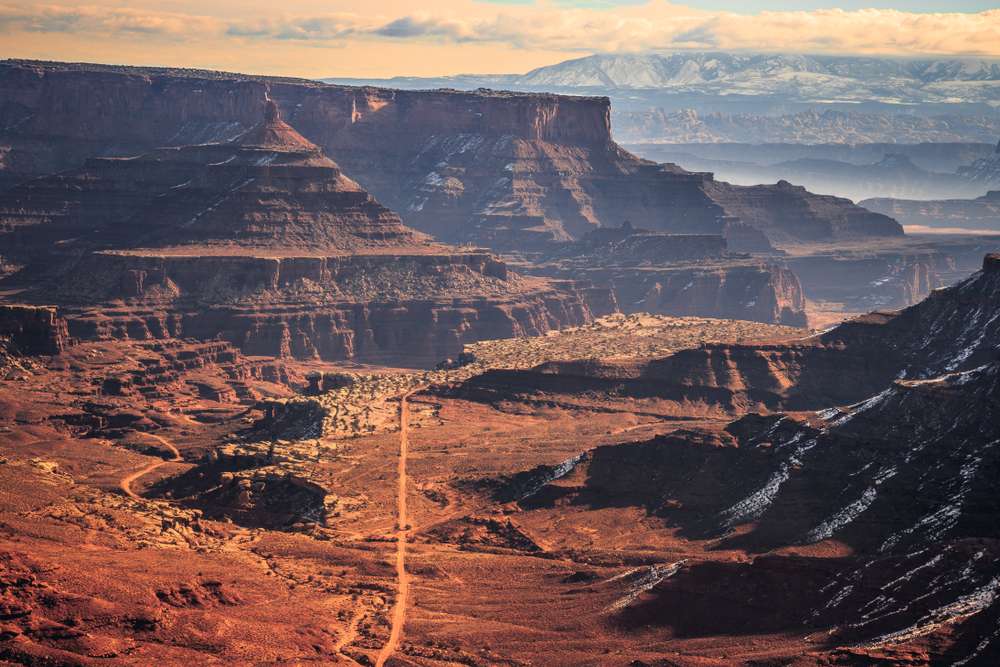
Mesa Arch frames sunrise views of Canyonlands’ vast canyons, drawing photographers from across the country. The overlook sits on a cliff edge with minimal barriers separating visitors from a significant drop. Crowds gathering before dawn increase the risk of accidents in low light. The sandstone around the arch erodes easily, making footing less stable than it appears in photographs. The popularity of the view often outweighs caution.
Hawksbill Crag, Arkansas
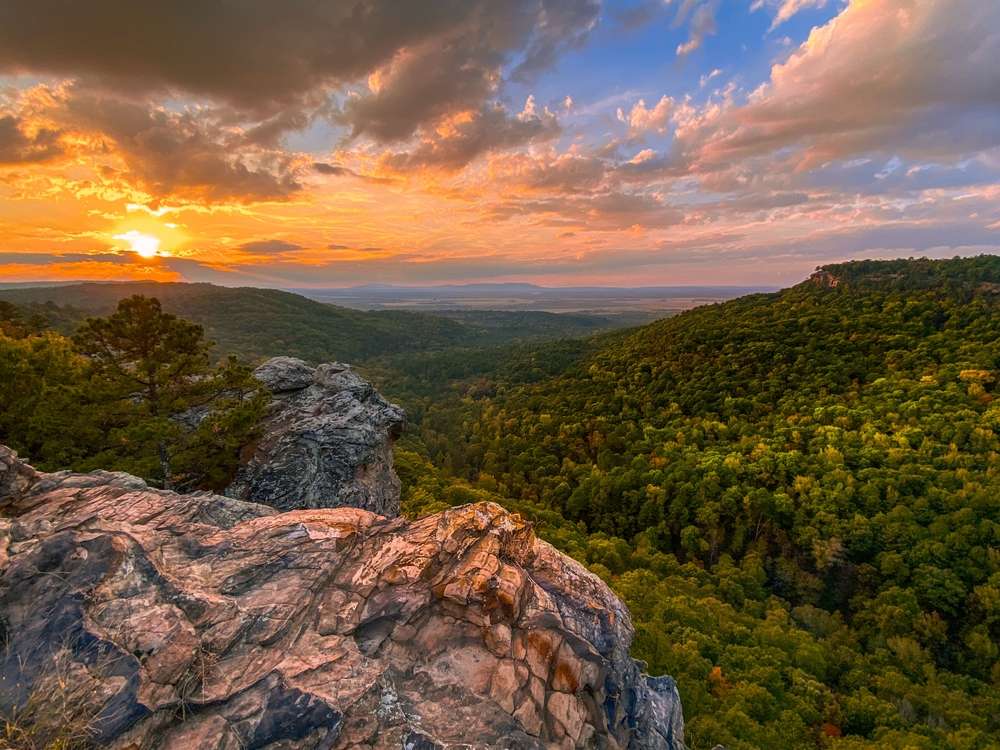
Hawksbill Crag, also known as Whitaker Point, juts out over a steep valley in the Ozark National Forest. The rock formation appears solid, but erosion has weakened portions near the edge. There are no guardrails, and the drop below is significant. Visitors often climb onto the tip of the crag for photos. Remote location and limited cell service make emergency response difficult if something goes wrong.
Sandia Crest, New Mexico

Sandia Crest rises above Albuquerque, offering views across the Rio Grande Valley. The elevation exceeds 10,000 feet, and weather changes quickly at the summit. Thunderstorms, lightning, and high winds are common, even when conditions seem calm below. Trails near the crest pass close to steep slopes. The dramatic contrast between city views and rugged terrain can distract travelers from the serious alpine risks present.
Chimney Tops Overlook, Great Smoky Mountains, Tennessee

Chimney Tops is one of the most popular hikes in the Great Smoky Mountains, ending at an exposed rock outcrop. The final section involves scrambling over steep, uneven stone. Despite posted warnings, visitors often venture onto unstable rock faces. Moisture from frequent mountain weather makes surfaces slippery. Several serious accidents have occurred here, reinforcing how deceptive the trail’s popularity can be.
Thunder Hole Cliff Areas, Acadia National Park, Maine
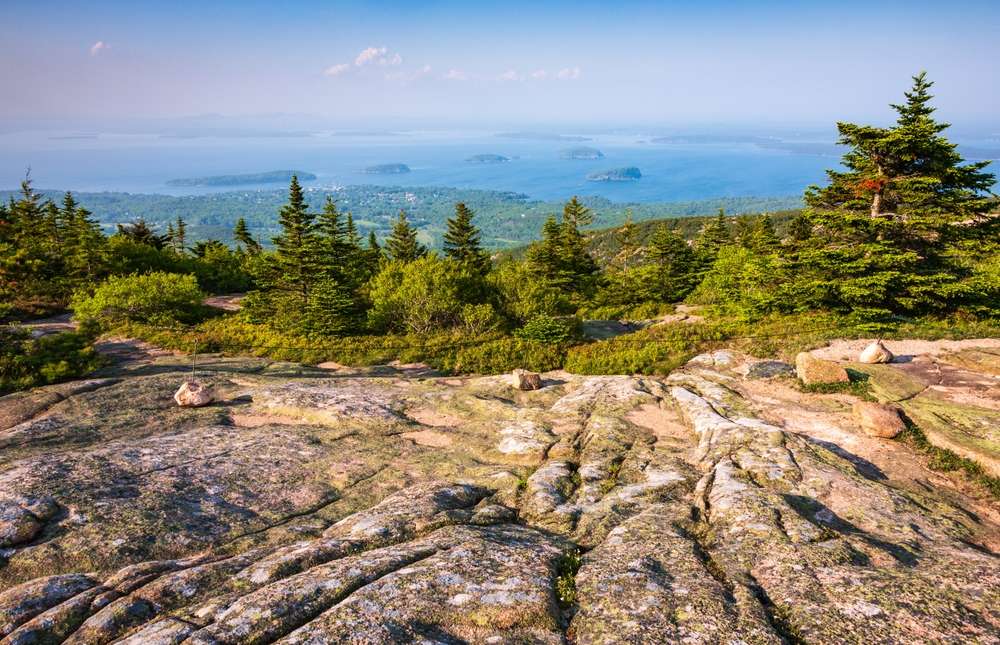
Thunder Hole draws visitors with crashing waves and dramatic coastal views. During high tide, waves surge violently against the rocks, sending spray into viewing areas. Slippery granite and sudden wave surges pose real dangers. People standing too close to the edge have been knocked off balance by unexpected water movement. The combination of ocean force and exposed rock creates conditions that demand constant awareness.
Point Imperial, Grand Canyon North Rim, Arizona
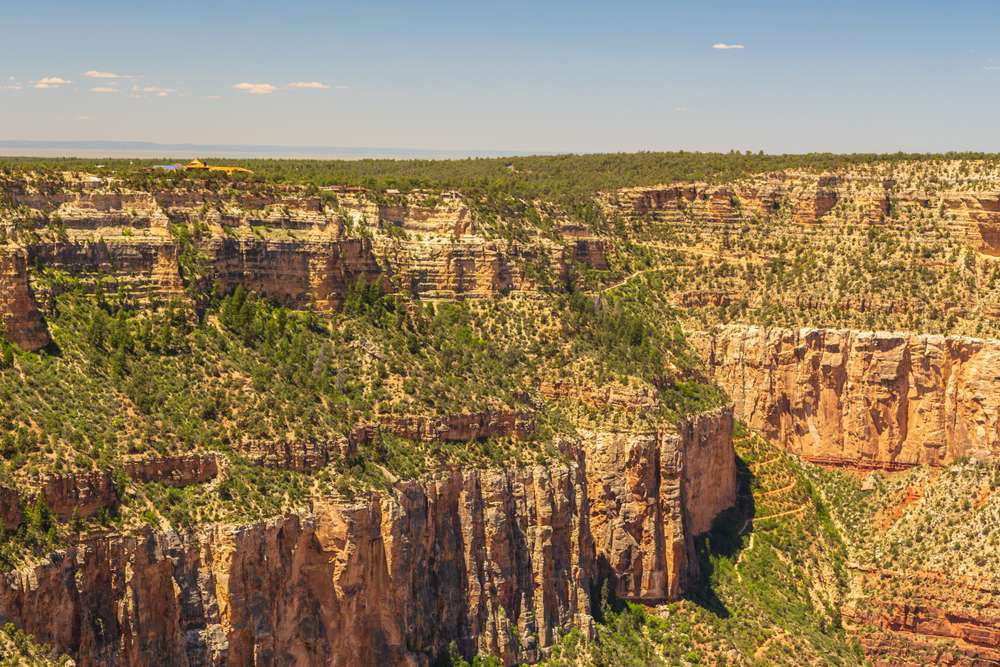
Point Imperial is the highest viewpoint on the North Rim, offering expansive views across multiple canyon layers. The altitude and exposure make weather unpredictable, with sudden temperature drops and strong winds. The rocky terrain near the overlook lacks extensive barriers. Visitors unfamiliar with high elevation may feel lightheaded, increasing fall risk. The sense of isolation adds to the seriousness of any misstep.
Cloudland Canyon Overlooks, Georgia
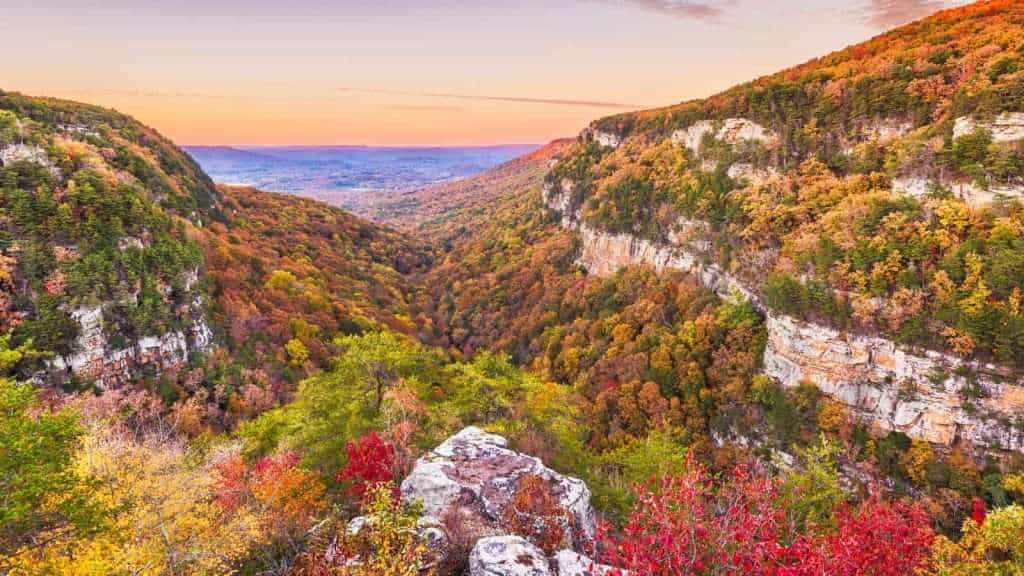
Cloudland Canyon features dramatic cliffside views overlooking deep gorges. The overlooks appear safe, but nearby trails approach steep drop-offs with loose rock and uneven footing. Rainfall makes surfaces slick, and fog can reduce visibility without warning. Visitors distracted by sweeping views sometimes step beyond designated areas. The contrast between peaceful scenery and hazardous terrain is especially striking here.
Cape Flattery Viewpoints, Washington

Cape Flattery marks the northwesternmost point of the contiguous United States and offers rugged coastal views. Trails lead through forest to exposed cliffs overlooking the Pacific Ocean. Wet conditions are common, and wooden walkways can become slippery. Steep drop-offs sit just beyond railings. Strong winds and sudden weather changes increase the danger, making this iconic U.S. travel destination deceptively risky.

Deborah Montiero is a seasoned travel writer and contributor to Probe the Globe. With a passion for uncovering hidden gems and sharing immersive travel experiences, Deborah’s work highlights must-visit destinations, insider tips, and practical advice for travelers of all types. Whether exploring bustling cities or remote escapes, her articles are crafted to inspire and inform, making her a trusted voice in the travel community.
Her storytelling weaves together cultural insights, logistical tips, and authentic experiences, making her a valuable resource for readers seeking unforgettable journeys.
When not writing, Deborah is likely researching the latest travel trends or planning her next adventure. Follow her work on Probe the Globe for fresh perspectives and up-to-date travel inspiration.