24 U.S. Parks So Beautiful People Refuse to Share Their Location Online
Some landscapes across the United States inspire such awe that travelers hesitate to reveal them, guarding the details like a treasured secret. As social media accelerates the spread of geotagged hotspots, many adventurers have become increasingly protective of fragile ecosystems and remote scenery. This shift has led to a quiet, unspoken agreement to keep certain destinations off the digital radar. The following locations represent some of the most visually arresting public lands in the country—collectively known as 24 U.S. Parks So Beautiful People Refuse to Share Their Location Online.
Great Basin National Park, Nevada
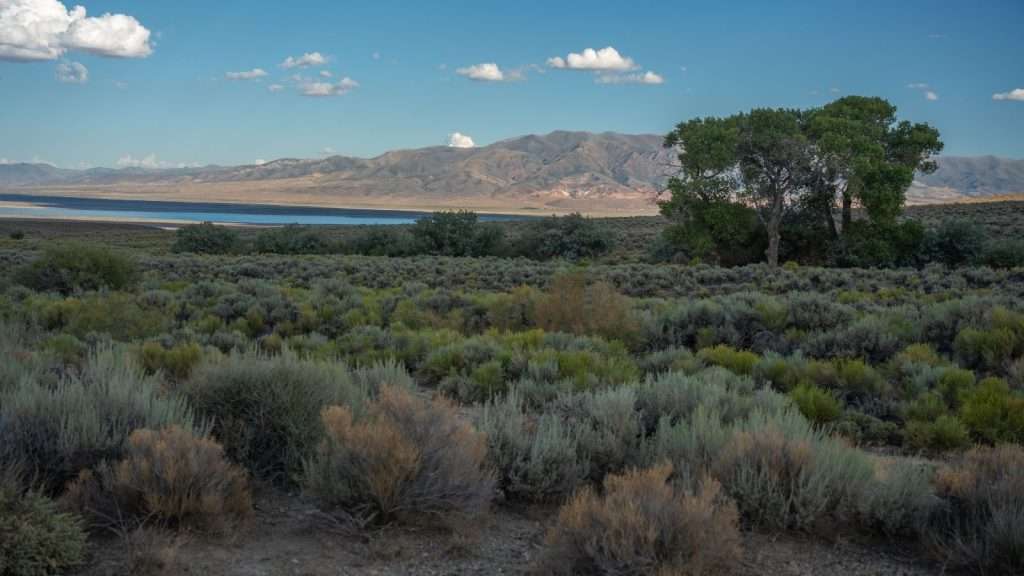
Great Basin National Park offers silence on a scale few places still can. Travelers drawn to its rugged mountains, ancient bristlecone pines, and the star-laden skies often choose to keep this region off their feeds to prevent overcrowding. Its appeal lies in the sense of isolation, a quality increasingly rare among U.S. travel destinations. Hiking through alpine lakes and limestone caverns provides a reminder of how tranquil American wilderness can be when left unpublicized.
Congaree National Park, South Carolina

Congaree National Park protects one of the highest concentrations of old-growth bottomland hardwood forest in North America. Visitors often describe the environment as hypnotic, with towering trees and reflective waterways that encourage slow, deliberate exploration. Many refrain from sharing geotags because of the park’s sensitive habitat, preserving its calm for those who make the journey intentionally. Its boardwalks and canoe routes attract travelers seeking an authentic U.S. nature experience without the heavy crowds found elsewhere.
North Cascades National Park, Washington
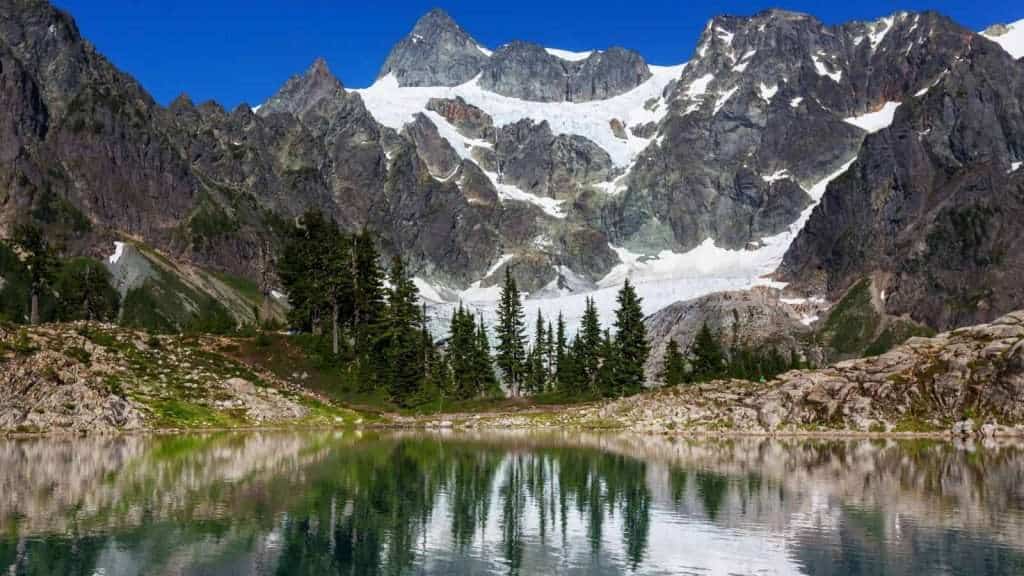
North Cascades National Park remains among the least visited major parks in the country, despite ridgelines and turquoise lakes that rival international alpine destinations. Travelers who venture into its steep terrain often choose silence online, aware that its fragile meadows and remote trails need protection. The park rewards those willing to put in physical effort with dramatic glacier views and deep solitude. Its unadvertised trails generate a sense of discovery rare in modern U.S. travel.
Guadalupe Mountains National Park, Texas
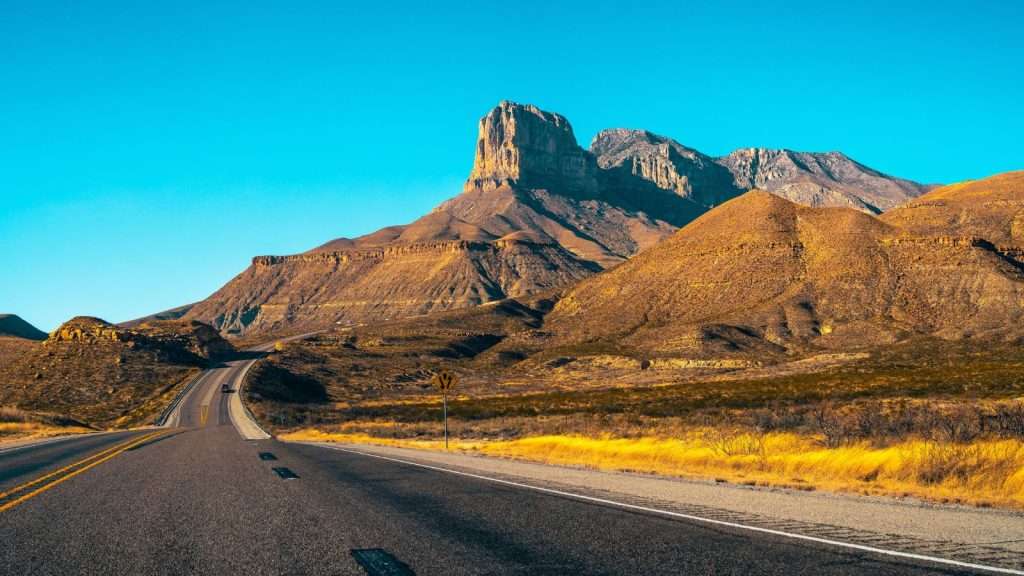
Guadalupe Mountains National Park contains the highest summit in Texas and some of the most striking desert-meets-mountain scenery in the Southwest. Those who explore this stark, vivid environment often resist broadcasting it widely, concerned that rising popularity could disrupt its quiet. The windswept peaks, salt basin vistas, and historic canyon trails offer an immersive escape from urban landscapes. It’s a place where hikers can spend most of the day without passing another person.
Lassen Volcanic National Park, California

Lassen Volcanic National Park delivers geothermal landscapes, clear lakes, and abundant forest without the heavy tourism of other California sites. Travelers value its wide-open spaces, where fumaroles, hydrothermal pools, and lava fields create a sense of raw geological power. To maintain its uncrowded character, many prefer not to share specific trail names or viewpoints. The park represents a rare intersection of solitude and dramatic natural features within U.S. travel circuits.
Capitol Reef National Park, Utah

Capitol Reef National Park is often overshadowed by its more famous Utah counterparts, which benefits those who crave quiet canyon scenery. Some visitors purposely avoid posting geotags to protect the region’s fragile sandstone features and remote backcountry routes. The Waterpocket Fold, a massive geological wrinkle, provides a backdrop of bold colors and sweeping views. It remains a destination treasured by those who understand the importance of preserving lesser-publicized terrain.
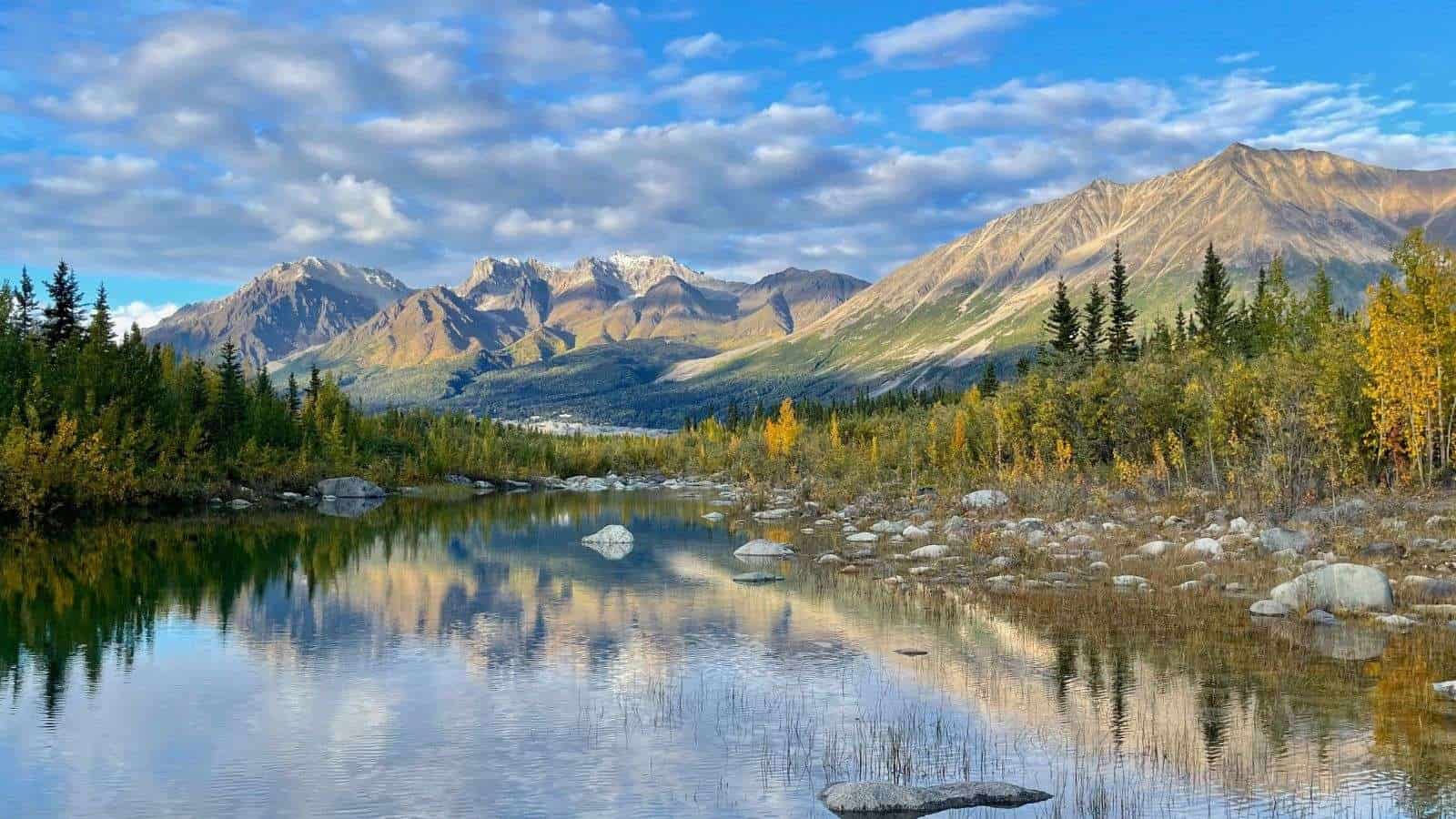
Wrangell–St. Elias National Park & Preserve, Alaska
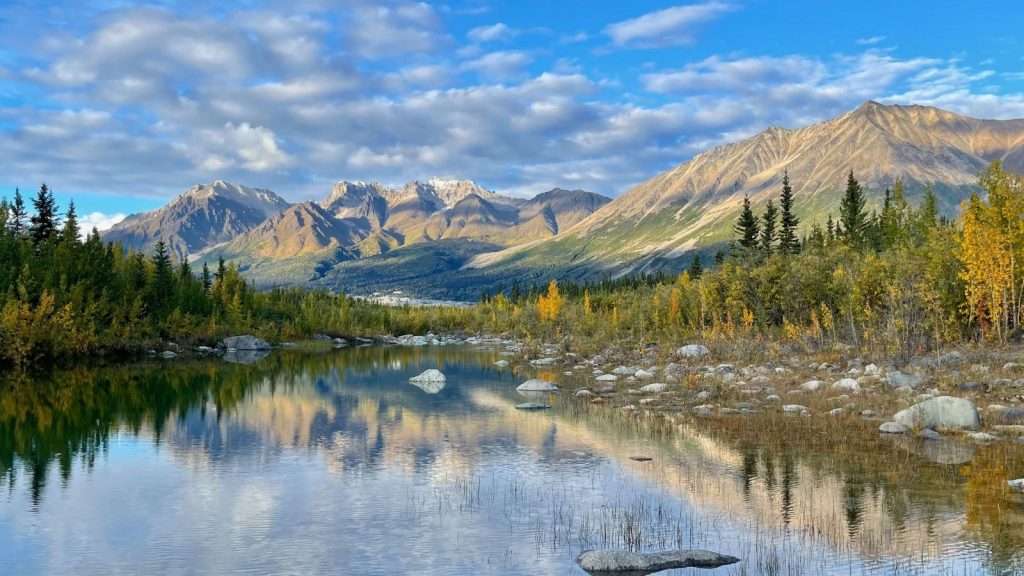
Wrangell–St. Elias National Park & Preserve is the largest in the United States, yet its visitor numbers remain low due to the extreme scale and rugged accessibility. Those who reach its mountains, glaciers, and historic mining sites often seek to preserve that remoteness by limiting exposure online. The landscape feels almost prehistoric, offering a rare sense of unbounded wilderness. It’s widely regarded among experienced travelers as one of the most extraordinary yet under-shared destinations in U.S. travel.
Voyageurs National Park, Minnesota

Voyageurs National Park is a water-based landscape defined by interconnected lakes, making it ideal for boating and paddling. Many visitors choose to keep the best campsites and hidden coves off social media, preserving the stillness that makes the experience memorable. The night skies here are exceptionally clear, and the region sometimes showcases the aurora borealis. Its reliance on water travel naturally limits crowds, reinforcing the desire to keep details private.
Black Canyon of the Gunnison National Park, Colorado
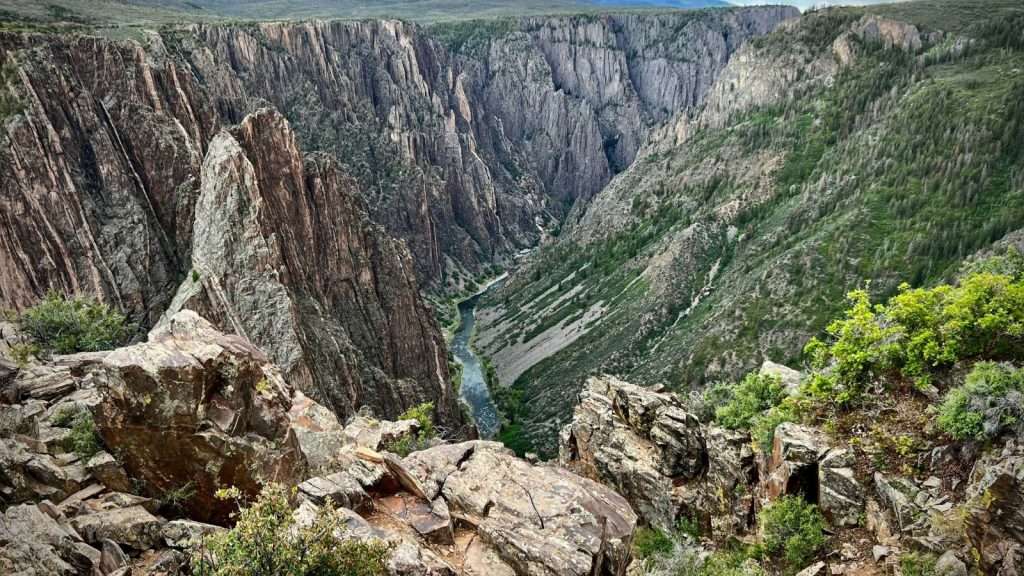
The steep, shadowed cliffs of the Black Canyon of the Gunnison create a dramatic chasm unlike anything else in the country. Travelers often protect this location’s quiet vantage points by avoiding viral exposure. The canyon’s depth and narrowness amplify the sense of isolation, offering a powerful experience for hikers and photographers. Its rugged atmosphere appeals to those seeking U.S. destinations that feel wild and uncommercialized.
Great Sand Dunes National Park & Preserve, Colorado

Great Sand Dunes National Park & Preserve combines massive dunes with alpine peaks, creating an extraordinary juxtaposition of terrain. Because the dunes are highly sensitive to erosion and overcrowding, many visitors opt to keep their favorite routes unpublicized. The soft contours of the sand shift constantly, offering a different visual experience each season. Travelers who value quiet environments often treat this region as a personal sanctuary.
Isle Royale National Park, Michigan
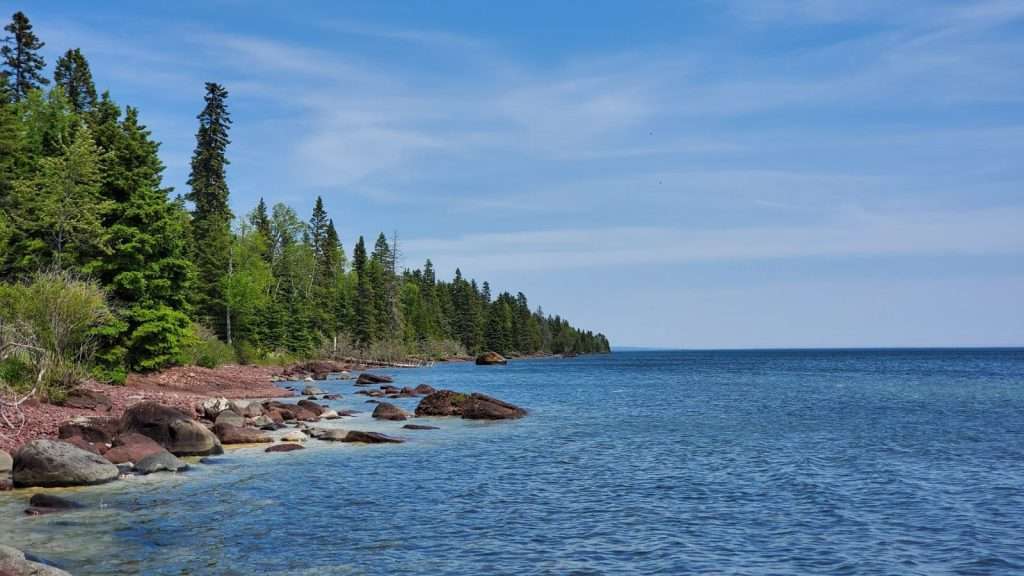
Isle Royale National Park requires a ferry or seaplane, which naturally shields it from overtourism. Loyal visitors often avoid promoting it heavily to preserve its wolf-and-moose ecosystem and remote trails. The island’s atmosphere encourages long, introspective hikes and peaceful shoreline exploration. Many view it as one of the most pristine destinations in U.S. travel and want to keep it that way.
Dry Tortugas National Park, Florida
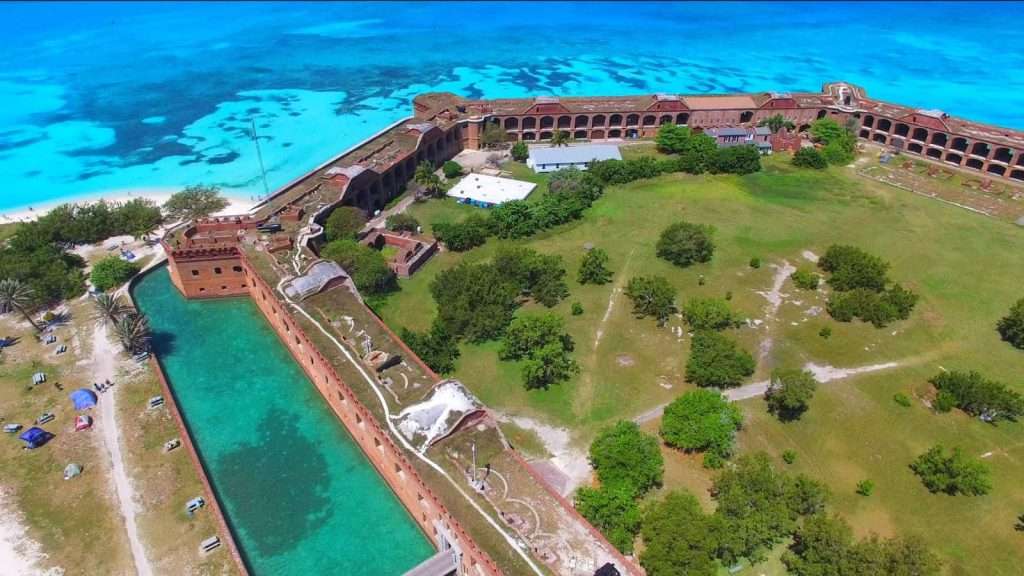
Dry Tortugas National Park sits far from mainland Florida, accessible only by boat or seaplane. Its coral reefs, historic fort, and brilliant water draw those seeking an isolated experience. Travelers often avoid posting exact coordinates, aware that increased tourism could strain the fragile marine environment. Its combination of history and tropical seclusion makes it unforgettable for those willing to make the journey.
Gates of the Arctic National Park & Preserve, Alaska
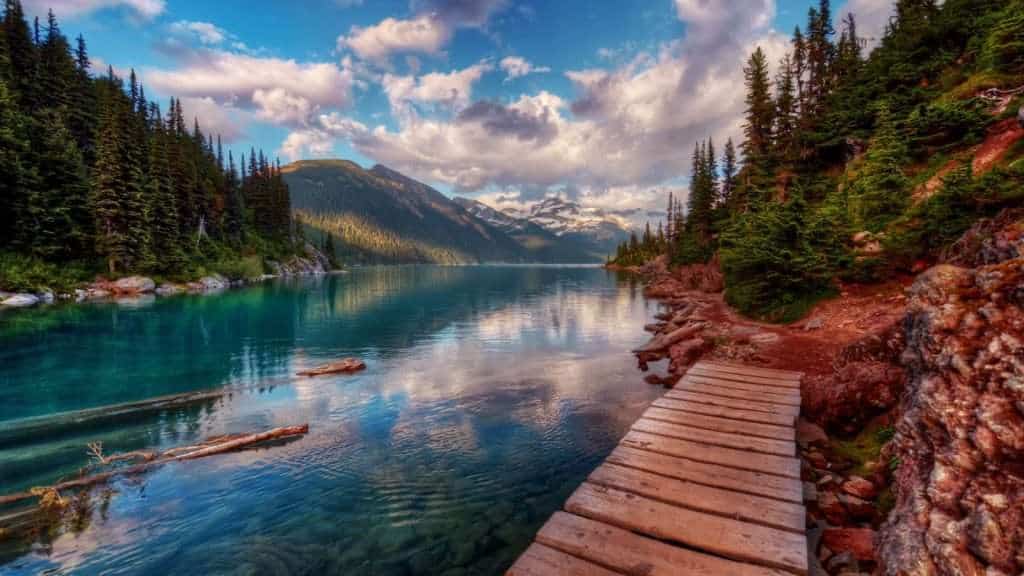
Gates of the Arctic is the only national park in the United States with no roads or established trails. Experienced backcountry travelers often refrain from sharing specifics to protect its untouched character. The region demands self-reliance, offering a level of solitude unmatched elsewhere. The absence of infrastructure ensures a true wilderness experience for those who prioritize remote U.S. travel.
Hovenweep National Monument, Utah/Colorado
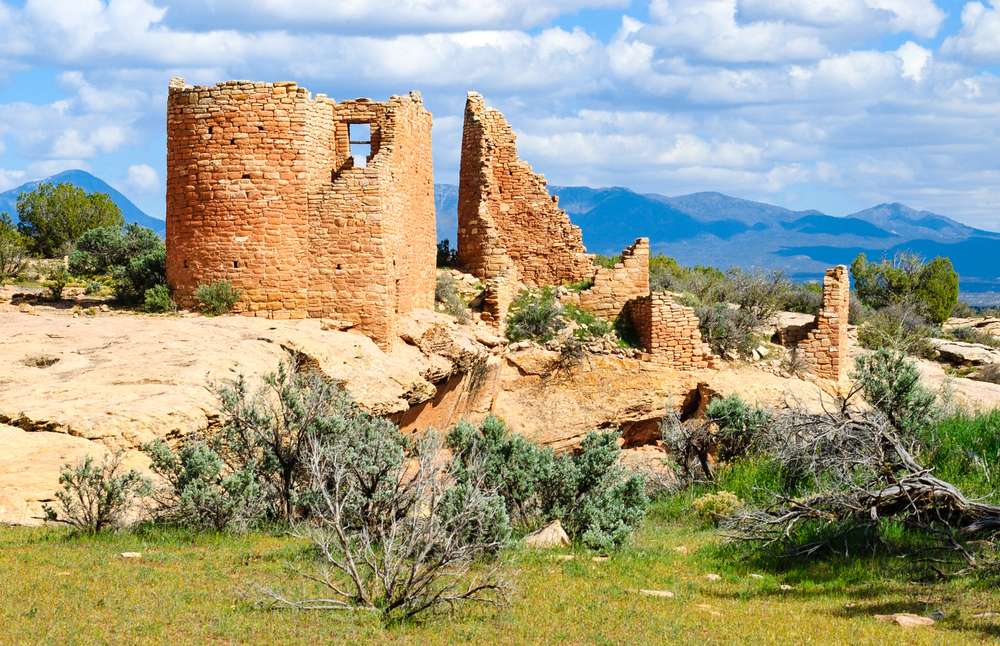
Hovenweep National Monument preserves ancient stone structures built by ancestral Puebloan communities. The desert silence around the ruins encourages thoughtful visitation, and many visitors avoid promoting minor sites to prevent damage. The setting offers a profound sense of history blended with sweeping canyon views. Thoughtful travelers are committed to keeping its lesser-known paths discreet.
Anza-Borrego Desert State Park, California
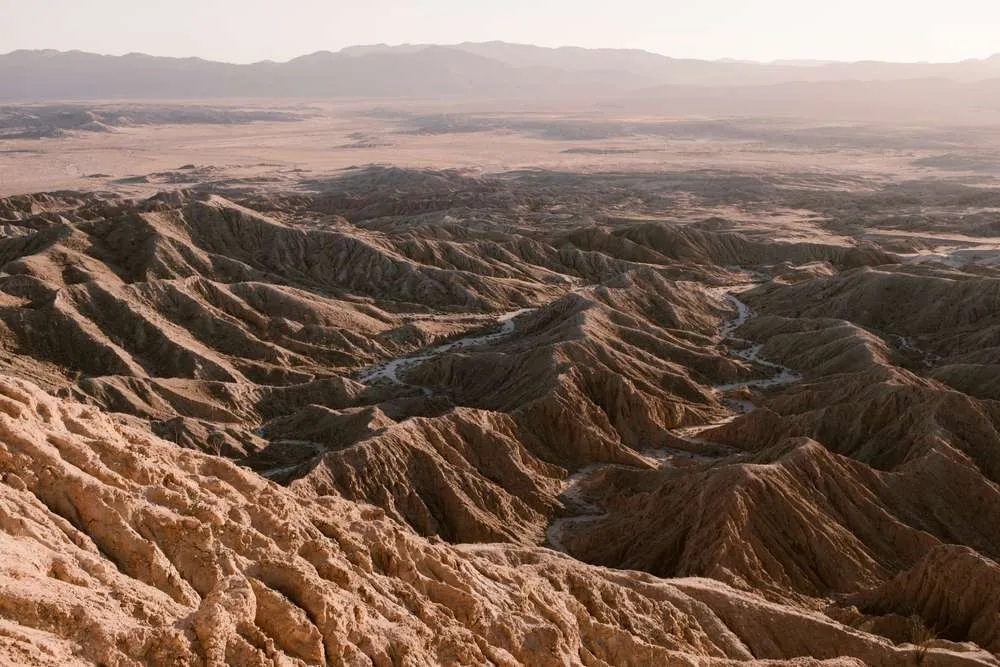
Anza-Borrego Desert State Park features wide basins, rugged washes, and dramatic spring blooms. The park’s openness draws those seeking expansive, uncrowded landscapes. Visitors often avoid sharing exact locations of sensitive wildflower fields to reduce trampling. It’s a destination favored by travelers who appreciate vast desert scenery without the crush of popular tourist zones.
Porcupine Mountains Wilderness State Park, Michigan
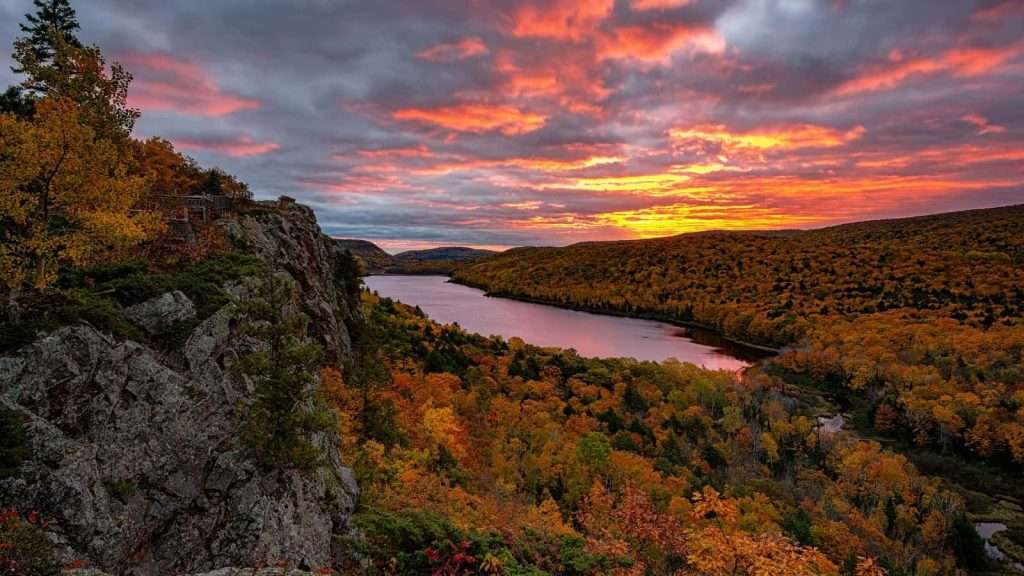
The Porcupine Mountains offer thick forests, waterfalls, and Lake Superior vistas ideal for hikers craving a quiet retreat. Many who camp or backpack here prefer to keep their routes offline to maintain the park’s peaceful nature. Its old-growth forest provides some of the most atmospheric hiking in the Midwest. The region remains a go-to option for U.S. travel focused on wilderness immersion.
Canyon of the Ancients National Monument, Colorado
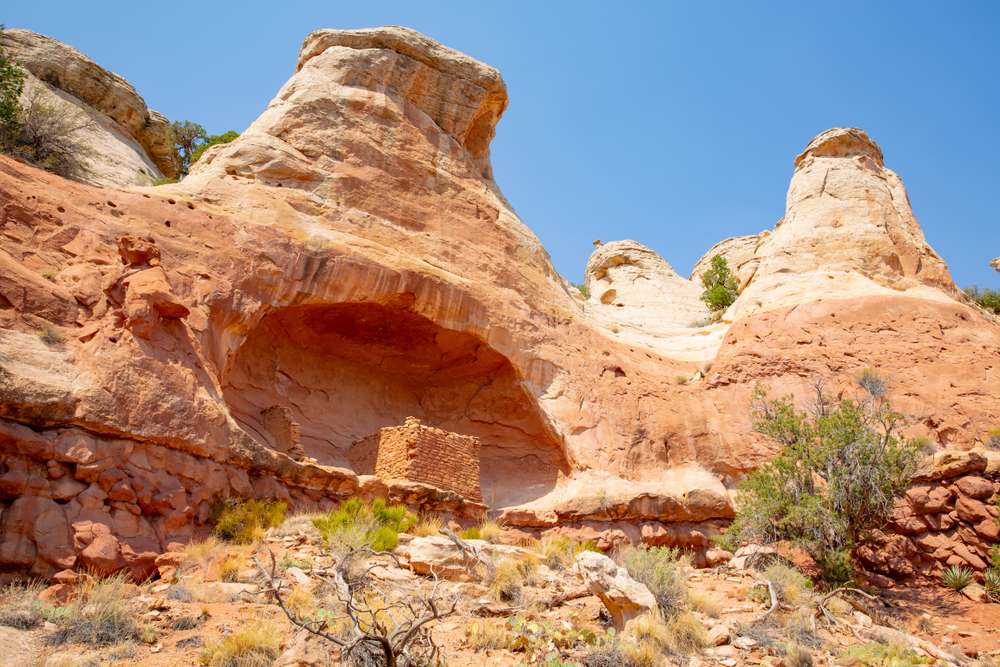
Canyon of the Ancients houses one of the highest densities of archaeological sites in the United States. Travelers who visit often limit public details to help protect fragile cultural features. The expansive desert terrain feels both historic and remote, encouraging intentional, respectful exploration. Its significance as a cultural landscape makes privacy part of its preservation.
Point Reyes National Seashore, California

Point Reyes National Seashore blends coastal cliffs, wildlife habitats, and sweeping grasslands. While close to urban areas, many travelers keep specific trails and wildlife spots unshared to preserve the area’s calm. Elephant seal colonies, tule elk, and wave-carved coves attract those seeking diverse scenery. The park offers an exceptional experience for U.S. travel enthusiasts who value both ocean views and quiet trails.
The Adirondack Park, New York

The Adirondack Park covers millions of acres of forest, peaks, and waterways. Even though it’s widely known, individual backcountry routes remain guarded by travelers who want to limit ecological impact. Its mix of rugged mountains and tranquil lakes provides a versatile landscape for recreation. Many view it as one of the East Coast’s most rewarding yet protectable regions.
Sawtooth National Recreation Area, Idaho

The Sawtooth National Recreation Area contains some of the sharpest mountain profiles in the United States, along with clear alpine lakes and open basins. Visitors who discover isolated lakes often avoid sharing coordinates due to concerns about overcrowding and campsite degradation. The crisp mountain air and high-elevation scenery create a memorable experience. It remains a prized destination for travelers who appreciate rugged mountain beauty without heavy tourism.
Red River Gorge Geological Area, Kentucky
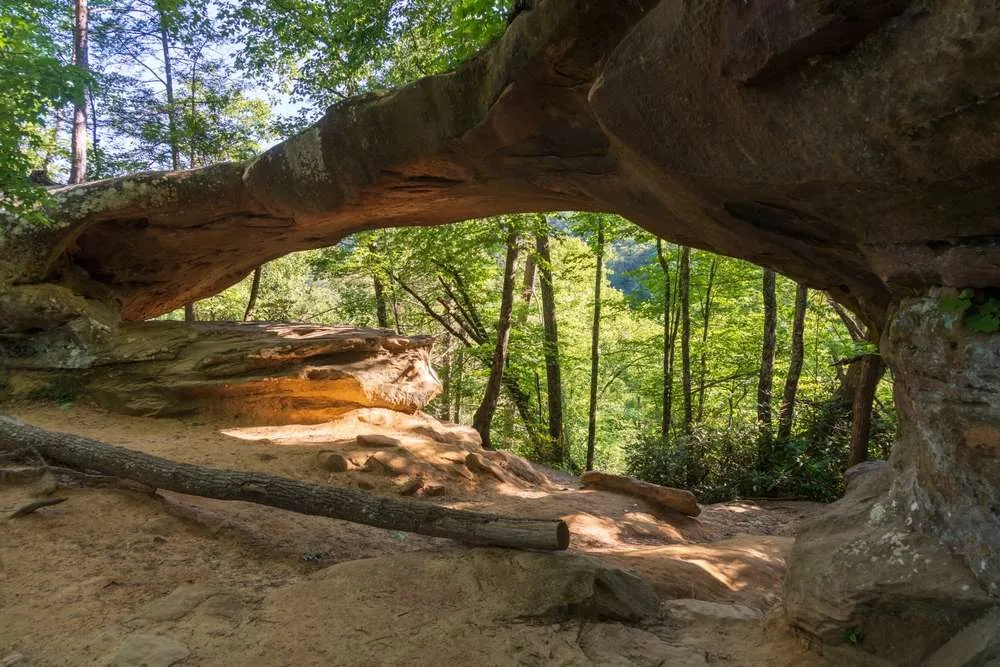
Red River Gorge features sandstone arches, steep cliffs, and dense forests that attract hikers and climbers. Many locals and frequent visitors intentionally keep lesser-known trails and overlooks secret to protect their conditions. The natural formations inspire strong conservation attitudes among those familiar with the region. Its blend of adventure and calm forested paths enhances its reputation among serious outdoor travelers.
Craters of the Moon National Monument & Preserve, Idaho

Craters of the Moon offers volcanic landscapes that feel otherworldly, stretching across lava fields and cinder cones. Travelers who explore beyond the main viewpoints often keep details offline to maintain the quiet surrounding the more isolated features. Its stark terrain contrasts sharply with typical U.S. travel destinations. The park provides a rare chance to wander through an environment shaped entirely by geological forces.
Olympic National Park (Less-Known Zones), Washington
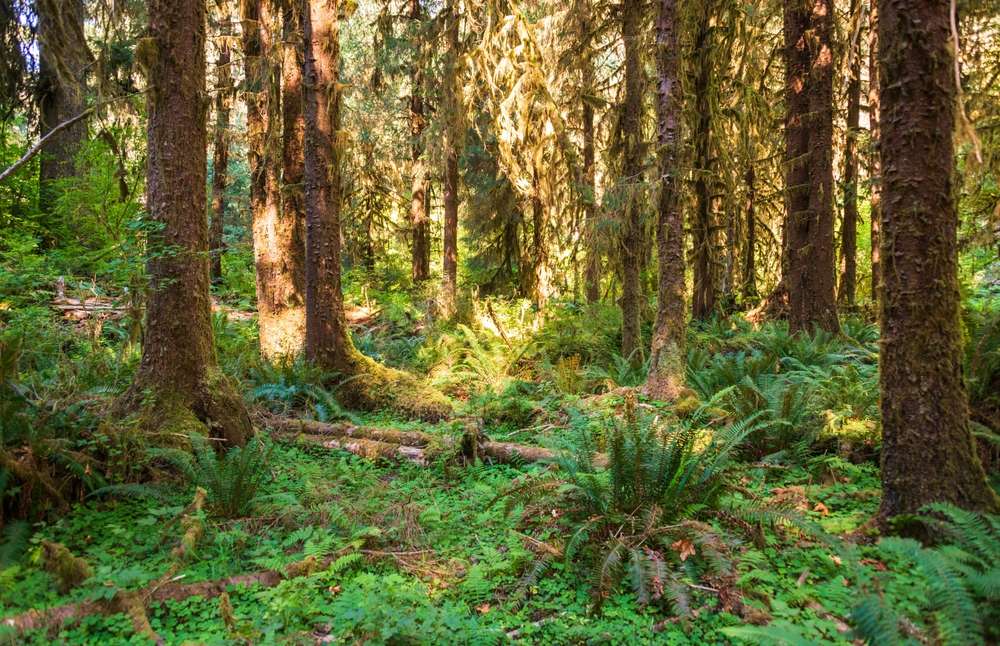
Olympic National Park contains rainforest, coastline, and alpine terrain, but many of the lesser-known areas remain deliberately unshared. Travelers who venture beyond major trails often guard their discoveries to protect sensitive species and maintain solitude. These hidden pockets offer an atmosphere of deep immersion, allowing visitors to experience the park’s most pristine environments. The blend of moisture-rich forest and high-elevation landscapes creates one of the nation’s most diverse parks.
Bisti/De-Na-Zin Wilderness, New Mexico
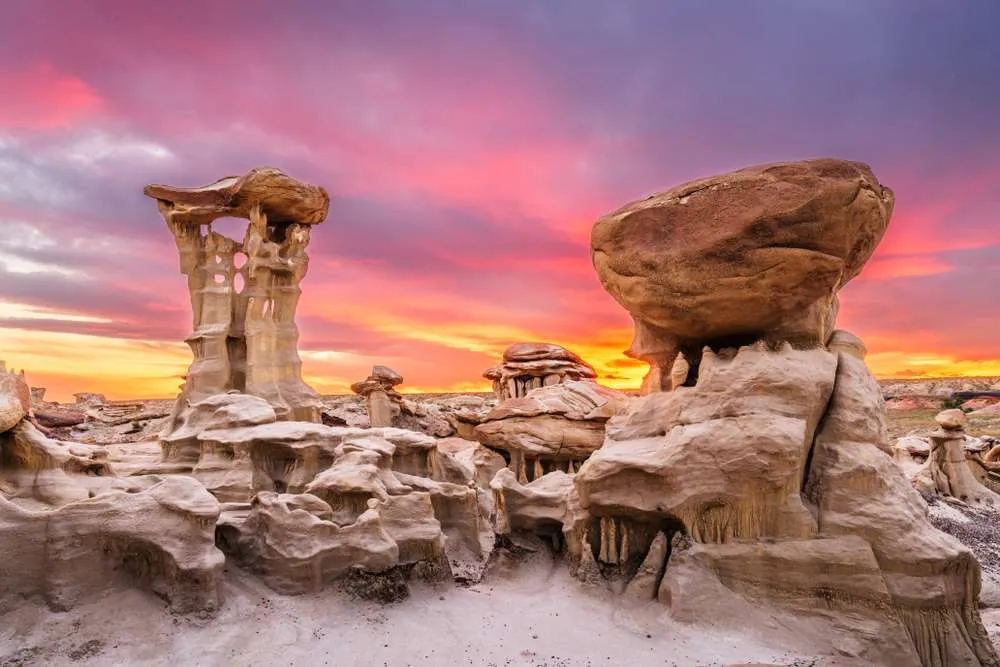
The Bisti/De-Na-Zin Wilderness captivates travelers with its surreal hoodoos, eroded formations, and quiet expanses. Because the landscape is fragile and easy to damage, experienced visitors avoid posting exact coordinates of key features. Its silence and vast horizon lines create a powerful sense of isolation. Travelers committed to responsible U.S. exploration consider it one of the most extraordinary landscapes worth keeping discreet.

Deborah Montiero is a seasoned travel writer and contributor to Probe the Globe. With a passion for uncovering hidden gems and sharing immersive travel experiences, Deborah’s work highlights must-visit destinations, insider tips, and practical advice for travelers of all types. Whether exploring bustling cities or remote escapes, her articles are crafted to inspire and inform, making her a trusted voice in the travel community.
Her storytelling weaves together cultural insights, logistical tips, and authentic experiences, making her a valuable resource for readers seeking unforgettable journeys.
When not writing, Deborah is likely researching the latest travel trends or planning her next adventure. Follow her work on Probe the Globe for fresh perspectives and up-to-date travel inspiration.