
12 Little Known Facts About the Canadian Rocky Mountains
The Canadian Rocky Mountains, commonly referred to as simply “the Rockies,” are one of the most impressive mountain ranges in the world. Spanning British Columbia and Alberta, the Rockies are famous for their rugged peaks, pristine wilderness and vast national parks. While many people know about the Rockies’ natural beauty and the wildlife that inhabits it, we look at 12 little-known facts about Canada’s Rocky Mountains that may surprise you:
The Rockies Are Older Than You Think

The Canadian Rockies are ancient, dating back to over 55 million years ago. But, the rocks that make up the mountains are much older, some are over 600 million years old. The formation of the mountains began when tectonic plates collided, pushing up the earth’s crust to create the towering peaks we see today.
Five National Parks Are Spread Across the Rockies

Canada’s Rockies are home to five national parks, each offering unique landscapes and ecosystems. Banff, Jasper, Yoho, Kootenay, and Waterton Lakes National Parks are part of the Canadian Rocky Mountain Parks UNESCO World Heritage Site, recognized for their breathtaking natural beauty and ecological significance.
The Rockies Contain Fossils from an Ancient Sea
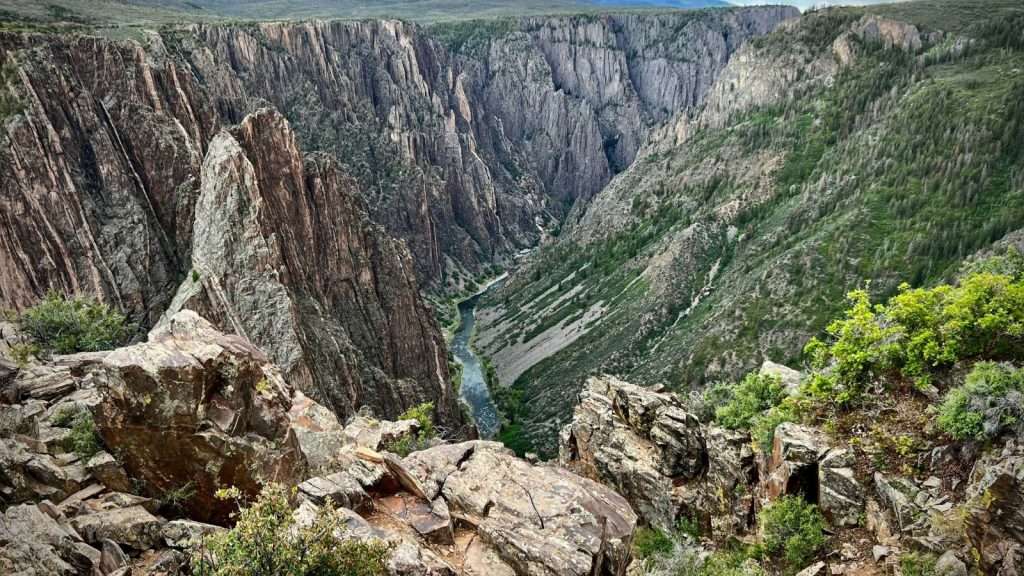
Millions of years ago, the region now known as the Canadian Rockies was submerged under a vast tropical sea. As a result, the rocks in this area contain well-preserved marine fossils, including trilobites, sea sponges and ancient mollusks. Some of the most significant fossil discoveries were made at the Burgess Shale in Yoho National Park, where soft-bodied creatures from over 500 million years ago were unearthed.
The Mountains Are Slowly Growing

While the Rockies might seem like permanent fixtures of the landscape, they are still growing. The movement of tectonic plates continues to push them upward, though at a very slow rate. It’s estimated that the Rockies rise by about 1-2 millimeters per year, which may not be noticeable in a lifetime but adds up over geological time.
Jasper National Park Is a Dark Sky Preserve

Jasper National Park, the largest of the five national parks in the Canadian Rockies, is also designated as a Dark Sky Preserve. This means that artificial light pollution is strictly controlled, making it one of the best places in the world to stargaze. The annual Jasper Dark Sky Festival draws visitors who want to experience the wonders of the night sky in a pristine environment.
Home to Canada’s Largest Icefield

The Columbia Icefield, located in Jasper and Banff National Parks, is the largest icefield in the Canadian Rockies and one of the most accessible icefields in North America. Covering roughly 125 square miles, it feeds eight major glaciers, including the Athabasca Glacier, which can be visited by tourists. The icefield also acts as a water source for three major river systems, supplying water to the Pacific, Atlantic and Arctic oceans.
The Rocky Mountaineer Offers Unmatched Views
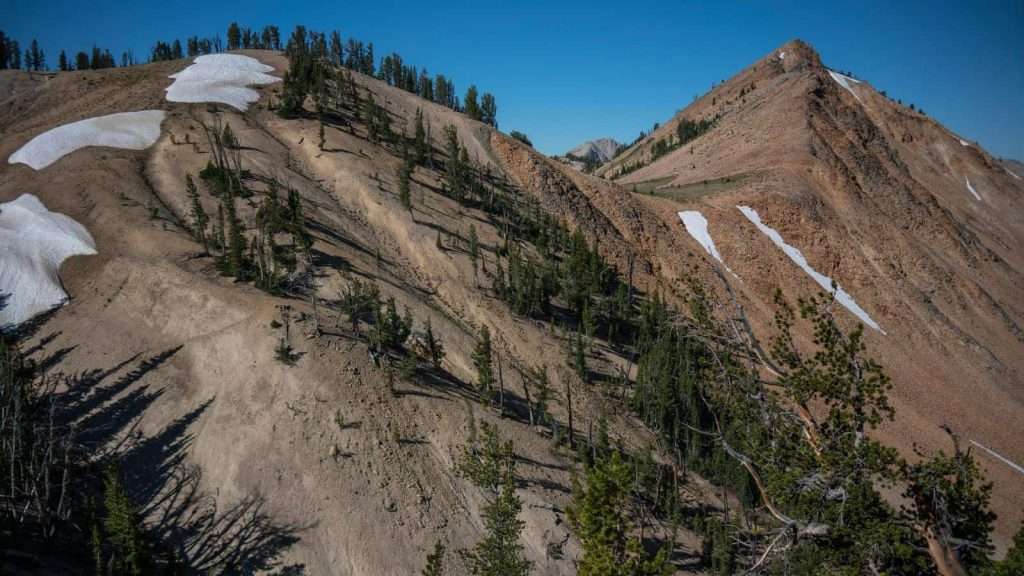
For those who prefer a more leisurely way to explore the Rockies, the Rocky Mountaineer train provides a luxurious journey through the heart of the mountains. The train’s glass-domed cars offer panoramic views of the snow-capped peaks, glacier-fed rivers and deep valleys. It’s one of the most scenic train journeys in the world and allows travelers to experience the Rockies in comfort.
The Wildlife Is Abundant and Diverse

The Canadian Rockies are home to an incredible diversity of wildlife. Some of the most iconic animals include grizzly bears, black bears, elk, moose, bighorn sheep, mountain goats and wolves. Birdwatchers can also spot bald eagles, ospreys and the elusive peregrine falcon. Because of the area’s size and remoteness, it remains a crucial habitat for these species, making it one of the best places in the world for wildlife enthusiasts.
The Famous Moraine Lake Used to Be a Secret Spot

Moraine Lake, located in Banff National Park, is one of the most photographed spots in the Canadian Rockies, thanks to its striking turquoise waters and dramatic backdrop of the Valley of the Ten Peaks. However, this stunning location wasn’t widely known until the 1960s when a photo of it was featured on the back of the Canadian $20 bill. Since then, it has become a must-see destination for travelers from around the globe.
Banff Is the Oldest National Park in Canada
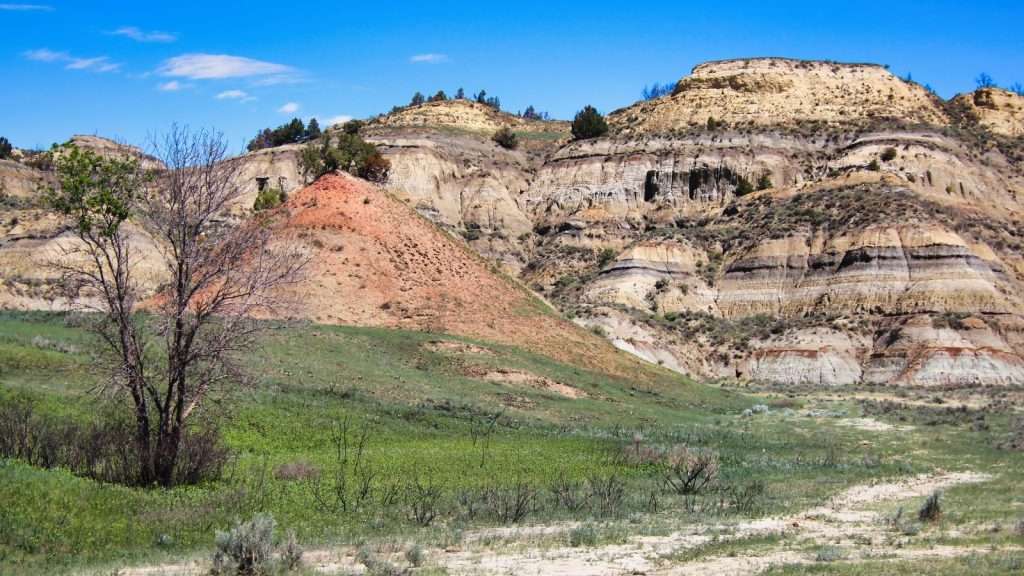
Banff National Park holds the title of being Canada’s oldest national park. It was established in 1885 after the discovery of hot springs in the area led to the creation of a protected reserve. Over the years, Banff has grown into one of the world’s most famous national parks, attracting millions of visitors annually with its stunning landscapes, wildlife and outdoor recreation opportunities.
You Can Bathe in Natural Hot Springs

The Canadian Rockies are home to several natural hot springs, including the famous Banff Upper Hot Springs. These geothermal springs are heated by the earth’s core, offering a relaxing and rejuvenating experience in a stunning mountain setting. Hot springs have been a major draw for visitors to the Rockies for over a century and were the reason Banff National Park was initially created.
The Rockies Are a Popular Climbing Destination

For adventurers and thrill-seekers, the Canadian Rockies offer world-class climbing opportunities. The rugged peaks, with their sheer rock faces, attract climbers from around the world. There are routes for all skill levels, from beginners to experienced climbers. Some of the most popular climbing areas include Castle Mountain, the Bugaboos and Mount Assiniboine, often called the “Matterhorn of the Rockies” due to its distinctive shape.

Deborah Montiero is a seasoned travel writer and contributor to Probe the Globe. With a passion for uncovering hidden gems and sharing immersive travel experiences, Deborah’s work highlights must-visit destinations, insider tips, and practical advice for travelers of all types. Whether exploring bustling cities or remote escapes, her articles are crafted to inspire and inform, making her a trusted voice in the travel community.
Her storytelling weaves together cultural insights, logistical tips, and authentic experiences, making her a valuable resource for readers seeking unforgettable journeys.
When not writing, Deborah is likely researching the latest travel trends or planning her next adventure. Follow her work on Probe the Globe for fresh perspectives and up-to-date travel inspiration.