22 Islands With No Cars Where Life Feels Unreal
Travel in the United States often means road trips, scenic highways, and rental cars—but there’s a different kind of escape that feels almost unreal. On car-free islands, time slows, nature feels louder, and everyday stress fades fast. These places invite you to walk, bike, paddle, or simply wander without traffic noise or congestion. If you’re dreaming of a unique U.S. travel experience that feels immersive and refreshingly human, you’re in the right mindset. We take a look at 22 Islands With No Cars Where Life Feels Unreal
Mackinac Island

Mackinac Island is one of the most iconic car-free destinations in U.S. travel, famous for its ban on motor vehicles since the late 1800s. Transportation here revolves around bicycles, horse-drawn carriages, and your own two feet. The lack of cars makes the historic architecture, lake views, and flower-lined streets feel like a living time capsule. Travelers love exploring Fort Mackinac, cruising the perimeter road by bike, and indulging in the island’s legendary fudge scene. For Midwest travel lovers, this island offers a surreal blend of history, charm, and peaceful movement.
Fire Island
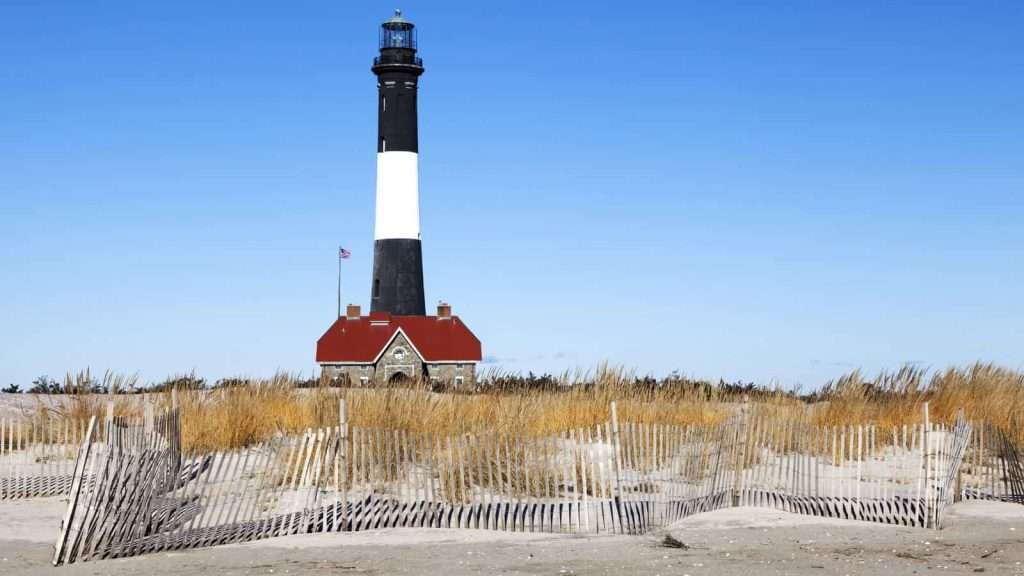
Fire Island offers a rare car-free beach experience just a short distance from New York City, making it a standout for East Coast travel. Many of its communities rely on boardwalks, ferries, and bicycles, creating a calm contrast to nearby urban life. Days here revolve around ocean swims, sunset walks, and breezy conversations with neighbors passing by on foot. Without cars, the soundscape shifts to waves, wind, and laughter. It’s a dream destination for U.S. travelers seeking a relaxed beach escape with a strong sense of community.
Block Island
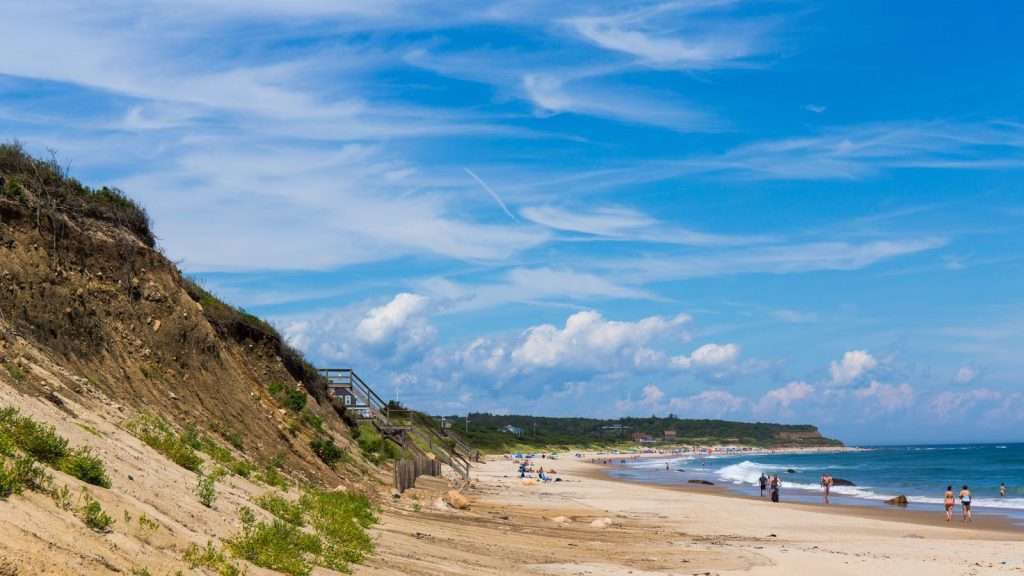
Block Island feels wonderfully removed from mainland Rhode Island, even though it’s relatively easy to reach. While limited vehicles exist, visitors can comfortably explore without a car, which is how many choose to experience it. Walking trails, bluffs, and beaches dominate the landscape, making slow travel the norm. The island’s lighthouses, coastal paths, and open horizons feel expansive and grounding. For New England travel fans, Block Island delivers a low-stress, car-free mindset that makes every moment feel intentional.
Catalina Island
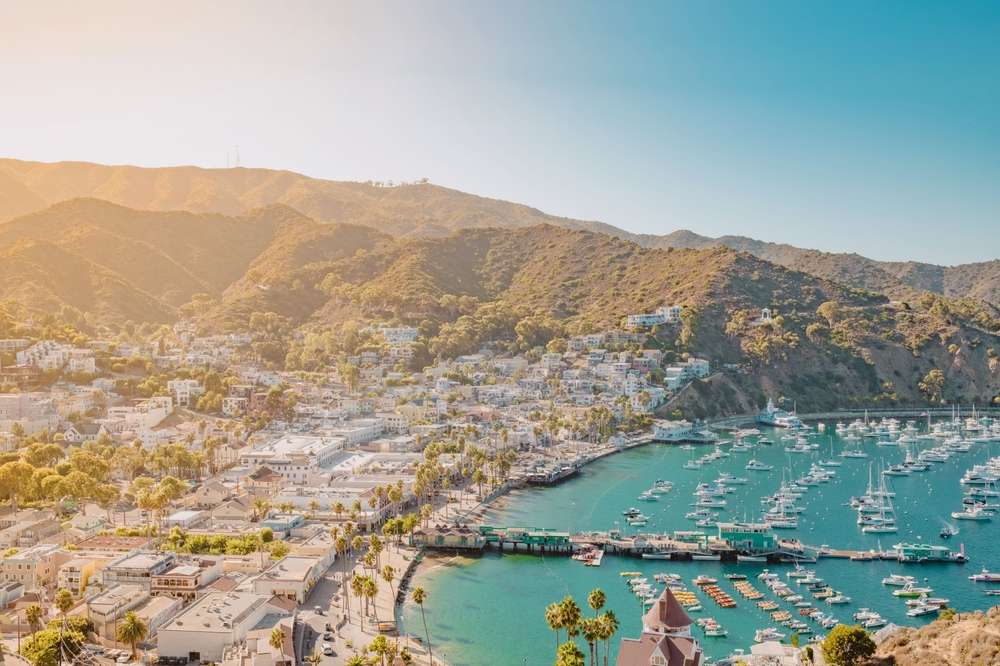
Catalina Island brings a Mediterranean-like atmosphere to Southern California travel, with Avalon famously restricting car use. Most visitors get around by foot, bike, or golf cart, which helps preserve the island’s laid-back coastal energy. Clear water, colorful buildings, and hillside views create a cinematic feel that’s hard to forget. Snorkeling, kayaking, and harbor strolls replace traffic jams and parking stress. It’s an ideal U.S. island getaway for travelers craving sunshine and simplicity.
Bald Head Island
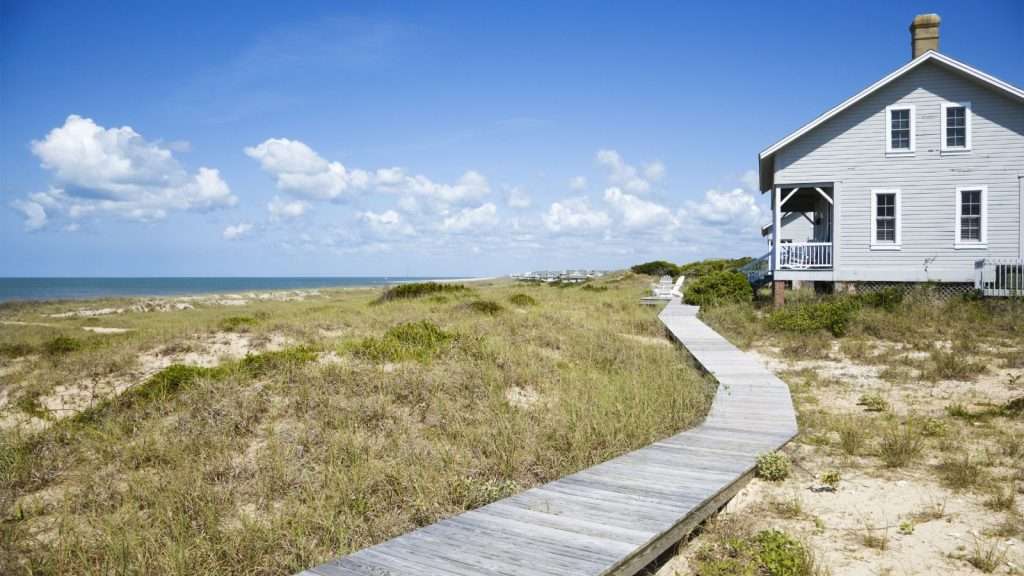
Bald Head Island prioritizes peace by limiting transportation to golf carts, bicycles, and walking paths. This North Carolina destination feels intentionally designed for slower living and outdoor connection. Maritime forests, quiet beaches, and historic lighthouses shape the experience. Without cars, families and couples find it easier to unplug and reconnect. For travelers exploring the U.S. Southeast, Bald Head Island stands out as a refined yet relaxed coastal retreat.
Little St. Simons Island
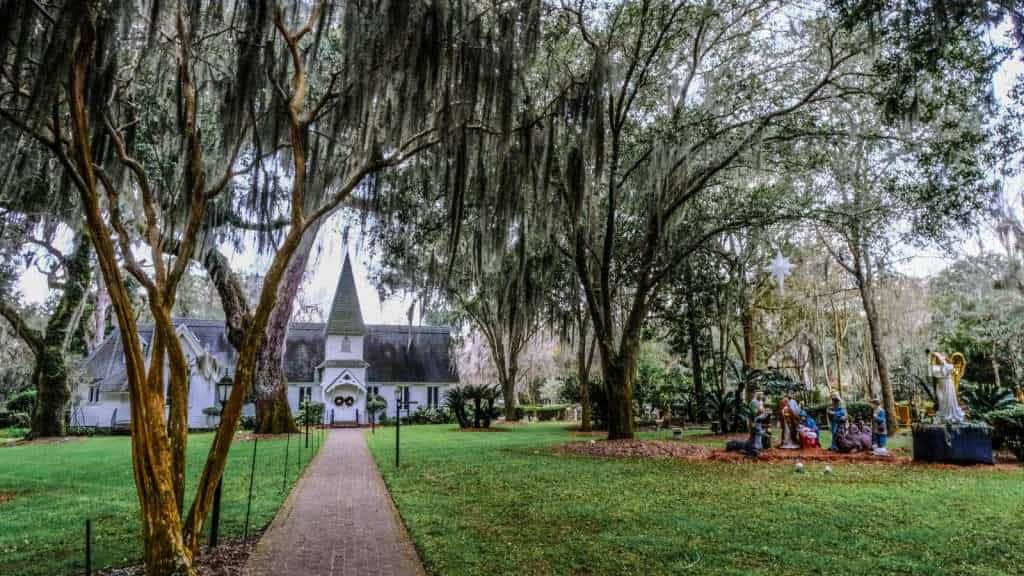
Little St. Simons Island offers a rare car-free escape along the Georgia coast, accessible only by boat. This private island focuses on conservation, which means pristine beaches, maritime forests, and abundant wildlife. Guests explore by foot or bicycle, guided by natural rhythms instead of schedules. The absence of vehicles enhances the sense of exclusivity and calm. It’s a favorite among eco-conscious U.S. travelers looking for immersive nature experiences.
Monhegan Island
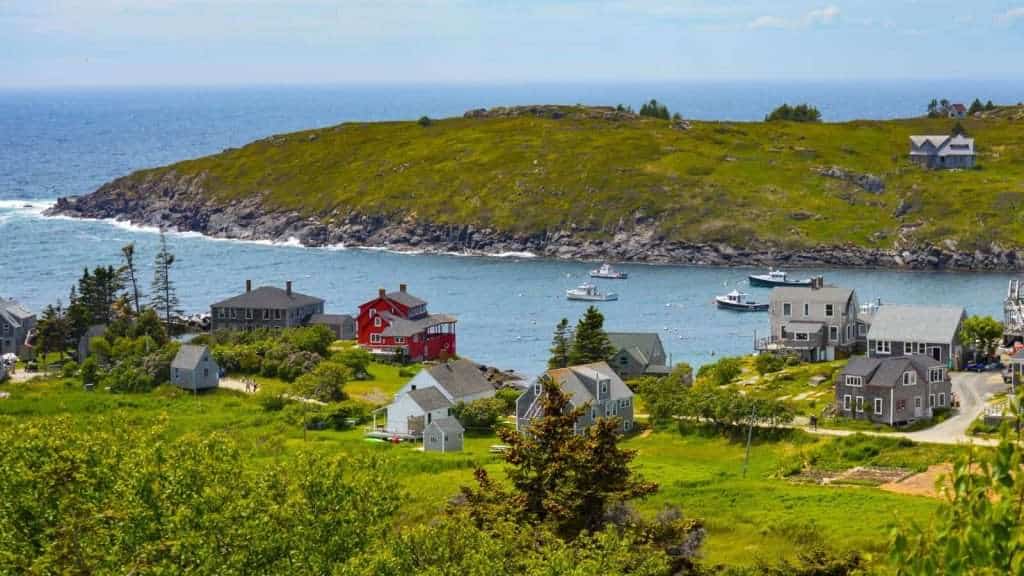
Monhegan Island feels like a different world off the coast of Maine, where cars simply aren’t part of daily life. Walking paths connect rocky cliffs, artists’ studios, and quiet harbors. The island has long attracted painters, writers, and travelers drawn to its raw beauty. Without traffic, the dramatic coastline and crashing waves take center stage. For those planning New England travel with a creative twist, Monhegan Island feels deeply inspiring.
San Juan Island
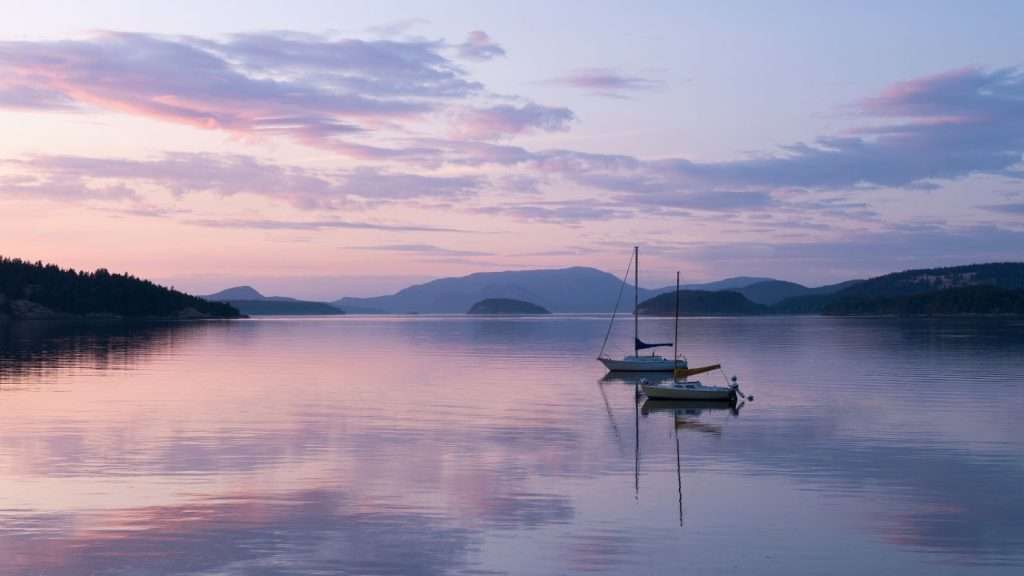
San Juan Island encourages car-free exploration, especially in Friday Harbor where walking and biking are easy and enjoyable. Ferries bring visitors into a world of orcas, lavender fields, and coastal trails. Many travelers choose to leave cars behind to fully absorb the island’s relaxed pace. The atmosphere feels friendly, scenic, and refreshingly unhurried. It’s a top pick for Pacific Northwest travel with a mindful, low-impact approach.
Cumberland Island
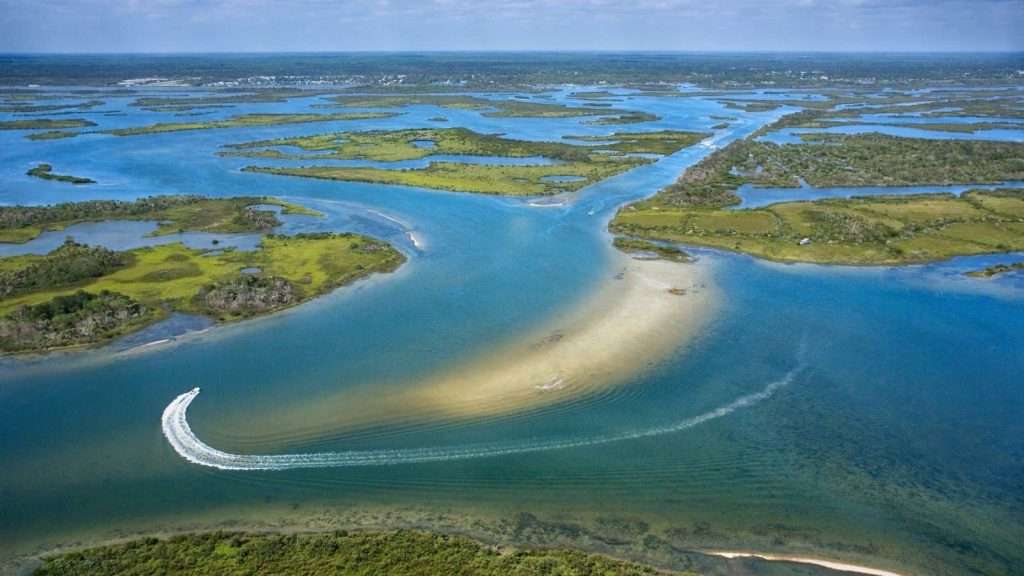
Cumberland Island is one of the most untouched destinations in U.S. travel, with no personal vehicles allowed. Visitors explore via foot or bicycle, sharing the landscape with wild horses and ancient oak trees. The island’s undeveloped beaches stretch for miles, offering solitude that feels rare. Without cars, every sound and sight feels amplified. It’s a powerful reminder of how peaceful travel can be when nature leads the way.
Sapelo Island
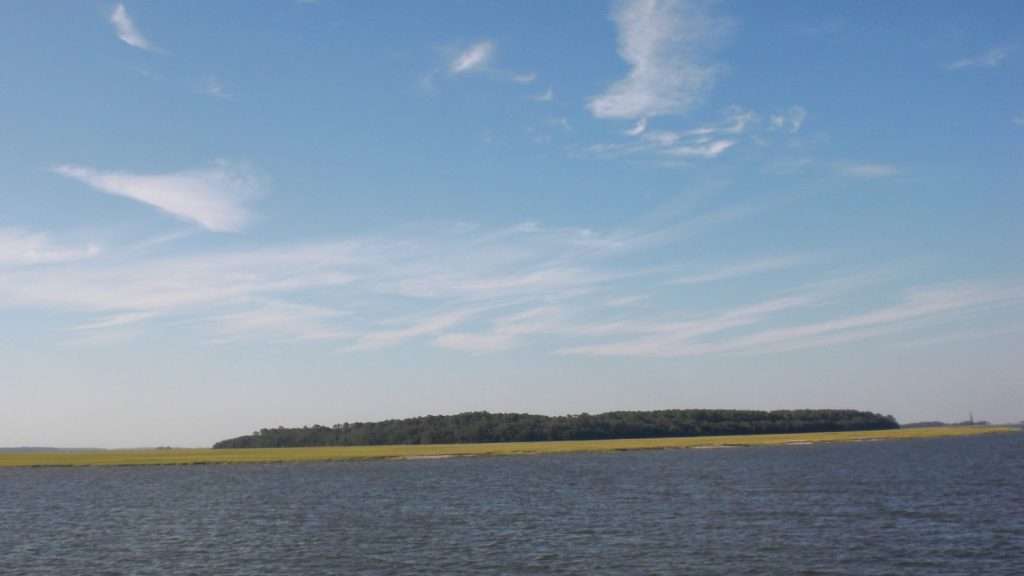
Sapelo Island blends cultural history and natural beauty in a largely car-free environment for visitors. Walking and biking allow travelers to experience the island’s beaches, salt marshes, and historic Hog Hammock community. The slower pace encourages meaningful conversations and thoughtful exploration. Without traffic, the island feels intimate and authentic. For U.S. travelers interested in heritage tourism, Sapelo Island offers depth and tranquility.
Tangier Island

Tangier Island stands out for its unique dialect and way of life, preserved in part by its lack of cars. Narrow paths connect homes, docks, and crab shacks, making walking the primary mode of travel. Life here feels deeply communal and rhythm-driven. Visitors often describe the experience as stepping back in time. It’s a fascinating stop for U.S. travel enthusiasts curious about cultural preservation.
Marblehead Island

Marblehead Island offers a quiet Lake Erie escape where car-free exploration is both practical and pleasant. Small paths, waterfront views, and local marinas define the experience. Visitors often comment on how relaxed the island feels compared to mainland Ohio travel spots. Walking becomes part of the enjoyment, not a chore. It’s a lesser-known destination that rewards curiosity and slow movement.
Pea Island

Pea Island focuses on preservation, making vehicle access highly limited and encouraging mindful exploration. Boardwalks and walking paths allow visitors to observe birds, dunes, and wetlands without disruption. The absence of traffic supports the island’s role as a wildlife refuge. Travelers seeking nature-centered U.S. travel experiences appreciate its quiet beauty. Pea Island proves that less infrastructure can mean more connection.
Angel Island

Angel Island offers a car-free adventure right in San Francisco Bay, popular with hikers and history lovers. Trails loop the island, revealing skyline views and former military sites. Without cars, the terrain feels more approachable and immersive. Day-trippers often remark on how quickly city stress fades. It’s a compelling option for California travel that balances access and escape.
Keewaydin Island

Keewaydin Island remains largely undeveloped, with no bridges or public roads connecting it to mainland Florida. Visitors arrive by boat and explore sandy paths on foot. The island’s simplicity highlights natural beauty over convenience. Without cars, the beach feels raw and expansive. It’s a favorite among Florida travel fans seeking solitude and authenticity.
Lanai
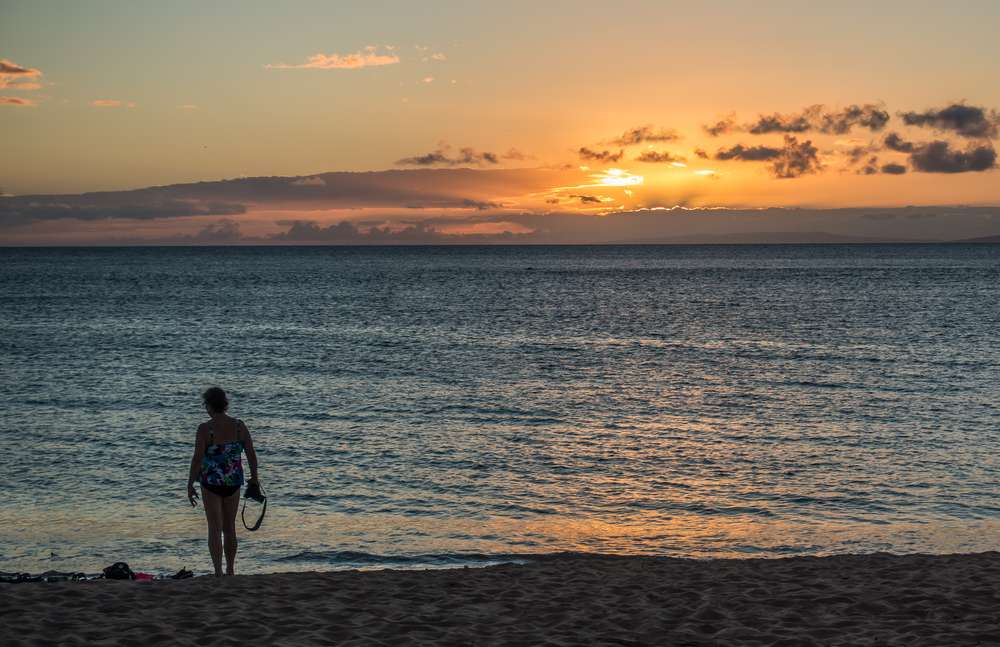
Lanai encourages car-free exploration in its central areas, where walking reveals local culture and landscapes. Many visitors choose to minimize driving to fully absorb the island’s calm energy. Pineapple fields, quiet beaches, and open skies define the experience. The slower pace aligns perfectly with mindful Hawaii travel. Lanai feels both luxurious and grounded.
Molokai
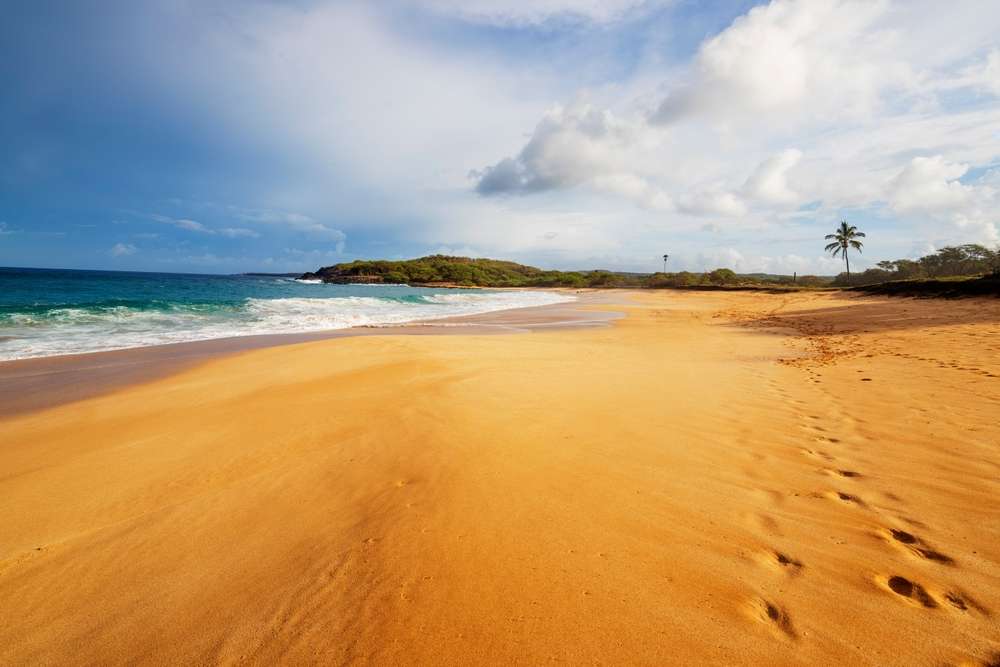
Molokai stands apart in Hawaii travel for its commitment to tradition and community over mass tourism. While vehicles exist, many visitors explore key areas on foot to respect local rhythms. The island’s uncrowded beaches and rural feel make car-free moments especially meaningful. Life here feels intentional and unhurried. Molokai rewards travelers who value presence over pace.
Isle au Haut
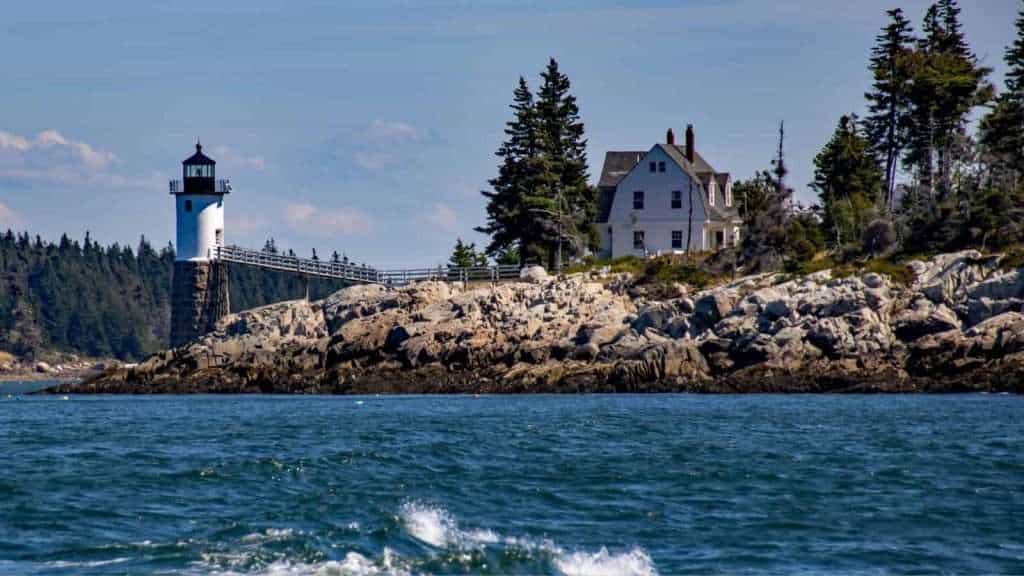
Isle au Haut offers limited vehicle access, with much of the island best experienced by walking. As part of Acadia National Park, it attracts hikers and nature-focused travelers. Quiet roads, forest paths, and coastal views dominate the landscape. Without cars, the island feels expansive and deeply peaceful. It’s a standout for Maine travel rooted in simplicity.
Daufuskie Island
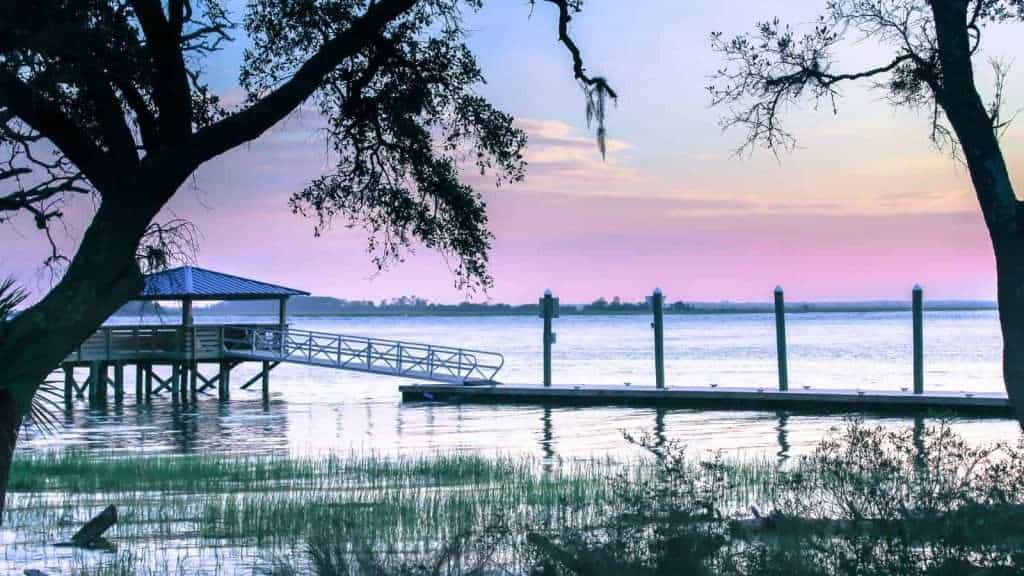
Daufuskie Island relies on golf carts and walking paths instead of traditional cars. This creates a relaxed atmosphere where visitors naturally slow down. The island’s Gullah Geechee heritage adds cultural richness to the experience. Without traffic noise, storytelling and scenery take center stage. It’s a compelling destination for South Carolina travel with soul.
Pelee Island

Pelee Island often appeals to U.S. travelers exploring cross-border destinations with a car-free mindset. Many visitors walk or bike through vineyards and shoreline trails. The island’s calm energy feels restorative and open. Without heavy traffic, nature and conversation fill the space. It’s a gentle reminder of how movement shapes mood.
Apostle Islands
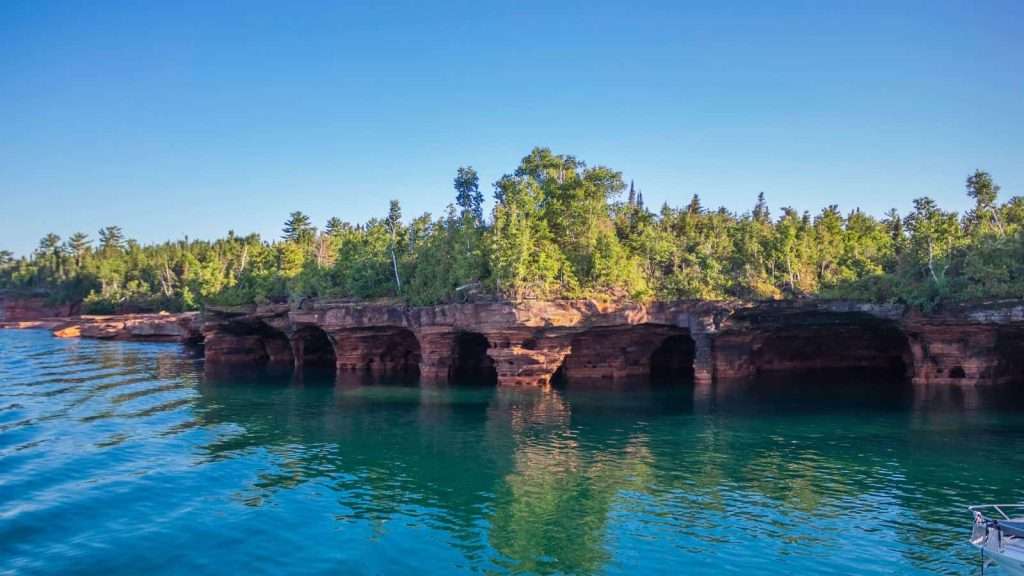
The Apostle Islands emphasize kayaking and hiking over driving, with most islands completely car-free. Sea caves, cliffs, and beaches define the adventure. Visitors experience Lake Superior in an intimate, powerful way. The absence of vehicles heightens the sense of exploration. For Midwest U.S. travel, this archipelago feels wild and unforgettable.
Caladesi Island

Caladesi Island offers a protected, car-free beach experience on Florida’s Gulf Coast. Accessed by ferry or kayak, the island feels immediately separated from everyday life. Walking trails wind through mangroves and along sugar-white sand. Without cars, the natural soundscape dominates. It’s a top choice for Florida travel focused on preservation and calm.

Deborah Montiero is a seasoned travel writer and contributor to Probe the Globe. With a passion for uncovering hidden gems and sharing immersive travel experiences, Deborah’s work highlights must-visit destinations, insider tips, and practical advice for travelers of all types. Whether exploring bustling cities or remote escapes, her articles are crafted to inspire and inform, making her a trusted voice in the travel community.
Her storytelling weaves together cultural insights, logistical tips, and authentic experiences, making her a valuable resource for readers seeking unforgettable journeys.
When not writing, Deborah is likely researching the latest travel trends or planning her next adventure. Follow her work on Probe the Globe for fresh perspectives and up-to-date travel inspiration.