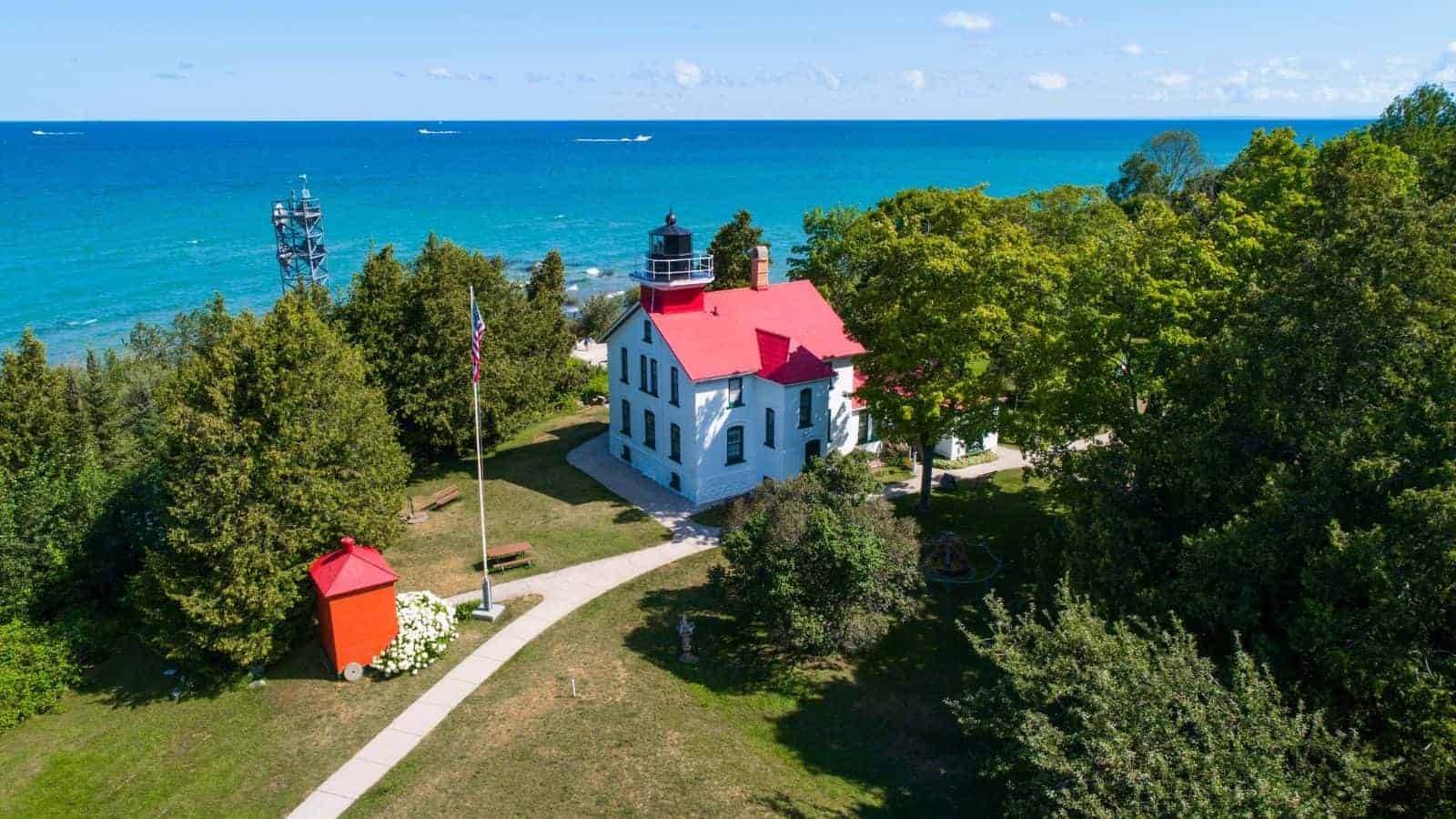
12 Historic U.S. Landmarks Off the Beaten Path
While the United States is known for iconic landmarks like the Statue of Liberty and Mount Rushmore, there are countless lesser-known sites that offer a deeper glimpse into the nation’s rich and varied history. After exploring some of these remarkable places, it’s clear that the U.S. holds fascinating stories beyond the well-trodden tourist paths. Here’s a look at 12 historic U.S. landmarks that have been selected for their unique historical significance and are well worth the visit.
Cahokia Mounds, Collinsville, Illinois

The Cahokia Mounds represent one of the largest and most sophisticated pre-Columbian civilizations in North America. Located near present-day St. Louis, Cahokia was a thriving Native American city between 1050 and 1350 A.D., with a population that rivaled European cities of the time. Today, visitors can explore the earthen mounds built by the Mississippian people, the largest of which, Monks Mound, towers over the landscape.
The Old Idaho Penitentiary, Boise, Idaho
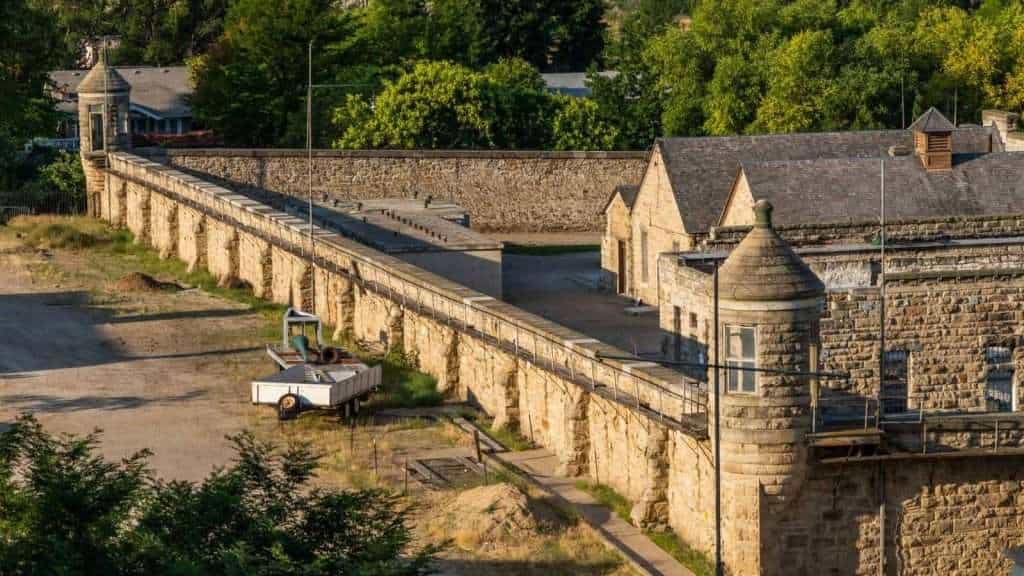
Built in 1872, the Old Idaho Penitentiary housed some of the West’s most notorious criminals until it was decommissioned in 1973. The sandstone prison, constructed by inmates, offers a fascinating look into the history of incarceration in the U.S. Visitors can tour the cell blocks, solitary confinement rooms and even the gallows. The penitentiary is surrounded by beautiful gardens, adding an eerie contrast to its dark past.
Taos Pueblo, Taos, New Mexico
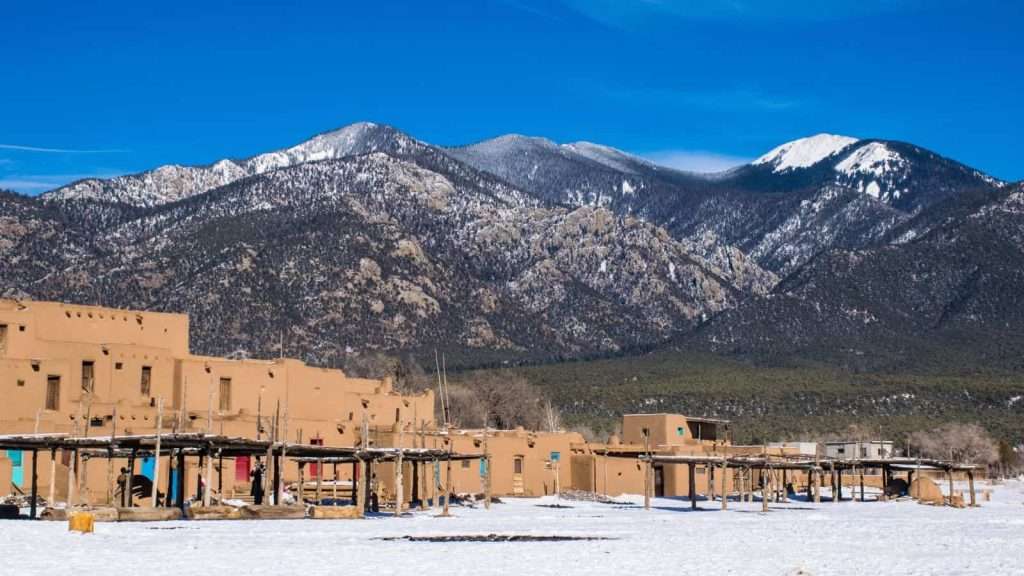
A UNESCO World Heritage Site, Taos Pueblo is a remarkable Native American community that has been continuously inhabited for over 1,000 years. The adobe structures, some of which date back centuries, stand at the base of the Sangre de Cristo Mountains. The residents of Taos Pueblo maintain their traditions, offering visitors a chance to experience a living historical landmark.
Shaker Village of Pleasant Hill, Harrodsburg, Kentucky

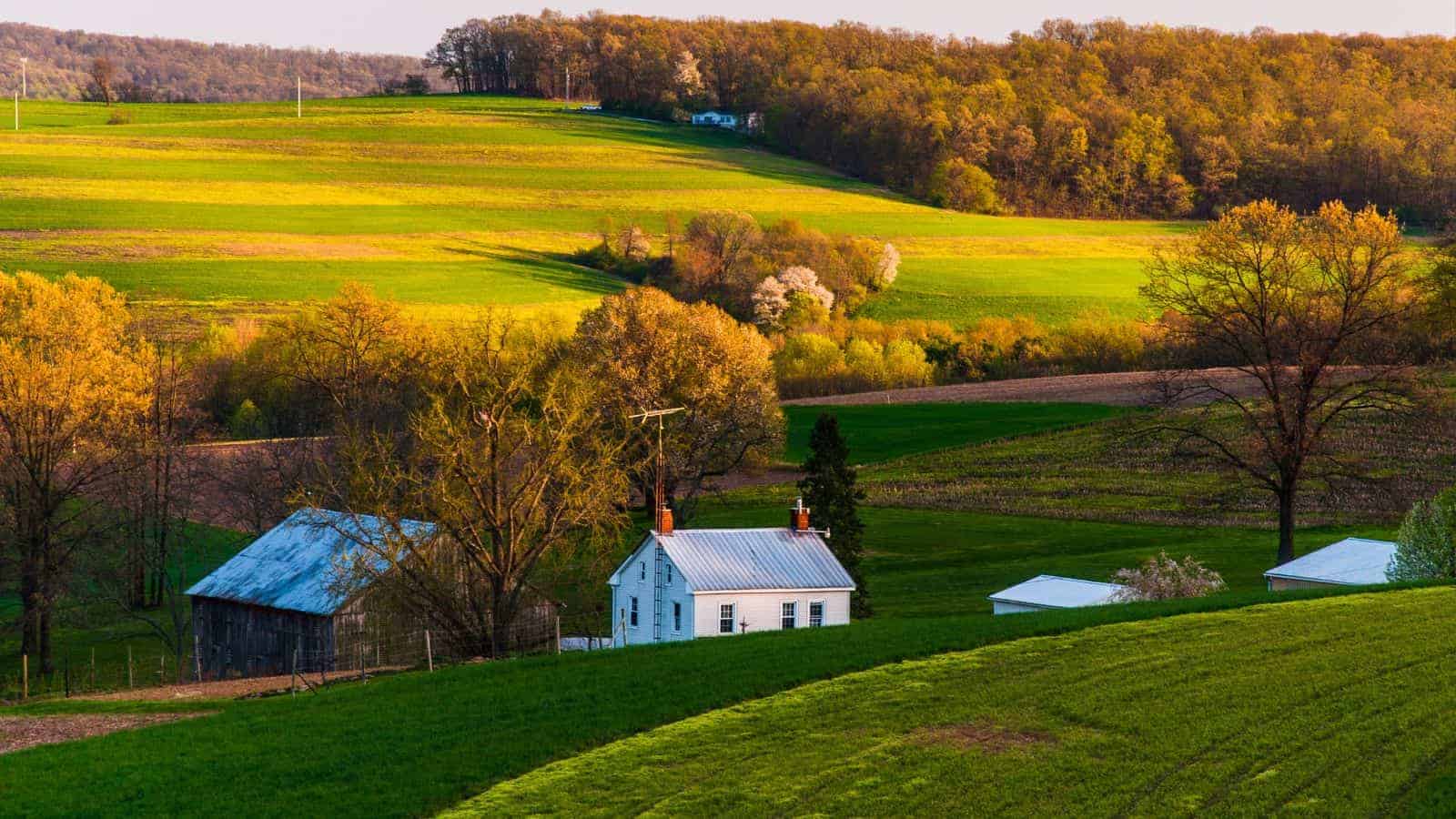
Once home to a thriving Shaker community, the Shaker Village of Pleasant Hill preserves over 30 original buildings from the 19th century. The Shakers were known for their simple, efficient designs and communal lifestyle and visitors can explore the well-preserved architecture, attend craft demonstrations and learn about the group’s beliefs. The surrounding landscape, featuring rolling hills and farmsteads, adds to the sense of tranquility.
Fort Jefferson, Dry Tortugas National Park, Florida
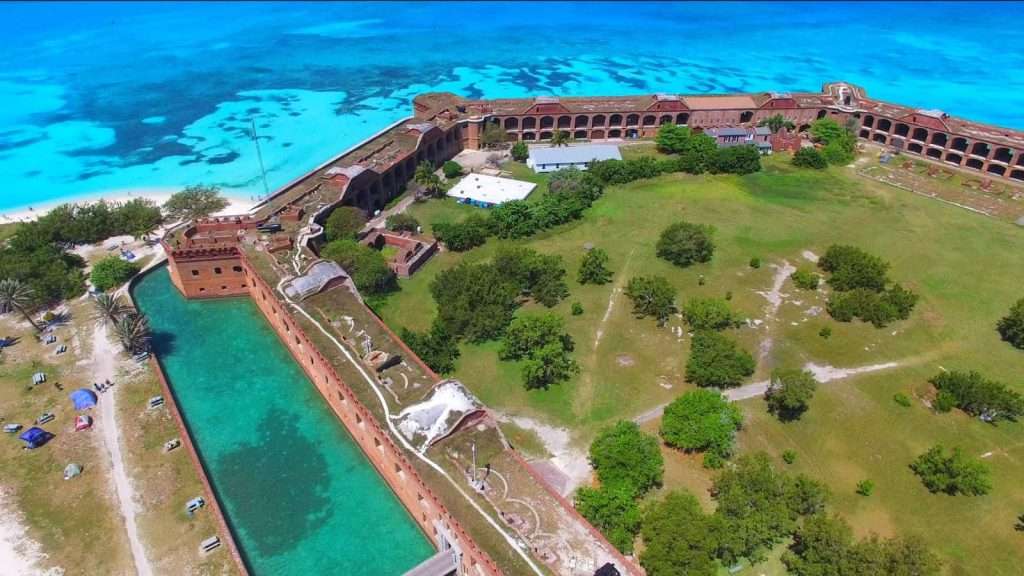
Located 70 miles west of Key West in the Gulf of Mexico, Fort Jefferson is one of the largest masonry structures in the Americas. Built in the 1800s, the fort served as a strategic outpost and a prison during the Civil War. Accessible only by boat or seaplane, this remote fortress offers stunning views of the surrounding turquoise waters and coral reefs.
San Xavier del Bac, Tucson, Arizona
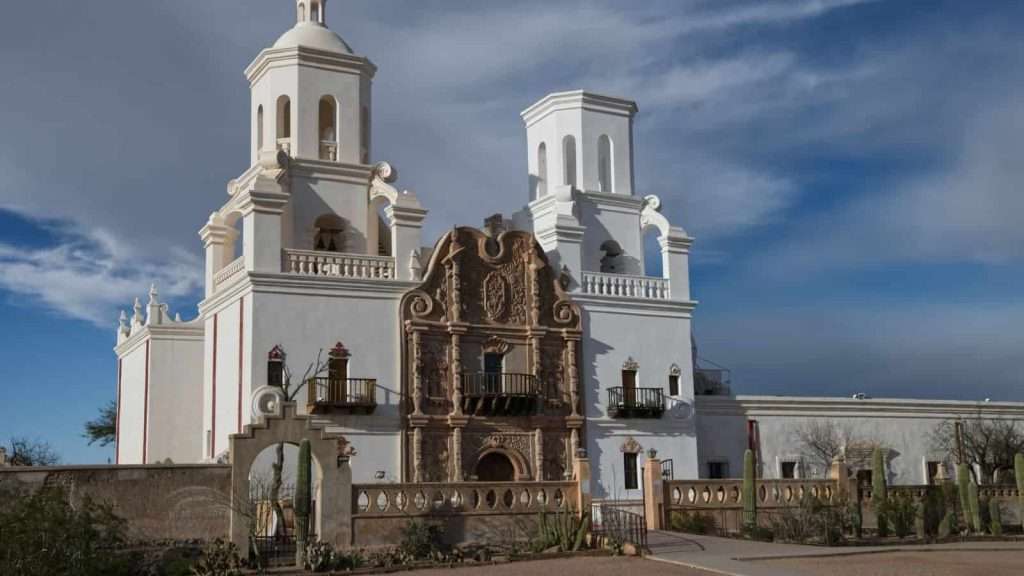
San Xavier del Bac is a stunning example of Spanish Colonial architecture, located just outside Tucson. Built between 1783 and 1797, this Catholic mission is often called the “White Dove of the Desert” for its striking white exterior. The mission’s interior is equally impressive, featuring intricate frescoes, carvings, and statues. It remains an active parish for the Tohono O’odham Nation.
The Palisade Sill, Connecticut River, New York and Massachusetts
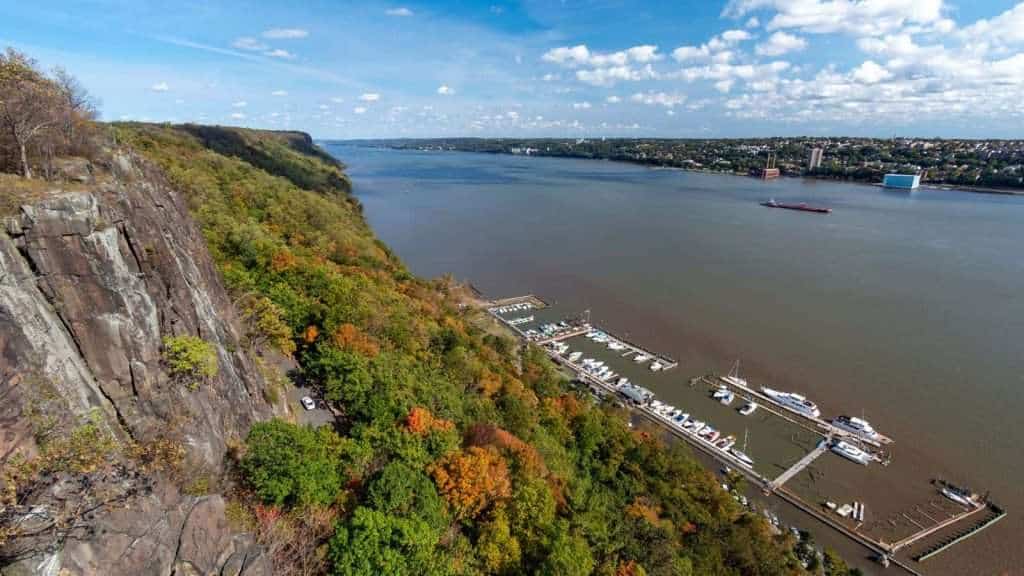
Stretching along the Connecticut River, the Palisade Sill is a massive basalt ridge formed by volcanic activity over 200 million years ago. It was a critical landmark for Native American tribes and early European settlers alike. The area’s rugged beauty, along with its role in American history, makes it a lesser-known but historically significant destination.
Bent’s Old Fort, La Junta, Colorado
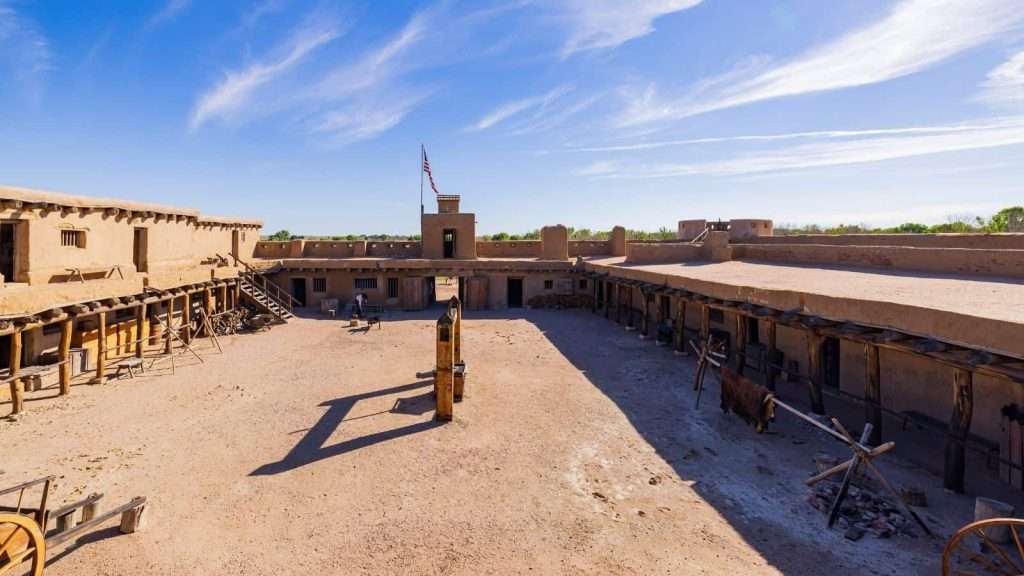
In the early 1800s, Bent’s Old Fort was a crucial trading post along the Santa Fe Trail, facilitating trade between Native American tribes, settlers and traders from Mexico. The fort has been reconstructed to resemble its original form, offering visitors a chance to step back into the bustling frontier life of the 19th century. The site hosts reenactments and living history events throughout the year.
Augustine Lighthouse, St. Augustine, Florida
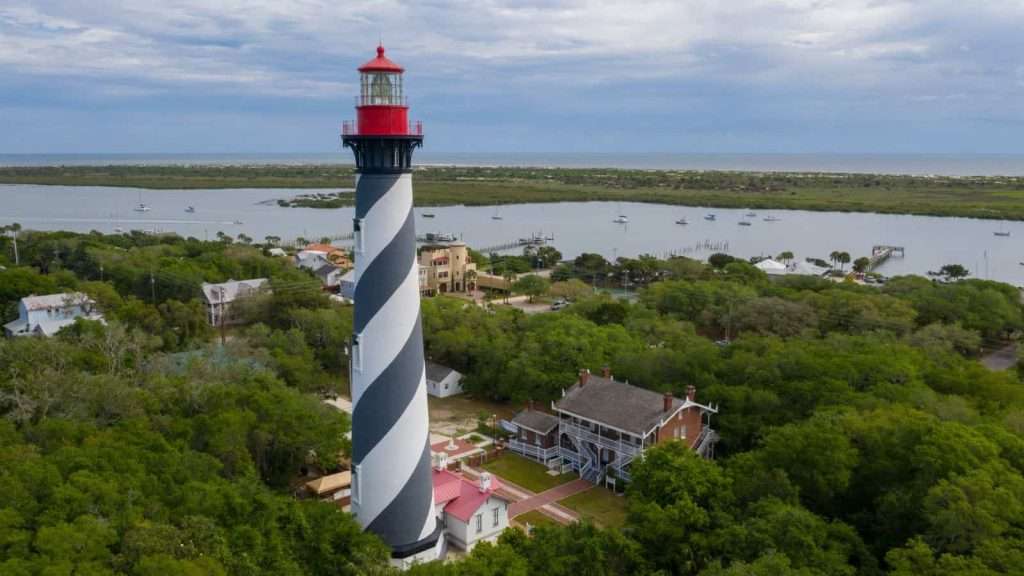
The St. Augustine Lighthouse stands as one of the oldest navigational structures in the U.S., dating back to 1874. Located in the oldest city in America, the lighthouse offers panoramic views of the Atlantic Ocean and the historic town of St. Augustine. The on-site museum provides a fascinating history of the region’s maritime past, including shipwreck discoveries.
Scotty’s Castle, Death Valley National Park, California
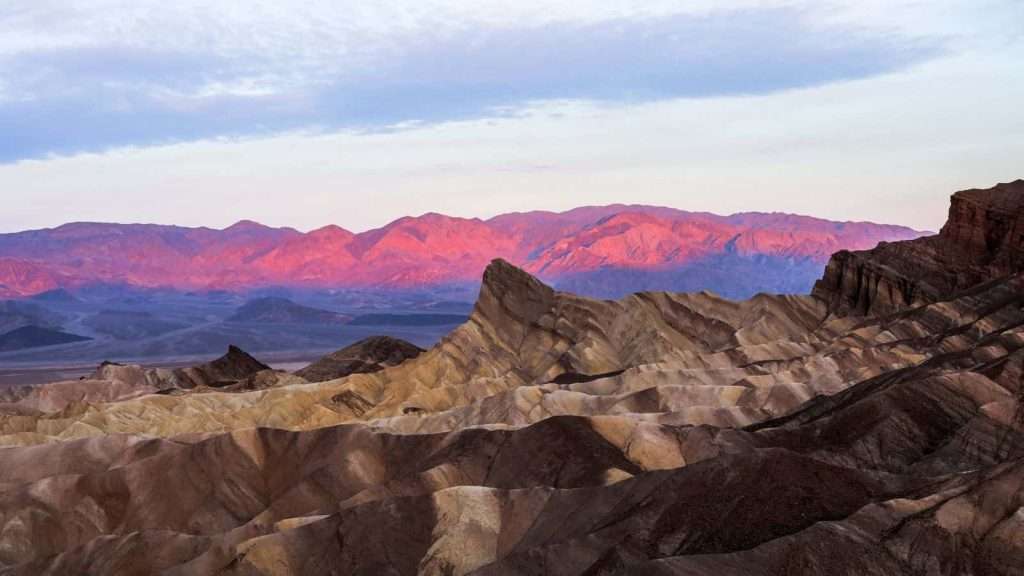
Scotty’s Castle is a Spanish-style mansion in the heart of Death Valley, built in the 1920s as a retreat for a wealthy Chicago businessman and his eccentric friend, Death Valley Scotty. The lavish interior, with its intricate tile work and wood carvings, contrasts sharply with the stark desert surroundings. The site offers a glimpse into the quirky history of the American West and its desert retreats.
Castle Hill on the Crane Estate, Ipswich, Massachusetts
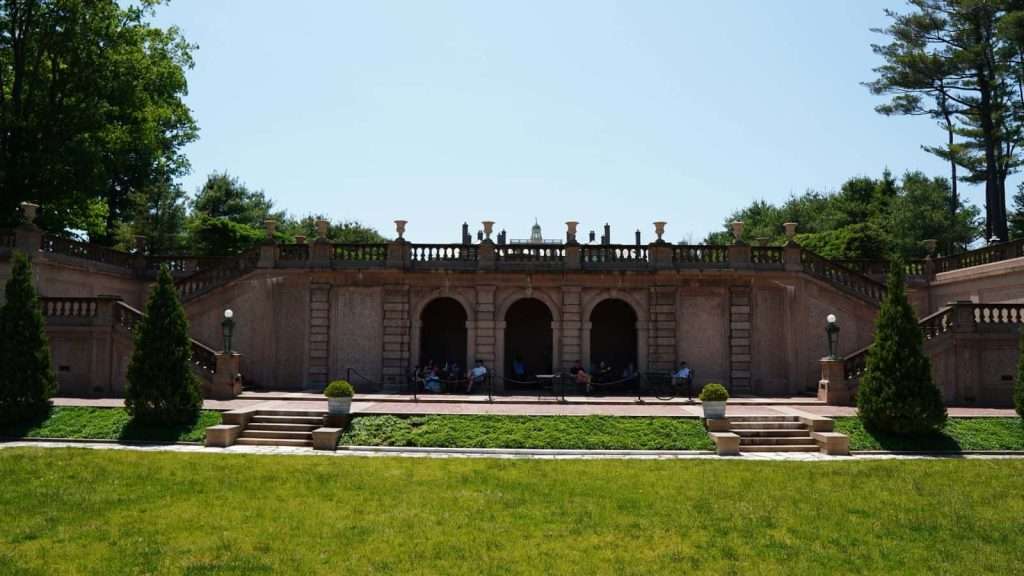
Castle Hill, part of the expansive Crane Estate, is a grand example of Italian Renaissance Revival architecture, perched on the bluffs overlooking the Atlantic Ocean. Built in the early 20th century, the mansion and its terraced gardens are meticulously preserved. Visitors can tour the estate and enjoy the beautifully landscaped grounds, which evoke the splendor of European aristocratic estates.
The Whaley House, San Diego, California
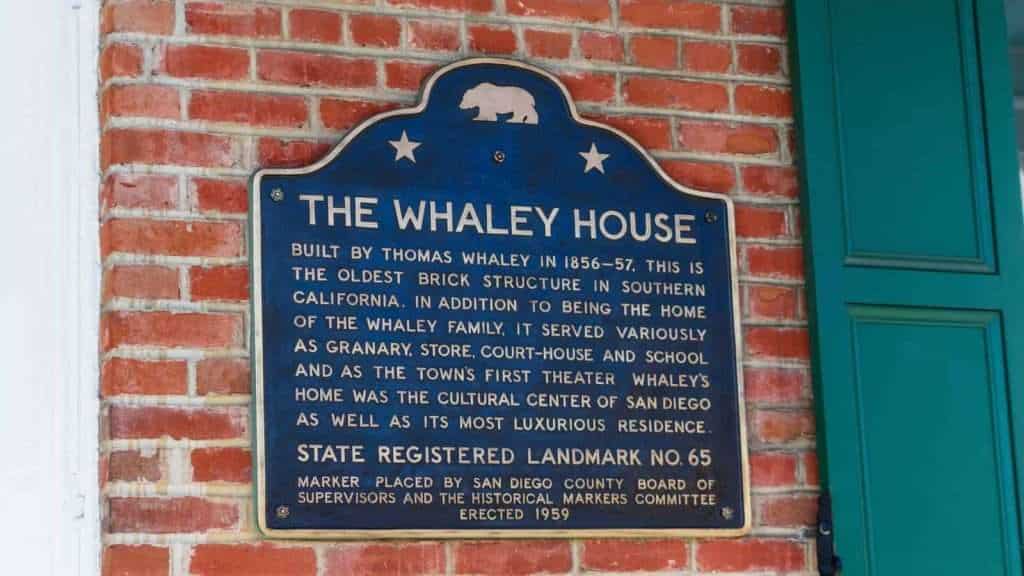
The Whaley House in Old Town San Diego is one of the most infamous haunted houses in the U.S., but its historical significance extends beyond ghost stories. Built in 1857, it was the first two-story brick building in Southern California and served as a home, courthouse and commercial center. The house’s Greek Revival architecture and turbulent past make it an intriguing destination for history buffs and paranormal enthusiasts alike.

Deborah Montiero is a seasoned travel writer and contributor to Probe the Globe. With a passion for uncovering hidden gems and sharing immersive travel experiences, Deborah’s work highlights must-visit destinations, insider tips, and practical advice for travelers of all types. Whether exploring bustling cities or remote escapes, her articles are crafted to inspire and inform, making her a trusted voice in the travel community.
Her storytelling weaves together cultural insights, logistical tips, and authentic experiences, making her a valuable resource for readers seeking unforgettable journeys.
When not writing, Deborah is likely researching the latest travel trends or planning her next adventure. Follow her work on Probe the Globe for fresh perspectives and up-to-date travel inspiration.