25 Hidden Tunnel Systems Under Major Cities Most People Never Notice
Beneath the streets that millions of travelers walk every year, entire hidden worlds exist out of sight. Major cities across the United States and beyond are layered with forgotten tunnels built for transportation, defense, utilities, and even secret social life. For U.S. travel enthusiasts who enjoy urban exploration, history, and unusual attractions, these underground systems add a fascinating dimension to city travel. They are rarely marked, often overlooked, and yet deeply woven into the story of modern destinations. We take a look 25 hidden tunnel systems under major cities most people never notice
New York City Steam Tunnels, New York
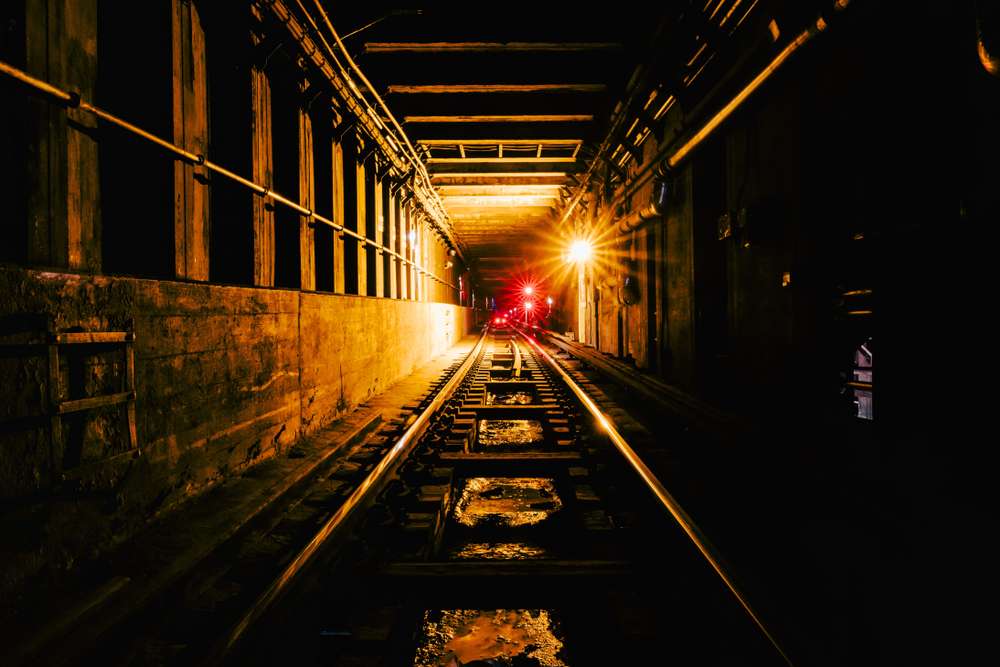
Below Manhattan’s busy avenues lies an extensive steam tunnel system that powers heating for much of the city. Built in the late 19th century, these tunnels stretch for miles beneath offices, hotels, and landmarks visited by millions of tourists. For U.S. city travelers, it is striking to realize that beneath Times Square and Grand Central Terminal runs a network older than the subway itself. The tunnels have even inspired urban legends, adding mystery to everyday New York travel.
Chicago Freight Tunnels, Illinois

Chicago’s underground freight tunnel system once transported coal, mail, and goods beneath the city’s streets. Constructed in the early 1900s, it spanned more than 60 miles at its peak. Today, many travelers exploring downtown Chicago have no idea what lies beneath them. Though no longer used for freight, parts of the system still exist, forming a hidden layer beneath one of America’s most visited urban destinations.
Los Angeles Prohibition Tunnels, California

Los Angeles hides remnants of tunnels once used during Prohibition to move alcohol secretly between buildings. These passageways connected basements, theaters, and private clubs. For California travel fans exploring historic downtown Los Angeles, these forgotten tunnels reveal a rebellious side of the city’s past. Though sealed off in many places, their existence adds depth to LA’s reputation for hidden stories beneath its modern image.
Seattle Underground, Washington

Seattle’s underground passages were created after the Great Fire of 1889 raised street levels across the city. What was once ground level became buried storefronts and sidewalks. Today, parts of the underground remain intact beneath Pioneer Square. For U.S. travelers visiting Seattle, the realization that an entire city layer still exists below ground adds a unique twist to Pacific Northwest travel experiences.
Boston Subway Tunnels, Massachusetts

Boston’s transit tunnels are among the oldest in the United States, dating back to the late 19th century. Over time, abandoned sections and service corridors formed a maze beneath the city. Travelers exploring Boston’s historic neighborhoods often walk above forgotten routes once used by early streetcars. These tunnels quietly reflect the evolution of American urban transportation and East Coast travel history.
Washington, D.C. Capitol Tunnels, District of Columbia

Underneath Capitol Hill runs a network of tunnels connecting government buildings. Built for efficiency and security, these passageways allow officials to move unseen. While tourists focus on monuments and museums above ground, an entirely separate system operates below. For U.S. travel centered on political landmarks, these tunnels symbolize the hidden mechanics behind America’s capital city.
Philadelphia Underground Tunnels, Pennsylvania

Philadelphia features a mix of forgotten subway lines, utility tunnels, and colonial-era cellars. Some date back to early American history, while others were part of ambitious transit plans that never materialized. Travelers exploring historic Philadelphia rarely realize how layered the city truly is. These underground spaces reflect centuries of adaptation beneath one of America’s most historically significant travel destinations.
Las Vegas Utility Tunnels, Nevada
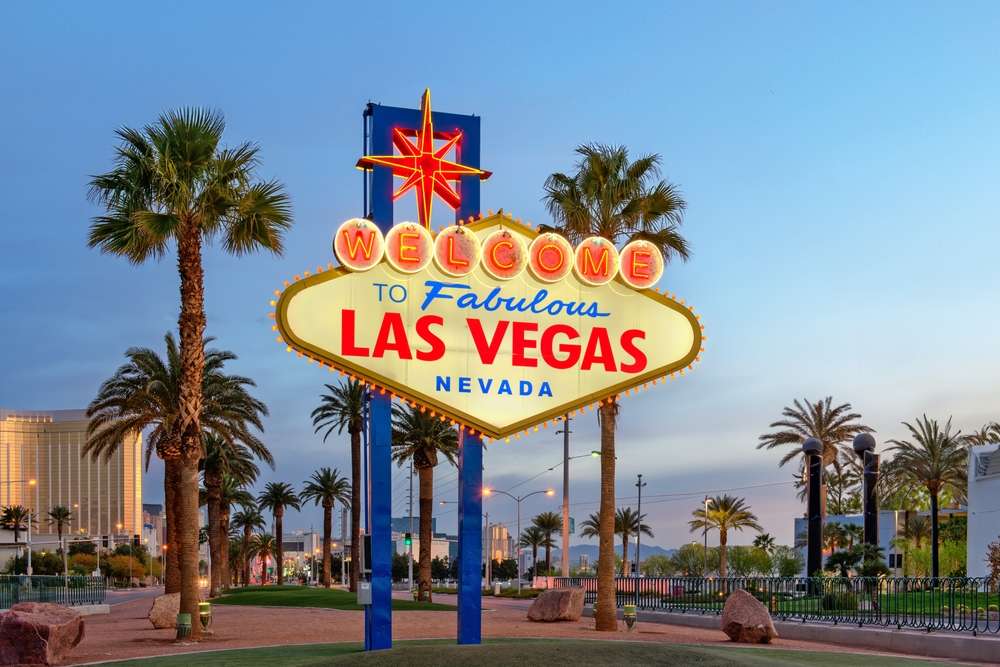
Beneath the bright lights of the Las Vegas Strip lies an extensive tunnel system originally designed for flood control. Over time, parts of it became informal shelters and hidden pathways. For Nevada travel enthusiasts fascinated by contrasts, these tunnels reveal a starkly different side of Las Vegas. They run quietly below casinos and resorts, unseen by millions of visitors.
Atlanta Civil Defense Tunnels, Georgia

Atlanta built underground shelters and tunnels during the Cold War era as part of civil defense planning. Some connect government buildings and infrastructure hubs. Travelers exploring Atlanta’s downtown often have no idea these systems exist beneath them. These tunnels reflect a period when American cities quietly prepared for global conflict beneath everyday urban life.
San Francisco Utility and Transit Tunnels, California

San Francisco’s hills conceal layers of abandoned transit tunnels, cable car routes, and utility passages. Earthquakes and evolving transportation needs left many underground spaces unused. For California travelers exploring the city’s historic districts, these tunnels tell stories of resilience and reinvention. They form a hidden map beneath one of the most visited cities on the West Coast.
Detroit Salt Mine Tunnels, Michigan

Detroit sits above one of the largest salt mining operations in the United States. The tunnels stretch for miles beneath the city and nearby suburbs. Travelers visiting Detroit for automotive history or music culture rarely realize they are walking above massive underground chambers. These tunnels serve as a reminder that industrial America extends far below street level.
Kansas City Subterranean Complex, Missouri
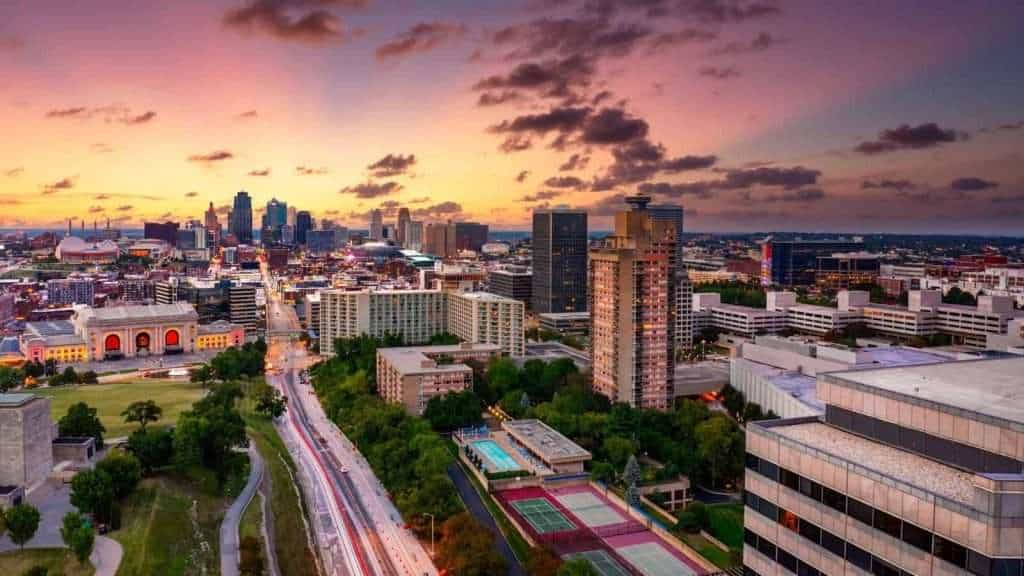
Kansas City is famous for its underground business complexes carved from limestone. Originally used for mining, these tunnels now house offices, storage, and data centers. For Midwest travel enthusiasts, this underground city offers a unique example of adaptive reuse. Entire industries operate below ground while the city above continues its daily rhythm.
Dallas Pedestrian Tunnels, Texas

Dallas features an underground pedestrian tunnel system connecting office buildings downtown. Built to shield workers from extreme heat, it became a hidden layer of urban life. Travelers visiting Texas cities often miss this subterranean network entirely. The tunnels quietly reveal how climate influences city planning in major U.S. travel destinations.
Denver Steam and Utility Tunnels, Colorado
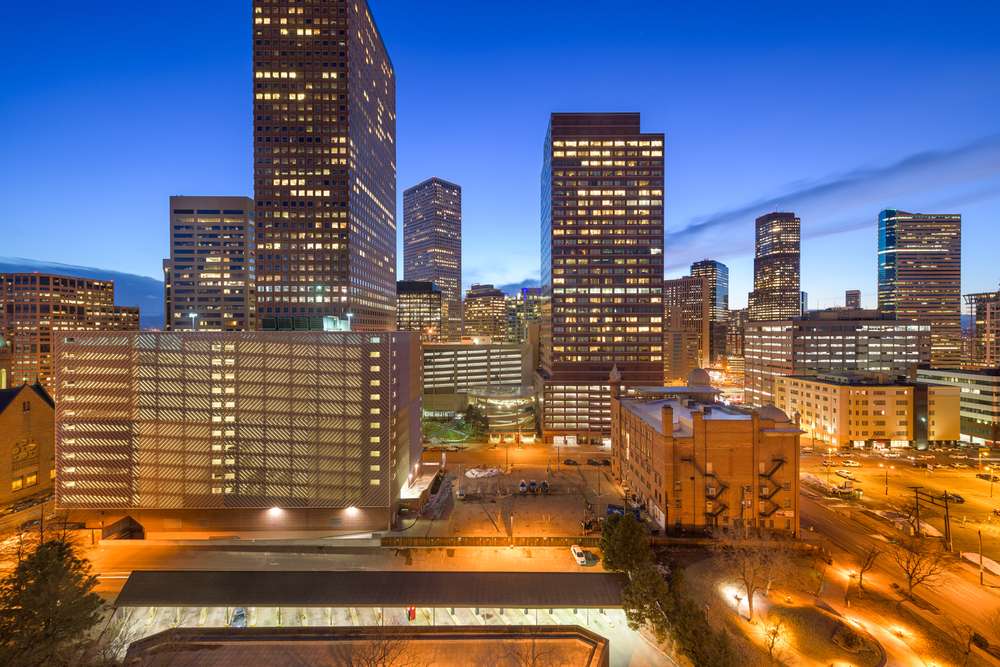
Denver’s underground includes steam tunnels originally built to heat buildings in the city center. Over time, unused sections became sealed and forgotten. For travelers exploring Denver’s historic downtown, these tunnels represent the city’s early growth. Beneath modern streets lies infrastructure that supported Colorado’s rise as a major western travel hub.
Baltimore Utility Tunnels, Maryland

Baltimore’s older neighborhoods contain a web of utility tunnels dating back more than a century. Some were part of early transit systems, while others supported port operations. Travelers visiting Baltimore’s Inner Harbor rarely notice what lies beneath. These tunnels quietly support the city’s historic role in American commerce and coastal travel.
Minneapolis Skyway Subterranean Routes, Minnesota

While Minneapolis is famous for its skyways, it also has underground service tunnels connecting major buildings. Designed for harsh winters, these passages allow movement without exposure to extreme cold. Travelers exploring Minnesota cities often focus on above-ground architecture, unaware of the hidden routes below. The tunnels show how climate shapes American urban travel design.
Cleveland Underground Transit Remnants, Ohio
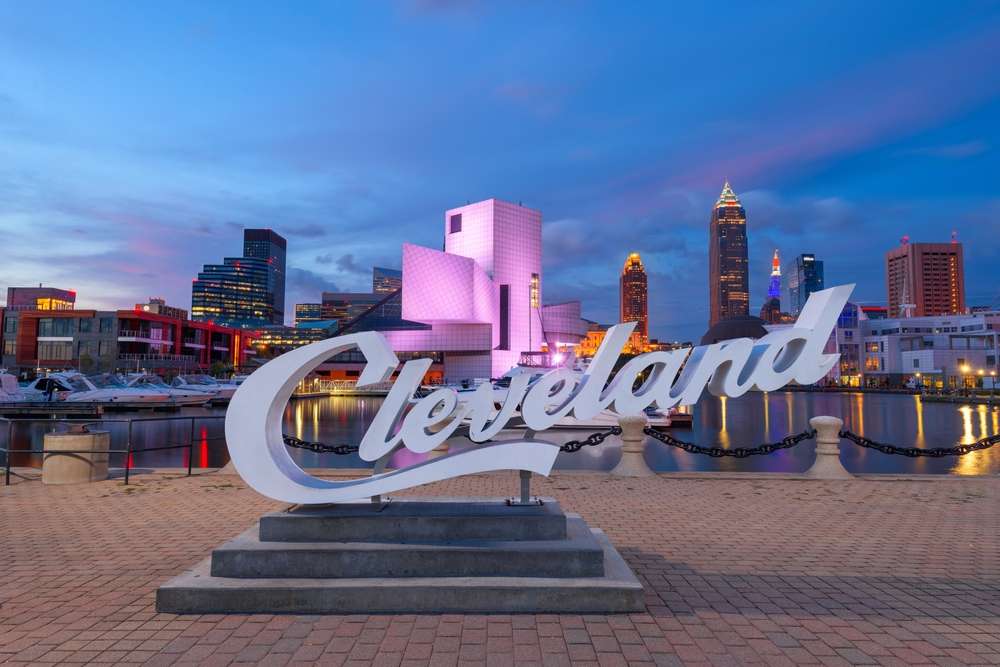
Cleveland’s early transit ambitions left behind unused subway tunnels and service corridors. Economic shifts halted expansion, freezing parts of the system in time. Travelers exploring Ohio’s cities might pass over sealed entrances without noticing. These underground spaces reflect both optimism and limitation in American city planning history.
St. Louis Utility Tunnels, Missouri

St. Louis developed underground tunnels to support heating, utilities, and transportation near its historic core. Many remain sealed beneath downtown streets. Travelers visiting the Gateway Arch often stand above forgotten infrastructure. These tunnels form an invisible foundation beneath one of the Midwest’s most recognizable travel landmarks.
Portland Shanghai Tunnels, Oregon

Portland’s Shanghai Tunnels are among the most infamous underground systems in the United States. Built to move goods from the riverfront, they became associated with crime and forced labor. Travelers exploring Portland’s Old Town often hear stories of these passageways. Whether legend or fact, the tunnels add a darker layer to Pacific Northwest travel history.
New Orleans Smuggling Tunnels, Louisiana
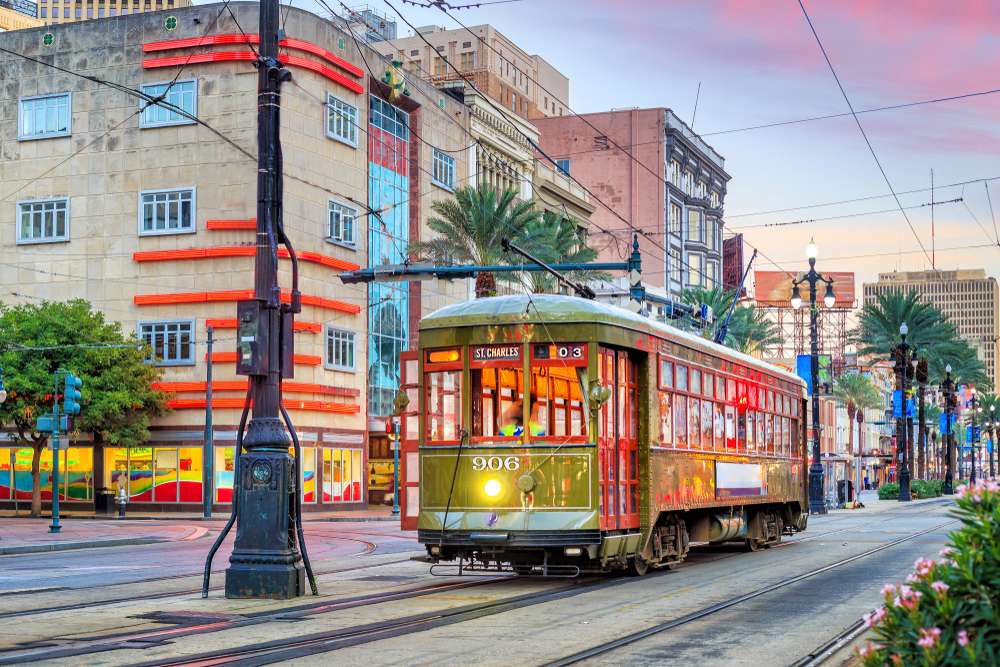
New Orleans hides remnants of tunnels once used for smuggling and trade during its early port days. Built beneath historic buildings, they connected warehouses to the Mississippi River. Travelers exploring the French Quarter may unknowingly walk above these hidden routes. The tunnels reflect the city’s long relationship with commerce, secrecy, and survival.
Phoenix Utility Tunnels, Arizona
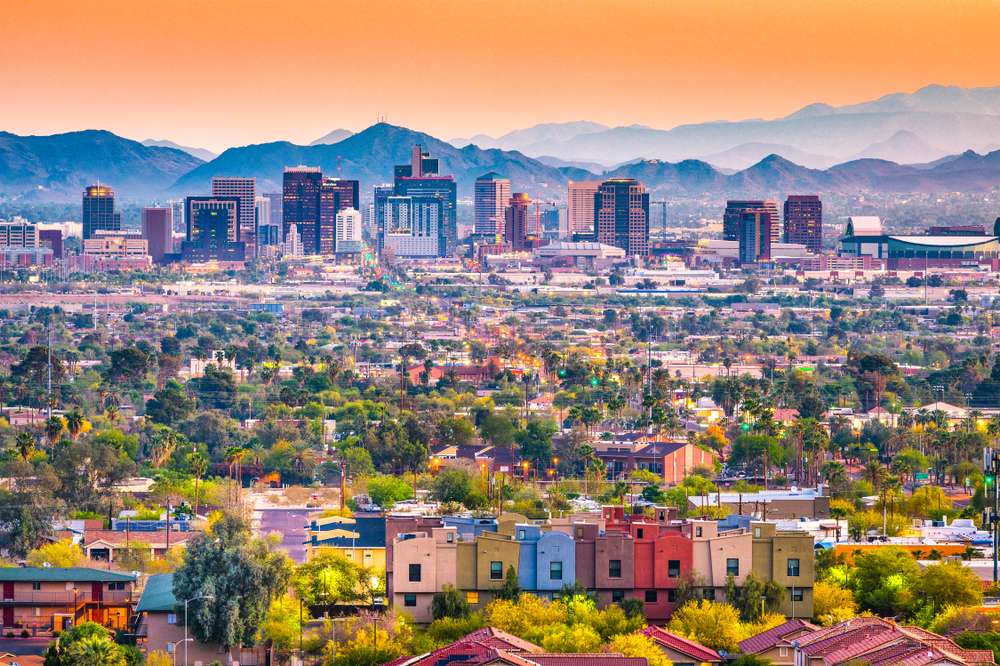
Phoenix’s underground infrastructure includes utility tunnels designed to support rapid urban expansion. While not ancient, many sections remain unnoticed beneath downtown. For Southwest travel enthusiasts, these tunnels highlight how modern cities quietly grow beneath the surface. They support one of the fastest-growing urban destinations in the United States.
Salt Lake City Underground Passages, Utah

Salt Lake City developed underground service tunnels connecting government and commercial buildings. Built for efficiency and winter weather, they remain largely unseen. Travelers visiting Utah’s capital often focus on mountain views and historic sites above ground. Below, a quieter network reflects the city’s practical approach to urban travel needs.
Toronto PATH System, Ontario

Toronto’s PATH is one of the largest underground pedestrian systems in the world. Stretching for miles beneath downtown, it connects offices, transit, and shopping areas. Travelers visiting Canada’s largest city often stumble upon it unexpectedly. The PATH shows how underground travel can become a vital part of daily urban life.
Montreal Underground City, Quebec

Montreal’s underground city is a vast network of tunnels, malls, and transit connections. Built to help residents navigate harsh winters, it spans much of downtown. Travelers exploring Montreal are often surprised by its scale. This underground system demonstrates how climate and culture shape travel experiences beneath major North American cities.
Pittsburgh Utility and Transit Tunnels, Pennsylvania

Pittsburgh’s industrial past left behind underground tunnels once used for coal transport and utilities. Many remain sealed beneath neighborhoods and river crossings. Travelers exploring Pittsburgh’s bridges and hills rarely notice these hidden layers. The tunnels reflect the city’s transformation from industrial powerhouse to modern travel destination.
San Diego Military Tunnels, California
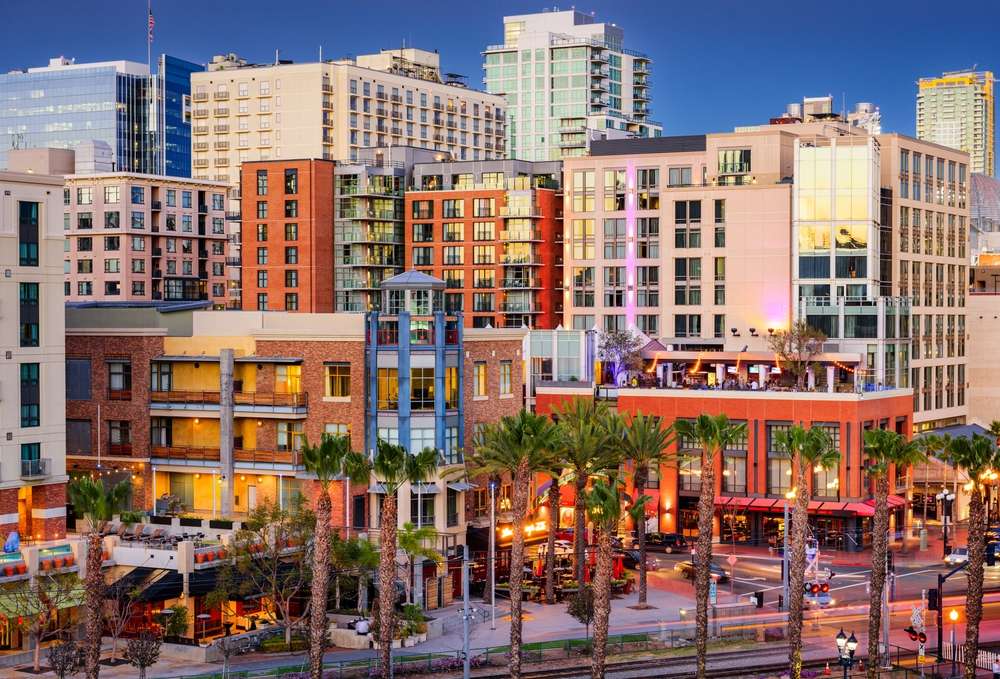
San Diego contains remnants of military tunnels built to support naval operations and coastal defense. Some date back to World War II. Travelers visiting San Diego for beaches and sunshine often overlook this hidden military history. Beneath the city lies infrastructure that once played a role in national defense and Pacific travel routes.

Deborah Montiero is a seasoned travel writer and contributor to Probe the Globe. With a passion for uncovering hidden gems and sharing immersive travel experiences, Deborah’s work highlights must-visit destinations, insider tips, and practical advice for travelers of all types. Whether exploring bustling cities or remote escapes, her articles are crafted to inspire and inform, making her a trusted voice in the travel community.
Her storytelling weaves together cultural insights, logistical tips, and authentic experiences, making her a valuable resource for readers seeking unforgettable journeys.
When not writing, Deborah is likely researching the latest travel trends or planning her next adventure. Follow her work on Probe the Globe for fresh perspectives and up-to-date travel inspiration.