
19 Hidden Historic Gems in Eastern Europe You Need to Explore
Eastern Europe is rich in history, culture and natural beauty, but it often flies under the radar when it comes to vacation destinations. Beyond the well-trodden paths of Prague, Budapest and Krakow, this region is home to numerous hidden historic gems waiting to be explored. From medieval towns to ancient fortresses, we take a look at 19 destinations on your travel itinerary.
Sighişoara, Romania
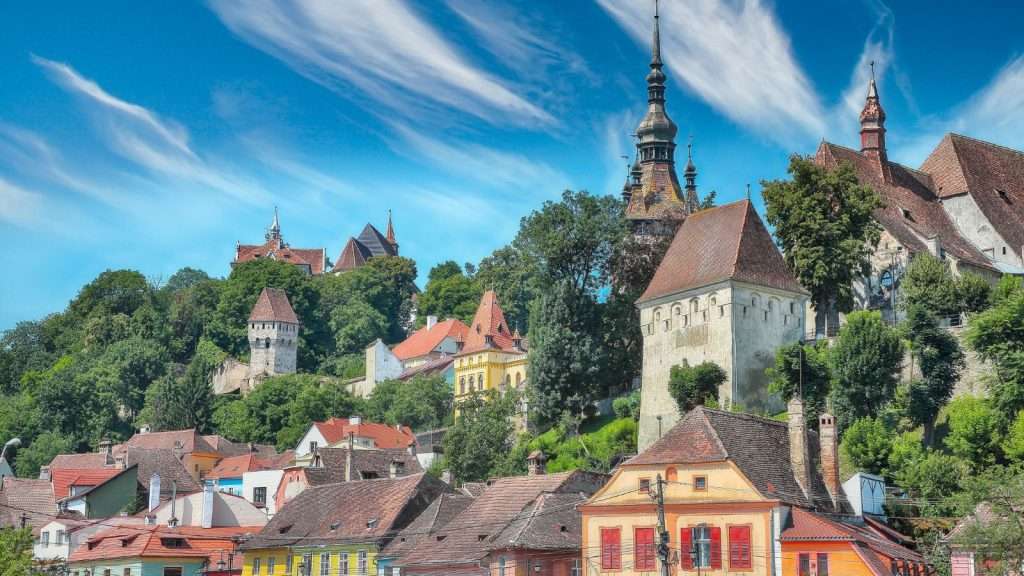
Known as the birthplace of Vlad the Impaler, the inspiration for Dracula, Sighişoara is a stunning medieval town in Transylvania. Its cobblestone streets, colorful houses and the iconic Clock Tower transport visitors to the Middle Ages.
Kotor, Montenegro
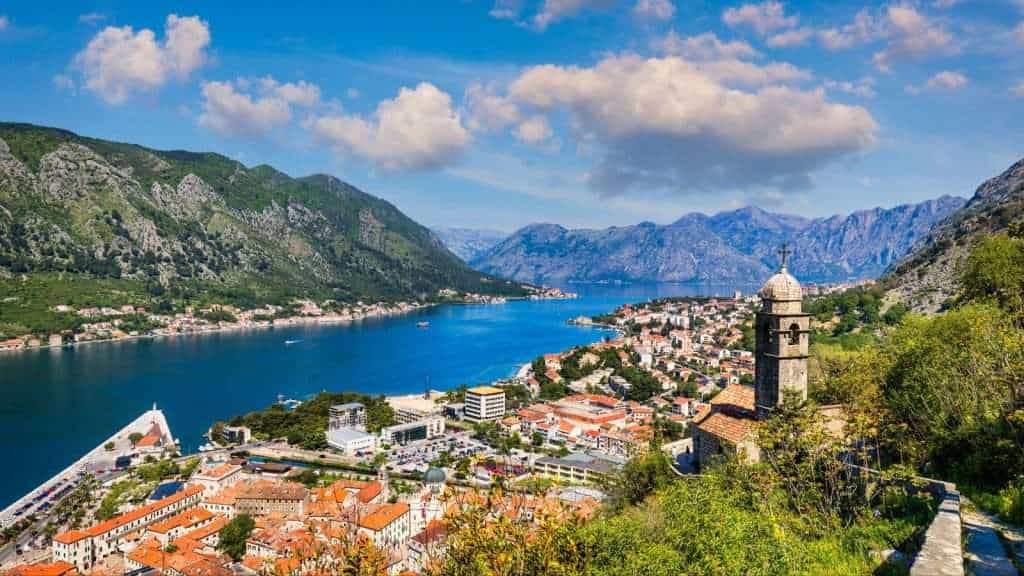
Nestled along the Adriatic coast, Kotor is a UNESCO World Heritage site. Its well-preserved medieval architecture and the dramatic backdrop of towering mountains make it a haven for history buffs. Don’t miss the climb to the Kotor Fortress for panoramic views.
Chernivtsi, Ukraine

Often called “Little Vienna,” Chernivtsi is a lesser-known architectural gem. The Chernivtsi National University, a UNESCO-listed site, is a masterpiece of 19th-century architecture, featuring intricate mosaics and stunning facades.
Piran, Slovenia

Piran, a small coastal town on the Adriatic Sea, is a blend of Venetian and Slavic influences. The historic Tartini Square and its maze of narrow streets are perfect for exploring, while the hilltop cathedral offers breathtaking views.
Kutná Hora, Czech Republic

This historic town is famous for the Sedlec Ossuary, a chapel adorned with human bones. Beyond this macabre attraction, Kutná Hora’s Gothic St. Barbara’s Church and silver mining history offer a fascinating glimpse into the past.
Veliko Tarnovo, Bulgaria

Once the capital of the Second Bulgarian Empire, Veliko Tarnovo is built on a series of steep hills overlooking the Yantra River. The Tsarevets Fortress, with its impressive walls and panoramic views, dominates the skyline.
Rila Monastery, Bulgaria

Nestled in the Rila Mountains, the Rila Monastery is a symbol of Bulgarian identity and spirituality. Founded in the 10th century, its colorful frescoes, ornate carvings and serene setting make it a must-see.
Tallinn’s Kalamaja District, Estonia
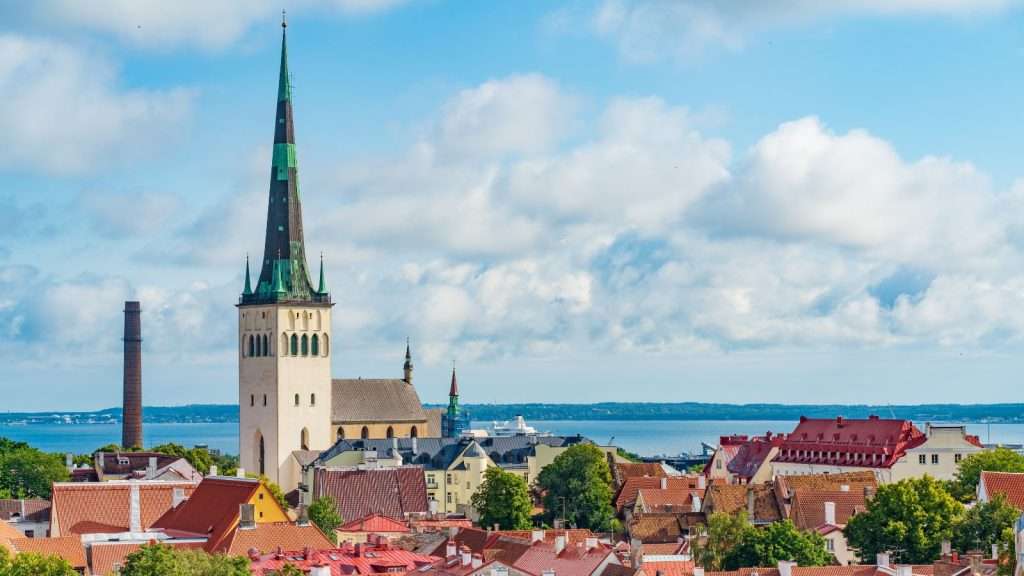
While Tallinn’s Old Town is well-known, the Kalamaja district offers a quieter, more authentic experience. This area, once a fishing village, is now a hub for artists and hip cafés, but its wooden houses reflect its historic roots.
Peles Castle, Romania

Often overshadowed by Bran Castle, Peles Castle is a neo-Renaissance masterpiece in the Carpathian Mountains. Built for King Carol I, it features opulent interiors, stained glass windows, and stunning mountain views.
Kuldīga, Latvia

Known for the Venta Rapid, Europe’s widest waterfall, Kuldīga is a charming town with wooden houses and cobblestone streets. It’s a perfect destination for those seeking history and natural beauty in one spot.
Gjirokastër, Albania
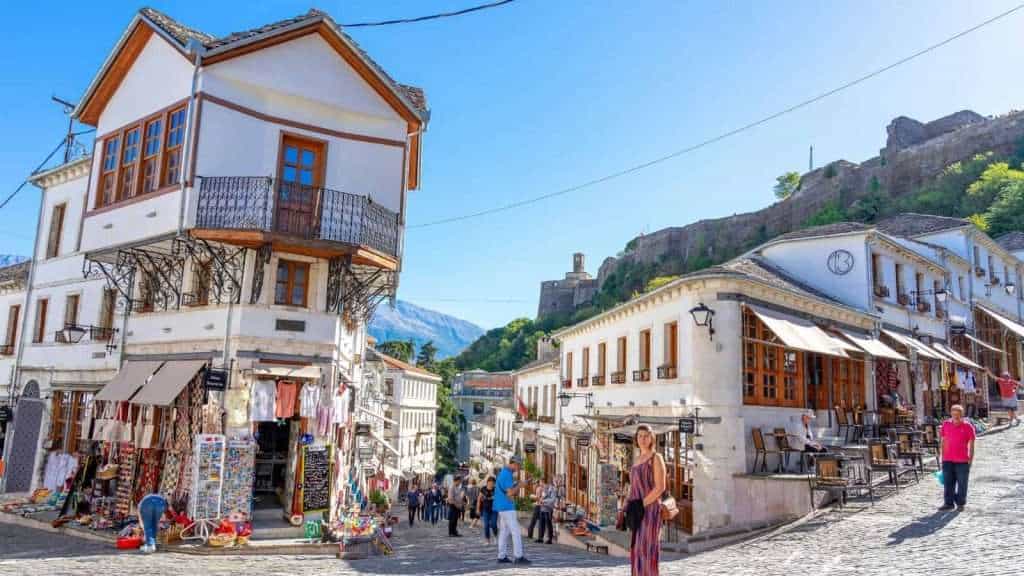
A UNESCO World Heritage site, Gjirokastër is known as the “City of Stone.” Its Ottoman-era houses, cobbled streets and the imposing Gjirokastër Fortress showcase a well-preserved slice of Albanian history.
Bardejov, Slovakia

This picturesque town is a UNESCO-listed site due to its beautifully preserved medieval square and Gothic-Renaissance architecture. The Church of St. Aegidius and the old town walls are highlights.
Kaliningrad, Russia

Formerly known as Königsberg, Kaliningrad offers a blend of German and Russian history. The Gothic-style Königsberg Cathedral and remnants of the city’s Prussian past provide a fascinating glimpse into its unique heritage.
Lake Ohrid, North Macedonia

Lake Ohrid is one of the oldest and deepest lakes in Europe, surrounded by historic sites. The town of Ohrid itself is dotted with medieval churches, including the iconic Church of St. John at Kaneo perched on a cliff.
Mostar, Bosnia and Herzegovina
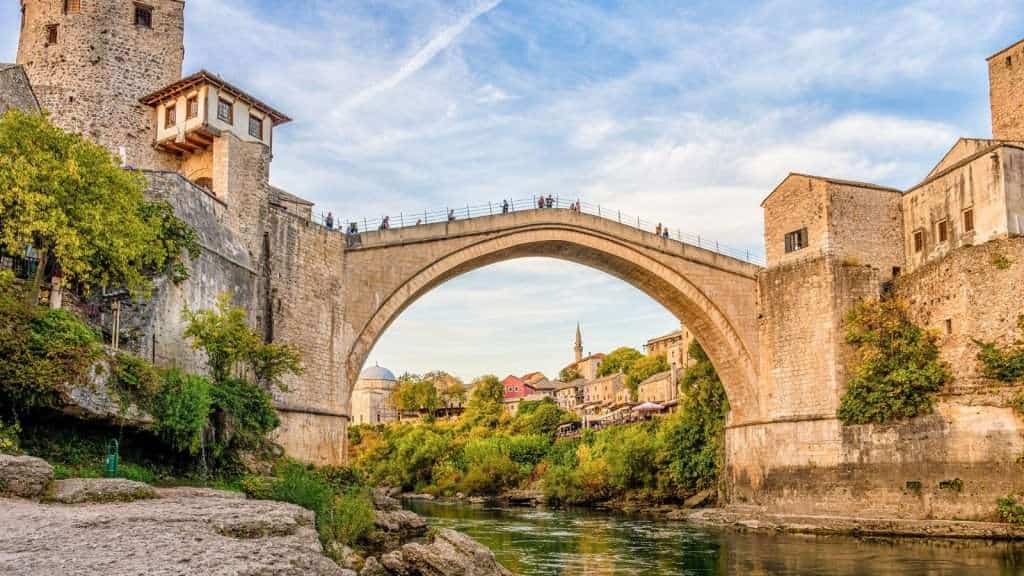
Famous for its iconic Stari Most (Old Bridge), Mostar is a city steeped in history and resilience. The 16th-century Ottoman bridge, a UNESCO World Heritage site, was reconstructed after its destruction during the Bosnian War and now stands as a symbol of unity. Stroll through the cobbled streets of the Old Town to experience a blend of Ottoman, Mediterranean and Western European influences, and enjoy the bustling markets and riverside cafés.
Novi Sad, Serbia
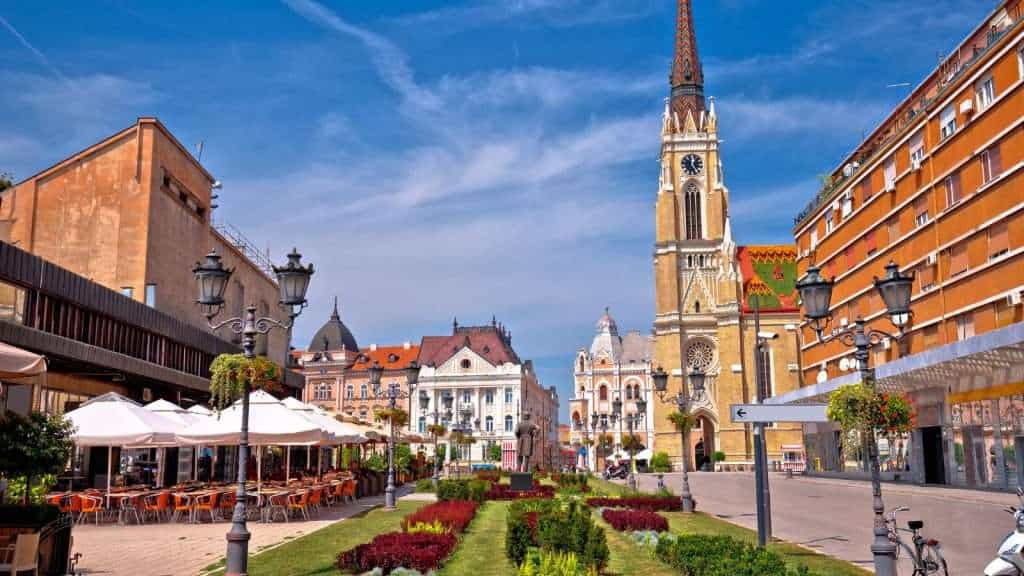
Known for its laid-back charm, Novi Sad is home to the Petrovaradin Fortress, which offers sweeping views of the Danube River. Its Baroque architecture and cultural events, including the famous EXIT Festival, add to its appeal.
Plovdiv, Bulgaria
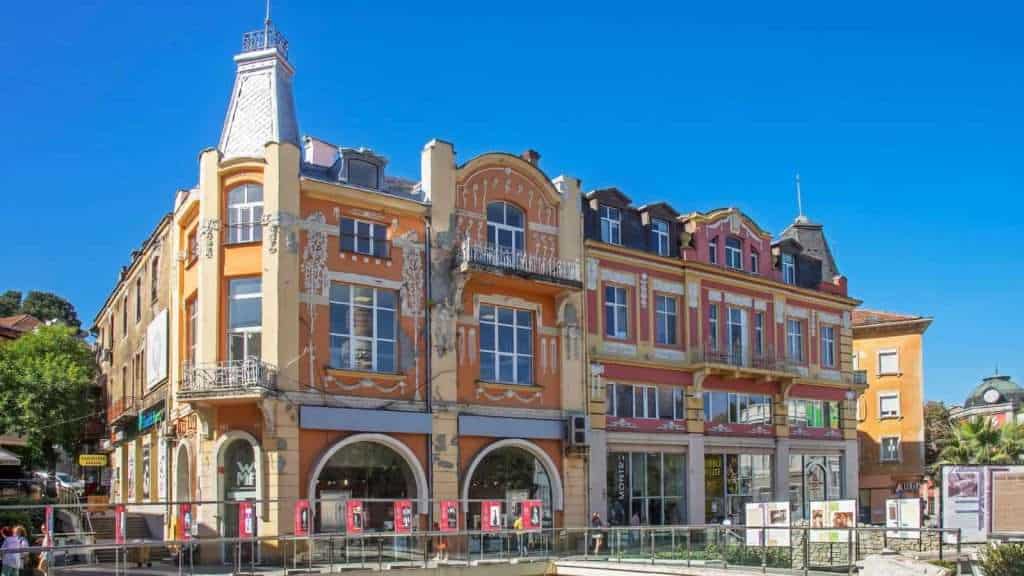
One of Europe’s oldest continuously inhabited cities, Plovdiv boasts a beautifully preserved Roman amphitheater and an Old Town filled with colorful 19th-century houses. It’s a melting pot of ancient and modern influences.
Kamianets-Podilskyi, Ukraine

This fortress city perched on a rocky island is a fairytale come to life. The Kamianets-Podilskyi Castle, surrounded by a deep canyon, is a stunning example of medieval architecture and engineering.
Wrocław, Poland
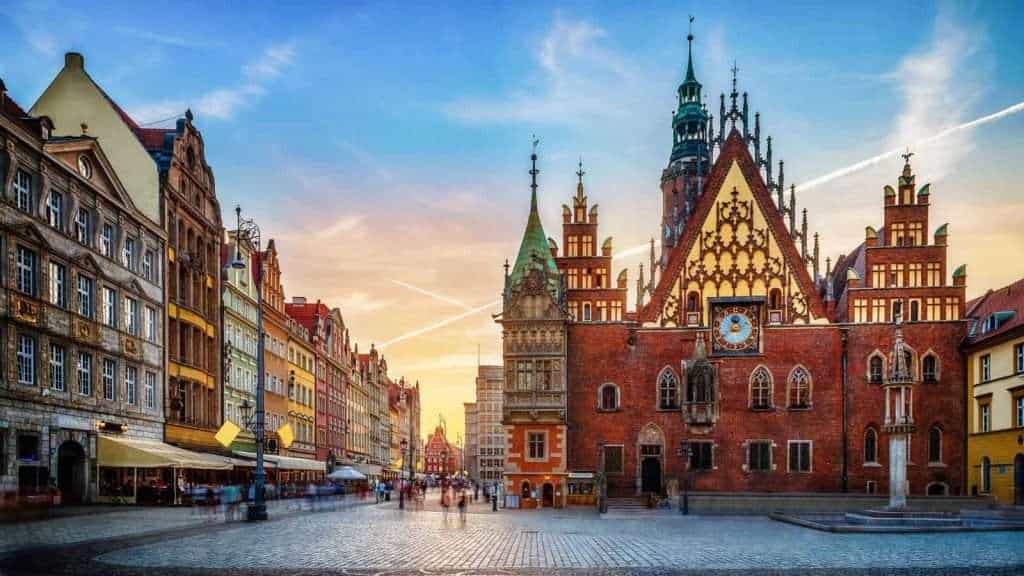
While Krakow and Warsaw often overshadow it, Wrocław (pronounced Vrots-wahf) offers a unique charm with its colorful Market Square, Gothic architecture and more than 100 bridges connecting its 12 islands on the Oder River.

Rachel K. Belkin is an Austin‑based and Pittsburgh-based educator, writer, marketing director, and travel advisor. She is the founder and editor‑in‑chief of Probe the Globe, a travel publication with content syndicated on national and global outlets. Rachel collaborates with businesses and community organizations to tell stories and create content that informs, inspires, and strengthens connections. Her travel, lifestyle, and health reporting has appeared on MSN, Yahoo News, AP News, HuffPost, Matador Network, EuroNews, the Associated Press, WGN, Hometalk, and in on‑air segments for Fox 7 Austin, KXAN, and CBS Austin. She also speaks at community and industry events, sharing stories on travel, marketing and branding strategy, and breast cancer survivorship.