20 Hidden Gems in Italy That Only Locals Know About
Italy’s famed destinations, such as Rome, Venice, Florence, and the Amalfi Coast, draw millions of travelers every year. But beyond the tourist trail lies a quieter, more authentic Italy that locals treasure. These lesser-known towns, natural wonders, and historic sites offer all the beauty and charm of their famous counterparts, without the crowds. Here are 20 hidden gems in Italy that only locals truly know about.
Civita di Bagnoregio (Lazio)
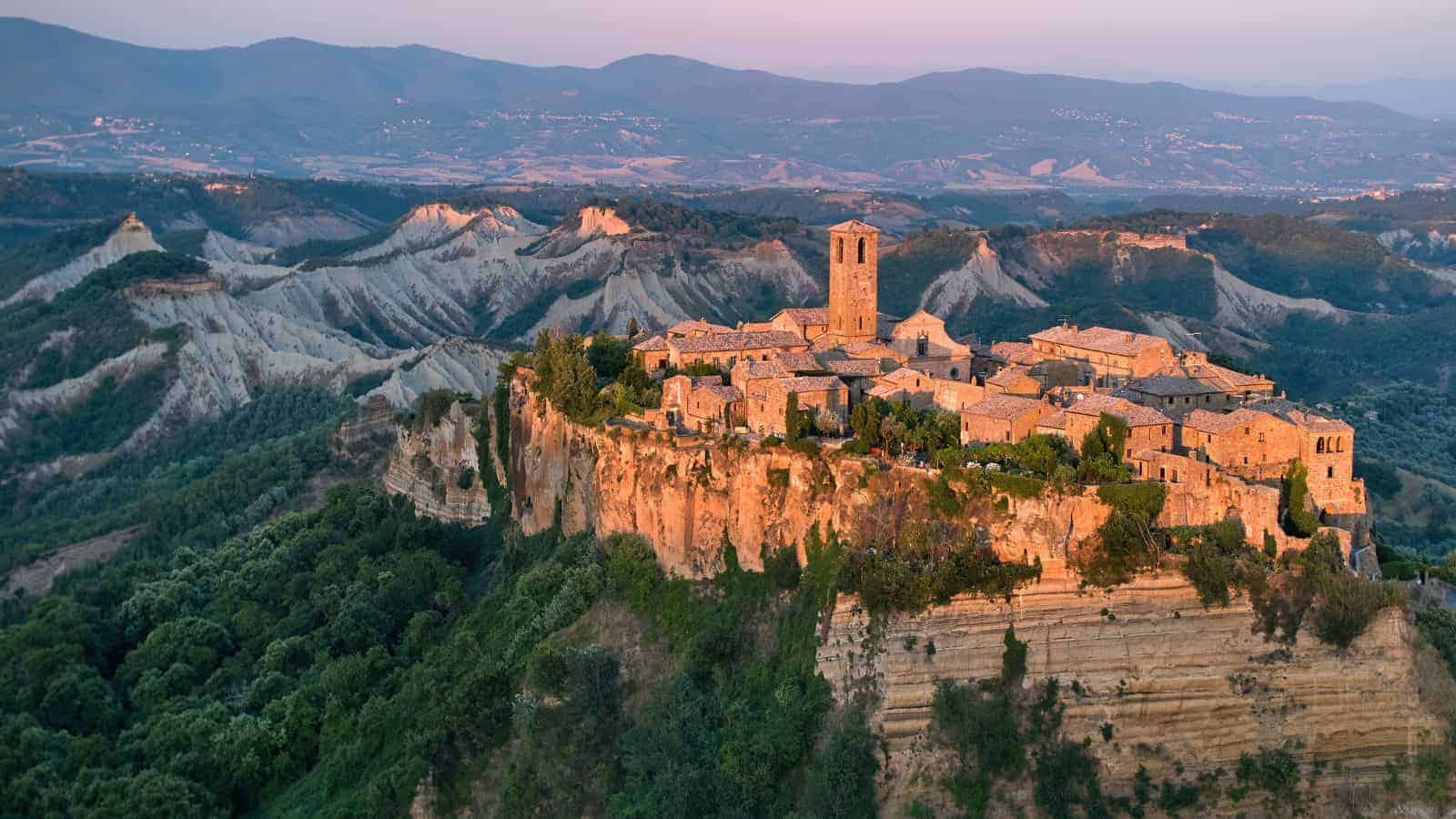
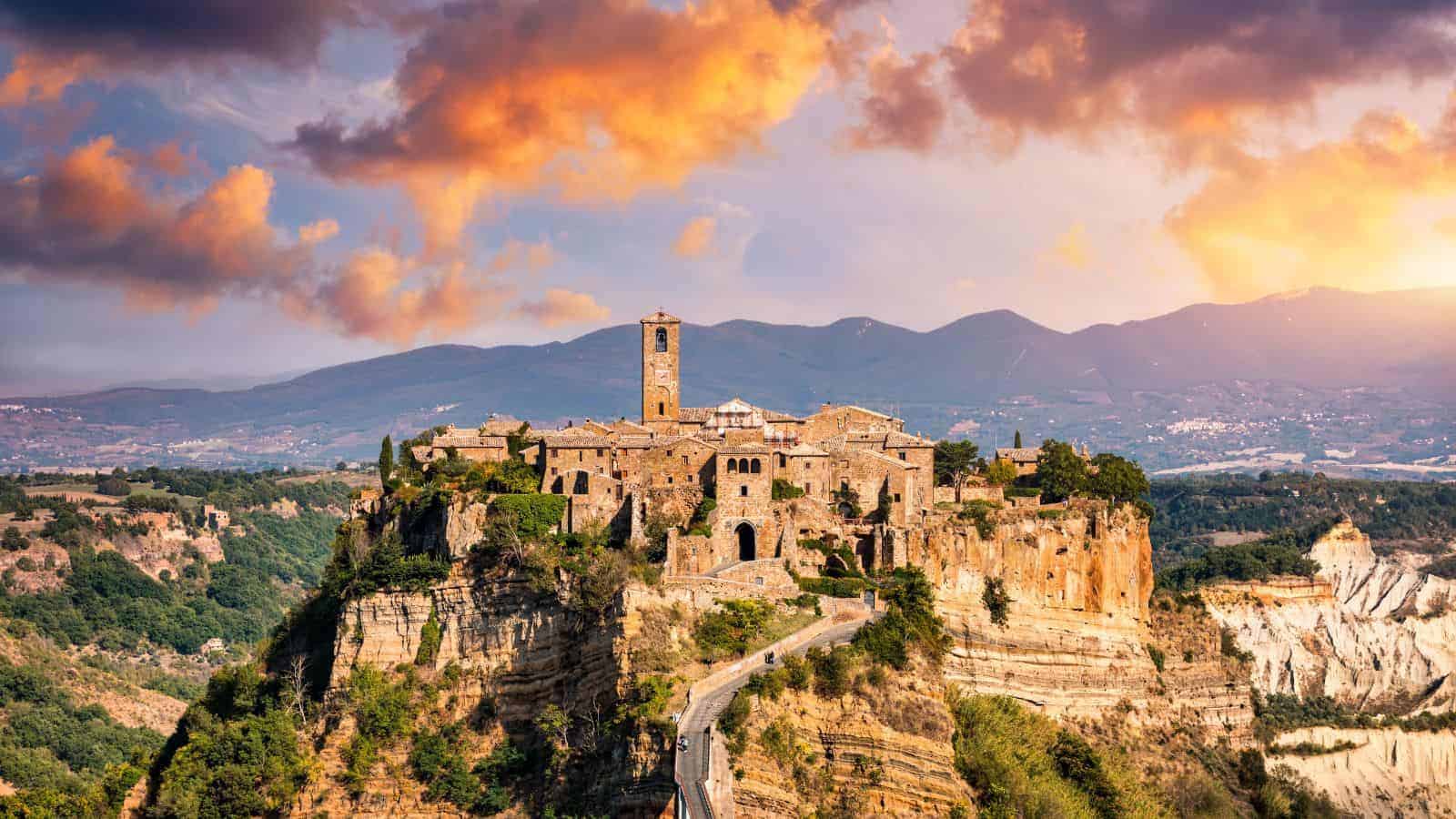
Perched atop a plateau of volcanic rock, Civita di Bagnoregio looks like a fairytale come to life. Accessible only by a pedestrian bridge, this tiny hilltop village is known as “the dying city” due to erosion. But inside its crumbling walls, you’ll find charming stone streets, panoramic views, and a timeless ambiance that captivates Italian visitors.
Castelmezzano (Basilicata)
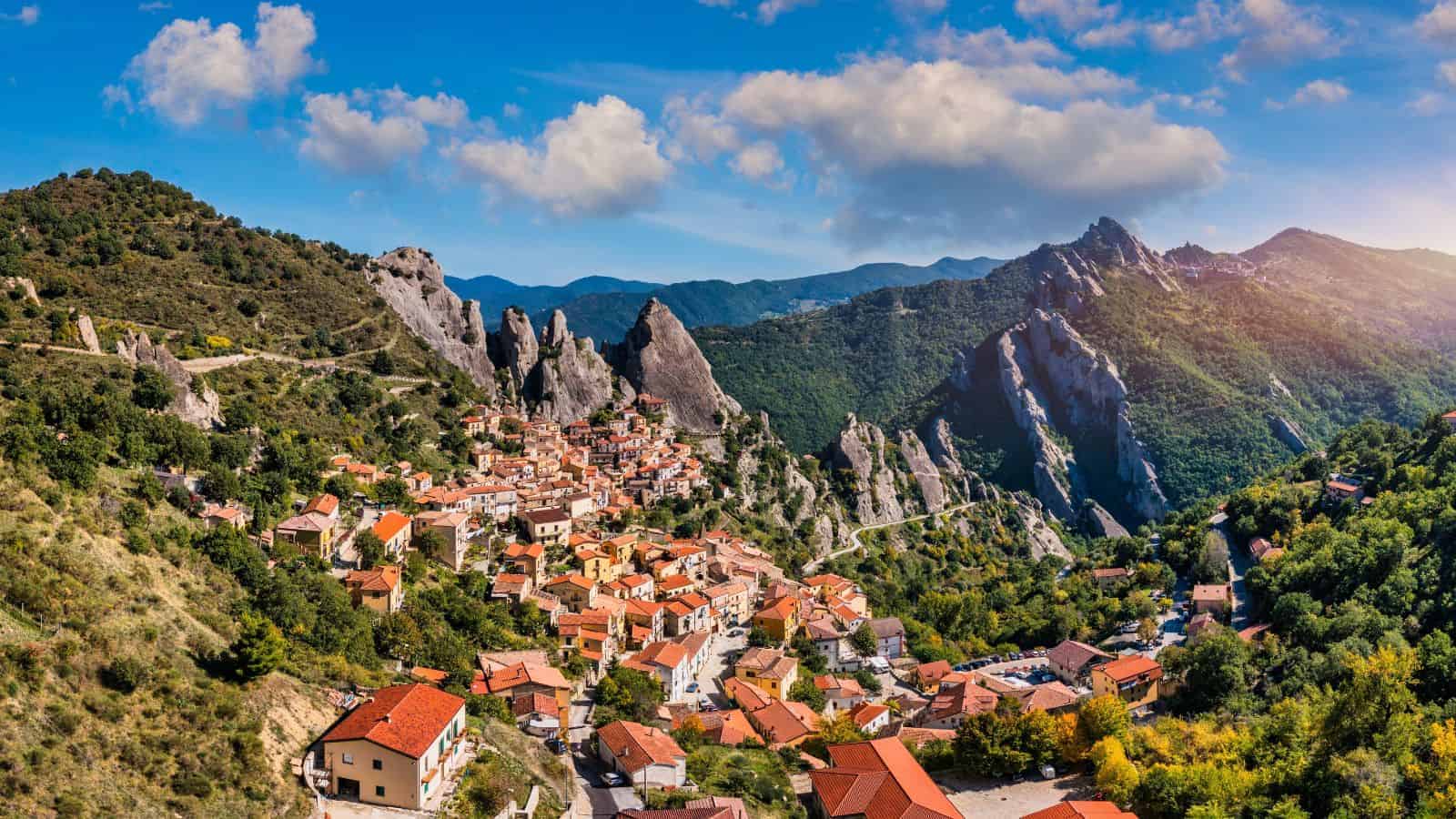
Situated in the jagged Dolomiti Lucane mountains, Castelmezzano is an alpine village seemingly carved into the cliffs. Its stone houses blend into the rocks, and the views are breathtaking. Adventurous locals enjoy the “Flight of the Angel,” a zipline connecting Castelmezzano to neighboring Pietrapertosa, offering a heart-pounding perspective of this hidden Italian treasure.
Sant’Agata de’ Goti (Campania)

With its medieval center perched on a tufa rock ledge, Sant’Agata de’ Goti is one of Campania’s best-kept secrets. The town is full of charm, with cobbled streets, quiet churches, and friendly piazzas. Despite being near Naples, it remains peaceful and uncrowded, offering a genuine southern Italian experience.
Bosa (Sardinia)
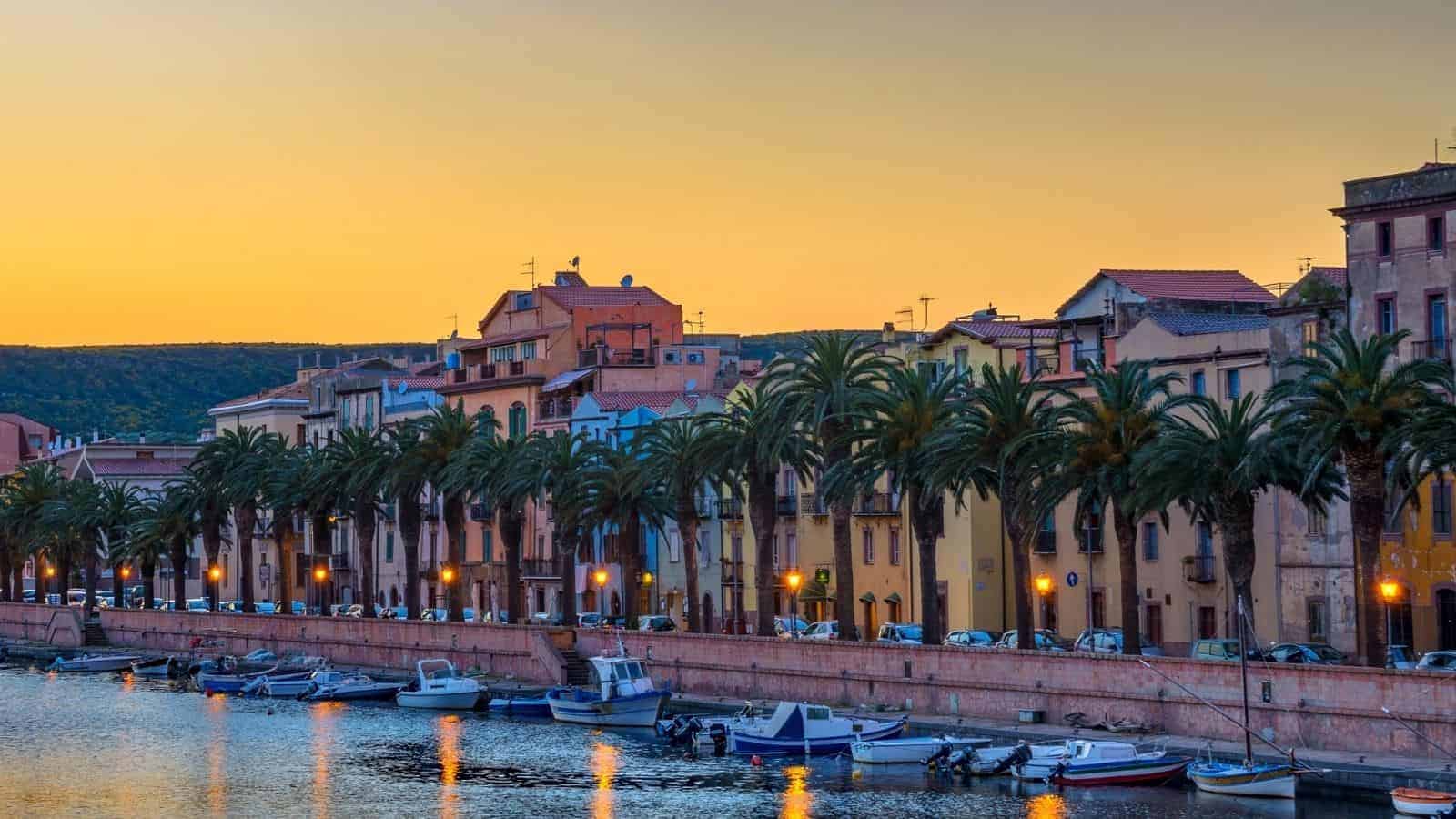
Colorful houses climb the hillside toward the ancient Malaspina Castle in Bosa, a riverfront town on Sardinia’s west coast. Locals appreciate its unique blend of architecture, history, and beaches. Unlike Sardinia’s more famous Costa Smeralda, Bosa’s beaches are calm and serene, perfect for those who seek a slower pace.
Brisighella (Emilia-Romagna)

This picturesque medieval town is famous for its three hilltop landmarks: a castle, a sanctuary, and a clock tower. Brisighella is also home to the Via degli Asini, a covered donkey path built into the hillside. Locals know it for its thermal waters, olive oil, and peaceful atmosphere, ideal for a rustic Italian retreat.
Nemi (Lazio)

Overlooking a volcanic crater lake, Nemi is a jewel of the Castelli Romani region. It’s especially beloved by Romans who escape here for its wild strawberries, tranquil walks, and Renaissance charm. The views over Lake Nemi are spectacular, and the town’s café culture offers a taste of Italy without the bustle.
Tellaro (Liguria)

Tucked away on the Gulf of La Spezia, Tellaro is a pastel-colored fishing village often overshadowed by nearby Cinque Terre. Locals cherish the town for its authenticity, stunning sea views, and peaceful streets. The town comes alive during the annual octopus festival, where seafood, music, and maritime legends mix.
Pentedattilo (Calabria)

A ghost town clinging to the side of a cliff shaped like a hand, Pentedattilo is as eerie as it is beautiful. Abandoned after an earthquake in the 18th century, it’s slowly being revitalized by artists and locals. Visitors are drawn to its legends, silent alleyways, and unforgettable mountain setting.
Furore (Campania)

This “hidden fjord” along the Amalfi Coast is missed by most tourists rushing between Positano and Amalfi. Furore’s dramatic gorge, tiny beach, and cliff-diving competitions are known mainly to locals. The village, scattered along the cliffs above, features beautiful murals and quiet trails with coastal views.
Sperlonga (Lazio)

With its whitewashed houses and winding stairways, Sperlonga feels more like a Greek island than a typical Italian seaside town. It’s a favorite summer escape for Romans, offering clean beaches, Roman ruins, and a charming historic center perched above the Tyrrhenian Sea.
Castiglione di Sicilia (Sicily)

Set on the slopes of Mount Etna, Castiglione di Sicilia is a wine lover’s haven. It boasts sweeping views, medieval architecture, and access to some of Etna’s best vineyards. Despite its rich offerings, the town remains off the radar for most tourists, giving it an untouched, timeless charm.
Comacchio (Emilia-Romagna)

Often called “Little Venice,” Comacchio is a lagoon town with canals, bridges, and colorful buildings, but without the crowds. Known for its eel cuisine and the historic Trepponti bridge, it’s a place where locals enjoy slow strolls and peaceful boat rides. It’s perfect for those wanting to experience Venice’s magic without the price tag.
Scanno (Abruzzo)
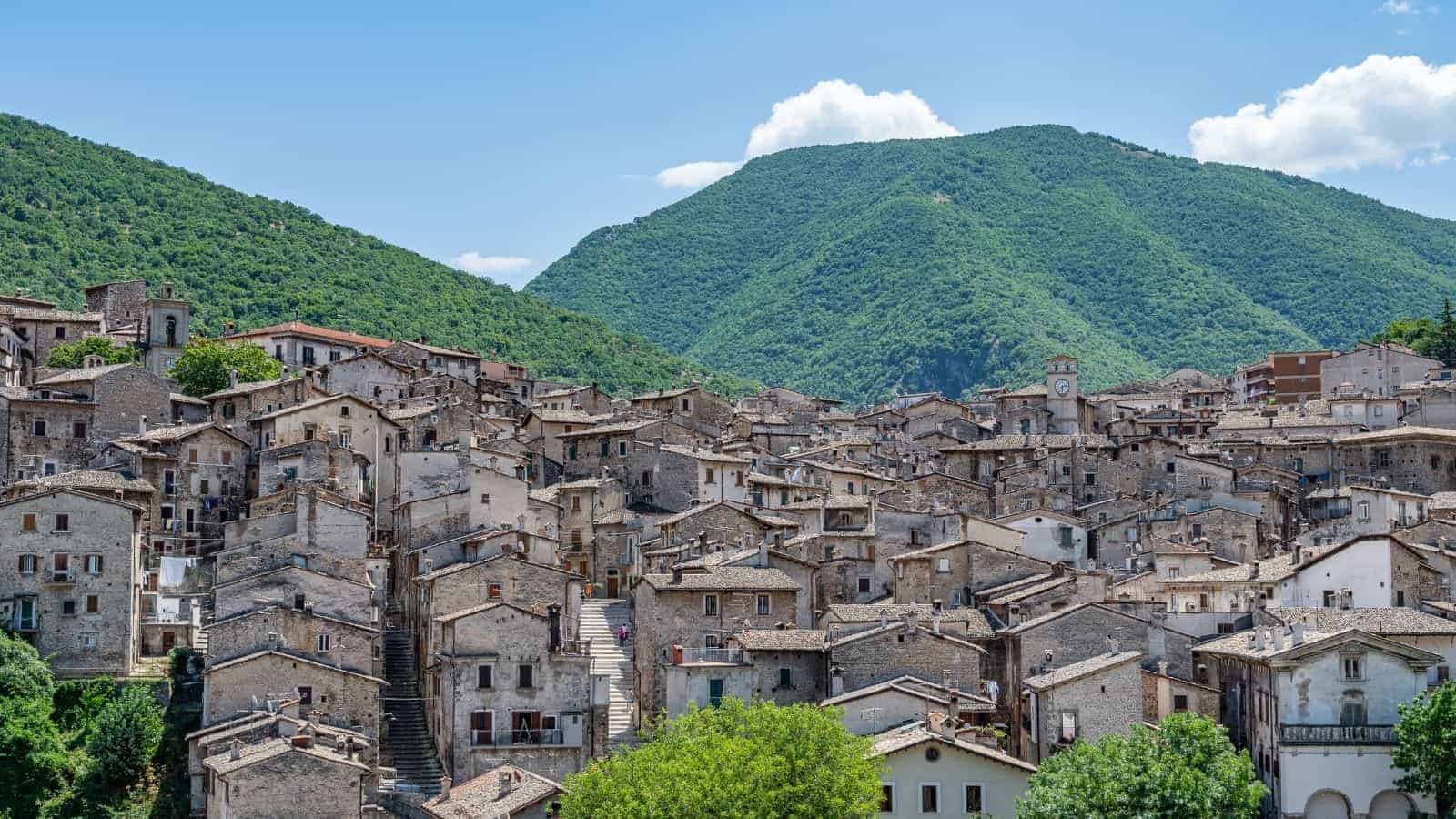
Nestled in the Apennines, Scanno is a postcard-perfect mountain village famous for its traditional costumes, lacework, and heart-shaped lake. Surrounded by forests and pastures, it’s a favorite weekend retreat for locals who cherish its folk traditions and spectacular hiking trails.
Cervo (Liguria)

Cervo is a medieval village perched above the Ligurian Sea with narrow alleyways, ancient churches, and panoramic views. Its Baroque church of San Giovanni Battista is a highlight. Each summer, Cervo hosts a classical music festival that fills the town with song, something only insiders typically know about.
Dozza (Emilia-Romagna)
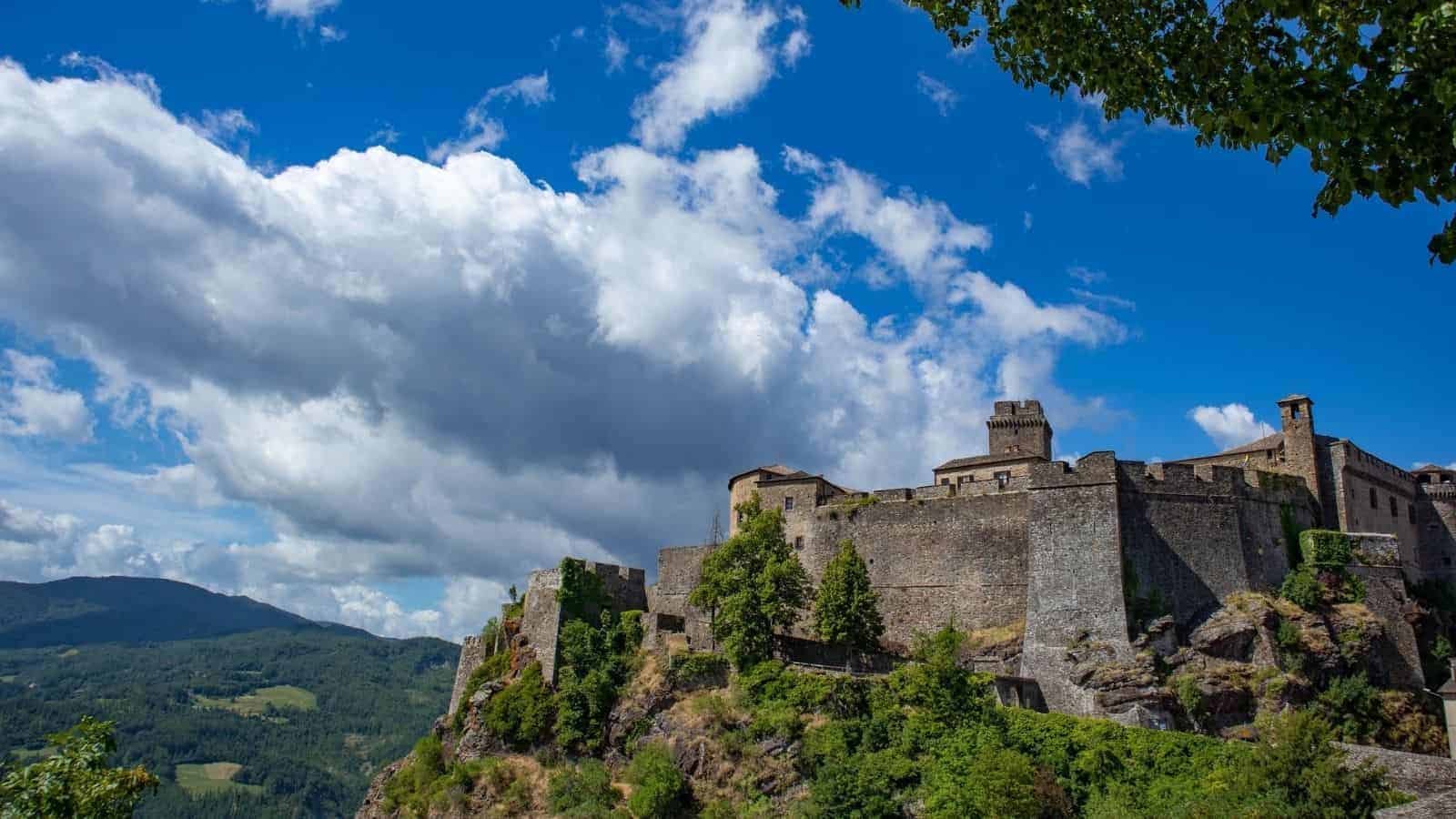
A living art gallery, Dozza’s walls are covered in vibrant murals painted during its biennial street art festival. But art isn’t the only draw, there’s also a historic castle and excellent local wine. It’s a secret spot where culture and cuisine intersect without the rush of large tourist crowds.
Porto Ercole (Tuscany)

On the Monte Argentario peninsula, Porto Ercole combines harbor charm with Tuscan refinement. It’s quieter than other Tuscan towns, known mainly to locals and discerning travelers. With its fortresses, seafood eateries, and scenic coves, it’s one of Tuscany’s best-kept coastal secrets.
Sabbioneta (Lombardy)

A UNESCO World Heritage Site, Sabbioneta is a Renaissance ideal city built from scratch in the 16th century. With geometric streets, a beautiful theater, and intact city walls, it’s an architectural gem. Italians love it for its preserved beauty and tranquility, often bypassed by tourists heading to nearby Mantua or Parma.
Baunei (Sardinia)

High above the Gulf of Orosei, Baunei is a mountain town that opens to some of Sardinia’s most pristine beaches, including Cala Goloritzé and Cala Mariolu. The hikes are challenging but breathtaking and locals know Baunei as a gateway to wild adventures and surreal coastal views.
Alberobello’s Countryside (Puglia)

While Alberobello is famous for its trulli (cone-roofed houses), the real hidden gem lies in the surrounding countryside. Small rural clusters of trulli, rolling vineyards, and olive groves create a magical landscape. For an authentic experience, stay in a renovated trullo to live like a local and avoid the crowds that fill the town center.
Pitigliano (Tuscany)
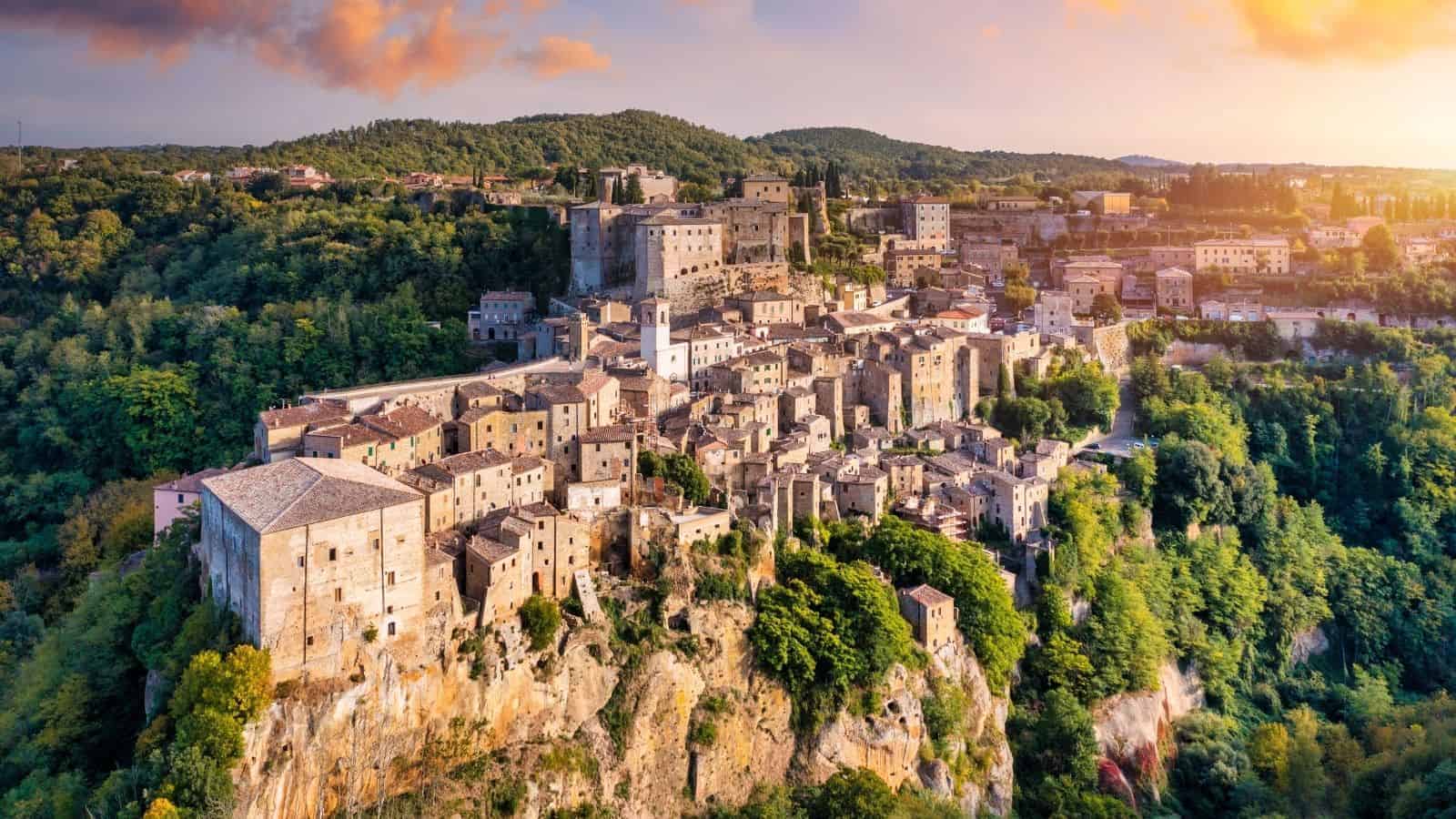
Often called “Little Jerusalem” for its historic Jewish community, Pitigliano is a striking town built into tufa rock cliffs. Its stone facades, hidden wine cellars, and Etruscan caves make it endlessly fascinating. Locals appreciate the town’s mix of history, wine culture, and dramatic natural beauty.

Deborah Montiero is a seasoned travel writer and contributor to Probe the Globe. With a passion for uncovering hidden gems and sharing immersive travel experiences, Deborah’s work highlights must-visit destinations, insider tips, and practical advice for travelers of all types. Whether exploring bustling cities or remote escapes, her articles are crafted to inspire and inform, making her a trusted voice in the travel community.
Her storytelling weaves together cultural insights, logistical tips, and authentic experiences, making her a valuable resource for readers seeking unforgettable journeys.
When not writing, Deborah is likely researching the latest travel trends or planning her next adventure. Follow her work on Probe the Globe for fresh perspectives and up-to-date travel inspiration.