23 National Parks That Are Even Better in the Off-Season
The United States is home to some of the most breathtaking national parks in the world. While summer often draws the largest crowds, the off-season can reveal a whole new side to these landscapes. Crisp air, lighter crowds, and unique wildlife sightings make the quieter months an ideal time for a different kind of adventure. Here are 23 national parks that are even better in the off-season.
Acadia National Park, Maine
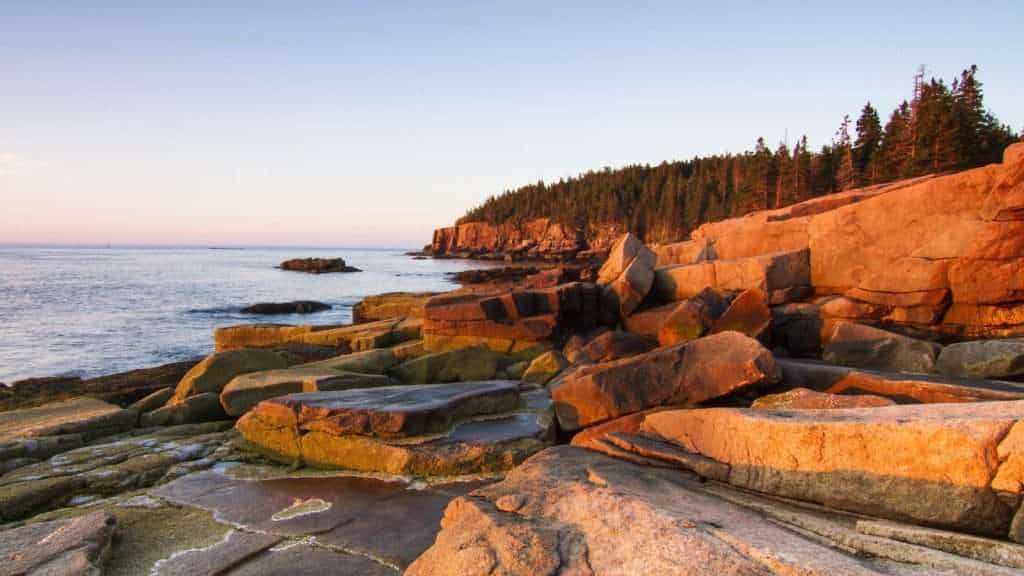
Acadia is a jewel of the Northeast, known for its rugged coastlines, granite peaks, and winding carriage roads. In the off-season, particularly late fall through early spring, the park becomes blissfully quiet, allowing visitors to truly hear the crashing waves against the rocky shoreline. While some facilities close, the chance to snowshoe or cross-country ski on scenic trails makes it a magical destination for U.S. travel enthusiasts seeking solitude and natural beauty.
Shenandoah National Park, Virginia
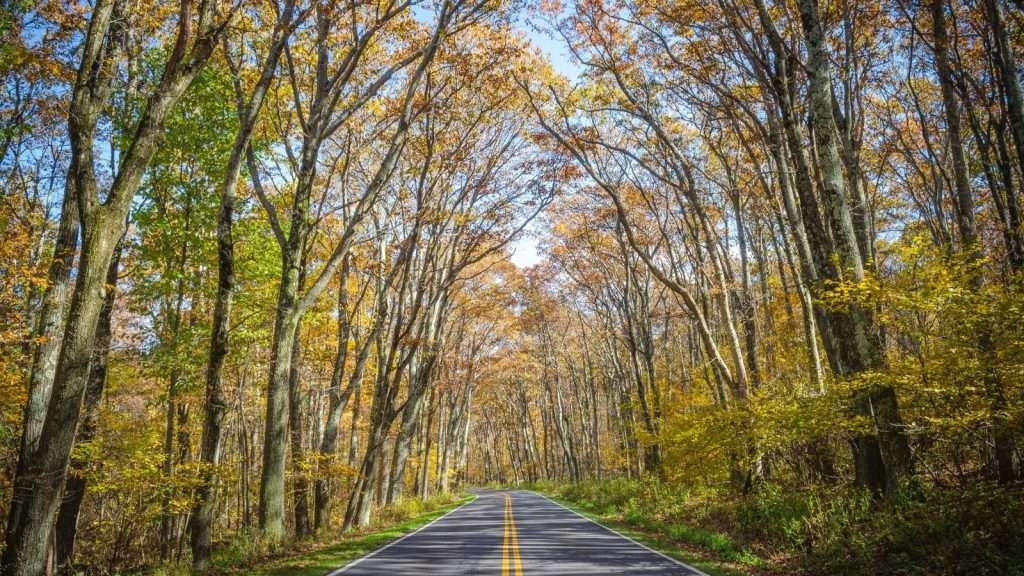
Just a short drive from Washington, D.C., Shenandoah offers sweeping views of the Blue Ridge Mountains. While autumn is popular for its fiery foliage, winter transforms Skyline Drive into a serene road with fewer cars and endless overlooks. The off-season also brings better chances of spotting wildlife like deer and black bears without the bustle of crowds. Travelers looking for a peaceful escape in the Mid-Atlantic will find Shenandoah enchanting year-round.
Everglades National Park, Florida

The off-season in the Everglades, typically the dry winter months, is actually the best time to visit this subtropical wilderness. With fewer mosquitoes and lower humidity, hiking and boating become much more pleasant. Birdwatchers flock here to witness migrations, while alligators bask in the sun along waterways. Exploring the Everglades outside the humid summer season allows visitors to appreciate the unique biodiversity of this Florida treasure.
Joshua Tree National Park, California

Known for its surreal desert landscapes and twisted Joshua trees, this park is scorching hot in summer but far more welcoming in the cooler off-season. From late fall through early spring, visitors can hike comfortably among massive boulders and enjoy clear night skies ideal for stargazing. The desert flora is also more vibrant during this period. Those exploring U.S. desert travel destinations will find Joshua Tree most enjoyable in its quieter months.
Grand Canyon National Park, Arizona

While the Grand Canyon sees millions of visitors annually, winter and early spring dramatically thin the crowds. The cooler temperatures make hiking far more manageable, and a dusting of snow on the canyon rims creates breathtaking photo opportunities. With fewer tour buses and less congestion, visitors can truly soak in the magnitude of this natural wonder. Experiencing the Grand Canyon in the off-season is one of the best-kept secrets of U.S. travel.
Rocky Mountain National Park, Colorado
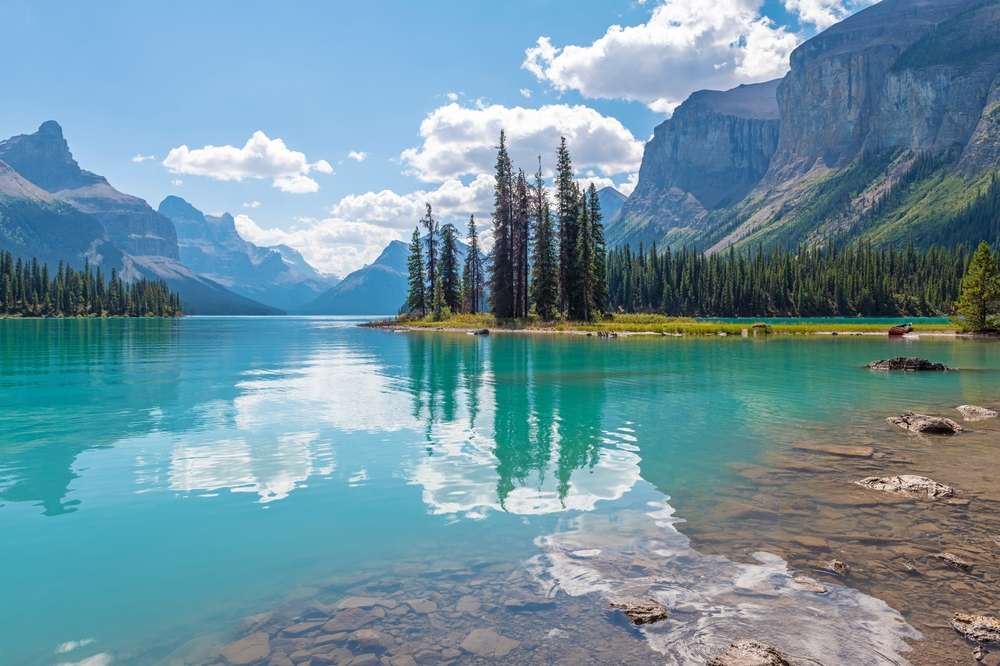
Winter transforms Rocky Mountain into a wonderland of snow-covered peaks, frozen lakes, and frosted forests. Cross-country skiing, snowshoeing, and wildlife spotting replace the usual summer hikes, offering a different kind of outdoor adventure. Elk and moose are often easier to spot in the quieter months. For those looking to combine mountain scenery with fewer visitors, the off-season is an unbeatable time to explore this Colorado gem.
Yellowstone National Park, Wyoming, Montana, Idaho
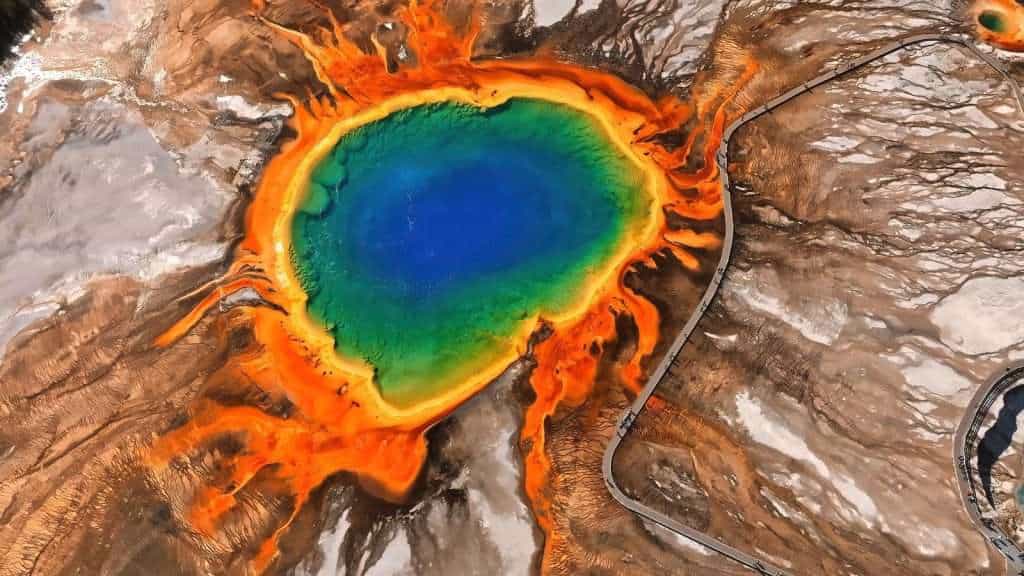
Yellowstone is iconic for its geysers, hot springs, and roaming bison. Visiting in the off-season, especially winter, means access to a quieter, snow-draped landscape where geothermal features send steam into crisp air. While some roads close, guided snowcoach and snowmobile tours offer unforgettable ways to explore. Wildlife like wolves and elk are more visible, making the park an excellent choice for off-season U.S. travel.
Zion National Park, Utah
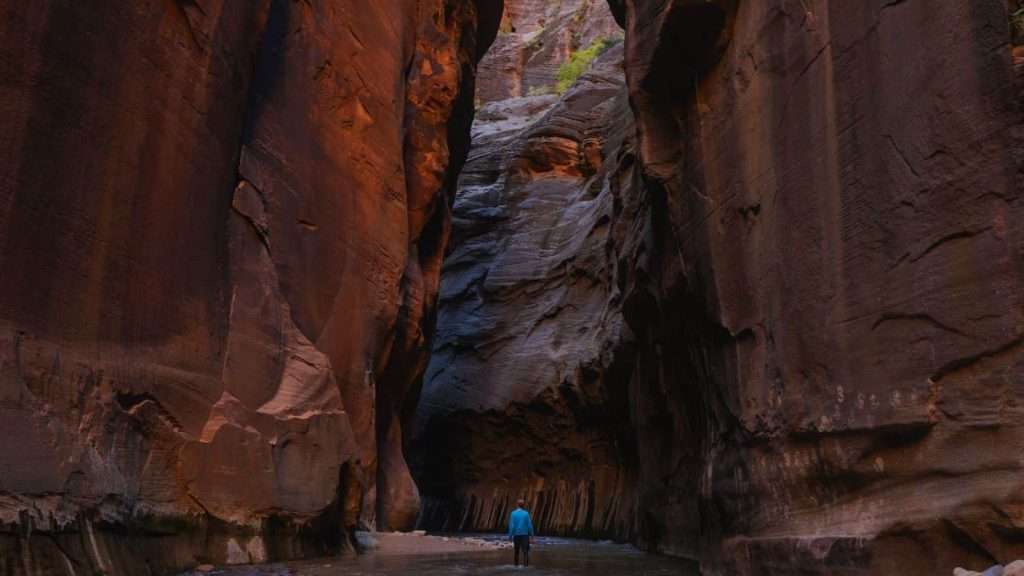
Utah’s red rock masterpiece can feel overwhelming during peak season, but the off-season reveals a much calmer side. Popular trails such as Angels Landing and The Narrows are more accessible without the heavy crowds. Mild winter temperatures allow for comfortable hiking, while the striking landscapes remain as dramatic as ever. For travelers seeking serenity among sandstone cliffs, Zion in the off-season is a dream destination.
Olympic National Park, Washington
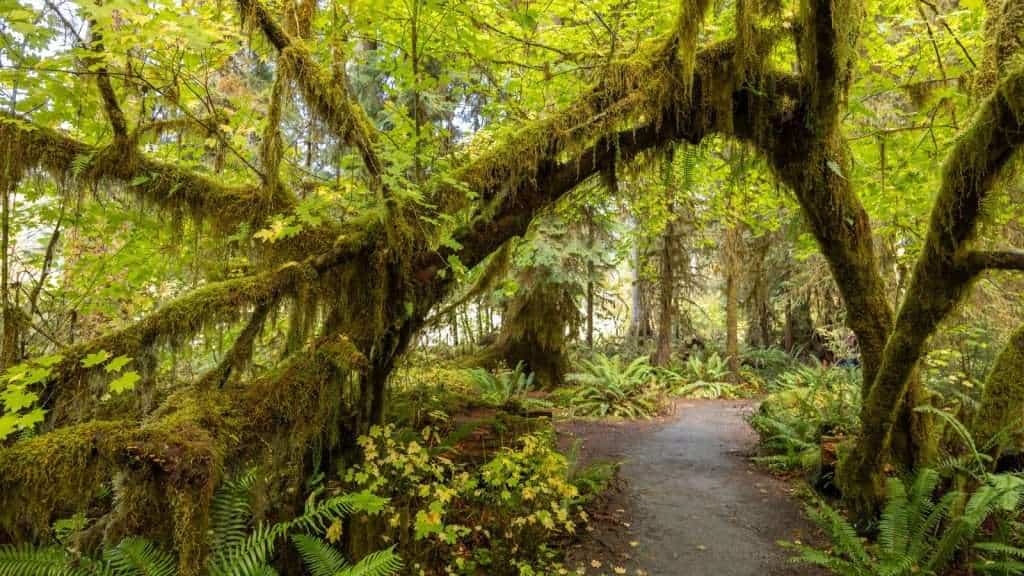
Olympic offers a rare combination of lush rainforests, snowcapped mountains, and rugged Pacific coastline. In the off-season, especially winter, the moss-draped trees of the Hoh Rain Forest glisten with rainfall, and the beaches are often deserted yet stunningly wild. Fewer crowds make it easier to enjoy the park’s diversity of ecosystems in peace. Exploring Olympic during the quieter months provides an authentic Pacific Northwest travel experience.
Yosemite National Park, California

Yosemite is famous for its waterfalls, granite cliffs, and sweeping meadows. In winter and early spring, the crowds disappear, leaving iconic views like Half Dome and El Capitan framed by snow. Visitors can enjoy snowshoeing in the valley or skiing at Badger Pass, Yosemite’s small but charming ski area. This off-season escape allows travelers to connect deeply with California’s most beloved natural landmark.
Glacier National Park, Montana
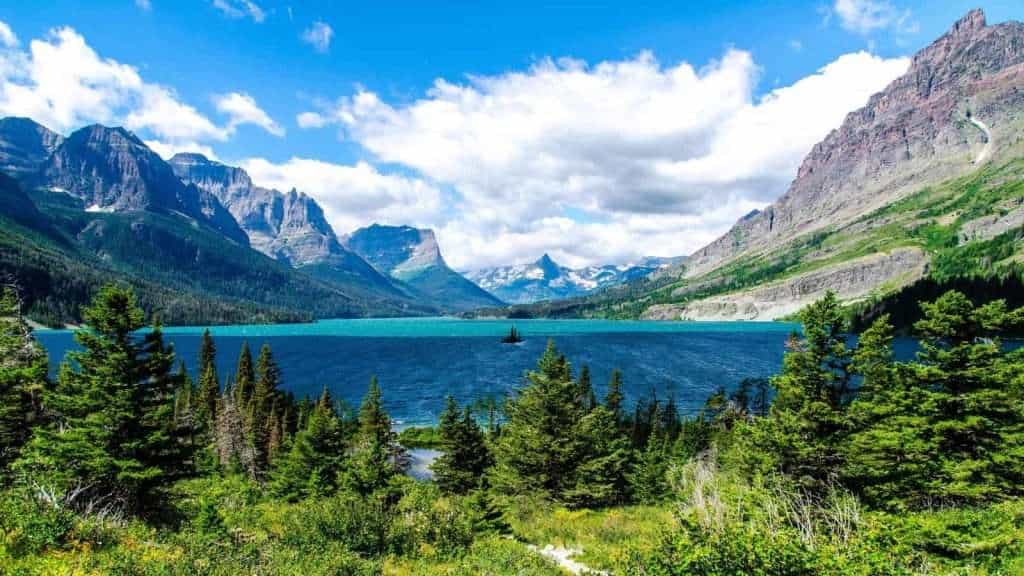
Summer crowds often overwhelm Glacier’s scenic roads and trails, but in the off-season, it’s a tranquil wilderness. Early fall is ideal, with golden larches lighting up the landscape and crisp air perfect for hiking. Winter turns the park into a serene snowscape, offering cross-country skiing and wildlife viewing. Travelers who want a quiet, awe-inspiring Montana adventure will find Glacier most rewarding outside peak months.
Sequoia National Park, California

Walking among giant sequoias without the hustle of summer visitors is a life-changing experience. In the off-season, especially winter, these towering trees often stand against a backdrop of snow, creating a magical atmosphere. Fewer visitors mean quieter trails and unobstructed photo opportunities. For anyone seeking an unforgettable California nature experience, Sequoia National Park shines brightest in the quieter months.
Bryce Canyon National Park, Utah
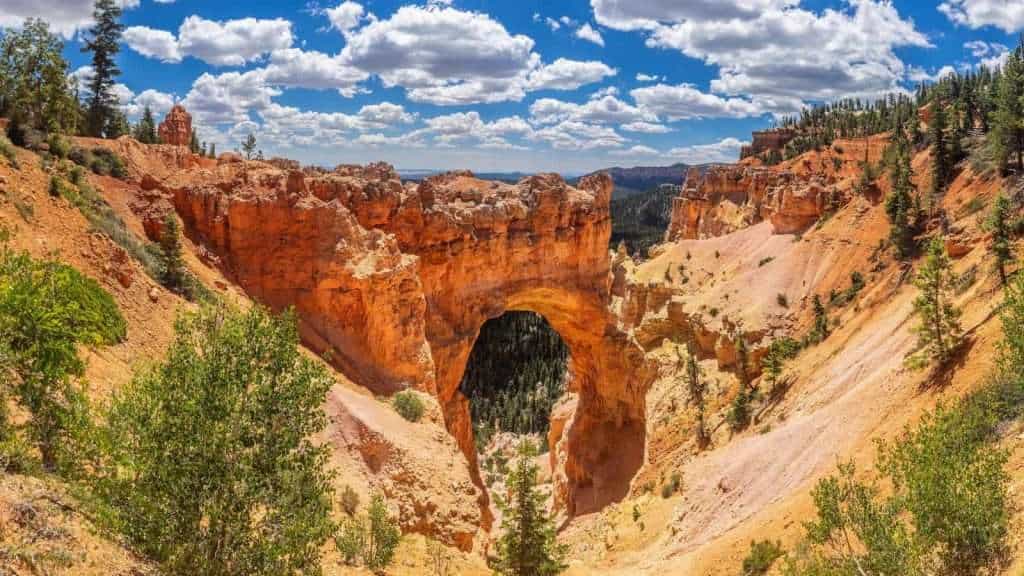
Bryce Canyon’s otherworldly hoodoos are striking in every season, but they become especially magical with a dusting of snow. The contrast of orange-red spires against white powder creates a dramatic visual treat. Cooler temperatures make hiking more enjoyable, and the park is far less crowded. For those exploring the U.S. Southwest, Bryce Canyon is truly spectacular in its off-season calm.
Great Smoky Mountains National Park, Tennessee and North Carolina

America’s most visited park is often packed in summer, but the off-season brings a welcome sense of solitude. Winter offers clear views from mountain overlooks, while early spring brings blooming wildflowers. With fewer vehicles, scenic drives become more peaceful, and trails feel like private escapes. The Smokies’ beauty is undeniable, but it shines even brighter when experienced without the crowds.
Cuyahoga Valley National Park, Ohio

Situated between Cleveland and Akron, Cuyahoga Valley offers waterfalls, forests, and rolling hills. The off-season, particularly late fall and winter, brings a calm atmosphere that contrasts with summer’s popularity. Visitors can enjoy the Towpath Trail for quiet walks or cross-country skiing. This Midwest national park is a hidden gem that becomes even more rewarding in the quieter months.
Death Valley National Park, California and Nevada

Notoriously scorching in summer, Death Valley is best explored in the cooler off-season. From late fall to early spring, temperatures are comfortable enough for hiking iconic spots like Badwater Basin and Zabriskie Point. The desert blooms with unexpected bursts of wildflowers after winter rains. Travelers seeking unique U.S. desert landscapes will find Death Valley far more accessible and enjoyable in the off-season.
Arches National Park, Utah
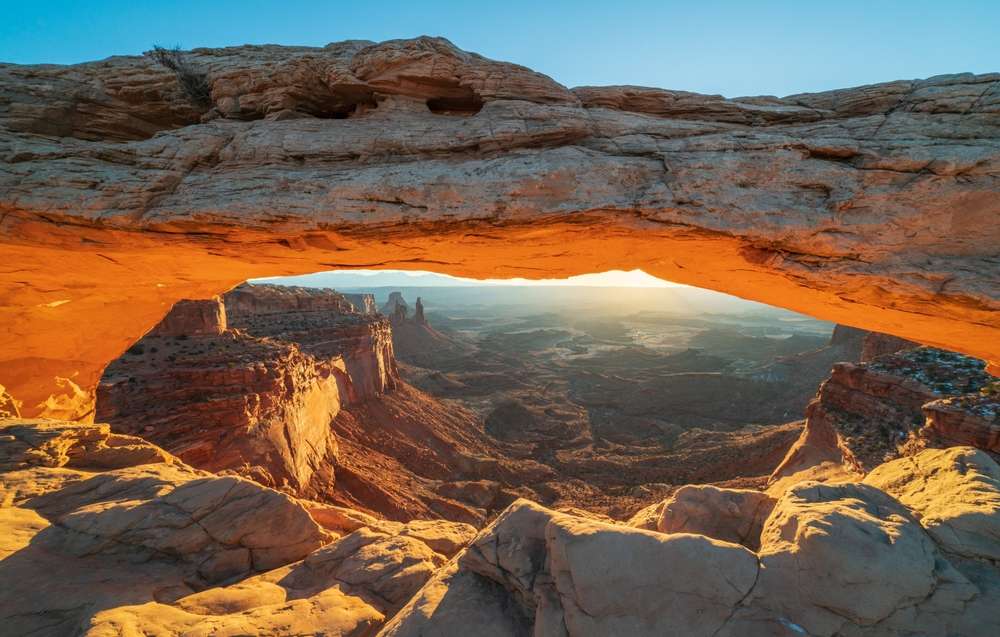
Famous for its natural sandstone arches, this park can feel crowded in summer, but off-season visits offer a more personal connection to the landscape. Cooler temperatures make hiking to Delicate Arch or Devil’s Garden less strenuous. Photographers love the softer winter light, which enhances the red rock formations. Arches in the off-season is a top pick for anyone exploring U.S. travel destinations in Utah.
Badlands National Park, South Dakota
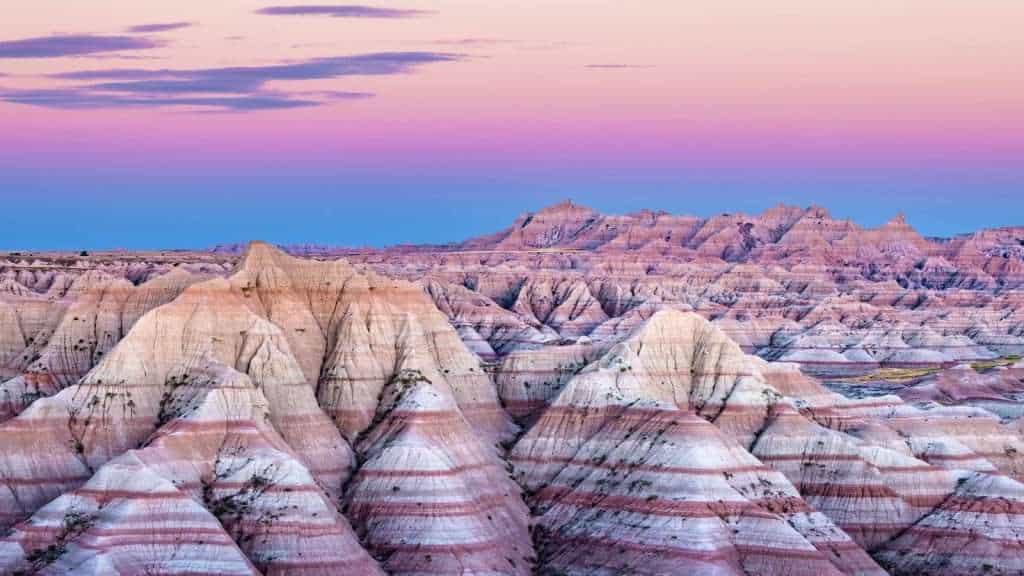
The rugged beauty of the Badlands is starkly dramatic year-round, but the off-season adds a layer of quiet solitude. Cooler temperatures make hiking the colorful formations more comfortable, and the absence of crowds heightens the sense of remoteness. Wildlife such as bison and bighorn sheep are often spotted along empty roads. For travelers seeking a true Great Plains adventure, the Badlands are unforgettable in their quieter season.
Big Bend National Park, Texas

Situated along the Rio Grande, Big Bend’s desert landscapes and canyons can be brutally hot in summer. Winter and early spring bring mild weather, making hiking and river trips far more pleasant. Stargazing is also exceptional during these months, thanks to the park’s designation as a Dark Sky Park. For those wanting to explore Texas’ wild side, Big Bend is most enjoyable in the off-season.
Crater Lake National Park, Oregon
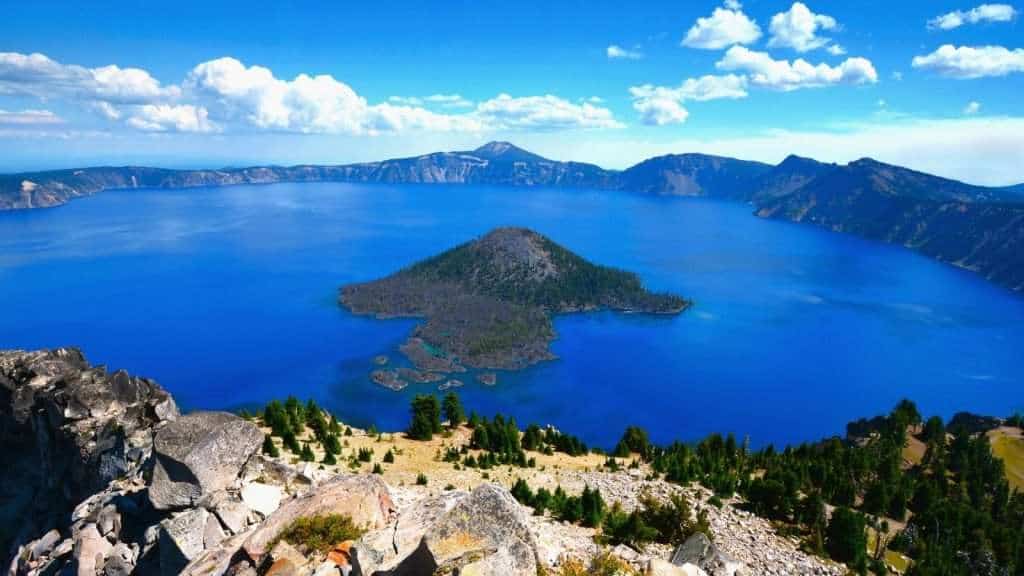
Crater Lake’s deep blue waters are stunning any time of year, but in winter, the surrounding cliffs are blanketed in snow, creating a surreal scene. Snowshoeing and cross-country skiing replace hiking, offering a unique way to explore. The quiet atmosphere enhances the sense of wonder. For Pacific Northwest travelers, Crater Lake is an off-season treasure worth experiencing.
Mesa Verde National Park, Colorado

Home to ancient cliff dwellings of the Ancestral Puebloans, Mesa Verde offers cultural and historical depth alongside natural beauty. In the off-season, the park is far less crowded, making ranger-led tours more intimate and trails more peaceful. Cooler weather makes exploring the mesa tops more comfortable. Visitors interested in history and archaeology will find Mesa Verde particularly rewarding in its quieter months.
White Sands National Park, New Mexico
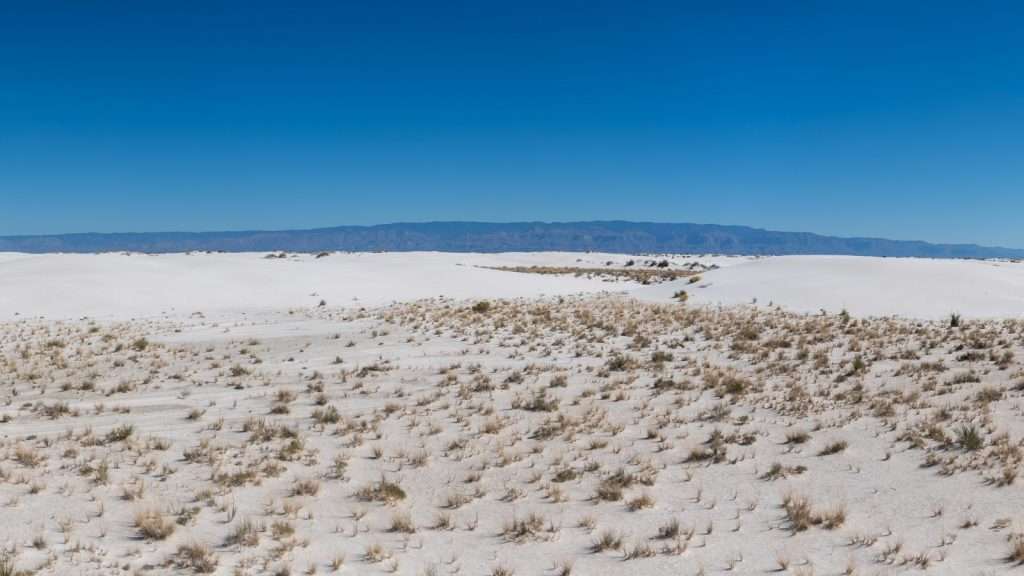
This unique park is famous for its vast gypsum sand dunes that shimmer in the sunlight. Visiting in the off-season means cooler temperatures, perfect for hiking or sledding down the dunes. The park’s sunsets and stargazing opportunities are spectacular without summer’s heat or heavy visitation. White Sands is an unforgettable U.S. travel destination that’s best savored when it’s quiet.
Channel Islands National Park, California

Accessible only by boat or plane, the Channel Islands already feel remote, but in the off-season, they become truly serene. Cooler temperatures make hiking the rugged islands more pleasant, and wildlife watching is especially rewarding, with fewer crowds on tours. The surrounding waters remain rich with marine life, perfect for kayaking or snorkeling. For travelers seeking a unique California coastal adventure, the Channel Islands shine brightest in the off-season.

Deborah Montiero is a seasoned travel writer and contributor to Probe the Globe. With a passion for uncovering hidden gems and sharing immersive travel experiences, Deborah’s work highlights must-visit destinations, insider tips, and practical advice for travelers of all types. Whether exploring bustling cities or remote escapes, her articles are crafted to inspire and inform, making her a trusted voice in the travel community.
Her storytelling weaves together cultural insights, logistical tips, and authentic experiences, making her a valuable resource for readers seeking unforgettable journeys.
When not writing, Deborah is likely researching the latest travel trends or planning her next adventure. Follow her work on Probe the Globe for fresh perspectives and up-to-date travel inspiration.