21 Eeriest Abandoned Factories Across the U.S.
Across the United States, abandoned industrial spaces tell a haunting but compelling story about how quickly progress can shift. The shells of once-booming factories sit in silence, offering a glimpse into the country’s manufacturing past and the communities built around it. While they have stopped operating, these eerie locations continue to attract photographers, historians, and travelers fascinated by forgotten architecture. Below is a look at 21 of the Eeriest Abandoned Factories Across the U.S.
Packard Automotive Plant – Detroit, Michigan

The Packard Automotive Plant in Detroit is often considered one of the most iconic abandoned industrial sites in the U.S. Once a bustling epicenter of American automobile production, the factory now stands as a sprawling concrete maze of collapsed roofs, shattered windows, and graffiti-covered corridors. Travelers interested in U.S. history and urban exploration often describe the atmosphere as surreal, with nature slowly reclaiming the massive structure. Its scale and decay make it both unsettling and historically captivating.
Bethlehem Steel Works – Bethlehem, Pennsylvania

Bethlehem Steel was once a powerhouse of American manufacturing, producing steel that shaped skyscrapers, bridges, and warships. Today, the abandoned plant remains an enormous industrial relic with towering furnaces and rusting structures rising against the skyline. Walking near the factory gives a haunting sense of the economic shifts that impacted entire regions across U.S. travel corridors. The vast machinery and empty catwalks create an eerie silence that feels frozen in time.
Lonaconing Silk Mill – Lonaconing, Maryland

The Lonaconing Silk Mill is one of the last remaining silk mills left untouched since its closure in the 1950s. Inside, desks, bobbins, and machinery sit exactly where workers left them, creating an unsettling time capsule effect. Many urban explorers find the stillness and preserved items haunting, as if the mill could spring to life at any moment. For travelers interested in America’s industrial past, this site offers a rare and eerie glimpse into mid-20th-century factory life.
Dixie Brewery – New Orleans, Louisiana

The old Dixie Brewery in New Orleans stands as a massive monument to the city’s brewing heritage. Its abandoned halls echo with the memory of machinery once used to produce one of the region’s most recognizable beers. While some portions have been repurposed over the years, large sections remain hauntingly empty, filled with shadows and remnants of vintage brewing equipment. Travelers often remark on the eerie blend of Southern charm and industrial decay that defines the site.
Farberware Factory – Bronx, New York

This former Farberware manufacturing site once buzzed with the sound of steel goods being pressed, polished, and packed. Now, it sits in eerie stillness, with wide concrete floors and rows of rusting equipment marking the passage of time. Urban explorers are drawn to the cavernous rooms and ghostly quiet that contrast sharply with the busy New York streets just outside. The factory offers a striking reminder of shifting industries in U.S. travel hubs.
White Pines Pulp Mill – Oregon City, Oregon

The ruins of the White Pines Pulp Mill sit near the Willamette River, slowly being overtaken by moss and vegetation. Its abandoned structures still contain huge vats, metal beams, and ghostly corridors that once supported a thriving paper industry. Visitors often describe the mill as peaceful yet eerie, with water dripping through cracked ceilings and wind echoing through empty rooms. It remains a compelling stop for those exploring lesser-known U.S. travel destinations.
Peerless Woolen Mill – Rossville, Georgia

Once a major producer of woolen goods, the Peerless Woolen Mill closed its doors decades ago. The decaying factory still holds enormous weaving machines and dark hallways where sunlight barely reaches. Many who visit remark on the stillness inside, as though the machinery could hum back to life at any moment. Its haunting beauty has made it a favorite among industrial photographers traveling through the southern U.S.
Hygienic Dress League Factory – Detroit, Michigan

Detroit has no shortage of abandoned industrial spaces, but this one carries a unique twist: it also serves as a canvas for conceptual art. The old building, formerly used for manufacturing goods, now displays eerie and surreal imagery created by an art collective. Visitors experience an unsettling contrast between industrial decline and creative expression. It’s a striking example of how abandoned spaces across the U.S. can inspire new stories.
Richmond Power Plant – Richmond, Virginia

This early 20th-century power plant once provided critical electricity to the region. Today, the cavernous building stands empty, with towering brick walls and shattered windows creating a moody, ghostlike setting. Its rusted metal staircases and giant turbines give visitors a sense of the plant’s immense power in its prime. As an abandoned U.S. travel destination, it offers one of the East Coast’s most cinematic ruins.
Domino Sugar Refinery – Brooklyn, New York
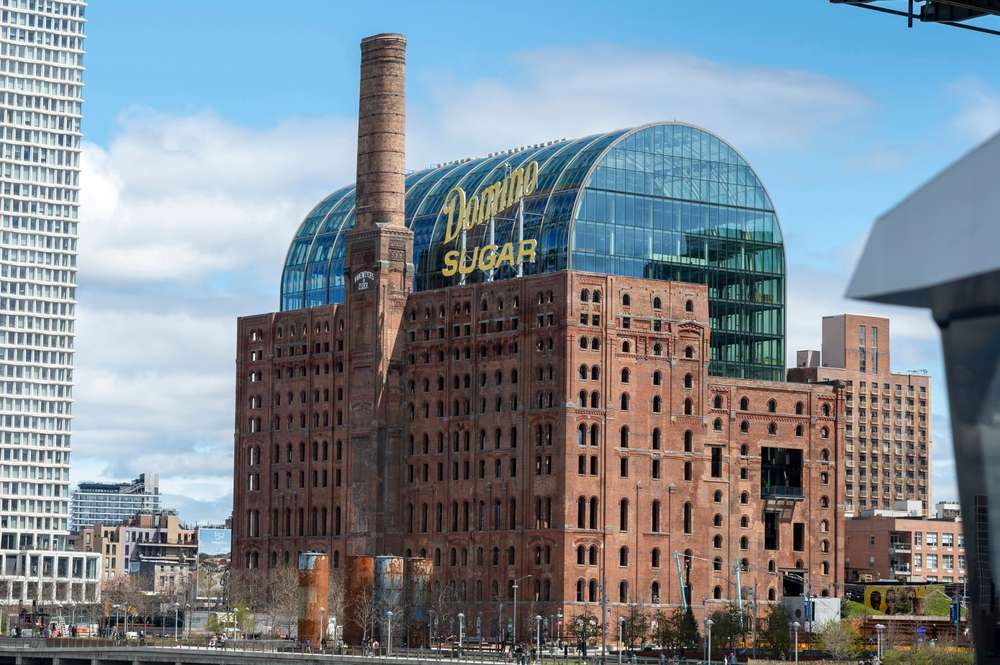
For generations, the Domino Sugar Refinery produced massive quantities of sugar that fueled the nation’s food supply. Now largely abandoned, its quiet chambers contain aging pipes, rusty catwalks, and rooms coated in old sugar dust. Photographers often comment on the haunting sweetness that lingers in the air, combining with the factory’s decay to create a uniquely eerie environment. This industrial relic captures a piece of New York’s forgotten manufacturing past.
Bodie Stamp Mill – Bodie, California

Part of the ghost town of Bodie, this stamp mill once crushed ore during the California gold rush. The building remains in a state of arrested decay, with old tools, conveyor belts, and equipment still scattered around its dim interior. Visitors can almost feel the presence of workers who endured harsh conditions to extract precious metals. Bodie’s stamp mill is one of the West’s most haunting reminders of boomtown life.
Old Alcoa Plant – Alcoa, Tennessee

The old Alcoa Plant played a major role in aluminum production and wartime manufacturing. Today, its abandoned buildings rise like metallic skeletons, filled with rusted pipes and darkened storage rooms. The sense of scale is overwhelming, especially when standing beneath massive ceilings and silent machinery. Many U.S. travel enthusiasts find the plant’s eerie isolation both unsettling and fascinating.
Burlington Textile Mill – Burlington, North Carolina

Once a thriving textile operation, the Burlington Mill now stands quiet, with huge weaving floors and dusty machinery hinting at the region’s industrial boom. Sunlight filters through broken windows, illuminating piles of fabric remnants and timeworn tools. The building feels strangely alive despite decades of decay. Visitors exploring abandoned U.S. sites often describe this mill as haunting but historically rich.
Old Armour Meatpacking Plant – East St. Louis, Illinois

Known for its chilling atmosphere, this former meatpacking plant is one of the Midwest’s most unsettling abandoned factories. Huge walk-in coolers, metal hooks, and dark processing rooms give the building an eerie sense of frozen activity. The silence inside contrasts sharply with the chaotic operations that once took place here. It remains a popular but unnerving destination for explorers.
Kennecott Copper Concentration Mill – McCarthy, Alaska

Rising dramatically against the Alaskan wilderness, this red-and-white mill stands as a monument to early 20th-century copper mining. Its multi-level structure is filled with conveyors, chutes, and machinery left behind when the site closed abruptly. The isolation adds to its haunting feel, with only the wind and surrounding mountains breaking the silence. Travelers seeking remote U.S. history often find this mill unforgettable.
Soo Line Steam Locomotive Shops – North Fond du Lac, Wisconsin

These enormous brick shops once maintained powerful steam locomotives that traversed the Midwest. Today, the abandoned facilities contain cavernous rooms where engines once roared and metalworkers shaped steel. The empty pits and silent equipment create an eerie atmosphere for visitors exploring rail history. The factory stands as a chilling reminder of America’s shifting transportation era.
Midocean Steelworks – Pueblo, Colorado

This former steelworks plant once fueled regional industry but now sits quiet, marked by rusting beams, empty warehouses, and silent furnaces. Many who visit describe an unsettling feeling when walking through its hollow buildings, as though the echoes of past workers remain. The plant’s structural bones reveal both the grandeur and decline of American steel production. It’s a fascinating stop for U.S. travel explorers.
Fore River Shipyard Machine Shop – Quincy, Massachusetts

Part of a once-thriving shipbuilding complex, the abandoned machine shop now stands cold and silent. Rows of heavy equipment remain in place, covered in dust and surrounded by darkened corridors. The space feels frozen in time, preserving a chapter of naval and industrial history. Travelers drawn to maritime relics often find this location deeply atmospheric and eerily beautiful.
Hanford Plutonium Works – Richland, Washington

Used during the Manhattan Project, the abandoned segments of the Hanford facility hold enormous historical weight. The stark hallways, sealed chambers, and quiet observation rooms create an unsettling sense of secrecy. Though heavily restricted, the limited areas accessible to visitors feel heavy with the intense history that unfolded there. It remains one of the most haunting industrial locations tied to U.S. scientific history.
Old Northern Breweries Plant – Duluth, Minnesota

The abandoned brewery buildings in Duluth offer a chilling look into early 20th-century beer production. Dark basements, massive fermentation tanks, and long-forgotten bottling areas create a maze of eerie industrial architecture. Travelers often note the strange contrast between the nearby lake’s beauty and the plant’s haunting energy. The site is a striking reminder of how rapidly industries can vanish.

Deborah Montiero is a seasoned travel writer and contributor to Probe the Globe. With a passion for uncovering hidden gems and sharing immersive travel experiences, Deborah’s work highlights must-visit destinations, insider tips, and practical advice for travelers of all types. Whether exploring bustling cities or remote escapes, her articles are crafted to inspire and inform, making her a trusted voice in the travel community.
Her storytelling weaves together cultural insights, logistical tips, and authentic experiences, making her a valuable resource for readers seeking unforgettable journeys.
When not writing, Deborah is likely researching the latest travel trends or planning her next adventure. Follow her work on Probe the Globe for fresh perspectives and up-to-date travel inspiration.