18 Creepy U.S. Tunnels You Can Walk Through If You’re Brave Enough
Across the United States, tunnels were built for transportation, industry, utilities, and even secrecy. Over time, many of these passageways fell out of regular use, leaving behind dim corridors that feel unsettling even in daylight. Some are officially open as public walkways or part of guided tours, while others are incorporated into parks or historic districts. This article explores 18 Creepy U.S. Tunnels You Can Walk Through If You’re Brave Enough.
Cascade Tunnel Trail, Washington
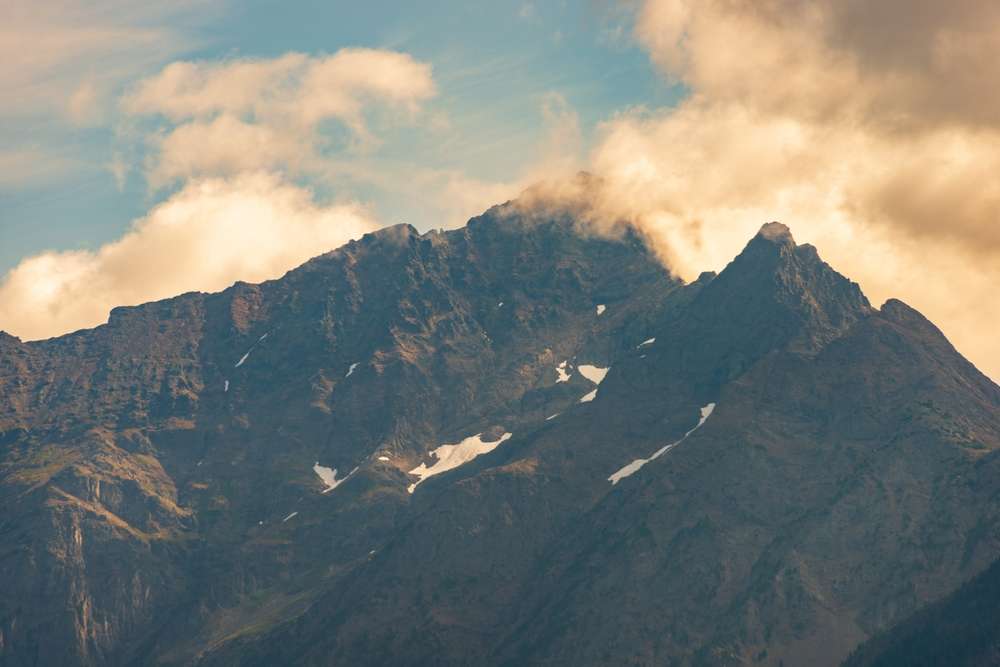
The former Cascade Tunnel route in Washington allows visitors to walk sections of the old rail corridor near the active tunnel system. Thick concrete walls, cold air, and echoing sounds create an eerie experience even during daytime. The tunnel was once vital to transcontinental rail travel, and its scale still feels overwhelming. Moisture drips from the ceiling, and visibility drops quickly, making it a memorable stop for adventurous U.S. travel enthusiasts who enjoy industrial history.
Old Train Tunnel, Snoqualmie Pass, Washington
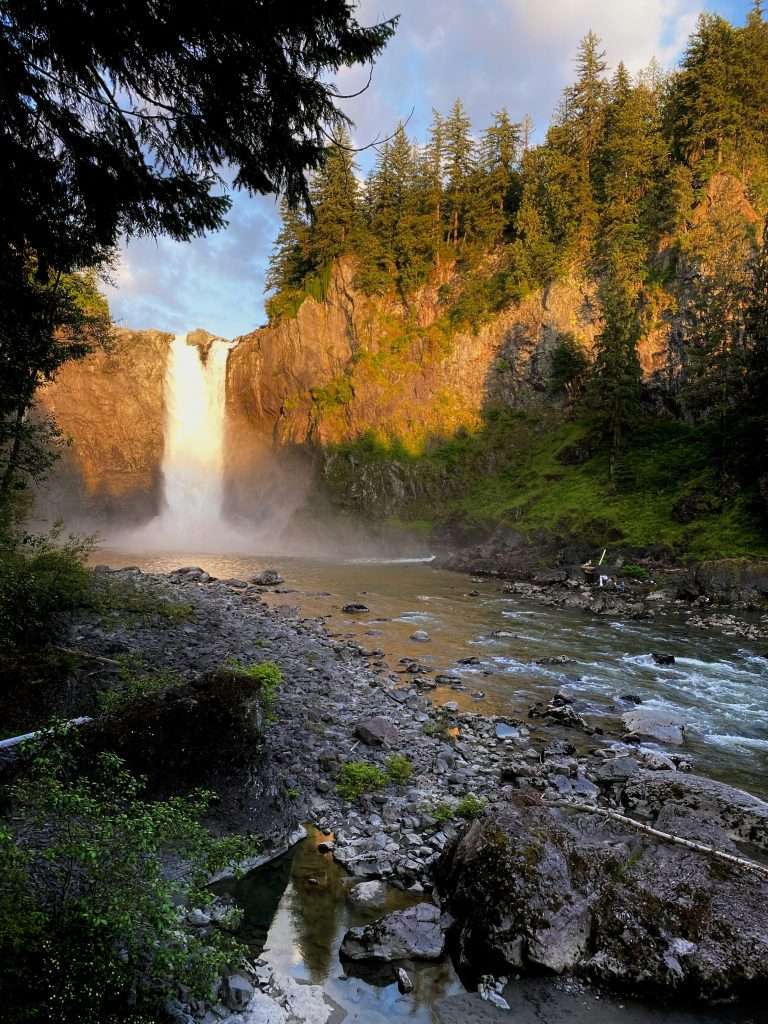
This decommissioned rail tunnel is now part of a public trail system. Stretching for miles underground, it remains completely dark in sections, requiring visitors to bring lighting. The temperature drops noticeably inside, and the sound of footsteps echoes endlessly. The tunnel’s length and isolation make it unsettling, especially for first-time walkers. It is frequently mentioned in Pacific Northwest travel guides for those seeking unusual experiences.
Atlanta’s Krog Street Tunnel, Georgia
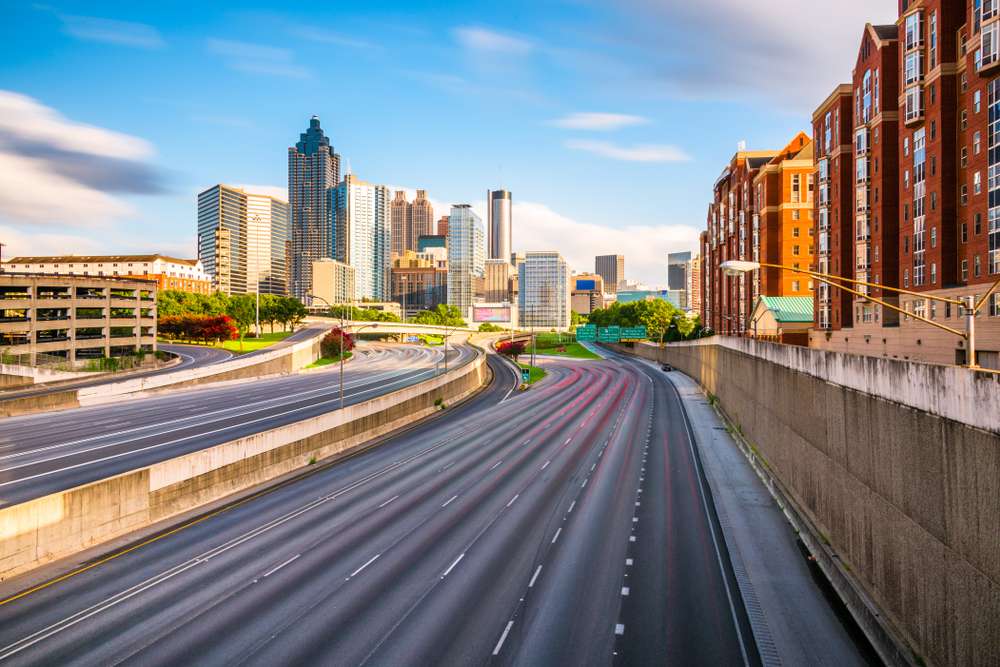
Krog Street Tunnel connects neighborhoods and is legally open to pedestrians. Its graffiti-covered walls, low lighting, and constant echo amplify every sound. At night, the atmosphere becomes particularly intense, even though it is part of daily urban life. The tunnel reflects Atlanta’s layered history of railroads, segregation, and redevelopment. It remains a distinctive stop for urban explorers interested in U.S. travel beyond tourist centers.
Brooklyn–Battery Tunnel Pedestrian Sections, New York
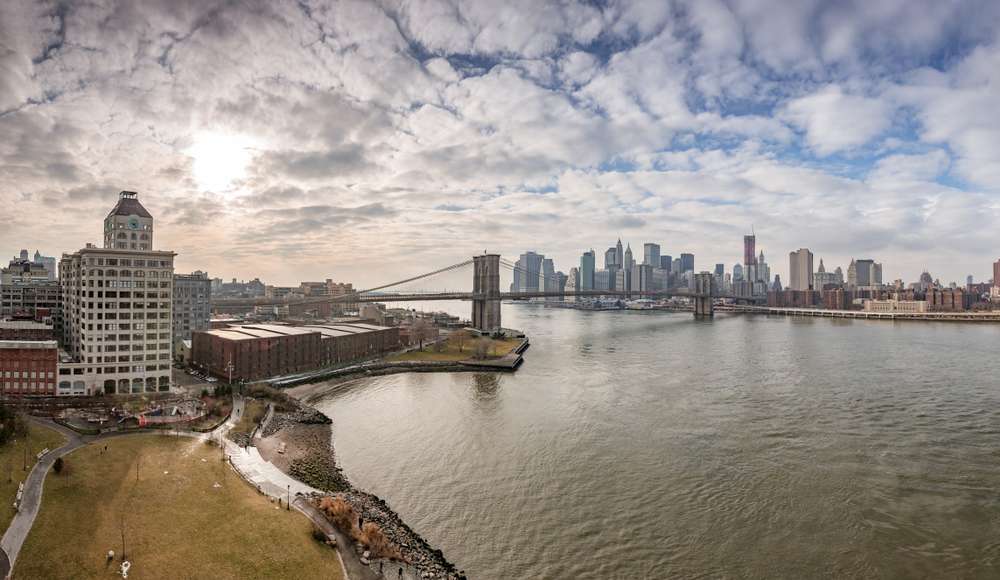
Certain service corridors connected to the Brooklyn–Battery Tunnel are accessible during guided historical walks. These narrow spaces reveal the immense infrastructure beneath New York City. Dim lighting and heavy concrete create a claustrophobic feeling. The knowledge that millions of vehicles pass overhead adds psychological weight. It offers a rare perspective on urban engineering within a major U.S. travel destination.
Tomahawk Tunnel, West Virginia
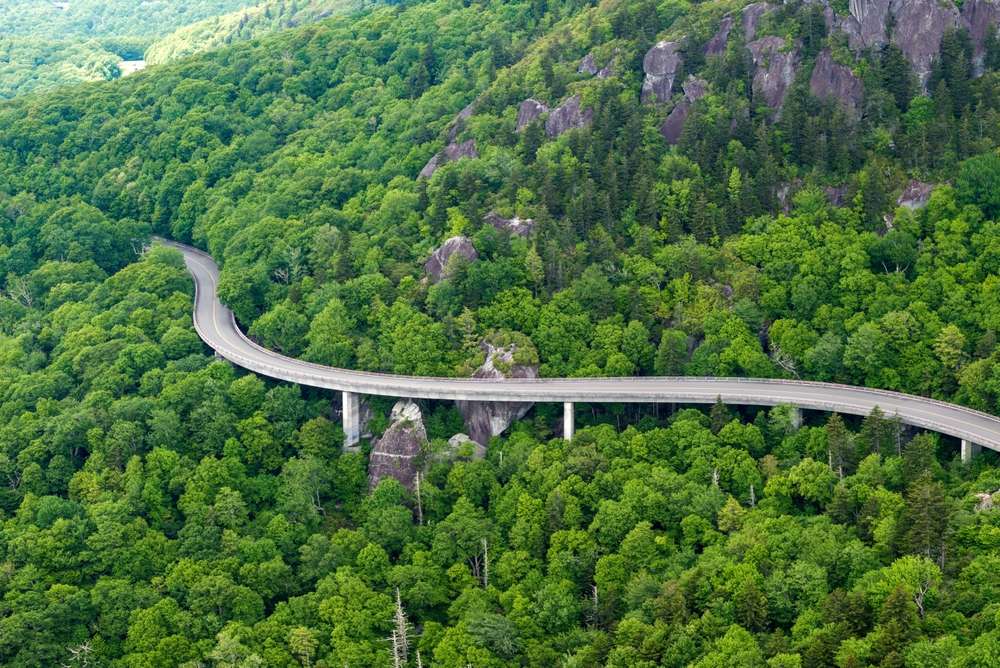
Tomahawk Tunnel once carried trains through the Appalachian Mountains and is now accessible on foot. The surrounding forest quickly fades from view once inside. Water pools along the floor, and the air feels stagnant. Locals describe the tunnel as disorienting due to its curvature and lack of natural light. It is often cited by regional hikers seeking unusual Appalachian travel experiences.
Big Four Bridge Tunnel, Kentucky

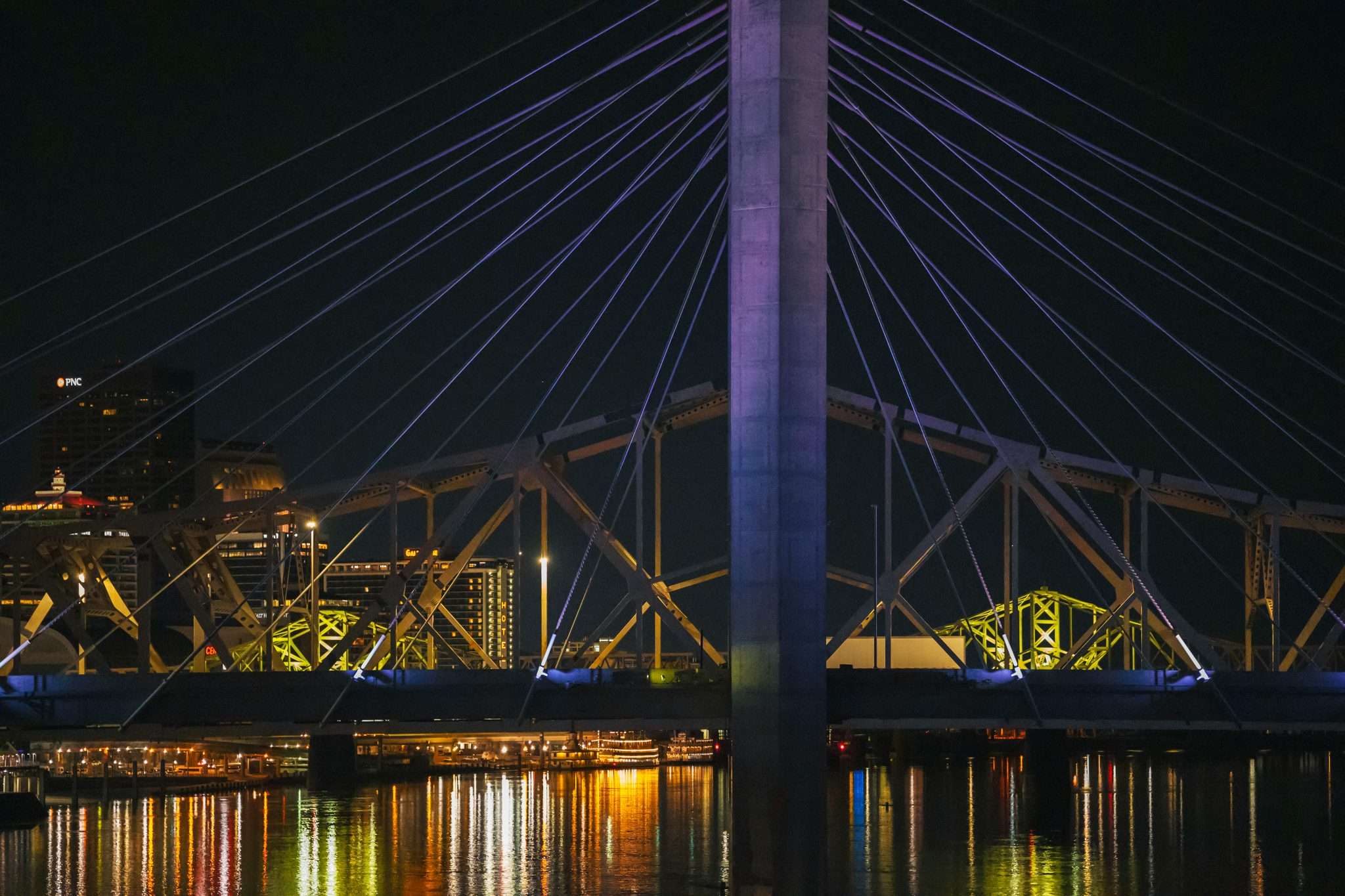
While the bridge itself is well-known, the tunnel leading to it from the Louisville side offers a darker experience. The narrow concrete passage amplifies sound and blocks natural light. Walking through it contrasts sharply with the open river views beyond. The tunnel’s utilitarian design and sudden darkness make it surprisingly unsettling for a popular U.S. travel landmark.
Goat Canyon Trestle Tunnel, California
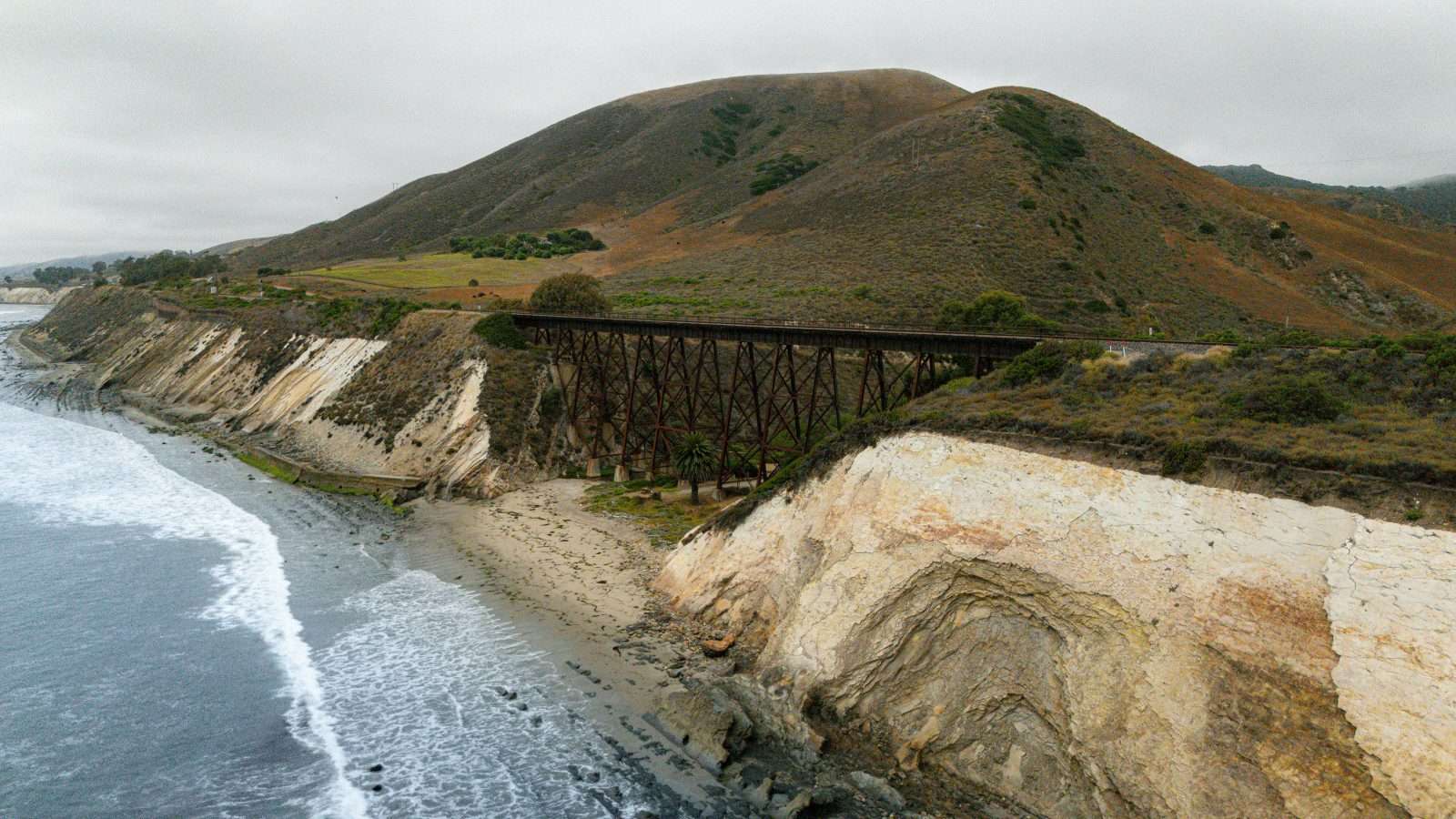
Near the Goat Canyon Trestle are abandoned tunnels accessible via hiking routes. These tunnels once served rail lines in harsh desert terrain. Inside, temperatures drop and airflow changes abruptly. The isolation and historical context add tension. Visitors interested in Southern California travel often note how different the experience feels compared to nearby tourist-heavy areas.
Old Tunnel Trail, New York
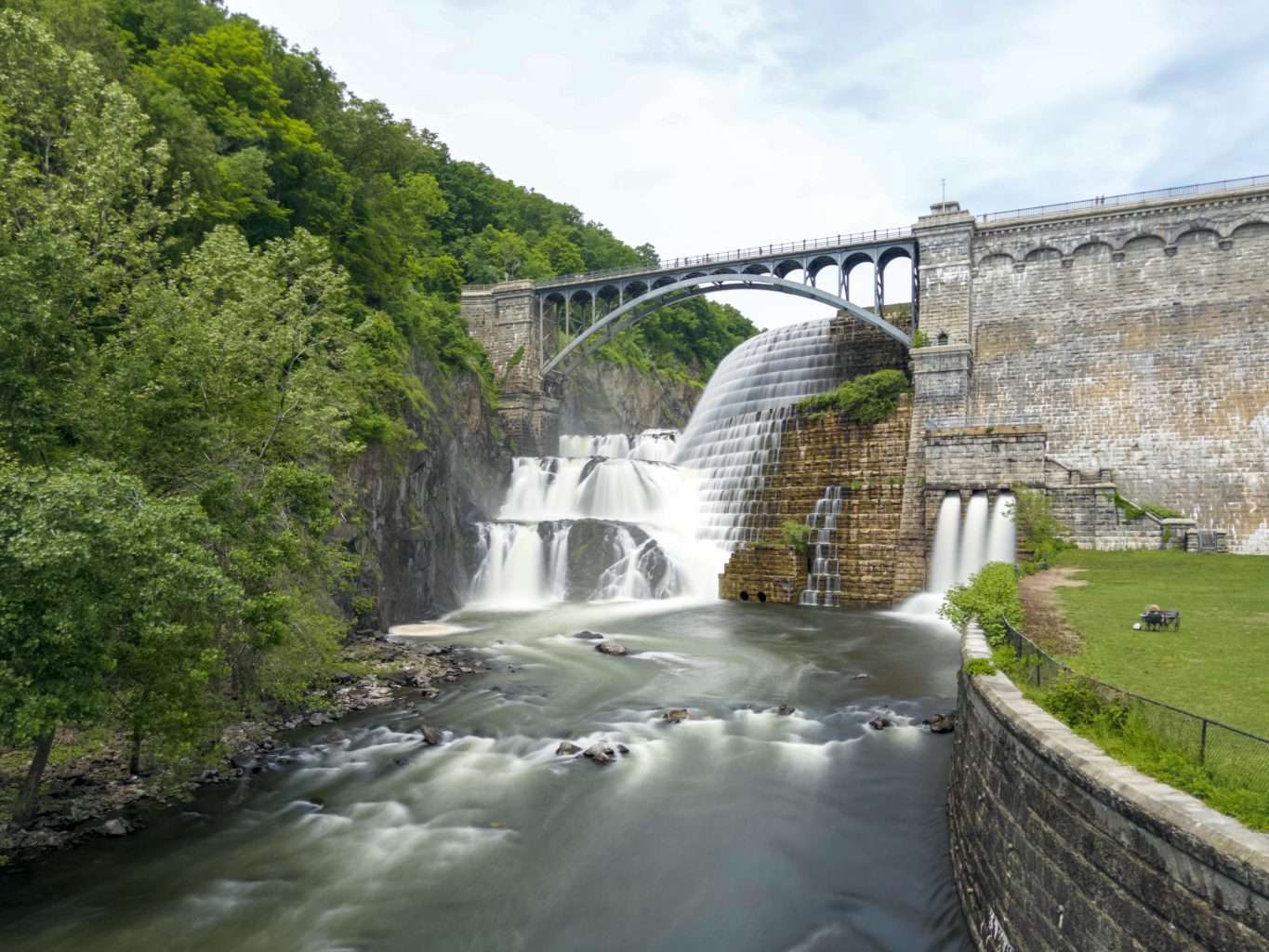
Part of the Old Croton Aqueduct system, this tunnel allows pedestrians to walk through historic water infrastructure. The stone walls and narrow passage reflect 19th-century engineering. Dim lighting and damp air create an atmosphere far removed from the city above. The tunnel highlights how early infrastructure shaped urban growth, making it a compelling stop for history-focused U.S. travel.
Iron Goat Trail Tunnels, Washington
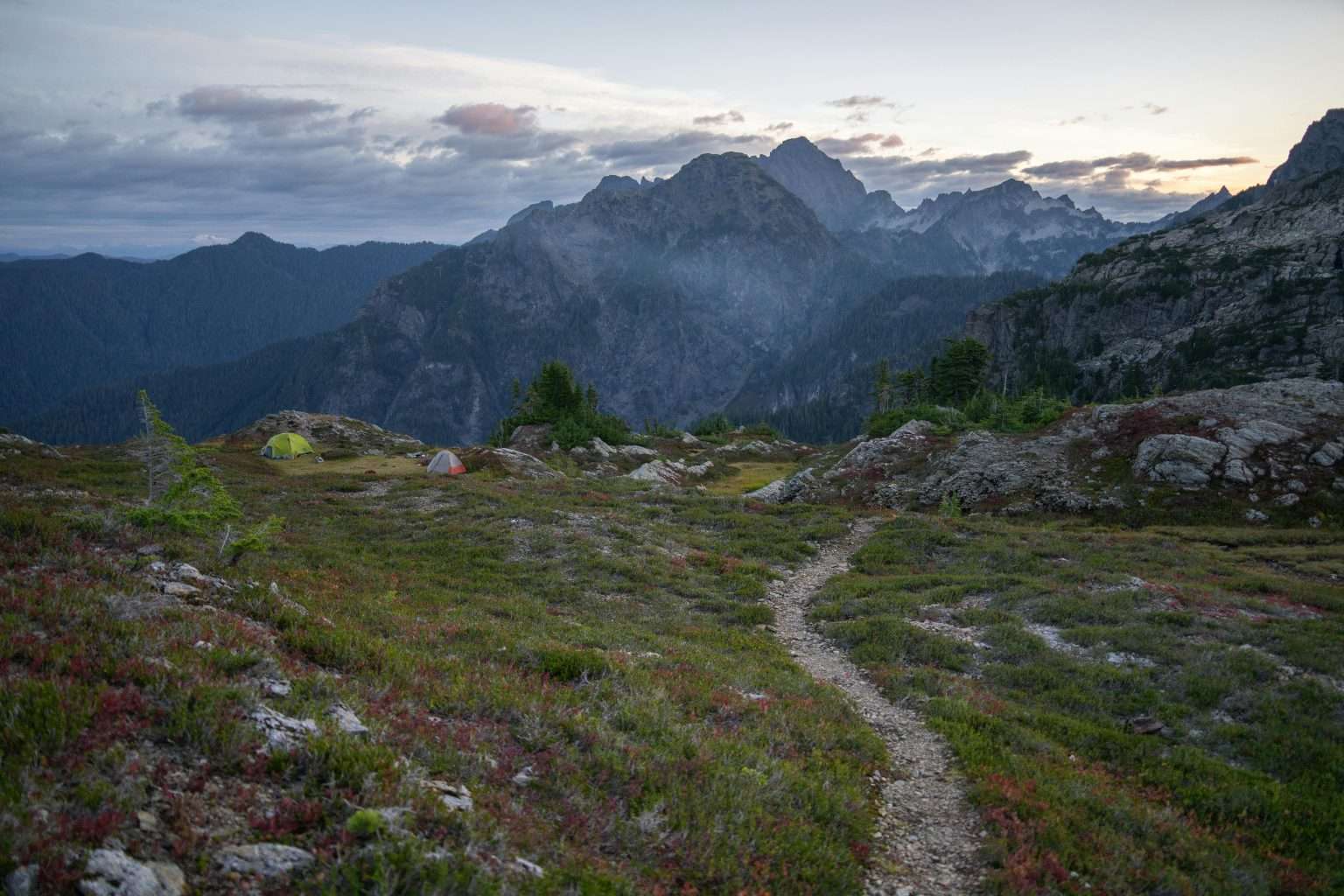
Along the Iron Goat Trail are several walk-through tunnels built for early railroad routes. They are short but dark, with uneven floors and dripping water. The tunnels cut directly through mountain rock, creating a raw and enclosed feeling. Hikers often find them unexpectedly intense despite their brief length. They are frequently mentioned in Washington travel discussions for adventurous walkers.
Lackawanna Cut-Off Tunnel, New Jersey
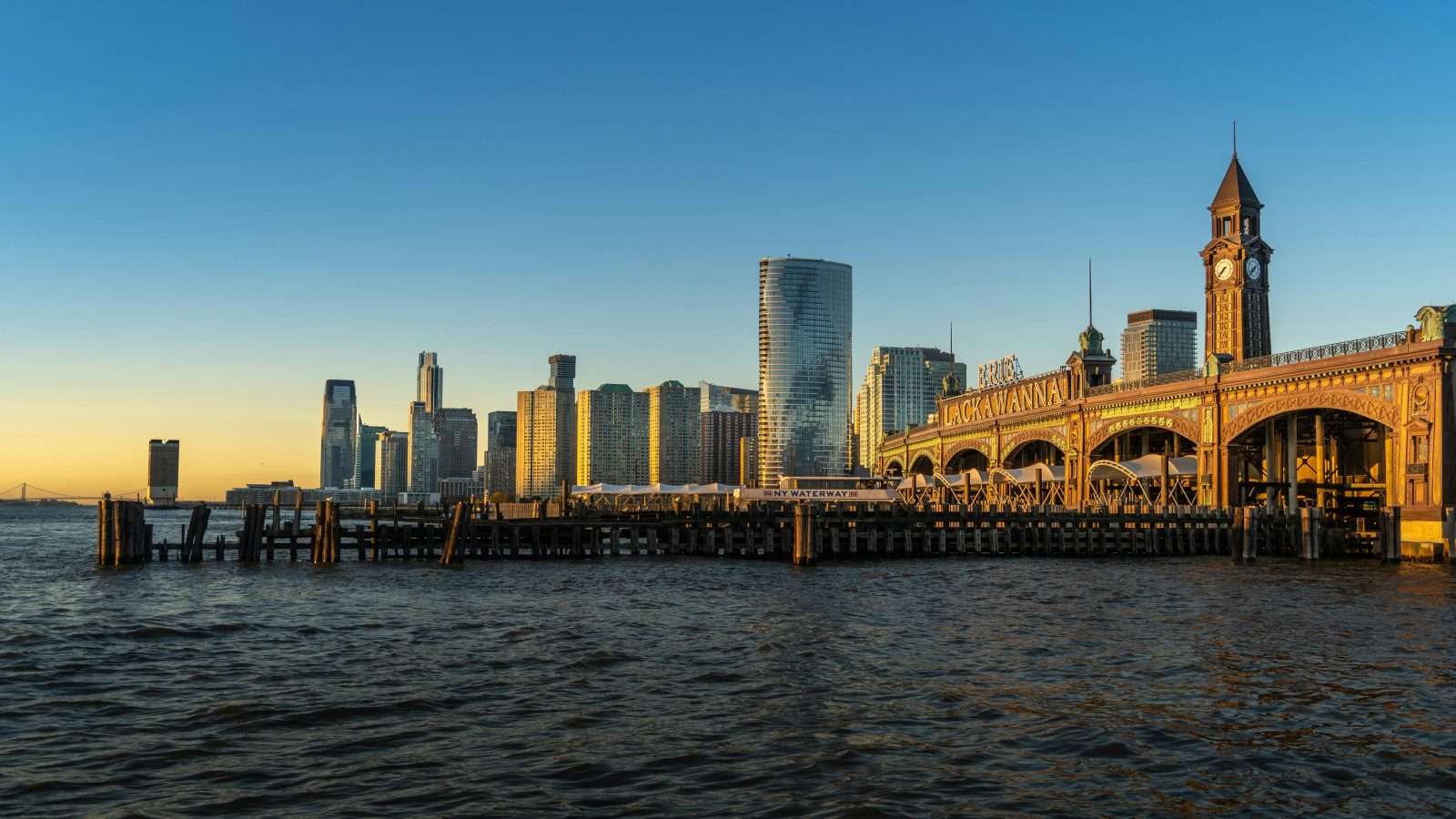
This former rail tunnel is part of a public greenway. Its long, straight design creates a vanishing-point effect that feels disorienting. Sound carries in strange ways, making it difficult to judge distance. The tunnel reflects early 20th-century rail ambition and abandonment. It is a lesser-known stop for Northeastern U.S. travel.
Fort Worden Tunnels, Washington

Fort Worden features multiple concrete tunnels once used for military defense. These tunnels are open to visitors and stretch beneath grassy hills. Sharp turns and low ceilings make navigation unsettling, even with lighting. The silence inside contrasts with the open landscape above. They are a highlight for travelers interested in military history and unusual destinations.
Cumberland Gap Tunnel Walkways, Kentucky
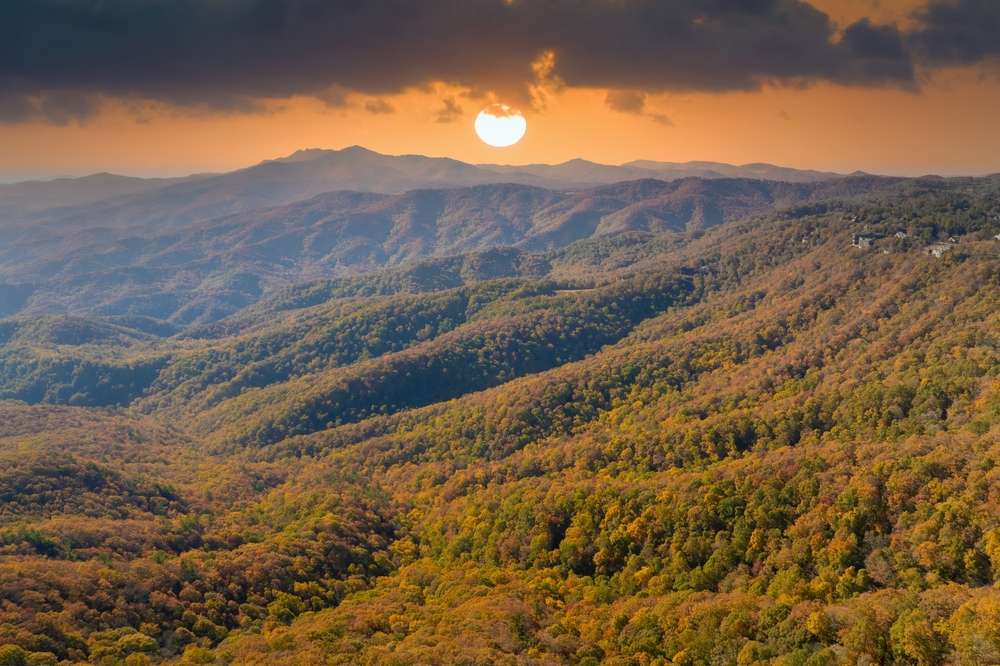
Pedestrian access near the Cumberland Gap Tunnel allows visitors to walk through older auxiliary passages. The tunnels are clean but feel imposing due to their scale. Air pressure shifts and distant vehicle noise create an unsettling sensory experience. The tunnel’s role in Appalachian transportation history adds context to the walk.
Paw Paw Tunnel, Maryland

The Paw Paw Tunnel is part of the Chesapeake and Ohio Canal National Historical Park. Stretching nearly a mile, it is one of the longest canal tunnels in the country. Low light, damp brick walls, and water underfoot make it physically and mentally challenging. Many U.S. travel writers consider it one of the most intense walk-through tunnels open to the public.
Cascade Tunnel Trail, Montana
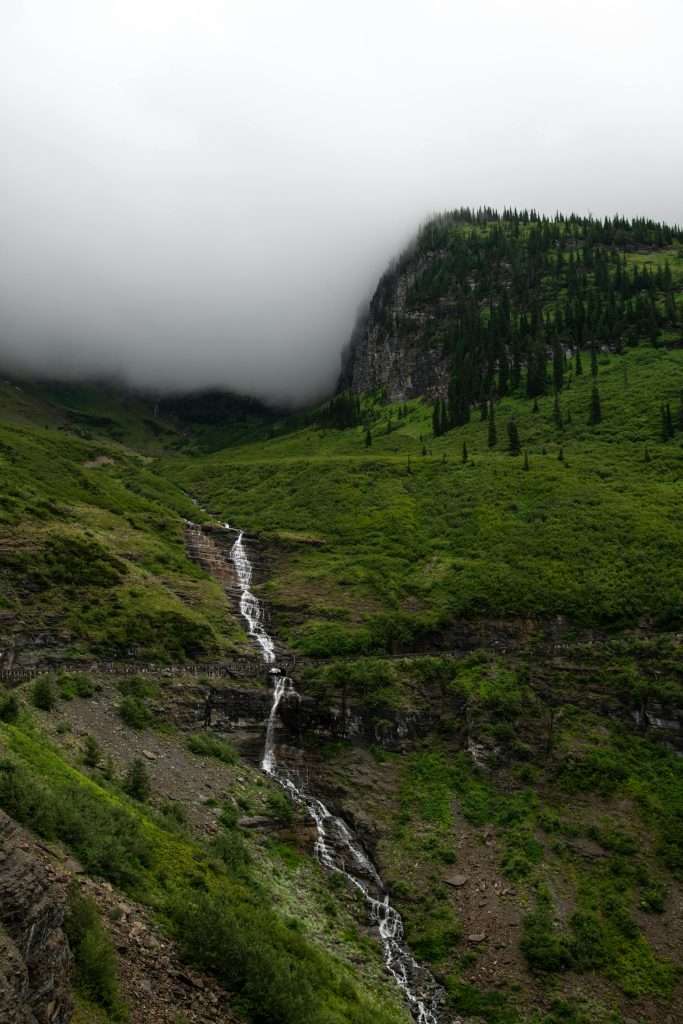
This lesser-known tunnel sits along an abandoned rail corridor open to hikers. The tunnel curves slightly, blocking visibility ahead. Water drips constantly, and the temperature remains cold year-round. Its isolation enhances the sense of vulnerability. It appeals to travelers who seek remote and unconventional U.S. travel experiences.
LaSalle Street Tunnel, Chicago
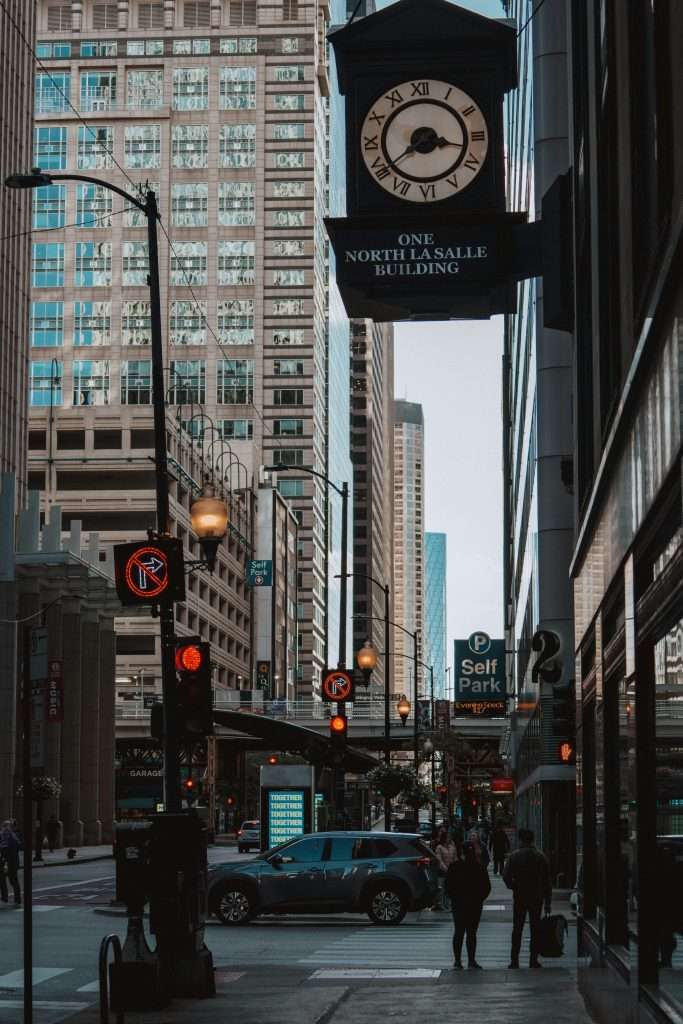
This pedestrian tunnel connects transit areas beneath downtown Chicago. Fluorescent lighting and constant echoes create a sterile yet unsettling atmosphere. The tunnel feels disconnected from the vibrant city above. It serves as a reminder of how urban infrastructure prioritizes efficiency over comfort. Many visitors find it unexpectedly eerie.
Clifton Hill Tunnel, New Jersey
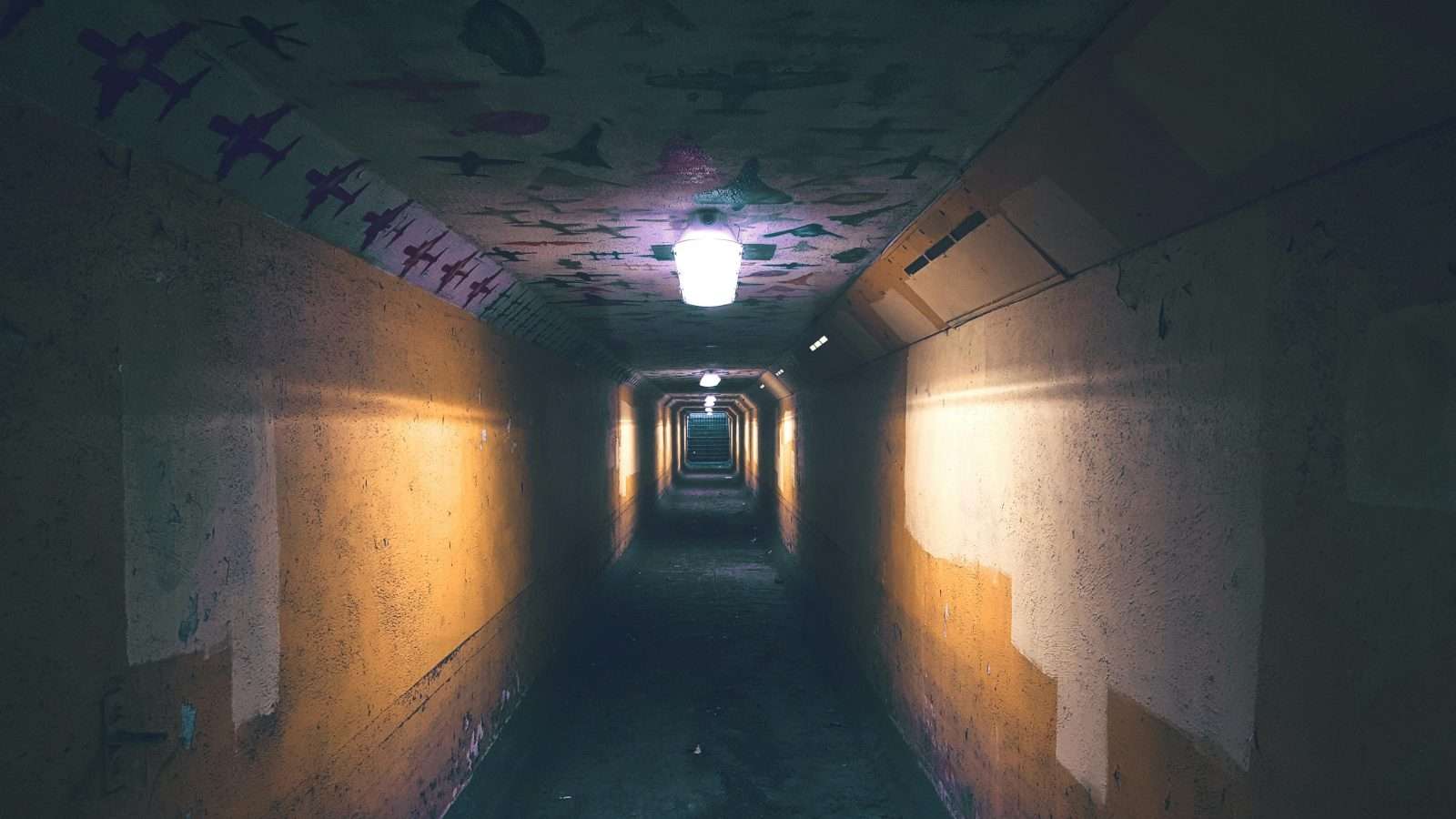
This former rail tunnel is part of a public trail network. The stone construction absorbs sound, making footsteps unusually loud. Vegetation creeps toward the entrance, giving it an abandoned appearance. The tunnel’s quiet isolation contrasts with nearby suburban areas. It is often mentioned in regional travel discussions for its atmosphere alone.
Devil’s Slide Tunnel, California
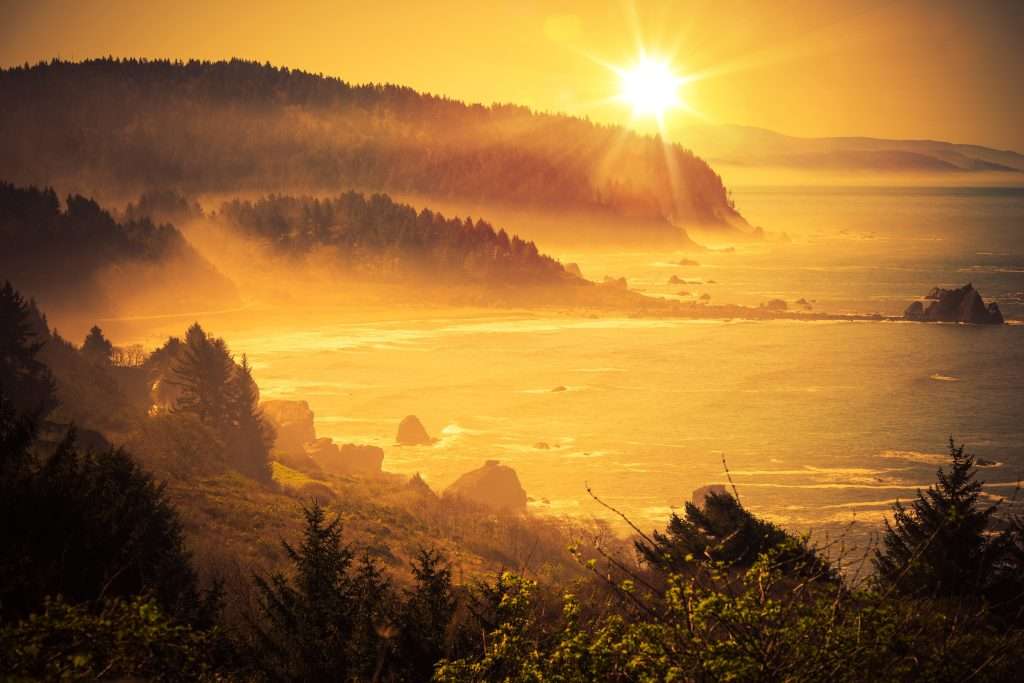
Once part of a coastal highway, Devil’s Slide Tunnel is now open to pedestrians. The ocean air, low lighting, and long enclosed stretch create a strange contrast with the dramatic cliffs outside. The tunnel feels secure yet isolating. Its transformation from roadway to walking path makes it a standout in California travel experiences.
Blue Ridge Parkway Tunnel Walkways, North Carolina
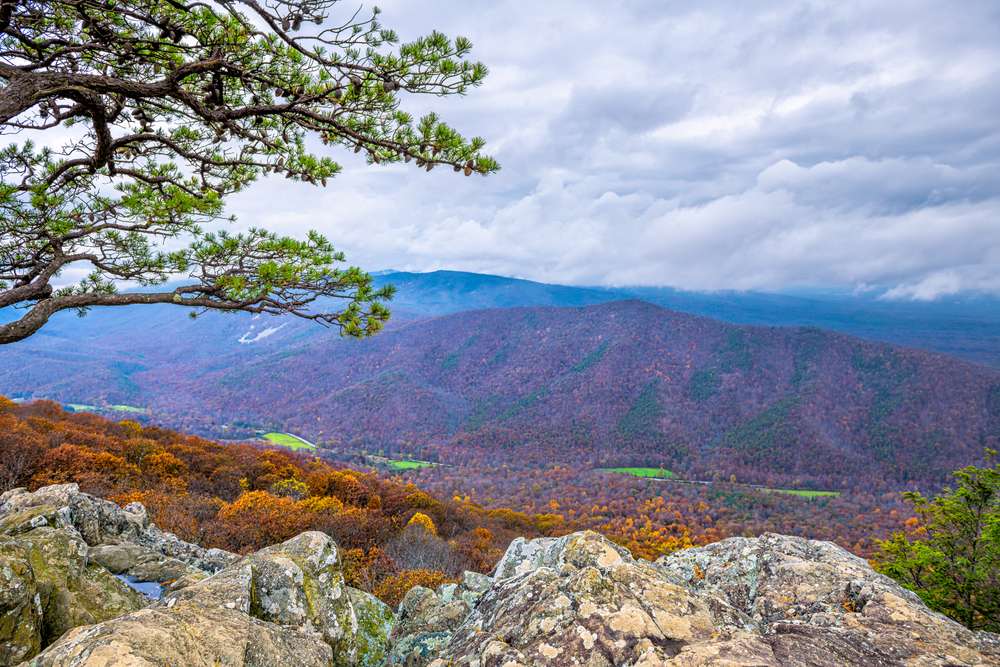
Several tunnels along the Blue Ridge Parkway include pedestrian access points nearby. Walking through these tunnels exposes visitors to sudden darkness and echoing vehicle noise. The experience is brief but intense. These tunnels reflect the balance between scenic travel and rugged infrastructure in the Appalachian region.

Deborah Montiero is a seasoned travel writer and contributor to Probe the Globe. With a passion for uncovering hidden gems and sharing immersive travel experiences, Deborah’s work highlights must-visit destinations, insider tips, and practical advice for travelers of all types. Whether exploring bustling cities or remote escapes, her articles are crafted to inspire and inform, making her a trusted voice in the travel community.
Her storytelling weaves together cultural insights, logistical tips, and authentic experiences, making her a valuable resource for readers seeking unforgettable journeys.
When not writing, Deborah is likely researching the latest travel trends or planning her next adventure. Follow her work on Probe the Globe for fresh perspectives and up-to-date travel inspiration.