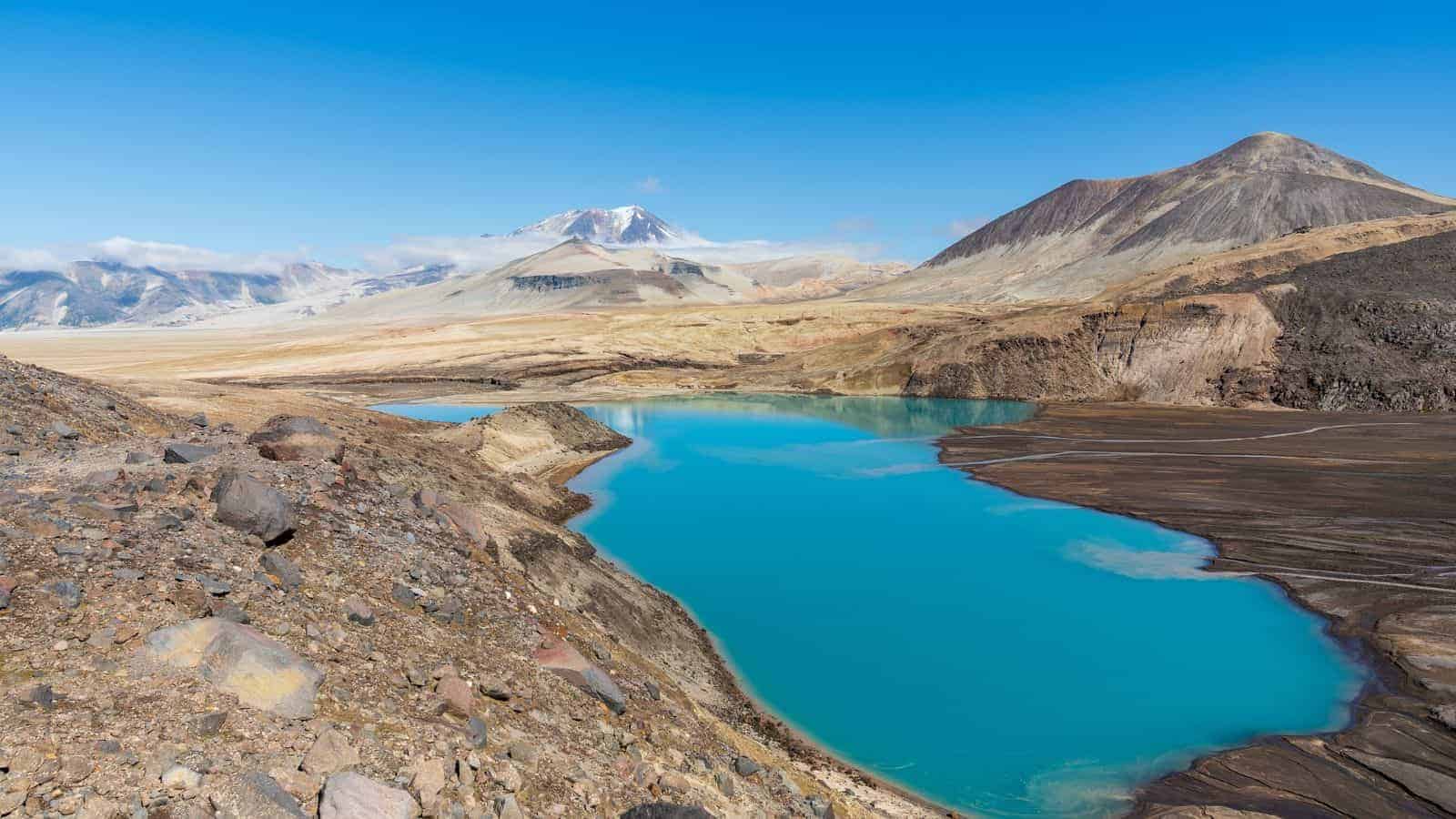
19 U.S. Towns That Changed the World but You’ve Never Heard Of
Across the United States, small towns have shaped the course of history in ways most travelers never realize. While big cities like New York, Chicago, and Los Angeles often dominate the spotlight, countless lesser-known communities have quietly influenced politics, technology, culture, and society. Their names might not appear in every textbook, but their impact reaches far beyond their borders. For those who love history-rich U.S. travel, here are 19 U.S. Towns That Changed the World but You’ve Never Heard Of.
Menlo Park, New Jersey
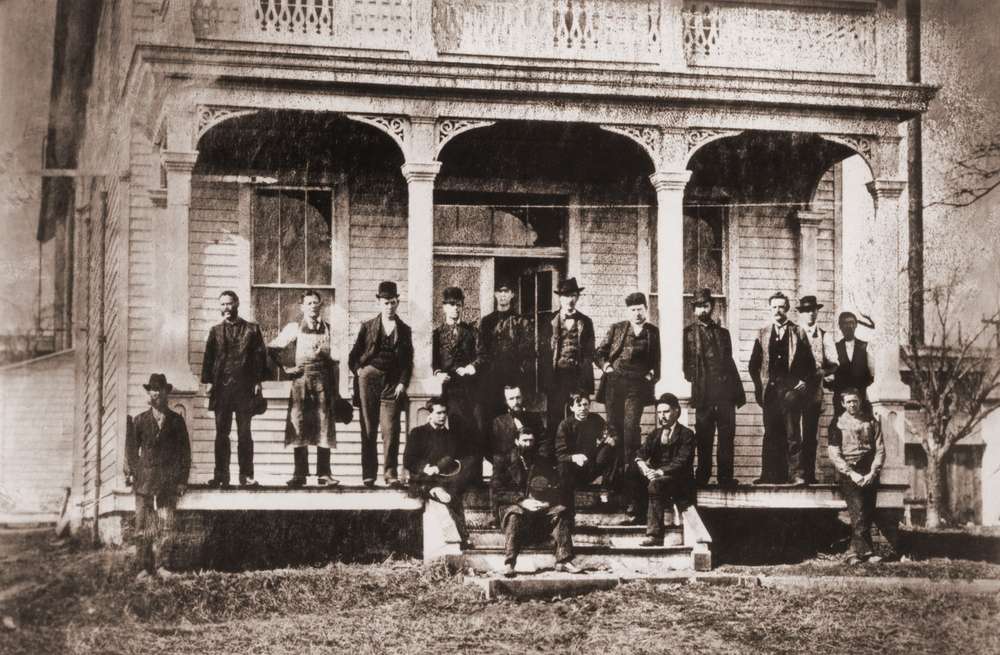
Though overshadowed today by Silicon Valley’s Menlo Park in California, the original Menlo Park, New Jersey, was the site of Thomas Edison’s legendary laboratory. Here, Edison developed the phonograph, improved the incandescent light bulb, and set the stage for the modern era of electricity. The small town became known as the “Invention Factory” in the late 19th century. Travelers interested in science history can explore Edison’s preserved lab and museum, walking in the footsteps of innovation that transformed the world.
Los Alamos, New Mexico
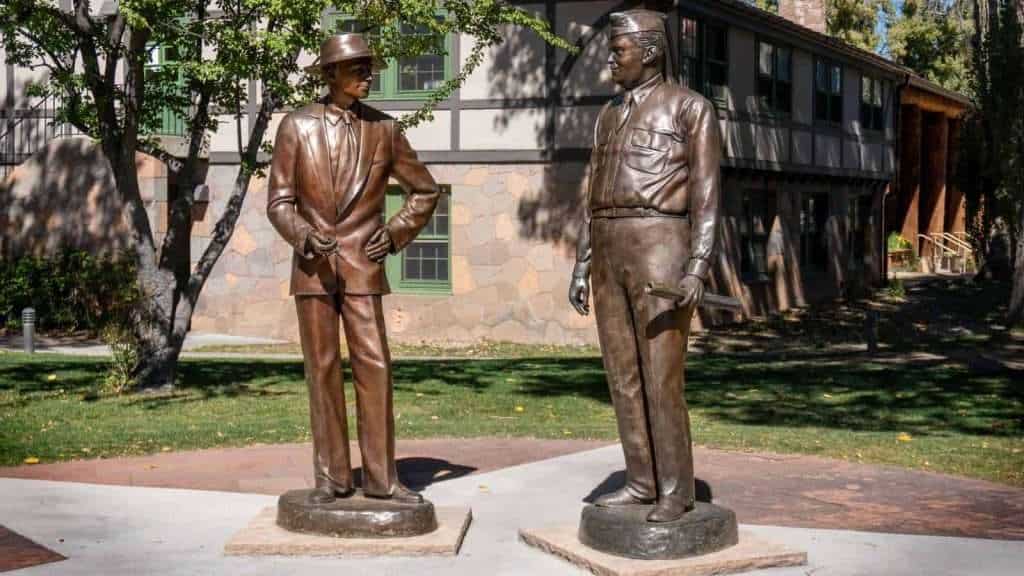
This quiet town in northern New Mexico was once a secret hub for one of the most significant scientific projects in history—the Manhattan Project. Scientists here developed the atomic bomb during World War II, forever changing global politics, warfare, and diplomacy. Today, the Los Alamos National Laboratory continues to lead research, while museums preserve its complex history. For travelers, it’s a destination that blends science, history, and the breathtaking landscapes of the Southwest.
Kitty Hawk, North Carolina
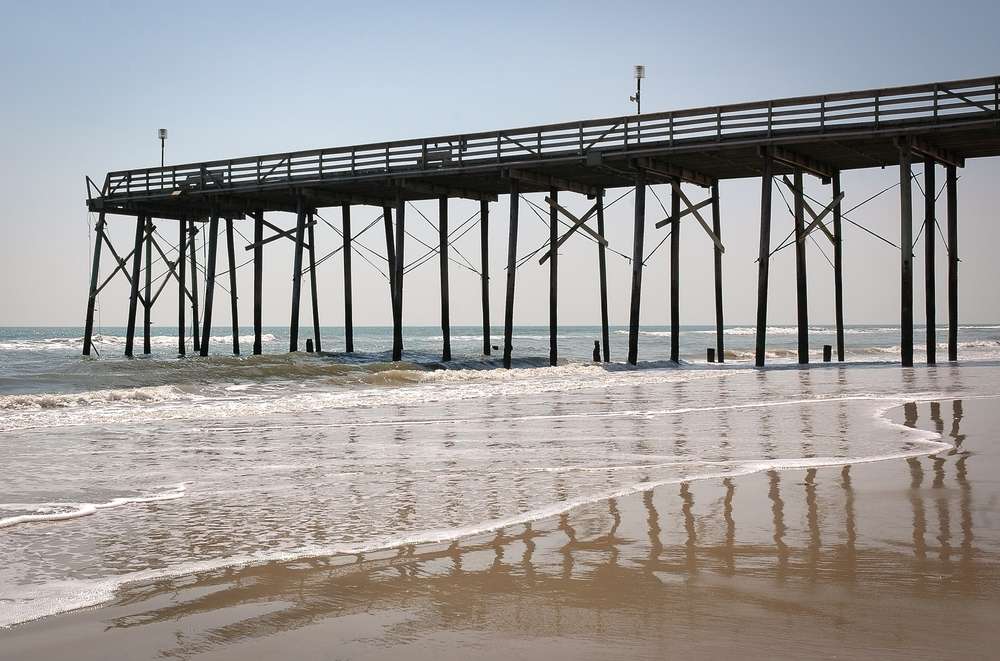
Known as the birthplace of flight, Kitty Hawk is where the Wright brothers launched the first successful powered airplane in 1903. The sandy dunes and strong winds of the Outer Banks provided the perfect conditions for their experiments. What began as a quiet coastal town became the launchpad for modern aviation. Today, visitors can tour the Wright Brothers National Memorial and experience the place where human flight took off for the very first time.
Seneca Falls, New York
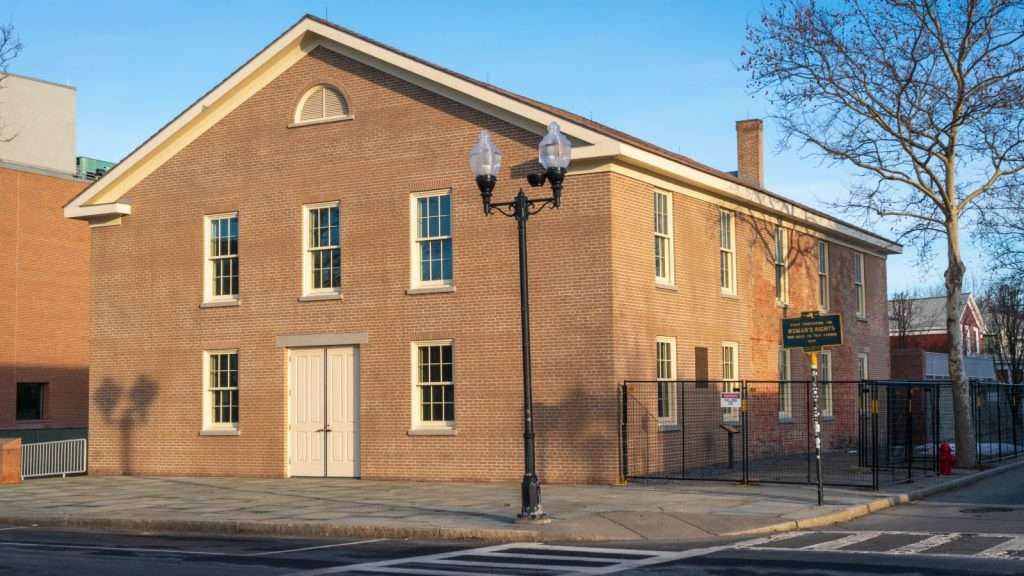
Often overlooked, Seneca Falls is the cradle of the women’s rights movement in the United States. In 1848, the first Women’s Rights Convention was held here, marking the beginning of a national fight for equality. Elizabeth Cady Stanton and other leaders shaped ideas that continue to influence gender equality worldwide. Travelers exploring the Finger Lakes region can visit the Women’s Rights National Historical Park and discover how this small town sparked global change.
Dayton, Tennessee
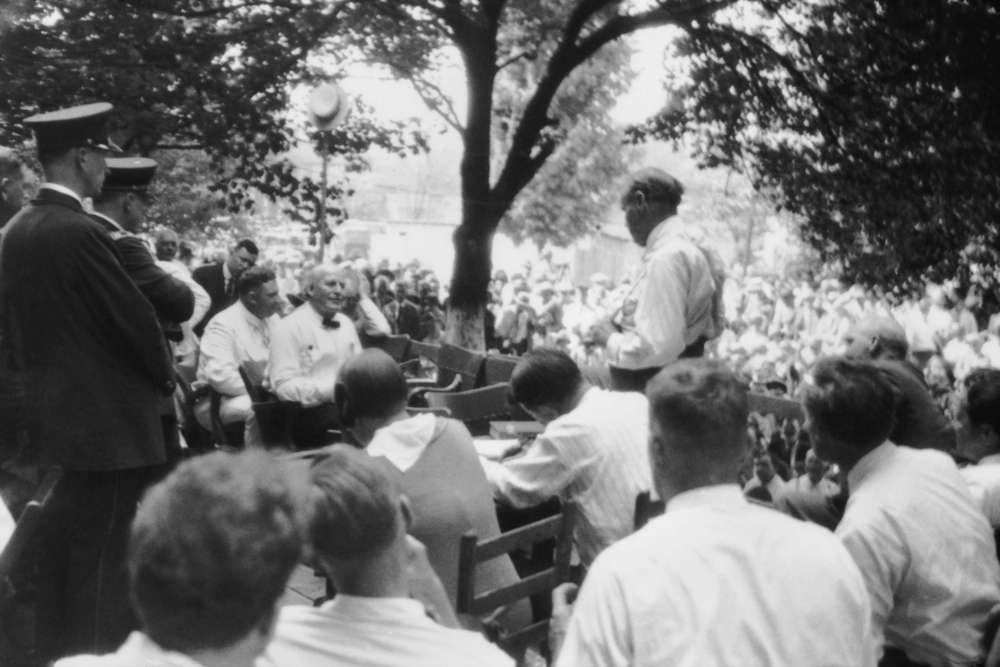
Dayton became the unlikely center of a worldwide debate on science and religion during the 1925 Scopes “Monkey” Trial. The trial tested a law banning the teaching of evolution in schools and drew international attention. Clarence Darrow and William Jennings Bryan faced off in what became one of the most famous courtroom dramas in history. Today, Dayton still preserves its courthouse as a museum, offering travelers insight into a pivotal moment in education and legal history.
Dearborn, Michigan
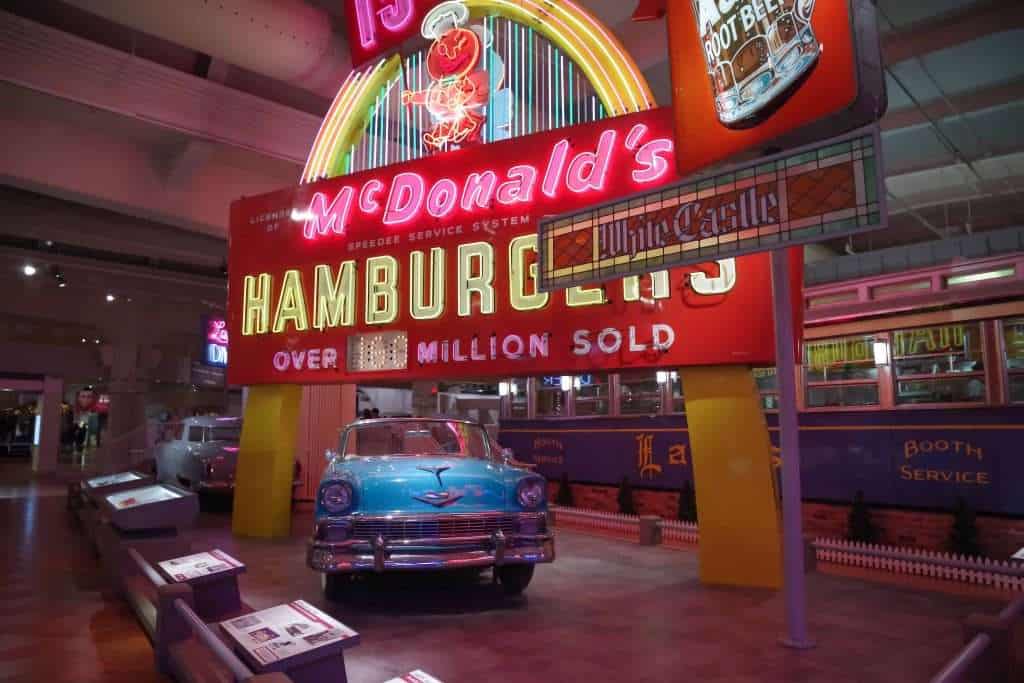
While Detroit is synonymous with the automotive industry, Dearborn is where Henry Ford transformed the way the world builds and drives cars. The town was home to Ford’s massive River Rouge Plant, where innovations in assembly line production changed global manufacturing. Dearborn also houses The Henry Ford Museum, celebrating the ingenuity that shaped modern transportation. For U.S. travelers, it’s a destination that showcases how one small town fueled the motor revolution.
Springfield, Illinois
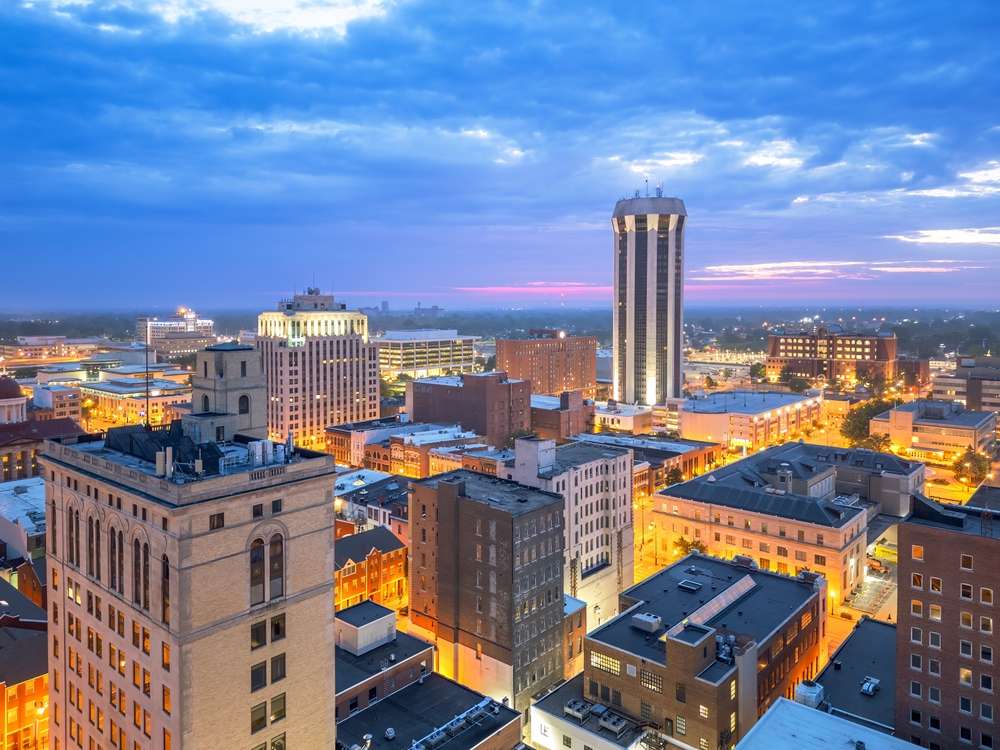
Though there are many Springfields across America, Springfield, Illinois, holds a unique global legacy as the longtime home of Abraham Lincoln. His political career, speeches, and presidential campaign all began here, shaping a leader who would preserve the Union and end slavery. Visitors can tour Lincoln’s preserved home, law office, and final resting place. Springfield remains a small-town reminder of how one man’s ideas transformed the world.
Hannibal, Missouri
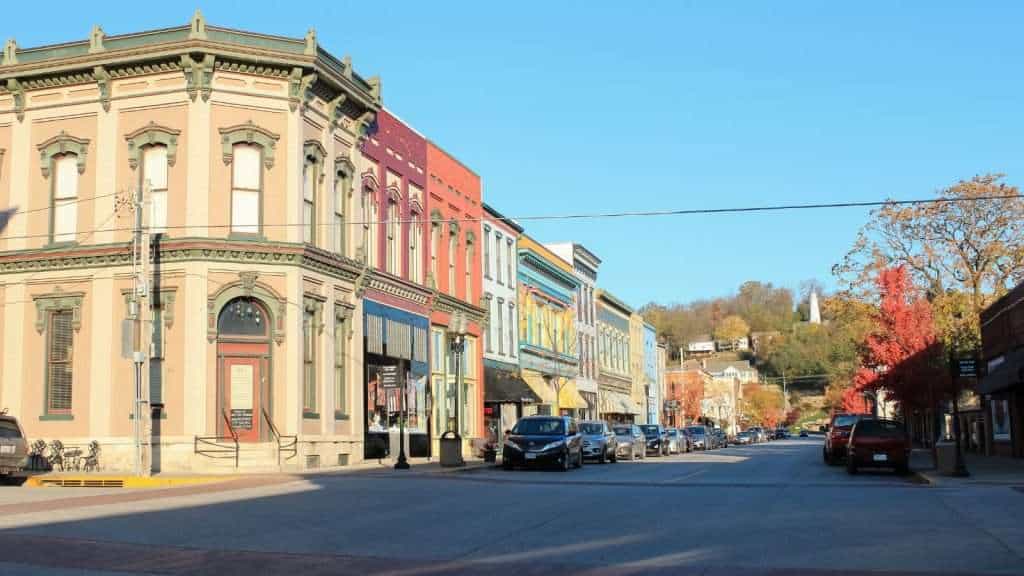
Hannibal is a quiet Mississippi River town that became immortalized through the works of Mark Twain. Samuel Clemens, known worldwide as Twain, grew up here and drew inspiration from its people and landscapes for The Adventures of Tom Sawyer and Adventures of Huckleberry Finn. His novels shaped American literature and influenced writers across the globe. Today, Hannibal celebrates Twain’s legacy with museums, festivals, and riverboat rides, making it a hidden gem for cultural travelers.
Oak Ridge, Tennessee
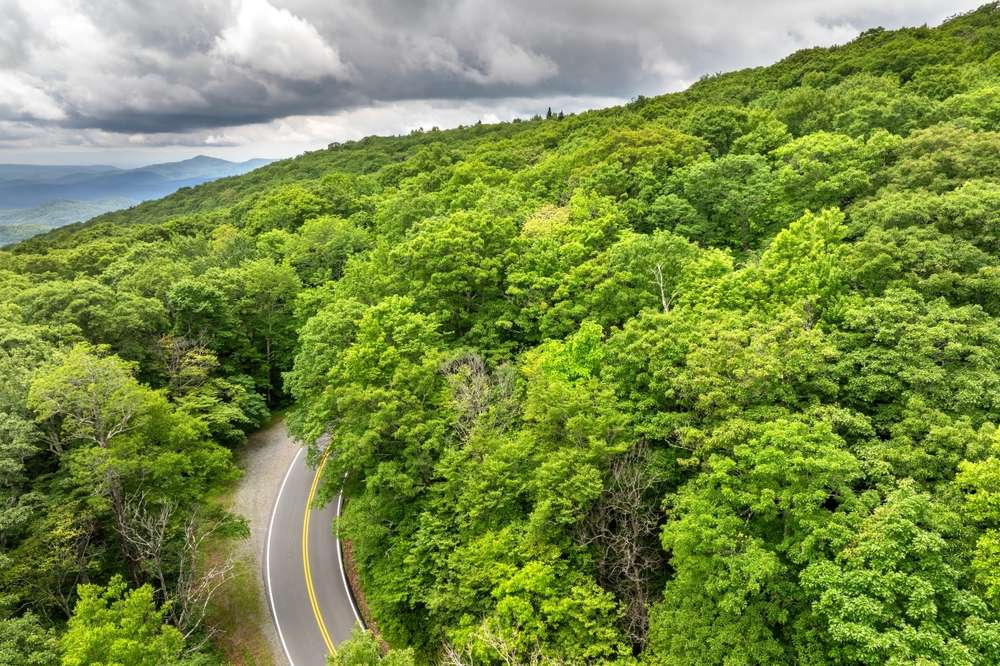
Known as the “Secret City,” Oak Ridge was built during World War II as part of the Manhattan Project. At its peak, the town housed thousands of workers producing materials for atomic weapons. Hidden from maps during the war, it played a vital role in global military history. Today, Oak Ridge is open to travelers, who can explore its museums and discover how an entire town operated under secrecy.
Selma, Alabama
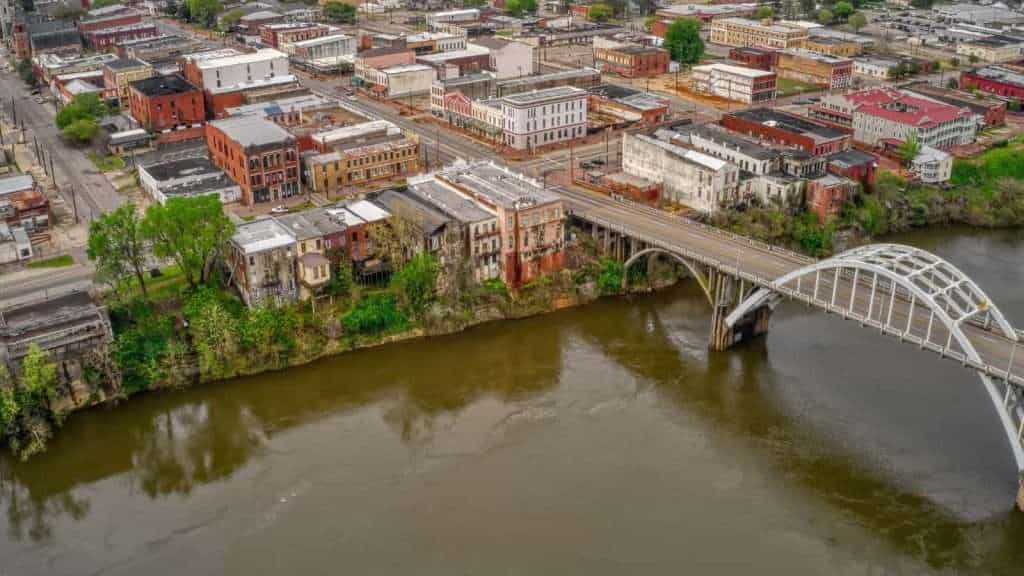
Selma may seem like another small Southern town, but it was the epicenter of the voting rights movement in the 1960s. The Selma-to-Montgomery marches, led by Martin Luther King Jr. and other civil rights activists, brought worldwide attention to racial injustice in America. The events here paved the way for the Voting Rights Act of 1965. Visitors can walk across the Edmund Pettus Bridge and reflect on Selma’s global impact on democracy and equality.
Lowell, Massachusetts
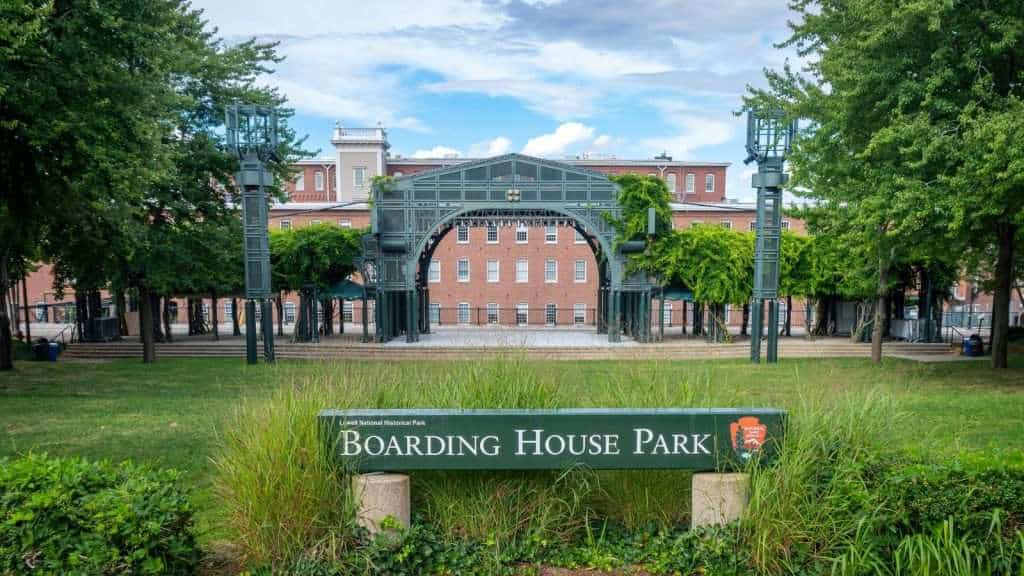
Lowell is often called the birthplace of the American Industrial Revolution. During the 19th century, it became a hub for textile mills, immigrant labor, and groundbreaking industrial practices that reshaped economies worldwide. The town’s mill girls and diverse workforce helped establish new labor systems and inspired future labor movements. Today, Lowell National Historical Park preserves its history, offering travelers a chance to explore how a small New England town revolutionized industry.
Seneca, Oregon
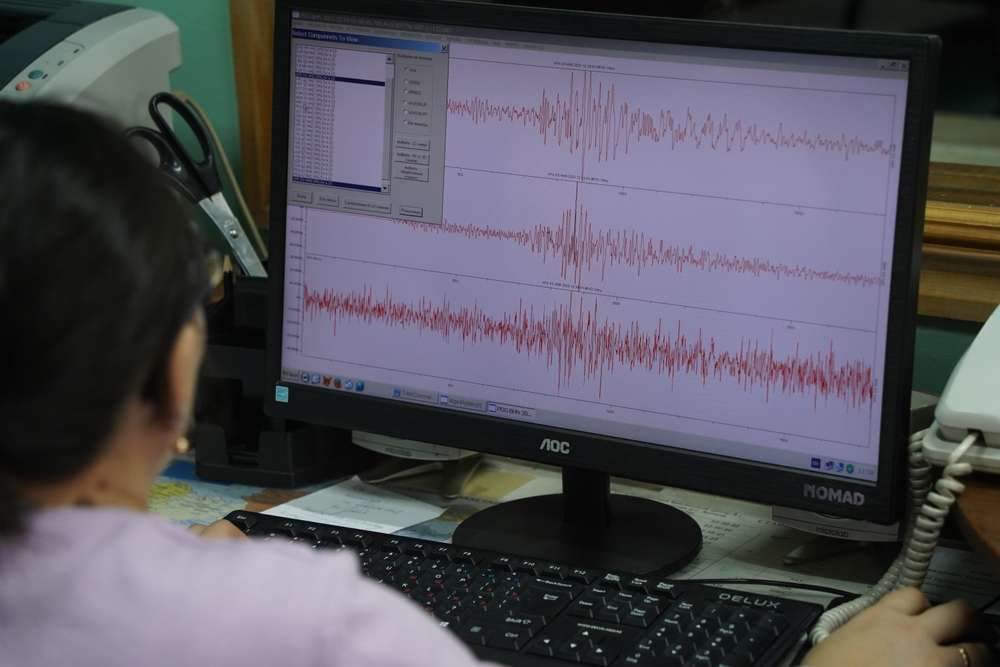
Seneca may be a tiny dot on the map, but it holds a fascinating place in scientific history. It was once a hub for geological research tied to the study of volcanic activity and earth sciences in the Pacific Northwest. The discoveries made here influenced modern seismology and environmental science worldwide. For travelers interested in offbeat U.S. destinations, Seneca offers a unique combination of small-town quiet and groundbreaking scientific legacy.
Moundville, Alabama
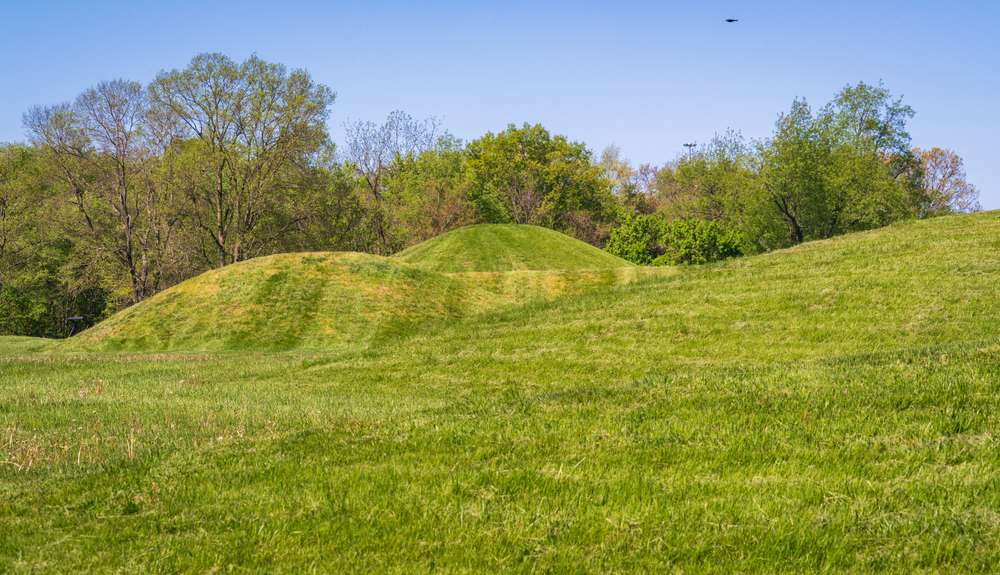
Long before European settlers arrived, Moundville was the center of a massive Mississippian culture civilization. The town is home to some of the most important ancient Native American earthworks in North America. At its peak, thousands lived here, and the society influenced trade, religion, and culture across the continent. Today, Moundville Archaeological Park allows visitors to explore this lost world, revealing how a small town shaped prehistoric America.
Harpers Ferry, West Virginia

Harpers Ferry was the site of John Brown’s 1859 raid, an event that intensified tensions leading to the Civil War. This small town at the confluence of the Potomac and Shenandoah rivers became a flashpoint for abolition and freedom. Beyond its Civil War legacy, Harpers Ferry has stunning natural beauty and hiking trails along the Appalachian Trail. It remains a powerful reminder of how one town’s history influenced global movements for freedom.
Pullman, Illinois
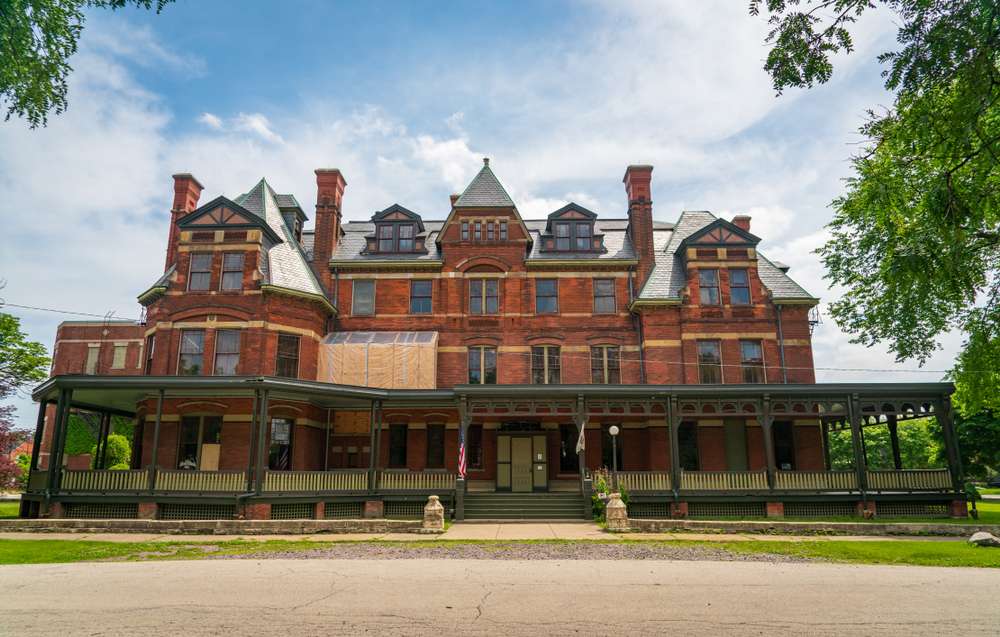
Pullman was a company town built in the late 19th century by industrialist George Pullman for his railroad car workers. Though innovative in design, it became a flashpoint for labor unrest during the Pullman Strike of 1894. The strike’s aftermath led to the establishment of Labor Day as a national holiday, influencing worker rights around the world. Today, Pullman is a National Monument, offering travelers insight into both architecture and labor history.
Dayton, Ohio
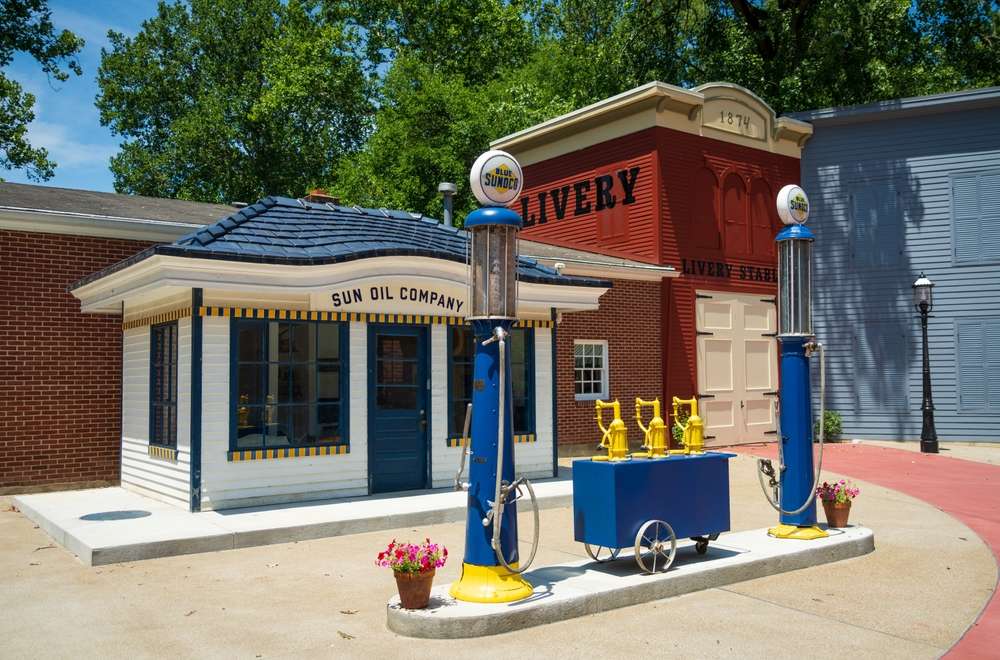
Dayton is another U.S. town tied to innovation, particularly in aviation. It was here that the Wright brothers ran their bicycle shop, experimenting with designs that would lead to the first powered airplane. Dayton also became a hub for industrial patents, holding more per capita than almost any other U.S. city. For travelers, Dayton offers museums and historical sites that celebrate a town whose ingenuity literally changed the way we travel.
Sturbridge, Massachusetts
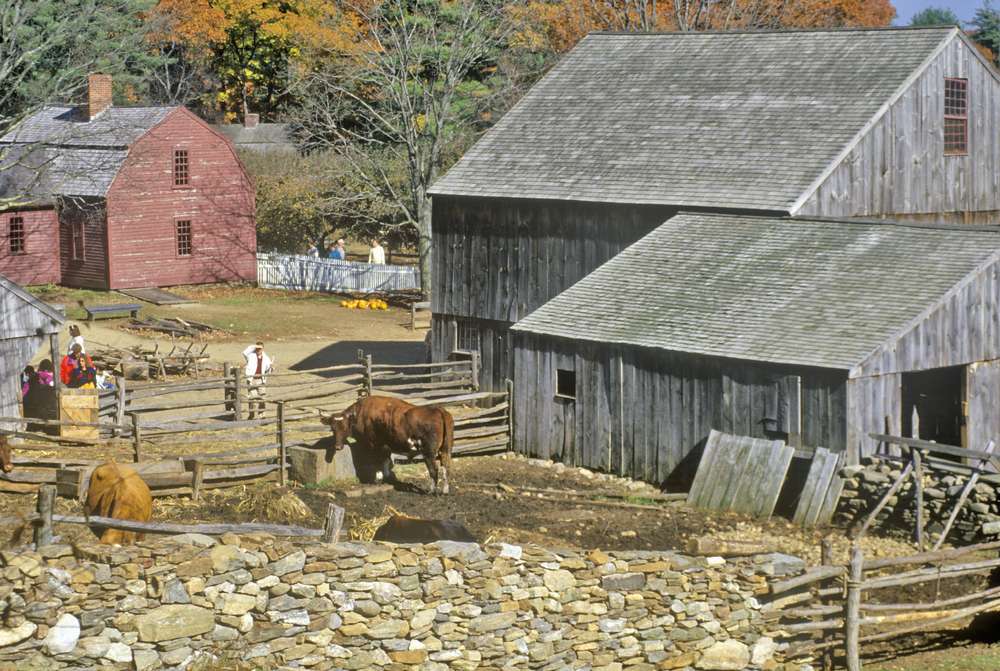
Though small, Sturbridge played a key role in preserving and interpreting American history for the world. Old Sturbridge Village, founded in the 1940s, became one of the first living history museums, influencing how historical education is presented globally. The immersive experience has inspired countless similar institutions worldwide. For travelers, it provides a unique chance to step into early 19th-century life and witness how a small town changed the way history is taught.
Golden, Colorado
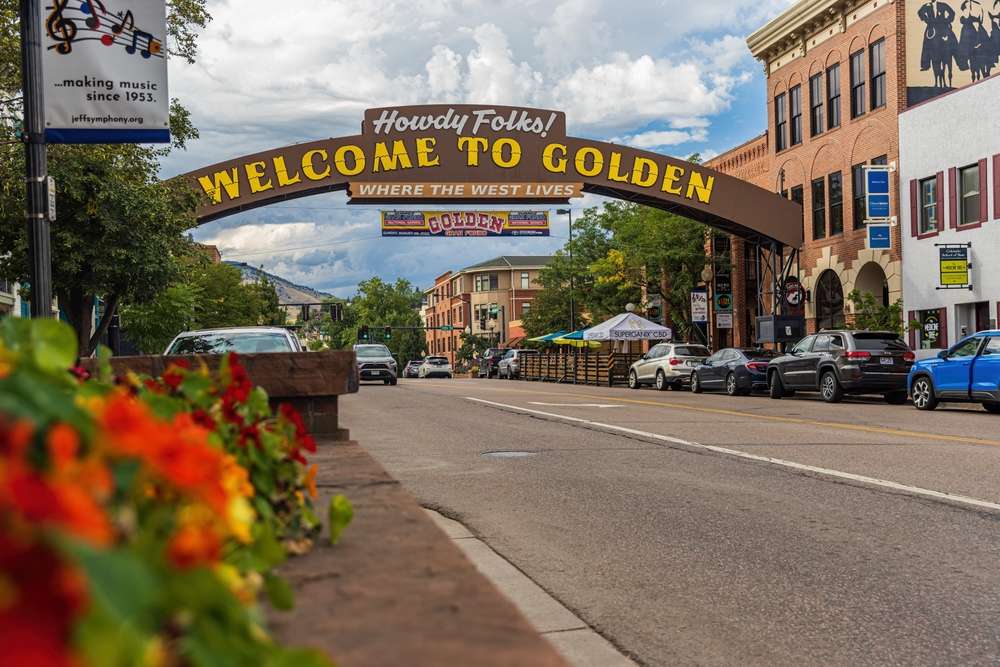
Golden is best known as the birthplace of Coors Brewing Company, but its influence extends far beyond beer. In the 19th century, Golden was a hub for mining and railroads, shaping Colorado’s role in westward expansion. It also became a center for higher education and geology, influencing scientific exploration of the Rocky Mountains. Today, travelers can enjoy both history and outdoor adventure in this mountain town that left a global mark.
Springfield, Vermont
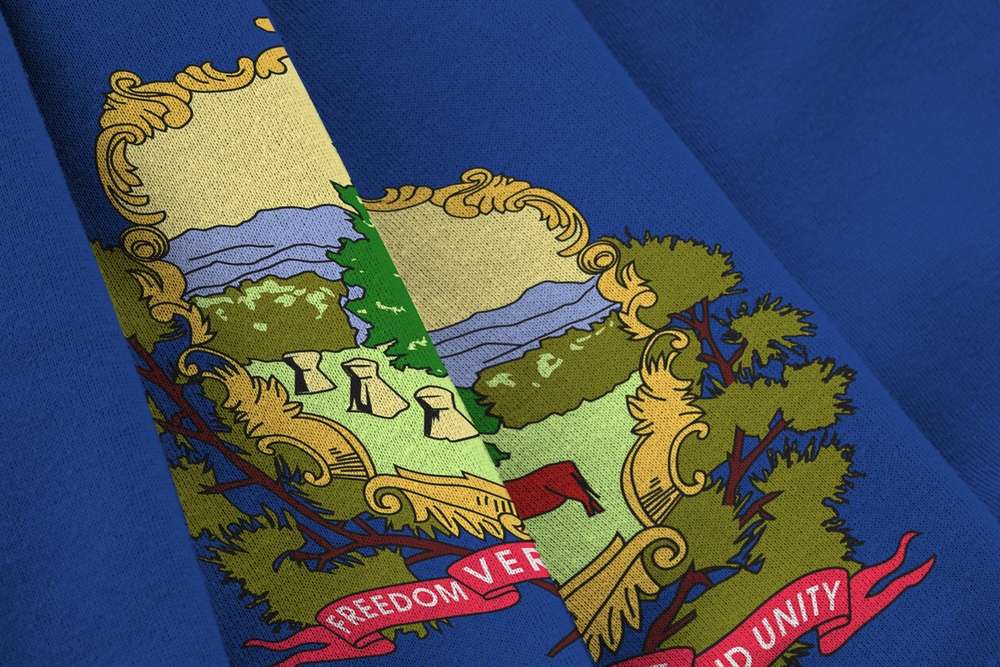
Springfield, Vermont, may not be widely known, but it was once an epicenter of precision machine tool innovation. The technology developed here helped fuel global advances in manufacturing during the 19th and 20th centuries. Its influence stretched from automobile production to aerospace engineering. Visitors can explore its historic factories and learn how this quiet New England town helped modern industry take flight.

Deborah Montiero is a seasoned travel writer and contributor to Probe the Globe. With a passion for uncovering hidden gems and sharing immersive travel experiences, Deborah’s work highlights must-visit destinations, insider tips, and practical advice for travelers of all types. Whether exploring bustling cities or remote escapes, her articles are crafted to inspire and inform, making her a trusted voice in the travel community.
Her storytelling weaves together cultural insights, logistical tips, and authentic experiences, making her a valuable resource for readers seeking unforgettable journeys.
When not writing, Deborah is likely researching the latest travel trends or planning her next adventure. Follow her work on Probe the Globe for fresh perspectives and up-to-date travel inspiration.