
20 U.S. Coastal Towns Locals Say Won’t Look the Same in 20 Years
America’s coastline has always been a place of beauty, opportunity, and constant change. Rising seas, shifting economies, tourism growth, and climate pressures are reshaping how coastal communities live and survive. Locals who know these places best often say the towns they grew up with may look very different in just a couple of decades. For U.S. travel enthusiasts, these 20 destinations offer both stunning scenery and a glimpse into the future of life along the water.
Miami Beach, Florida
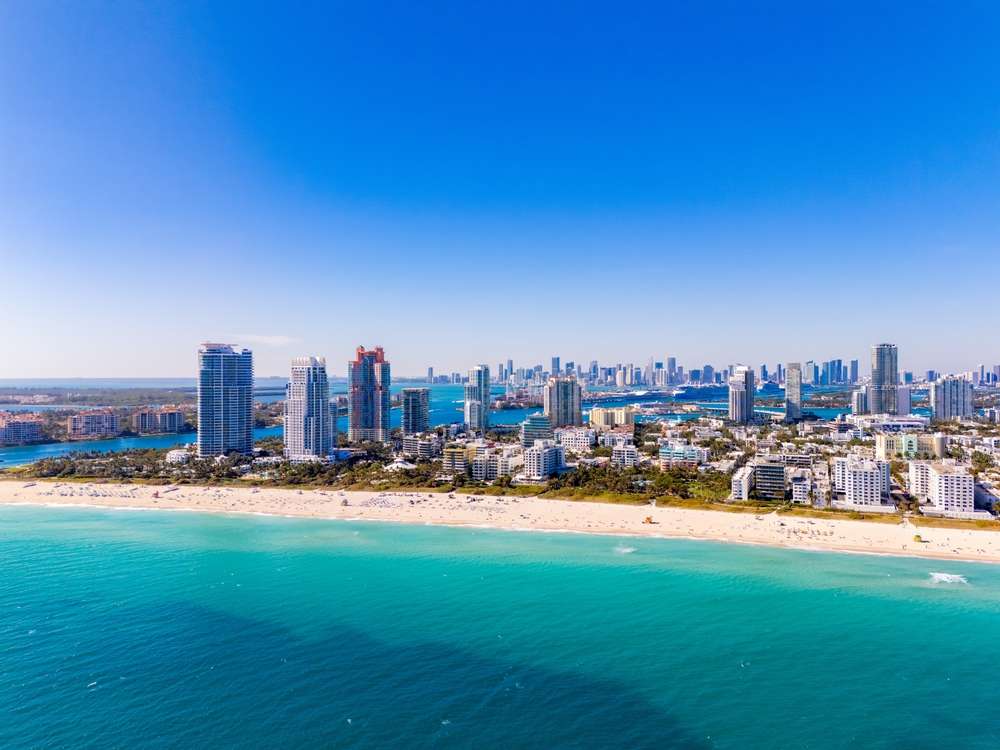
Miami Beach sits on the front lines of sea level rise, and residents already see the changes happening. Flooding during high tides has become routine, leading to massive investments in raised roads, pump systems, and infrastructure redesign. Locals say the skyline, transportation systems, and even neighborhood layouts will continue evolving. As a major U.S. travel destination, Miami Beach may look more engineered and fortified than ever, balancing tourism with survival.
New Orleans, Louisiana
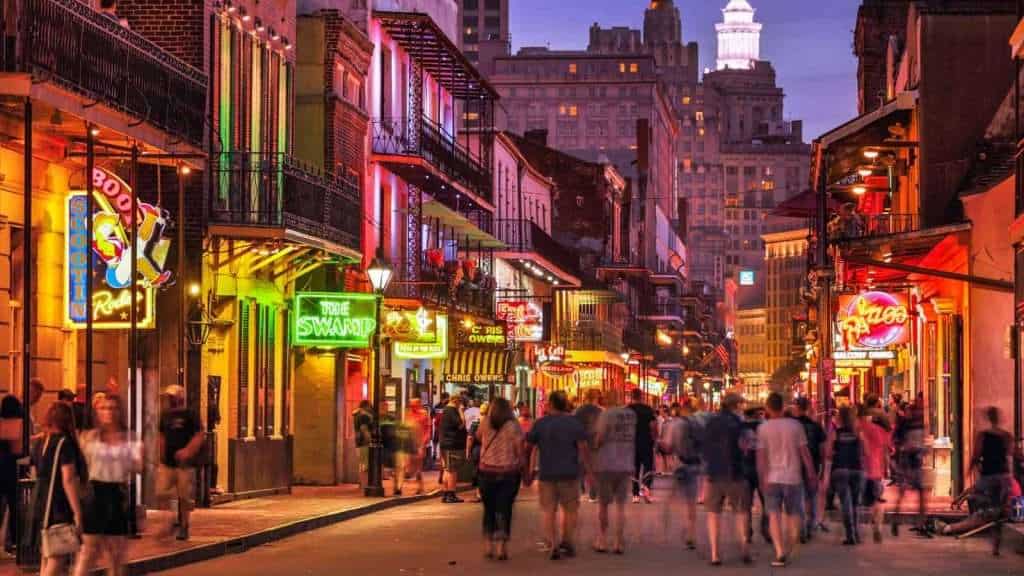
New Orleans has always lived with water, but locals believe the next 20 years will redefine that relationship. Coastal erosion and stronger storms threaten surrounding wetlands that once provided protection. Residents expect major changes in levees, housing design, and neighborhood boundaries. For travelers interested in American culture and history, New Orleans remains essential, but its physical footprint may shift significantly as adaptation becomes unavoidable.
Outer Banks, North Carolina
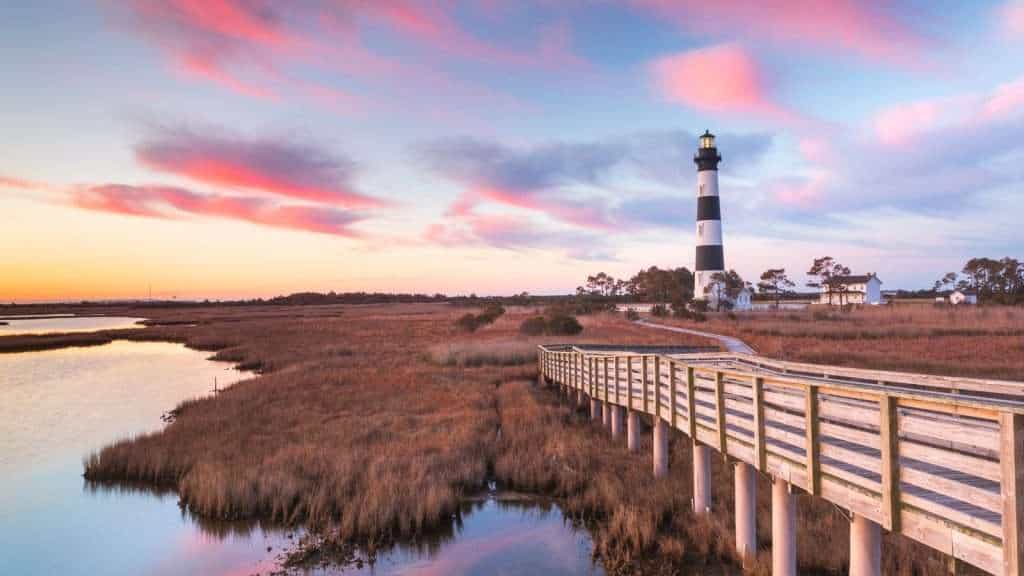
The Outer Banks are constantly reshaped by wind, waves, and storms, and locals know barrier islands are temporary by nature. Entire sections of highway have already been relocated due to erosion. Residents expect more homes to be moved or abandoned in the coming decades. As a popular East Coast travel destination, the Outer Banks may feel more fragmented and carefully managed in the future.
Venice, California
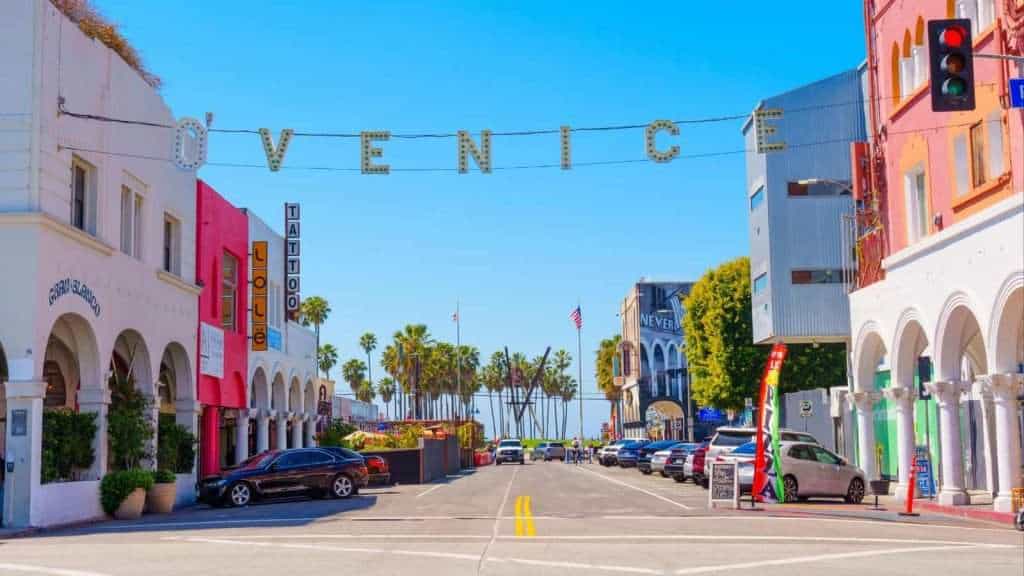
Venice blends beach culture with urban living, but locals say rising tides and development pressure are changing its character. Coastal flooding and infrastructure strain are pushing city planners to rethink drainage and housing density. Longtime residents fear the bohemian spirit may give way to more controlled, fortified design. For U.S. travel fans, Venice may still draw crowds, but the laid-back feel could look very different.
Charleston, South Carolina
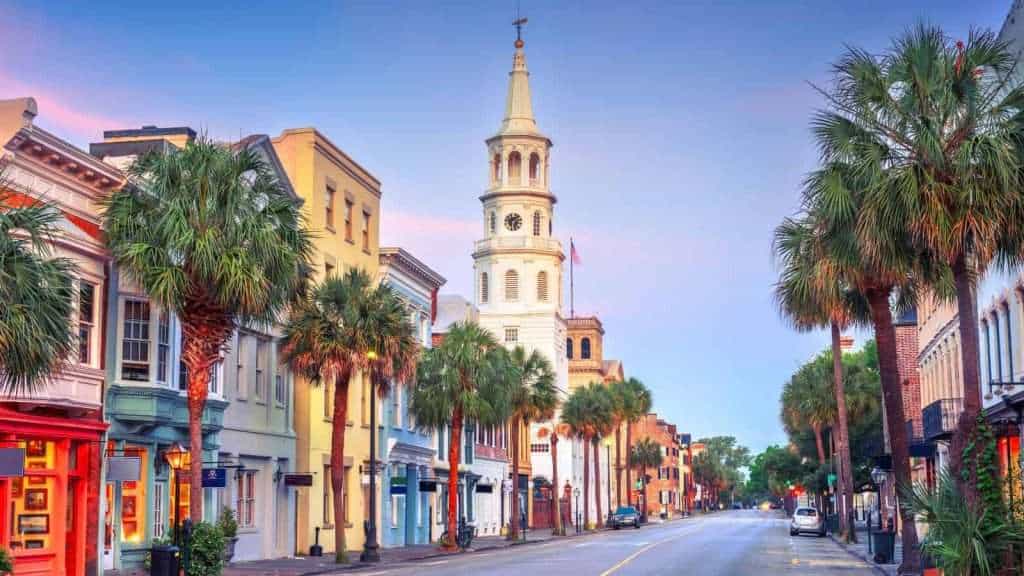
Charleston’s historic streets already experience regular flooding, and locals expect that to intensify. Preservation efforts now focus on raising buildings and reinforcing infrastructure without losing architectural identity. Residents say the city will likely become more vertical and more expensive. As a Southern travel destination, Charleston’s charm may remain, but its layout and access points will continue evolving.
Galveston, Texas

Galveston has faced hurricanes for generations, yet locals say future storms will demand larger protective measures. Discussions around seawalls, elevated neighborhoods, and coastal barriers are ongoing. Residents expect changes to how close development can remain to the shoreline. For U.S. travel, Galveston may transform into a more engineered island designed to withstand increasingly powerful weather.
Key West, Florida
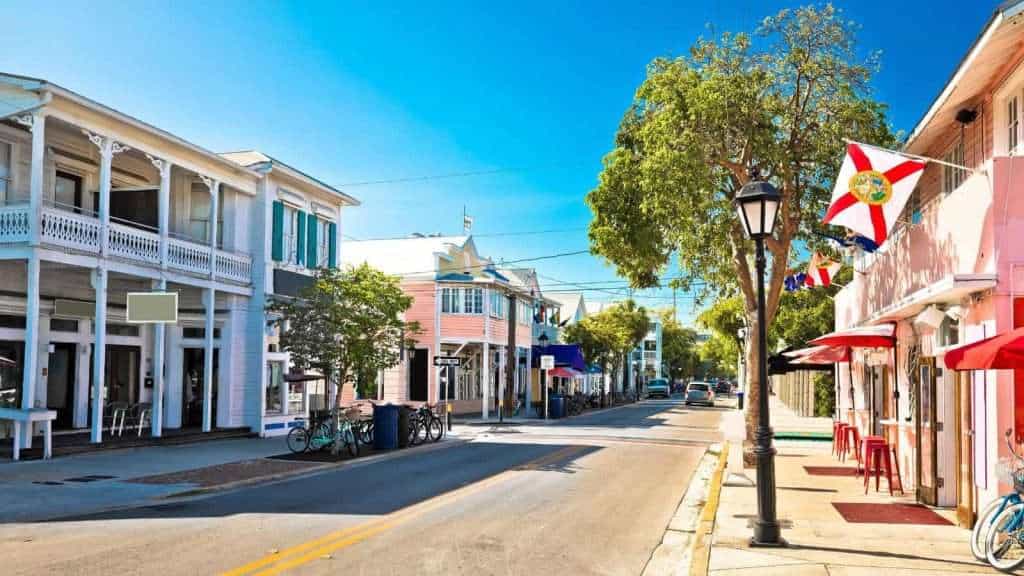
Key West’s compact footprint makes it especially vulnerable to rising seas. Locals already see flooding on sunny days, not just during storms. Many believe the town will rely heavily on elevated structures and restricted development. As a Florida travel destination, Key West may become more exclusive and less accessible, reshaped by environmental realities.
Santa Cruz, California
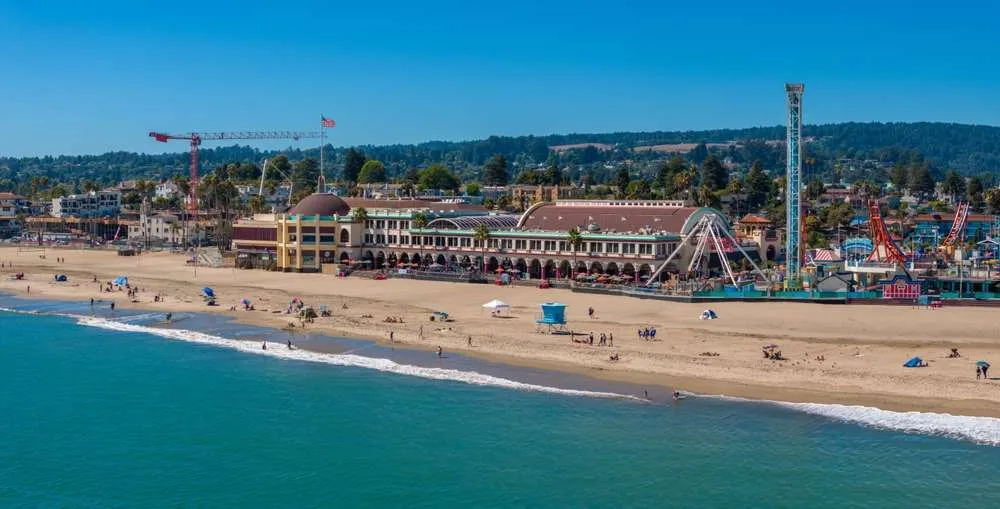
Santa Cruz faces coastal erosion that threatens cliffs, rail lines, and iconic beach areas. Locals expect shoreline access to change as protective measures increase. Surf culture remains strong, but infrastructure may shift inland. For West Coast travel enthusiasts, Santa Cruz may still feel vibrant, though its coastline could look noticeably altered in two decades.
Sanibel Island, Florida
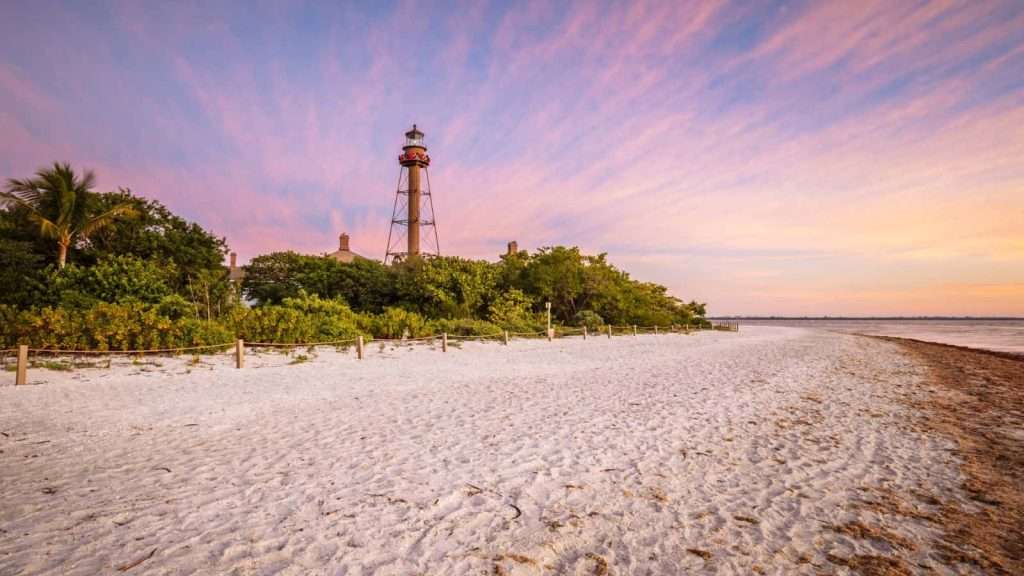
Sanibel Island has already seen dramatic change after major hurricanes, and locals believe recovery will continue redefining the island. Stronger building codes and reduced density are likely. Residents expect natural habitats to reclaim areas once developed. As a U.S. travel destination, Sanibel may lean more toward conservation-focused tourism than large-scale development.
Cape May, New Jersey

Cape May’s historic seaside charm faces pressure from rising seas and stronger coastal storms. Locals anticipate more aggressive dune systems and beach replenishment projects. Some worry about long-term affordability and accessibility. For East Coast travel lovers, Cape May may still charm visitors, but with more visible coastal defenses shaping the experience.
Monterey, California
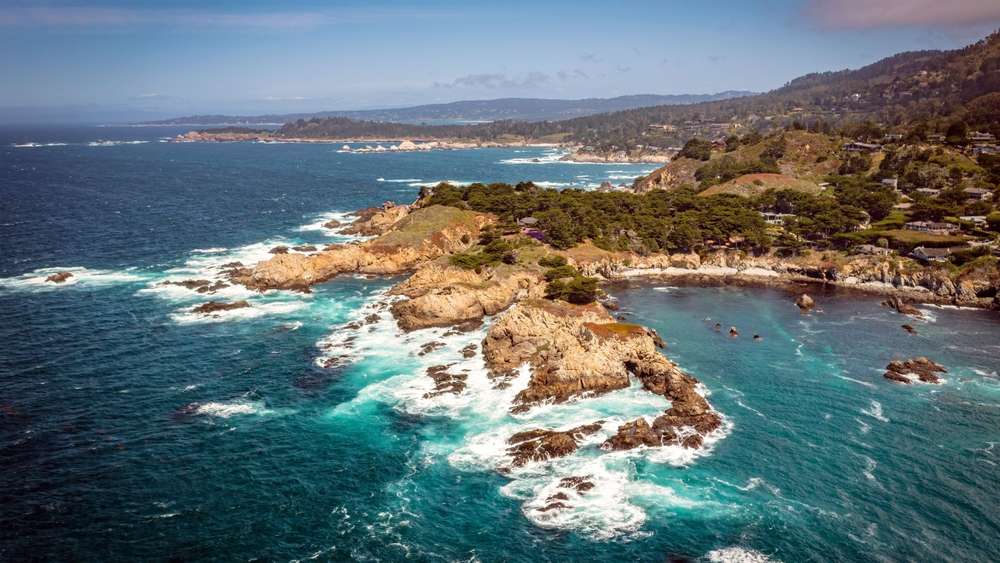
Monterey’s rugged coastline is already showing signs of erosion that concern residents. Locals expect stricter development limits and more investment in shoreline protection. The fishing and tourism industries may also evolve as ocean conditions change. As a California travel destination, Monterey’s scenery will remain stunning, though its relationship with the sea may feel more cautious.
Gulf Shores, Alabama
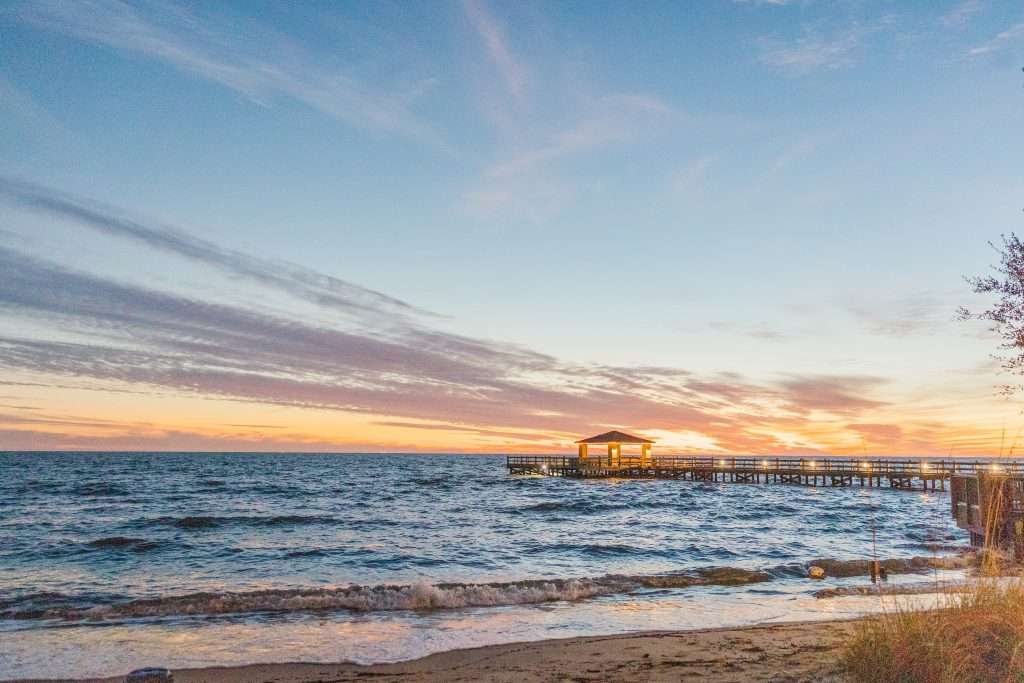
Gulf Shores depends heavily on beach tourism, yet locals know storms are reshaping the shoreline faster than before. Rebuilding efforts increasingly focus on resilience rather than expansion. Residents expect higher costs and stricter zoning. For U.S. travel, Gulf Shores may look more fortified, with fewer structures close to the water.
Rockport, Texas

Rockport was dramatically impacted by Hurricane Harvey, and locals say that event permanently changed the town’s outlook. Reconstruction has emphasized stronger buildings and smarter planning. Many expect continued shifts in population and industry. As a Texas coastal travel destination, Rockport may evolve into a more resilient but smaller community.
Hilton Head Island, South Carolina

Hilton Head’s carefully planned layout may change as sea levels rise and marshes expand. Locals anticipate updates to infrastructure and possibly reduced beachfront development. Conservation efforts are becoming more central to future planning. For U.S. travel enthusiasts, Hilton Head may feel greener and more regulated than in the past.
Mendocino, California
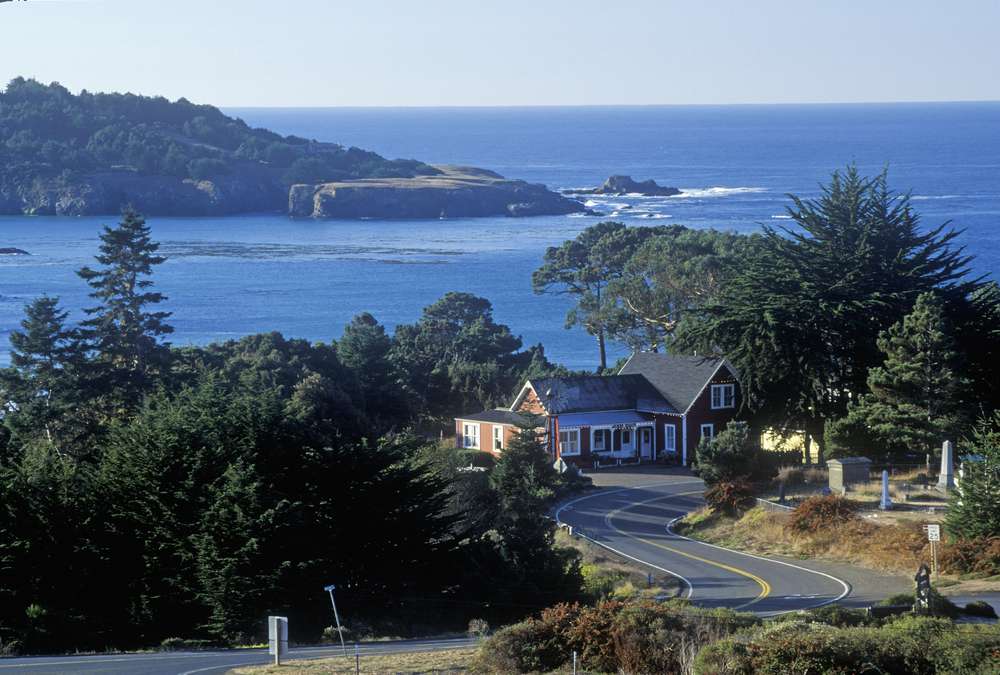
Mendocino’s dramatic cliffs are slowly retreating due to erosion, a reality locals watch closely. Development restrictions are expected to tighten further. Residents believe access points and scenic overlooks may shift inland. As a Northern California travel destination, Mendocino’s beauty will remain, but its edges may look less permanent.
Port Aransas, Texas
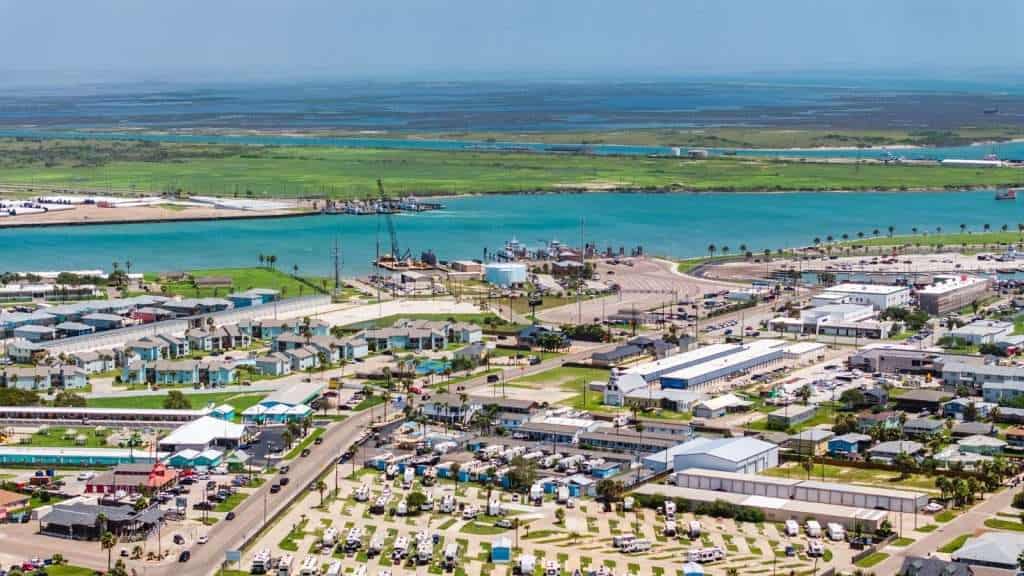
Port Aransas has rebuilt multiple times after hurricanes, and locals expect that cycle to continue. Elevated homes and stricter building codes are becoming standard. Some residents believe the town will shrink as rebuilding costs rise. For Gulf Coast travel, Port Aransas may look more modern and less densely populated.
Tybee Island, Georgia

Tybee Island already struggles with flooding and beach erosion, issues locals expect to worsen. Plans include expanded dune systems and raised infrastructure. Some neighborhoods may face hard decisions about long-term viability. As a U.S. travel destination near Savannah, Tybee’s future may involve more natural buffers and fewer vulnerable structures.
Bar Harbor, Maine
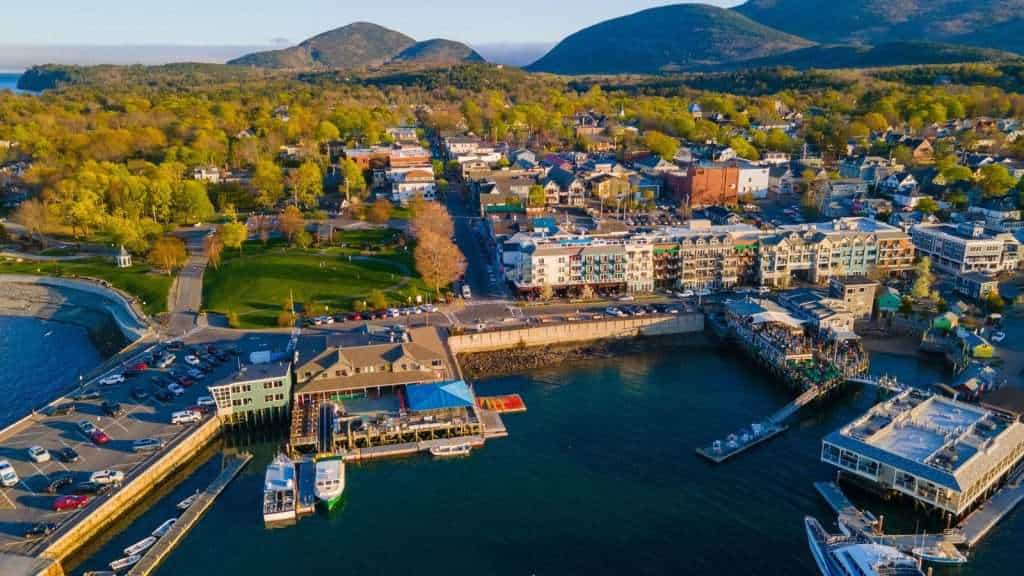
Bar Harbor’s rocky coastline offers some protection, but locals still expect changes from rising seas and tourism pressure. Infrastructure updates and crowd management may reshape the town’s feel. Residents anticipate a shift toward sustainability-focused travel. For New England travel fans, Bar Harbor may become more regulated but still deeply scenic.
Nantucket, Massachusetts
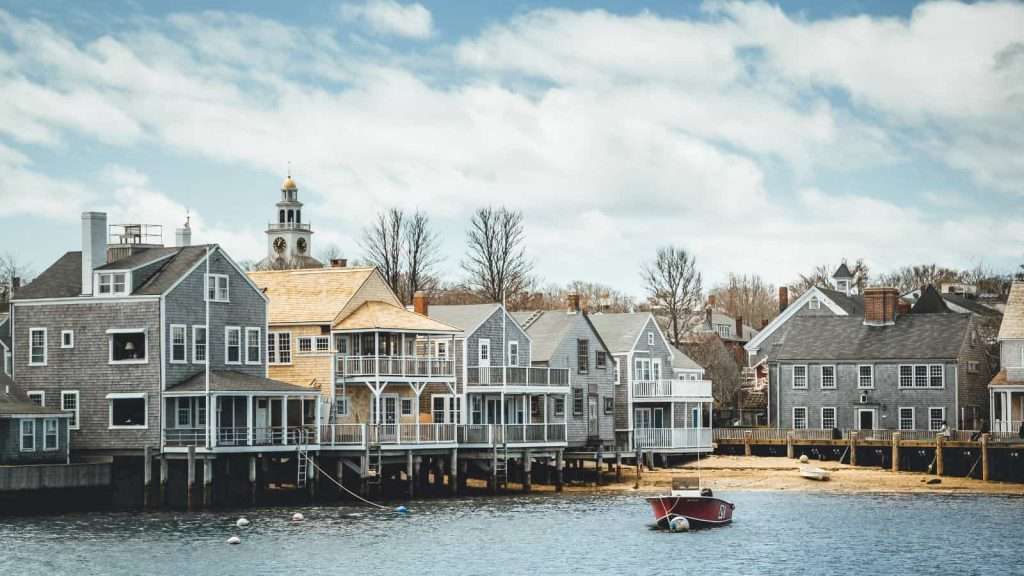
Nantucket’s isolation amplifies its vulnerability. Locals say coastal erosion threatens iconic cliffs and beaches. Infrastructure upgrades may change how the island handles transportation and utilities. Housing affordability continues to shape who can live there year-round. For U.S. travel lovers, Nantucket’s character may evolve toward seasonal luxury rather than community life.
Provincetown, Massachusetts
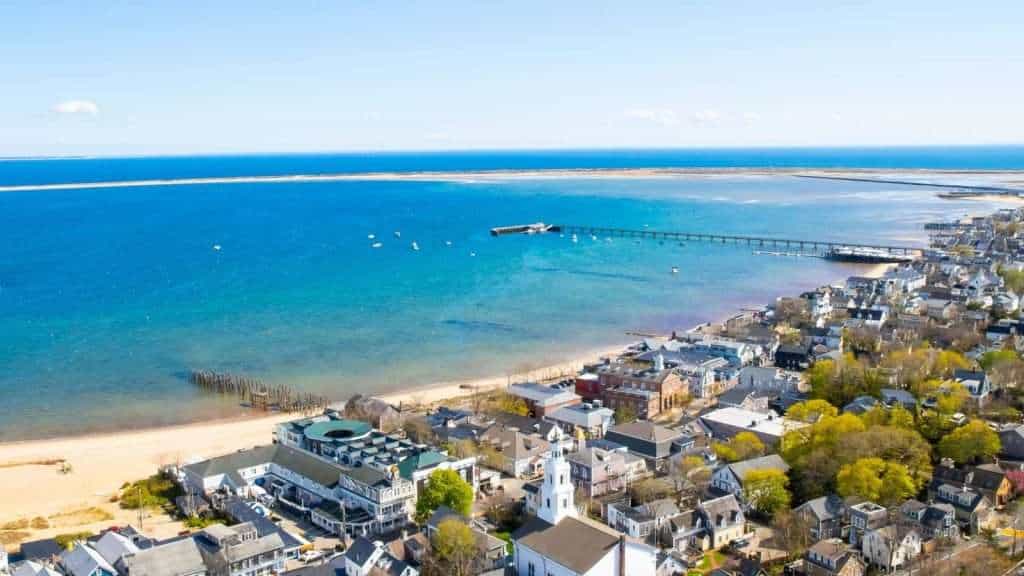
Provincetown sits at the tip of Cape Cod, exposed to changing seas. Locals report increasing flooding and storm damage. Businesses are adapting with elevated structures and revised layouts. Cultural identity remains strong, but physical space may shift. As a U.S. travel destination, Provincetown could look familiar while feeling more engineered.

Deborah Montiero is a seasoned travel writer and contributor to Probe the Globe. With a passion for uncovering hidden gems and sharing immersive travel experiences, Deborah’s work highlights must-visit destinations, insider tips, and practical advice for travelers of all types. Whether exploring bustling cities or remote escapes, her articles are crafted to inspire and inform, making her a trusted voice in the travel community.
Her storytelling weaves together cultural insights, logistical tips, and authentic experiences, making her a valuable resource for readers seeking unforgettable journeys.
When not writing, Deborah is likely researching the latest travel trends or planning her next adventure. Follow her work on Probe the Globe for fresh perspectives and up-to-date travel inspiration.