22 Beaches With Shockingly Dangerous Currents That Look Totally Calm
Beaches often represent relaxation, warm sand, and gentle waves, making them some of the most popular U.S. travel destinations year after year. However, many beaches that appear peaceful hide powerful ocean forces beneath the surface. Rip currents, tidal surges, and unexpected undertows are responsible for thousands of rescues annually, often catching swimmers off guard because the water looks deceptively calm. Understanding where these dangers exist can make the difference between a perfect beach day and a serious emergency. We take a look at 22 Beaches With Shockingly Dangerous Currents That Look Totally Calm
Hanakapiai Beach, Hawaii

Hanakapiai Beach on Kauai is stunning, with golden sand and seemingly gentle surf that draws visitors in. Despite its calm appearance, this beach is notorious for powerful rip currents and unpredictable wave patterns. There is no offshore reef to break incoming swells, allowing ocean energy to hit the shore directly. Numerous drownings have occurred here, often involving strong swimmers. For U.S. travel enthusiasts visiting Hawaii, this beach is a clear reminder that visual calm does not equal safety.
Carmel River State Beach, California

Carmel River State Beach looks serene, especially on clear days when the water appears smooth and inviting. Beneath the surface, however, dangerous rip currents form where the river meets the ocean. These currents can pull swimmers quickly offshore with little warning. The cold Pacific water further increases risk by limiting endurance. This California beach is a popular stop along scenic U.S. travel routes, but swimming here requires extreme caution.
Daytona Beach, Florida

Daytona Beach is known for its wide shoreline and family-friendly reputation, but its currents can be surprisingly dangerous. The gradual slope of the beach allows rip currents to form far from shore, catching swimmers who feel comfortable wading out. Sudden drop-offs beneath the water can intensify the pull. Lifeguards perform frequent rescues here, often involving tourists unfamiliar with Atlantic Ocean conditions. Calm waves can mask serious hazards at this Florida destination.
Ocean Beach, San Francisco

Ocean Beach stretches for miles and often looks calm when fog rolls in and waves appear small. In reality, this beach has some of the strongest rip currents in California. The cold water, deep shoreline, and shifting sandbars create unpredictable conditions. Even experienced swimmers have gotten into trouble here. Visitors exploring coastal U.S. travel destinations near San Francisco should admire this beach from shore rather than entering the water.
Panama City Beach, Florida
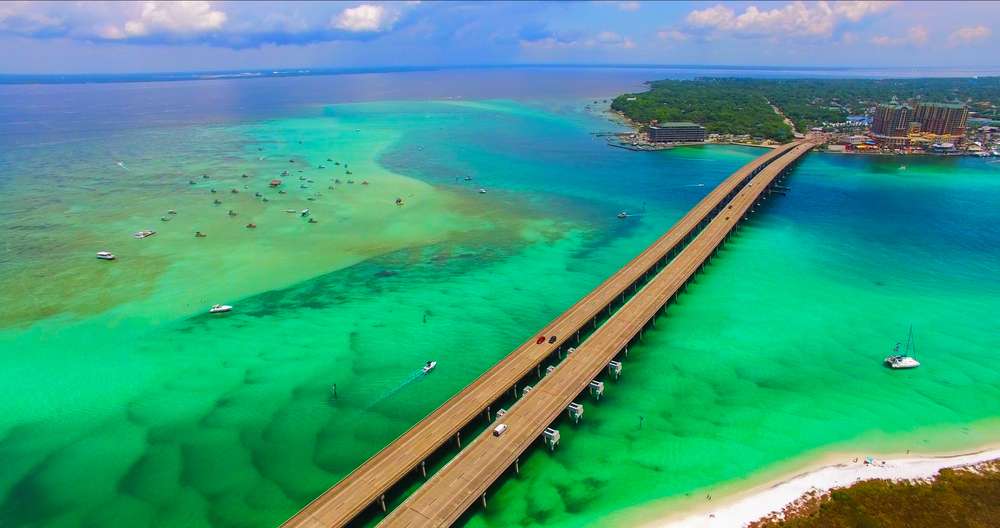
Panama City Beach frequently appears tranquil, with emerald-green water and gentle surf that attracts swimmers. Despite this appearance, it is one of the deadliest beaches in the United States due to rip currents. Weather changes offshore can generate powerful pulls without affecting surface wave size. Many rescues involve visitors unfamiliar with Gulf Coast currents. This beach highlights how calm water visuals can be misleading during Florida vacations.
Rockaway Beach, New York

Rockaway Beach is a popular escape for New York City residents, offering long stretches of sand and seemingly manageable waves. The Atlantic currents here can change rapidly, especially near jetties and sandbars. Rip currents form even on days with minimal wave activity. Swimmers are often surprised by how quickly they are pulled away from shore. For East Coast U.S. travel, Rockaway demonstrates hidden dangers beneath calm surfaces.
Cape Hatteras National Seashore, North Carolina

Cape Hatteras appears peaceful, with wide beaches and rolling dunes that create a relaxed atmosphere. Beneath the surface, it is one of the most dangerous swimming areas in the country. The meeting point of the Gulf Stream and Labrador Current creates strong, shifting currents. These forces are often invisible from shore. Despite calm-looking water, swimming here is risky and requires close attention to warnings and conditions.
La Jolla Shores, California

La Jolla Shores often looks like a perfect swimming beach, especially on sunny Southern California days. The wide bay and gentle waves give a false sense of security. However, rip currents regularly form along the shoreline, especially near deeper channels. These currents can exhaust swimmers quickly. Visitors enjoying U.S. travel along the California coast should not underestimate how calm-looking water can still pose serious threats.
Siesta Key Beach, Florida
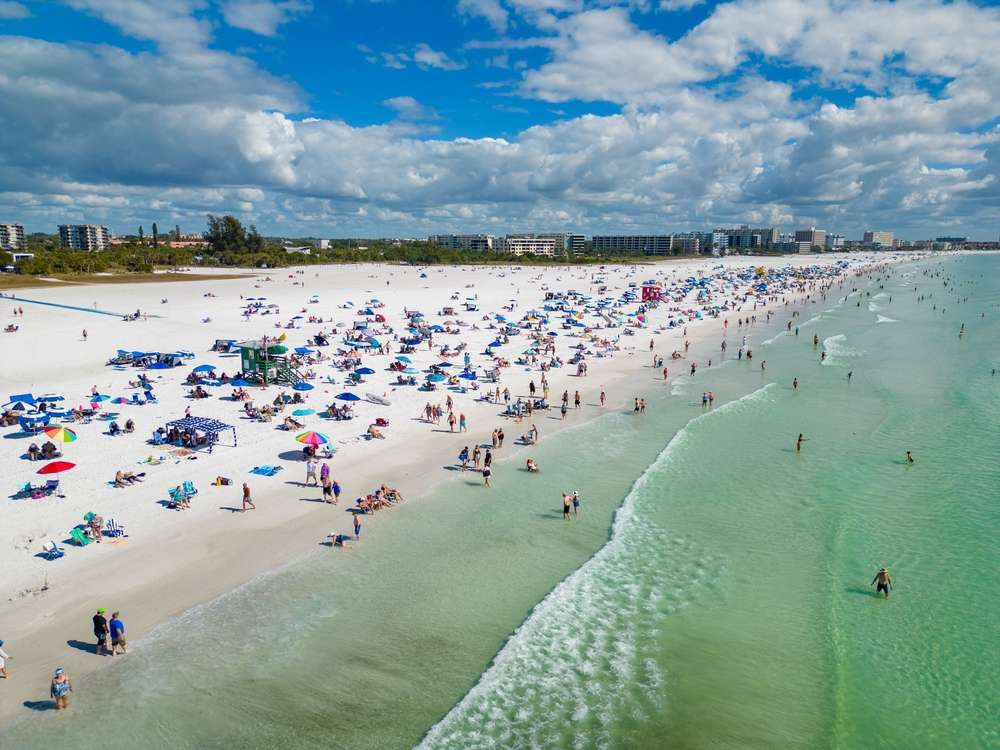
Siesta Key is famous for its soft white sand and clear water, which often appears calm and shallow. Despite this, strong rip currents can develop during weather shifts or distant storms. Swimmers sometimes venture too far out, unaware of increasing pull beneath them. The gentle appearance encourages complacency. This beach remains a reminder that even award-winning U.S. travel beaches can hide dangerous ocean behavior.
Sandy Hook, New Jersey

Sandy Hook offers sweeping ocean views and calm stretches of shoreline that feel inviting to swimmers. The peninsula’s shape creates complex tidal movements and rip currents that can change quickly. Calm conditions at the surface do not reflect the underwater flow. Many rescues involve visitors unfamiliar with local conditions. This beach is a popular U.S. travel destination near major cities, making awareness especially important.
Makapuʻu Beach, Hawaii

Makapuʻu Beach often looks calm compared to nearby surf-heavy beaches, especially during certain seasons. The steep shoreline and lack of protective reef allow strong shore break and rip currents to form. Swimmers are frequently knocked off balance or pulled seaward. Despite clear water and scenic views, this beach has a long rescue history. Visitors to Hawaii should recognize that calm water color does not mean safe swimming.
Assateague Island National Seashore, Maryland

Assateague Island is known for wild horses and peaceful scenery, but its waters are far from gentle. Rip currents frequently develop along this stretch of the Atlantic, even when waves are small. The beach’s isolation can delay rescue response times. Many visitors underestimate the power of open ocean conditions here. As a U.S. travel destination, Assateague requires extra respect for water safety.
Point Reyes National Seashore, California
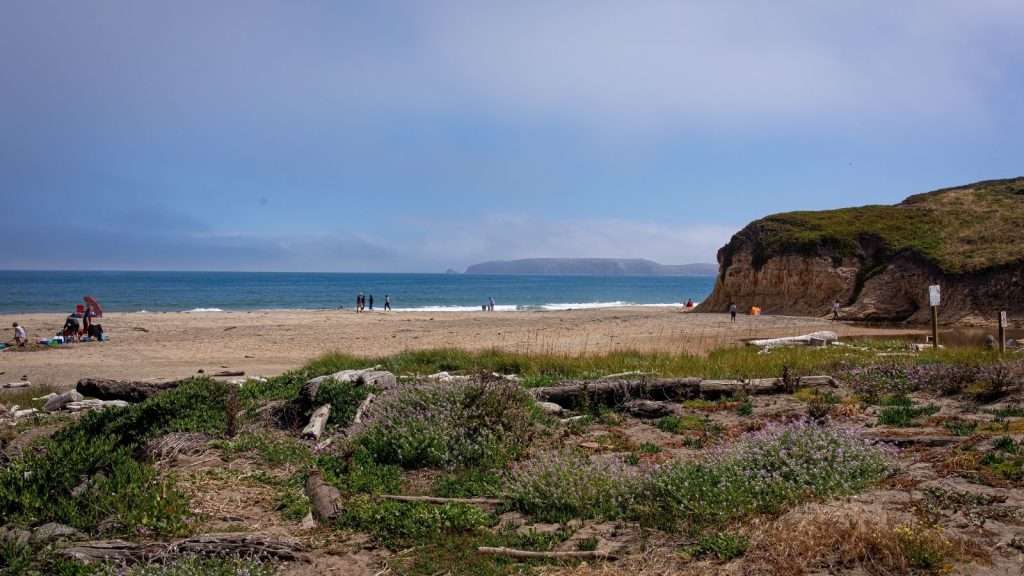
Point Reyes features dramatic coastal views and quiet beaches that often appear calm and empty. Cold water temperatures and strong rip currents make swimming extremely dangerous. The shoreline drops off quickly, increasing current strength near shore. Fog and wind can also disorient swimmers. This Northern California destination is best appreciated visually, as entering the water carries significant risk despite the peaceful appearance.
South Padre Island, Texas
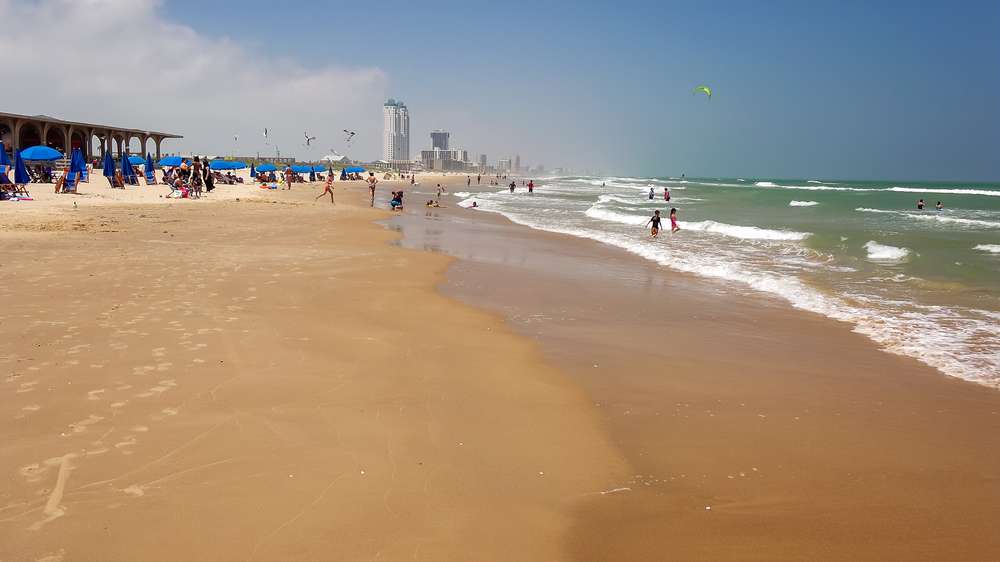
South Padre Island often enjoys calm, warm water that encourages swimming and wading. Underneath the surface, longshore currents and rip currents form unexpectedly. These currents can pull swimmers parallel to shore, leading to exhaustion. Visitors unfamiliar with Gulf dynamics may not recognize warning signs. For Texas coastal U.S. travel, this beach highlights how inviting conditions can mask real danger.
Virginia Beach, Virginia

Virginia Beach is a major U.S. travel hub with wide shores and typically mild-looking surf. Despite this, rip currents regularly form, especially near piers and sandbars. Many incidents occur on days with low wave height, surprising swimmers. Strong tides amplify current strength beneath the surface. Lifeguards stress awareness because calm-looking water often leads to underestimating risk here.
Kalaloch Beach, Washington

Kalaloch Beach on the Olympic Peninsula often appears calm due to its wide shoreline and gentle waves. The Pacific currents here are strong and cold, creating dangerous undertows. Logs carried by tides add additional hazards. Swimmers quickly lose strength in the cold water, even when conditions look manageable. This Washington beach is a striking example of deceptive calm along U.S. travel routes.
Folly Beach, South Carolina

Folly Beach has a relaxed, inviting atmosphere with water that often looks smooth and shallow. Strong rip currents form near jetties and during tidal changes. Swimmers can be pulled away before realizing what’s happening. Many rescues involve visitors unfamiliar with Atlantic conditions. This South Carolina beach reinforces the importance of understanding ocean behavior beyond surface appearance.
Cannon Beach, Oregon
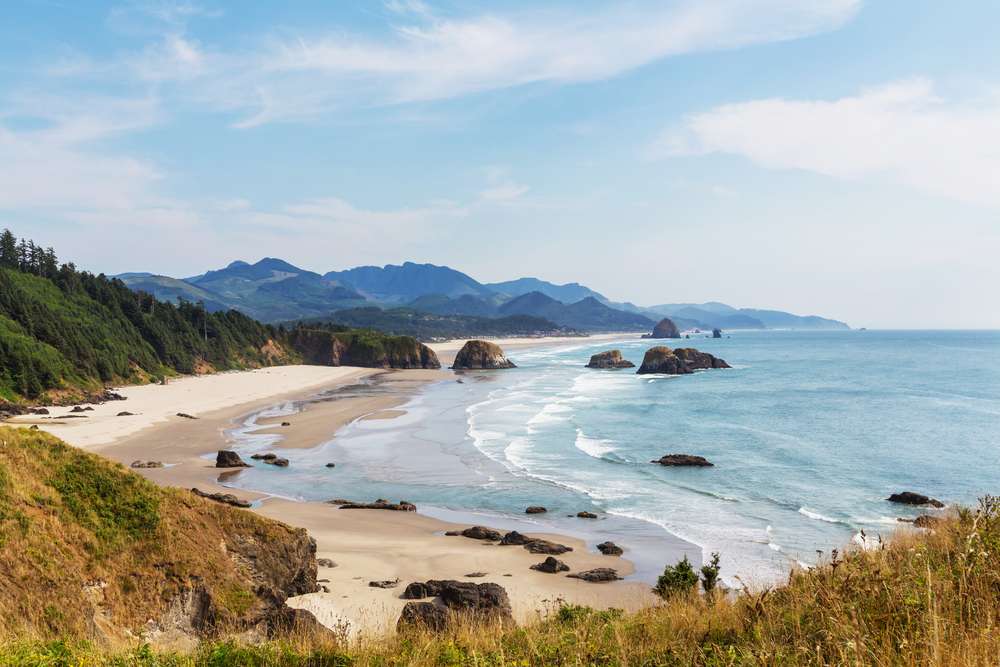
Cannon Beach appears peaceful, especially during low surf conditions. Beneath the surface, strong currents and cold water create hazardous swimming conditions. The expansive shoreline hides deep channels that intensify rip currents. Visitors are often tempted to wade out due to calm visuals. For Pacific Northwest U.S. travel, Cannon Beach is better suited for walking and sightseeing than swimming.
Myrtle Beach, South Carolina
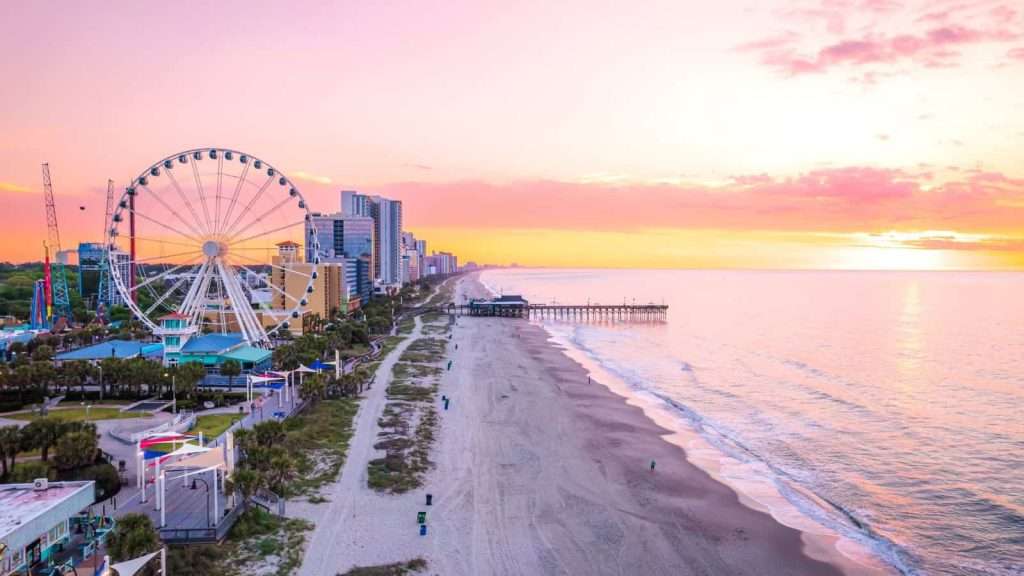
Myrtle Beach often looks calm due to its gradual slope and wide shoreline. Rip currents frequently form along this stretch of coast, especially after storms. Many swimmers are caught off guard by sudden pull away from shore. The popularity of this destination increases rescue incidents involving tourists. Calm surface conditions here can be misleading for inexperienced ocean swimmers.
Huntington Beach, California

Huntington Beach is known for surf culture, but calmer days still present risks. Rip currents form along sandbars even when waves appear small. Swimmers sometimes assume gentle conditions equal safety. The strong Pacific currents challenge even confident swimmers. As a major Southern California U.S. travel destination, Huntington Beach demonstrates that calm water does not eliminate danger.
Gulf Shores, Alabama
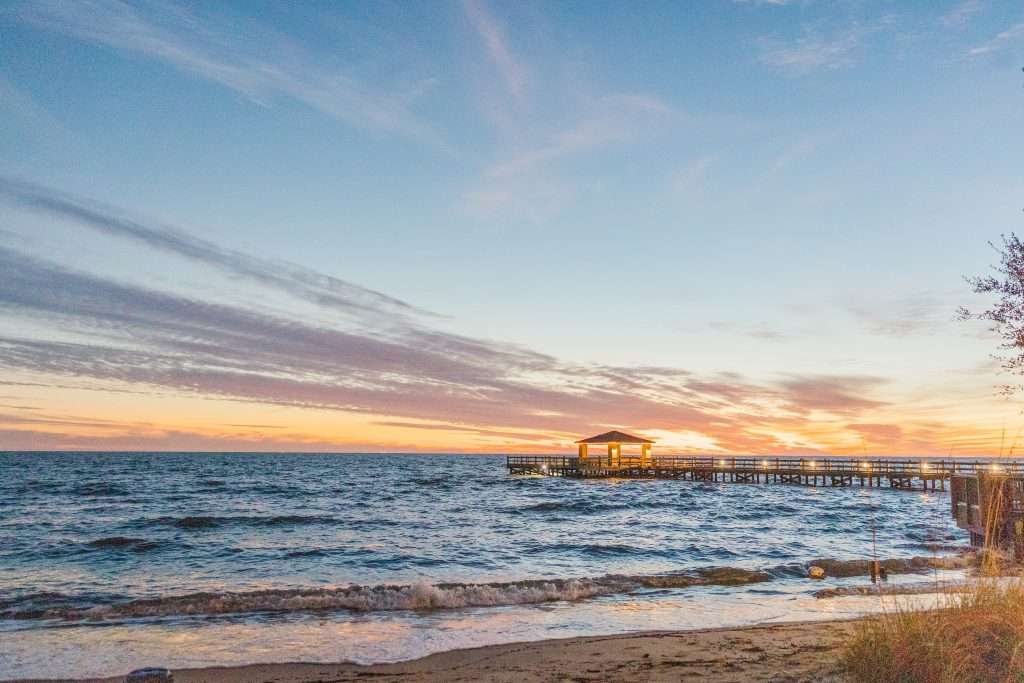
Gulf Shores often features smooth, glassy water that attracts families and casual swimmers. Despite this, rip currents form regularly, particularly during seasonal weather shifts. Many visitors do not recognize warning flags or understand current behavior. Calm appearances increase complacency. This beach underscores why water awareness is critical during Gulf Coast vacations.
Montauk Point, New York

Montauk Point looks tranquil, with scenic bluffs and rolling waves that seem manageable. The convergence of ocean currents creates strong, unpredictable movement beneath the surface. Swimmers can be pulled quickly into deeper water. Cold temperatures limit endurance. For northeastern U.S. travel, Montauk serves as a powerful reminder that calm visuals often hide intense ocean forces.

Deborah Montiero is a seasoned travel writer and contributor to Probe the Globe. With a passion for uncovering hidden gems and sharing immersive travel experiences, Deborah’s work highlights must-visit destinations, insider tips, and practical advice for travelers of all types. Whether exploring bustling cities or remote escapes, her articles are crafted to inspire and inform, making her a trusted voice in the travel community.
Her storytelling weaves together cultural insights, logistical tips, and authentic experiences, making her a valuable resource for readers seeking unforgettable journeys.
When not writing, Deborah is likely researching the latest travel trends or planning her next adventure. Follow her work on Probe the Globe for fresh perspectives and up-to-date travel inspiration.