25 American Towns Where the Sirens Seem to Go Off Way Too Often
For travelers exploring small towns and cities across the country, the rhythm of daily life is often part of the experience. In some places, however, that rhythm includes the frequent sound of emergency sirens, which can surprise visitors expecting quiet streets or sleepy neighborhoods. These sirens don’t always signal constant danger, but they often reflect unique local conditions tied to geography, infrastructure, or public services.
Gary, Indiana
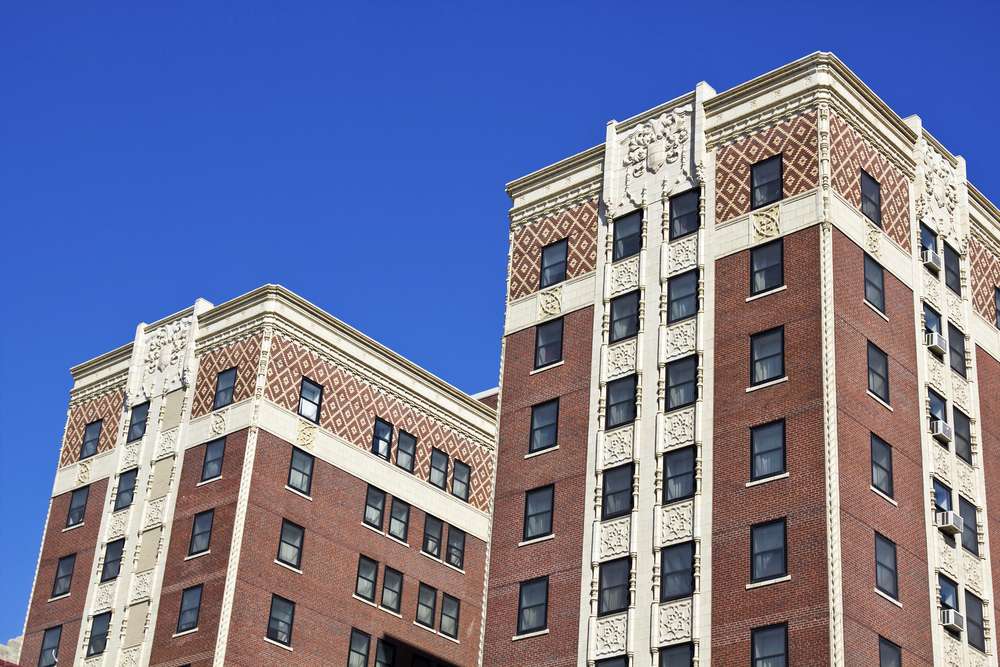
Gary is often noted by travelers for how frequently sirens echo through different neighborhoods. The city’s proximity to major highways, industrial corridors, and rail lines contributes to a steady flow of emergency responses. Locals point out that multiple fire stations and medical facilities serve a compact area, increasing audible siren activity. For U.S. travel visitors passing through, the sound can feel constant, especially during evening hours when traffic incidents and emergency calls tend to rise.
Camden, New Jersey

Camden’s sirens are a regular part of the city’s soundscape. The town’s dense layout, combined with busy roadways and nearby bridges connecting to Philadelphia, leads to frequent emergency responses. Ambulances and fire trucks often travel short distances, but the noise carries far due to tightly packed streets. Travelers unfamiliar with the area often comment on how often sirens are heard even during daytime sightseeing.
Atlantic City, New Jersey

Atlantic City’s tourism-driven economy brings large crowds, which in turn increases emergency calls. Sirens are often heard responding to incidents along the boardwalk, casino districts, and nearby highways. Medical emergencies involving visitors are common, especially during peak travel seasons. Travelers staying overnight often notice that sirens remain active well into the early morning hours.
Flint, Michigan

Flint’s sirens are frequently attributed to a combination of aging infrastructure and concentrated medical facilities. Emergency vehicles travel main roads repeatedly throughout the day. Locals are accustomed to the sound, but visitors often find it noticeable during short stays. For U.S. travel explorers interested in Rust Belt cities, Flint’s sirens reflect the challenges of maintaining public services in a compact urban environment.
Chicago, Illinois
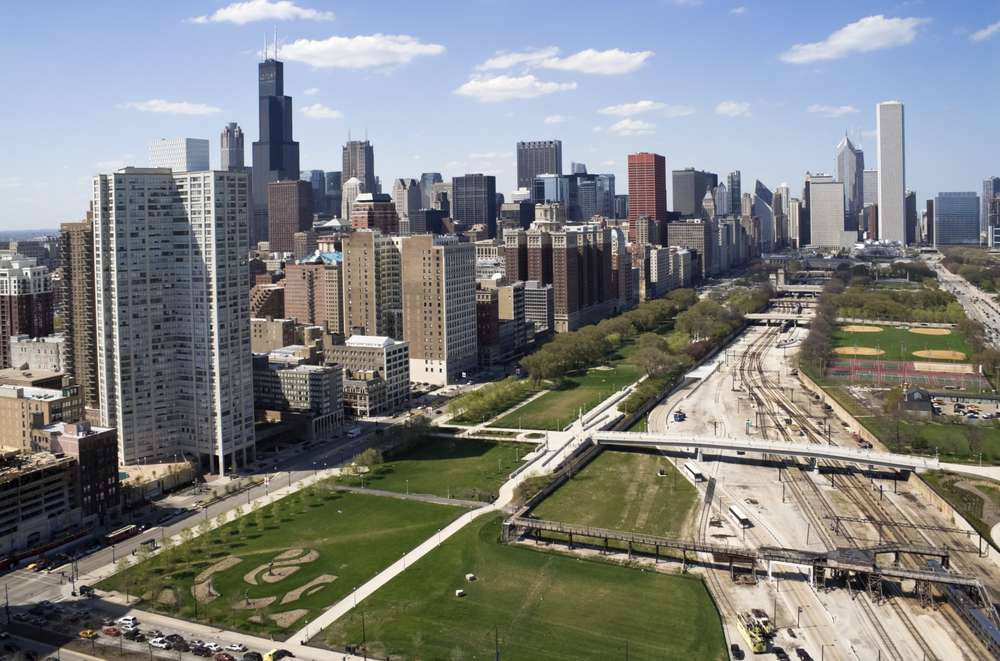
Chicago’s size alone guarantees frequent emergency vehicle activity, but certain neighborhoods experience it more intensely. Dense residential blocks, elevated train lines, and heavy traffic amplify siren noise. Fire stations and hospitals are spread throughout the city, meaning sirens often travel only short distances before reaching their destination. Visitors staying near downtown, medical campuses, or nightlife districts may notice sirens cutting through conversations at all hours. Seasonal weather extremes, from heat waves to winter storms, further increase emergency calls across the city.
Baltimore, Maryland
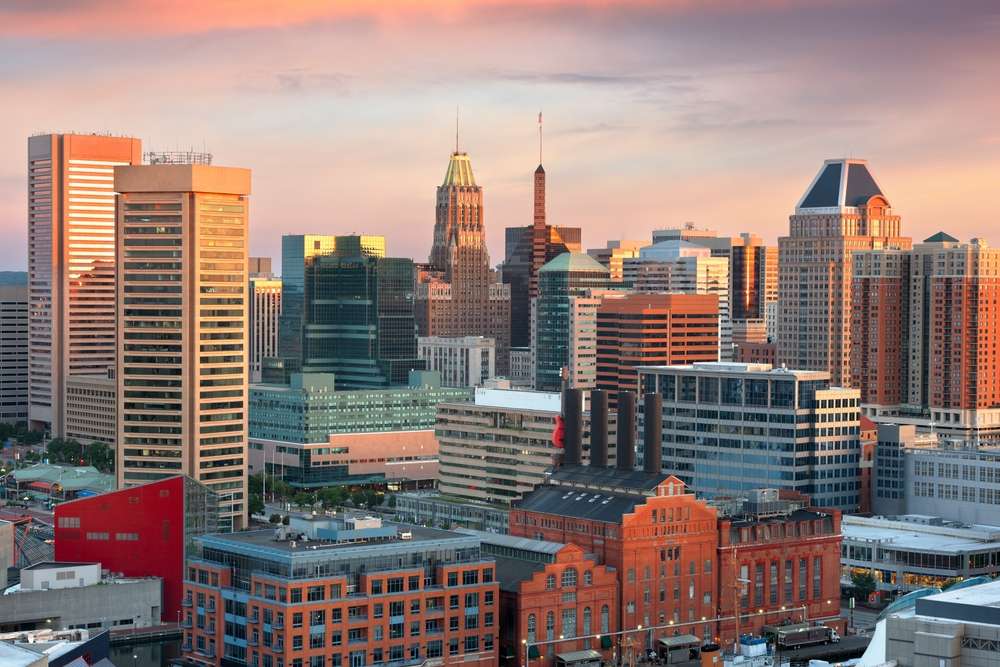
Baltimore’s sirens are part of everyday life, particularly in central neighborhoods and near major medical centers. The city has several trauma hospitals that receive emergency transports around the clock. Sirens are often heard late at night as ambulances move through residential streets. For U.S. travel visitors, the sound can be surprising given the city’s historic architecture and waterfront areas.
New Orleans, Louisiana
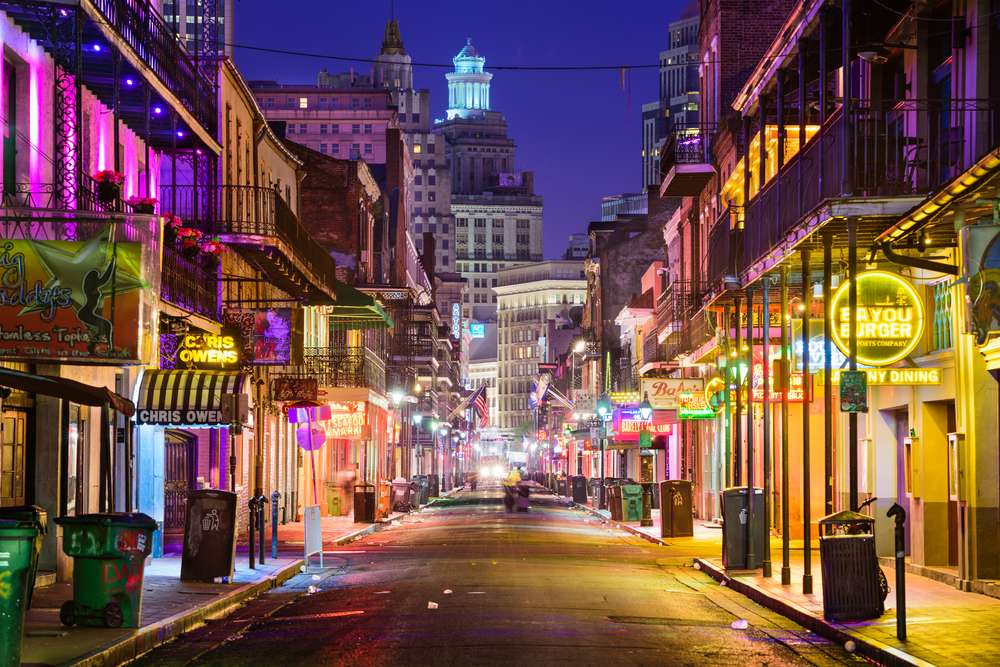
New Orleans experiences frequent siren activity due to tourism, large events, and narrow streets. Emergency vehicles regularly navigate crowded areas like the French Quarter and surrounding neighborhoods. Medical responses increase during festivals and weekends. Travelers often notice that sirens are a constant backdrop, even during early morning hours.
Detroit, Michigan

Detroit’s size and spread-out layout require emergency vehicles to cover long distances. Sirens are common near major roads, hospitals, and industrial areas. Locals note that emergency responses increase during peak traffic times. For visitors exploring Detroit as part of U.S. travel itineraries, the sirens can feel frequent but reflect the city’s scale and infrastructure.
Los Angeles, California

Los Angeles stretches endlessly, but sirens seem to connect its vast neighborhoods nonstop. Freeways, surface streets, and residential areas all carry emergency traffic at every hour. Fire responses are especially common due to wildfire risk, heat-related incidents, and traffic accidents. For travelers staying near major hospitals, entertainment districts, or coastal highways, sirens are part of the soundscape. The city’s reliance on car travel also means accidents occur frequently, keeping emergency services constantly in motion across the region.
Stockton, California
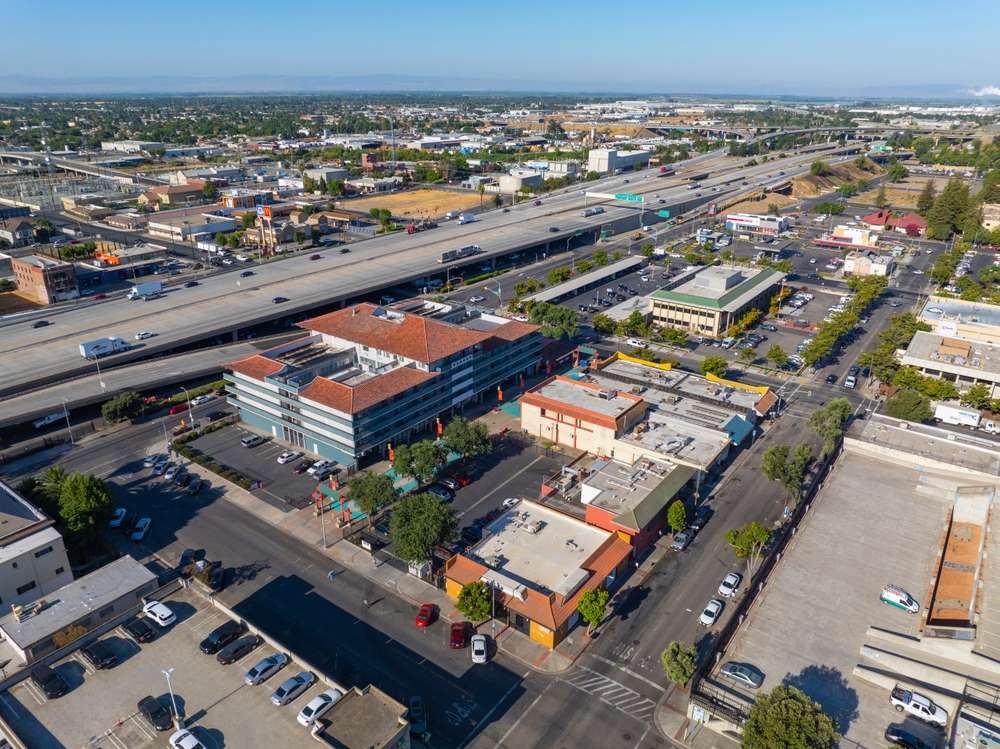
Stockton’s sirens are often linked to traffic accidents along major routes and a high volume of medical calls. Emergency vehicles frequently move through residential areas to reach hospitals. Locals say the sound is most noticeable during evening hours. For travelers exploring California beyond major coastal cities, Stockton’s sirens stand out.
Memphis, Tennessee

Memphis has several major hospitals and busy transportation corridors, contributing to frequent siren use. Emergency vehicles regularly travel through residential and commercial areas alike. Locals are accustomed to the sound, but visitors often mention it as part of the city’s atmosphere. Sirens are especially common near downtown and midtown neighborhoods.
Oakland, California
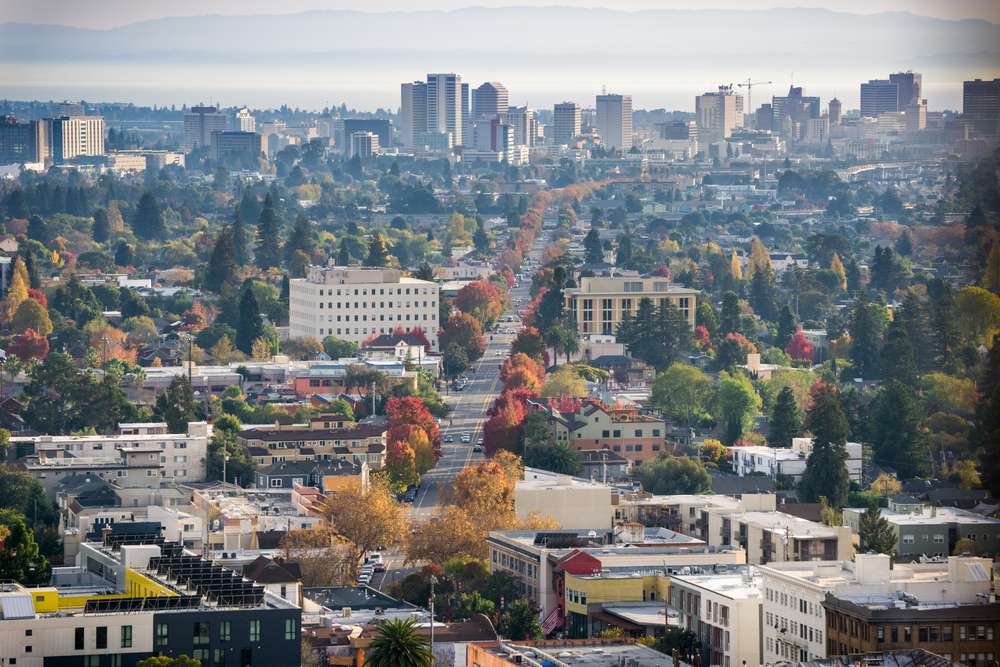
Oakland’s dense neighborhoods and proximity to major highways create steady emergency vehicle movement. Sirens are frequently heard day and night, particularly near medical centers and transit routes. Travelers exploring the Bay Area often notice Oakland’s sirens more than in surrounding suburbs. The sound reflects the city’s constant activity.
San Francisco, California

San Francisco’s compact layout and steep hills amplify sound, making sirens feel more frequent than they may actually be. Emergency vehicles navigate narrow streets shared with cable cars, cyclists, and heavy foot traffic. Tourists staying near downtown, Union Square, or major transit corridors often comment on how sirens echo off buildings late into the night. The city’s dense population, combined with ongoing construction and tourism traffic, creates constant demand for emergency response services throughout the day.
St. Louis, Missouri
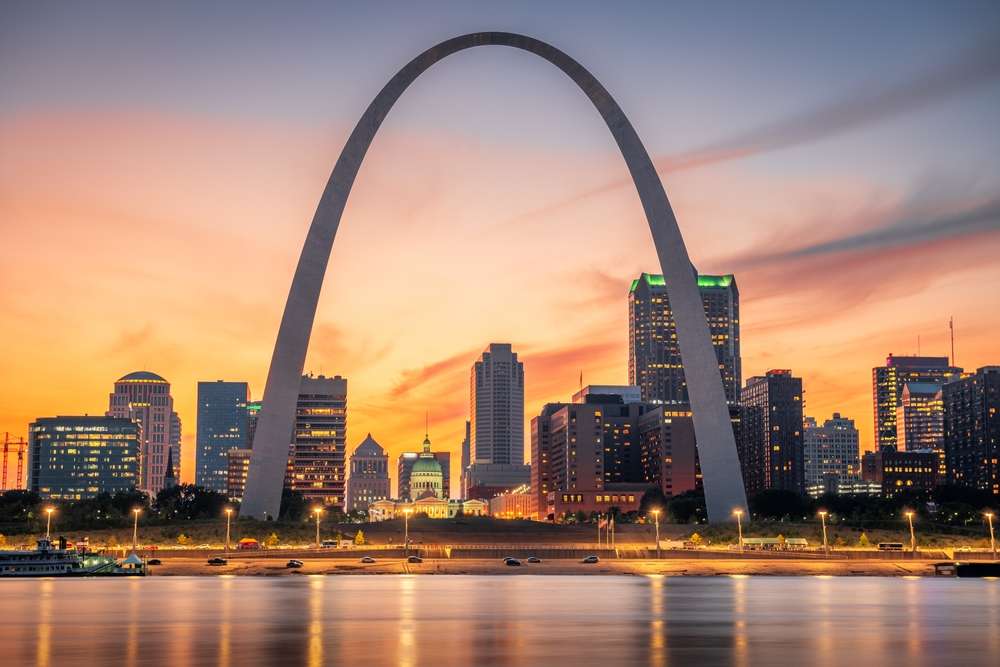
St. Louis experiences frequent sirens, especially near downtown and hospital districts. Major highways intersect the city, increasing emergency responses to accidents. Sirens are a regular part of the nighttime environment. Travelers exploring historic neighborhoods often comment on how often emergency vehicles pass by.
Cleveland, Ohio
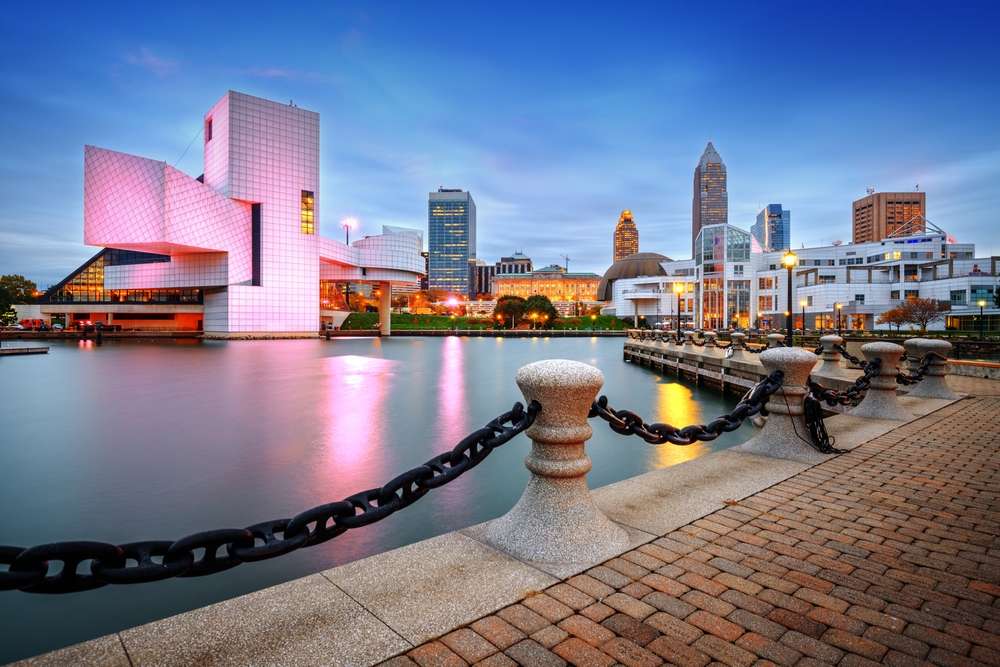
Cleveland’s medical campuses and aging infrastructure contribute to frequent emergency activity. Ambulances regularly travel between hospitals, residential areas, and major highways. For U.S. travel visitors staying near downtown or lakefront districts, sirens often punctuate evenings and early mornings. Weather-related emergencies during winter storms also increase response volume, making sirens a common sound throughout the year.
Bakersfield, California

Bakersfield’s location along major highways contributes to frequent emergency responses. Traffic accidents and medical transports are common, leading to regular siren use. Locals say the sound is especially noticeable near downtown and hospital corridors. Travelers passing through California’s Central Valley often remark on the constant activity.
Camden, South Carolina

Camden’s sirens surprise visitors expecting a quieter small-town environment. The presence of major roadways and regional medical services increases emergency traffic. Fire and ambulance sirens are often heard throughout the day. For U.S. travel visitors, the contrast between the town’s size and siren frequency stands out.
Fresno, California
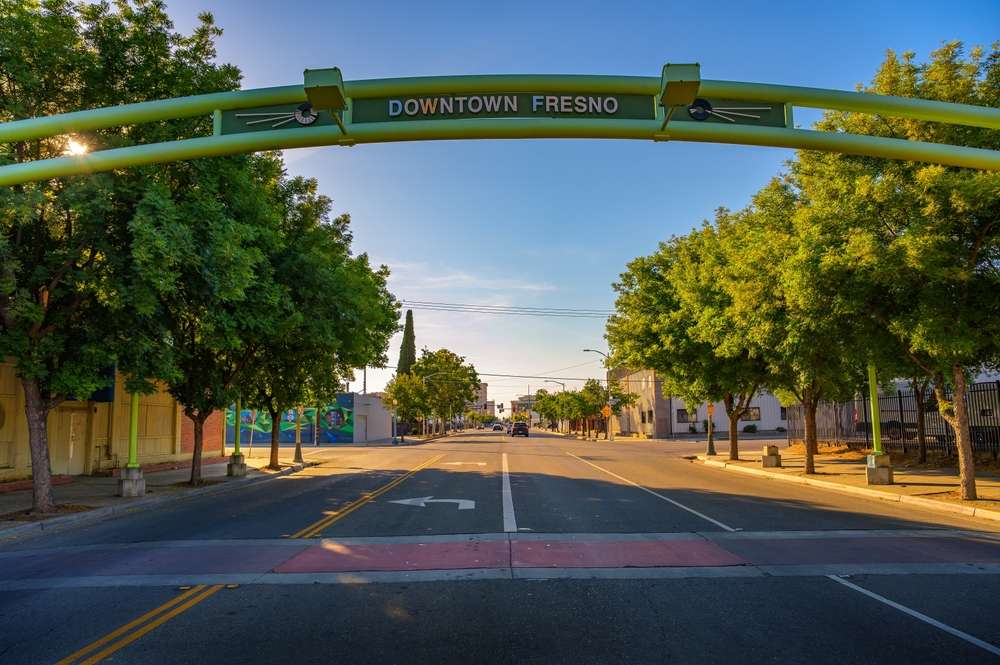
Fresno’s large population and central location make it a hub for emergency services. Sirens are common near hospitals and busy intersections. Locals note increased activity during extreme heat, when medical calls rise. Travelers exploring inland California often notice how frequently sirens interrupt otherwise calm neighborhoods.
Atlanta, Georgia
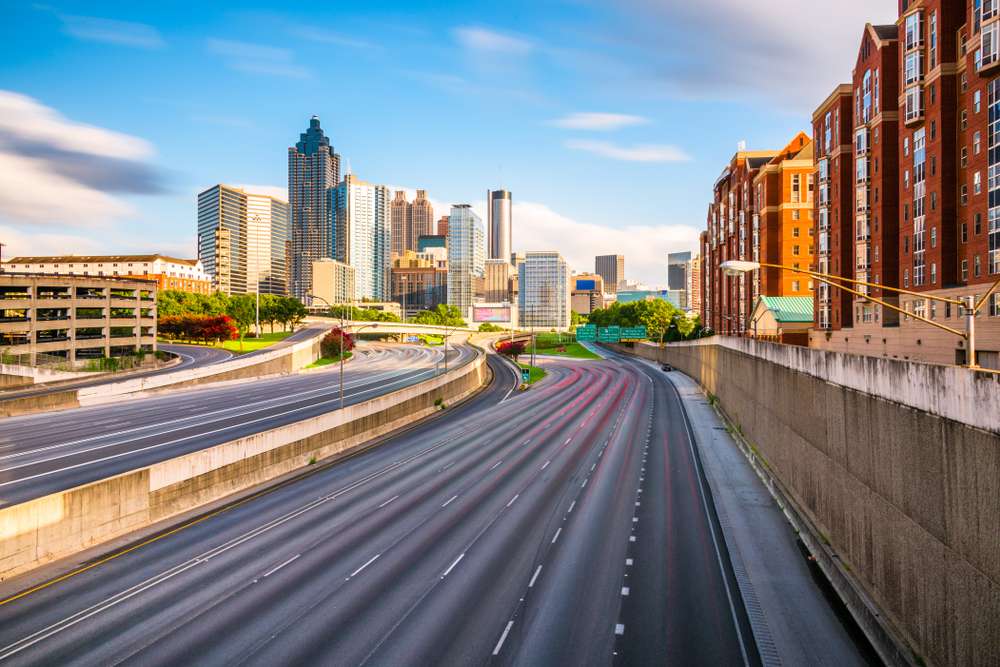
Atlanta’s heavy traffic alone generates a steady stream of emergency responses. Sirens cut through congested highways, surface streets, and dense residential areas throughout the day. Visitors staying near downtown, medical centers, or entertainment districts often hear sirens frequently. Construction, commuter congestion, and large event crowds all contribute to Atlanta’s constant emergency activity.
Newark, New Jersey
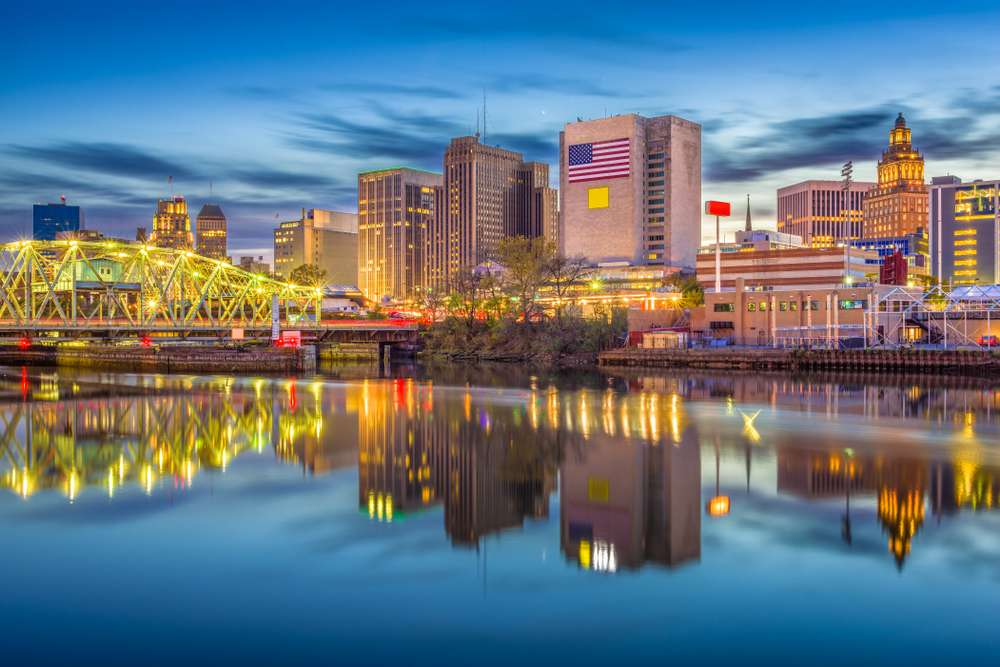
Newark’s proximity to airports, highways, and hospitals results in constant emergency movement. Sirens are heard throughout the day and night. Locals are accustomed to the noise, but travelers often find it noticeable when staying overnight. The city’s infrastructure contributes heavily to the frequency.
Birmingham, Alabama

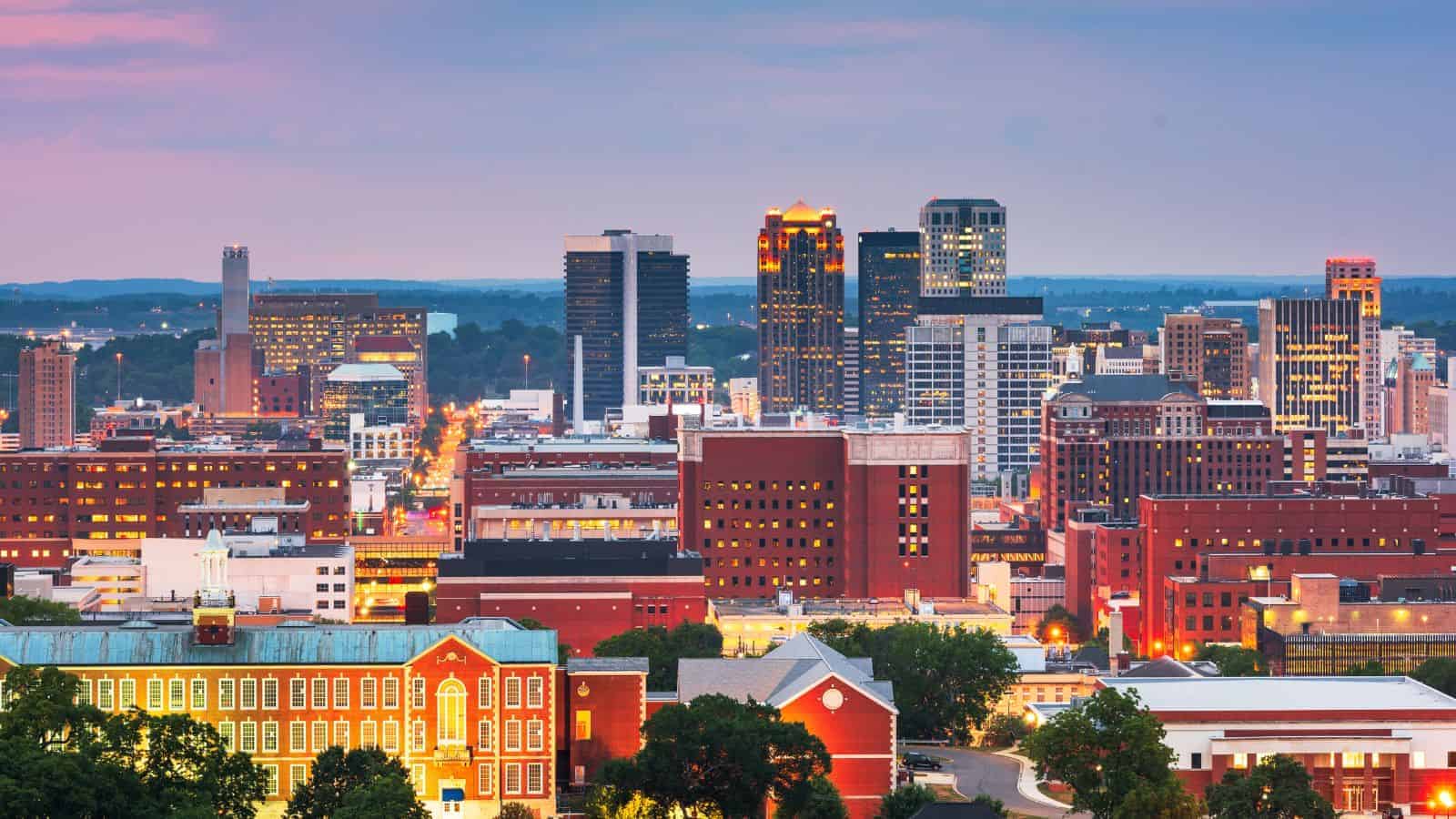
Birmingham’s sirens are common near medical centers and major roadways. The city serves as a regional healthcare hub, increasing ambulance traffic. Emergency responses often pass through residential areas. Travelers exploring Alabama cities often remark on how frequently sirens are heard.
Miami, Florida
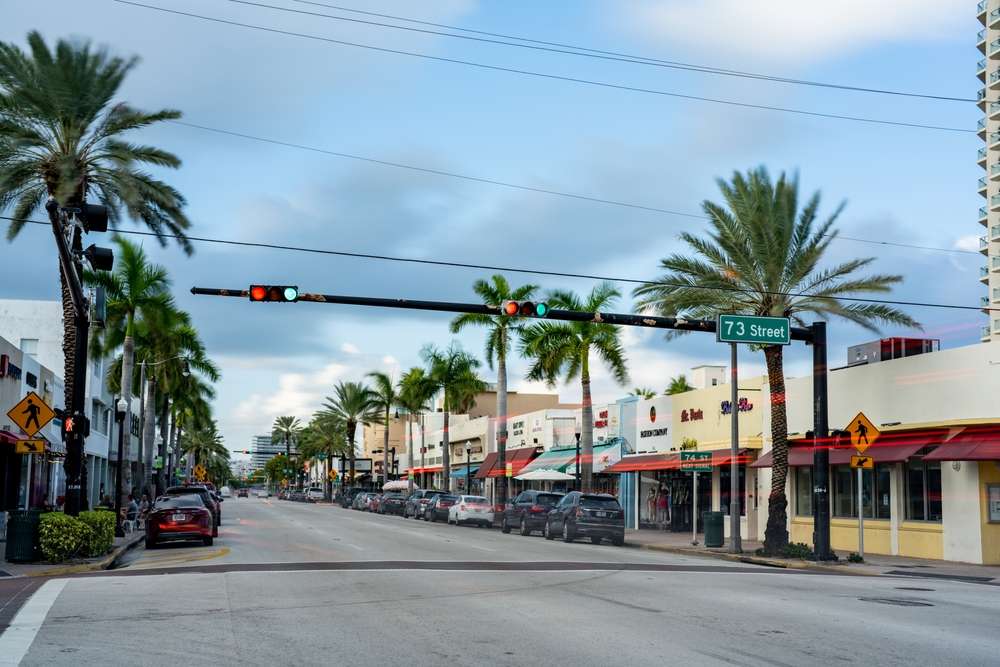
Miami’s combination of tourism, nightlife, and extreme weather keeps emergency services busy year-round. Sirens are common near beaches, entertainment districts, and major roadways. Visitors staying near coastal areas may hear frequent emergency responses related to accidents, medical calls, and water rescues. Hurricane season further increases emergency preparedness activity across the city.
San Bernardino, California
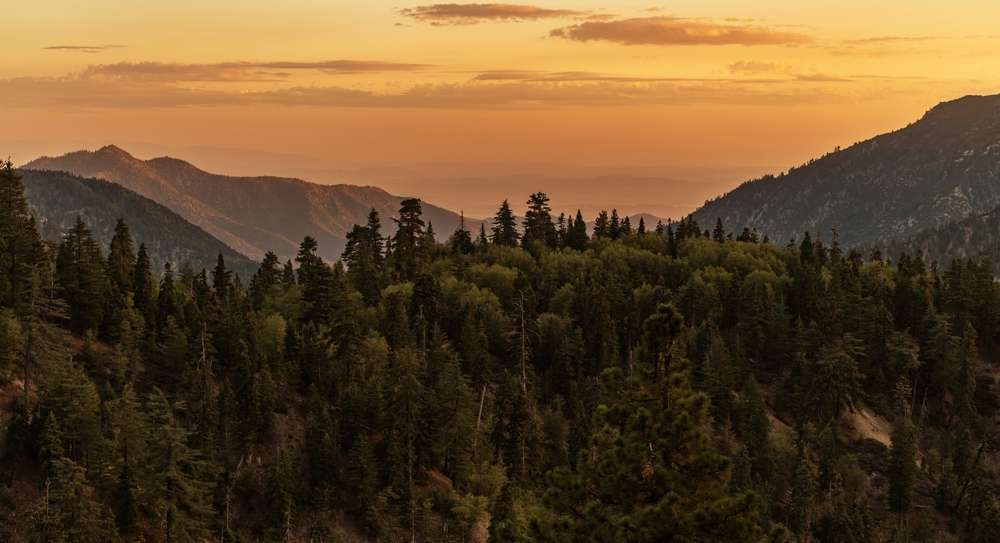
San Bernardino’s location near major freeways and industrial zones increases emergency responses. Sirens are a common sound, particularly during rush hours. Medical transports are frequent due to regional hospitals. Travelers passing through Southern California often notice the steady presence of emergency vehicles.
Reno, Nevada
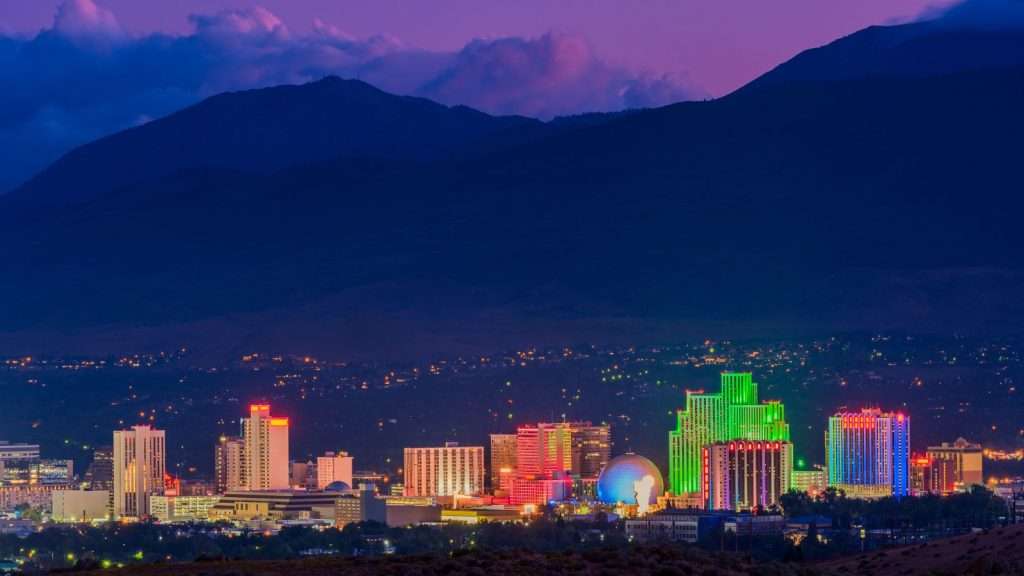
Reno’s compact downtown and casino areas concentrate emergency activity into a small area. Sirens echo between buildings and along major corridors. Visitors during U.S. travel often notice how frequently emergency vehicles pass near hotels and entertainment venues. Weather-related incidents during winter also increase response volume.

Deborah Montiero is a seasoned travel writer and contributor to Probe the Globe. With a passion for uncovering hidden gems and sharing immersive travel experiences, Deborah’s work highlights must-visit destinations, insider tips, and practical advice for travelers of all types. Whether exploring bustling cities or remote escapes, her articles are crafted to inspire and inform, making her a trusted voice in the travel community.
Her storytelling weaves together cultural insights, logistical tips, and authentic experiences, making her a valuable resource for readers seeking unforgettable journeys.
When not writing, Deborah is likely researching the latest travel trends or planning her next adventure. Follow her work on Probe the Globe for fresh perspectives and up-to-date travel inspiration.