26 American Towns So Remote They Feel Completely Cut Off From Reality
Across the United States, vast distances, rugged terrain, and unique geography create communities that exist far from busy highways and crowded cities. For travelers seeking authentic experiences, these places offer quiet landscapes, fascinating history, and a deep sense of isolation that feels worlds away from everyday life. Remote destinations can reveal a slower pace of living while showcasing some of the most dramatic scenery in the country. For anyone researching unusual destinations for U.S. travel or planning an off-the-grid adventure, these communities highlight how diverse and expansive America truly is.
Supai, Arizona
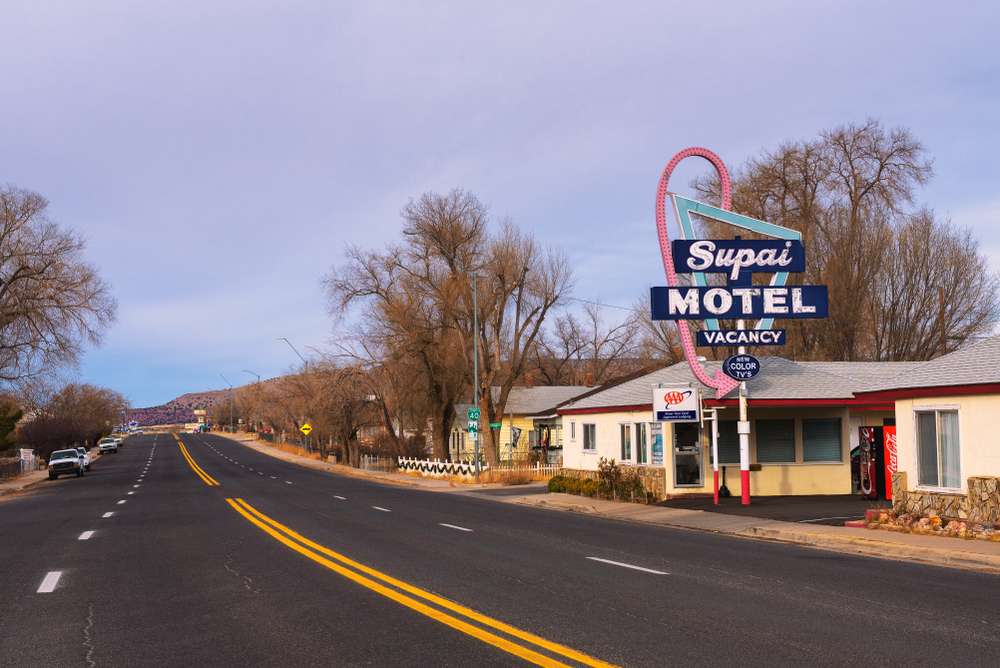
Supai sits deep inside the Grand Canyon on the Havasupai Reservation and remains one of the most unusual destinations in U.S. travel. There are no roads leading directly to the village. Visitors must hike about eight miles, ride horseback, or arrive by helicopter to reach the town. With only a few hundred residents, daily life revolves around the surrounding canyon walls and turquoise waterfalls that attract adventurous travelers. The remoteness creates a strong cultural identity and a peaceful atmosphere that feels far removed from modern city life.
McCarthy, Alaska
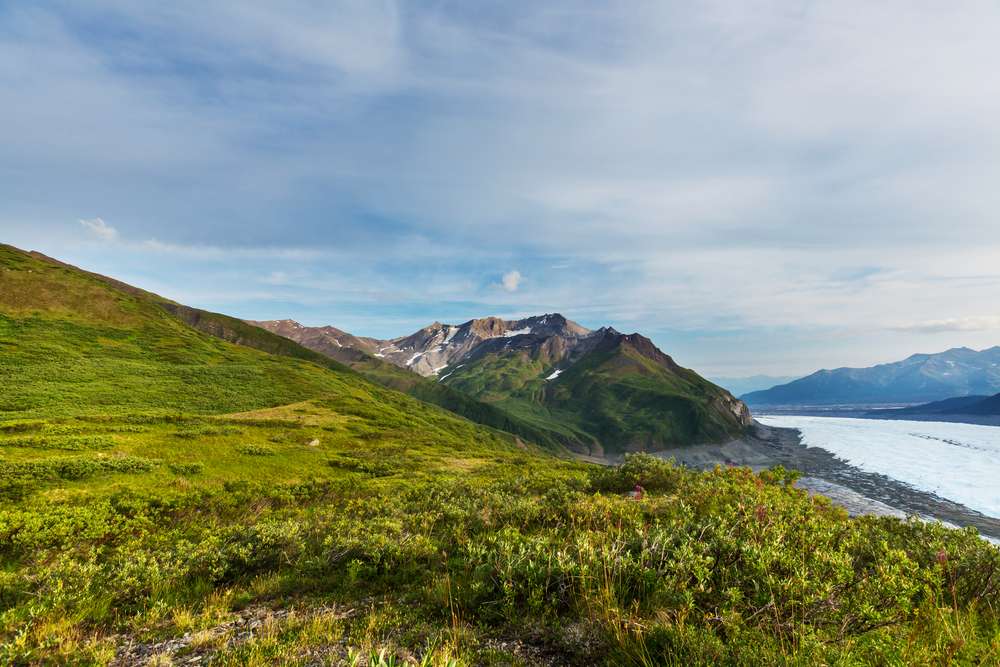
Located near the vast wilderness of Wrangell–St. Elias National Park, McCarthy is one of the most isolated communities in Alaska. Travelers reach the town by driving the rugged McCarthy Road, a long gravel route that once served as a railway corridor. With no large stores, limited services, and spectacular mountain scenery, the town feels like a preserved chapter of frontier history. Visitors interested in U.S. travel experiences often come here for glacier hikes, wildlife viewing, and a rare opportunity to disconnect from crowded tourist centers.
Terlingua, Texas
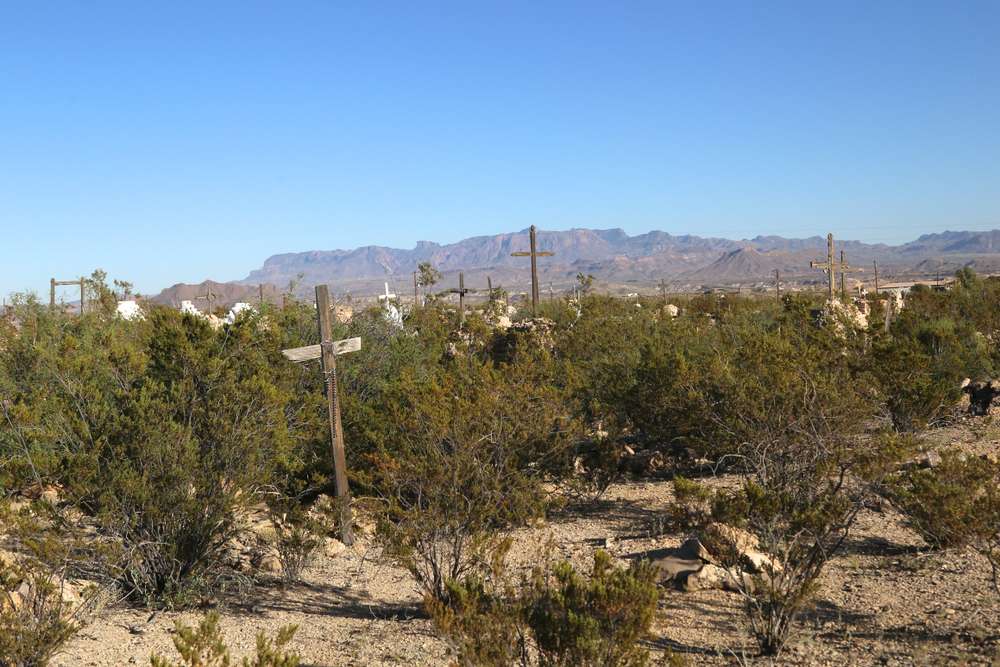
Terlingua stands on the edge of Big Bend National Park in the far reaches of West Texas. Once a bustling mercury mining community, it now attracts adventurous travelers seeking wide desert horizons and star-filled skies. The small population and great distance from major cities contribute to its feeling of isolation. Artists, desert explorers, and road-trip travelers often gather here for its relaxed culture, historic ruins, and the annual chili cook-off that brings unexpected energy to this remote U.S. travel destination.
Whittier, Alaska
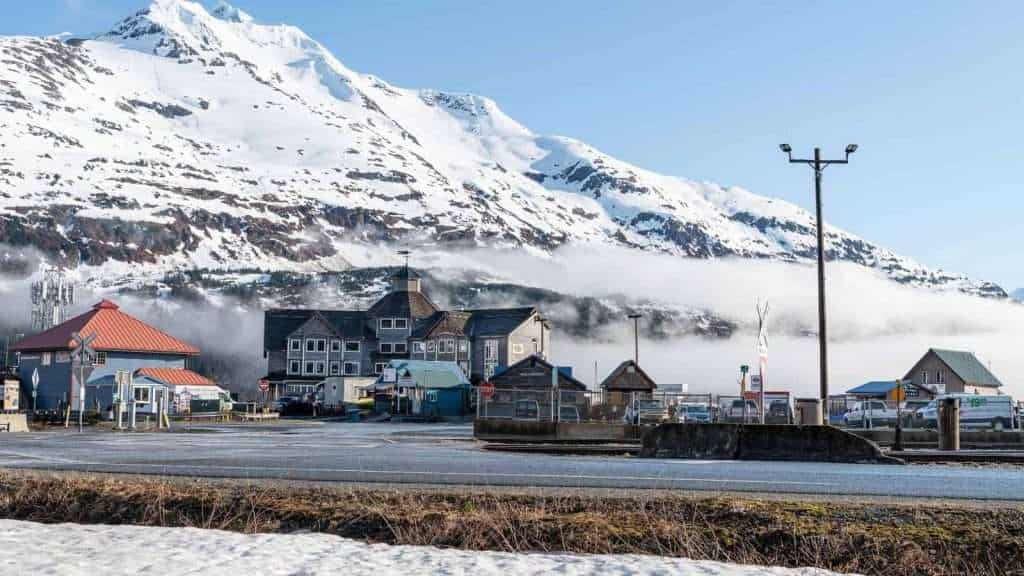
Whittier is known for its unusual living arrangement: most residents live in a single large building called Begich Towers. The town is surrounded by steep mountains and icy waters, with access primarily through a long one-lane tunnel that connects it to the rest of Alaska. This limited access contributes to the town’s reputation as one of the most remote communities in the country. For travelers researching unique U.S. travel destinations, Whittier offers dramatic coastal scenery and a fascinating example of life in an extreme environment.
Monowi, Nebraska
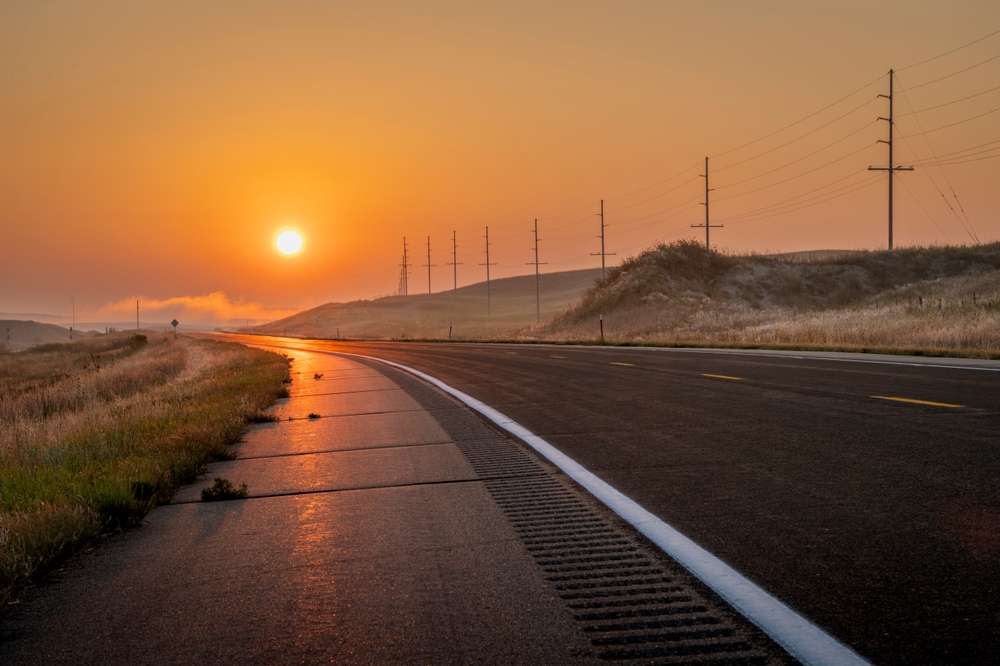
Monowi is famous for having a population of just one person. Located in rural Nebraska, the town once held a small but lively community along the railroad line. Today, the lone resident maintains the town’s tavern and library while officially serving as mayor, clerk, and bartender. The vast plains surrounding Monowi emphasize the quiet solitude of this unusual place. Travelers curious about unusual stops on a cross-country U.S. travel route often visit simply to experience the smallest incorporated town in America.
Point Roberts, Washington
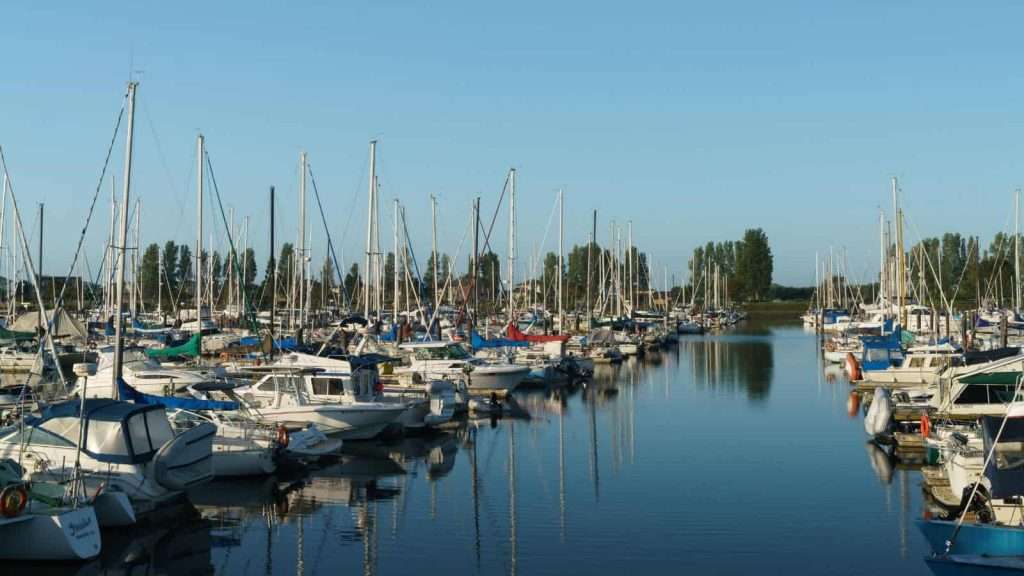
Point Roberts sits at the southern tip of a peninsula connected geographically to Canada rather than the rest of Washington State. Travelers must cross the Canadian border twice to reach the community by land from the United States. This unusual geographic situation gives the town a feeling of isolation from the rest of the country. Despite its small size, Point Roberts offers scenic coastal views, marinas, and peaceful parks, making it an intriguing stop for travelers interested in unusual U.S. travel geography.
Hanksville, Utah

Hanksville is surrounded by some of the most dramatic desert landscapes in the American Southwest. The town lies near Capitol Reef National Park, Goblin Valley State Park, and the remote Henry Mountains. With a population of only a few hundred residents, it serves as a quiet base for explorers heading into canyon country. The surrounding terrain resembles another planet in places, drawing photographers and adventure travelers who want a truly remote U.S. travel experience far from crowded tourist destinations.
Chicken, Alaska

Chicken gained its unusual name from early gold miners who struggled to spell “ptarmigan,” the local bird. Today, the town remains a small and quirky stop along the remote Taylor Highway in eastern Alaska. With only a handful of year-round residents, the community maintains a rustic atmosphere that reflects its gold rush roots. Visitors traveling through Alaska often stop here to experience frontier culture, explore nearby mining history, and appreciate the sense of wilderness that defines remote U.S. travel in the far north.
Stanley, Idaho
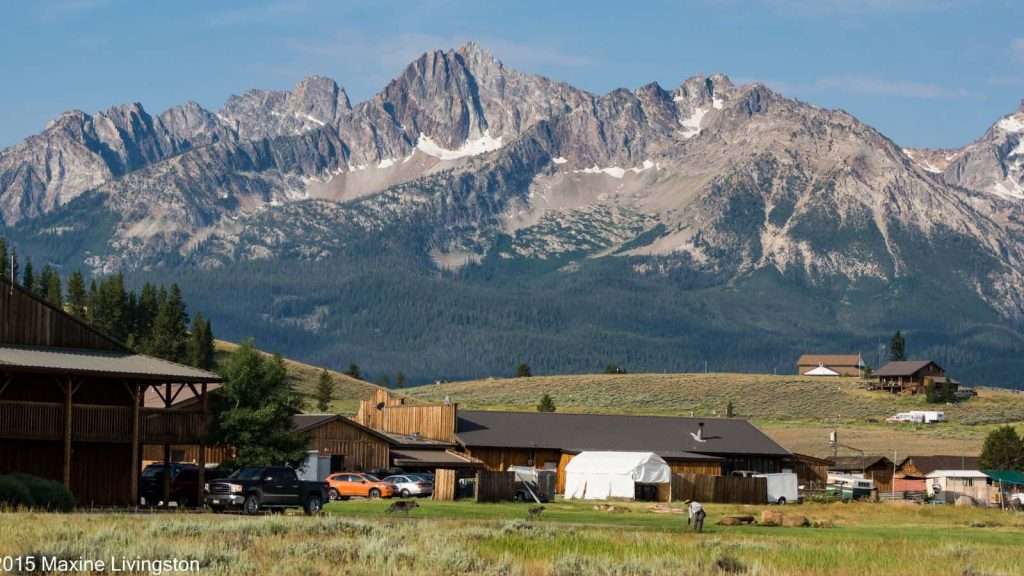
Surrounded by the jagged peaks of the Sawtooth Mountains, Stanley offers some of the most scenic wilderness landscapes in Idaho. The town sits along the Salmon River and serves as a gateway for rafting, hiking, and backcountry adventures. Despite its natural beauty, Stanley remains quiet and lightly populated due to its distance from major cities and harsh winters. Travelers searching for peaceful outdoor experiences often include Stanley in their U.S. travel plans for its spectacular mountain scenery and calm atmosphere.
Gustavus, Alaska
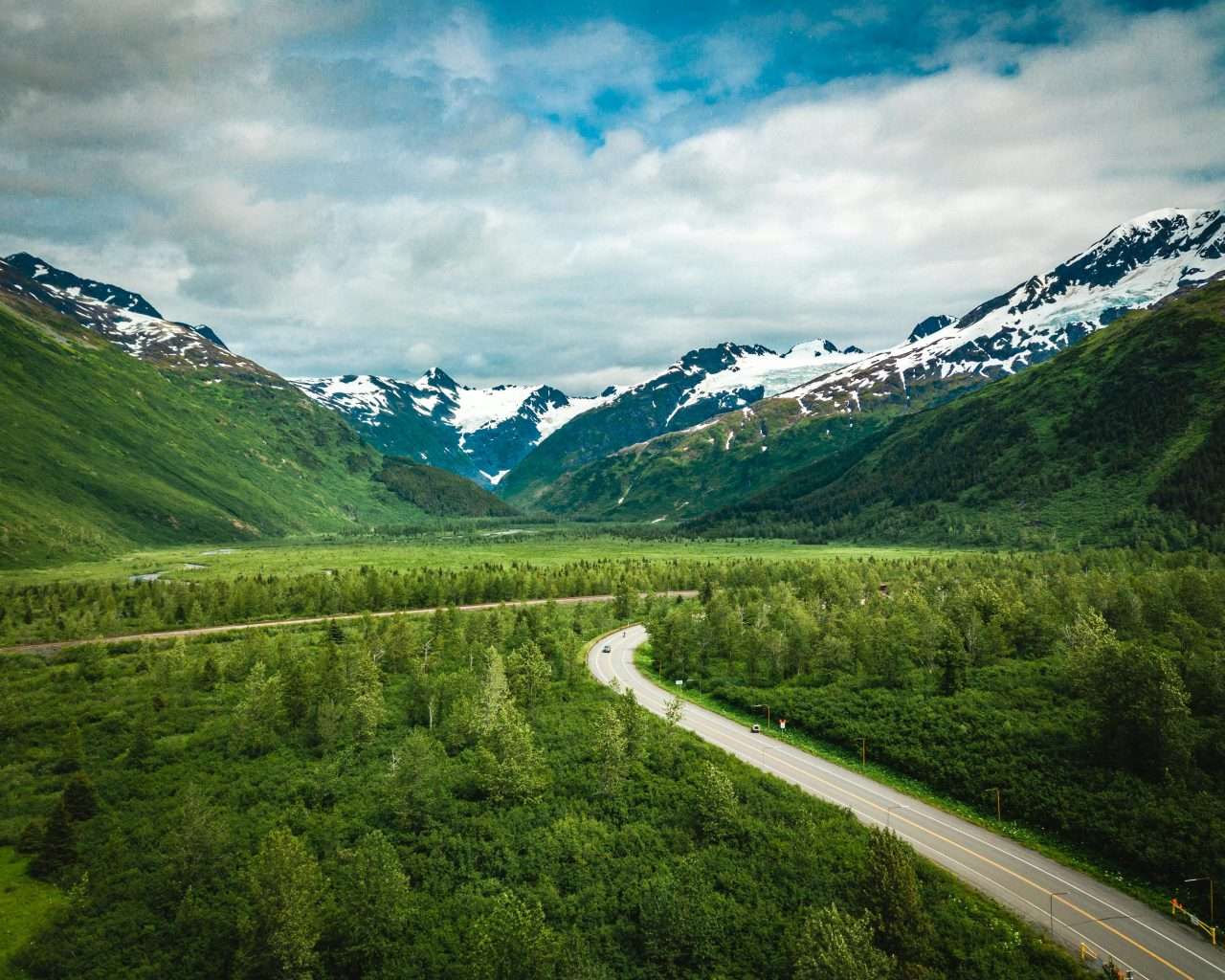
Gustavus lies near the entrance to Glacier Bay National Park and is reachable primarily by plane or boat. With vast forests, tidal wetlands, and towering glaciers nearby, the town feels deeply connected to nature. Residents rely on the rhythm of the seasons, fishing, and tourism connected to the national park. For travelers interested in remote U.S. travel destinations, Gustavus offers a rare opportunity to witness powerful natural landscapes while experiencing a small community shaped by Alaska’s rugged environment.
Marfa, Texas
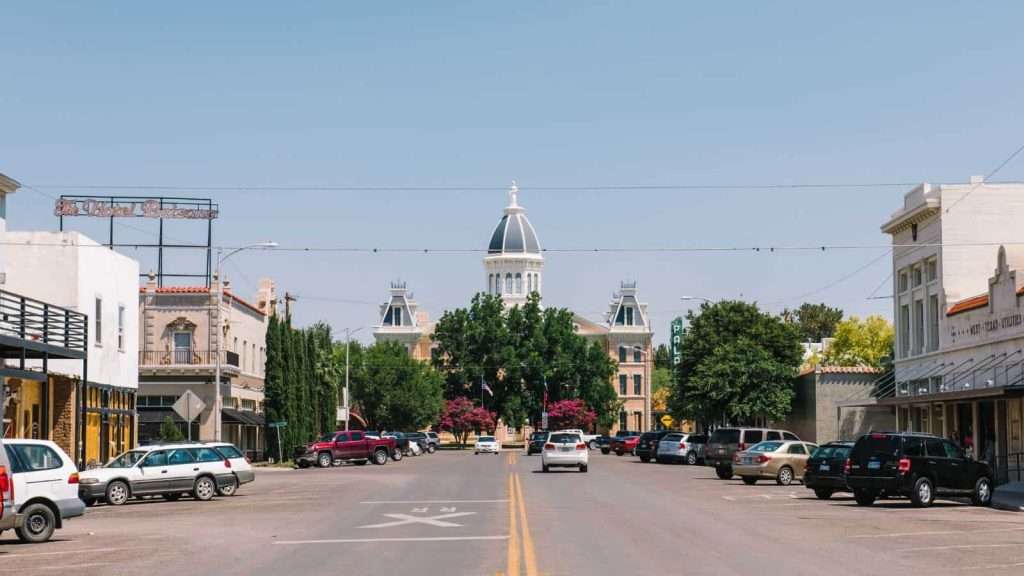
Marfa has gained international attention for its mysterious lights and growing arts community. Located in the remote Chihuahuan Desert of West Texas, the town feels far removed from large metropolitan areas. Artists, photographers, and curious travelers visit to experience its galleries, open landscapes, and minimalist installations. Despite its rising popularity, Marfa maintains a quiet, spacious atmosphere that appeals to travelers searching for unusual U.S. travel destinations where creativity meets the vast desert horizon.
Ely, Minnesota
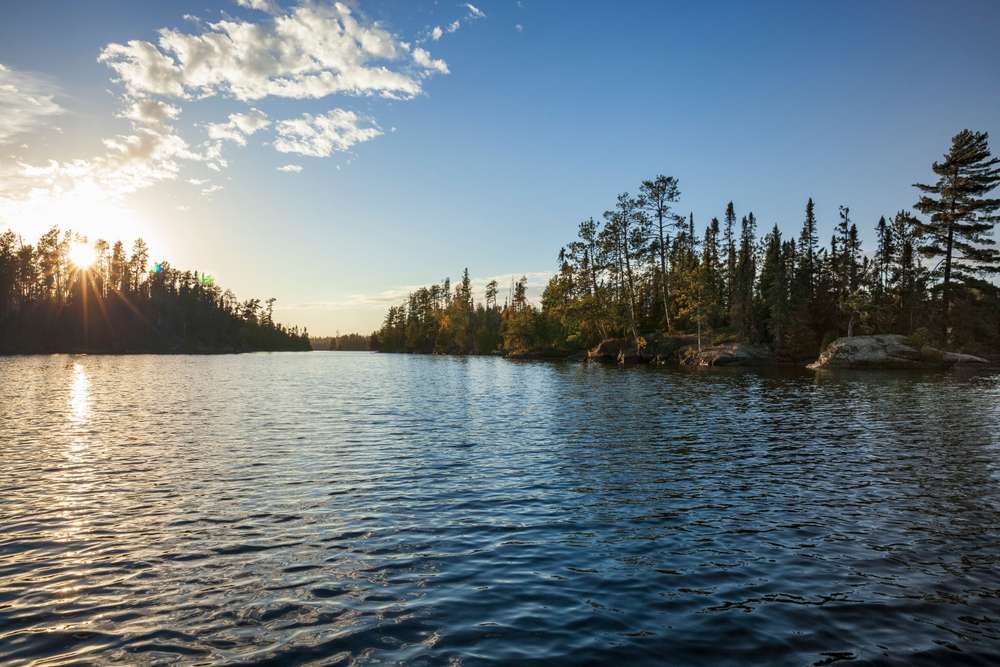
Ely sits near the edge of the Boundary Waters Canoe Area Wilderness, one of the most remote outdoor destinations in the Midwest. Thick forests, countless lakes, and limited road access make the region a haven for canoeists and wilderness explorers. The town itself offers outfitters, cozy lodges, and a strong outdoor culture centered on nature conservation. For travelers interested in U.S. travel focused on outdoor adventure, Ely provides a gateway to a truly wild landscape where modern distractions quickly fade.
Wallace, Idaho
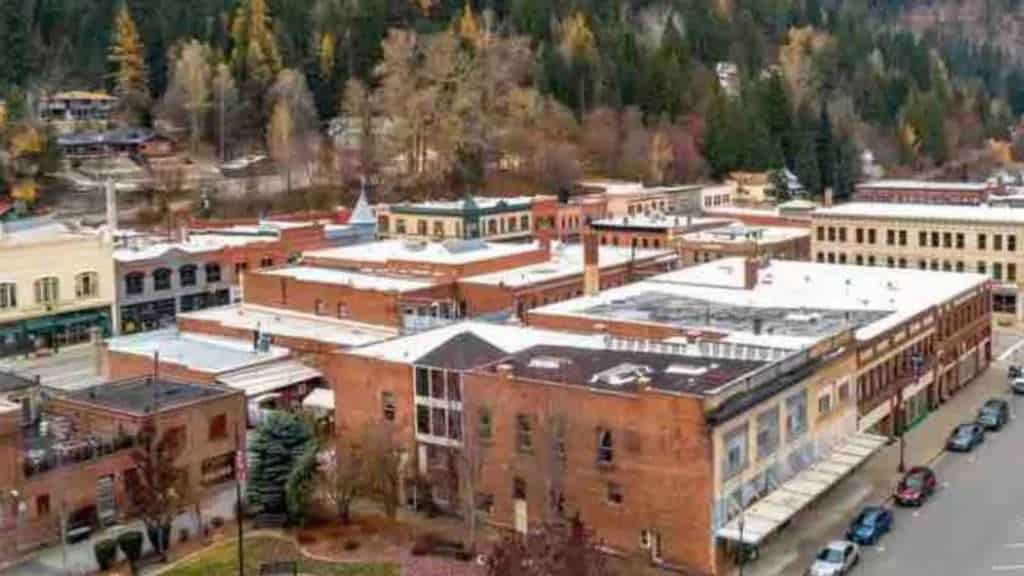
Wallace sits in the mountains of northern Idaho and proudly calls itself the “Center of the Universe.” The town gained attention for preserving nearly its entire historic district after interstate plans threatened demolition decades ago. Today, visitors encounter charming brick buildings, mining history museums, and quiet mountain scenery. Its remote location in the Bitterroot Range keeps the town peaceful while offering travelers a fascinating stop on a scenic U.S. travel road trip through the Pacific Northwest.
Talkeetna, Alaska

Talkeetna is known as the jumping-off point for expeditions to Denali, North America’s tallest mountain. The town combines rustic frontier character with an active tourism scene built around flightseeing tours and mountaineering. Despite its popularity among adventure travelers, Talkeetna remains relatively isolated due to its location in Alaska’s vast interior. Visitors often describe the town as a place where time moves slowly and wilderness feels close, making it a memorable highlight of remote U.S. travel.
Baker, Nevada
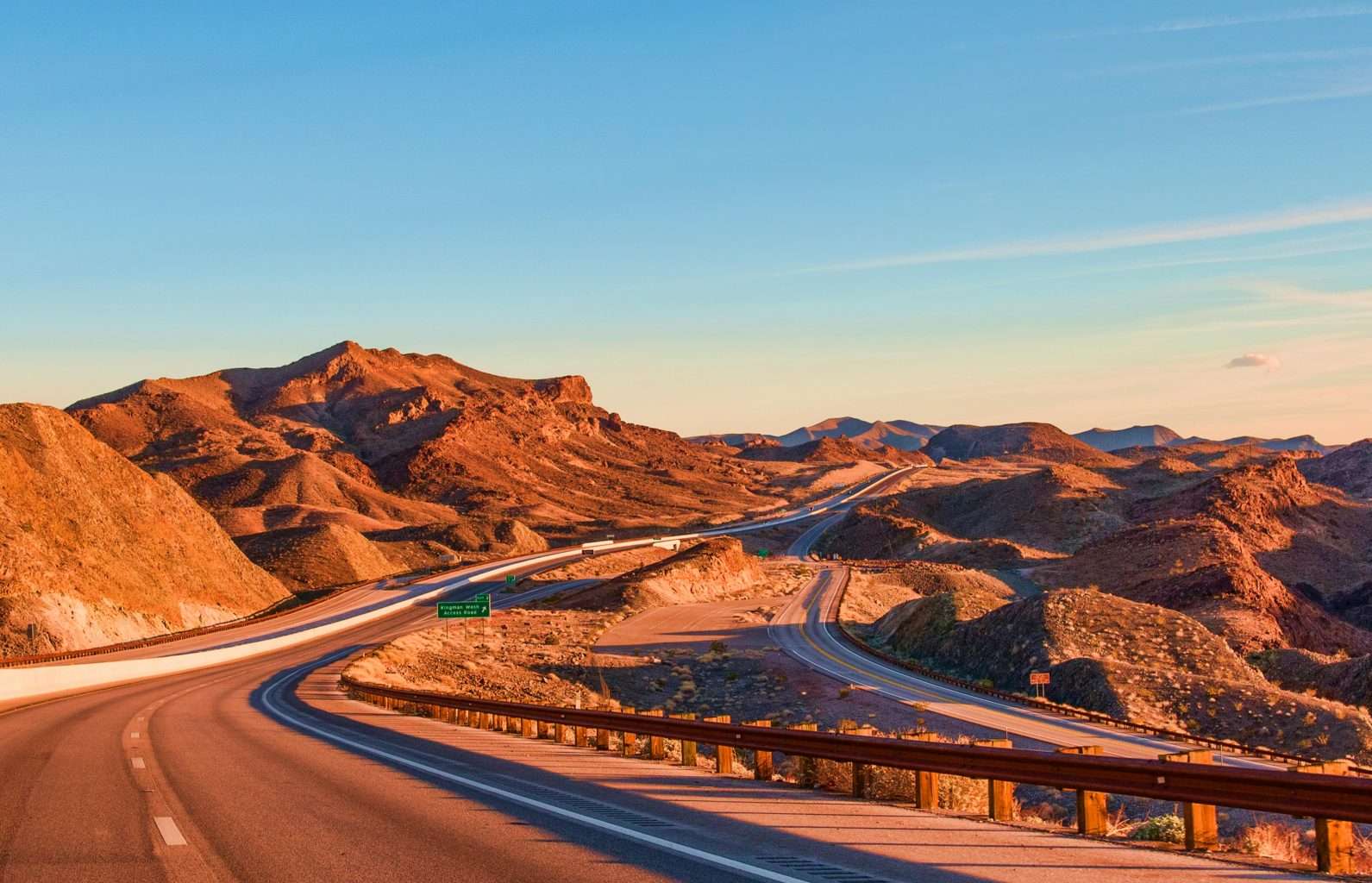
Baker sits on the edge of Great Basin National Park, one of the least visited national parks in the country. The surrounding desert valleys and mountain ranges create a sense of vast emptiness that defines the region. Travelers who make the journey here often come to see ancient bristlecone pine trees and explore Lehman Caves. Baker’s isolation allows visitors to experience dark night skies and quiet landscapes rarely found in more crowded U.S. travel destinations.
Stehekin, Washington
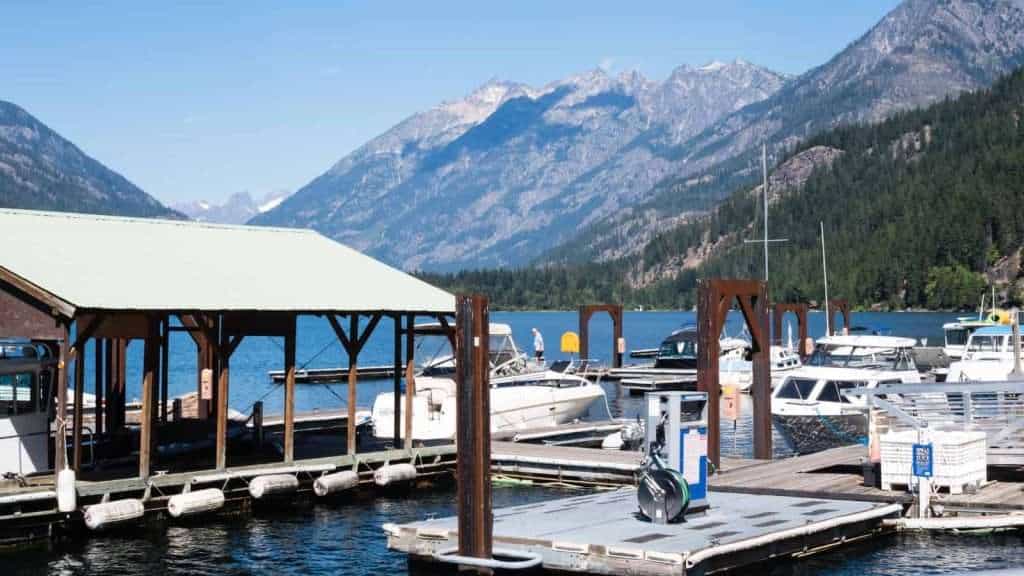
Stehekin lies deep within the North Cascades and is accessible only by boat, floatplane, or hiking trails. The village sits at the northern end of Lake Chelan and serves as a peaceful gateway to the surrounding national park wilderness. With no direct road connections to the outside world, life here revolves around nature and seasonal tourism. Travelers interested in secluded U.S. travel locations often visit Stehekin to enjoy hiking, biking, and the rare feeling of being completely removed from urban life.
Mentone, Alabama
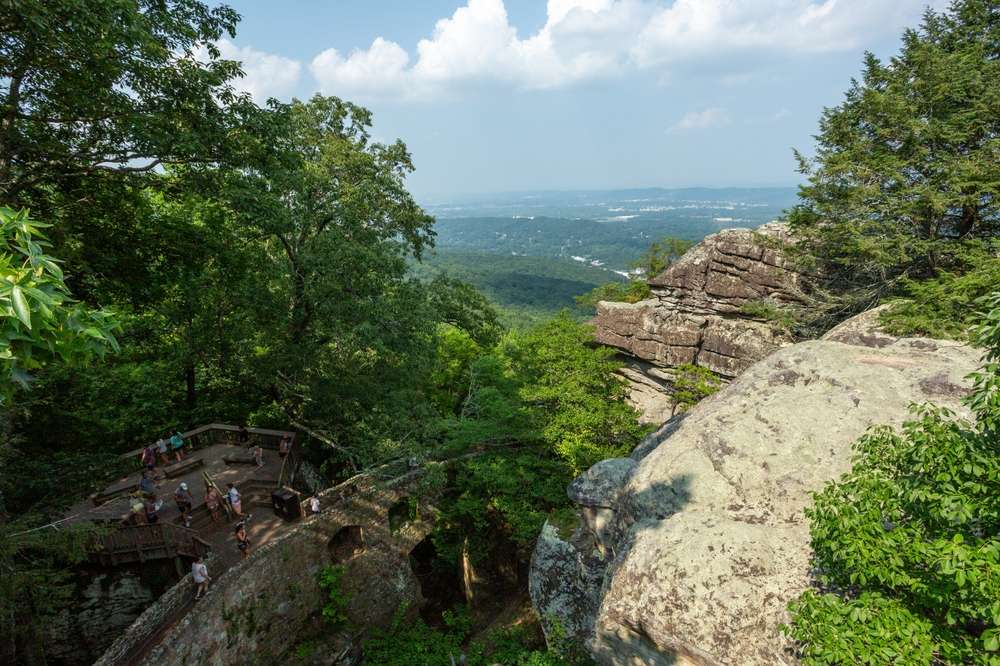
Mentone rests atop Lookout Mountain in northeastern Alabama and maintains a quiet, small-town charm. Although it sits within driving distance of larger cities, the mountain setting creates a peaceful environment with winding roads and scenic overlooks. The town gained popularity as a summer retreat decades ago and still attracts visitors seeking cooler temperatures and natural beauty. For travelers planning a relaxed U.S. travel getaway, Mentone offers waterfalls, hiking trails, and a refreshing sense of calm.
Jordan Valley, Oregon
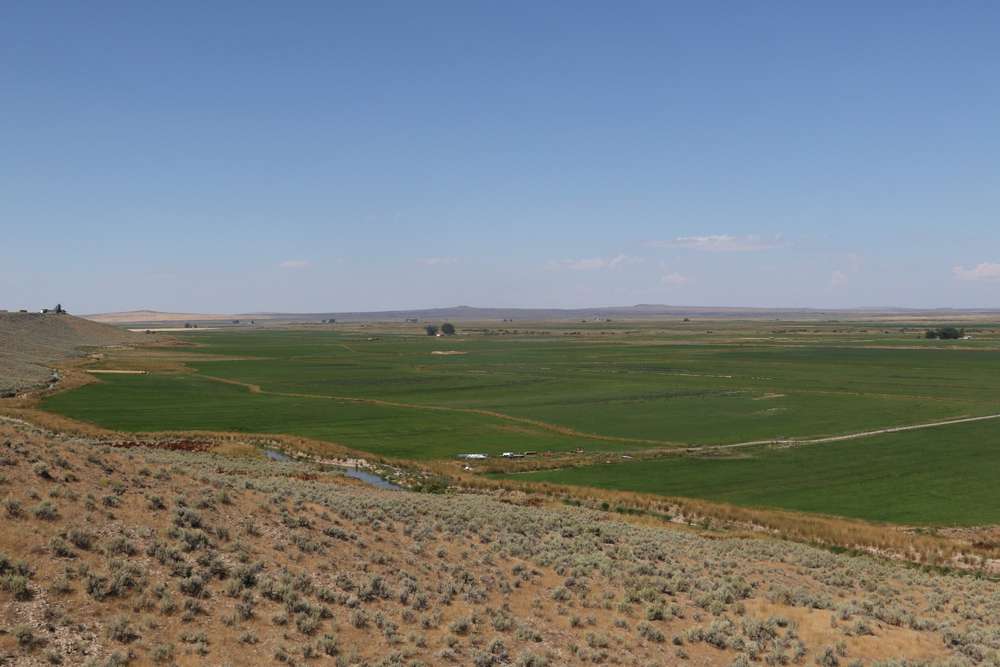
Jordan Valley sits near the Oregon-Idaho border in a wide open high desert landscape. The town’s Basque cultural heritage remains visible through traditional cuisine and annual festivals. Its remote location means that long stretches of highway separate it from major urban centers. Travelers exploring the American West often pass through Jordan Valley while discovering quiet desert scenery, hot springs, and historic ranching communities that highlight the diversity of U.S. travel experiences.
Escalante, Utah
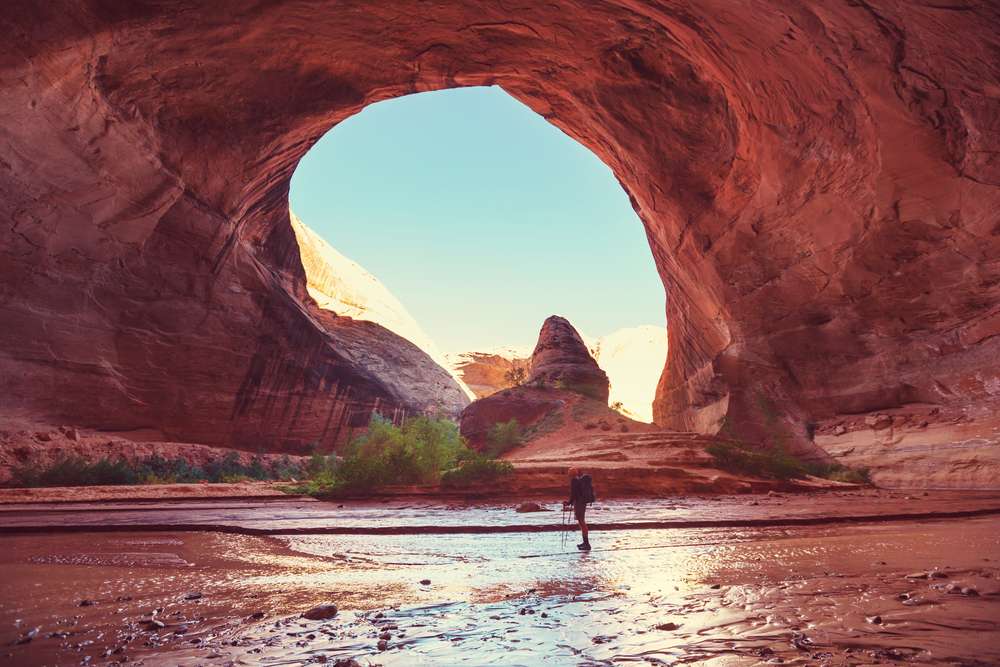
Escalante lies along Scenic Byway 12, surrounded by the vast wilderness of Grand Staircase–Escalante National Monument. Towering cliffs, narrow slot canyons, and expansive desert plateaus create one of the most dramatic landscapes in the Southwest. The town itself remains small and quiet, serving primarily as a base for outdoor exploration. Travelers seeking remote U.S. travel adventures often come here for hiking, photography, and the thrill of discovering hidden canyons far from crowded parks.
Alpine, Texas

Alpine functions as a gateway to Big Bend National Park and the surrounding desert mountains of West Texas. While it is larger than some towns on this list, its distance from major cities gives it a distinctly remote feel. The town hosts a small university, art galleries, and historic buildings that add cultural depth to the desert landscape. For road-trip travelers exploring the Southwest, Alpine provides a welcoming stop with easy access to dramatic scenery.
Ocracoke, North Carolina
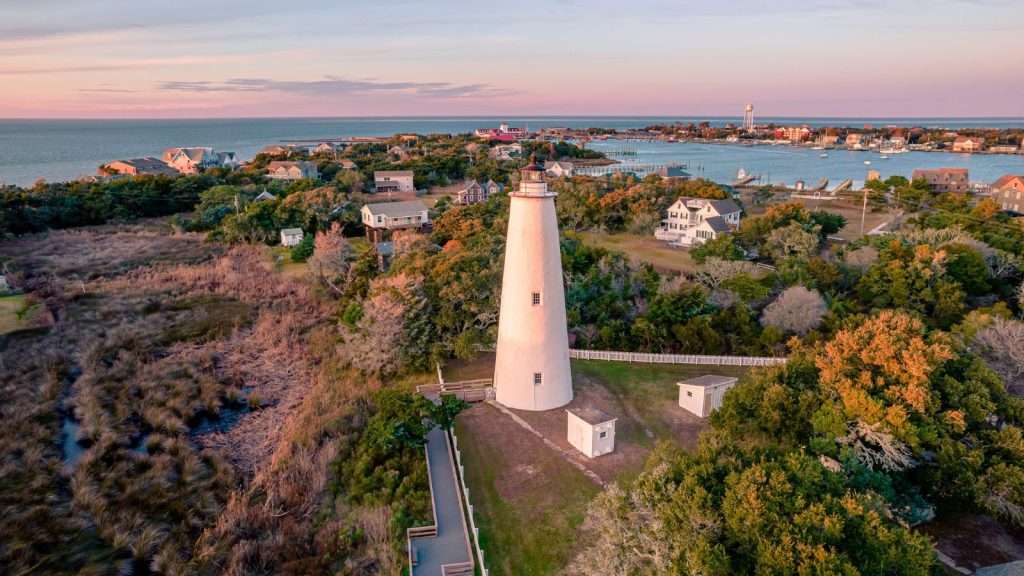
Ocracoke sits on a barrier island within the Outer Banks and can only be reached by ferry, boat, or small aircraft. The community has a rich maritime history connected to fishing, shipwrecks, and even pirate legends. With miles of quiet beaches and limited development, the island maintains a relaxed pace that feels far from mainland life. Visitors interested in coastal U.S. travel often come to Ocracoke for its lighthouse, natural beauty, and strong sense of island identity.
Silverton, Colorado
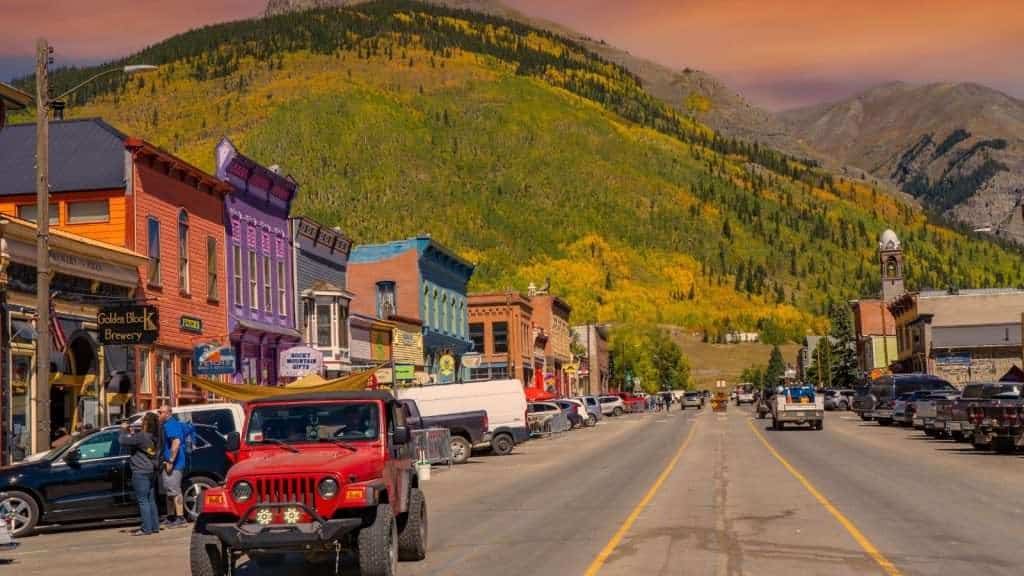
Silverton rests high in the San Juan Mountains and was once a thriving mining center during the late nineteenth century. Today, the town attracts travelers interested in history, scenic railways, and rugged alpine landscapes. Surrounded by steep peaks and accessible by winding mountain roads, Silverton maintains a feeling of separation from larger resort communities. U.S. travel enthusiasts frequently visit for hiking, off-road adventures, and the dramatic scenery that defines southwestern Colorado.
Bethel, Alaska

Bethel stands as a remote hub community in western Alaska, accessible mainly by plane or river travel. The town serves surrounding villages across the Yukon-Kuskokwim Delta, a vast region of wetlands and tundra. Cultural traditions of the Yup’ik people remain central to daily life, offering visitors a meaningful glimpse into Alaska Native heritage. For travelers researching remote U.S. travel destinations, Bethel represents a community shaped by geography, subsistence living, and strong cultural roots.
Truth or Consequences, New Mexico
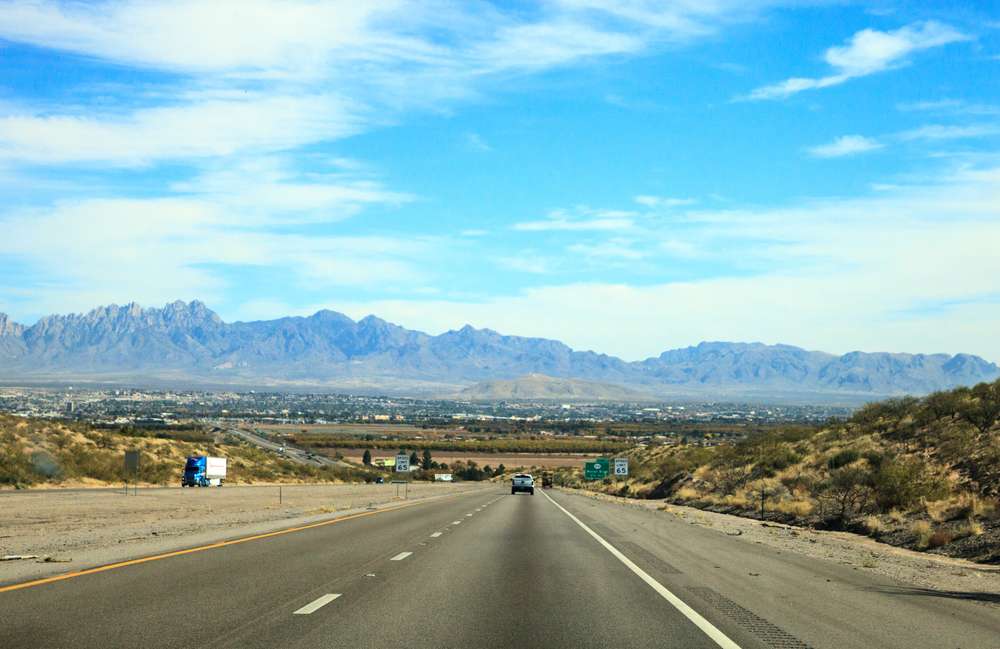
Truth or Consequences may have one of the most unusual town names in the United States. The community adopted the name in 1950 after a popular radio show promised to broadcast from whichever town changed its name first. Located along the Rio Grande in southern New Mexico, the town is known for natural hot springs and a relaxed desert atmosphere. Travelers interested in quirky U.S. travel destinations often stop here to soak in mineral baths and enjoy the region’s quiet landscapes.
Port Orford, Oregon
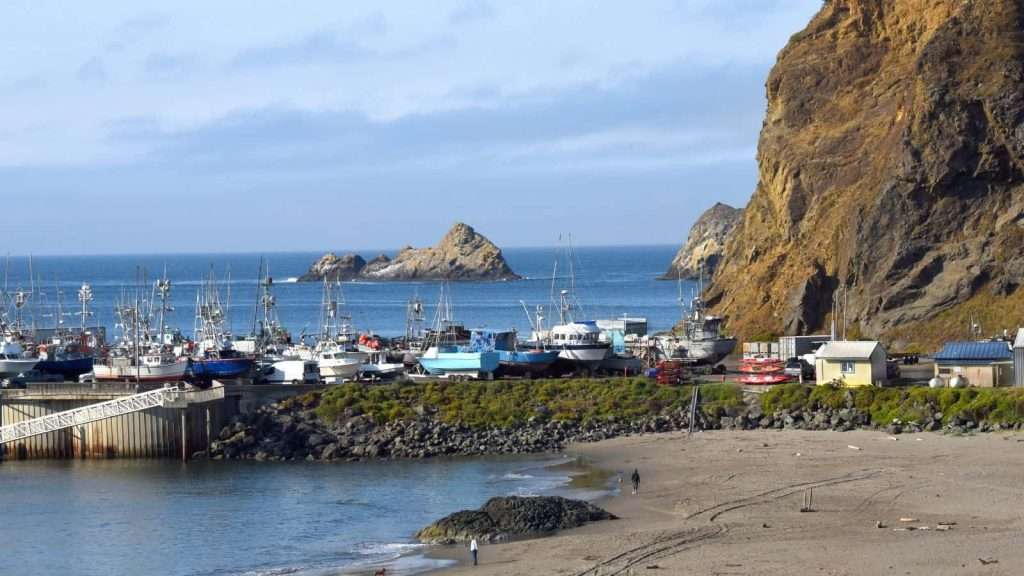
Port Orford sits along Oregon’s rugged southern coastline and remains one of the state’s smaller coastal communities. Dramatic cliffs, rocky beaches, and powerful Pacific waves shape the surrounding scenery. The town’s working harbor relies on cranes rather than docks to launch fishing boats due to the steep coastline. Travelers exploring scenic coastal U.S. travel routes often appreciate Port Orford for its quiet beauty, fresh seafood, and the feeling of standing at the edge of a wild shoreline.
Dry Tortugas, Florida

Dry Tortugas lies about seventy miles west of Key West and ranks among the most isolated national park locations in the United States. The area consists of small islands surrounded by clear turquoise water and coral reefs. Access typically involves ferry or seaplane travel, reinforcing the feeling of separation from mainland Florida. Visitors drawn to unique U.S. travel experiences come to explore historic Fort Jefferson, snorkel vibrant marine habitats, and experience one of the country’s most remote island destinations.

Deborah Montiero is a seasoned travel writer and contributor to Probe the Globe. With a passion for uncovering hidden gems and sharing immersive travel experiences, Deborah’s work highlights must-visit destinations, insider tips, and practical advice for travelers of all types. Whether exploring bustling cities or remote escapes, her articles are crafted to inspire and inform, making her a trusted voice in the travel community.
Her storytelling weaves together cultural insights, logistical tips, and authentic experiences, making her a valuable resource for readers seeking unforgettable journeys.
When not writing, Deborah is likely researching the latest travel trends or planning her next adventure. Follow her work on Probe the Globe for fresh perspectives and up-to-date travel inspiration.