
21 American Museums With Items So Cursed Staff Won’t Touch Them
Museums across the United States are designed to preserve history, educate the public, and protect rare objects. Yet some collections include items surrounded by unsettling stories, strict handling rules, or reputations that make even experienced staff uneasy. Whether rooted in documented incidents, donor warnings, or decades of folklore, these objects are often approached with caution rather than curiosity. For travelers interested in the darker corners of U.S. travel, these 21museums offer an experience that feels very different from a standard gallery visit.
The Dybbuk Box at the Haunted Museum, Las Vegas, Nevada

The Dybbuk Box is one of the most talked-about objects in American museum culture. Now housed at Zak Bagans’ Haunted Museum, the wine cabinet is associated with a long chain of owners who reported illness, nightmares, and sudden misfortune. Staff members do not open or handle the box, following warnings passed down from previous caretakers. It is kept behind protective barriers, and visitors are advised not to linger too long. The object’s reputation has made it a focal point for paranormal tourism in the Southwest.
Annabelle Doll at the Warren Occult Museum, Connecticut

Although the Warren Occult Museum is no longer open to the public, the Annabelle doll remains one of the most infamous museum artifacts in U.S. travel lore. The doll was kept in a sealed glass case, blessed regularly, and handled only by Ed and Lorraine Warren. Staff and investigators avoided direct contact, citing reports of violent incidents linked to disrespecting the doll. Even today, the doll’s story influences how similar objects are treated in paranormal collections across the country.
The Hope Diamond at the Smithsonian National Museum of Natural History, Washington, D.C.
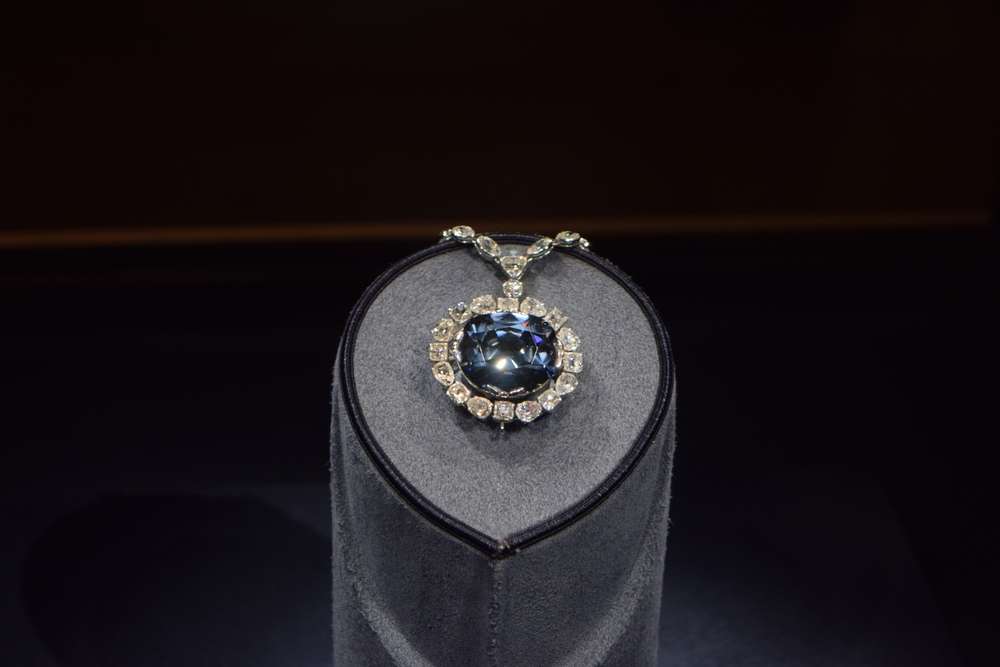
The Hope Diamond is displayed openly, but behind its glittering presentation lies a long-standing reputation for misfortune. Former owners experienced financial ruin, imprisonment, and death, creating a curse narrative that still follows the gem. Smithsonian staff handle the diamond using strict conservation protocols, limiting physical contact. While the museum emphasizes scientific history, internal policies acknowledge the diamond’s notoriety. Visitors often crowd the exhibit, drawn by the uneasy contrast between beauty and bad luck during their U.S. travel experience.
The Basano Vase at the Haunted Museum, Las Vegas, Nevada
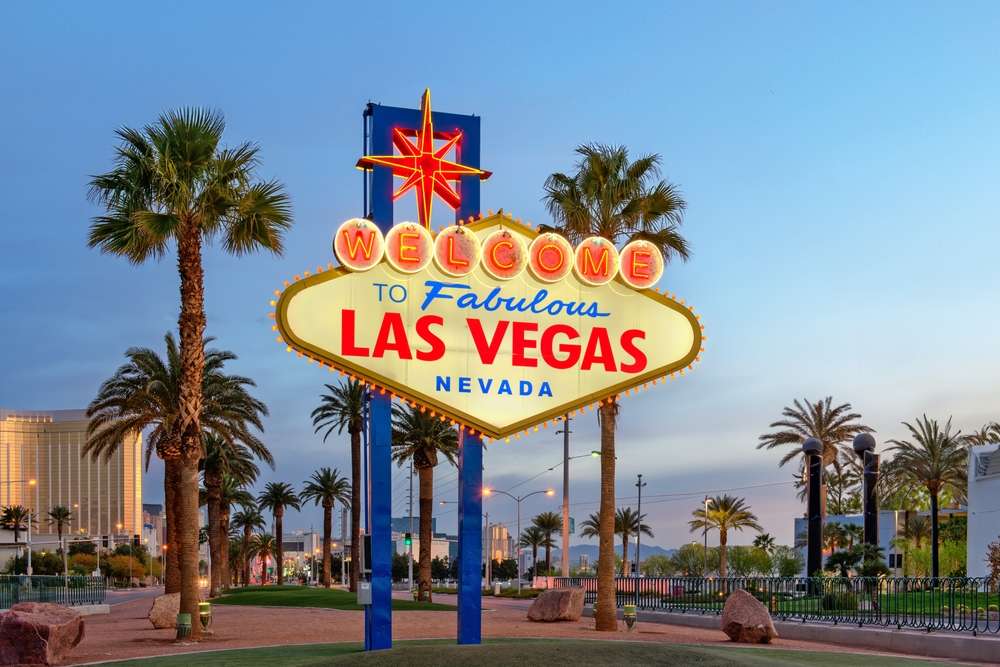
The Basano Vase is displayed with a warning label that explains its violent history. According to documentation, every owner of the vase died under mysterious circumstances after possessing it. Staff members avoid direct contact, and the vase remains enclosed at all times. The museum enforces strict rules about proximity and photography. Its presence reinforces the Haunted Museum’s reputation for collecting items that come with serious caution rather than curiosity.
The Devil’s Chair at the Museum of the American Arts and Crafts Movement, Florida

A Victorian-era chair donated with strict instructions not to allow anyone to sit in it has become one of the museum’s most avoided items. Donor records claim illness and death followed those who ignored the warning. Staff do not touch the chair unless absolutely necessary for preservation. The object remains roped off, and its story is shared carefully to discourage interaction from curious visitors.
The Crying Boy Painting at the Haunted Museum, Nevada

This mass-produced painting gained notoriety after surviving multiple house fires while buildings around it burned. Museum staff report electrical malfunctions when the painting is moved, leading to a policy of leaving it undisturbed. It remains mounted behind glass with limited lighting. The painting’s presence draws visitors fascinated by how ordinary objects can develop dark reputations through repeated incidents.
The Robert the Doll Exhibit at the Fort East Martello Museum, Florida

Robert the Doll is one of the most documented cursed artifacts in the United States. Staff members at the museum treat the doll with extreme caution. It is never touched without formal permission and careful handling procedures. Visitors who photograph the doll without asking reportedly write apology letters after experiencing misfortune. The museum keeps these letters on display, reinforcing the seriousness with which Robert is regarded in U.S. travel circles.
The Bell Witch Artifact Collection, Tennessee State Museum, Tennessee

Objects associated with the Bell Witch legend are stored and displayed under restricted conditions. Items reportedly connected to the haunting are not handled casually by staff. Conservation teams use gloves and minimal movement protocols. The artifacts’ presence ties Tennessee history to one of the most enduring supernatural stories in American folklore, drawing visitors interested in unexplained regional legends.
The Busby Stoop Chair Replica and Original Records, Chicago History Museum, Illinois

While the original Busby Stoop Chair remains in England, American museums displaying related materials often follow strict policies. Staff avoid recreating seating or allowing interaction due to the chair’s documented association with executions. Exhibits focus on historical context rather than physical engagement. The cautious approach reflects how certain objects carry reputations that influence museum practices across borders.
The Gettysburg Battlefield Relic Collection, Pennsylvania

Certain battlefield relics at Gettysburg are reportedly handled only by specific staff members. Items recovered from mass graves or violent encounters are treated with additional care. Some curators refuse direct contact, citing repeated disturbances during handling. These objects are stored under controlled conditions and brought out rarely, adding to Gettysburg’s reputation as a deeply unsettling stop in U.S. travel itineraries.
The Lizzie Borden House Artifact Collection, Massachusetts

Items from the Borden house, including furniture and personal belongings, are handled cautiously by museum staff. Several caretakers reported unexplained events during cleaning or relocation. Some objects are no longer moved at all. The museum balances historical interpretation with the unsettling nature of the site, making it a popular destination for travelers interested in true crime history.
The Sallie House Objects, Atchison, Kansas

Artifacts recovered from the Sallie House are displayed with strict handling limitations. Staff members avoid prolonged contact after multiple reports of physical discomfort. Items are stored behind protective barriers, and movement is kept to a minimum. The house’s reputation as a highly active location has influenced how associated objects are managed within local collections.
The Myrtles Plantation Artifact Room, Louisiana

Certain plantation artifacts are stored separately due to repeated reports of disturbances when moved. Staff members document changes in temperature and equipment malfunctions near specific items. Handling is limited to conservation needs only. Visitors are informed of the artifacts’ histories, adding depth to the plantation’s role in Southern U.S. travel narratives.
The Villisca Axe Murder House Objects, Iowa

Objects recovered from the Villisca house are kept under strict observation. Staff members avoid unnecessary contact, especially with items found near the original crime scene. Several caretakers reported vivid dreams after handling these objects. The museum emphasizes safety and respect, reinforcing the seriousness of preserving items tied to unresolved violence.
The Charleston Old Jail Artifact Collection, South Carolina

Items from the Old Jail are handled with extreme caution. Staff members report unexplained sounds and disturbances during cataloging. Some objects are no longer touched except during inspections. The jail’s violent history influences how artifacts are presented, making it a significant stop for travelers interested in darker historical sites.
The Stanley Hotel Collection, Colorado
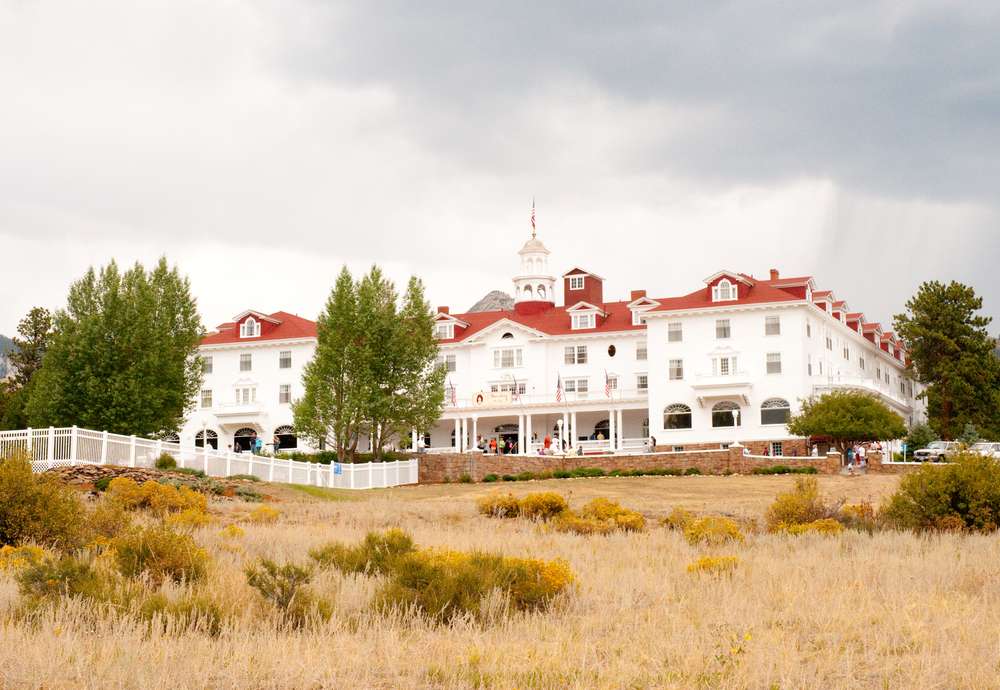
Artifacts associated with reported hauntings at the Stanley Hotel are stored under controlled conditions. Staff avoid handling certain items after repeated incidents involving broken equipment. The hotel’s influence on American horror culture adds weight to the care taken with these objects. Visitors drawn to the hotel’s history often ask specifically about restricted artifacts.
The Crescent Hotel Collection, Arkansas

Certain hotel artifacts are avoided by staff due to reports of illness and anxiety following contact. Items linked to the building’s darker medical history are handled only by trained personnel. The museum documents these experiences without sensationalism, making it a notable destination in paranormal U.S. travel.
The Eastern State Penitentiary Artifact Vault, Pennsylvania

Objects recovered from long-abandoned cell blocks are stored under strict conservation protocols. Staff members limit handling due to repeated reports of distress during cataloging. Some items remain sealed indefinitely. The penitentiary’s reputation adds an extra layer of caution to artifact management.
The Queen Mary Artifact Collection, California

Items recovered from restricted areas of the ship are not handled casually. Staff members report disturbances when moving certain objects. Many artifacts remain behind glass, untouched except for preservation. The ship’s continued presence as a museum makes it a major draw for travelers seeking eerie maritime history.
The Salem Witch Trials Artifact Collection, Massachusetts
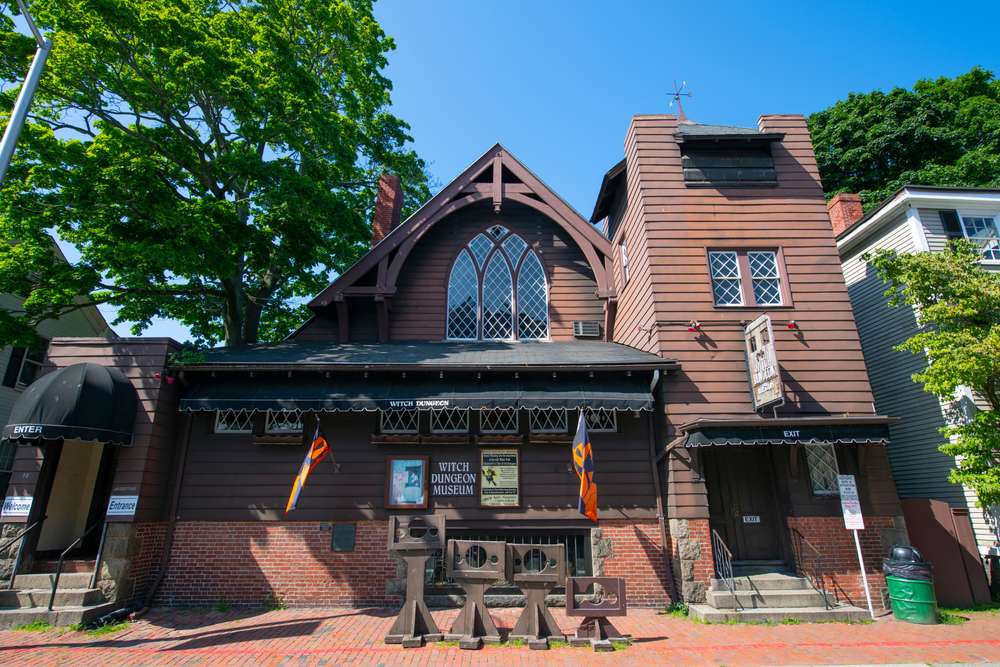
Objects associated with the trials are treated with exceptional care. Staff members avoid unnecessary handling due to the emotional weight of the history involved. Some items are stored permanently behind barriers. The collection reflects how historical trauma influences modern museum practices across U.S. travel destinations.

Deborah Montiero is a seasoned travel writer and contributor to Probe the Globe. With a passion for uncovering hidden gems and sharing immersive travel experiences, Deborah’s work highlights must-visit destinations, insider tips, and practical advice for travelers of all types. Whether exploring bustling cities or remote escapes, her articles are crafted to inspire and inform, making her a trusted voice in the travel community.
Her storytelling weaves together cultural insights, logistical tips, and authentic experiences, making her a valuable resource for readers seeking unforgettable journeys.
When not writing, Deborah is likely researching the latest travel trends or planning her next adventure. Follow her work on Probe the Globe for fresh perspectives and up-to-date travel inspiration.