23 American Mansions So Massive You’ll Think They’re Fake
The United States is home to some truly jaw-dropping private residences that blur the line between architecture and fantasy. Built during eras of extreme wealth, ambition, and sometimes excess, these mansions were designed to impress, overwhelm, and endure. Many travelers are shocked to learn these places are real, not movie sets or replicas. Prepare for an unforgettable journey through 23 American Mansions So Massive You’ll Think They’re Fake.
Biltmore Estate – North Carolina

The Biltmore Estate is the largest privately owned home in the United States, and its scale defies logic. Built by George Vanderbilt in the late 19th century, the mansion contains more than 250 rooms, including indoor swimming pools, banquet halls, and servant quarters that resemble a small village. Touring the estate feels closer to exploring a European palace than a private American home, making it a standout destination in U.S. travel.
Hearst Castle – California
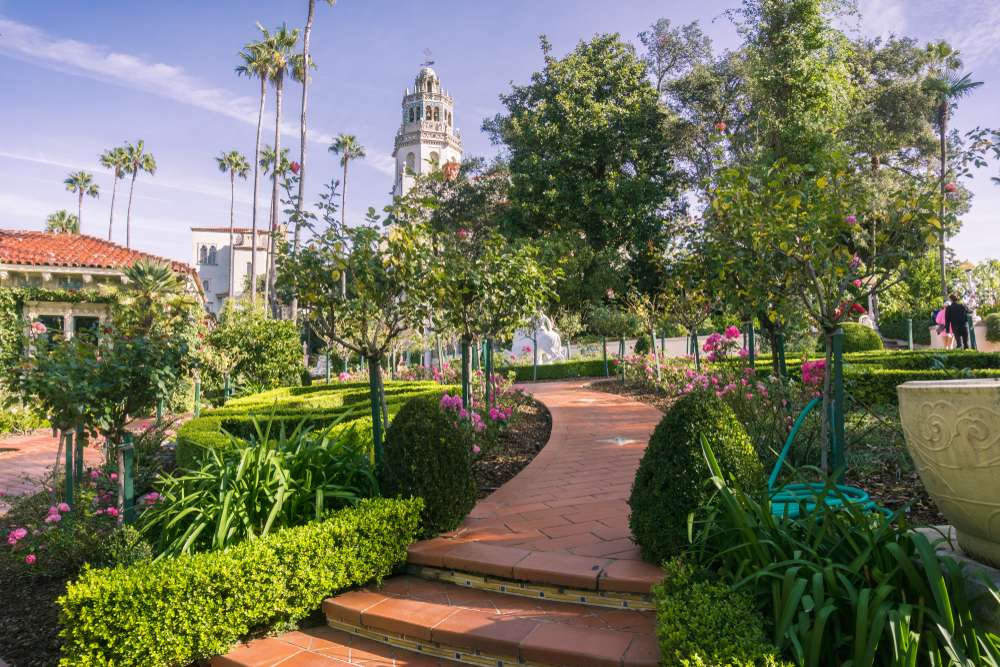
Perched high above California’s Central Coast, Hearst Castle looks almost unreal against the surrounding hills. William Randolph Hearst spared no expense, importing art, ceilings, and entire rooms from Europe. The estate includes multiple guest houses, lavish pools, and panoramic views that stretch to the Pacific. It feels more like a historic city than a residence.
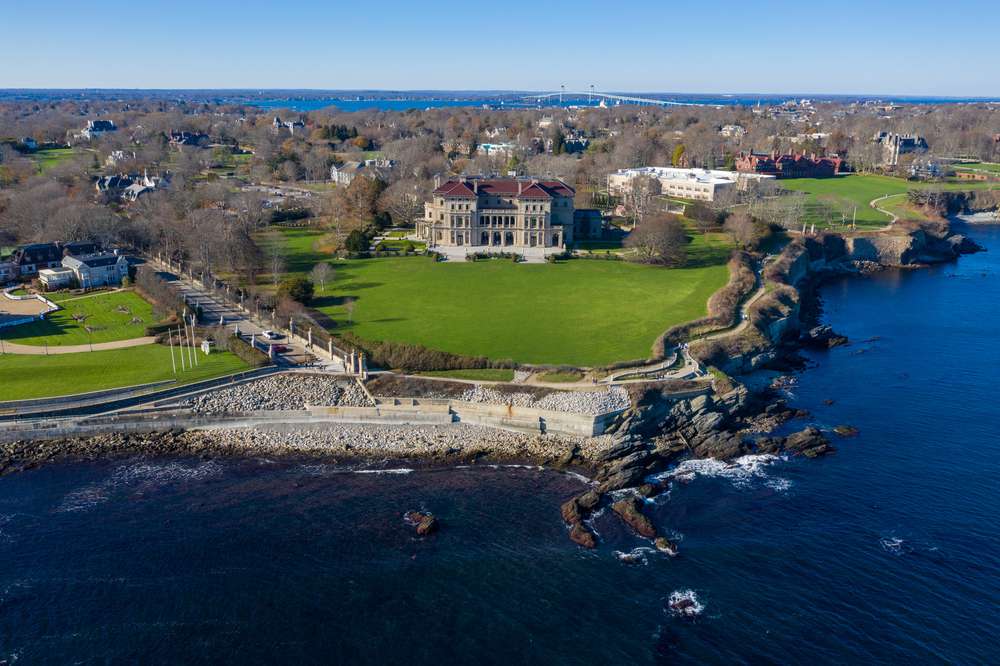
The Breakers – Rhode Island
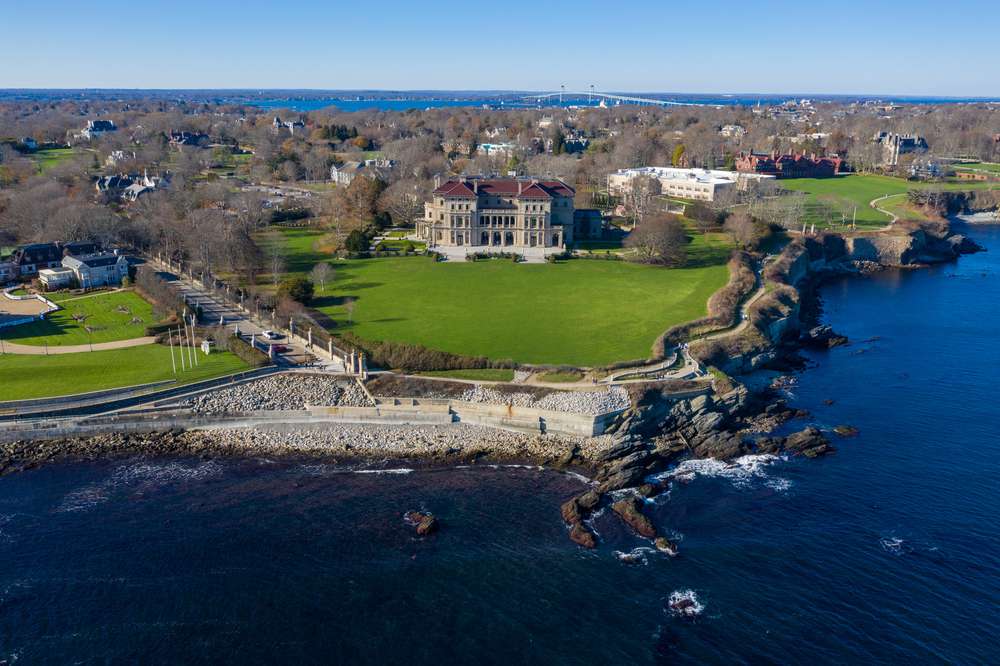
The Breakers was built as a summer home for the Vanderbilt family, but calling it a “house” barely does it justice. Inspired by Italian Renaissance palaces, it features massive halls, marble columns, and gilded ceilings. Walking through its rooms feels like stepping into an alternate version of American history where wealth had no limits.
Vizcaya Museum and Gardens – Florida

Vizcaya’s European-inspired design makes it one of the most surprising mansions in the United States. Constructed in the early 1900s, the estate includes formal gardens, stone sculptures, and waterfront terraces. The mansion’s scale and detailing rival historic estates overseas, making it a unique highlight for Florida-focused U.S. travel.
Oheka Castle – New York

Oheka Castle towers over Long Island like something from a fantasy novel. Built by financier Otto Hermann Kahn, the estate includes more than 120 rooms and sprawling formal gardens. Its symmetry, size, and elevated position make it feel almost fictional. The mansion has since become a popular filming location due to its dramatic presence.
The Elms – Rhode Island

Designed as a replica of a French château, The Elms was built for coal magnate Edward Julius Berwind. The mansion’s formal gardens, ornate rooms, and advanced technology for its time make it feel impossibly grand. Touring it reveals how American elites once tried to outdo European royalty.
Winterthur – Delaware
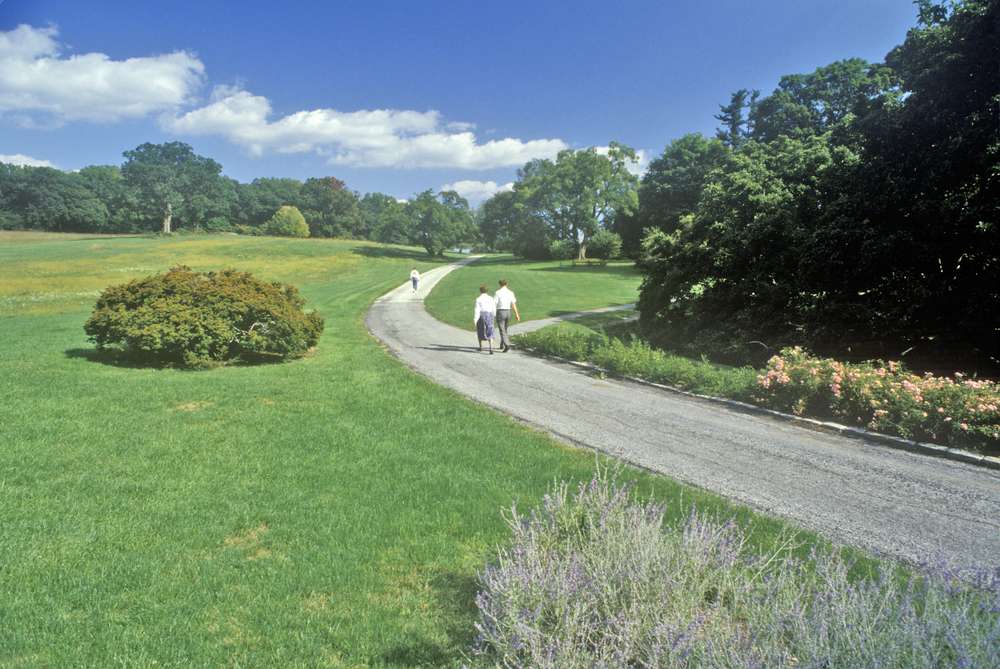
Winterthur combines mansion living with a world-class art collection. Built by the du Pont family, the home includes hundreds of rooms filled with antiques and decorative arts. The estate grounds are equally expansive, adding to the sense that this is more than a private residence. It feels like an entire cultural institution under one roof.
Ca’ d’Zan – Florida

This Venetian-style mansion sits along Sarasota Bay and looks more like an Italian palace than an American home. Built by circus magnate John Ringling, Ca’ d’Zan features colorful tiles, arched windows, and dramatic waterfront views. Its playful yet massive design feels almost surreal.
Marble House – Rhode Island

Marble House lives up to its name with an interior that uses hundreds of thousands of cubic feet of marble. Built as a birthday gift for Alva Vanderbilt, it was designed to showcase wealth rather than comfort. The sheer material cost and scale make it almost unbelievable as a private residence.
Nemours Estate – Delaware

Nemours Estate blends French architectural influences with American ambition. Built by Alfred du Pont, the mansion features grand staircases, formal gardens, and an almost overwhelming sense of symmetry. The scale feels deliberate, designed to impress anyone who enters. It’s one of the most striking estates on the East Coast.
Fonthill Castle – Pennsylvania

Fonthill Castle looks like a medieval fortress dropped into the American countryside. Built by archaeologist Henry Mercer, the concrete structure features irregular towers, narrow staircases, and massive walls. Its unusual design and size make it feel fictional, especially compared to more traditional mansions.
The Winchester Mystery House – California
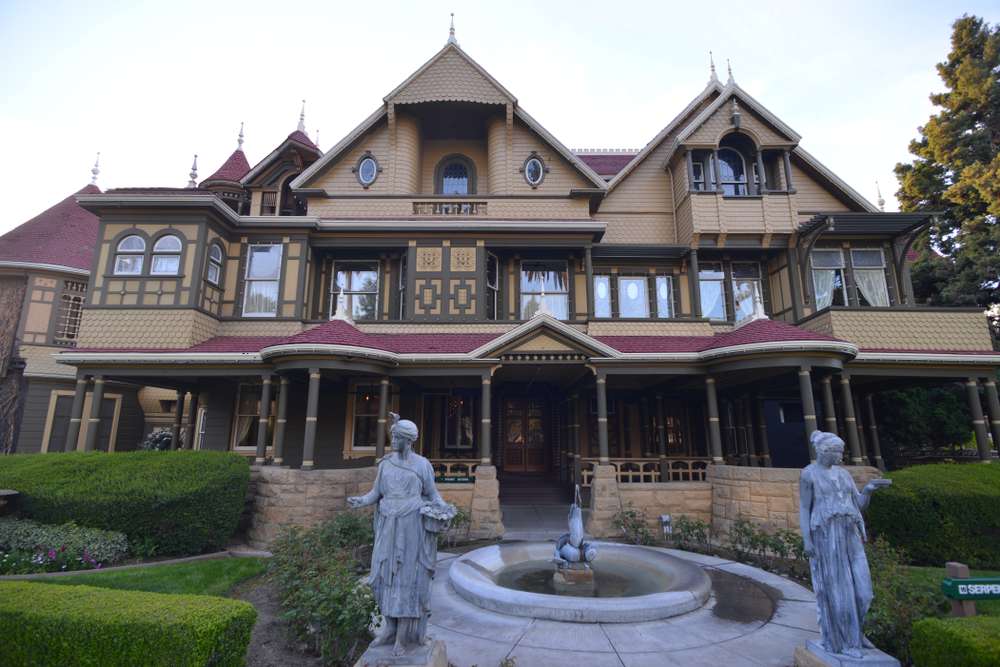
The Winchester Mystery House feels massive in a chaotic, dreamlike way. Built continuously for decades, the mansion includes staircases leading nowhere and doors opening into walls. While not traditionally symmetrical, its sheer size and bizarre layout make it unforgettable. It’s one of the most surreal residential structures in U.S. travel.
Grey Towers Castle – Pennsylvania
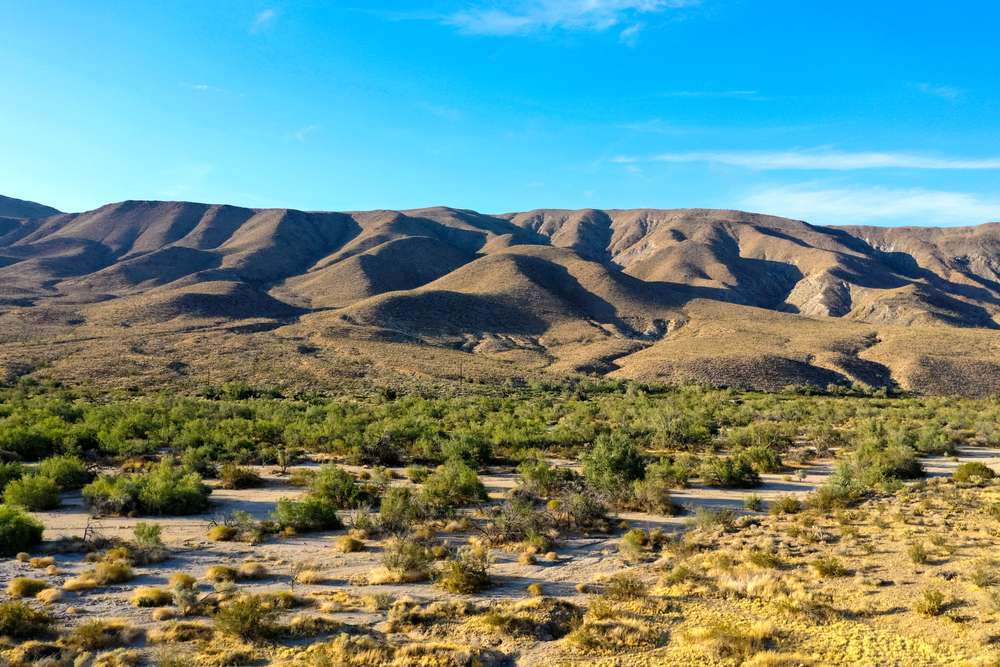
Grey Towers Castle resembles a Scottish fortress rather than a suburban home. Built by the Pinchot family, the mansion includes stone walls, towers, and grand interior spaces. Its size and medieval design make it feel like a historical set piece rather than a private residence.
Monticello – Virginia

Thomas Jefferson’s Monticello may not seem massive at first glance, but its design and grounds are deceptively large. The estate reflects Jefferson’s architectural ambition and innovation. Its scale feels intentional rather than flashy, yet it remains one of the most influential mansions in American history.
Drayton Hall – South Carolina
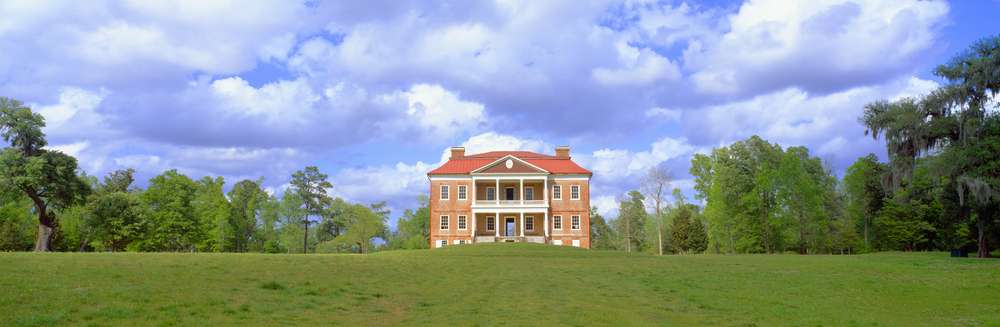
Drayton Hall stands as one of the oldest preserved plantation houses in America. Its scale and symmetry reflect Georgian architectural ideals. Unlike many estates, it remains unrestored, revealing the raw size and structure of the mansion. Walking through it feels like stepping directly into the past.
Glensheen Mansion – Minnesota

Overlooking Lake Superior, Glensheen Mansion feels almost too grand for its setting. Built by the Congdon family, the estate includes 39 rooms and extensive grounds. Its size and location make it feel like a palace placed in the northern wilderness, surprising many visitors.
The Breakers Annex Structures – Rhode Island
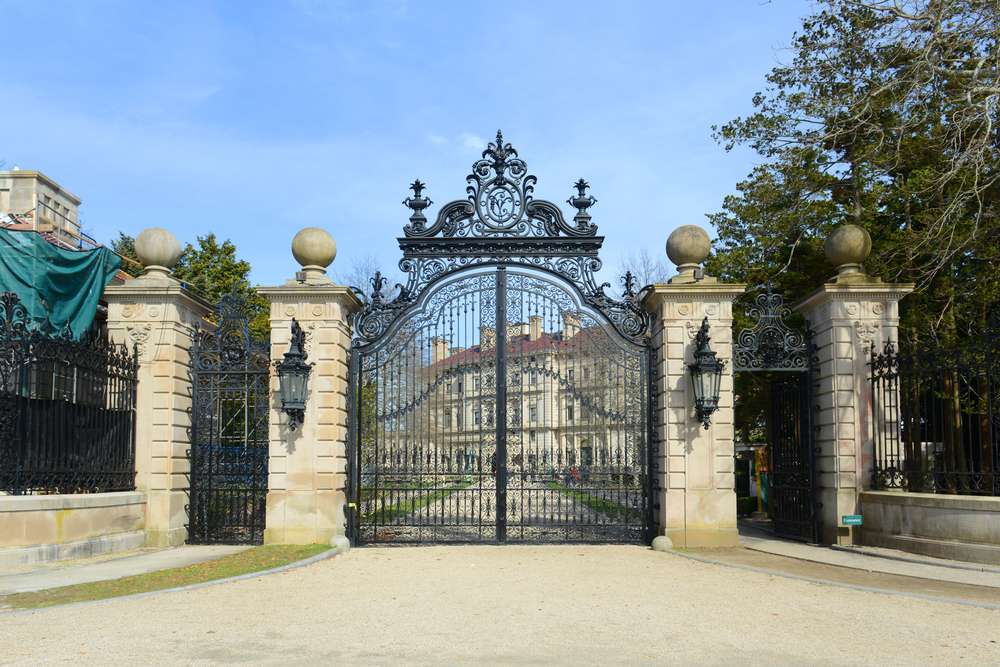
Beyond the main mansion, The Breakers includes additional massive structures that supported its operation. These buildings housed staff, utilities, and storage, forming a hidden estate within the estate. Their size reinforces how enormous these properties truly were.
Old Westbury Gardens – New York
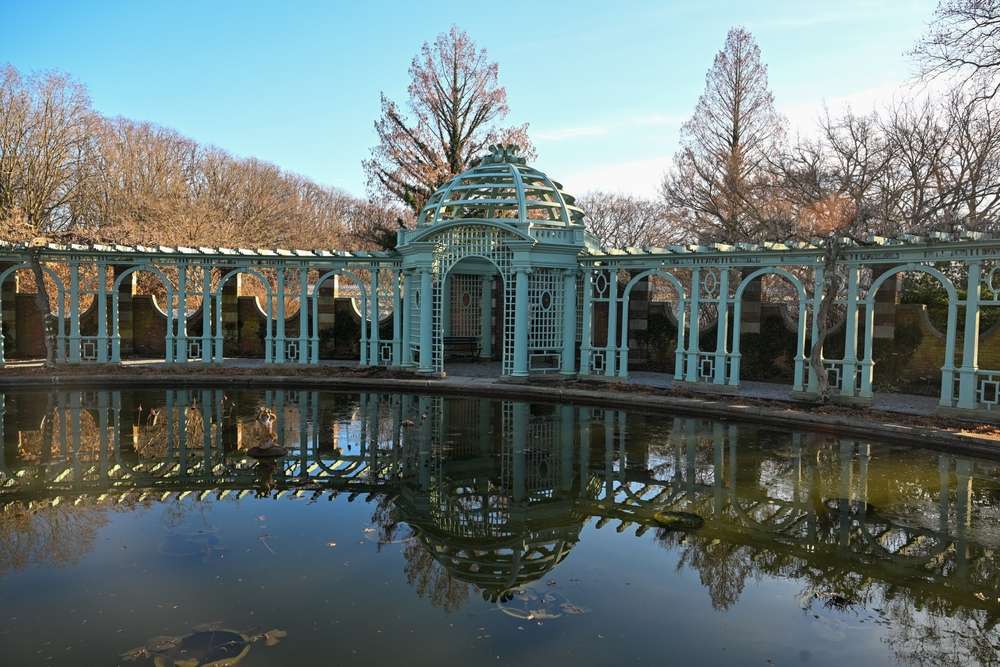
Old Westbury Gardens features a Charles II-style mansion surrounded by formal landscapes. Built during the early 20th century, it reflects America’s fascination with European aristocracy. The house’s scale and symmetry make it feel purpose-built to impress rather than to live in.
Hammond Castle – Massachusetts

Hammond Castle blends medieval design with early 20th-century engineering. Built by inventor John Hays Hammond Jr., it features courtyards, towers, and dramatic interior spaces. Its fortress-like appearance makes it feel fictional, especially given its location near the coast.
The Ringling Mansion – Florida
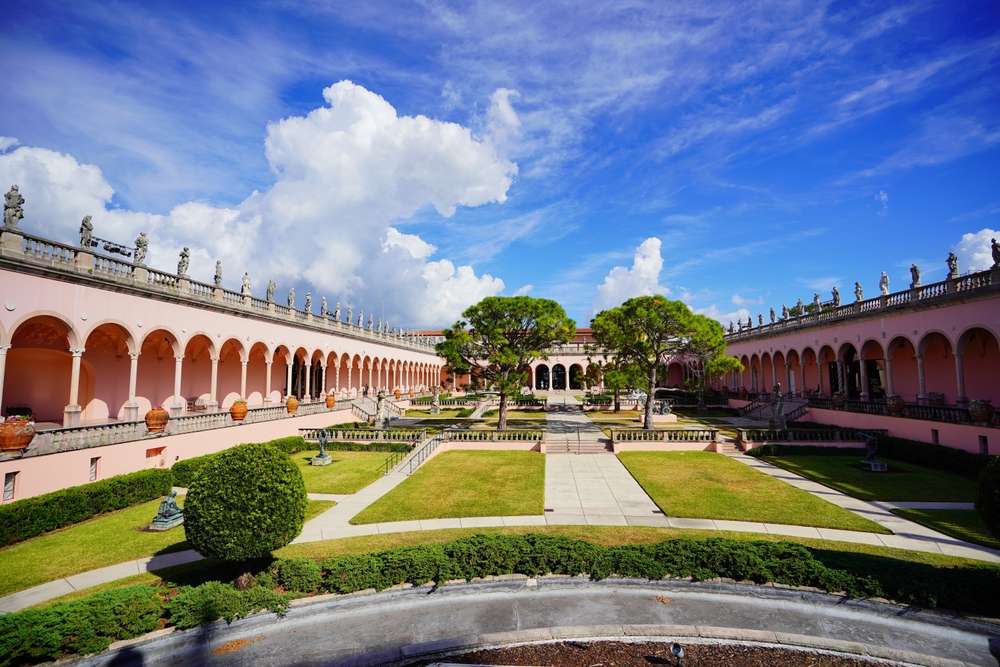
Part of the Ringling complex, this mansion reflects circus wealth transformed into architectural spectacle. Massive halls, imported art, and sprawling grounds define the estate. It feels more like a European palace complex than an American residence.
Meadow Brook Hall – Michigan
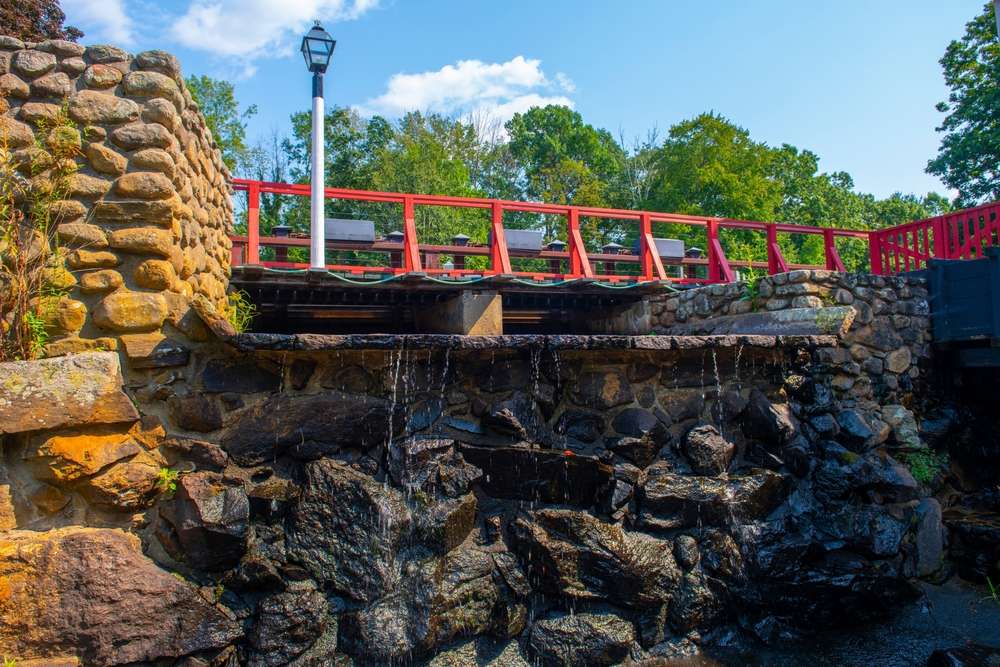
Meadow Brook Hall is one of the largest historic mansions in the Midwest. Built by Matilda Dodge Wilson, the estate features Tudor Revival architecture and expansive grounds. Its size, craftsmanship, and preservation make it hard to believe it was once a private home.

Deborah Montiero is a seasoned travel writer and contributor to Probe the Globe. With a passion for uncovering hidden gems and sharing immersive travel experiences, Deborah’s work highlights must-visit destinations, insider tips, and practical advice for travelers of all types. Whether exploring bustling cities or remote escapes, her articles are crafted to inspire and inform, making her a trusted voice in the travel community.
Her storytelling weaves together cultural insights, logistical tips, and authentic experiences, making her a valuable resource for readers seeking unforgettable journeys.
When not writing, Deborah is likely researching the latest travel trends or planning her next adventure. Follow her work on Probe the Globe for fresh perspectives and up-to-date travel inspiration.