
22 Abandoned Places in America That Are Hauntingly Beautiful
Abandoned places across the U.S. that are super eerie but also kind of beautiful, like ghost towns, old prisons, and forgotten islands. Some look like movie sets, and each one has this haunting vibe that makes you want to know what happened there. Perfect if you’re into off-the-beaten-path travel or just love a good mystery.
Eastern State Penitentiary, Pennsylvania

Philadelphia’s Eastern State Penitentiary was once the most famous and expensive prison in the world. Its Gothic towers and crumbling cellblocks now stand as chilling monuments to a bygone era of incarceration. Visitors can explore empty corridors where echoes seem to linger in the air. The structure’s haunting atmosphere and striking architecture have made it a favorite destination for travelers fascinated by both history and the supernatural.
South Pass City, Wyoming

In the high plains of Wyoming, South Pass City preserves more than 20 historic buildings from the gold rush era. Once home to thousands, it now stands quiet, surrounded by sagebrush and sky. The general store, saloon, and mine structures remain largely intact, offering visitors an immersive experience into the Old West. This ghost town blends beauty and desolation, a must-see for travelers exploring Wyoming’s frontier heritage.
Centralia, Pennsylvania

Centralia is a near-empty town that has been slowly consumed by an underground coal fire burning since 1962. Only a few residents remain, and smoke still rises from cracks in the ground. Overgrown streets and faded homes tell the story of a community lost to an unstoppable natural disaster. For adventurous U.S. travelers, Centralia represents both tragedy and the haunting resilience of forgotten America.
Kennecott Mines, Alaska
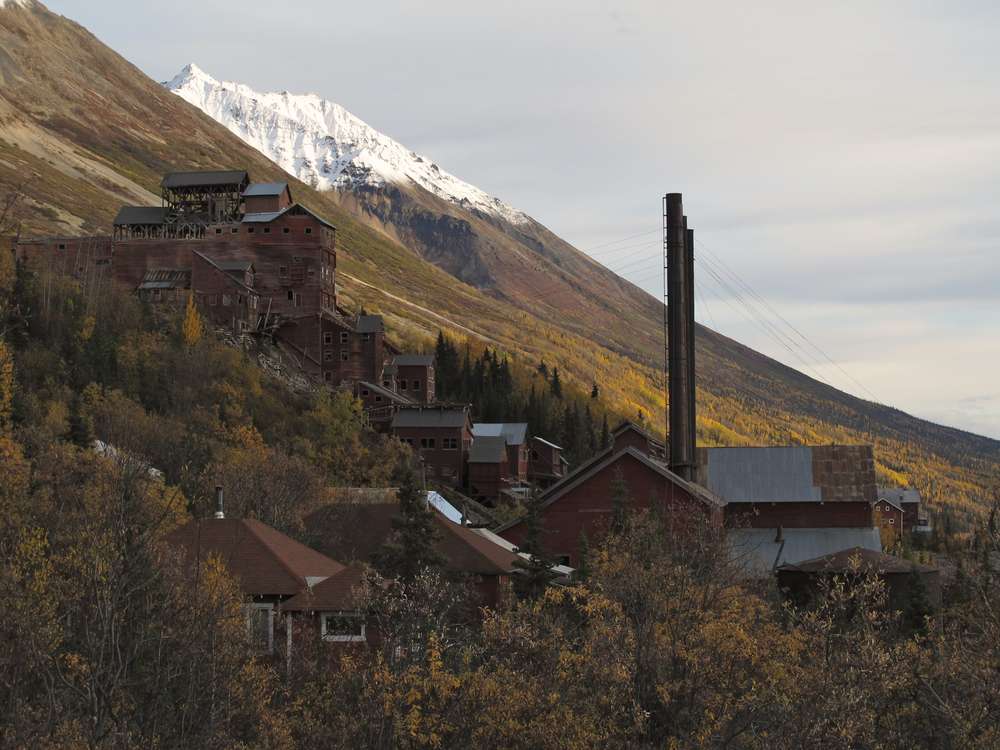
Deep in the heart of Wrangell–St. Elias National Park, the abandoned Kennecott copper mining town sits against a backdrop of glaciers and peaks. The massive red mill buildings and weathered shacks still cling to the mountainside, echoing the prosperity that once defined this remote outpost. Today, it’s a hauntingly beautiful reminder of Alaska’s mining past and an unforgettable stop for U.S. travel explorers who crave off-the-grid adventure.
Bannack, Montana
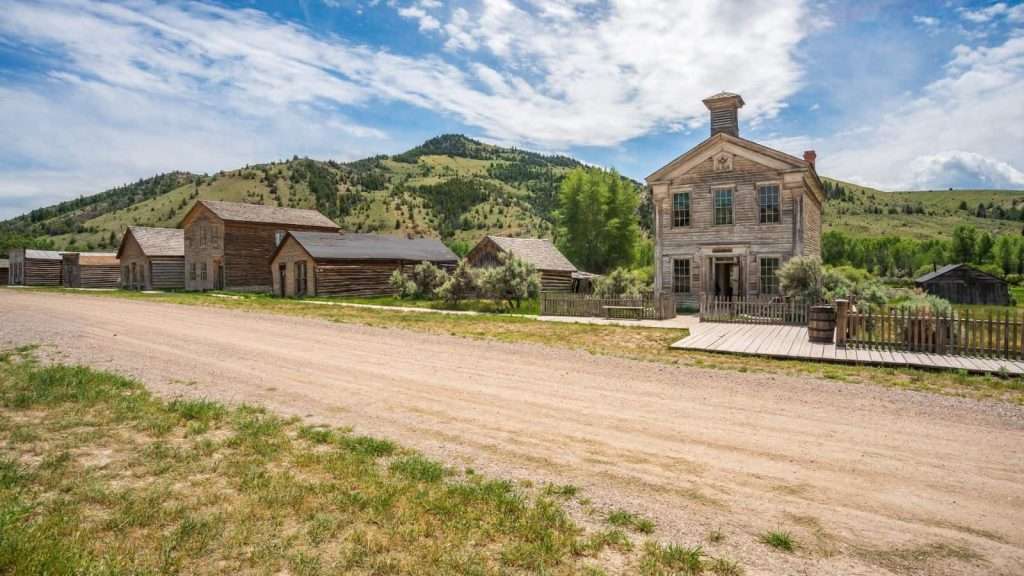
Bannack was Montana’s first territorial capital and a thriving gold rush town in the 1860s. Today, its log buildings and empty streets stand quietly under wide western skies. Visitors can wander through the old saloon, schoolhouse, and hotel, each holding stories of fortune and hardship. This ghost town captures the spirit of the frontier, offering travelers a raw and haunting glimpse into America’s early gold rush days.
Rhyolite, Nevada

Rhyolite’s skeletal remains stand just outside Death Valley, where desert winds sweep through crumbling stone buildings and a once-grand train depot. Established during Nevada’s gold rush, the town boomed and died within a decade. Today, sculptures and art installations among the ruins add surreal contrast to the stark landscape. For U.S. travelers drawn to eerie beauty, Rhyolite offers one of the most photogenic ghost towns in the West.
North Brother Island, New York
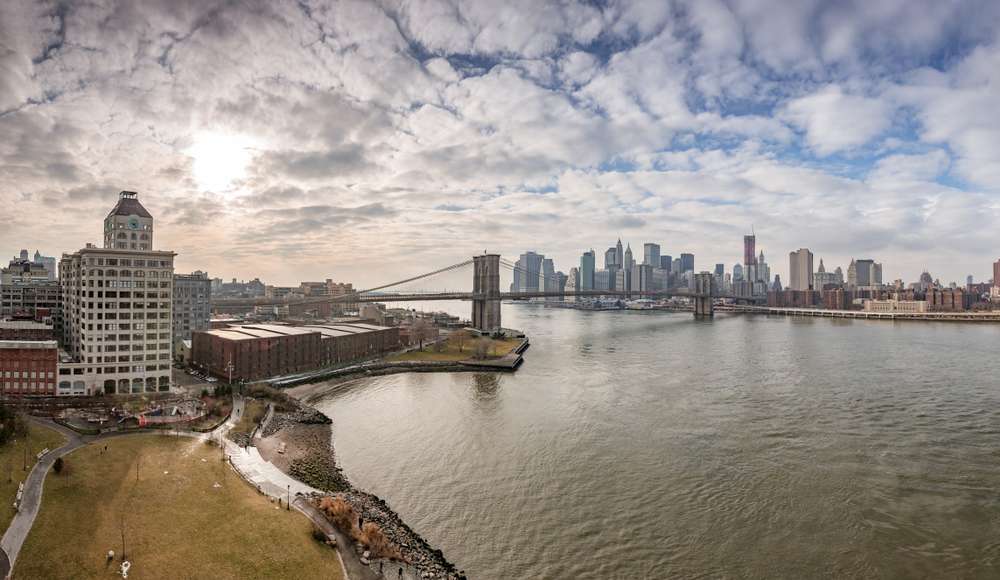
Hidden in the East River between the Bronx and Rikers Island, North Brother Island is one of New York’s most mysterious abandoned places. Once home to a quarantine hospital and later a rehabilitation center, it was eventually left to decay. Overgrown ivy now covers its buildings, while birds and wildlife have reclaimed the land. Though access is restricted, it remains a haunting symbol of forgotten urban history in America’s largest city.
Cahawba, Alabama
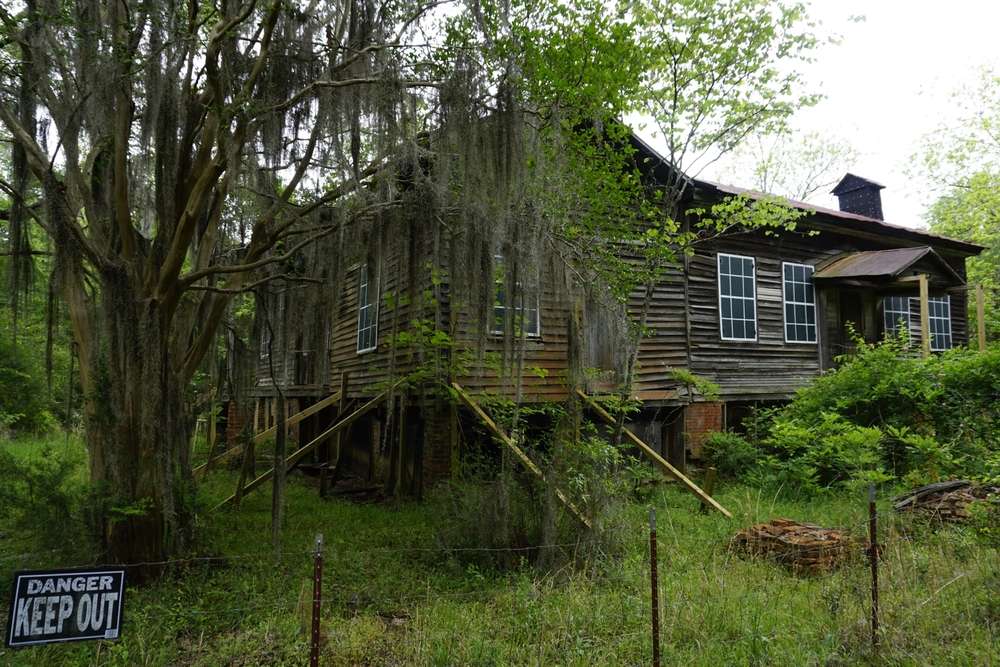
Cahawba, Alabama’s first state capital, lies quietly along the Alabama River, where the remnants of old streets and cemeteries still tell its story. Flooding forced residents to leave, and now moss-covered ruins and ancient oaks dominate the site. Visitors can explore the hauntingly peaceful grounds, imagining the once-bustling community. Cahawba’s beauty lies in its stillness, a perfect stop for U.S. travel enthusiasts seeking Southern history and mystery.
Fort Jefferson, Florida

Located in the Dry Tortugas National Park, Fort Jefferson is an enormous 19th-century coastal fortress built entirely of brick. Though it was never fully completed, it once guarded the Gulf of Mexico’s vital shipping routes. Today, its weathered walls and moat offer a haunting contrast against turquoise waters. Accessible only by boat or seaplane, it’s a fascinating destination for history buffs exploring Florida’s remote islands.
Detroit’s Michigan Central Station, Michigan

Once a grand gateway to the Motor City, the Michigan Central Station stood abandoned for decades before partial restoration began. The Beaux-Arts structure’s towering windows and echoing halls evoke the city’s industrial rise and decline. Graffiti and decay once dominated its interior, making it an urban explorer’s dream. For those drawn to the beauty of urban decay, this Detroit landmark tells the story of resilience and rebirth in American travel history.
Pripyat of the West — Times Beach, Missouri

Times Beach was evacuated in the 1980s after dioxin contamination made it unsafe for residents. Today, it has been transformed into a state park, but traces of the ghost town still remain, foundations, roads, and echoes of a vanished community. The eerie quiet and lingering history create a chilling atmosphere. For U.S. travelers fascinated by environmental history, Times Beach offers a haunting reminder of human impact and recovery.
Bodie, California
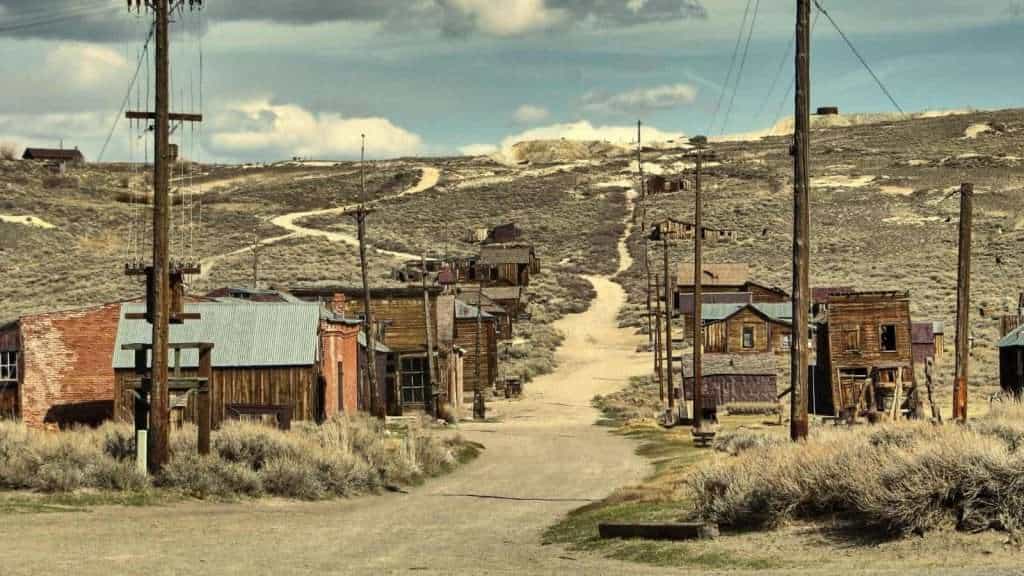
Once a booming gold-mining town in the Sierra Nevada mountains, Bodie is now one of the best-preserved ghost towns in the United States. Its wooden homes, schoolhouse, and saloon stand silent, their interiors frozen as if residents simply vanished overnight. Walking its dusty streets feels like traveling back to the Wild West. Managed as a state historic park, Bodie remains one of the most fascinating stops in U.S. travel for history lovers and photographers alike.
Ruby, Arizona

Ruby sits deep in the mountains near the Mexican border, once thriving as a mining town known for lead, zinc, and silver. When the mines closed in the 1940s, residents left quickly, leaving behind weathered buildings and rusted machinery. The silence of the desert gives the town an eerie calm. Ruby’s isolation and haunting scenery make it one of Arizona’s most atmospheric abandoned places for U.S. travel photographers and adventurers.
Fort Ord, California
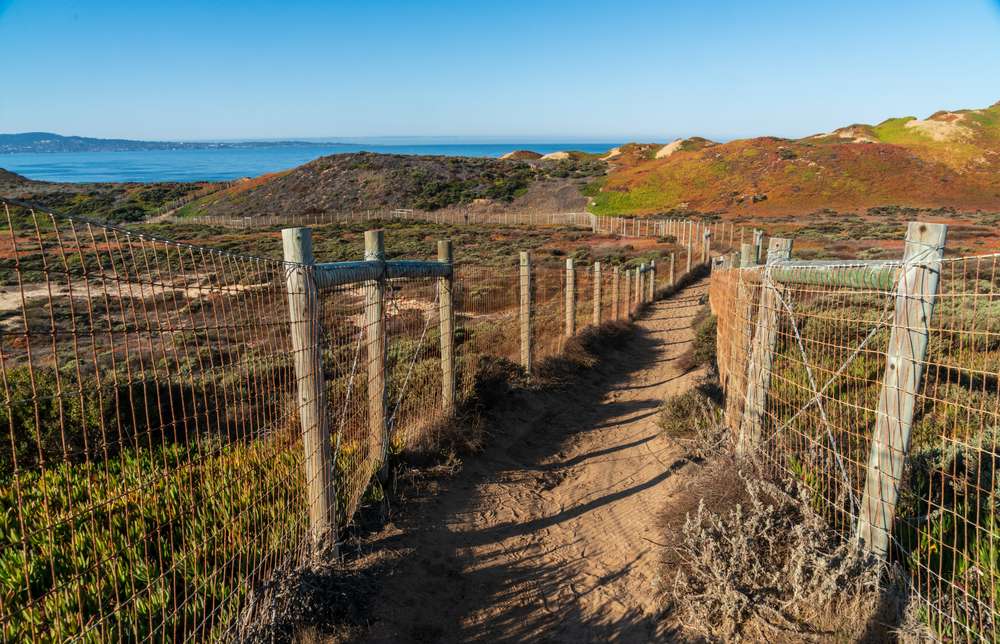
Along California’s central coast, Fort Ord was once a major military training base. After its closure in the 1990s, hundreds of empty barracks and structures were left behind, slowly reclaimed by nature. Murals, peeling paint, and silent corridors tell stories of the soldiers who once trained there. Now partially preserved as public land, Fort Ord’s eerie calm draws hikers and travelers intrigued by forgotten military history.
The Salton Sea, California

The Salton Sea was once a glamorous resort area in the 1950s, attracting celebrities and tourists. As water levels dropped and salinity rose, the area became a surreal wasteland. Abandoned motels, rusting boats, and salt-crusted shores create an otherworldly landscape. For U.S. travelers seeking unique photography and eerie beauty, the Salton Sea offers one of the most haunting experiences in Southern California.
Thurmond, West Virginia

Thurmond was once a thriving railroad town that fueled West Virginia’s coal industry. Today, only a handful of residents remain, and the empty brick buildings line the quiet riverbanks. The depot and hotel still stand, silent witnesses to a bygone era. Surrounded by the Appalachian wilderness, Thurmond feels both haunting and peaceful, a living museum for travelers exploring the heart of America’s coal country.
Dory Hill Cemetery, Colorado

High in the mountains near Black Hawk lies Dory Hill Cemetery, where time seems to have stopped completely. Leaning gravestones, rusted fences, and legends of ghostly lights have turned it into one of Colorado’s most haunting sites. Yet beyond the tales of the supernatural, the quiet beauty of the forest and the history buried here draw curious travelers. It’s an evocative stop for those exploring Colorado’s mining-era heritage.
Goldfield, Arizona
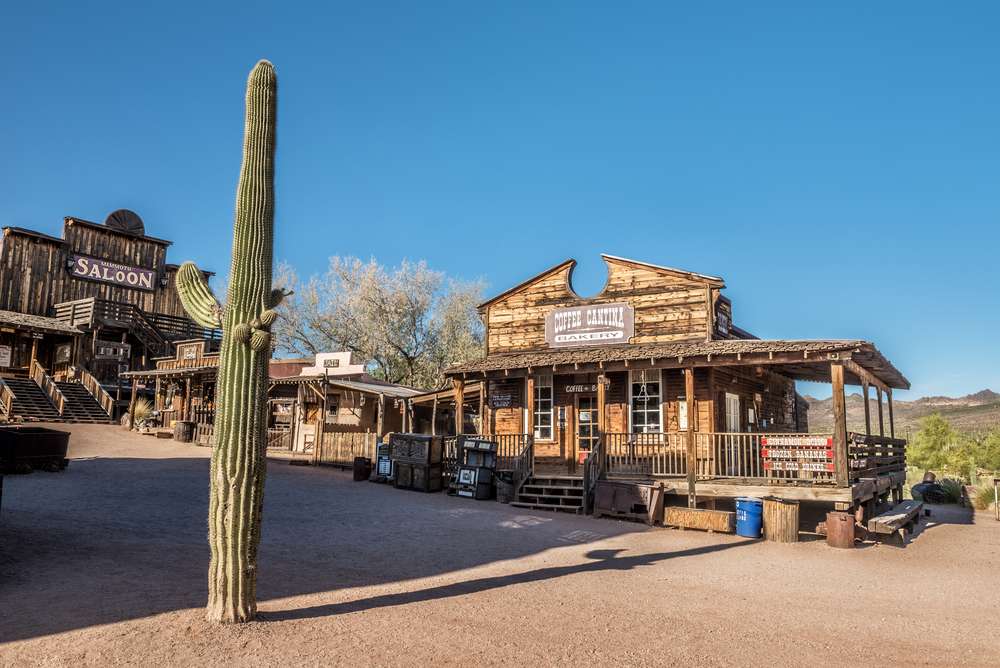
Goldfield Ghost Town near the Superstition Mountains brings the Wild West back to life — and to decay. Once a booming mining settlement, it faded after the gold ran out. The restored buildings and remaining ruins tell the story of fortunes won and lost. While some parts are reconstructed, much of the original site retains its haunting authenticity, making it a fascinating destination for U.S. travel explorers seeking desert history.
Bannerman Castle, New York

Perched on an island in the Hudson River, Bannerman Castle looks like something straight from a Gothic novel. Built in the early 1900s by a military surplus dealer, the castle was abandoned after an explosion and fire. Today, ivy crawls up its crumbling towers, creating a hauntingly romantic silhouette against the river. Travelers exploring New York’s Hudson Valley often find it one of the most unforgettable sites in American ruins.
Cairo, Illinois

Cairo once stood as a prosperous river port where the Mississippi and Ohio Rivers meet. Economic decline and social unrest led to its near abandonment, leaving behind grand Victorian homes and empty streets. The quiet decay contrasts with its once-vibrant past, offering a haunting reflection of changing times. For U.S. travelers interested in urban history, Cairo serves as a poignant and beautiful stop along America’s forgotten highways.
Keeler, California

At the edge of Owens Lake, the small town of Keeler offers a haunting view of the past and present. Once a thriving mining community, it was left behind when the lake dried due to water diversion. Rusting equipment, weathered signs, and the silence of the desert create a powerful atmosphere. Keeler’s stark beauty appeals to photographers and travelers exploring California’s forgotten desert landscapes.
Gilman, Colorado
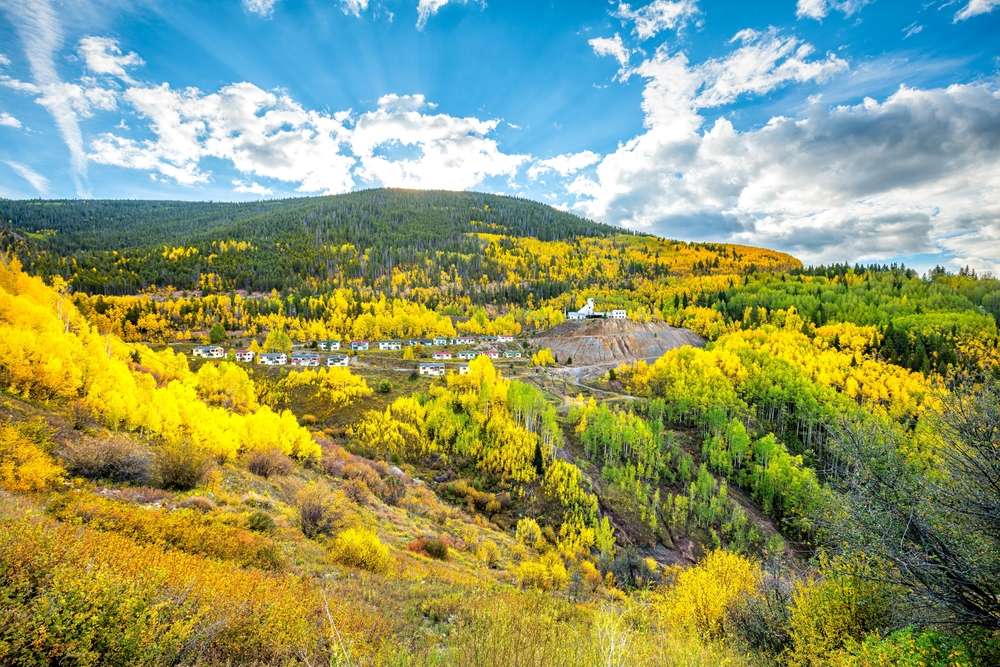
Perched on a cliff above the Eagle River, the abandoned mining town of Gilman remains frozen in time. Closed due to environmental concerns in the 1980s, its homes and schools still stand against the mountain wind. Though access is restricted, the sight of this empty town overlooking the valley below is unforgettable. Gilman represents the haunting intersection of nature, industry, and the passage of time in U.S. travel lore.

Rachel K. Belkin is an Austin‑based and Pittsburgh-based educator, writer, marketing director, and travel advisor. She is the founder and editor‑in‑chief of Probe the Globe, a travel publication with content syndicated on national and global outlets. Rachel collaborates with businesses and community organizations to tell stories and create content that informs, inspires, and strengthens connections. Her travel, lifestyle, and health reporting has appeared on MSN, Yahoo News, AP News, HuffPost, Matador Network, EuroNews, the Associated Press, WGN, Hometalk, and in on‑air segments for Fox 7 Austin, KXAN, and CBS Austin. She also speaks at community and industry events, sharing stories on travel, marketing and branding strategy, and breast cancer survivorship.