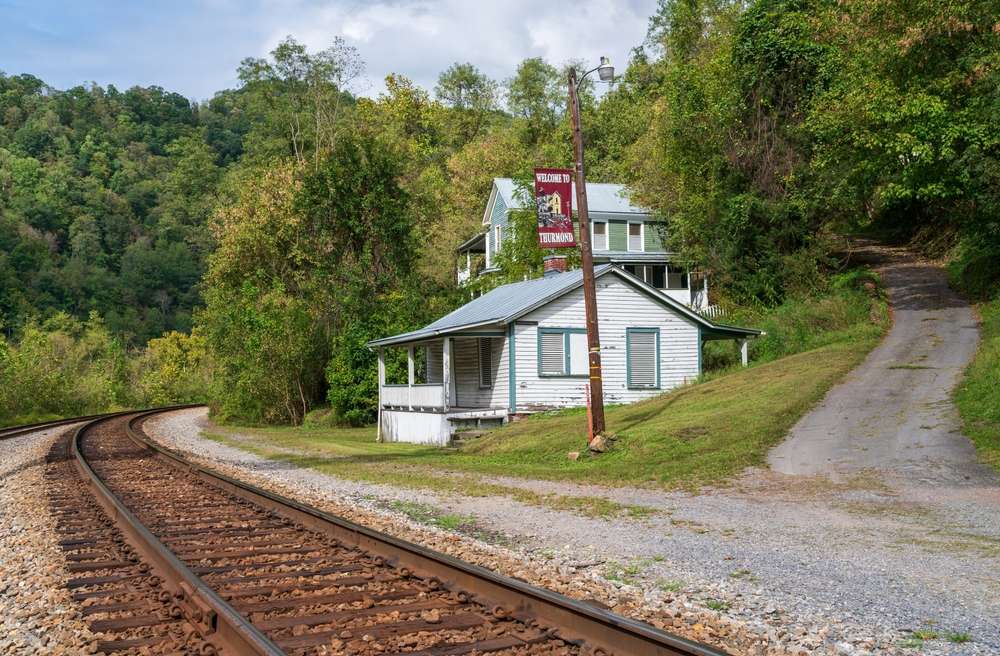

24 American Cities With Neighborhoods That Feel Like You Time-Traveled
Travel across the United States often reveals moments when the present fades and the past feels close enough to touch. In certain neighborhoods, architecture, street layouts, and local traditions preserve eras long gone, offering immersive glimpses into earlier chapters of American life. These places don’t feel staged or artificial; they feel lived-in, layered, and remarkably intact. This article explores 24 American Cities With Neighborhoods That Feel Like You Time-Traveled.
Boston, Massachusetts – Beacon Hill
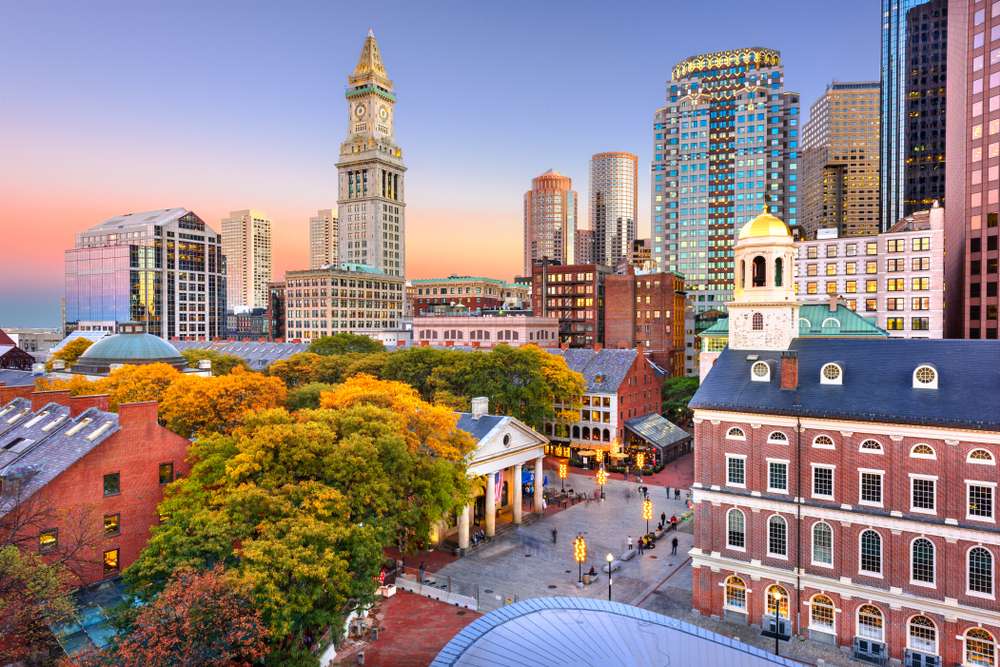
Beacon Hill’s narrow streets, brick sidewalks, and gas lamps immediately evoke colonial and early federal America. Walking its slopes feels like stepping into the 1800s, where row houses and iron railings define the rhythm of daily life. Despite being in a major U.S. travel destination, the neighborhood retains a residential calm that protects its historic character. The lack of modern signage and towering buildings strengthens the sense of time displacement.
New Orleans, Louisiana – French Quarter

The French Quarter feels suspended between centuries, shaped by Spanish, French, and Creole influences. Balconies draped in wrought iron overlook courtyards that echo with history. Music, cuisine, and architecture blend seamlessly into an environment that resists modern homogenization. Travelers exploring U.S. cultural destinations often find this neighborhood uniquely immersive, where history isn’t observed—it’s experienced.
Charleston, South Carolina – South of Broad
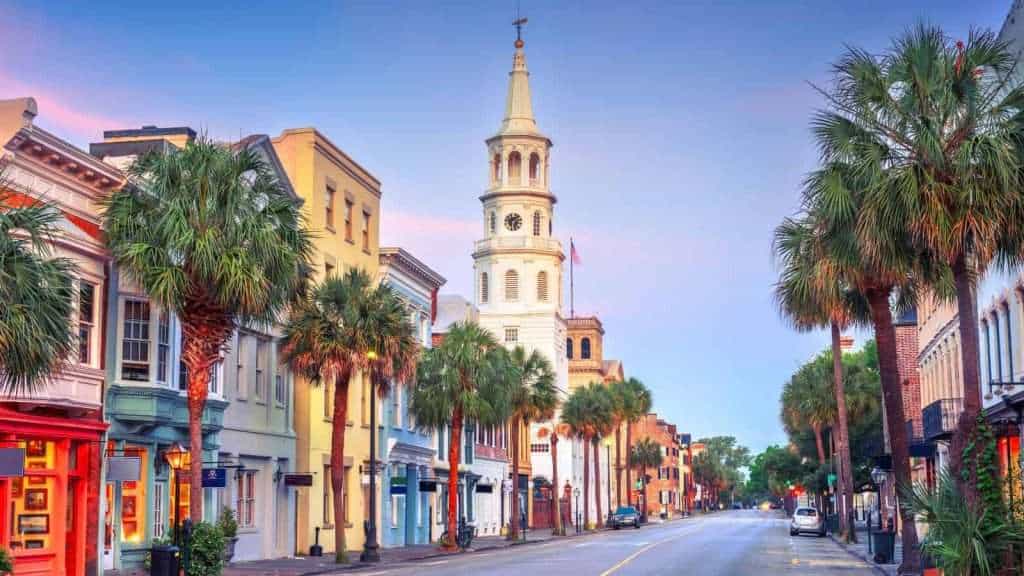
Cobblestone streets, pastel mansions, and historic churches define this storied Charleston neighborhood. The area’s preservation efforts maintain its colonial and antebellum identity. Horse-drawn carriages and shaded promenades contribute to the illusion of stepping backward in time. For travelers seeking historically rich U.S. travel experiences, South of Broad feels remarkably intact and deeply atmospheric.
San Antonio, Texas – King William District

King William showcases 19th-century German-influenced homes lining quiet streets near the San Antonio River. Mansions built by early settlers reflect craftsmanship rarely seen in modern neighborhoods. The district’s layout and pace feel untouched by contemporary development trends. Visitors exploring Texas history often find this area surprisingly transportive.
Savannah, Georgia – Historic District

Savannah’s orderly grid, leafy squares, and preserved homes create an environment rooted in 18th- and 19th-century design. Each square feels like a pause in time, framed by moss-covered trees and historic facades. Modern traffic fades into the background as pedestrians move through shaded paths. For U.S. travel lovers, Savannah’s Historic District delivers a rare continuity of place.
St. Augustine, Florida – Colonial Quarter

As the oldest continuously occupied European settlement in the country, St. Augustine’s Colonial Quarter feels deeply layered. Narrow lanes, stone structures, and Spanish-era architecture dominate the streetscape. Museums and daily life coexist within centuries-old walls. Travelers interested in early American history find this neighborhood especially powerful.
Philadelphia, Pennsylvania – Old City
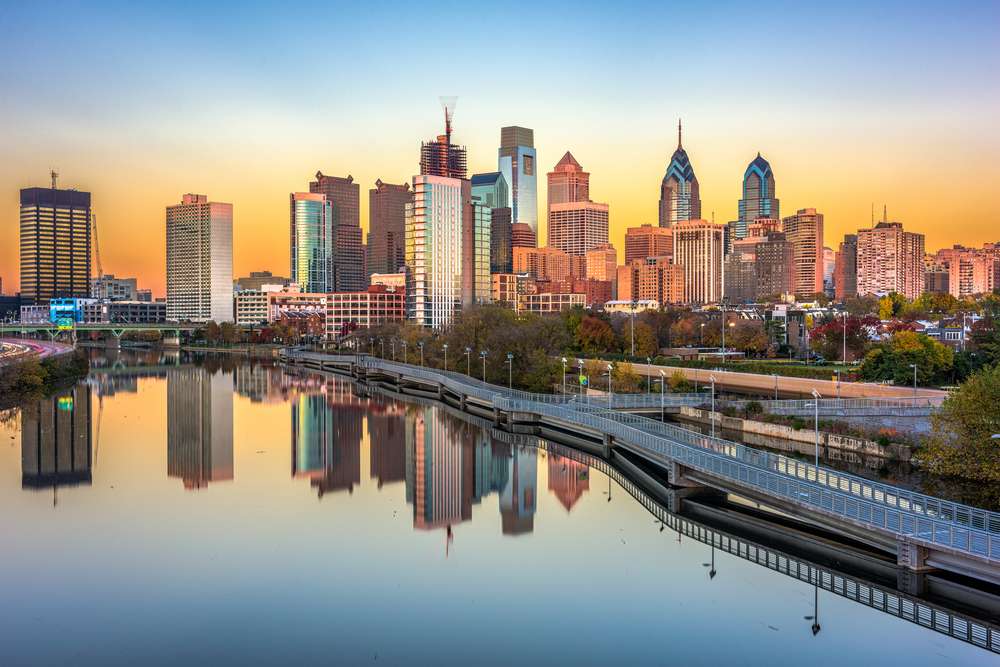
Old City preserves the look and feel of the nation’s founding era. Brick townhouses, historic meeting halls, and narrow streets define the area. Despite being surrounded by a modern city, Old City remains visually anchored in the 1700s. Visitors exploring U.S. travel routes tied to American independence feel a strong sense of historical continuity here.
Santa Fe, New Mexico – Historic Downtown
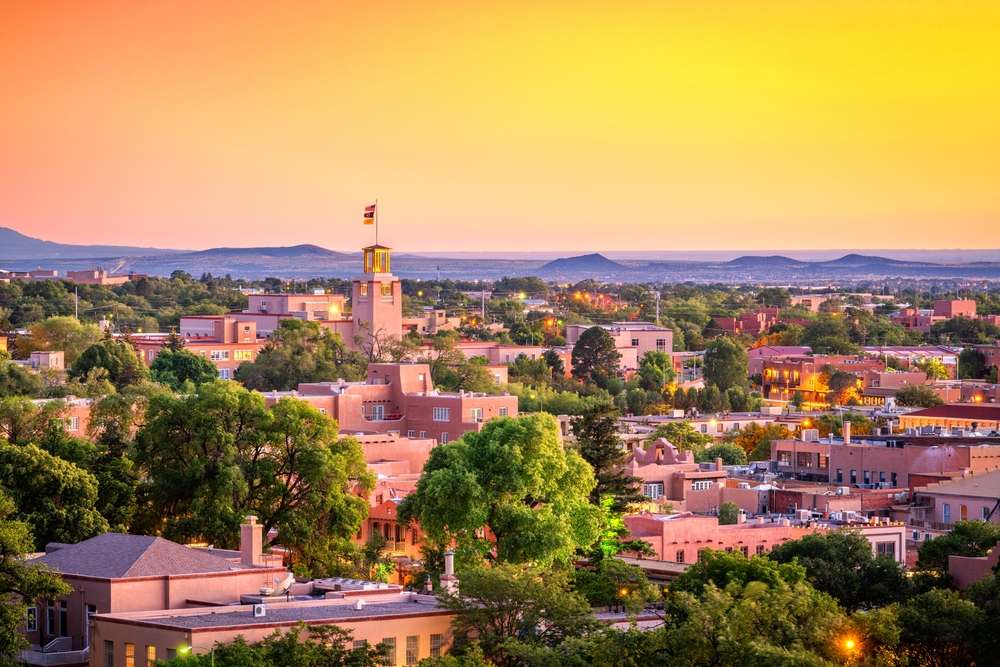
Santa Fe’s adobe architecture and earthy color palette create a timeless Southwestern aesthetic. Centuries-old building techniques remain visible throughout the neighborhood. The absence of high-rise construction preserves its ancient visual identity. Travelers seeking culturally immersive U.S. travel destinations often find Santa Fe unlike anywhere else.
San Francisco, California – Haight-Ashbury

Haight-Ashbury captures the spirit of the 1960s counterculture movement. Victorian homes painted in bold colors line streets still filled with music and artistic expression. While modern influences exist, the neighborhood’s identity remains rooted in its revolutionary past. Visitors exploring cultural history often feel transported to another social era.
Alexandria, Virginia – Old Town
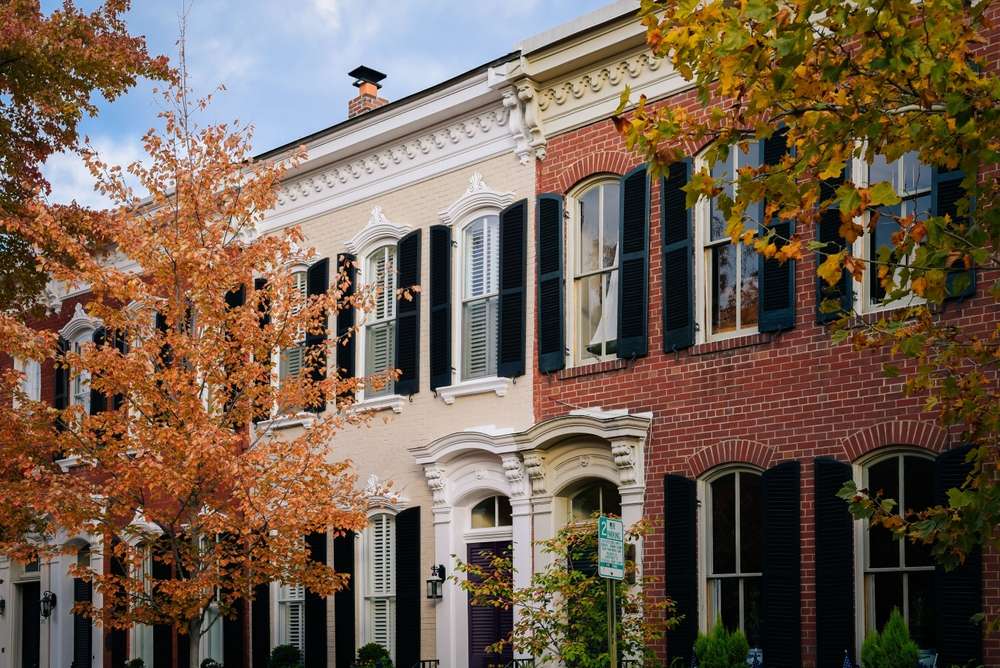
Old Town Alexandria preserves cobblestone streets, colonial architecture, and waterfront views that reflect early American commerce. Brick townhouses and historic taverns create a cohesive visual story. Walking through the area feels more like exploring a preserved port town than a modern suburb. U.S. travel enthusiasts often praise its authenticity.
Chicago, Illinois – Pullman District
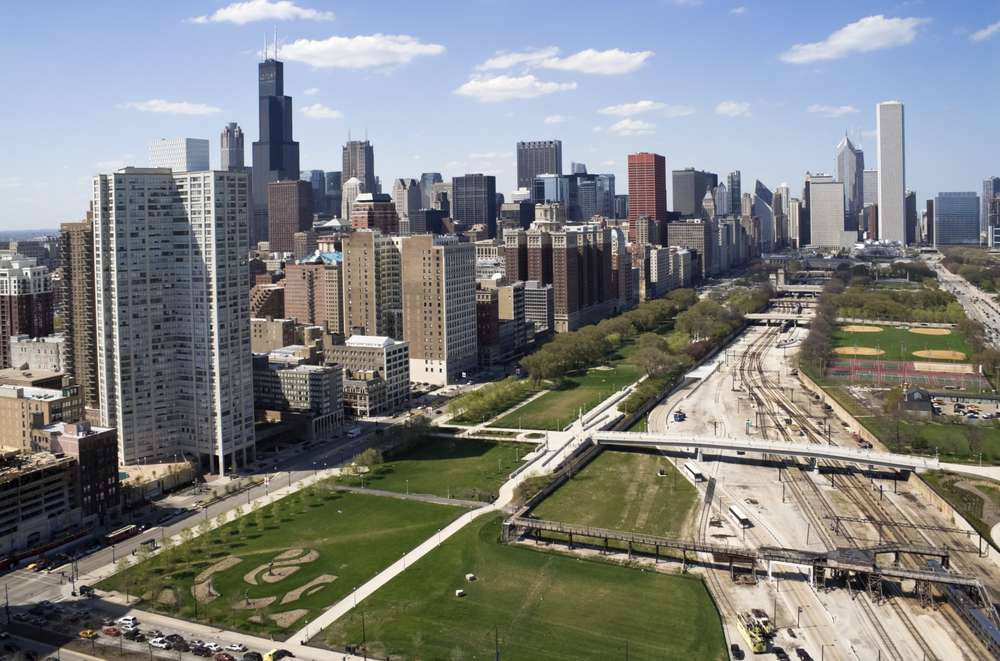
The Pullman District tells the story of industrial America through carefully planned streets and preserved workers’ housing. Built in the late 19th century, the neighborhood reflects early labor history and social design. Its uniform architecture reinforces the feeling of stepping into a specific moment in time. Travelers interested in America’s industrial past find Pullman deeply engaging.
Annapolis, Maryland – Historic Downtown

Annapolis’ colonial streets, harbor views, and preserved buildings create a maritime time capsule. The scale of the neighborhood encourages walking and lingering. Many structures date back to the 1700s, reinforcing the sense of continuity. For U.S. travel centered on early American cities, Annapolis offers rare authenticity.
Williamsburg, Virginia – Colonial Area
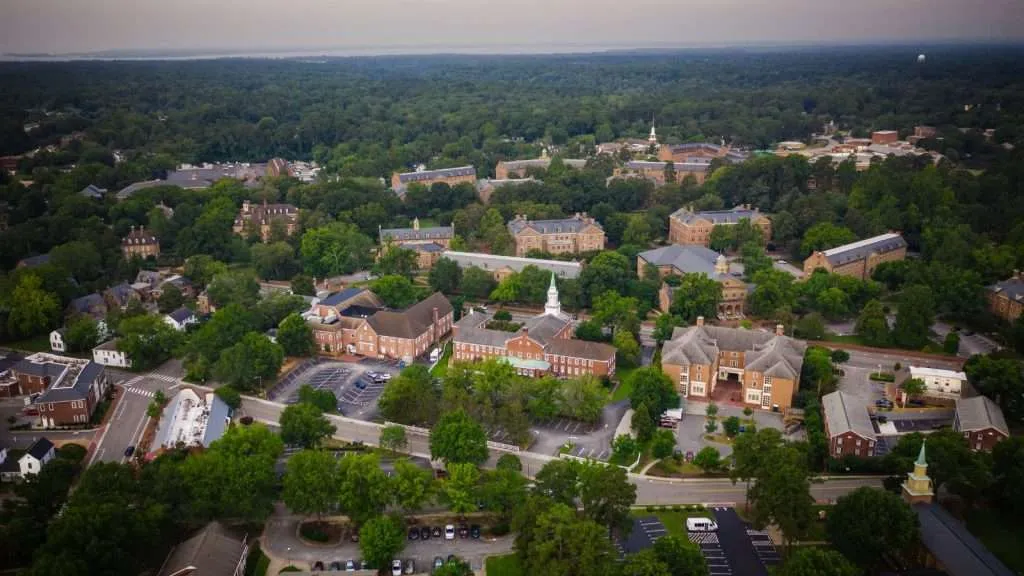
Williamsburg’s historic neighborhoods blend living communities with preserved colonial infrastructure. Brick pathways, restored homes, and period details dominate the environment. The area’s commitment to historical accuracy makes everyday movement feel theatrical yet genuine. Travelers often feel immersed rather than merely observing history.
Detroit, Michigan – Indian Village
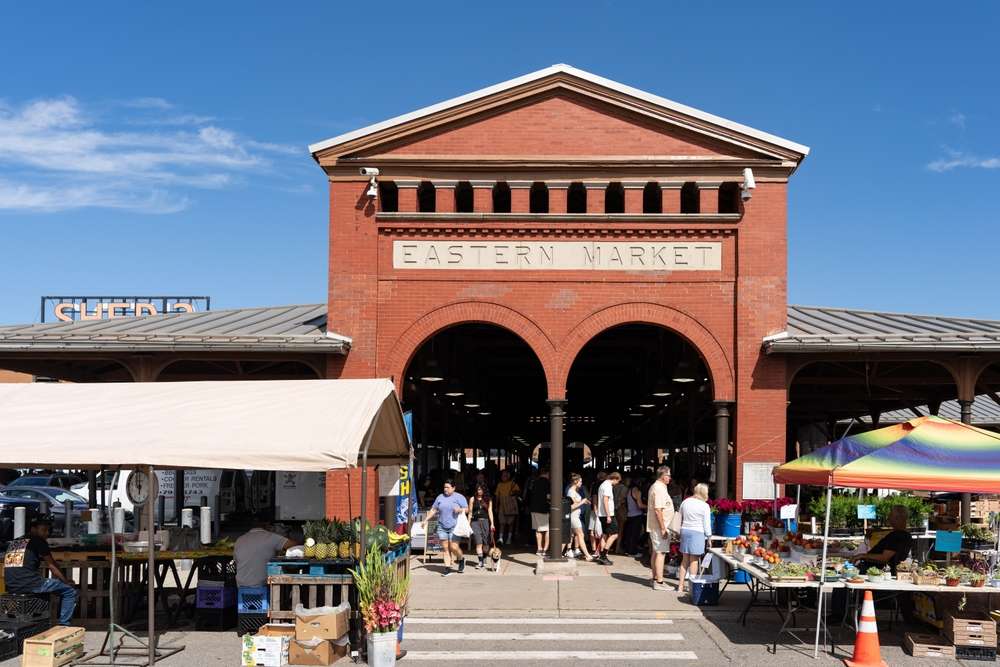
Indian Village showcases grand early 20th-century homes built during Detroit’s industrial peak. Tree-lined streets and ornate architecture create a sense of past prosperity. The neighborhood feels visually distinct from modern developments. Visitors exploring urban U.S. travel stories often find Indian Village surprisingly transportive.
San Diego, California – Old Town
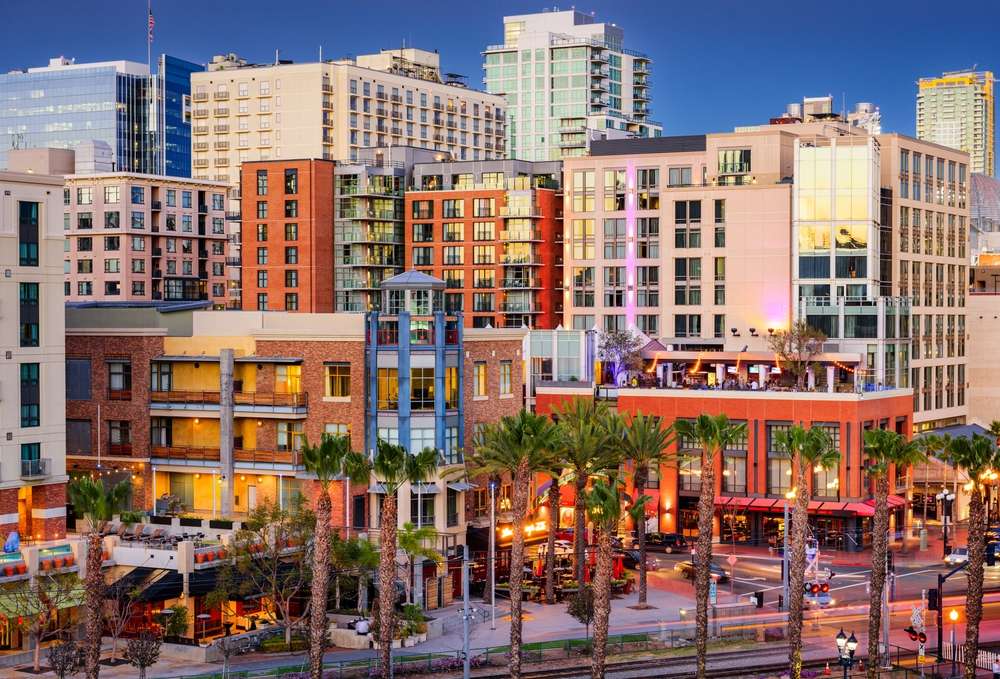
Old Town San Diego preserves Spanish-era buildings and early American structures within a compact neighborhood. Adobe homes, plazas, and historic pathways define the area. Modern city life feels distant despite proximity. Travelers interested in West Coast history often describe Old Town as stepping into another century.
Providence, Rhode Island – College Hill

College Hill features preserved colonial homes, brick sidewalks, and academic buildings that date back centuries. The neighborhood’s elevation offers views that feel unchanged by time. Despite active student life, the architecture anchors the area firmly in the past. U.S. travel visitors often find College Hill quietly immersive.
Mobile, Alabama – De Tonti Square
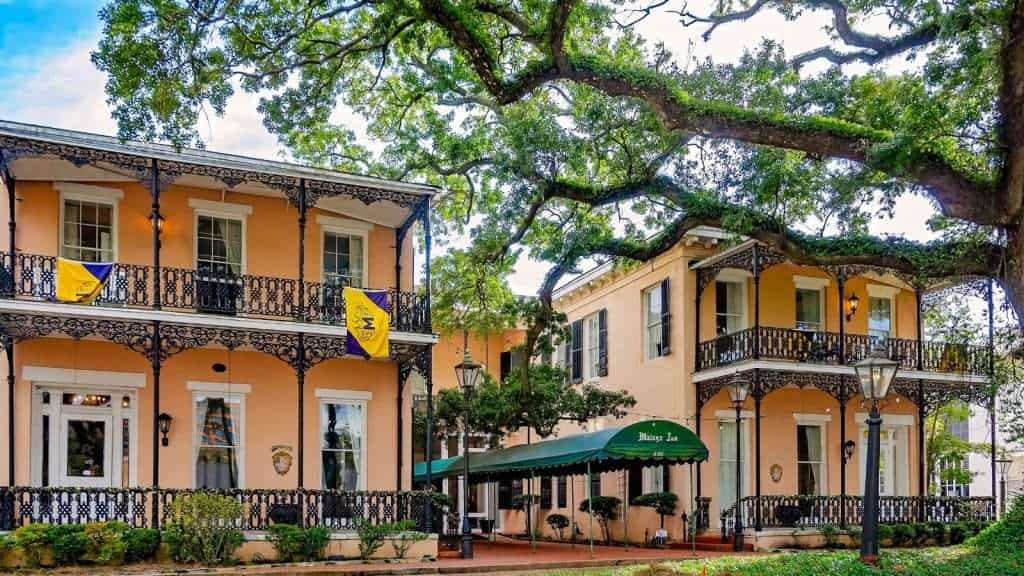
De Tonti Square highlights Mobile’s French and Spanish colonial roots through preserved homes and narrow streets. The neighborhood’s scale and design reflect early Gulf Coast settlement patterns. Walking through the area feels like exploring a living artifact. Travelers drawn to Southern U.S. travel history often overlook Mobile, making this neighborhood feel especially authentic.
Portland, Maine – Old Port

The Old Port’s cobblestone streets and converted warehouses recall its maritime trading past. Brick buildings line the waterfront, maintaining historic proportions and materials. The neighborhood feels functional yet deeply historical. Visitors exploring New England U.S. travel routes often find the Old Port refreshingly intact.
Galveston, Texas – East End Historic District

The East End reflects Galveston’s 19th-century prosperity through ornate Victorian homes. Raised foundations and detailed woodwork reveal responses to coastal living long before modern engineering. The neighborhood’s cohesion preserves its historical atmosphere. Travelers interested in Gulf Coast history often feel transported while walking its streets.
Richmond, Virginia – Church Hill

Church Hill is one of Richmond’s oldest neighborhoods, defined by cobblestone streets and Federal-style homes. The area’s elevation offers city views unchanged for generations. Historic churches and public spaces anchor the neighborhood’s identity. U.S. travel visitors often remark on how little the streetscape has shifted.
Milwaukee, Wisconsin – Historic Third Ward
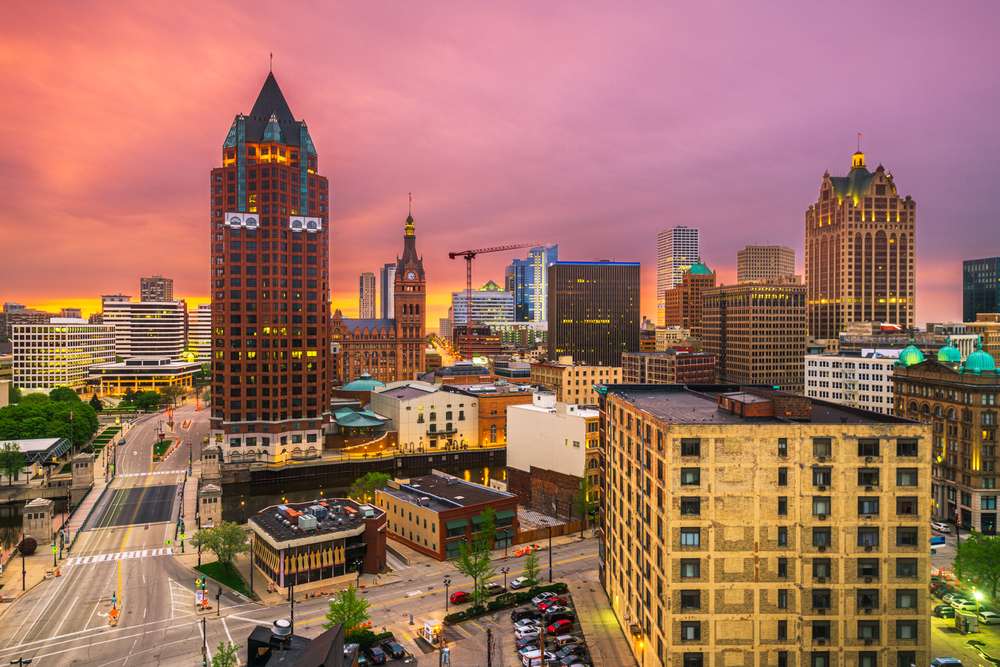
Once an industrial hub, the Third Ward retains its warehouse architecture and street layout. Brick buildings and iron details reflect late 19th-century commerce. Modern businesses occupy old structures without erasing their past. Travelers exploring Midwest U.S. travel destinations often feel this blend strengthens its time-travel effect.
Cincinnati, Ohio – Over-the-Rhine
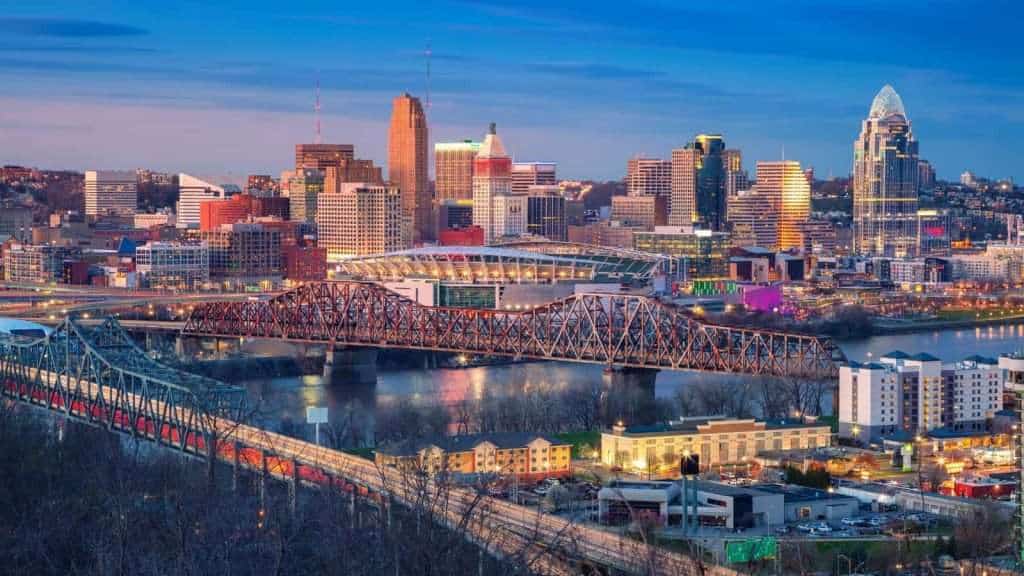
Over-the-Rhine features one of the largest collections of 19th-century buildings in the country. Its dense architecture and narrow streets evoke European urban design from another era. Revitalization efforts have preserved original structures. U.S. travel visitors often describe the neighborhood as visually transporting.
Taos, New Mexico – Taos Pueblo Area

The Taos Pueblo area reflects centuries of continuous habitation through traditional adobe structures. The neighborhood’s form and materials remain consistent with ancient practices. Modern intrusions are minimal, reinforcing timelessness. Travelers seeking deep cultural U.S. travel experiences often find this area profoundly moving.
Key West, Florida – Old Town
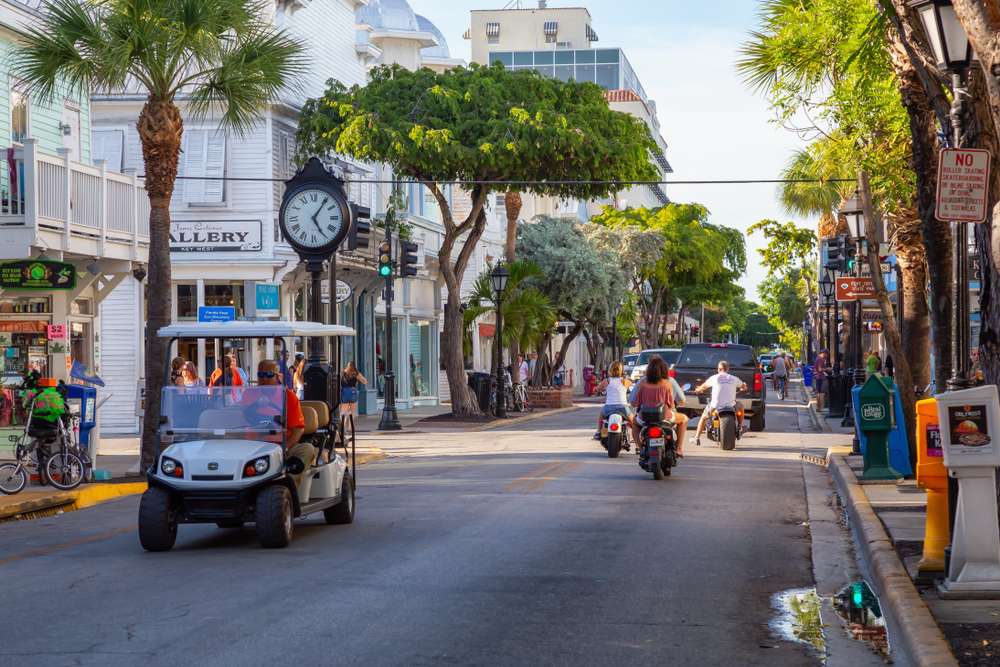
Old Town Key West preserves conch-style homes, shaded lanes, and a relaxed pace rooted in maritime history. The neighborhood resists vertical development, maintaining its historical scale. Wandering its streets feels like entering a different era of island life. U.S. travel visitors often find Old Town uniquely immersive.

Deborah Montiero is a seasoned travel writer and contributor to Probe the Globe. With a passion for uncovering hidden gems and sharing immersive travel experiences, Deborah’s work highlights must-visit destinations, insider tips, and practical advice for travelers of all types. Whether exploring bustling cities or remote escapes, her articles are crafted to inspire and inform, making her a trusted voice in the travel community.
Her storytelling weaves together cultural insights, logistical tips, and authentic experiences, making her a valuable resource for readers seeking unforgettable journeys.
When not writing, Deborah is likely researching the latest travel trends or planning her next adventure. Follow her work on Probe the Globe for fresh perspectives and up-to-date travel inspiration.