22 U.S. Camping Spots So Remote Your Phone Gives Up Completely
Modern U.S. travel often revolves around connectivity, convenience, and constant updates, but some places still exist far beyond the reach of signal bars and notifications. These camping destinations strip travel back to its most elemental form, where silence replaces alerts and nature sets the schedule. In these landscapes, disconnection isn’t a problem to fix—it’s the point of the journey. This article explores 22 U.S. Camping Spots So Remote Your Phone Gives Up Completely.
Gates of the Arctic National Park, Alaska
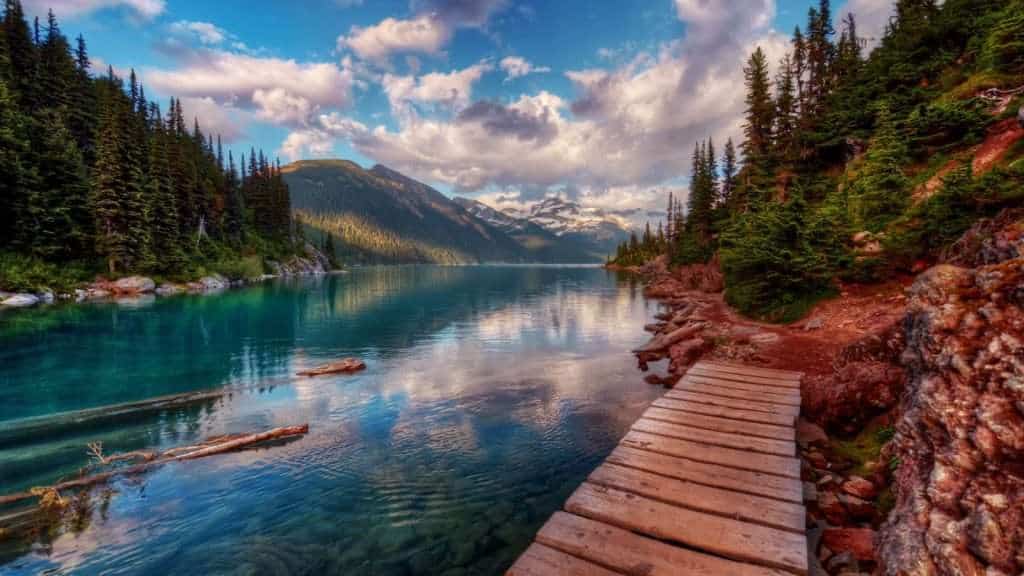
Camping in Gates of the Arctic means entering one of the most isolated landscapes in the United States. There are no roads, no marked trails, and no facilities of any kind. Access often requires bush planes and extensive planning. Once there, phone service is nonexistent, replaced by endless tundra, rugged mountains, and complete silence. For U.S. travel adventurers, this park represents total immersion in wilderness without modern interruption.
Isle Royale National Park, Michigan
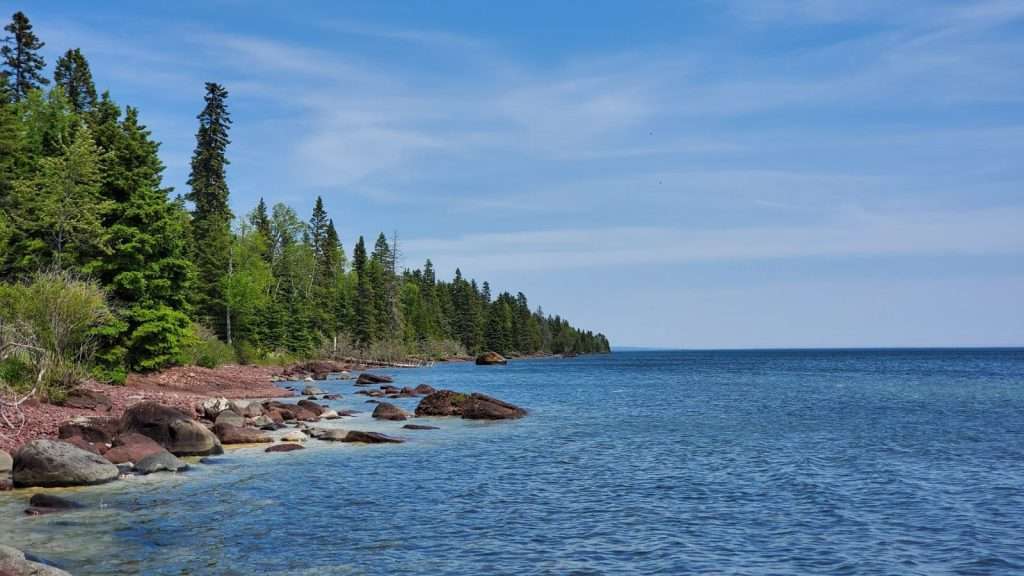
Located in Lake Superior, Isle Royale feels far removed from the mainland despite being in the Midwest. Ferries and seaplanes are the only ways in, and once you arrive, connectivity vanishes quickly. Dense forests, rocky shorelines, and long hiking trails dominate the island. Campers often realize days have passed without checking a screen, making it a rare digital reset within U.S. travel destinations.
Big Bend National Park Backcountry, Texas

Big Bend’s backcountry offers vast desert, river canyons, and mountain terrain far from urban infrastructure. Cell service is unreliable even in developed areas and completely absent in remote campsites. Night skies feel immense, and silence stretches uninterrupted for hours. Travelers camping here experience a version of Texas rarely associated with crowds or connectivity.
Katmai National Park, Alaska
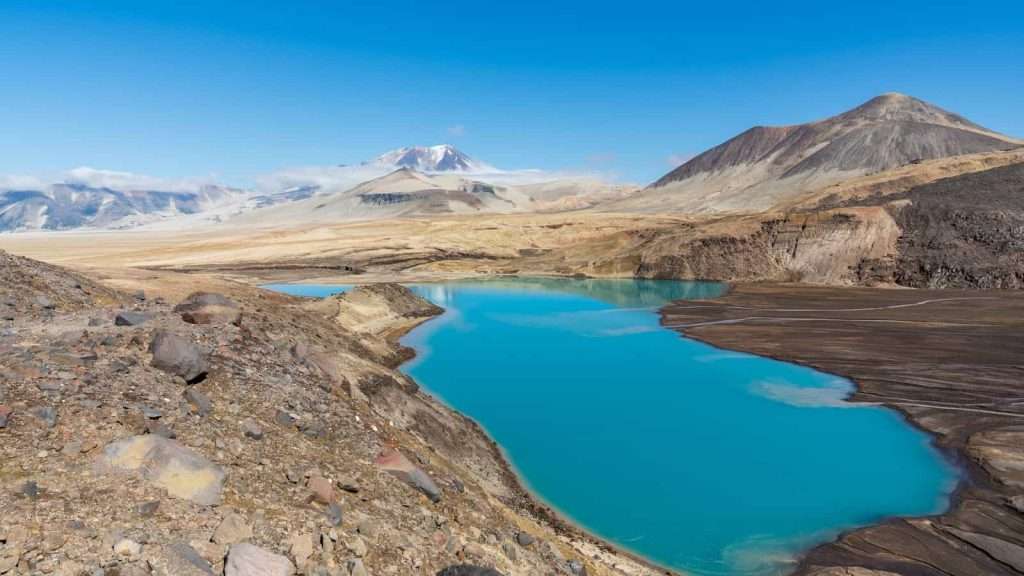
Katmai is best known for its brown bears, but its remoteness defines the camping experience. There are no roads connecting it to other towns, and phone service is nonexistent. Volcanic landscapes, rivers, and vast wilderness dominate every direction. U.S. travel here requires commitment, but rewards campers with true disconnection and raw nature.
The Maze District, Canyonlands National Park, Utah
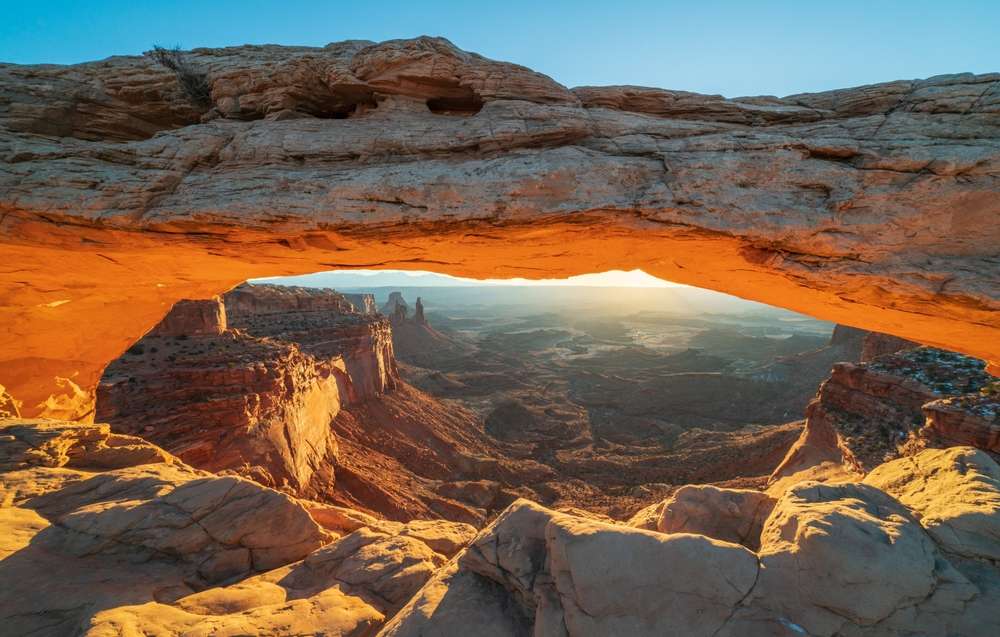
The Maze lives up to its name with complex canyon systems and extremely limited access. Reaching campsites requires high-clearance vehicles and careful navigation. Cell service disappears long before arrival. The reward is profound isolation, dramatic geology, and a sense of being far removed from modern life, even within a popular national park system.
North Cascades Backcountry, Washington
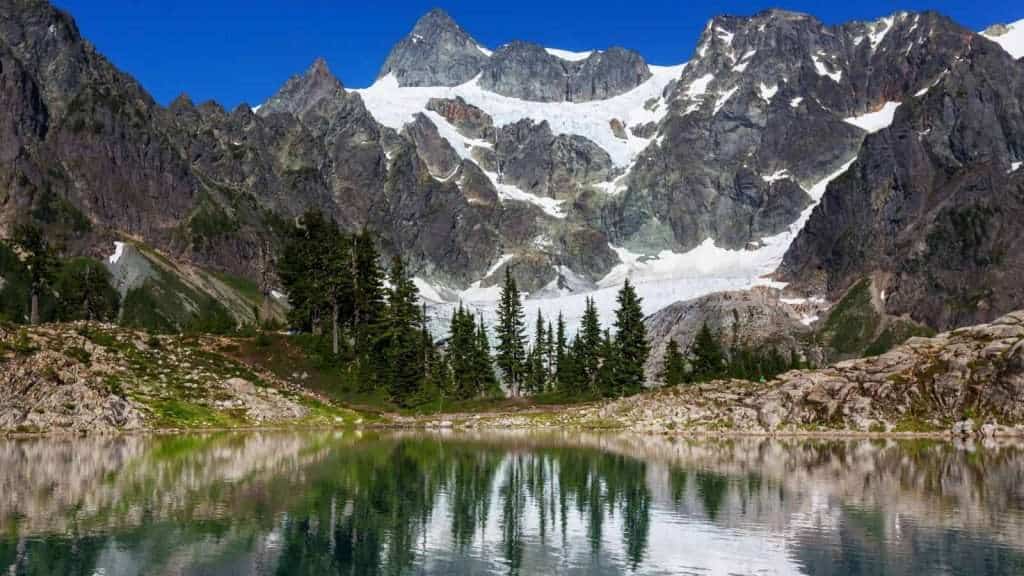
While parts of the North Cascades see visitors, backcountry camps quickly lose all signal. Steep mountains, glaciers, and dense forests create physical and digital isolation. Weather changes rapidly, reinforcing self-reliance. U.S. travel campers here often find the lack of connectivity enhances awareness and presence in the landscape.
Great Basin National Park, Nevada
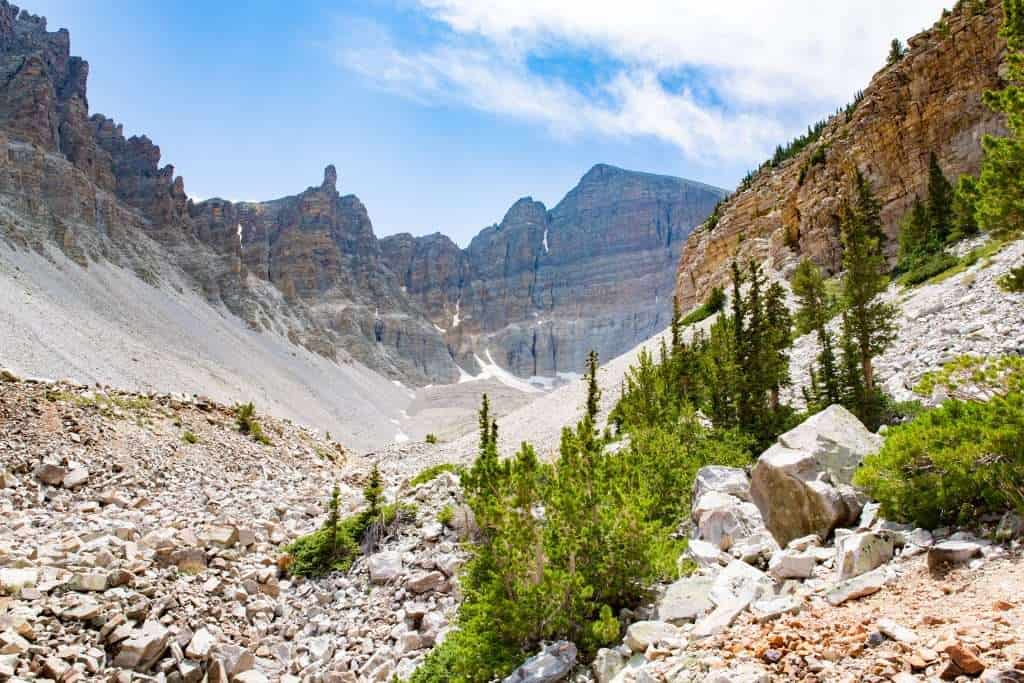
Great Basin’s remote location already limits visitors, and camping deeper into the park removes any remaining signal. Ancient bristlecone pines, alpine lakes, and vast desert valleys define the terrain. Nights are exceptionally quiet and dark. Travelers looking for solitude within the continental U.S. find this park surprisingly disconnected.
Anza-Borrego Desert Backcountry, California
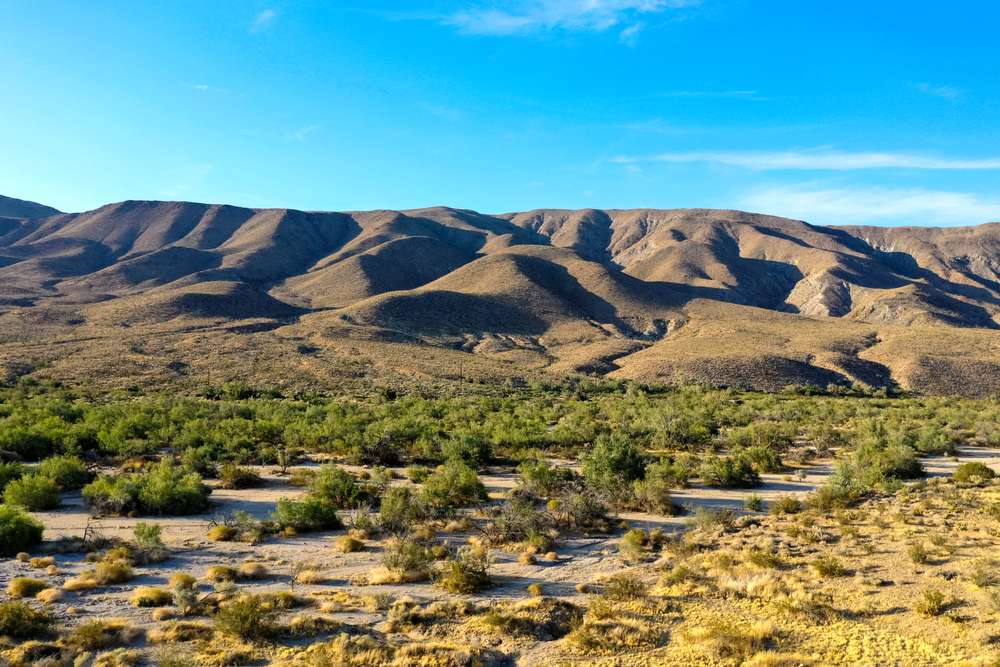
Anza-Borrego’s open desert stretches far beyond cell towers. Backcountry camping areas offer wide spaces, dramatic badlands, and near-total silence. Phone service drops quickly once paved roads end. For U.S. travel focused on solitude rather than scenery alone, this desert delivers uninterrupted isolation close to civilization yet worlds apart.
Mojave National Preserve Backcountry, California

Mojave’s vast preserve includes lava tubes, dunes, and mountain ranges spread across enormous distances. Once off main roads, phone service disappears entirely. Campsites feel isolated even during peak seasons. Travelers often find the quiet disorienting at first, then deeply calming as time slows without digital reminders.
Frank Church–River of No Return Wilderness, Idaho
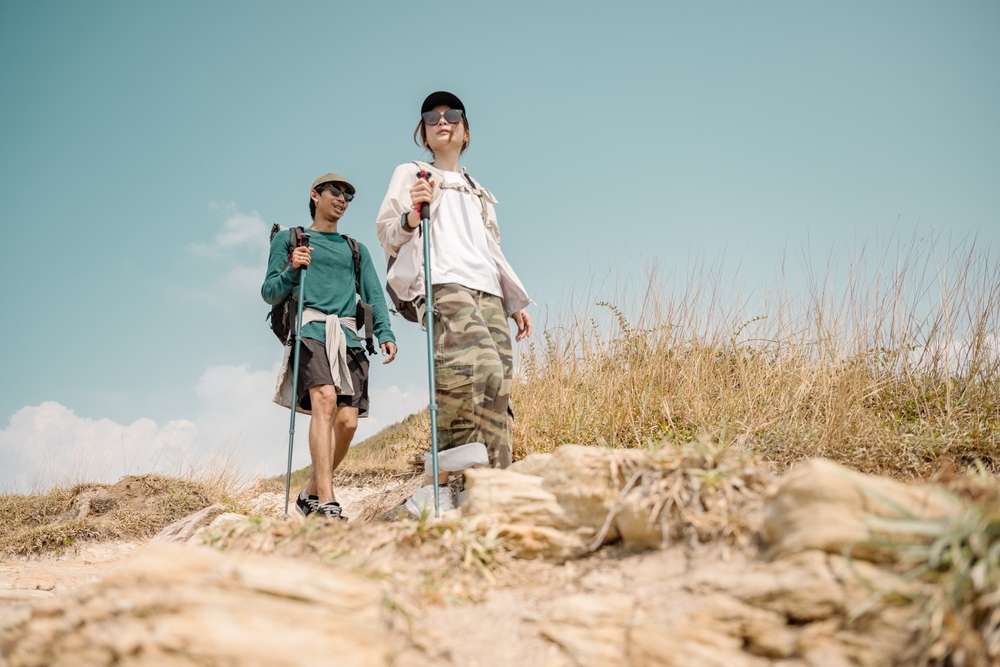
This wilderness area is one of the largest roadless regions in the Lower 48. Camping here means days without seeing another person, let alone a signal. Rivers, deep canyons, and rugged mountains dominate the experience. U.S. travel campers often describe it as one of the last places where technology truly disappears.
Death Valley Backcountry, California
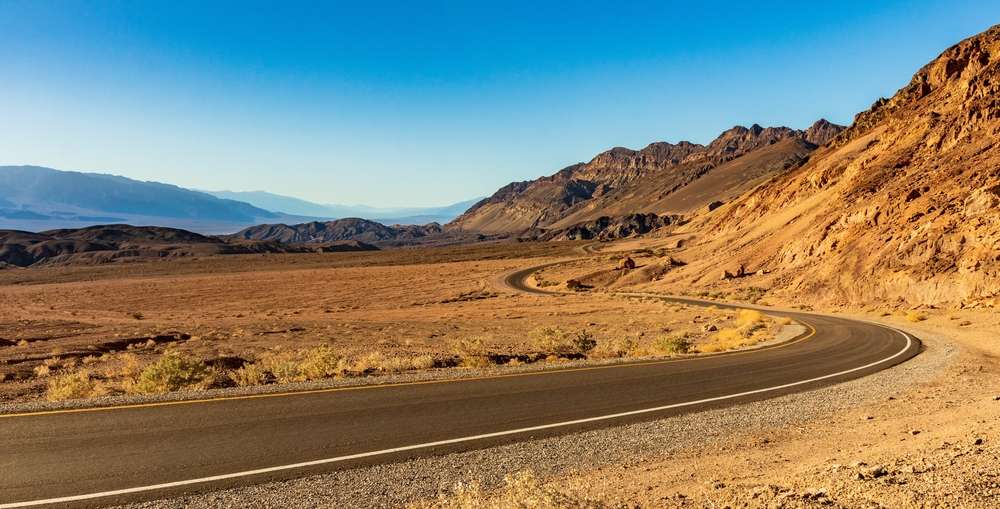
Despite its notoriety, Death Valley’s backcountry remains extremely remote. Vast distances, extreme temperatures, and minimal infrastructure eliminate cell service almost entirely. Camping here requires careful planning and respect for conditions. The reward is unmatched solitude and a stark beauty that makes digital distractions feel irrelevant.
Wrangell–St. Elias National Park, Alaska
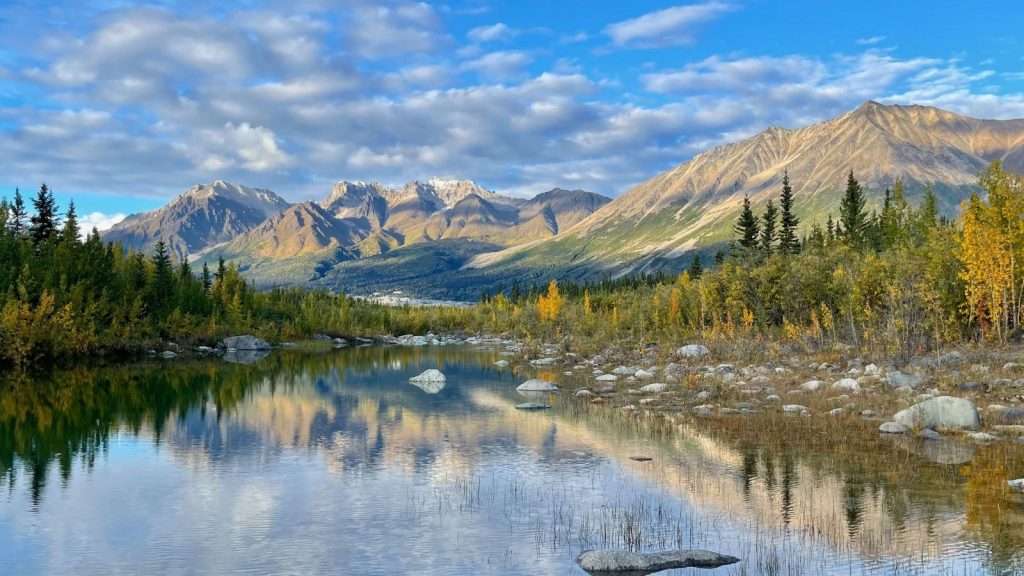
As the largest national park in the U.S., Wrangell–St. Elias offers immense, undeveloped wilderness. Many camping areas are accessible only by foot or small aircraft. There is no cell service across most of the park. Travelers experience true isolation surrounded by glaciers, peaks, and endless terrain.
Escalante Backcountry, Utah

Escalante’s slot canyons and desert plateaus hide deep within southern Utah. Cell service vanishes quickly beyond small towns. Campsites often feel completely removed from the outside world. U.S. travel campers find that navigation, awareness, and patience replace scrolling and notifications.
Boundary Waters Canoe Area, Minnesota
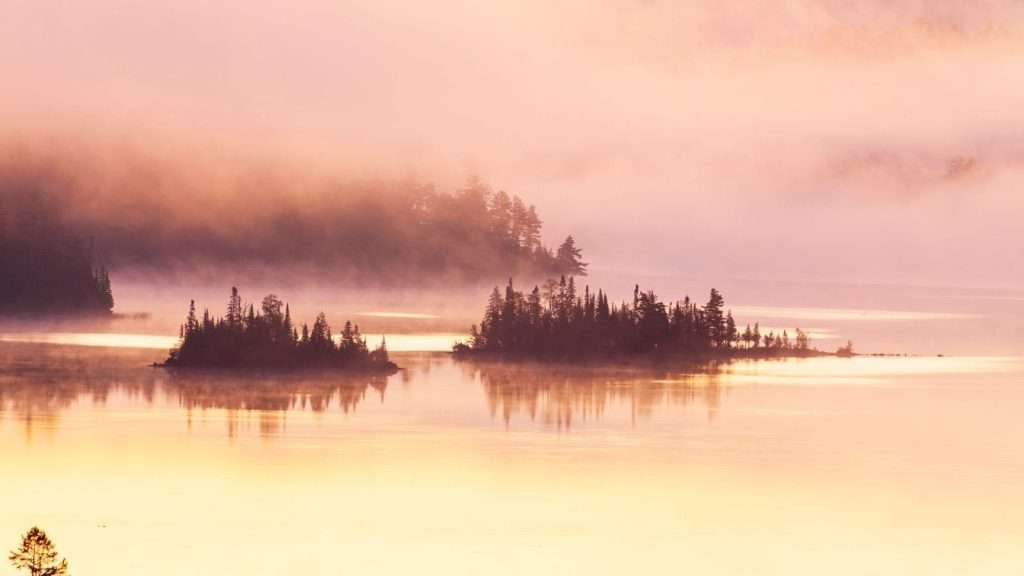
The Boundary Waters offer a water-based wilderness where portages connect hundreds of lakes. Motorized access is limited, and cell service is nearly nonexistent once inside. Campsites are spaced far apart, reinforcing solitude. For U.S. travel focused on quiet reflection, this region offers rare stillness.
Guadalupe Mountains Backcountry, Texas
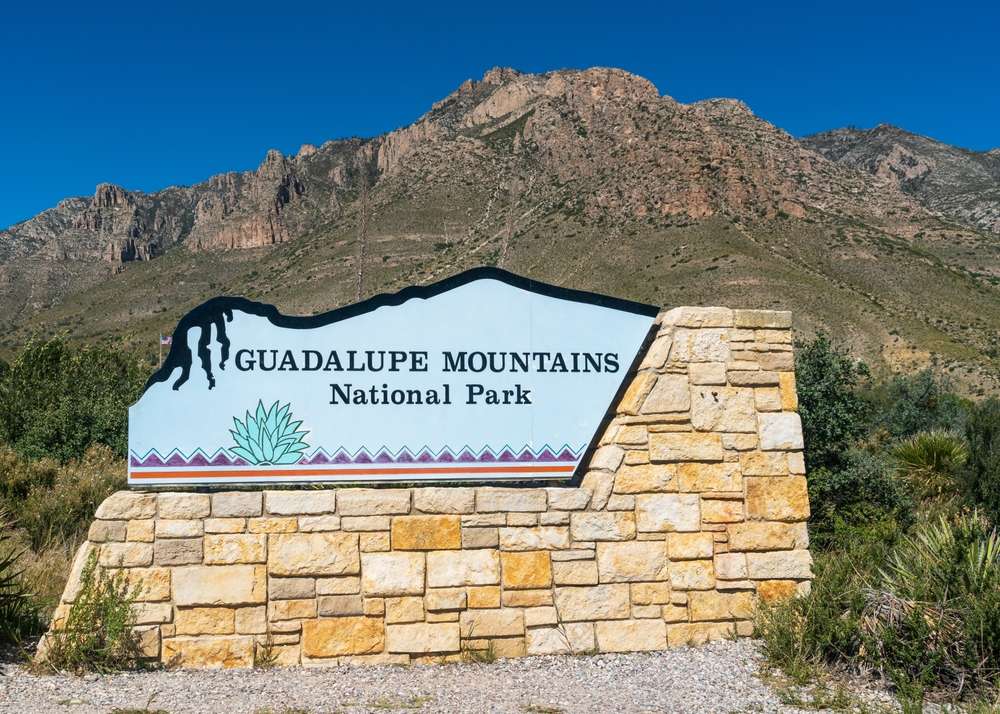
Beyond the main campground, Guadalupe Mountains backcountry becomes quiet and disconnected. Rugged trails, desert landscapes, and mountain air define the experience. Phone service fades quickly, encouraging self-reliance. Campers often remark on how quickly digital habits fade when faced with such open terrain.
Ruby Mountains Backcountry, Nevada
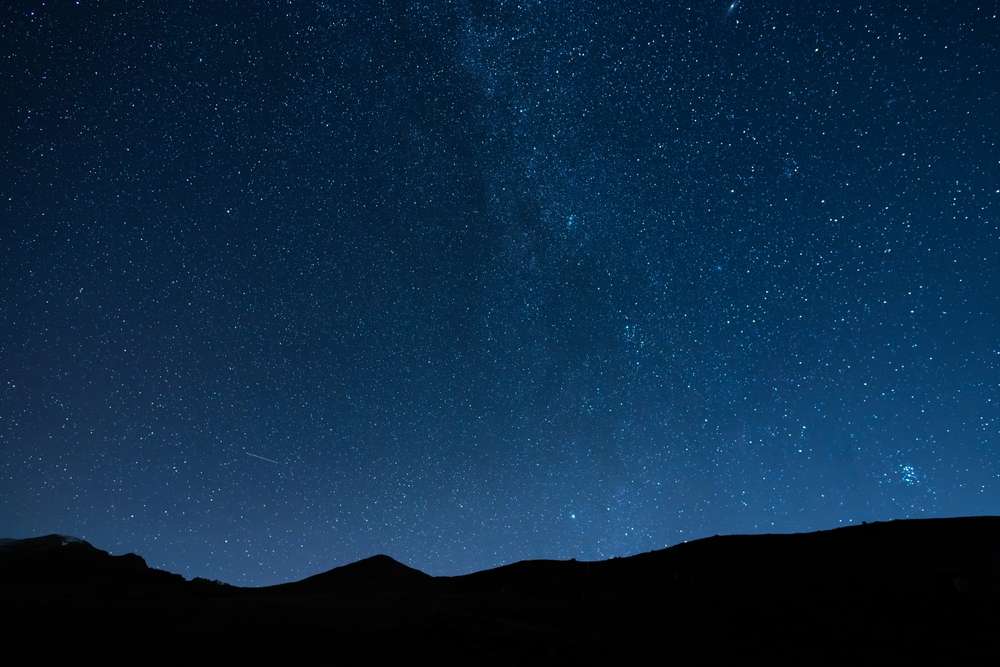
The Ruby Mountains rise unexpectedly from Nevada’s desert, offering alpine lakes and remote campsites. Access roads are limited, and cell service is virtually nonexistent. Nights are silent and dark. U.S. travel campers often find the isolation here surprising given its location in the continental United States.
Noatak National Preserve, Alaska
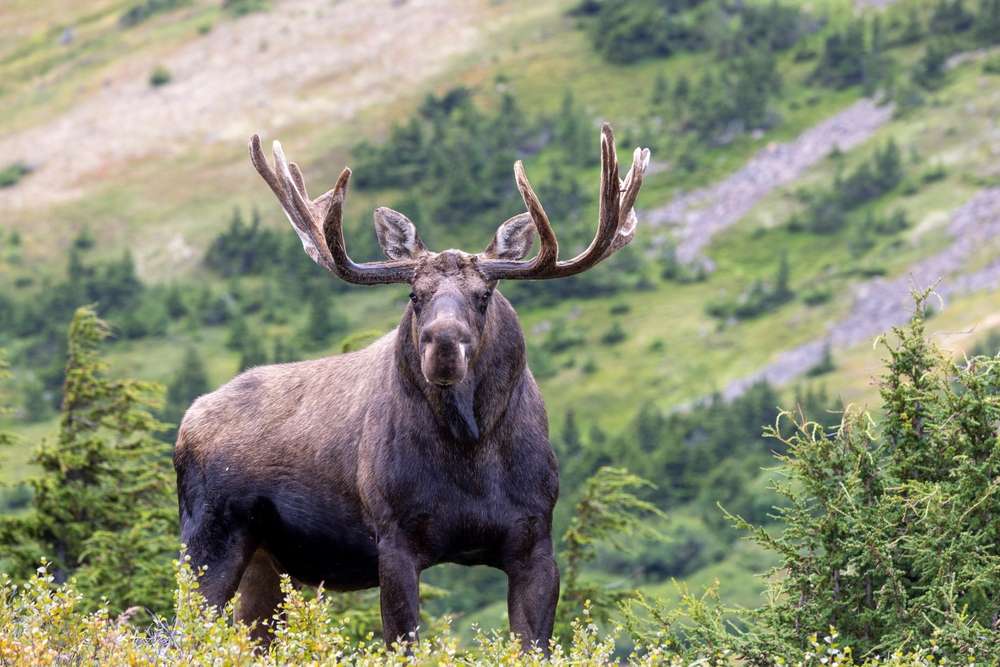
Noatak protects one of the largest intact river basins in the world. There are no roads, trails, or visitor facilities. Camping here means complete isolation and no communication. For U.S. travel adventurers, Noatak represents wilderness on an almost unimaginable scale.
Organ Mountains–Desert Peaks Backcountry, New Mexico
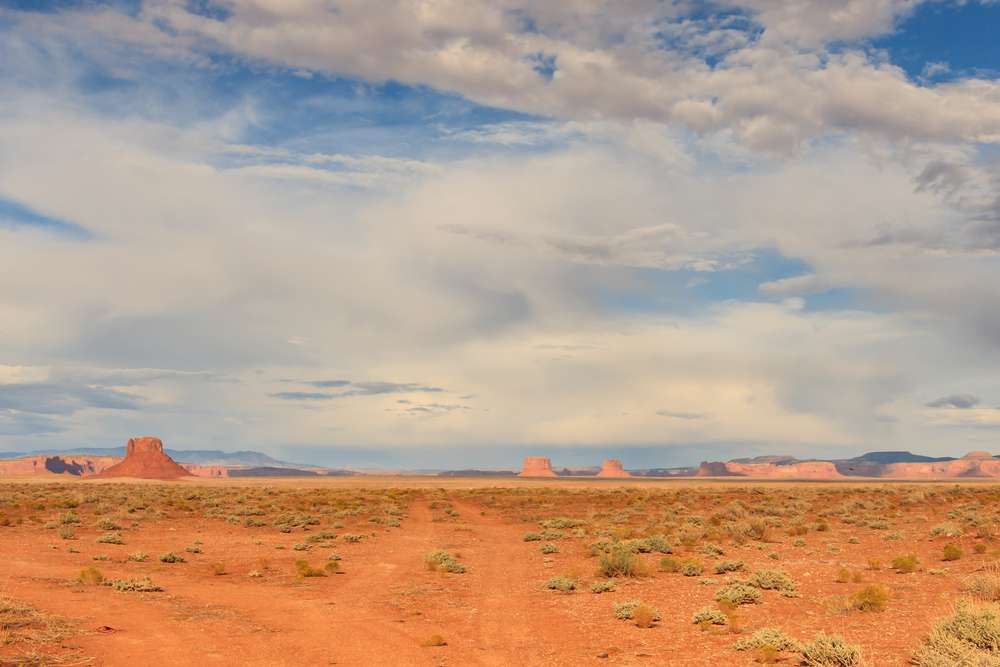
This rugged landscape features jagged peaks and open desert far from urban centers. Once beyond trailheads, cell service disappears. Campsites feel quiet and expansive. Travelers camping here often feel deeply present, guided by terrain rather than technology.
White Mountains Backcountry, California
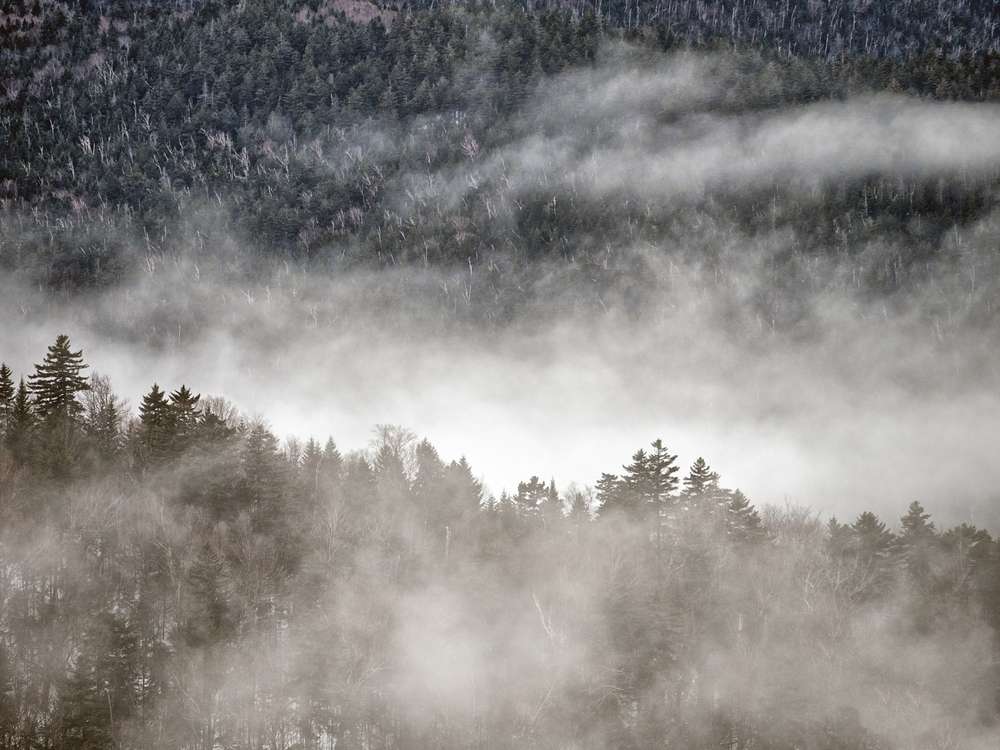
The White Mountains offer high-altitude desert camping with sweeping views and ancient trees. Sparse visitation and limited access result in no cell service. Conditions can be harsh, reinforcing isolation. U.S. travel campers find this area both challenging and deeply peaceful.
San Rafael Swell Backcountry, Utah
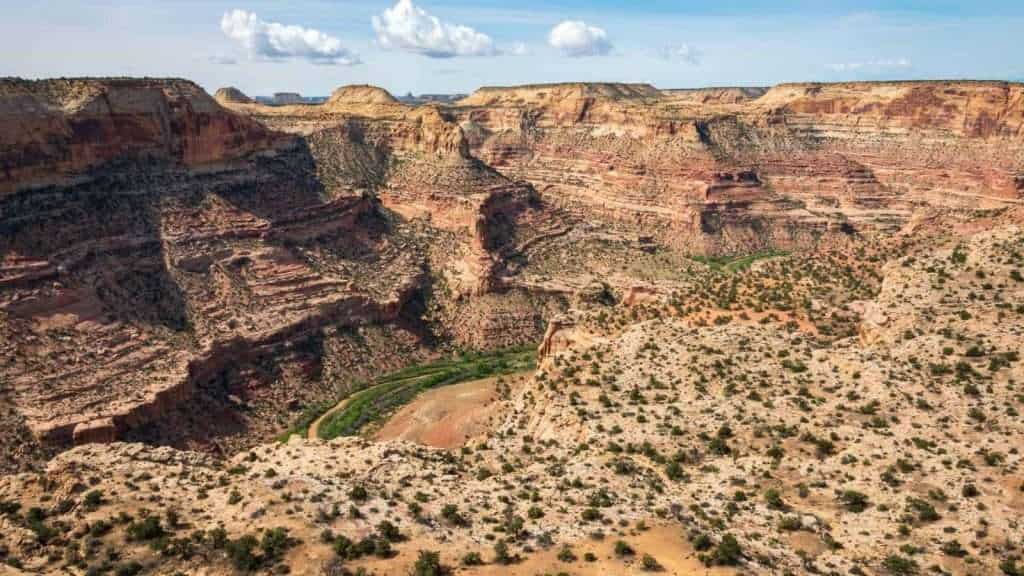
The Swell’s maze-like canyons and open desert create natural barriers to connectivity. Cell service is nonexistent across most of the region. Camping here feels raw and self-directed. Travelers often describe it as a place where modern life feels very far away.
Kobuk Valley National Park, Alaska
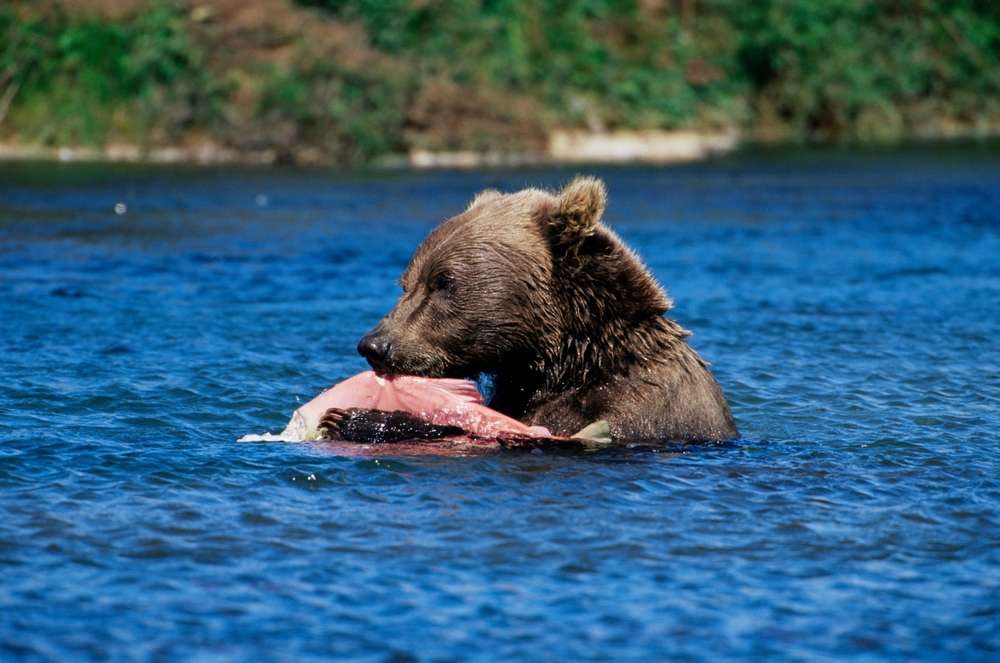
Kobuk Valley has no roads, no trails, and no services. Sand dunes rise unexpectedly from Arctic tundra. Phone service does not exist here. For U.S. travel campers, Kobuk offers one of the purest disconnection experiences possible, where nature completely dictates the rhythm of each day.
Olympic National Park Backcountry, Washington
While front-country areas see visitors, Olympic’s backcountry quickly loses signal. Rainforests, alpine zones, and wild coastlines isolate campers. Long stretches pass without seeing anyone. U.S. travel campers often find this diversity paired with disconnection makes the experience unforgettable.

Deborah Montiero is a seasoned travel writer and contributor to Probe the Globe. With a passion for uncovering hidden gems and sharing immersive travel experiences, Deborah’s work highlights must-visit destinations, insider tips, and practical advice for travelers of all types. Whether exploring bustling cities or remote escapes, her articles are crafted to inspire and inform, making her a trusted voice in the travel community.
Her storytelling weaves together cultural insights, logistical tips, and authentic experiences, making her a valuable resource for readers seeking unforgettable journeys.
When not writing, Deborah is likely researching the latest travel trends or planning her next adventure. Follow her work on Probe the Globe for fresh perspectives and up-to-date travel inspiration.