18 Unseen Corners of Bali That Only the Locals Know About
Bali is often portrayed as a postcard-perfect destination with serene beaches, vibrant temples, and iconic rice terraces. But beyond the popular spots like Ubud, Seminyak, and Uluwatu, the island hides a secret side, one known intimately only by its locals. If you’re craving a more authentic and peaceful experience, these 18 hidden corners of Bali will raw beauty.
Tukad Cepung Waterfall

Tukad Cepung is not your typical Balinese waterfall. Nestled inside a cave, sunlight pierces through the rock roof and casts a surreal glow on the flowing water below. The journey to this waterfall includes a short trek through the forest and riverbeds. This magical spot remains relatively untouched, mostly visited by locals seeking solitude or spiritual moments with nature.
Amed’s Japanese Shipwreck

While Amed is becoming more known for diving, few people venture to its lesser-known Japanese shipwreck. Accessible right from the shore, it’s a diver’s dream without the crowds. Coral now thrives around the structure, attracting colorful fish and sea turtles. Early mornings offer a quiet, almost sacred underwater experience that few tourists get to see.
Taman Beji Griya Waterfall

Hidden deep in the jungles of Badung, Taman Beji Griya isn’t just a waterfall—it’s a spiritual journey. Locals visit to undergo melukat, a Balinese purification ritual. The lush surroundings, sacred statues, and freshwater cascades make it a deeply calming, soul-enriching escape. Tourists rarely find this place, making it a sanctuary of true Balinese tradition.
Nyang Nyang Beach

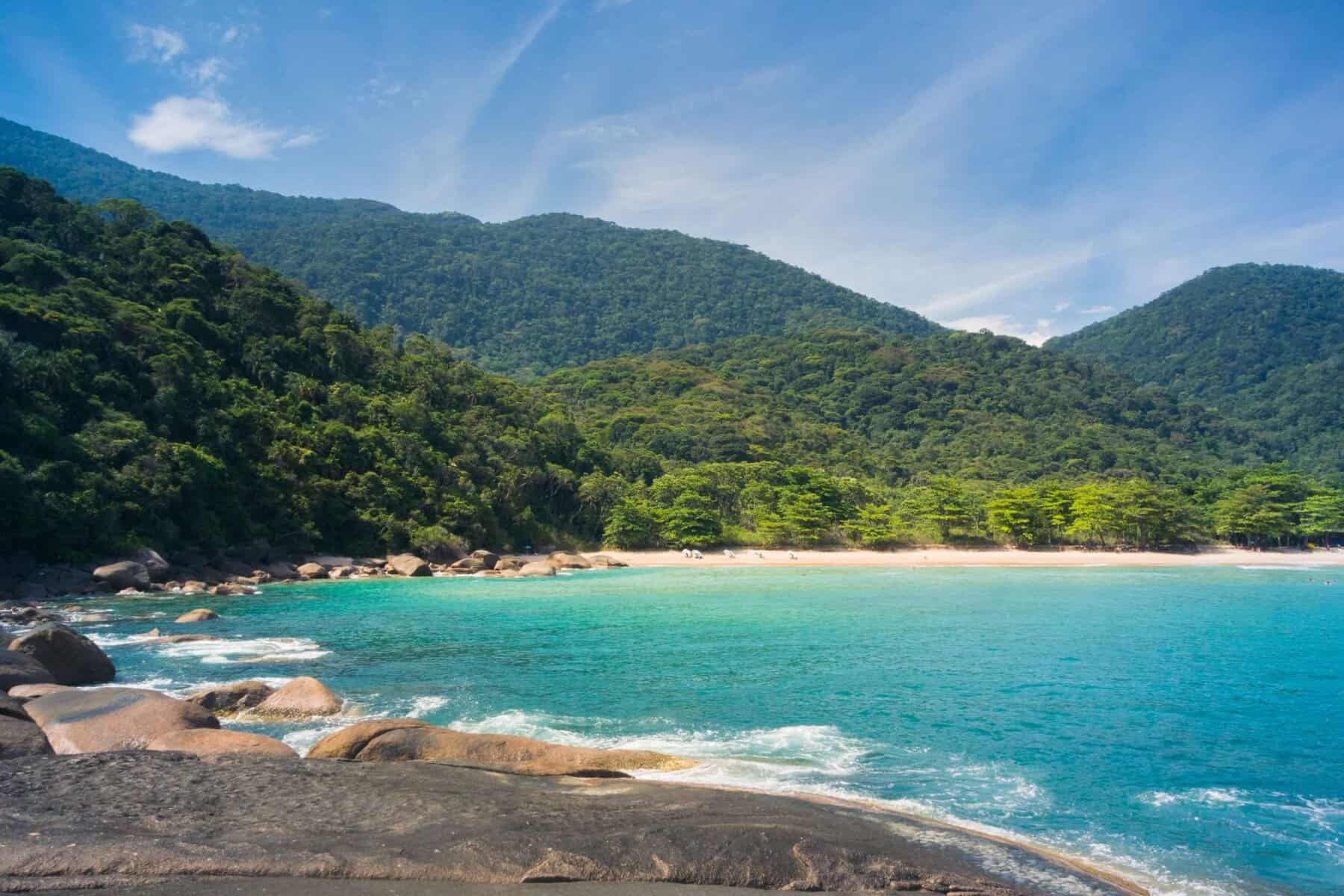
Far removed from the hustle of Kuta or Canggu, Nyang Nyang Beach is a secluded strip of white sand accessible only after a steep trek. The beach is framed by towering cliffs and has a shipwreck art installation that’s slowly being reclaimed by the sea. Locals come here to surf, meditate, or simply disconnect in a place that feels utterly off-grid.
Sambangan Secret Garden

Sambangan, located in North Bali, holds what locals call the “Secret Garden.” This verdant area is home to multiple waterfalls, like Aling-Aling and Kroya, and offers cliff-jumping spots and natural water slides. It’s a favorite spot for locals looking to escape the heat and crowds. Guided tours by community members keep it sustainable and authentic.
Tegal Wangi Cave and Cliff Pools

Most know Tegal Wangi Beach for its sunsets, but few discover the natural cliff pools and secret sea cave just around the corner. During low tide, locals lounge in the rock-hewn pools, letting the waves splash in gently. It’s a favorite for wedding shoots, but remains surprisingly under-visited by the average traveler.
Jatiluwih’s Forgotten Trails

Jatiluwih’s UNESCO-listed rice terraces attract day-trippers, but few venture onto the lesser-known walking paths used by local farmers. These trails meander through untouched paddies, bamboo forests, and ancient irrigation channels. With panoramic views and total tranquility, it’s easy to see why locals revere this place as the true heart of Bali’s agrarian soul.
Soka Beach’s Black Sands

Soka Beach on the west coast boasts dramatic black sand and powerful waves. It’s not ideal for swimming, but perfect for solitude. Locals come here for ceremonies and fishing. The surrounding rock formations and coconut groves add to its raw charm. Sunset here feels like stepping into another dimension, with barely another soul in sight.
Taman Mumbul Sangeh

Located near the famous monkey forest of Sangeh, Taman Mumbul is a sacred spring surrounded by serene waters and towering trees. Locals use it for religious purification rituals, and the temple structures around the spring give it a timeless beauty. It’s not a place you’ll find in many guidebooks, but it’s deeply cherished by Balinese families.
Gunung Kawi Sebatu

While Gunung Kawi near Tampaksiring is famous, the nearby Sebatu temple complex is often overlooked. Tucked into a jungle ravine, this water temple features spring-fed pools, moss-covered shrines, and koi-filled ponds. Locals come here for ceremonies, while travelers find peaceful moments away from the crowds.
Penglipuran Bamboo Forest

The village of Penglipuran is known for its traditional architecture, but the surrounding bamboo forest is the real hidden gem. A quiet stroll through these whispering groves offers a meditative escape. Locals often come here for picnics or rest during long walks. It’s not just a forest, it’s a living example of how nature and culture coexist in Bali.
Blemantung Waterfall

Located in the Pupuan region, Blemantung is a towering waterfall surrounded by coffee plantations. The drive alone is breathtaking, winding through terraced hills and misty mountain air. The waterfall is rarely crowded, offering a cool mist and thundering soundtrack that locals enjoy as a natural retreat after a hard day’s work.
Tenganan Pegringsingan

This ancient village is one of the few places where Bali Aga culture still thrives. Visitors are welcomed respectfully but not fussed over, allowing for a more genuine cultural exchange. The village layout, traditional crafts like double ikat weaving, and annual rituals give a glimpse into a way of life mostly untouched by modern tourism.
Bukit Asah Karangasem

For panoramic coastal views without the crowd, Bukit Asah is a beloved spot among local campers. The grassy hill overlooks the Indian Ocean and is perfect for sunrise and stargazing. There are no commercial vendors or loud beach clubs, just open sky, salty breeze, and the sound of waves crashing below.
Beji Guwang Hidden Canyon

Just south of Ubud lies the Beji Guwang Hidden Canyon, a dramatic gorge carved by centuries of river flow. With towering rock walls and deep pools, it’s a place that’s both challenging and beautiful to explore. Locals consider it sacred, and only recently have guided tours made it more accessible. It’s an adventure that still feels wildly untouched.
Pura Luhur Lempuyang’s Lower Temples

While the “Gates of Heaven” at Lempuyang are famous on Instagram, few explore the full set of temples scattered up the mountain. Locals know that the real spiritual energy lies in these quieter shrines, each one older and more serene than the last. Trekking the full pilgrimage path reveals panoramic views and cultural depth that photo ops can’t capture.
Les Village Coral Gardens

Up in Bali’s quiet northeast, Les Village is a coastal community dedicated to reef restoration. The coral gardens here have been planted by hand by local divers and schoolchildren. Snorkeling reveals a vibrant underwater world teeming with life. Visitors are welcome but rare, meaning your experience here supports grassroots conservation and respects local rhythm.
Subak Museum in Tabanan

Tucked away in Tabanan, the Subak Museum is a tribute to Bali’s intricate water management system. While not visually stunning like a temple or beach, it holds deep cultural significance. The museum explains the democratic philosophy behind the Subak, which unites farmers in harmony with nature. It’s a humble but profound look into Balinese life, usually bypassed by tourists.

Deborah Montiero is a seasoned travel writer and contributor to Probe the Globe. With a passion for uncovering hidden gems and sharing immersive travel experiences, Deborah’s work highlights must-visit destinations, insider tips, and practical advice for travelers of all types. Whether exploring bustling cities or remote escapes, her articles are crafted to inspire and inform, making her a trusted voice in the travel community.
Her storytelling weaves together cultural insights, logistical tips, and authentic experiences, making her a valuable resource for readers seeking unforgettable journeys.
When not writing, Deborah is likely researching the latest travel trends or planning her next adventure. Follow her work on Probe the Globe for fresh perspectives and up-to-date travel inspiration.