
16 Villages in Japan That Showcase Traditional Architecture
Japan is a country rich in history, and nowhere is this more evident than in its traditional villages. These villages preserve the architectural styles of centuries past, offering visitors a glimpse into Japan’s cultural heritage. From thatched-roof farmhouses to well-preserved samurai districts, we take a look at 16 villages in Japan where traditional architecture still thrives.
Shirakawa-go (Gifu)
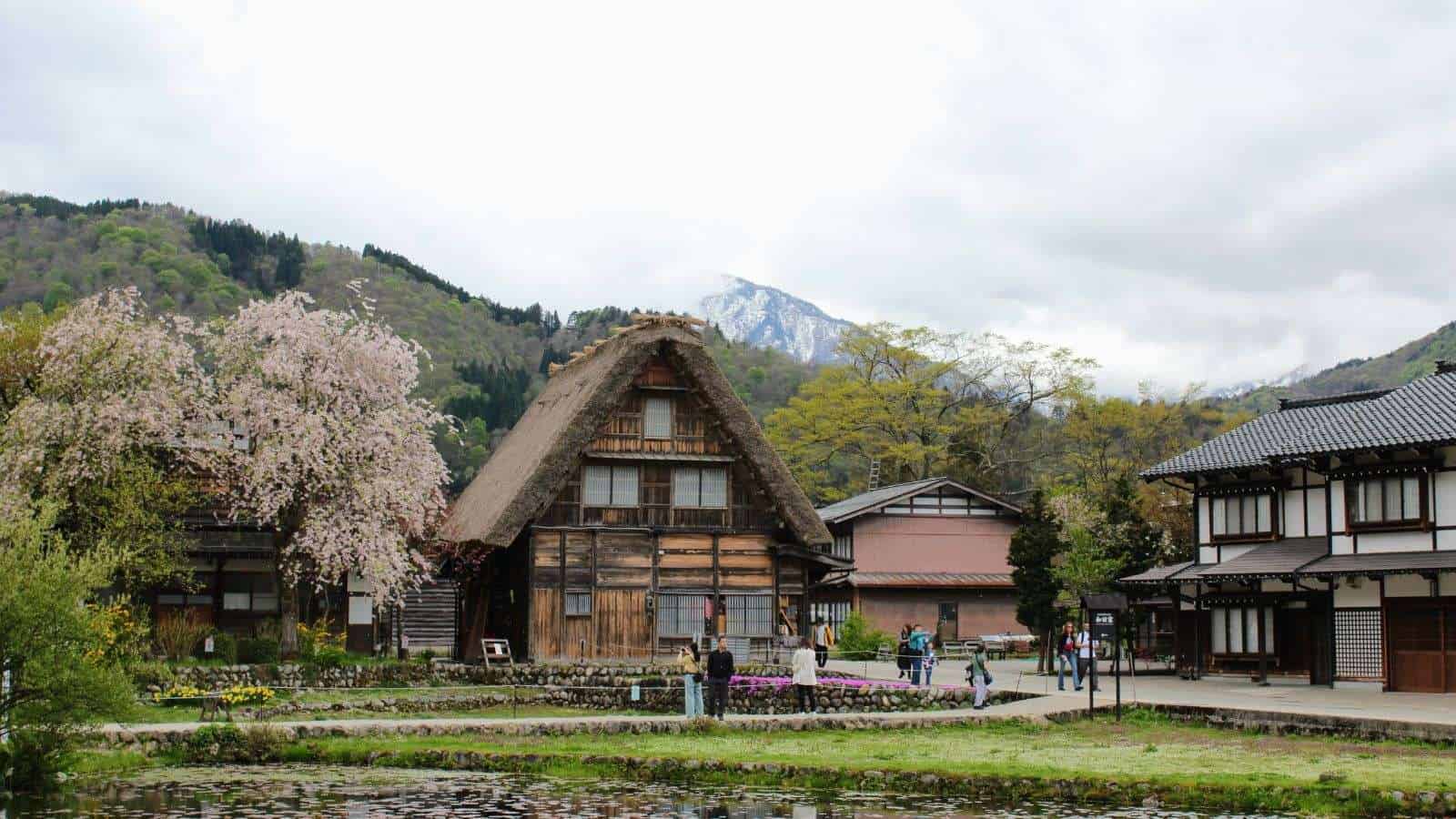
Shirakawa-go, a UNESCO World Heritage Site, is renowned for its gassho-zukuri farmhouses, which have steeply pitched thatched roofs designed to withstand heavy snowfall. These houses, some over 250 years old, resemble hands in prayer and are built without nails. Visitors can explore open-air museums and even stay in a traditional farmhouse for an immersive experience.
Gokayama (Toyama)

Located near Shirakawa-go, Gokayama shares the same architectural style of gassho-zukuri houses but is less crowded. This village is divided into two main areas, Ainokura and Suganuma, both of which offer stunning landscapes and an authentic glimpse into rural Japan. Gokayama is particularly known for its folk music and traditional crafts such as washi paper making.
Tsumago (Nagano)

Tsumago is one of the best-preserved post towns along the Nakasendo trail, which once connected Kyoto and Edo (modern-day Tokyo). The village strictly maintains its historical appearance by prohibiting modern buildings, billboards, and even visible electrical wiring. Walking through its stone-paved streets, visitors can see well-preserved wooden inns and merchant houses that date back to the Edo period.
Magome (Gifu)

Magome is another post town along the Nakasendo trail, offering a beautiful blend of history and nature. Unlike Tsumago, Magome is situated on a slope, giving visitors breathtaking views of the surrounding mountains. The town features restored Edo-period buildings, including traditional ryokan (inns), teahouses, and waterwheels, which contribute to its old-world charm.
Taketomi (Okinawa)

Taketomi Island is a small yet well-preserved Ryukyu village known for its red-tiled roofs, white coral walls, and sandy roads. Unlike mainland Japanese architecture, the houses here reflect the Okinawan style, built to withstand typhoons. The village is best explored by foot or on a water buffalo-drawn cart, offering a tranquil and authentic island experience.
Ouchi-Juku (Fukushima)

Ouchi-juku was once a post town along the Aizu-Nishi Kaido trade route. This charming village retains its Edo-period atmosphere with thatched-roof houses lining an unpaved main street. Visitors can enjoy local delicacies like negi soba, a unique dish where diners use a long green onion instead of chopsticks.
Miyama (Kyoto)

Miyama is a rural village nestled in the mountains north of Kyoto. It is known for its thatched-roof houses, called kayabuki, which have been meticulously preserved for generations. The village offers a more serene alternative to the popular tourist destinations of Kyoto and allows visitors to experience traditional farm life through homestays and cultural workshops.
Narai-juku (Nagano)

Narai-juku is another beautifully preserved post town along the Nakasendo trail. It was once one of the wealthiest towns on the route, reflected in its well-maintained wooden buildings and historical shops. The town features atmospheric narrow streets filled with traditional inns, lacquerware shops, and teahouses.
Ine no Funaya (Kyoto)

Ine is a unique fishing village where traditional boat houses, called funaya, sit directly on the water. These houses have two levels: the lower level serves as a boathouse, while the upper level is a living space. The village offers scenic boat tours and fresh seafood dining experiences, making it a must-visit for those interested in coastal traditions.
Hida-Furukawa (Gifu)

Often overshadowed by nearby Takayama, Hida-Furukawa is a hidden gem with beautifully preserved traditional buildings and serene canals filled with koi fish. The town is known for its white-walled storehouses, elegant wooden homes, and an annual festival featuring massive wooden floats and drum performances.
Kurashiki Bikan Historical Quarter (Okayama)

Kurashiki is a picturesque canal town that flourished as a merchant hub during the Edo period. The Bikan Historical Quarter features traditional white-walled storehouses, wooden lattice windows, and willow-lined canals where visitors can enjoy boat rides. The area is also home to well-preserved Edo-period merchant homes and cultural museums.
Yoshinoyama (Nara)

Famous for its cherry blossoms, Yoshinoyama is also home to a beautifully preserved mountain village with traditional ryokan and temples. Many buildings here feature intricate wooden craftsmanship and thatched roofs. The town has a long history as a center of Shugendo, a spiritual mountain ascetic practice, and offers breathtaking views year-round.
Kiso-Fukushima (Nagano)

Kiso-Fukushima, another post town along the Nakasendo trail, is known for its well-preserved samurai residences and historic inns. One of the highlights is the Yamamura Residence, a former samurai house with traditional tatami flooring and wooden interiors. The village also features beautiful gardens, shrines, and a traditional hot spring.
Uchiko (Ehime)

Uchiko was once a prosperous center for wax and paper production during the Edo and Meiji periods. Today, the town’s Yokaichi Old Town district showcases traditional wooden townhouses and merchant buildings. The highlight is the Uchiko-za, a beautifully restored kabuki theater that still hosts performances and cultural events.
Tsuwano (Shimane)

Often called “Little Kyoto of San’in,” Tsuwano is known for its preserved samurai residences, old merchant homes, and tranquil streets lined with koi-filled canals. The town also features a historic Catholic church, reflecting its role in the introduction of Christianity to Japan. Visitors can explore its well-preserved castle ruins and scenic shrines nestled in the mountains.
Kanzaki (Saga)

Kanzaki is home to Yutoku Inari Shrine, one of Japan’s most beautiful shrines, as well as a historical district featuring preserved Edo-period buildings. The town is also famous for its Hizen Kashima Pottery, which has been crafted here for centuries. Walking through Kanzaki’s traditional streets feels like stepping back in time to feudal Japan

Harvi Sadhra
Harvi Sadhra is a content strategist for Probe the Globe and is involved with many other publications including but not limited to investing.com, Barchart, Benzinga, Sure Dividend, MSN, Trendonomist. He is an avid traveler and writes about trending topics, travel, finance and more.