16 Villages Around the World Where Ancient Traditions Live On
The world is rapidly modernizing, but some villages have managed to preserve their ancient traditions, customs, and way of life. These places offer a glimpse into history, where rituals, architecture, and even languages have remained largely unchanged for centuries. We take a look at 16 villages around the world where ancient traditions continue to thrive.
Shirakawa-go, Japan
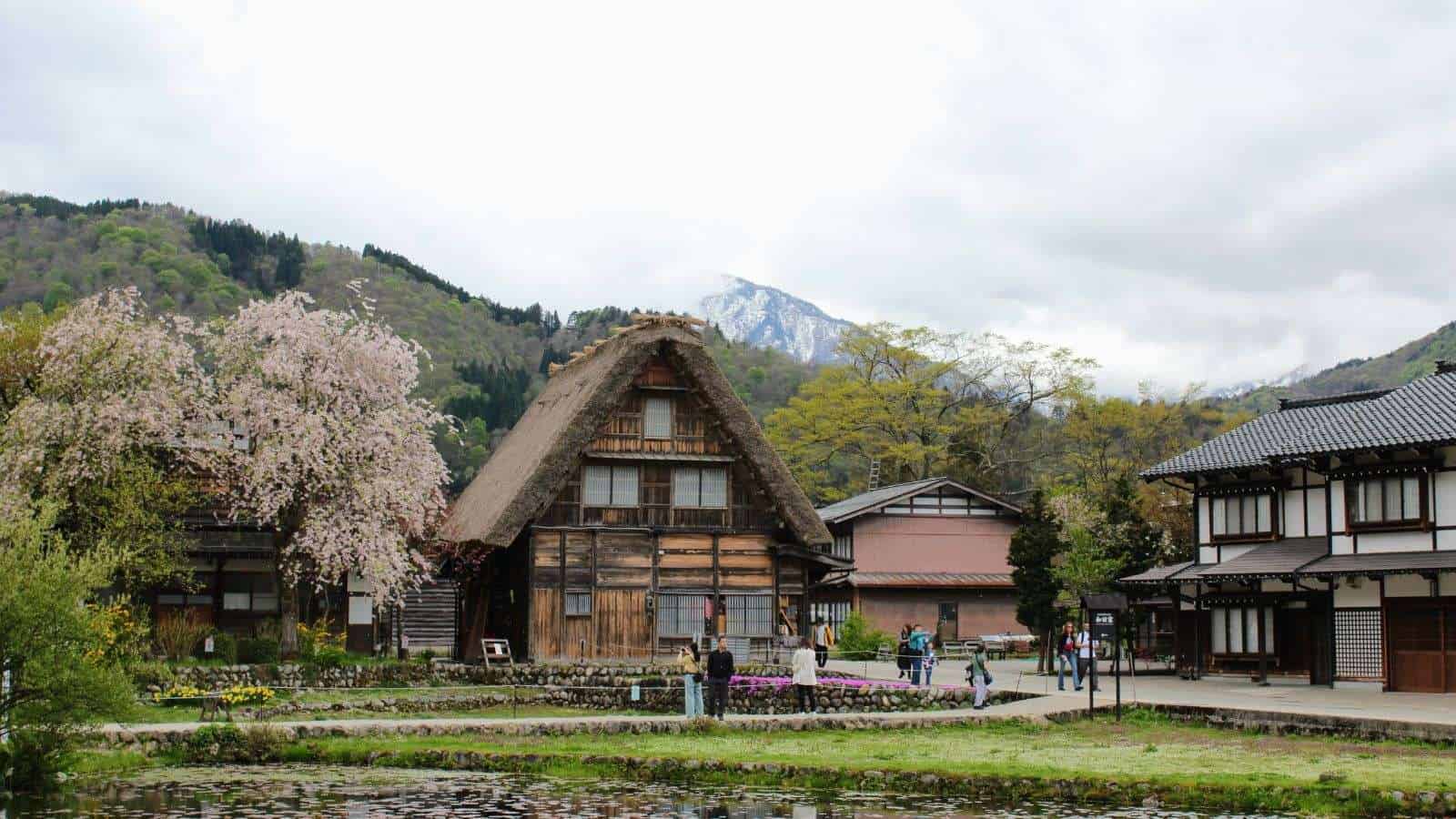
In the mountains of Gifu Prefecture, Shirakawa-go is famous for its Gassho-zukuri farmhouses with steep thatched roofs. These homes, designed to withstand heavy snowfall, have been maintained for generations. The village continues to celebrate traditional festivals like Doburoku Matsuri, where locals brew and share homemade rice wine, keeping centuries-old customs alive.
Göreme, Turkey
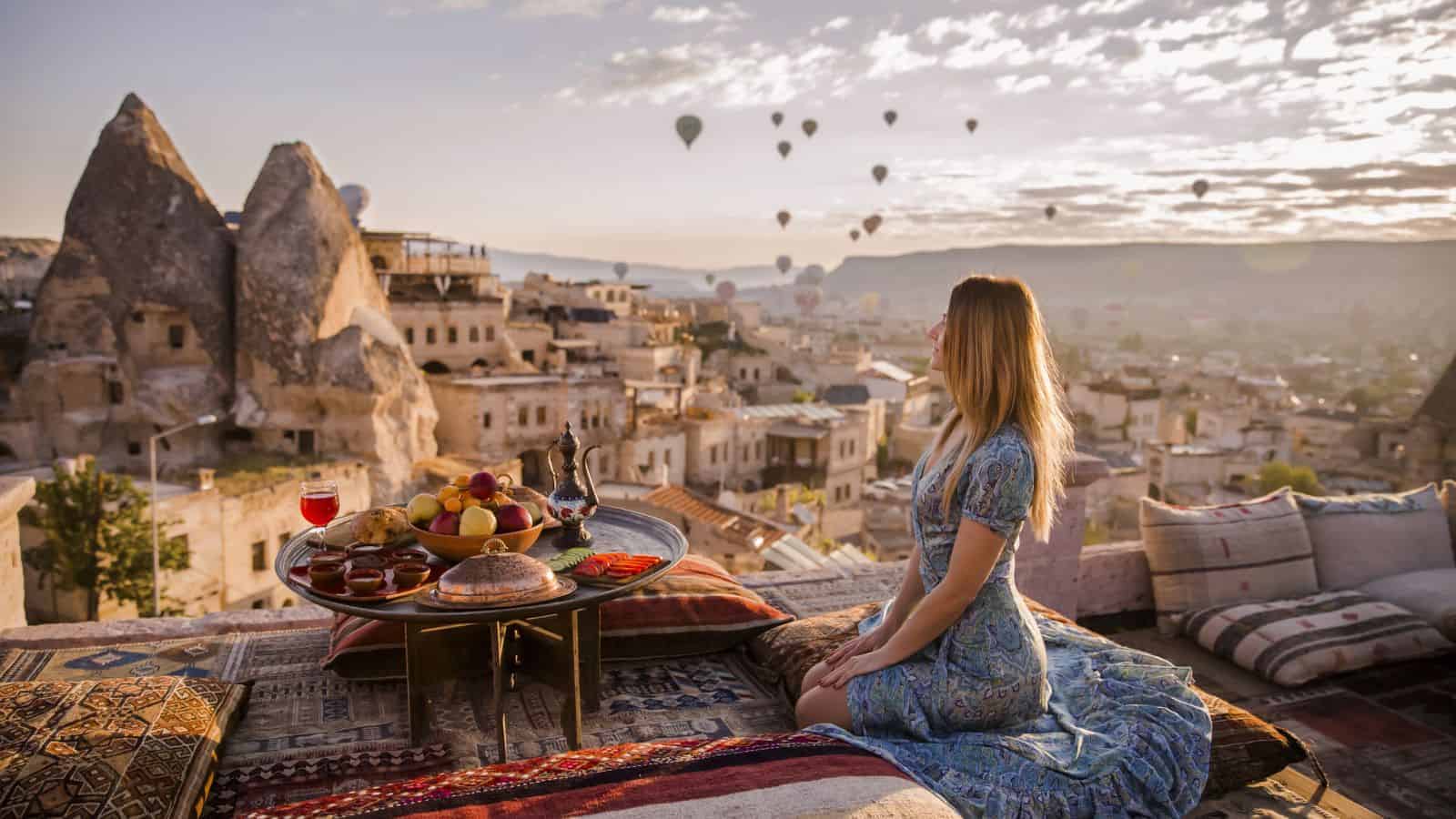
In the heart of Cappadocia lies Göreme, a town that is famous for its ancient cave dwellings carved into volcanic rock. Some homes and churches date back over a thousand years, with intricate frescoes preserving early Christian history. Many villagers still live in cave houses and engage in pottery and carpet weaving, just as their ancestors did for generations.
Hallstatt, Austria
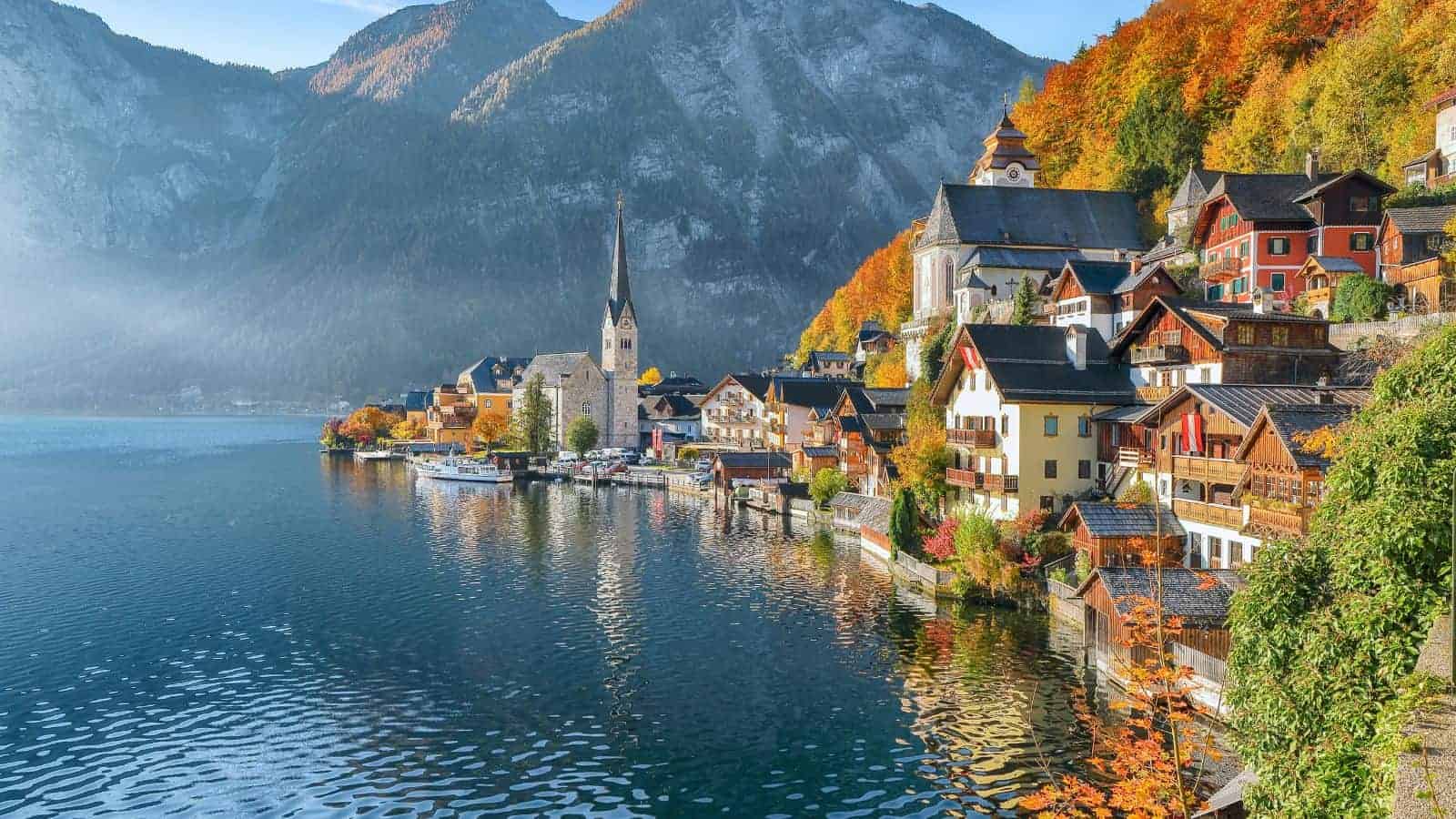
One of Europe’s oldest continuously inhabited villages, Hallstatt is renowned for its salt mining, which dates back to the Bronze Age. The local community still practices traditional salt extraction methods, and wooden houses from centuries past remain intact. The village maintains a unique funeral tradition of painting and displaying skulls in a charnel house, a custom dating back to the 18th century.
Whittier, Alaska, USA
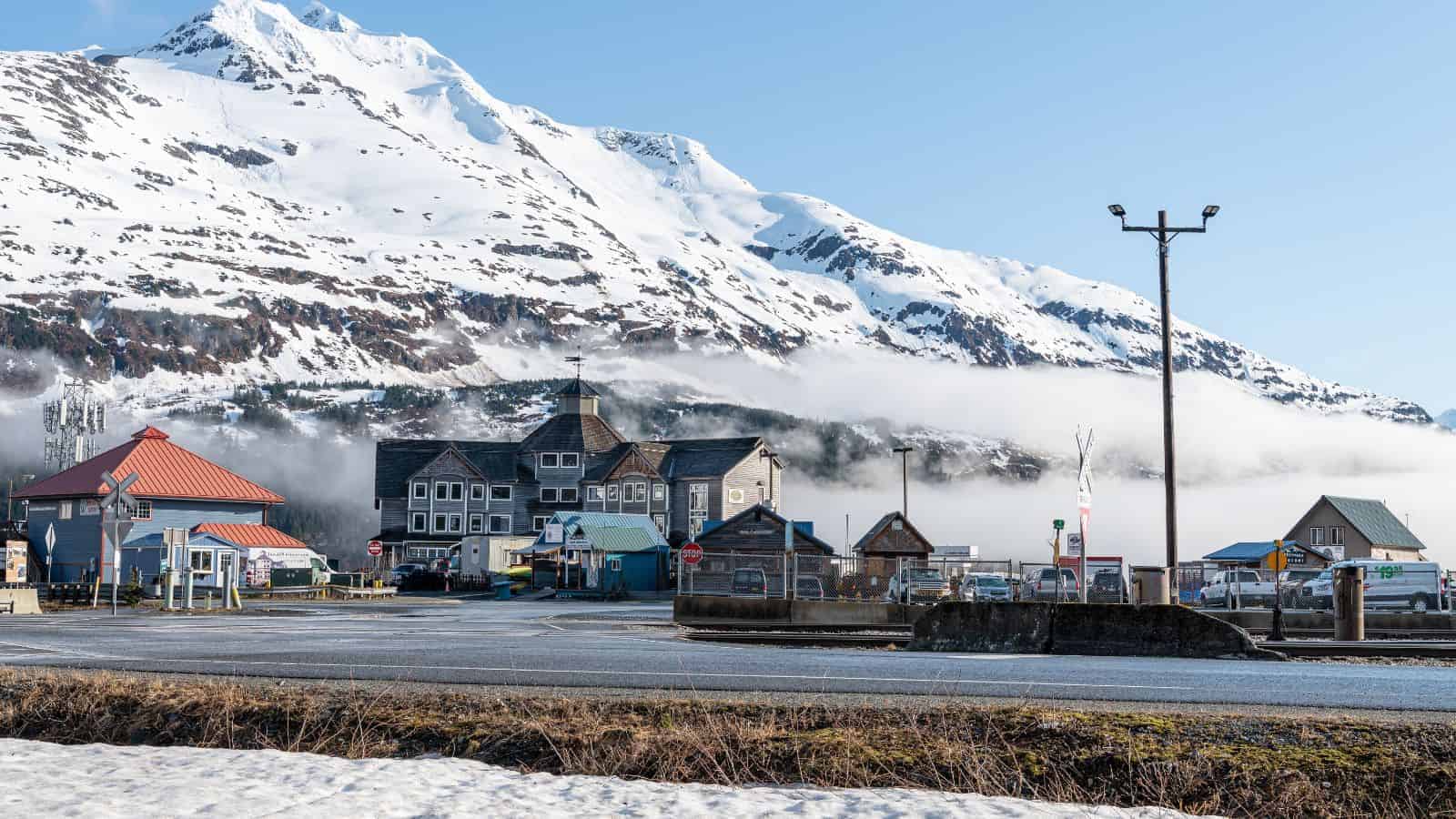
Known as the “town under one roof,” Whittier’s entire population lives in a single building, a practice that dates back to the Cold War. The village’s isolation and reliance on communal living have preserved a unique way of life. Locals still engage in traditional fishing and subsistence hunting, skills passed down for generations in this remote part of the world.
Taos Pueblo, USA
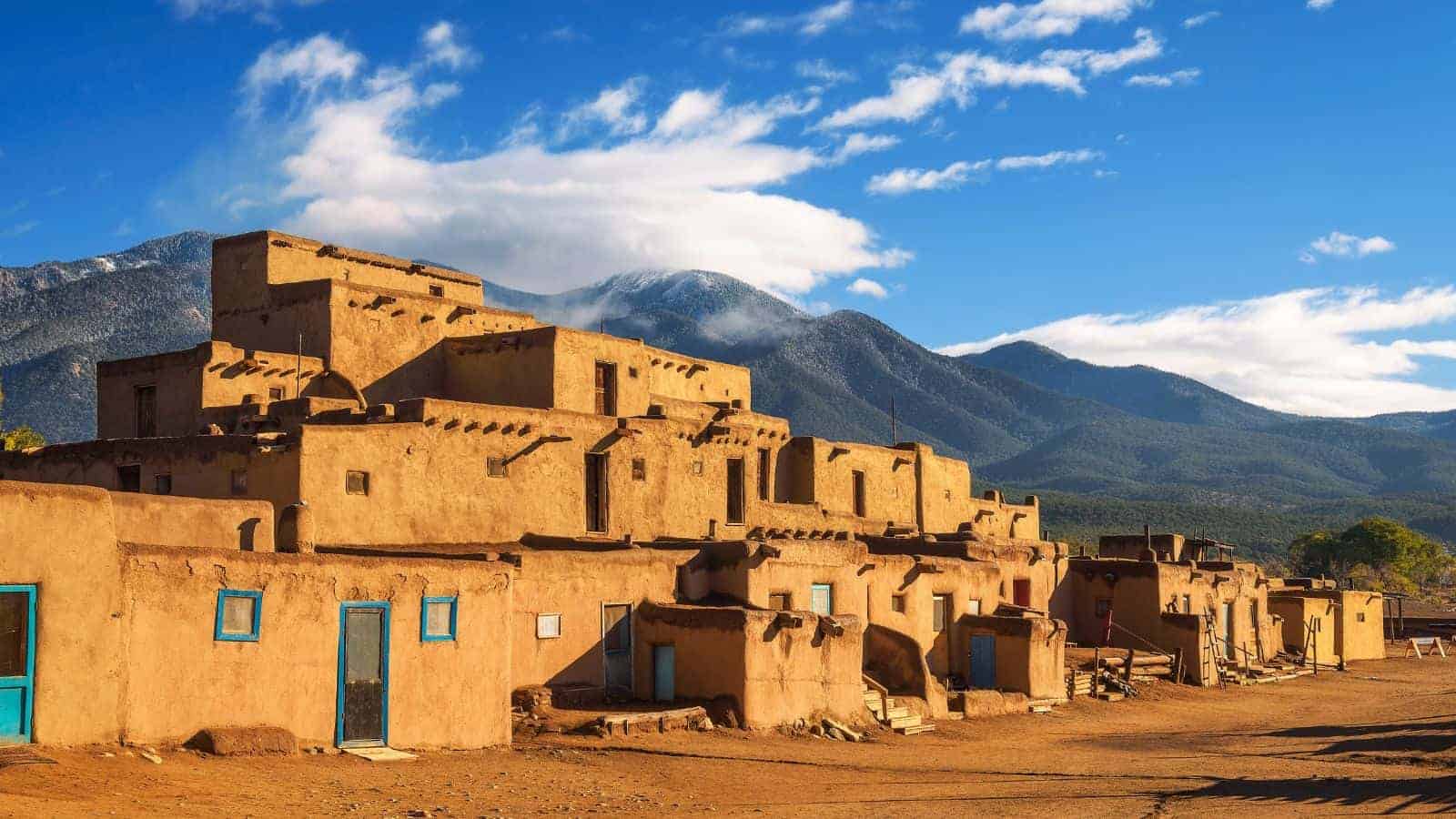
Located in New Mexico, Taos Pueblo is a Native American village that has been continuously inhabited for over 1,000 years. The adobe structures, built from sun-dried bricks, remain largely unchanged. The residents continue to follow ancient traditions, including tribal governance, religious ceremonies, and crafts such as pottery and jewelry-making, preserving their rich cultural heritage.
Giethoorn, Netherlands
Image Credit: Shutterstock.Often called the “Dutch Venice,” Giethoorn is a village with no roads, only canals. Residents travel by small boats called “punters,” a tradition dating back centuries. The thatched-roof cottages and wooden bridges reflect traditional Dutch rural architecture. Locals embrace a slow-paced life, maintaining the peaceful charm of their ancestors, making it a living example of traditional Dutch water-based living.
Aït Benhaddou, Morocco
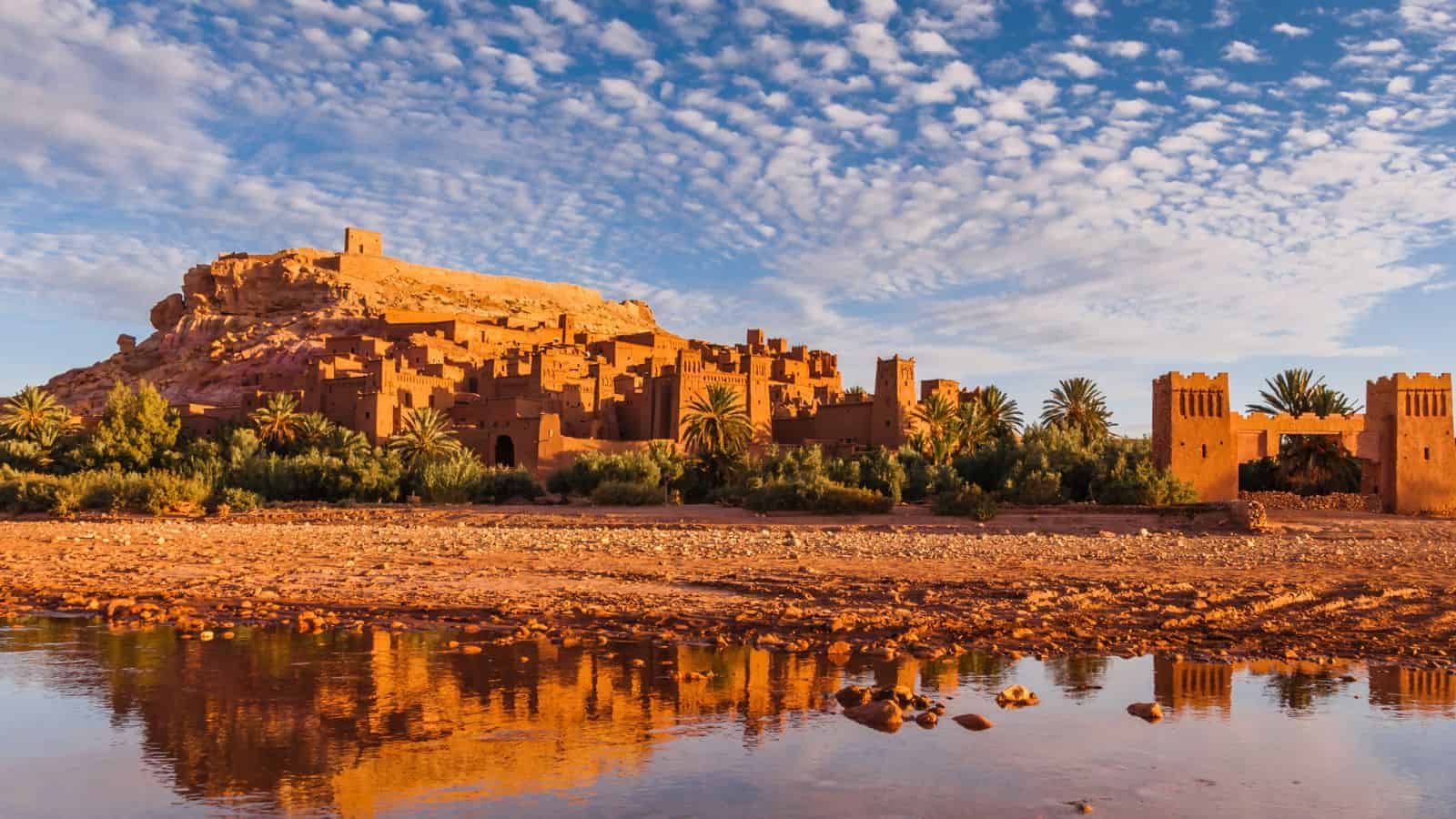
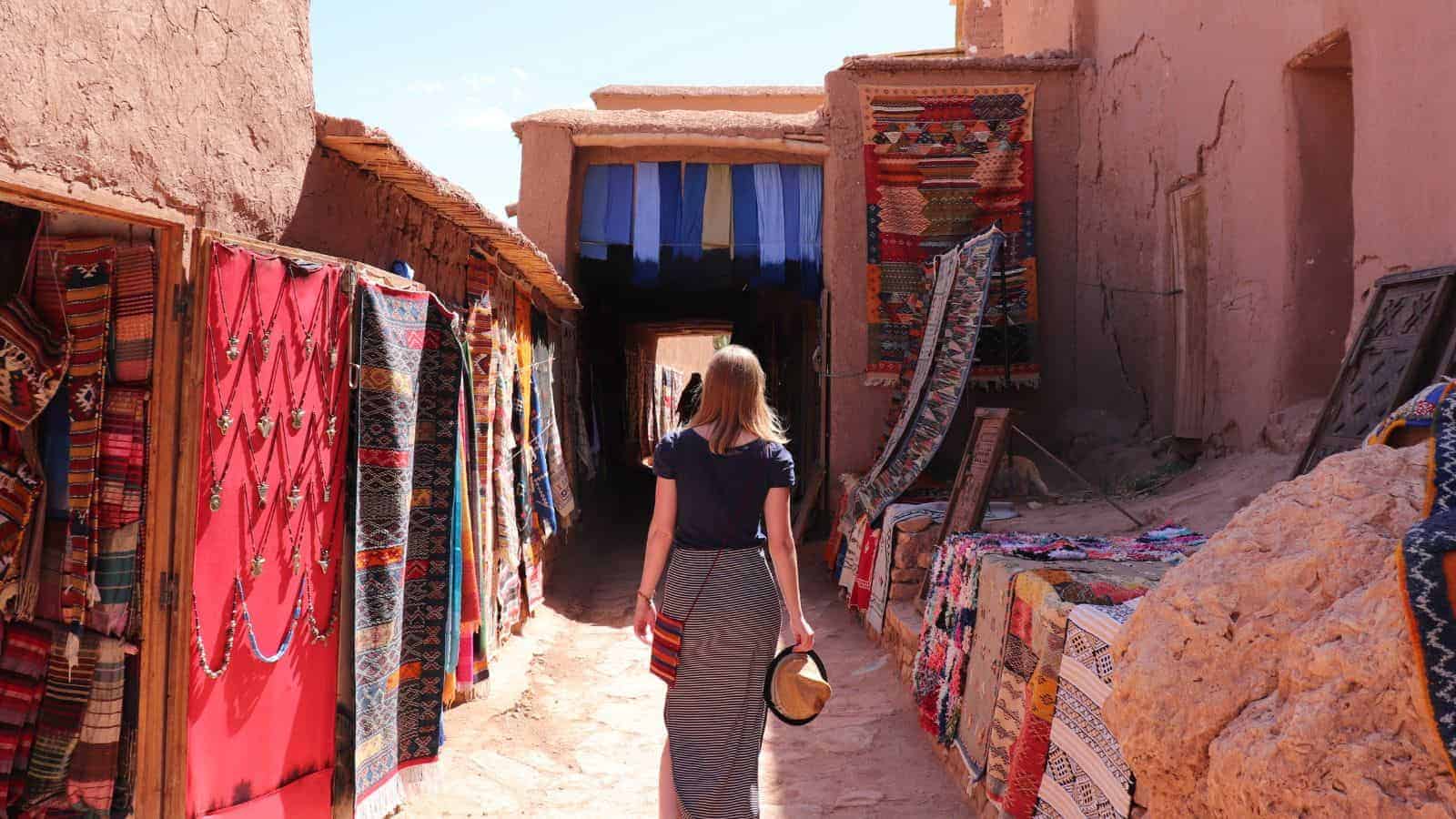
This UNESCO-listed kasbah, or fortified village, in the Atlas Mountains remains a symbol of Berber culture. Many families still live in the traditional earthen houses, constructed from mud and straw. The village continues to uphold traditional Berber festivals, music, and crafts, making it a living representation of Morocco’s ancient past.
Chichicastenango, Guatemala
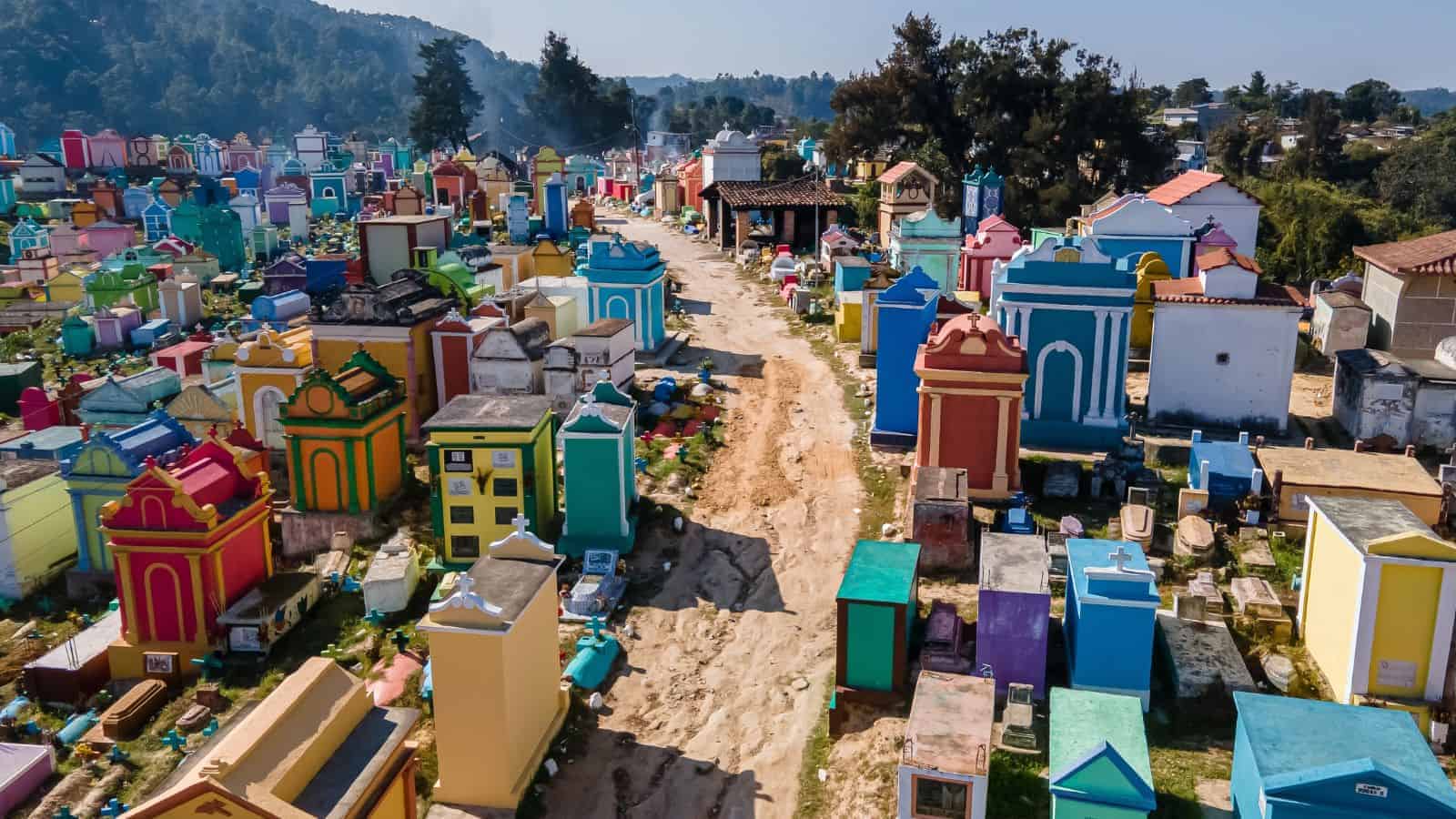
Chichicastenango is a vibrant Mayan town known for its colorful markets and deeply rooted traditions. Locals still practice Mayan rituals, often blending them with Catholic beliefs. The town’s shamans perform ancient ceremonies at Pascual Abaj, a sacred stone altar, keeping centuries-old spiritual practices alive amid modernization.
Uros Floating Islands, Peru
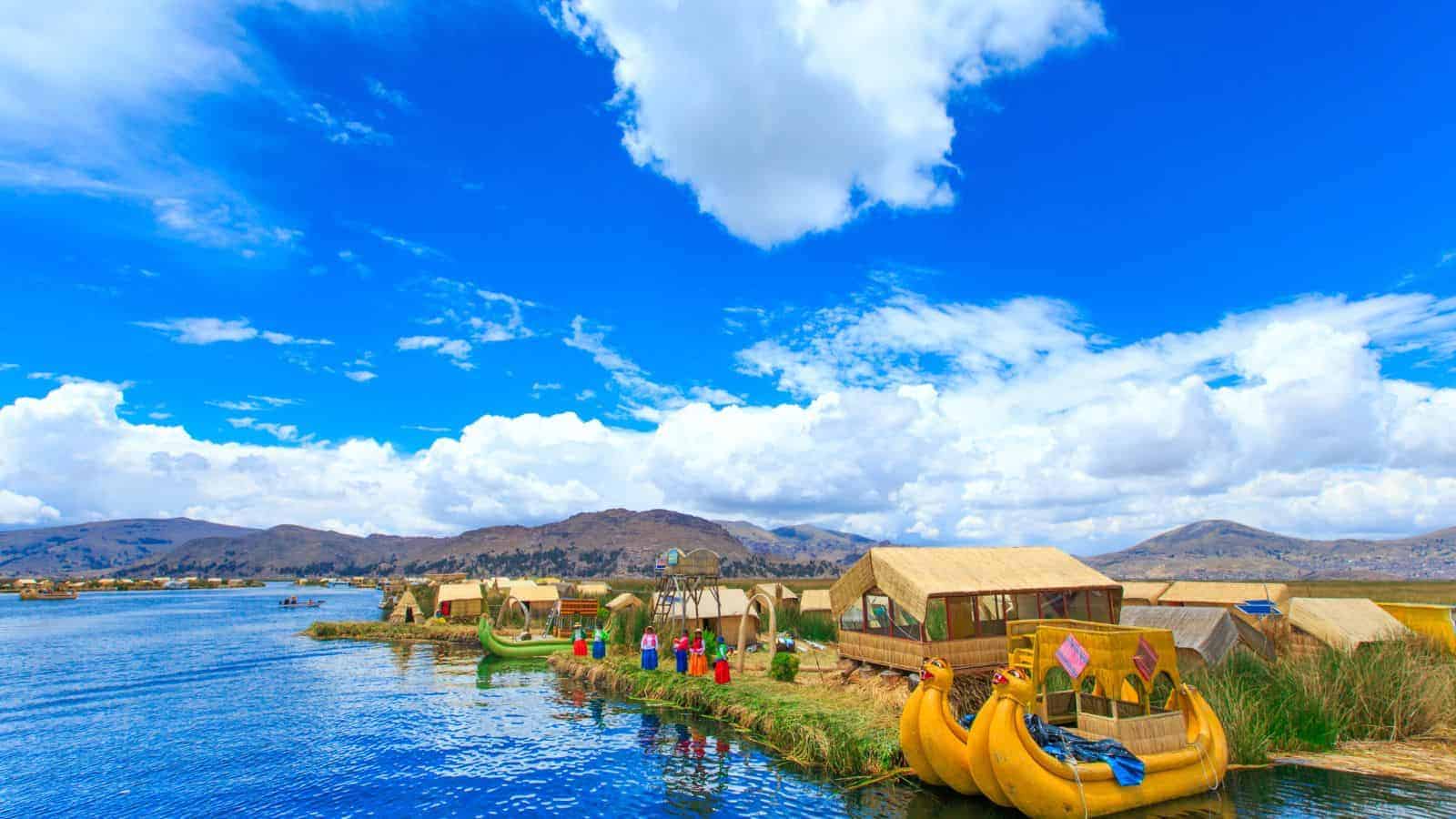
The Uros people live on man-made floating islands constructed from totora reeds on Lake Titicaca. This tradition dates back to pre-Inca times when the Uros sought refuge on the lake to escape hostile groups. They continue to build and maintain their islands using ancient techniques, preserving a way of life that has remained largely unchanged for centuries.
Bhaktapur, Nepal
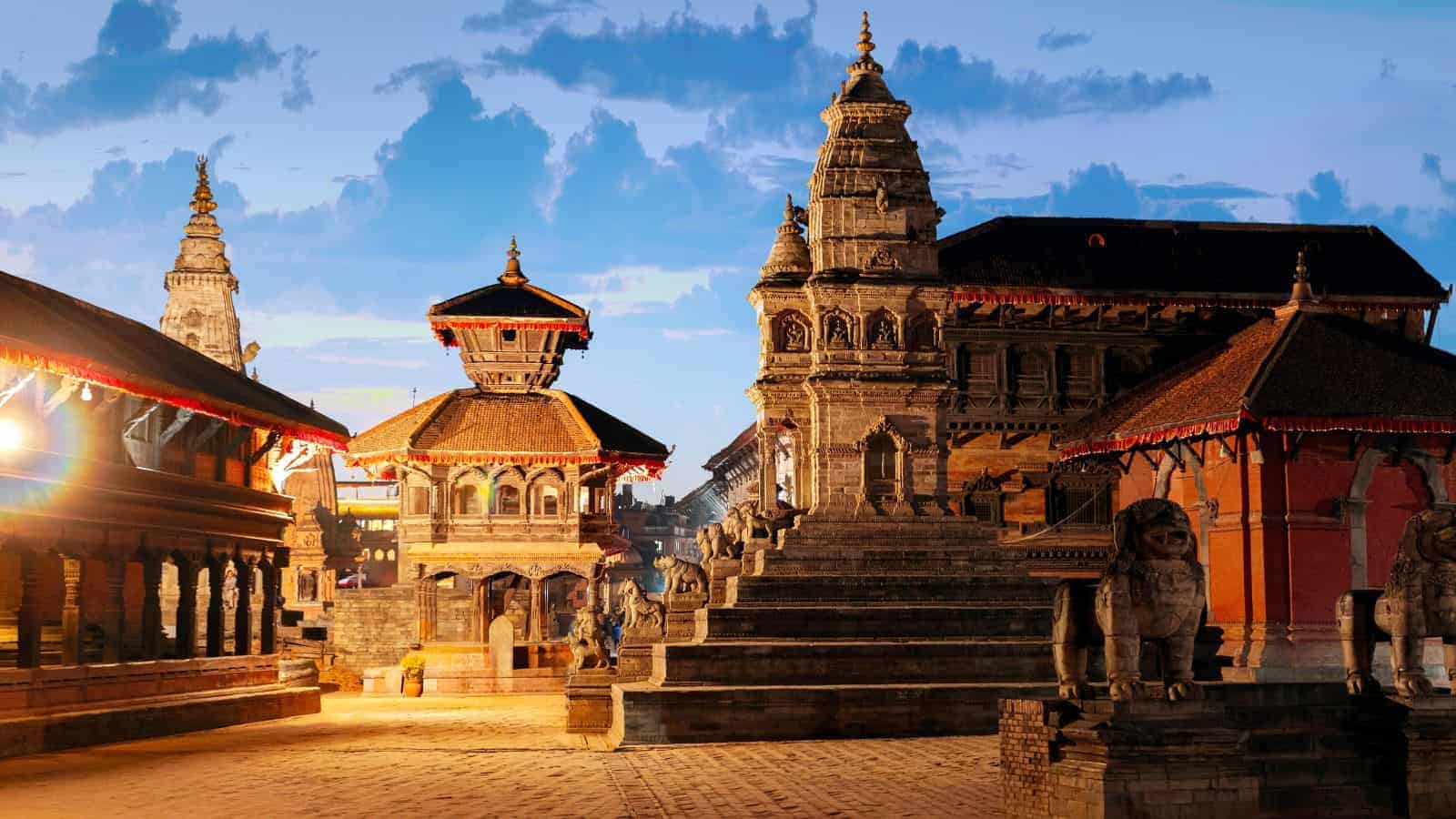
Bhaktapur, one of Nepal’s ancient cities, is known for its well-preserved medieval architecture and deeply rooted Newar traditions. The community still celebrates centuries-old festivals like Bisket Jatra and Indra Jatra. Artisans in the village continue traditional pottery, woodcarving, and thangka painting, ensuring that their ancestral crafts endure.
Sibuan, Malaysia
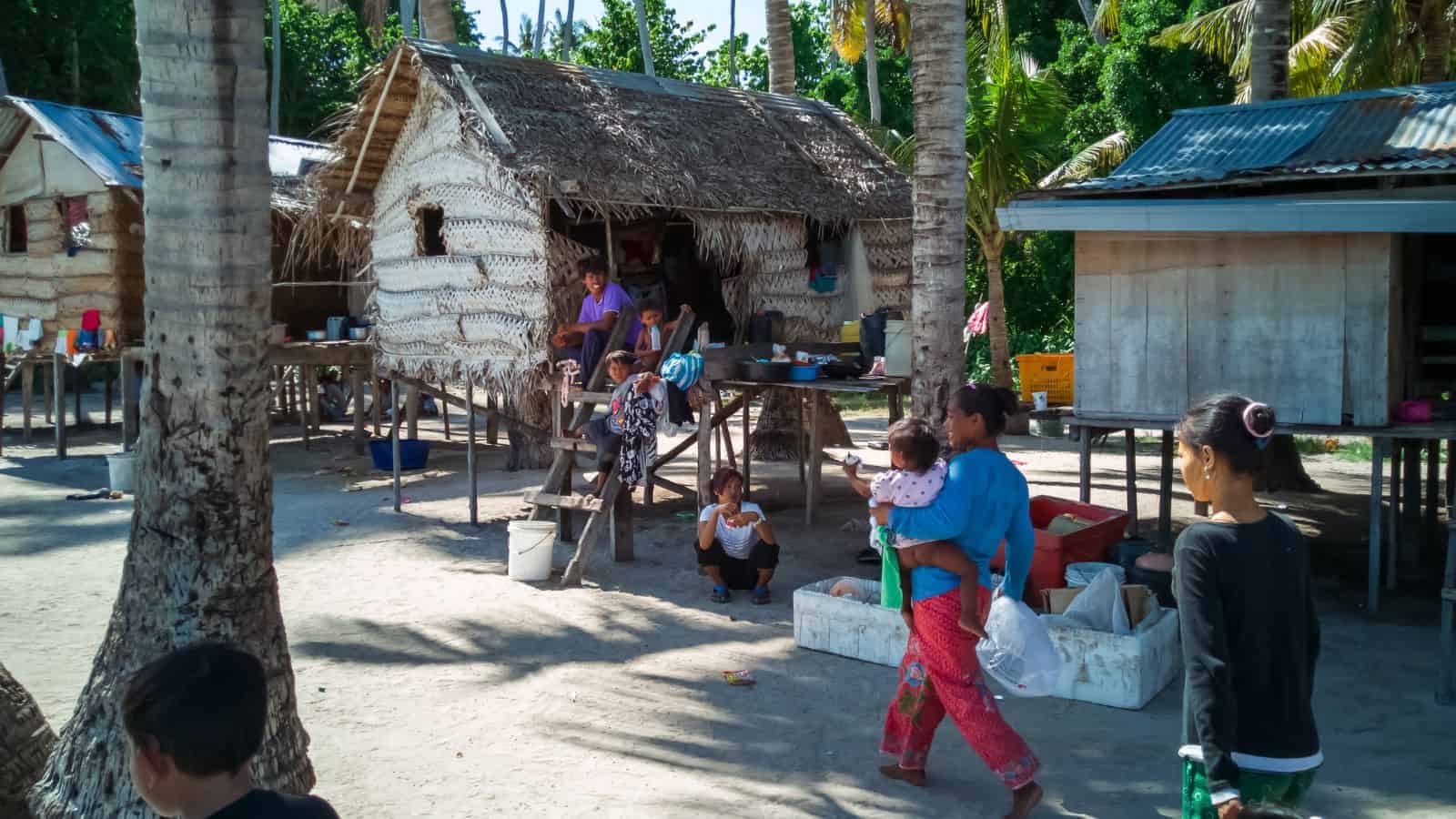
Home to the Bajau Laut, or “sea gypsies,” Sibuan is a small island where residents still live in wooden stilt houses built over the sea. The Bajau Laut maintain their maritime traditions, including free diving, fishing, and boat-building skills that have been passed down through generations. Their semi-nomadic lifestyle remains a testament to their deep connection with the ocean.
Oia, Greece
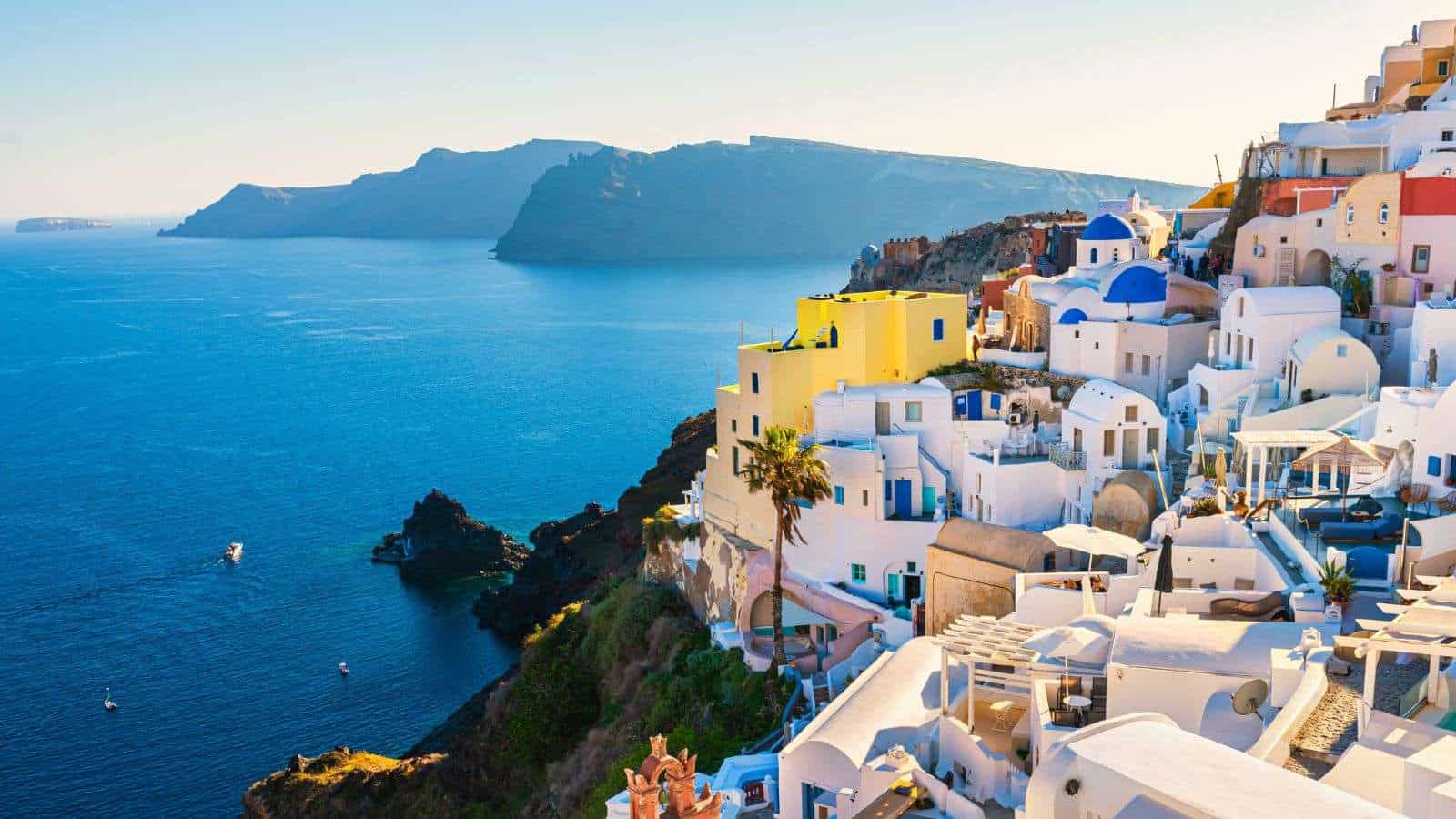
Famous for its whitewashed houses and blue-domed churches, Oia on the island of Santorini retains its traditional Cycladic architecture. The village still observes ancient Greek customs, from Orthodox Easter celebrations to traditional winemaking. Many families continue to live in cave houses carved into the volcanic rock, preserving a way of life that dates back centuries.
Kandovan, Iran
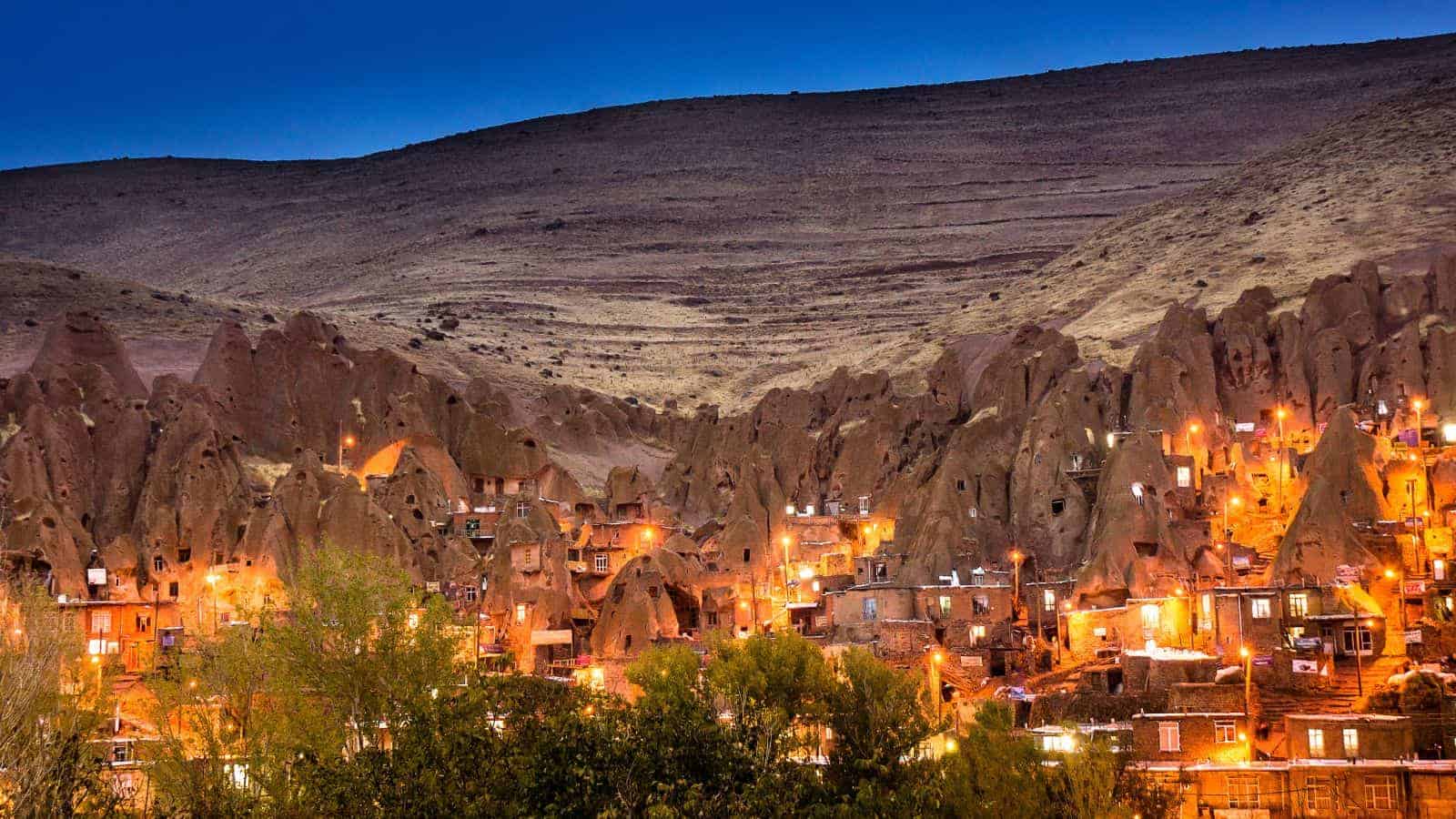
Kandovan is a unique village where homes are carved into volcanic rock formations, resembling a beehive structure. The residents still follow traditional Persian customs, including carpet weaving and livestock farming. The architecture, dating back over 700 years, provides a rare glimpse into a way of life that remains mostly untouched by modern influences.
Çavuşin, Turkey
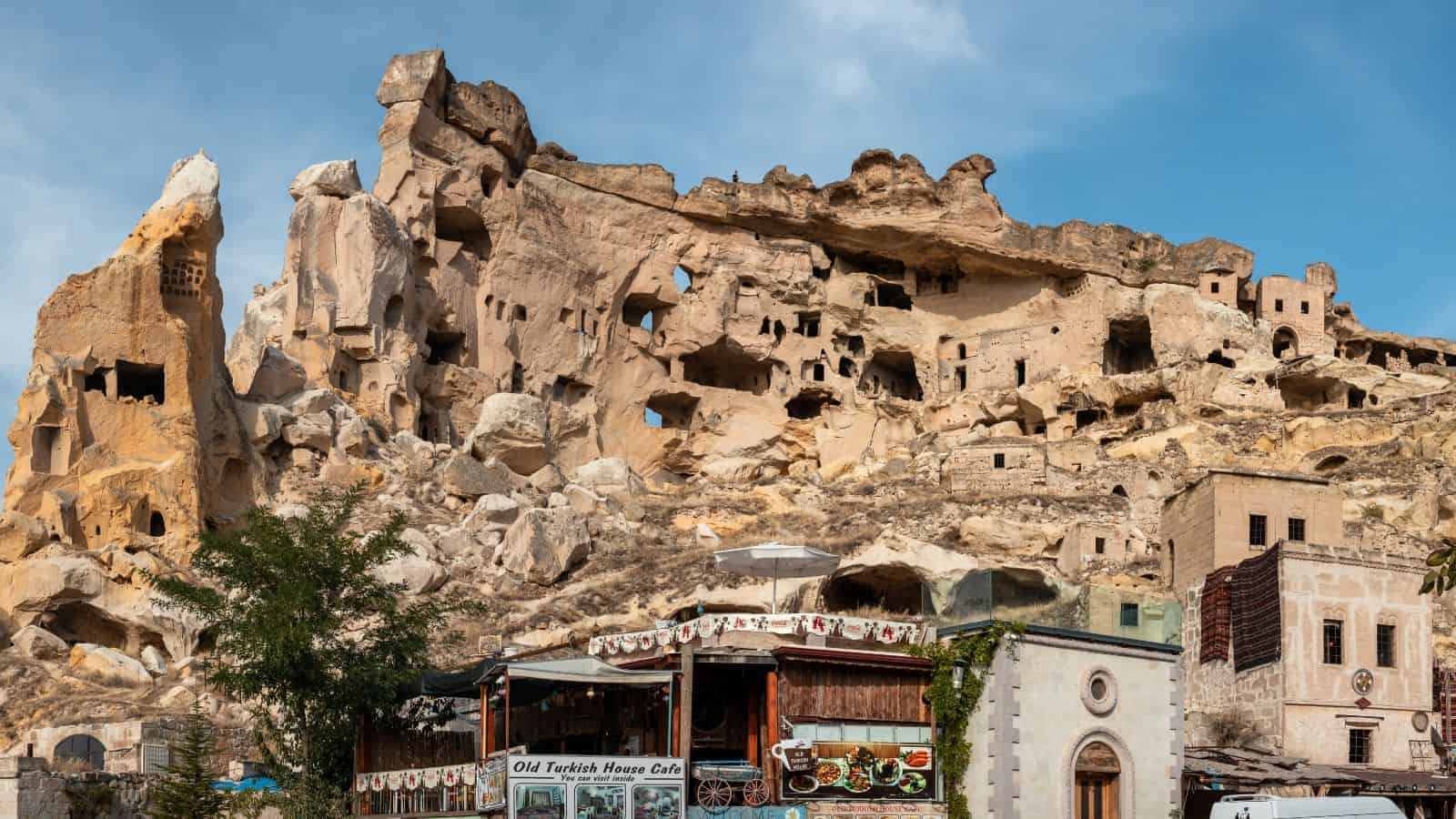
Located in Cappadocia, Çavuşin is another village known for its ancient rock-cut dwellings and churches. While some residents have moved to modern houses, others still live in these cave homes. The community continues to uphold age-old traditions such as pottery, traditional bread baking, and cultural festivals that have been celebrated for centuries.
Mae Kampong, Thailand
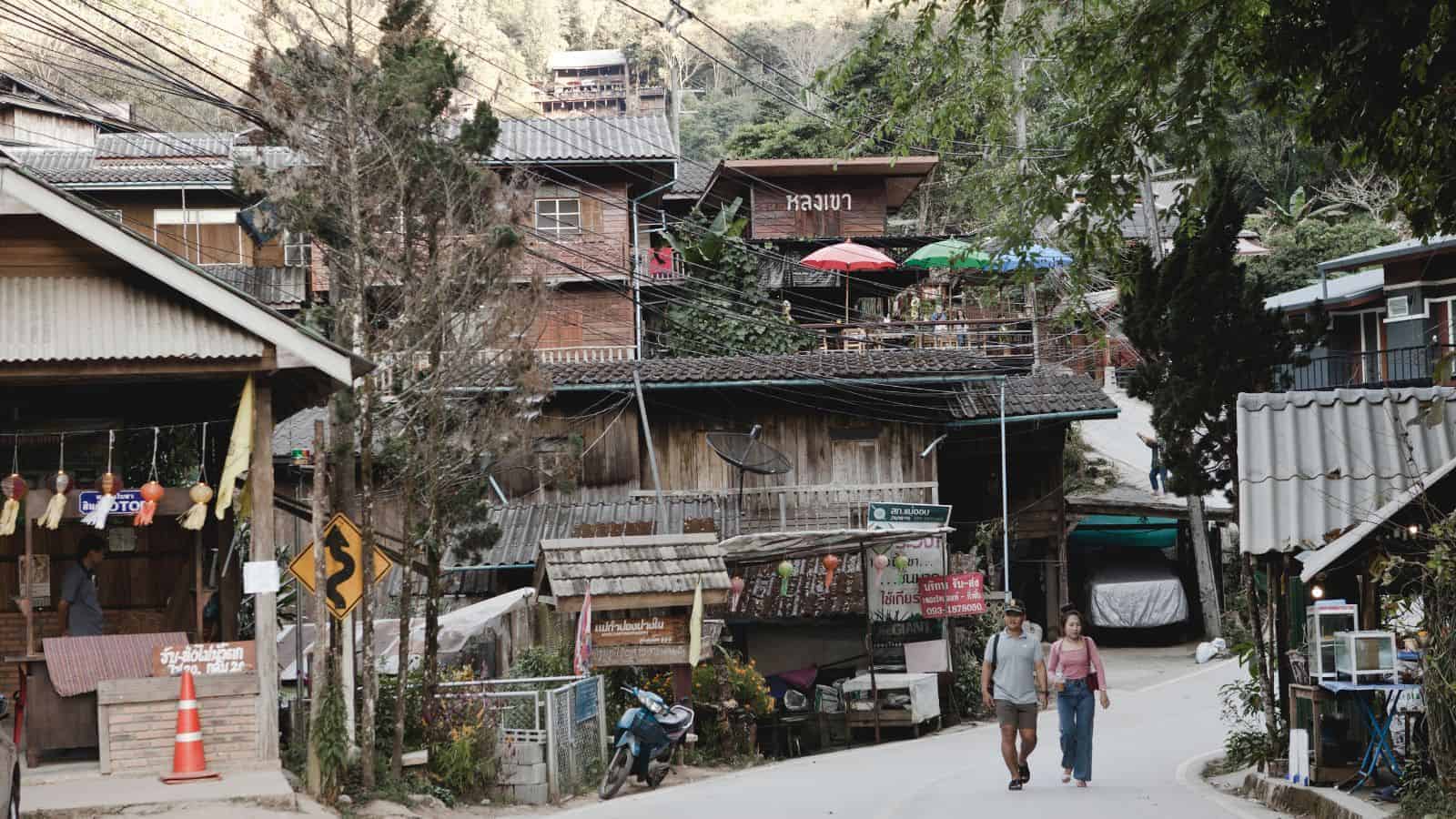
Tucked away in the mountains of northern Thailand, Mae Kampong is a traditional village where residents continue to practice sustainable agriculture, including growing tea and coffee. The village adheres to old customs such as communal living and traditional wooden house construction. It has resisted urbanization, preserving its traditional Lanna culture and lifestyle.
Longwa, India
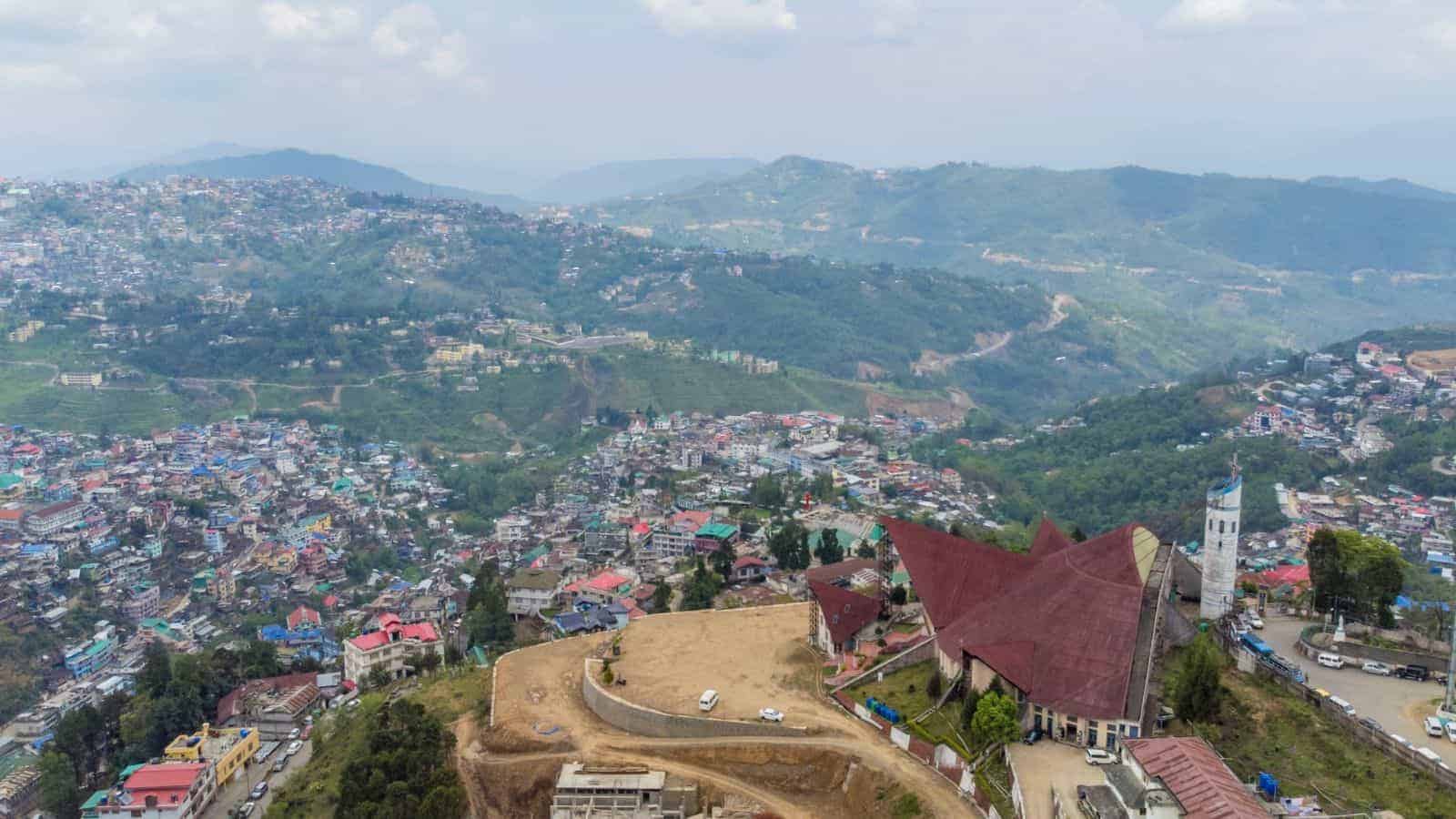
Located on the India-Myanmar border, Longwa is home to the Konyak Naga tribe, known for their unique customs and traditional warrior tattoos. The village chief’s house is split between the two countries, symbolizing the tribe’s ancestral lands. The Konyaks still practice headhunting rituals (though now symbolic) and intricate beadwork, preserving a way of life that has existed for centuries.

Harvi Sadhra
Harvi Sadhra is a content strategist for Probe the Globe and is involved with many other publications including but not limited to investing.com, Barchart, Benzinga, Sure Dividend, MSN, Trendonomist. He is an avid traveler and writes about trending topics, travel, finance and more.