24 U.S. Villages That Feel Like You’ve Traveled Back 100 Years
Travel can provide extraordinary insight into history when destinations preserve their authentic character. Across the United States, small communities maintain architecture, craftsmanship, and traditions that make visitors feel as if the past still thrives. These locations offer quiet streets, heritage stories, and scenery that appear untouched by the pressures of modern development, which enrich U.S. travel with meaningful immersion. The following guide highlights 24 U.S. Villages That Feel Like You’ve Traveled Back 100 Years.
Harpers Ferry, West Virginia

Harpers Ferry presents a compelling mix of 19th century stone buildings, Civil War history, and dramatic river views where the Shenandoah meets the Potomac. Cobblestone-style streets, old general stores, and preserved houses evoke a century-old Appalachian community. Visitors enjoy leisurely walks to historical museums, battlegrounds, and scenic overlooks. The town’s compact layout encourages exploration entirely on foot, reinforcing the sense of traveling back in time. U.S. travel adventurers appreciate Harpers Ferry for its educational value and charming setting.
Galena, Illinois
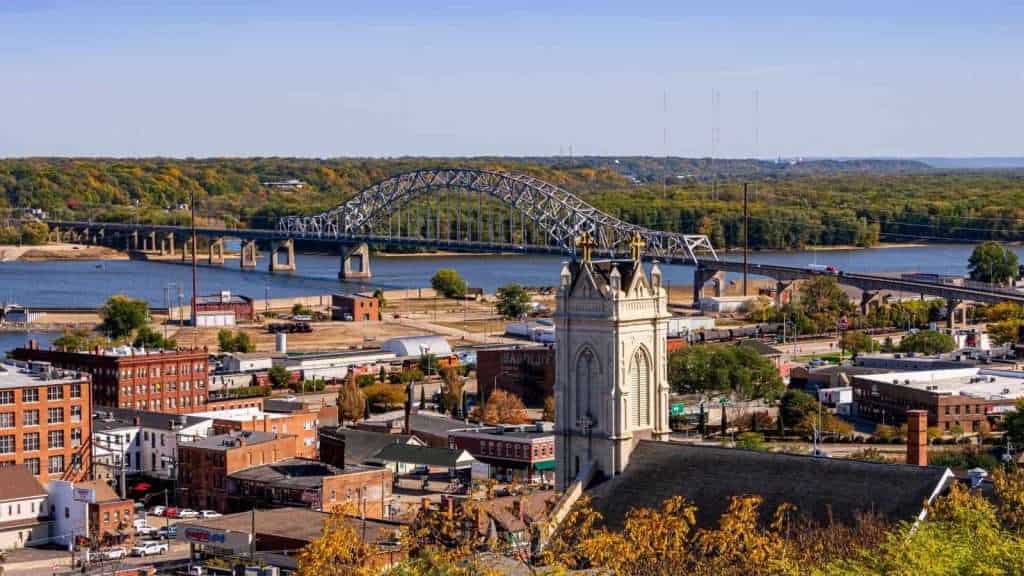
Galena features restored brick storefronts, steepled churches, and riverside beauty reminiscent of the 1800s mining boom that built the town. Tourists stroll boutique-lined streets while learning about figures such as Ulysses S. Grant, whose former home is a local landmark. Seasonal festivals celebrate heritage through crafts and parades. Horse-drawn carriage rides enhance the historic ambiance. The village stands out as a premier Midwest U.S. travel destination with deep-rooted character.
Mackinac Island, Michigan

With motor vehicles limited, transportation on Mackinac Island relies largely on bicycles and horse-drawn carriages. The absence of car noise supports an atmosphere similar to early 20th century lakeside vacation culture. Victorian-era inns and waterfront promenades reflect classic resort style favored by families more than a century ago. Visitors explore fort history, local fudge shops, and limestone bluffs. The island provides a uniquely preserved slice of U.S. travel heritage.
St. Augustine Historic Village, Florida
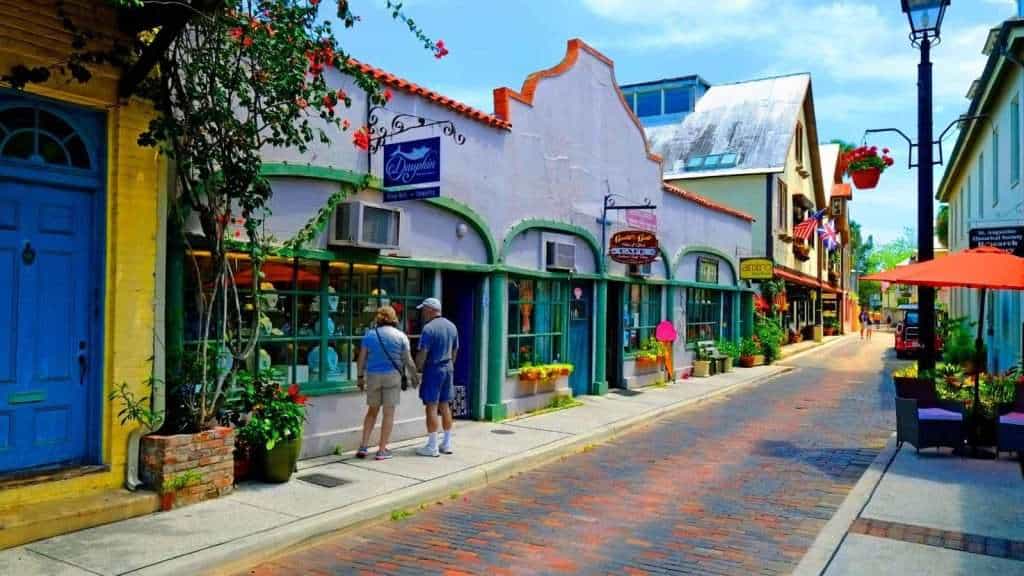
St. Augustine represents one of America’s oldest continually occupied European-influenced settlements, showcasing centuries-old Spanish architecture. Narrow streets lined with coquina structures reveal stories from the 1700s and 1800s. Visitors can step inside preserved homes and artisan workshops to witness traditional craft techniques. Horse-drawn tours and atmospheric plazas enhance the historical illusion. This heritage village offers a rich stop for cultural U.S. travel in Florida.
Lanesboro, Minnesota

Lanesboro delivers a peaceful escape with Victorian storefronts, limestone bluffs, and a strong arts community supporting traditional lifestyles. The village center invites slow-paced exploration of galleries, cafés, and local markets. A historic theater continues to anchor cultural life along the Root River. Cyclists and hikers enjoy the region’s scenic trails while appreciating a preserved main street environment. Travelers throughout the Midwest view Lanesboro as an example of enduring small-town America.
Virginia City, Nevada

Virginia City remains defined by its mining past, with wooden sidewalks and frontier-era buildings that recall the Comstock Lode boom. The atmosphere channels Wild West history through saloons, stagecoach rides, and museum exhibits. Visitors can tour underground mines to better understand the region’s industrial rise during the 1800s. The community preserves historical authenticity while welcoming tourism. U.S. travel seekers aiming for Old West heritage find a vivid experience here.
Cape May Historic District, New Jersey

Cape May showcases a rare concentration of Victorian architecture that survived largely unchanged for more than a century. Gingerbread trim, classic seaside cottages, and gaslamp-lit streets enhance the oceanfront ambience. Visitors enjoy heritage tours that highlight stories of early travelers who shaped the resort. Beaches and coastal scenery add further allure without compromising the historic feel. Cape May elevates East Coast U.S. travel with timeless elegance.
Sutter Creek, California

Sutter Creek celebrates Gold Rush heritage in its preserved brick buildings, saloons, and antique shops. The pace feels unhurried, offering time to absorb stories of miners who once crowded these same streets. Wineries and family-run restaurants occupy structures dating back generations. Guided tours interpret the economic and cultural impacts of California’s early boom years. U.S. travel through the Sierra foothills becomes memorable in this charming community.
Jim Thorpe, Pennsylvania
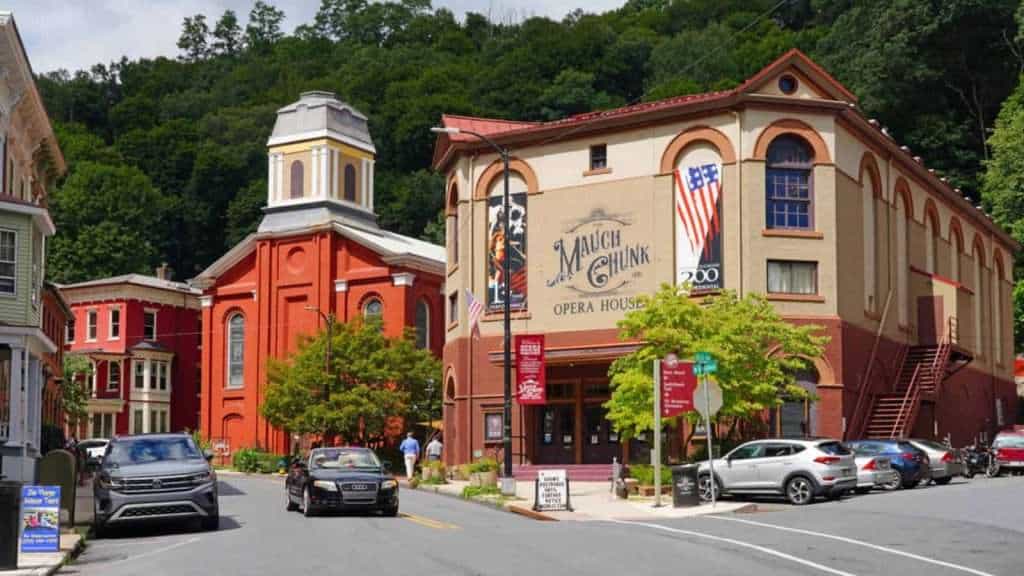
Jim Thorpe features striking Victorian design against a backdrop of forested mountains and river scenery. The village retains its 19th century coal-town layout, complete with ornate architecture and a historic railway line. Tourist trains provide scenic rides reminiscent of early industrial-era travel. Museums share narratives about local labor and immigrant communities. Visitors enjoying U.S. travel through Pennsylvania discover history infused with outdoor adventure.
Ely, Vermont

Ely provides a rural New England setting where agricultural traditions remain part of daily life. Vintage farmhouses and small-town shops communicate continuity with the past. Community events emphasize handcrafted goods, storytelling, and seasonal gatherings. Surrounding fields and forests provide scenic beauty that pairs well with heritage tourism. This environment strengthens U.S. travel with genuine cultural immersion.
Historic Deerfield, Massachusetts

Historic Deerfield functions as a living museum preserving early American domestic architecture and craftsmanship. Costumed interpreters demonstrate daily life from the 18th and early 19th centuries in beautifully maintained houses. Streets lined with elms and white picket fences add to the village aesthetic. Educational programs support awareness of colonial history and preservation practices. Travelers gain a deeper appreciation for America’s roots during their visit.
Greenbank, Washington

Greenbank on Whidbey Island offers maritime charm linked to early settlement history. Visitors explore small farms, coastal views, and heritage buildings that maintain rural authenticity. Community events showcase local food, storytelling, and island traditions. The calm environment emphasizes simpler lifestyles before modern expansion. This corner of the Pacific Northwest enhances U.S. travel with a peaceful historical atmosphere
Mineral Point, Wisconsin

Mineral Point reflects early mining heritage influenced by skilled Cornish immigrants whose stone cottages still stand. The village continues to celebrate traditional craftsmanship through working studios and guilds. Visitors can tour lead mining sites to understand early industrial life. Quaint cafés occupy century-old storefronts along narrow streets. The destination supports U.S. travel interest in heritage arts and architecture.
Taos Pueblo, New Mexico
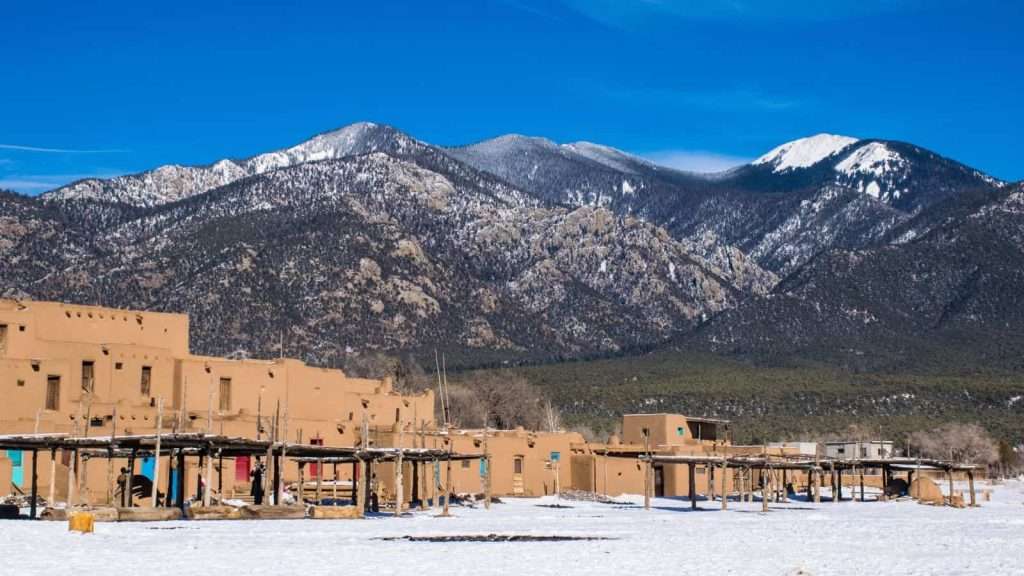
Taos Pueblo provides extraordinary continuity with the past, as Native residents maintain multi-storied adobe structures that have stood for centuries. The community practices living cultural traditions that predate European arrival. Visitors respectfully observe artisan work, ceremonial spaces, and daily rhythms rooted in ancestral knowledge. The village represents an irreplaceable cultural treasure recognized for its historical significance. Experiences here deepen U.S. travel with powerful heritage perspectives.
Waterford, Virginia

Waterford preserves its mid-1800s identity through stone houses, preserved mills, and rural landscapes maintained through dedicated conservation. The village’s narrow streets and restored barns recall agricultural life before industrialization. Heritage tours highlight stories of craftspeople, Quaker settlements, and community resilience. Annual fairs celebrate artisan skills still valued today. Waterford rewards U.S. travel with authenticity and educational enrichment.
Astoria Settlers’ District, Oregon

Astoria’s historic district centers on maritime legacy and early Pacific Northwest settlement. Victorian houses line steep streets overlooking the Columbia River, reflecting prosperity from fishing and shipping. Museums and preserved warehouses share stories of ambitious pioneers and international trade routes. The atmosphere conjures a century-old port town thriving on ocean access. It remains a compelling West Coast U.S. travel highlight.
Red Wing, Minnesota

Red Wing embodies Mississippi River heritage with Victorian-era storefronts and riverside industry preserved in museum form. Boot and pottery craftsmanship, important to its economic history, continue through local artisans. Visitors appreciate scenic river bluffs while exploring classic architecture. Heritage tours interpret influential local industries that shaped everyday life over 100 years ago. The destination enriches U.S. travel with both natural beauty and historic depth.
Bardstown, Kentucky

Bardstown conveys frontier heritage through 19th century buildings and connections to bourbon history that stretch back generations. Horse farms and preserved taverns illustrate cultural influences from pioneer settlement to regional trade. Museums and guided walks provide engaging educational opportunities. Evening strolls through the compact town center reinforce a timeless ambiance. U.S. travel through Kentucky gains character through this celebrated community.
Nauvoo, Illinois

Nauvoo offers a well-preserved landscape representing early Latter-day Saint settlement during the 1800s. Restored workshops, brick homes, and cultural demonstrations depict community life before migration westward. Visitors engage with blacksmiths, bakers, and crafts that reflect self-reliance and faith traditions. A peaceful riverside setting reinforces historical contemplation. The site stands as a meaningful Midwest U.S. travel experience.
Arrow Rock, Missouri

Arrow Rock expresses early Missouri history through its brick storefronts, classic tavern, and heritage theater that remain community anchors. Interpretive tours describe life during frontier expansion and river commerce. Visitors appreciate how art and culture remain central to village identity. Informational markers guide explorations of preserved structures and historic trails. This charming stop enriches U.S. travel with engaging heritage storytelling.
Berlin, Maryland
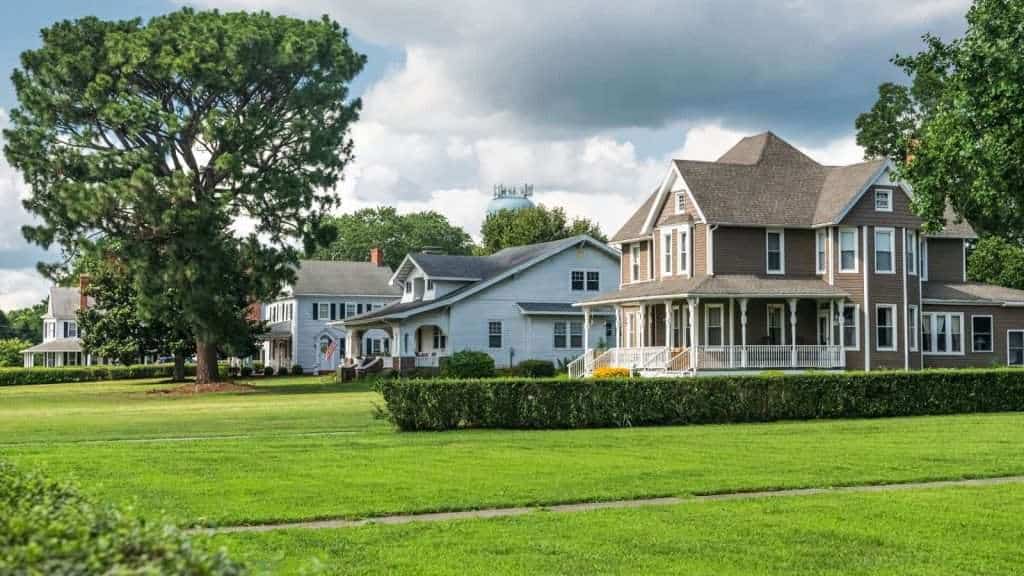
Berlin retains late-Victorian architecture, tree-lined streets, and traditional shopfronts that sustain its small-town identity. Independent stores emphasize handcrafted goods and regional specialties. Filmmakers have used the village as an idyllic backdrop due to its timeless appearance. Festivals and community gatherings reinforce historic pride. U.S. travel along the East Coast benefits from locations that protect authentic charm like Berlin.
Ferndale, California

Ferndale showcases ornate Victorian architecture known as “Butterfat Palaces,” reflecting prosperous dairy history. Its main street remains visually consistent with the early 1900s, offering a photogenic experience for visitors. Locally owned businesses maintain community ties and traditional service. Surrounding farmland enhances the connection to agricultural heritage. This Northern California stop elevates U.S. travel with preserved rural elegance.
Cooperstown Historic Area, New York

Cooperstown presents lakeside beauty complemented by historic storefronts and classic homes that have stood for generations. While widely known for baseball heritage, the village reflects a 19th century atmosphere throughout its downtown and museum district. Artisans, bookstores, and family inns fill original structures. Visitors enjoy leisurely walks filled with nostalgia and charm. It remains a cornerstone of heritage-focused U.S. travel.
Eureka Springs, Arkansas
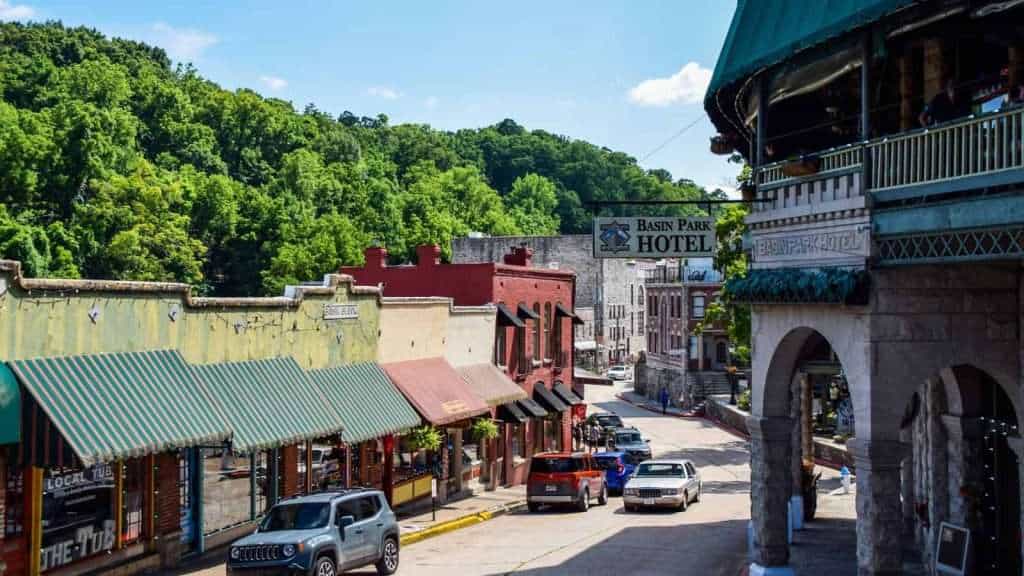
Eureka Springs captivates with winding streets, Victorian buildings, and hillside architecture inspired by healing springs tourism from the late 1800s. Porches, balconies, and stair-stepped pathways create an old-world aesthetic. Boutique shops and heritage inns maintain historic authenticity while supporting traveler comforts. Preservation efforts ensure the village’s vintage appeal endures. This Arkansas gem invites U.S. travel explorers to slow down and appreciate a living timeline.

Deborah Montiero is a seasoned travel writer and contributor to Probe the Globe. With a passion for uncovering hidden gems and sharing immersive travel experiences, Deborah’s work highlights must-visit destinations, insider tips, and practical advice for travelers of all types. Whether exploring bustling cities or remote escapes, her articles are crafted to inspire and inform, making her a trusted voice in the travel community.
Her storytelling weaves together cultural insights, logistical tips, and authentic experiences, making her a valuable resource for readers seeking unforgettable journeys.
When not writing, Deborah is likely researching the latest travel trends or planning her next adventure. Follow her work on Probe the Globe for fresh perspectives and up-to-date travel inspiration.