12 U.S. Towns with Surprising Historical Significance
The United States is filled with towns that hold incredible historical importance but often go unnoticed. From places that help make the U.S. the nation it is to important industrial hubs, we take a look at 12 towns that are rich in history and worth exploring:
Augustine, Florida
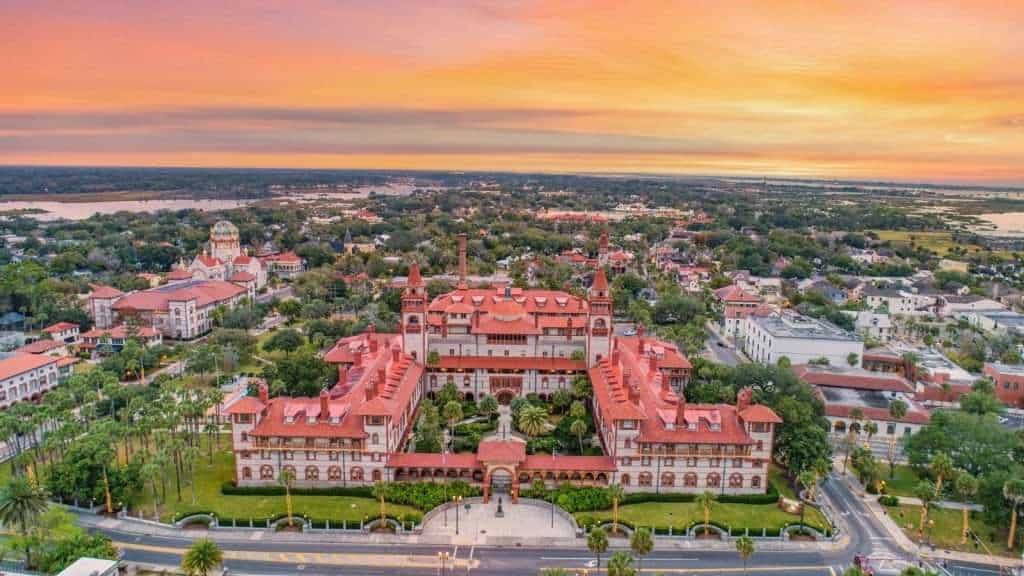
St. Augustine is the oldest continuously occupied European-established settlement in the United States, founded by the Spanish in 1565. Known as the “Nation’s Oldest City,” St. Augustine played a crucial role in the early defense of the Spanish Empire in the New World. The town’s historic sites, such as the Castillo de San Marcos and the Spanish Colonial architecture, offer a deep dive into early American history.
Plymouth, Massachusetts
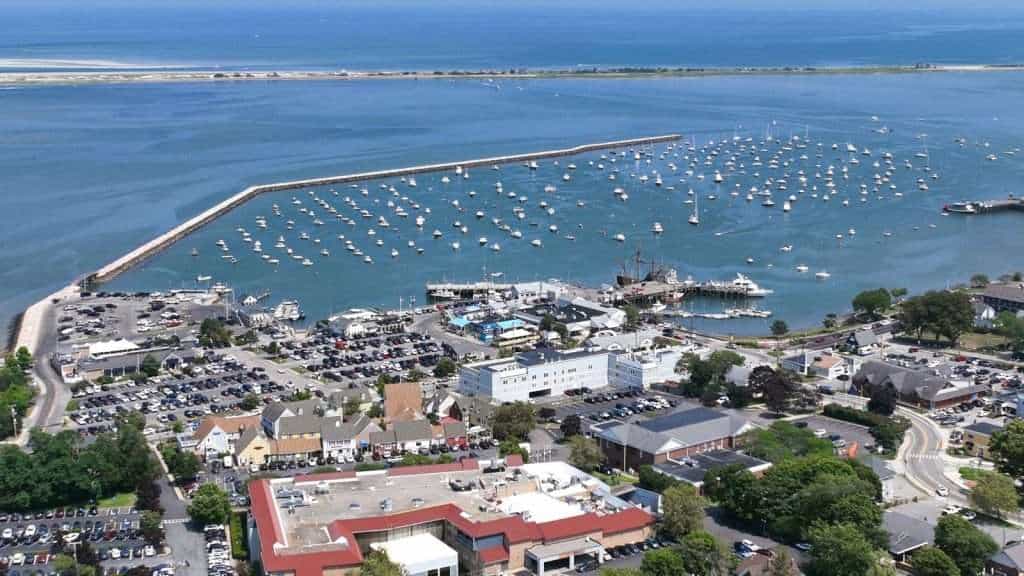
Plymouth is often referred to as “America’s Hometown” because it is where the Pilgrims first settled in 1620. Plymouth Rock, the Mayflower II and Plimoth Patuxet Museums provide insights into the early struggles and triumphs of the English settlers, making it a cornerstone of American history.
Gettysburg, Pennsylvania
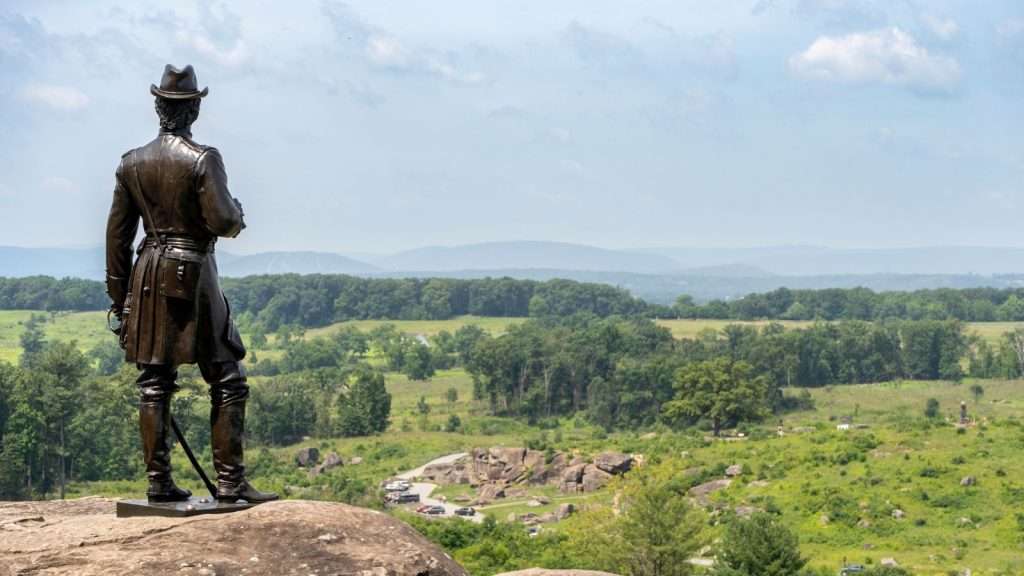
Gettysburg is best known for the pivotal Civil War battle that took place here in 1863. The Battle of Gettysburg was a turning point in the Civil War and the Gettysburg Address, delivered by President Abraham Lincoln, further cemented its historical significance. The Gettysburg National Military Park is a must-visit for history buffs.
Williamsburg, Virginia
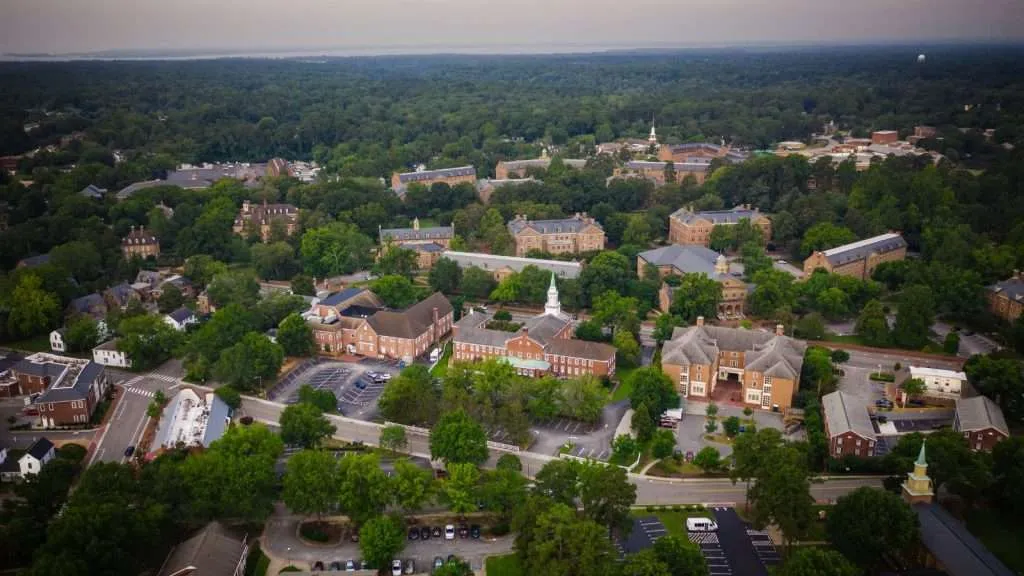
As the capital of the Virginia Colony from 1699 to 1780, Williamsburg was a hub of political activity leading up to the American Revolution. Today, Colonial Williamsburg is a living history museum where visitors can experience life in the 18th century and learn about the events that led to the formation of the United States.
Santa Fe, New Mexico

Founded in 1610, Santa Fe is one of the oldest cities in the United States and has a rich cultural history influenced by Native American, Spanish and Mexican cultures. The city was a key stop on the historic Santa Fe Trail and played a significant role in the expansion of the American frontier. Its adobe architecture and vibrant arts scene continue to attract visitors.
Montpelier, Vermont
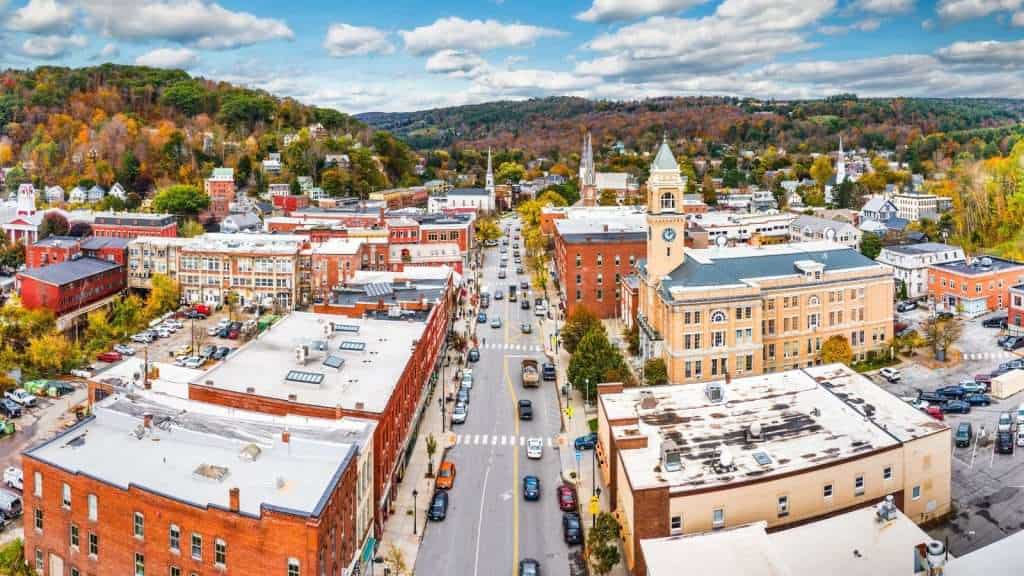
Montpelier, the smallest state capital in the United States, has a rich history that belies its size. It was a key location during the American Revolution and its State House is one of the oldest and most beautifully preserved in the country. The town is also known for its role in the anti-slavery movement.
Natchez, Mississippi
Natchez is a town steeped in Southern history, with its origins dating back to French colonial times in 1716. It became a wealthy center of cotton production in the 19th century and today, it is known for its stunning antebellum mansions and its role in the history of the Mississippi River.
Sitka, Alaska

Sitka, once the capital of Russian America, is a town with a unique blend of Native American and Russian history. The town was the site of the formal transfer of Alaska from Russia to the United States in 1867. Sitka National Historical Park commemorates the Tlingit and Russian heritage, with historical sites like the Russian Bishop’s House and totem poles telling the story of its past.
San Juan, Puerto Rico

San Juan, the capital of Puerto Rico, is one of the oldest cities in the Americas, founded in 1521. It played a crucial role in the defense of the Spanish Empire and its fortifications, including El Morro and San Cristóbal, are among the best-preserved in the Western Hemisphere. The city’s vibrant culture and historical significance make it a fascinating place to explore.
Deadwood, South Dakota
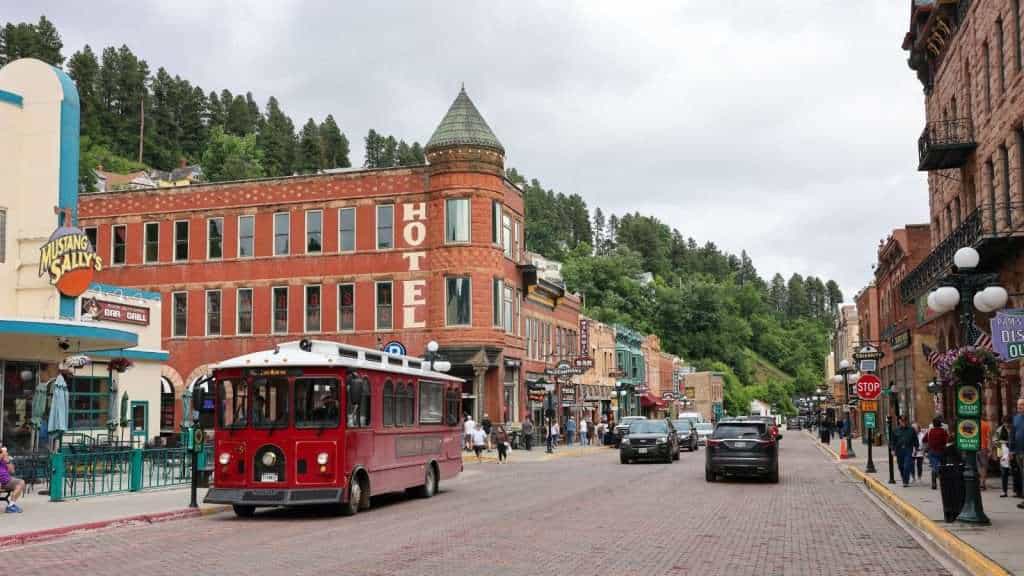
Deadwood, South Dakota, is a town with a rich history, making it one of the most fascinating historical places in the United States. Located in the Black Hills, Deadwood was founded during the Black Hills Gold Rush in the late 19th century and quickly became a lawless town filled with prospectors, outlaws, gamblers and legendary figures of the American West. The town quickly attracted thousands of prospectors looking to strike it rich. The rapid influx of people led to the development of a vibrant but often dangerous community, where lawlessness was common and vigilante justice was a part of daily life.
Galena, Illinois
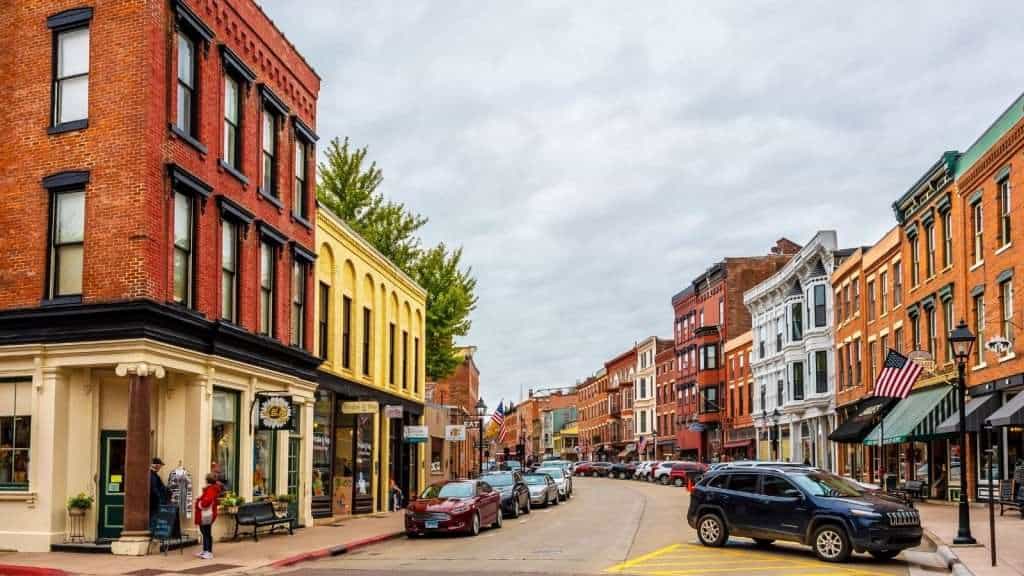
Galena was a booming lead mining town in the 19th century and the home of Ulysses S. Grant before he became the 18th President of the United States. The town’s well-preserved 19th-century architecture and its role in the Civil War era make it a place of significant historical interest.
Annapolis, Maryland

Annapolis, founded in 1649, became the capital of Maryland in 1695. As the colonial capital, it was a center of political, economic and cultural activity. The Maryland State House, which is still in use today, was completed in 1779 and holds the title of the oldest state capitol in continuous legislative use. It was here that the Treaty of Paris was ratified in 1784, officially ending the American Revolutionary War. Annapolis also served as the temporary capital of the United States from 1783 to 1784.
This story is part of our Places Locals Love series. Explore quiet escapes here.

Deborah Montiero is a seasoned travel writer and contributor to Probe the Globe. With a passion for uncovering hidden gems and sharing immersive travel experiences, Deborah’s work highlights must-visit destinations, insider tips, and practical advice for travelers of all types. Whether exploring bustling cities or remote escapes, her articles are crafted to inspire and inform, making her a trusted voice in the travel community.
Her storytelling weaves together cultural insights, logistical tips, and authentic experiences, making her a valuable resource for readers seeking unforgettable journeys.
When not writing, Deborah is likely researching the latest travel trends or planning her next adventure. Follow her work on Probe the Globe for fresh perspectives and up-to-date travel inspiration.